6 Cheap Fixes That Help an Old House Run More Efficiently
Old houses have a lot of character, but they’re not exactly known for running efficiently. Drafts, outdated systems, and small leaks here and there can add up fast.
The good news is, you don’t need to gut the place to make it better. A few cheap fixes can tighten things up and keep your bills in check. Here are nine changes that actually make a difference—and don’t cost a fortune.
Seal Around Windows and Doors

Drafts suck the life out of your heating and cooling, especially in an older home. A few tubes of caulk and a roll of weatherstripping can go a long way toward sealing up gaps around windows and doors.
Check for air leaks by running your hand along the edges on a breezy day or holding a candle near the frame. If the flame flickers, you’ve got a leak. Sealing it up takes a few minutes and pays off year-round.
Insulate Outlets and Light Switches

Most people don’t realize how much air sneaks through the gaps behind outlets and switches—especially on exterior walls. Foam gasket inserts cost pennies apiece and block that airflow right at the source.
You just pop off the cover plate, add the foam, and screw it back down. It’s a small job that adds up fast, especially if your house has a lot of switches and outlets. Not glamorous, but it gets results.
Clean Out Dryer Vents
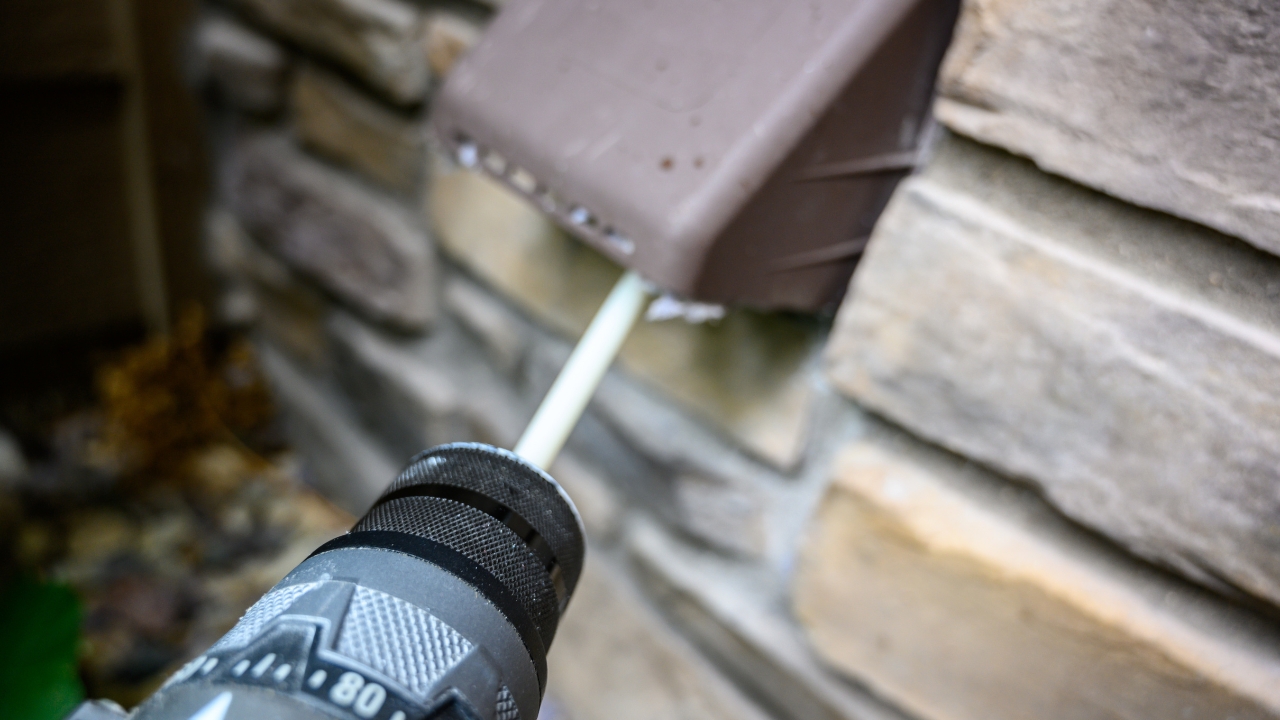
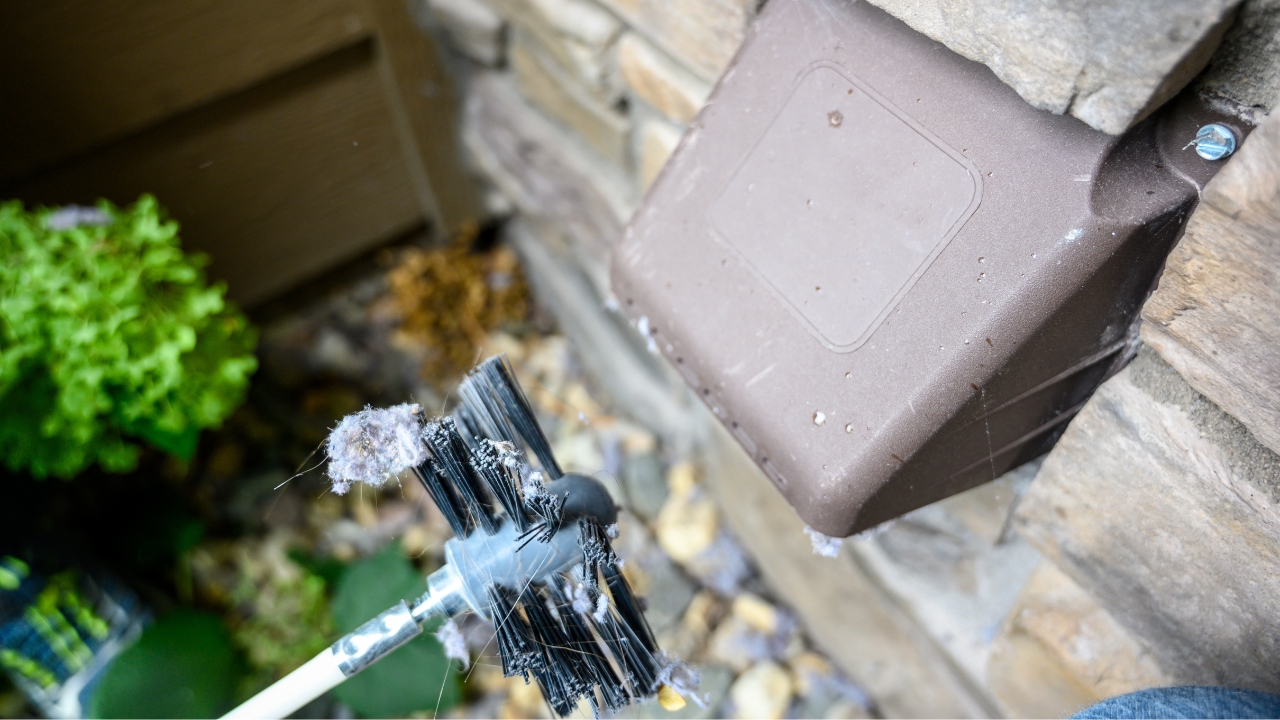
A clogged dryer vent forces your machine to run longer and wastes a ton of energy. It’s also a fire hazard, so keeping it clean helps you on two fronts. A dryer vent cleaning brush kit runs around $20 and lets you handle it yourself.
Pull the dryer out, disconnect the hose, and brush out both ends—inside and out. You’ll be surprised how much lint builds up over time. Doing this once or twice a year keeps your dryer running smoother and safer.
Turn Down the Water Heater

Most water heaters are set too high by default—usually around 140°F. Dropping it down to 120°F can save money and still give you hot showers without the scald risk. It also reduces wear on your plumbing and lowers standby heat loss.
All you need is a flathead screwdriver and about five minutes. Just be sure to check the manual for your model. If your water’s still too hot to touch after running for a while, it’s likely set higher than it needs to be.
Use Thermal Curtains or Window Film
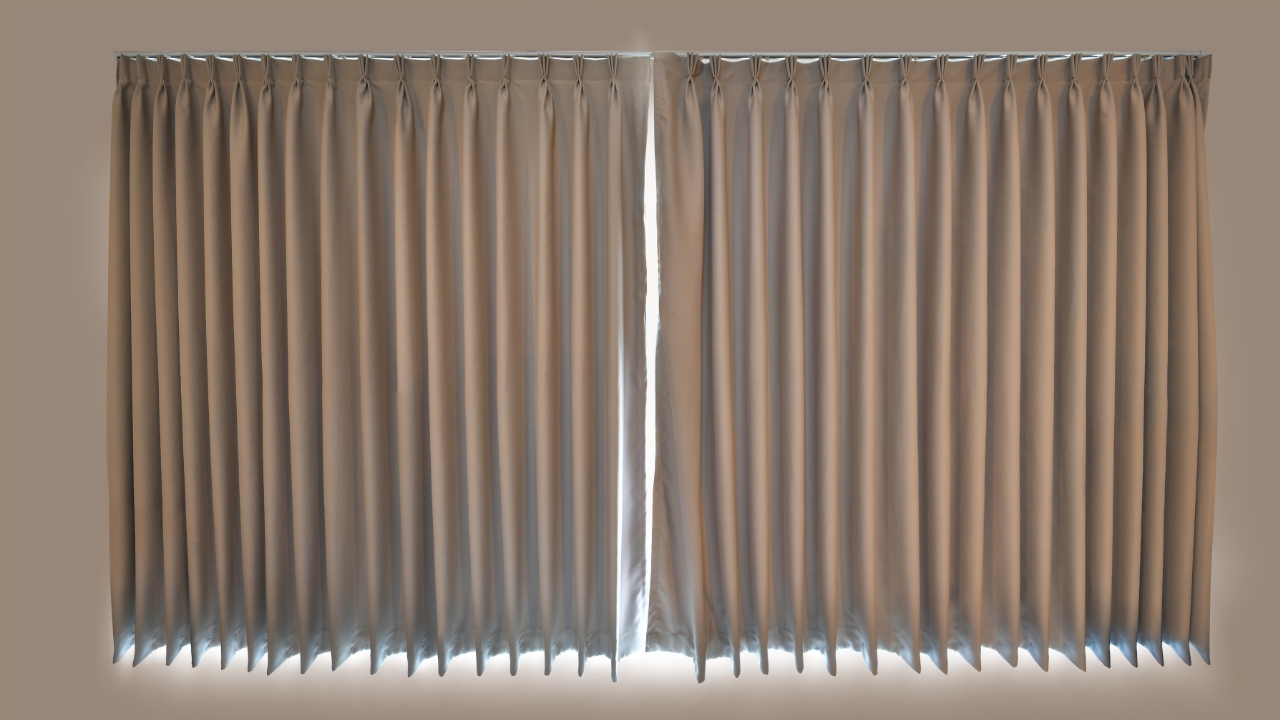
Old windows let out a ton of heat in winter and let too much in during summer. Thermal curtains or insulating window film can help regulate indoor temps without replacing the whole window.
Thermal curtains are easy—just hang them up and you’re done. Window film takes a little more effort with a hair dryer and squeegee, but it’s still a DIY job. Both options are cheap and make a noticeable difference in drafty rooms.
Replace Furnace Filters Regularly
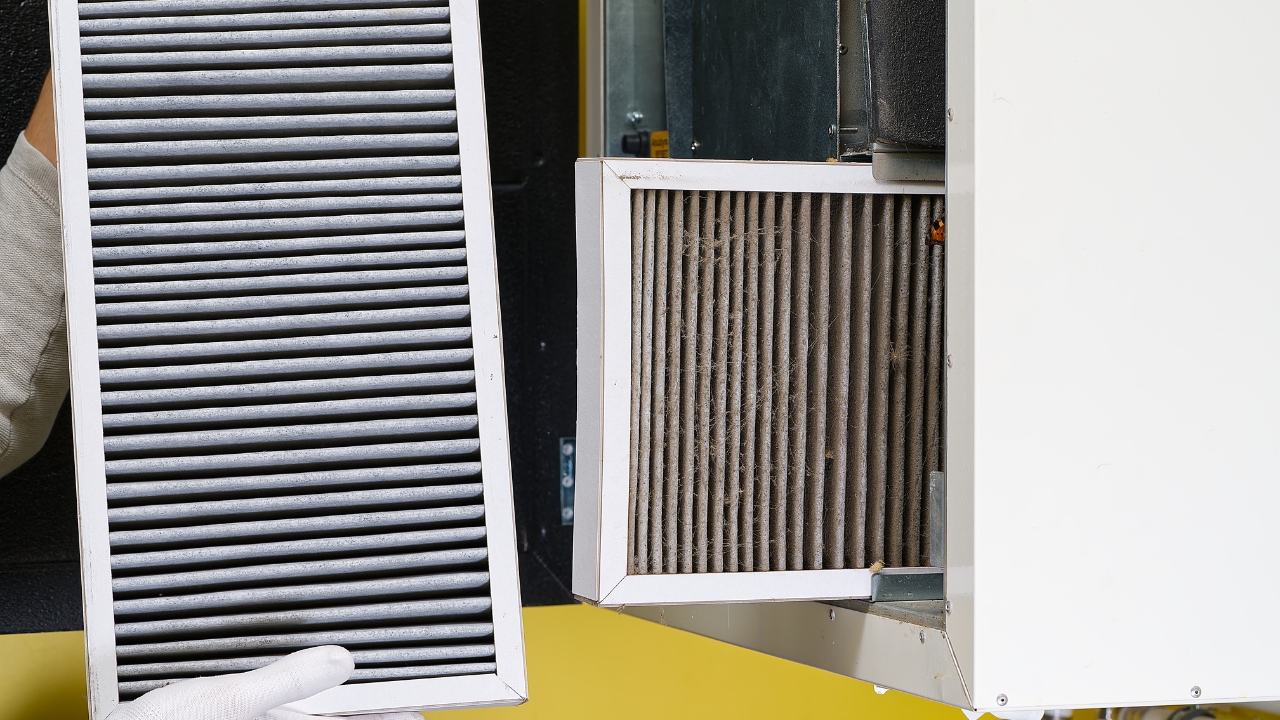
If your HVAC is working harder than it should, chances are the filter’s clogged. Swapping it out every couple of months keeps airflow smooth and your system running more efficiently. Filters are cheap—especially if you buy a few at once.
Make it part of your routine. Write the change date on the filter with a marker so you’re not guessing later. A clean filter means less strain on your blower motor and lower energy use across the board.
*This article was developed with AI-powered tools and has been carefully reviewed by our editors.