9 energy habits that waste over $1,000 a year without you realizing
Energy costs creep up slowly, and most people don’t realize how much everyday habits add to the bill. A few extra lights left on, appliances running when no one’s using them, or heating and cooling an empty house—it all adds up to hundreds of dollars over the year. Small changes make a big difference, and fixing the most common wasteful habits can easily save you over $1,000 annually without sacrificing comfort.
Leaving lights on in empty rooms

It’s easy to walk out of a room and forget to flip the switch, but those hours add up. A handful of bulbs left burning every night can waste over $100 a year. Multiply that across your house, and you’re throwing away far more than you think.
Switching to LED bulbs helps, but the real saver is building the habit of turning lights off. Motion sensors in high-traffic areas can also cut down on wasted electricity without you having to think about it.
Running appliances during peak hours

Using big appliances like the dishwasher or dryer during peak demand times costs more in many areas. Even if you don’t have time-of-use pricing, running them when your house is already pulling heavy loads increases overall energy use.
Running these appliances at night or early morning spreads out your energy draw. Some modern appliances even have delay start options, letting you set them to run when it’s cheapest.
Cranking the thermostat too far

Pushing your heater or AC five degrees higher or lower than needed doesn’t heat or cool faster—it just makes the system run longer. Every degree of difference from the outside temperature can raise your bill by about 3%.
Instead, aim for a steady, moderate setting. Using programmable or smart thermostats makes it easier to avoid overworking your system while keeping the house comfortable.
Letting electronics stay plugged in
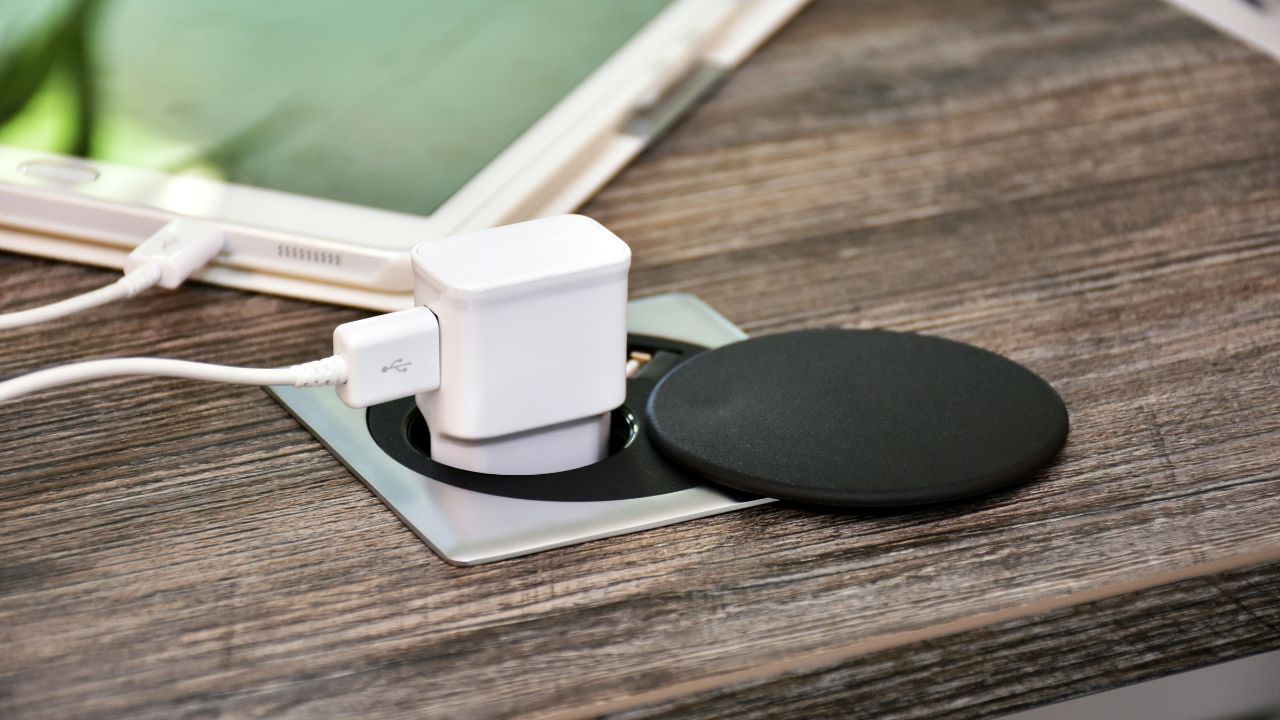
Chargers, TVs, and gaming systems draw “phantom power” even when they’re off. That constant trickle can quietly cost you $100–200 a year.
Unplugging what you don’t use or plugging multiple items into a power strip you can shut off cuts that waste immediately. It’s one of the simplest ways to lower your bill without effort.
Ignoring air leaks around windows and doors
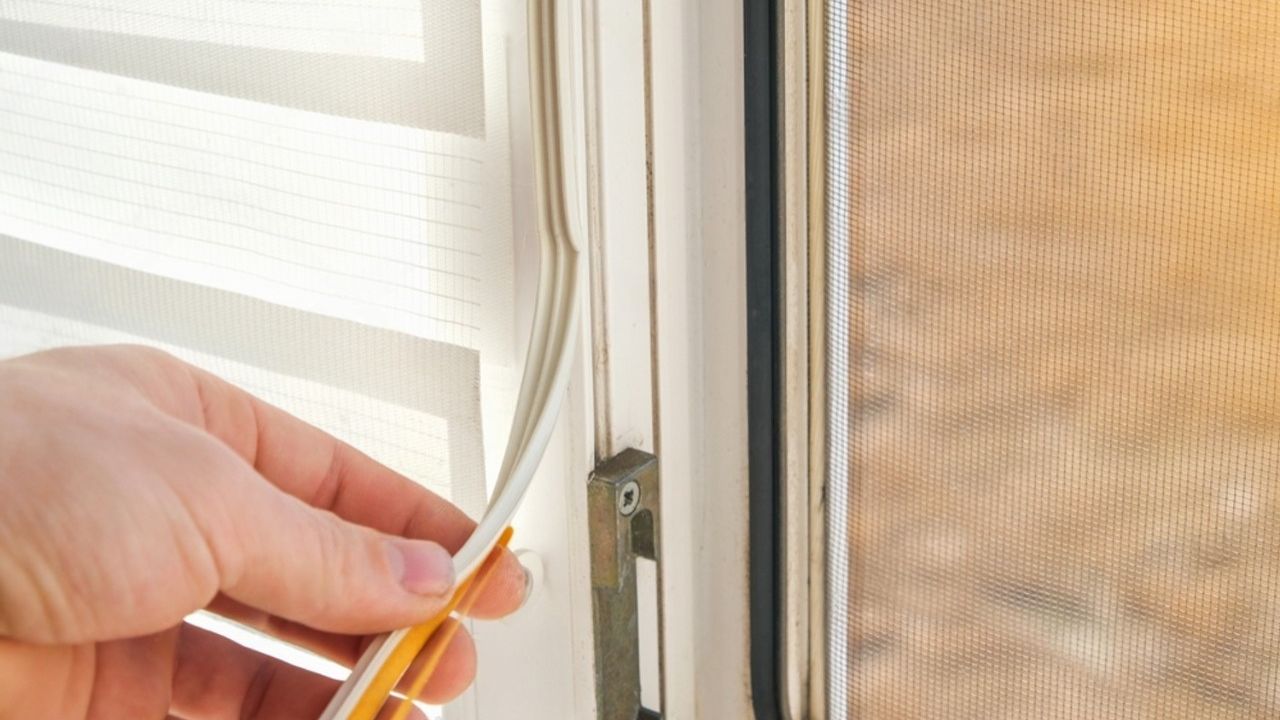
Even small gaps around windows or under doors let your heated or cooled air escape. Your system then works harder to maintain temperature, wasting hundreds of dollars a year.
Weatherstripping and caulking are inexpensive fixes that pay for themselves quickly. A draft stopper on exterior doors makes a noticeable difference in comfort and cost.
Overdrying clothes
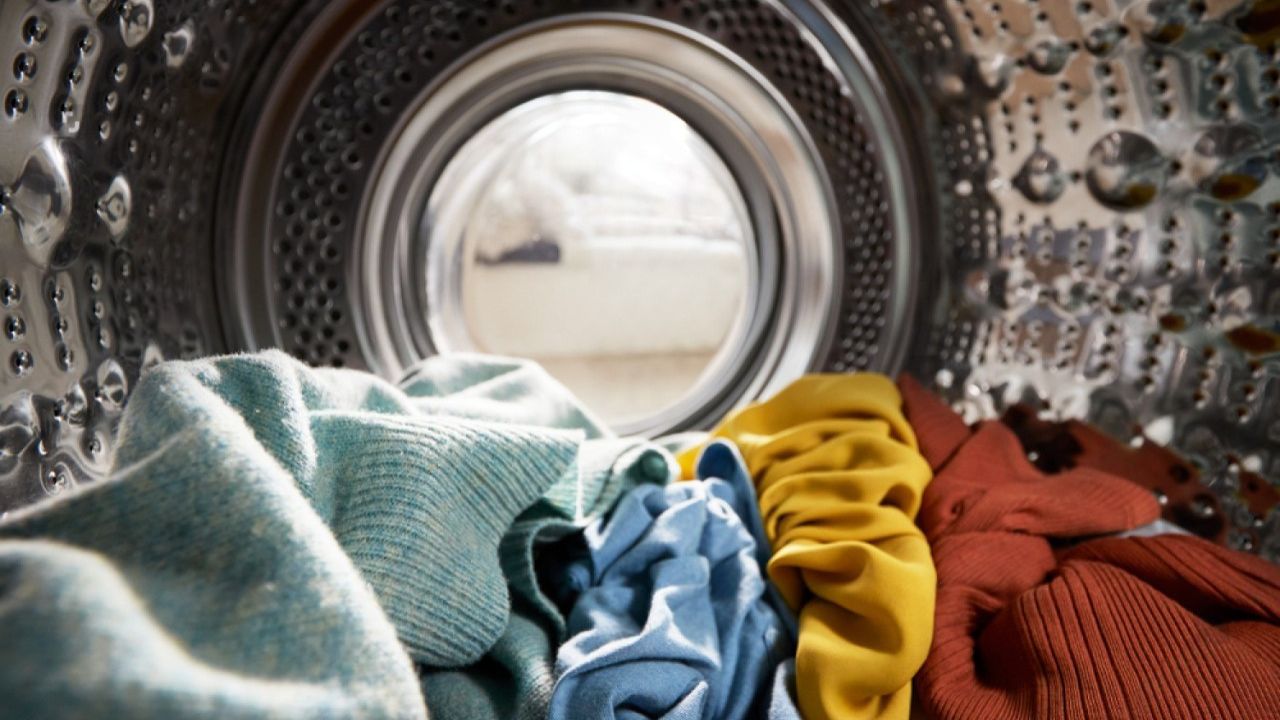
Running your dryer 15–20 minutes longer than needed doesn’t get clothes cleaner—it only wastes energy. Many people run “extra” time out of habit, but it adds up to about $100 a year.
Using the moisture sensor setting instead of a set timer ensures the dryer stops when clothes are done. You’ll save on electricity and keep clothes in better shape longer.
Heating water too hot
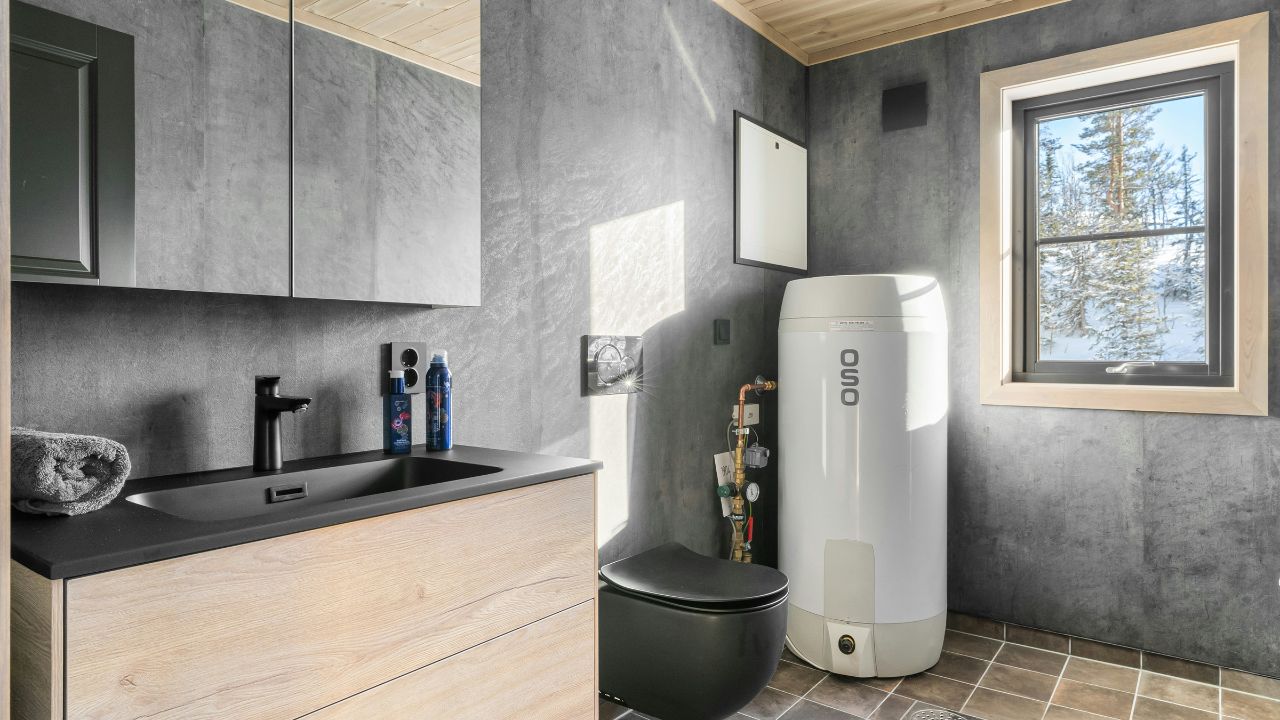
Most water heaters are set at 140°F by default, but you rarely need it that high. Heating water beyond what you use for showers or laundry only wastes energy.
Dropping your water heater to 120°F is safer, more efficient, and can cut $50–$100 a year from your bill. It also extends the life of the tank by reducing mineral buildup.
Forgetting regular HVAC maintenance
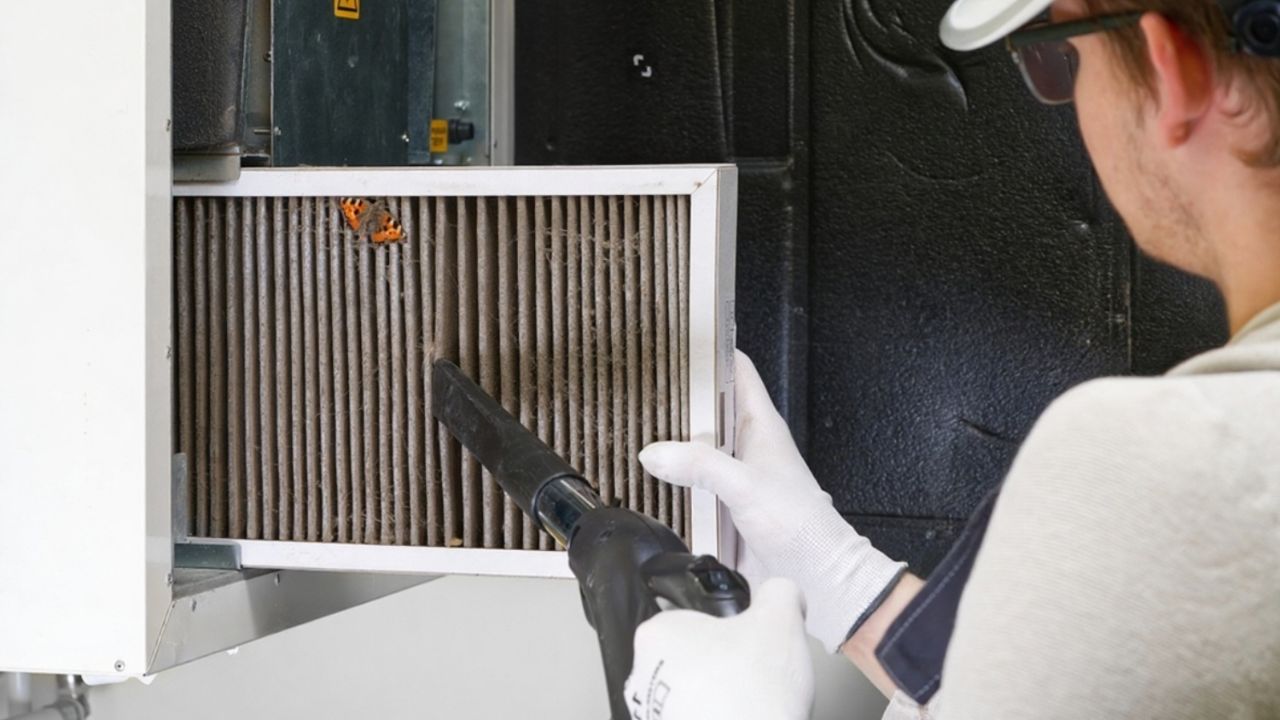
Dirty filters make your system work harder, using more energy and shortening its lifespan. Skipping seasonal maintenance can cost you both in higher bills and earlier breakdowns.
Changing filters every 1–3 months and having a professional tune-up once a year can save you hundreds. A clean system runs more efficiently and keeps your energy use in check.
Leaving ceiling fans running in empty rooms
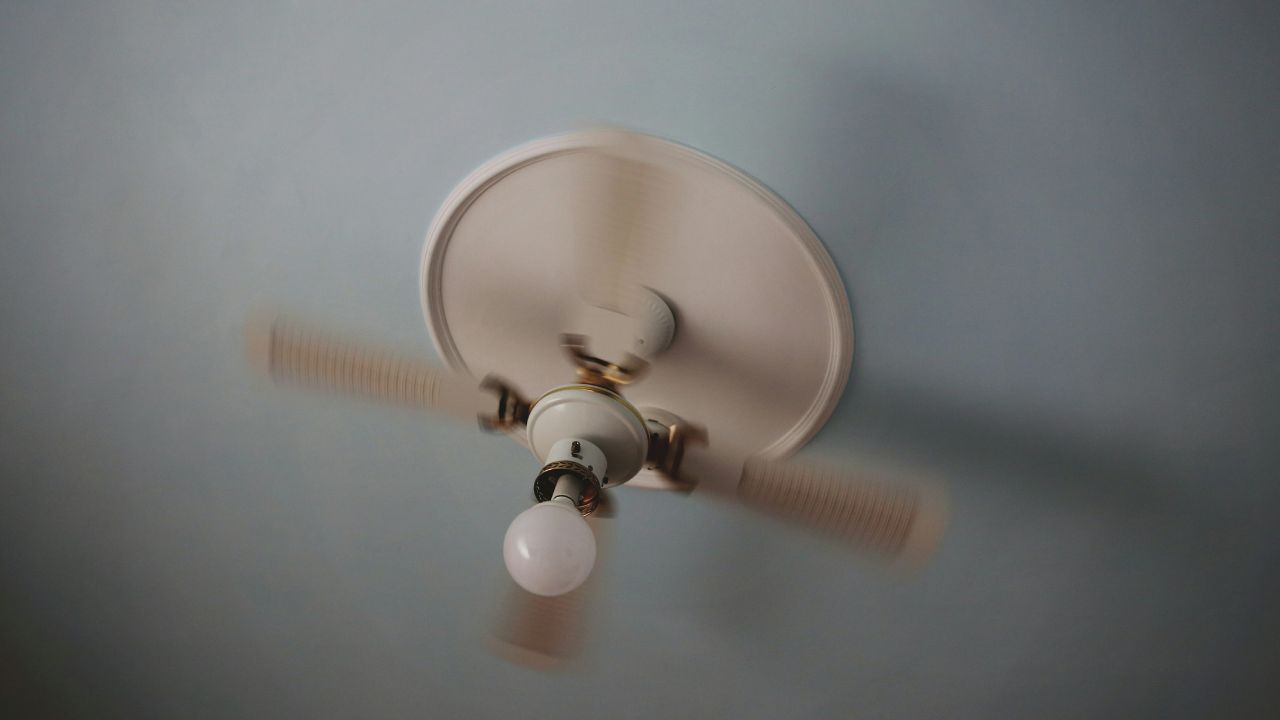
Fans don’t cool the air—they only move it across your skin. Leaving them on in empty rooms is a common waste that can add up quickly if they’re running all day.
Use fans only when you’re in the room, and make sure blades are spinning the right way for the season. Counterclockwise in summer helps with cooling, while clockwise on low in winter circulates warm air.
*This article was developed with AI-powered tools and has been carefully reviewed by our editors.