10 everyday products you’re rebuying too often
Photo credit: Sergey Ryzhov/Shutterstock
Some household products seem to disappear faster than they should, and chances are you’re using them in ways that make you run out quicker. Learning where you can cut back — without sacrificing cleanliness or comfort — stretches every dollar.
It’s not about going without, but about using what you have smarter so you’re not constantly restocking.
Paper Towels
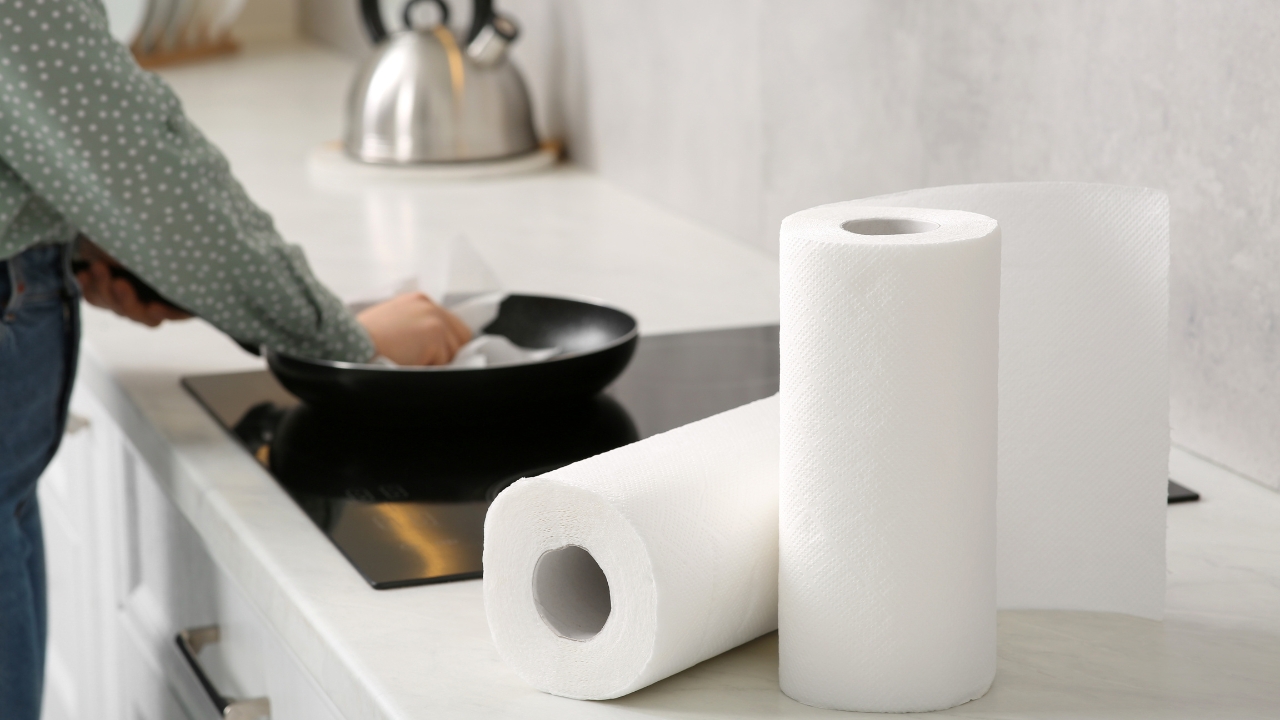
Paper towels are convenient, but if you’re grabbing them for every little spill, you’ll go through rolls in no time. Keeping washable rags or microfiber cloths on hand for everyday messes helps cut back. Reserve paper towels for greasy cleanup or raw meat messes. You’ll notice you’re buying half as many packs once you swap habits.
Laundry Detergent
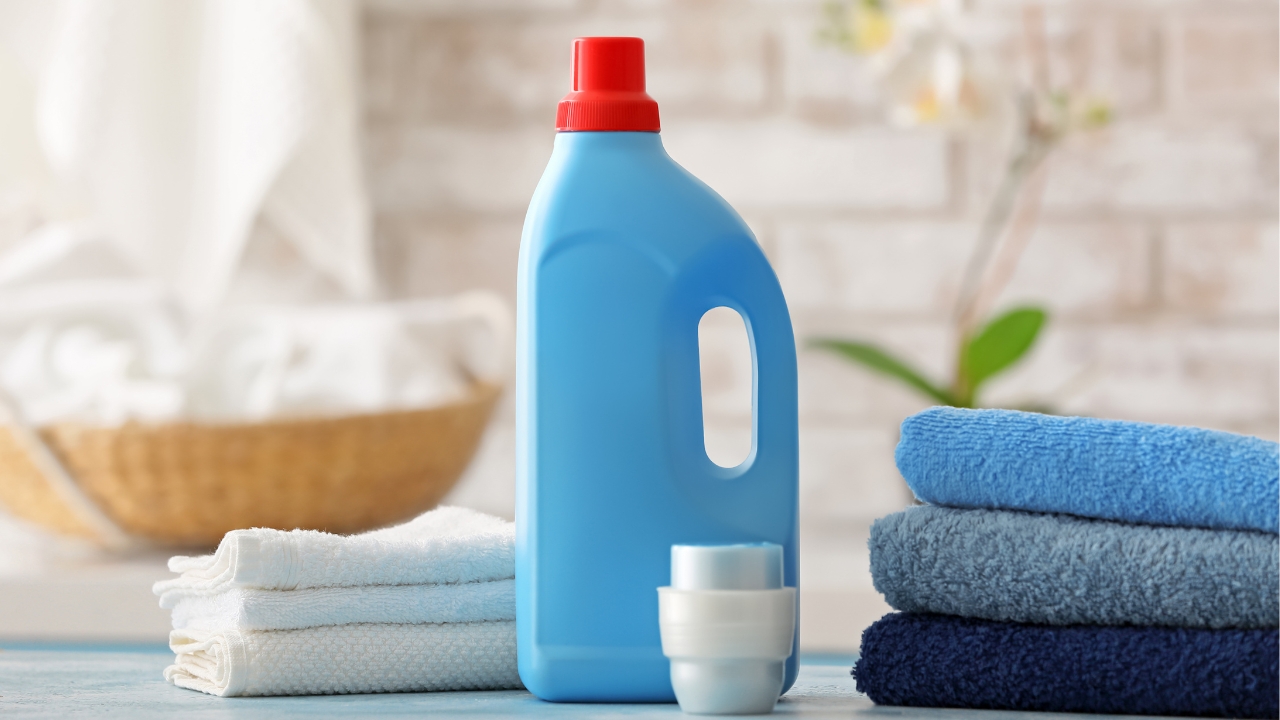
It’s easy to assume more soap means cleaner clothes, but using too much detergent actually wastes product and leaves residue on fabrics. Most loads only need a small amount, especially with high-efficiency washers. Following the cap lines or using pre-measured pods ensures you don’t overuse — and you’ll save more bottles over the course of a year.
Shampoo and Conditioner
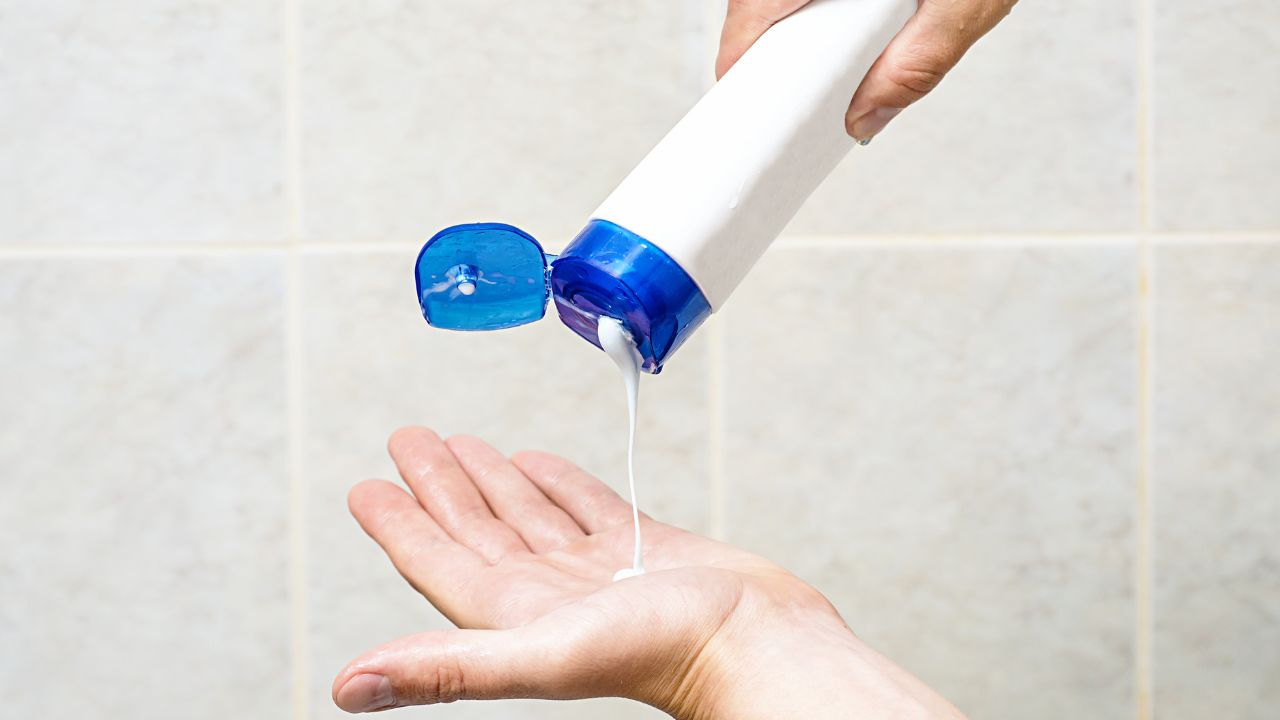
Most people use far more shampoo and conditioner than needed. A quarter-sized amount of shampoo is enough for most hair, and conditioner usually only needs to go from mid-length to ends. If you’re dumping large amounts into your hand, you’re literally washing money down the drain. Switching to a pump bottle helps keep portion sizes consistent.
Dish Soap

Filling the sink with suds feels right, but dish soap is concentrated. A few drops often do the job, especially if you’re soaking dishes. Diluting dish soap in a pump bottle with water makes it last longer without losing cleaning power. You’ll find dishes still get squeaky clean, but the bottle doesn’t empty as fast.
Sponges

Replacing sponges too often gets expensive, but using them too long isn’t sanitary. Instead of tossing them after a few uses, sanitize sponges in the microwave or dishwasher to extend their life safely. Or switch to silicone scrubbers, which don’t hold bacteria the same way and can last for months instead of weeks.
Trash Bags
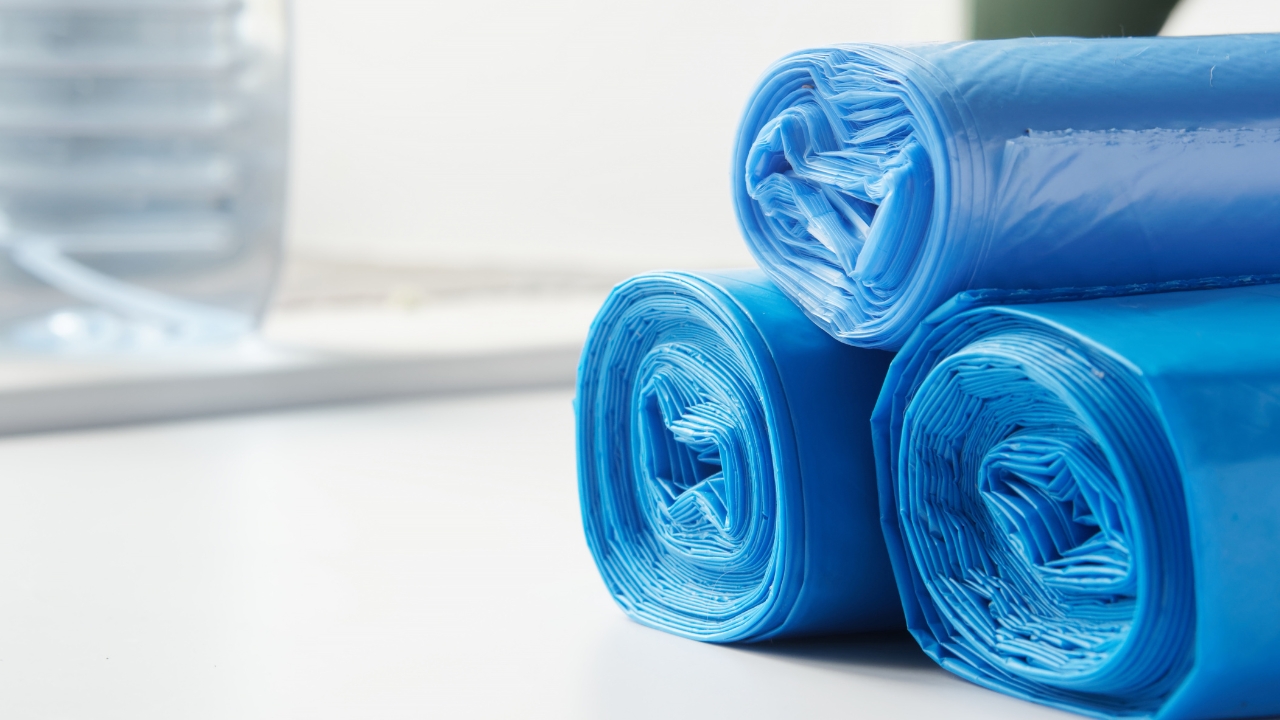
Using larger trash bags for half-full bins wastes money fast. Choosing the right size for each can — small bags for bathrooms, medium for bedrooms, and heavy-duty only for the kitchen — makes a pack go further. It also helps to avoid double-bagging unless absolutely necessary.
Toothpaste
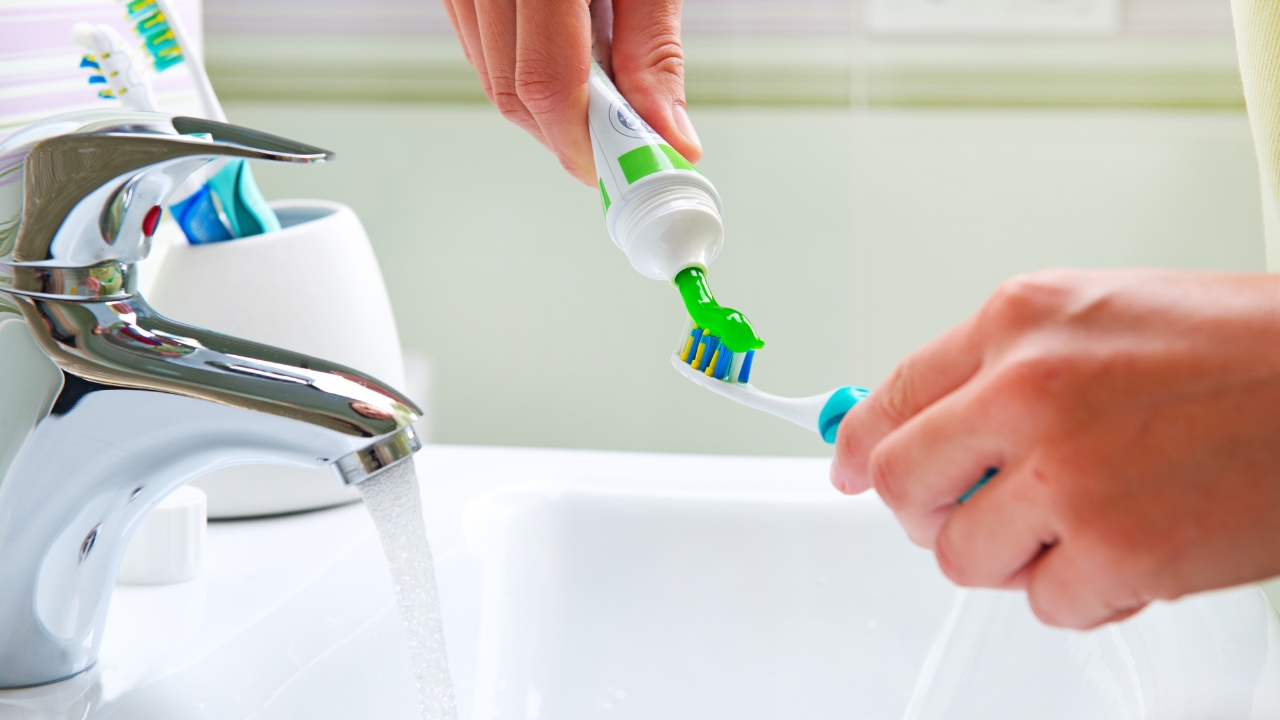
Most of us load toothbrushes with way more toothpaste than dentists recommend. A pea-sized amount is enough for adults. Using less each time stretches tubes out much longer without any loss in effectiveness. Teaching kids the same trick keeps them from squeezing half the tube out at once.
Cleaning Sprays

Spraying surfaces until they’re dripping doesn’t clean better; it only empties bottles faster. Most disinfectants work best when surfaces are lightly misted and then wiped after sitting for the recommended time. Switching to concentrated formulas that you dilute yourself also cuts down on how often you buy replacements.
Coffee Pods
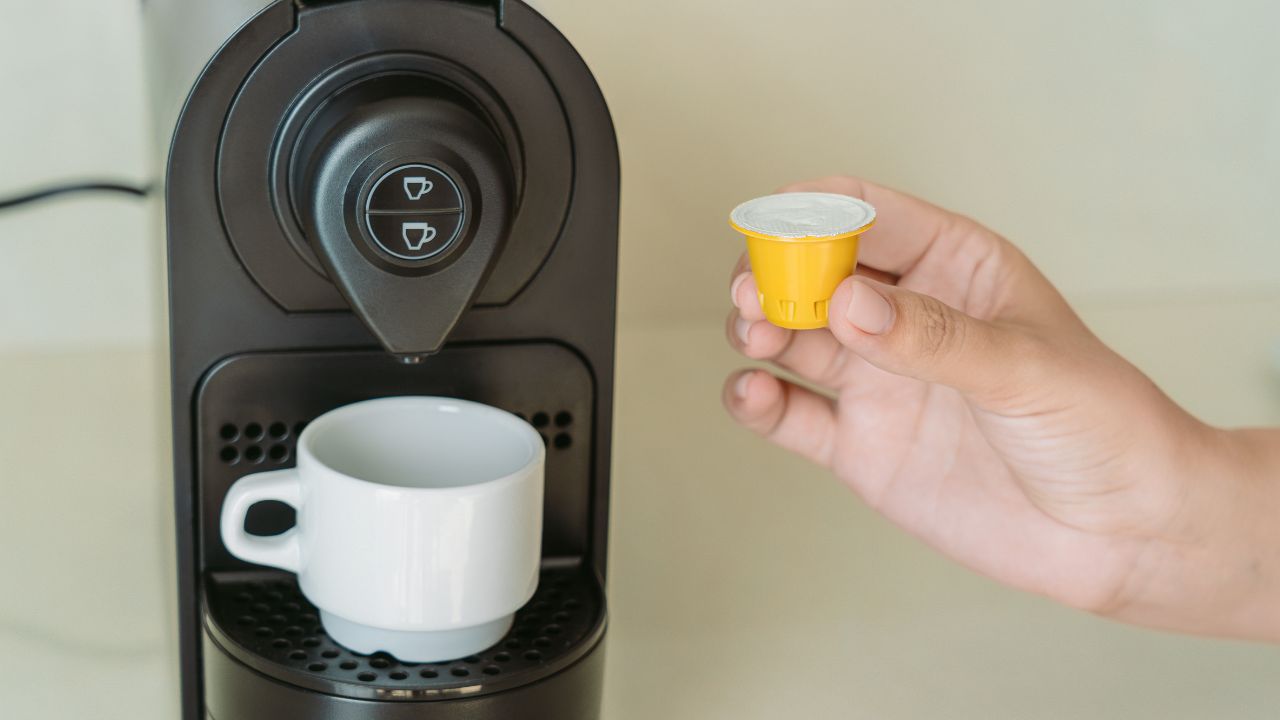
Single-serve coffee pods add up fast if you’re brewing multiple cups daily. Refillable pods let you use your own coffee grounds, which costs pennies per cup compared to brand-name pods. If you still want the convenience of disposables, buying in bulk at warehouse stores saves more than grabbing small packs at the grocery store.
Batteries
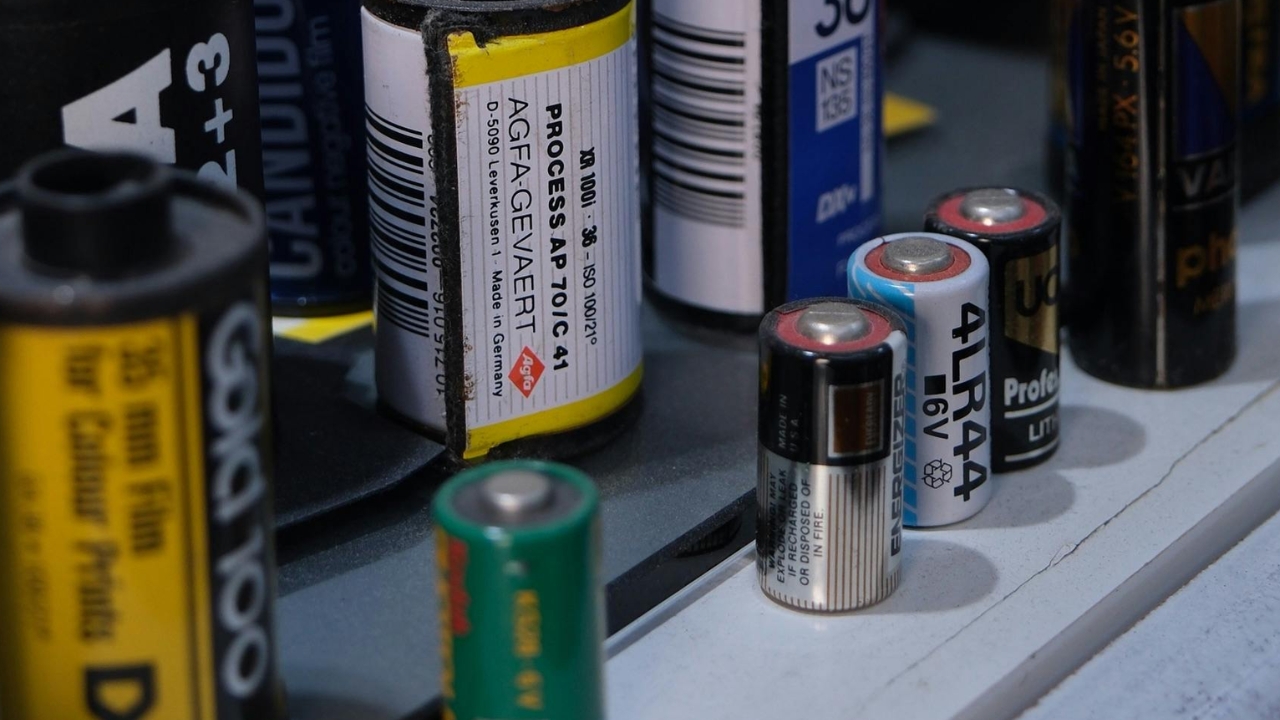
Buying disposable batteries every few weeks drains your wallet. Rechargeable batteries cost more upfront but pay for themselves quickly when you’re powering remotes, toys, and small electronics. Keeping a charger in the house ensures you’re never stuck without power, and you’ll drastically cut down on replacements.
*This article was developed with AI-powered tools and has been carefully reviewed by our editors.