Neighbor Builds a Fence Two Feet Over the Property Line — Then Says It’s “Close Enough”
Photo credit: Robert Reed/Shutterstock.com
A fence can be one of the fastest ways to turn a neighbor relationship tense. It marks a boundary everyone has to look at every day, and if that boundary is wrong, the problem is not easy to ignore. A few inches can be annoying. A couple of feet can feel like someone just claimed part of your yard and expected you to live with it.
That is what one property owner described after saying their neighbor built a fence two feet inside their property line. They shared the situation in a Reddit post on r/legaladvice, asking what they could do after the fence went up in the wrong place. The original Reddit post is here: https://www.reddit.com/r/legaladvice/comments/1o691fs/neighbor_built_a_fence_two_feet_into_my_property/
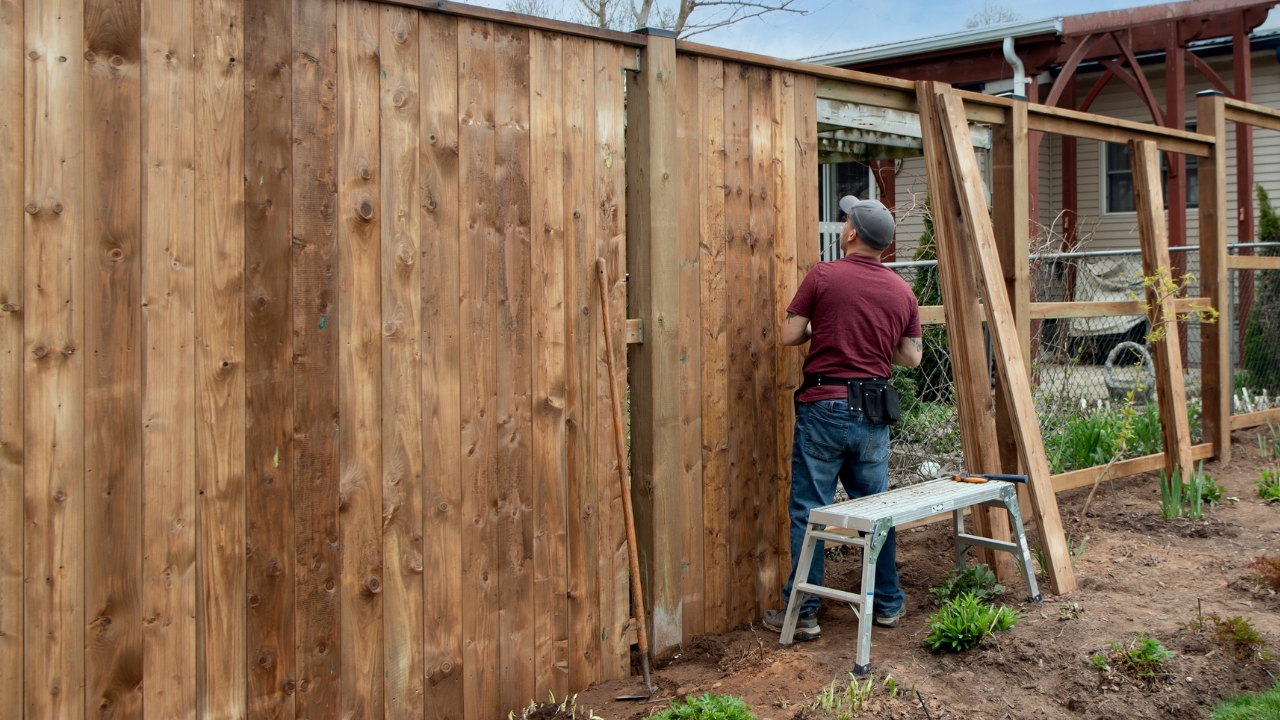
According to the homeowner, the neighbor built the fence and placed it about two feet onto the homeowner’s side of the property line. That is not a tiny mistake hidden behind a shrub or a vague disagreement over where the grass changes color. Two feet can matter a lot, especially along a long fence run. Over time, that can mean a meaningful strip of land, future access problems, landscaping issues, resale concerns, and one very uncomfortable neighbor dynamic.
The frustrating part was that the neighbor apparently did not treat it like a serious issue. From the homeowner’s view, the fence was not where it belonged, and the neighbor’s attitude seemed closer to “close enough” than “we need to fix this.” That is where these disputes can become personal fast. A fence is not only wood, posts, and panels. It is a visible claim about where one person’s space ends and another person’s begins.
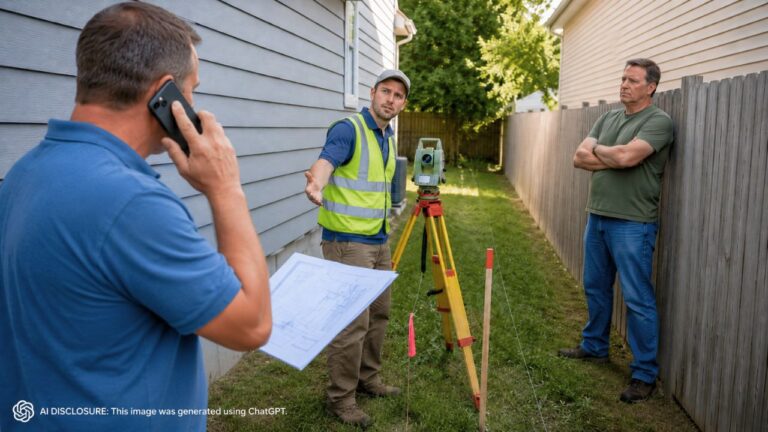
For a homeowner, the first question in a situation like this is always proof. Property lines are not based on where a neighbor thinks the fence should go, where the lawn has been mowed, or where an old tree sits. The legal line comes from surveys, deeds, plats, and recorded property documents. If the homeowner already had a survey showing the fence was over the line, that would be a very different conversation than if they were estimating based on old markers or what a previous owner said.
That is why property-line fights often start with a survey. It can feel annoying to pay for one when the neighbor is the person who built the fence, but it gives the homeowner something solid. Without it, the dispute can become two people arguing opinions. With it, the issue becomes much harder to dismiss.
The second question is what to do once the boundary is confirmed. A homeowner may be tempted to remove the fence or cut off the part that crosses the line, especially if it is clearly on their land. But that can create a whole new problem. Even when a structure crosses onto someone else’s property, tearing it down without following the right process can lead to claims for damage or escalation with the neighbor.
The safer path usually starts with documentation and written notice. Photos of the fence, the survey, property markers, and any communication with the neighbor should be saved. Then the homeowner can send a calm written request asking the neighbor to move the fence back onto their own property by a specific date. If the neighbor refuses, that is when a real estate attorney, code enforcement, or court may become necessary.
The timing also matters. Letting a fence stay in the wrong spot for years can make the situation harder. Depending on the state and the facts, long-term use of land can sometimes raise adverse possession, prescriptive easement, or boundary-by-agreement issues. Those claims are not automatic, and they are not simple, but homeowners are usually better off addressing encroachments early instead of ignoring them.
There is also the resale problem. Even if the homeowner does not care about the missing strip of grass today, a future buyer, lender, title company, or surveyor might. A fence over the line can delay a sale, create title concerns, or force a correction at the worst possible time. It is much easier to deal with while the issue is fresh and the neighbor who built it is still there.
What makes these stories so aggravating is that the solution could have been simple before the fence was built. A survey, a permit check, and a conversation could have prevented most of it. But once posts are set and panels are up, the person who made the mistake may not want to spend money moving them. The homeowner whose land was taken is then left having to push the issue.
For this homeowner, the lesson was clear: do not let “close enough” become the new property line. If the fence is truly two feet over, it needs to be addressed with proof, records, and a firm plan before the mistake becomes a long-term headache.
Commenters focused heavily on getting a survey and not relying on guesses. Several said the homeowner needed an official survey or existing survey documents before making demands, especially if the neighbor might dispute the property line.
A number of users warned against removing the fence without legal guidance. Even if the fence was on the homeowner’s land, commenters said tearing it out could escalate the situation or create claims for property damage. The better move was to document the encroachment and send written notice first.
Others recommended talking to a real estate attorney if the neighbor refused to move the fence. A lawyer could send a demand letter, explain local rules, and help prevent the homeowner from accidentally weakening their position.
Several commenters also urged the homeowner to act sooner rather than later. An incorrect fence line may seem like a small annoyance at first, but if it is left alone for years, it can complicate ownership, resale, and future property disputes.