Buyer Finds Standing Water Under the House After Closing — Then the Seller’s “Small Moisture Issue” Starts Looking Bigger
Photo credit: Fix It Homestead
A little moisture under a house can sound harmless when someone is trying to close a sale.
Maybe the crawlspace gets damp after heavy rain. Maybe the yard holds water for a day or two. Maybe the seller describes it like one of those normal old-house quirks that every buyer is expected to accept.
But there is a big difference between a small moisture issue and standing water under the house.
One buyer learned that after closing, when the problem they thought was minor started looking like something much more serious.
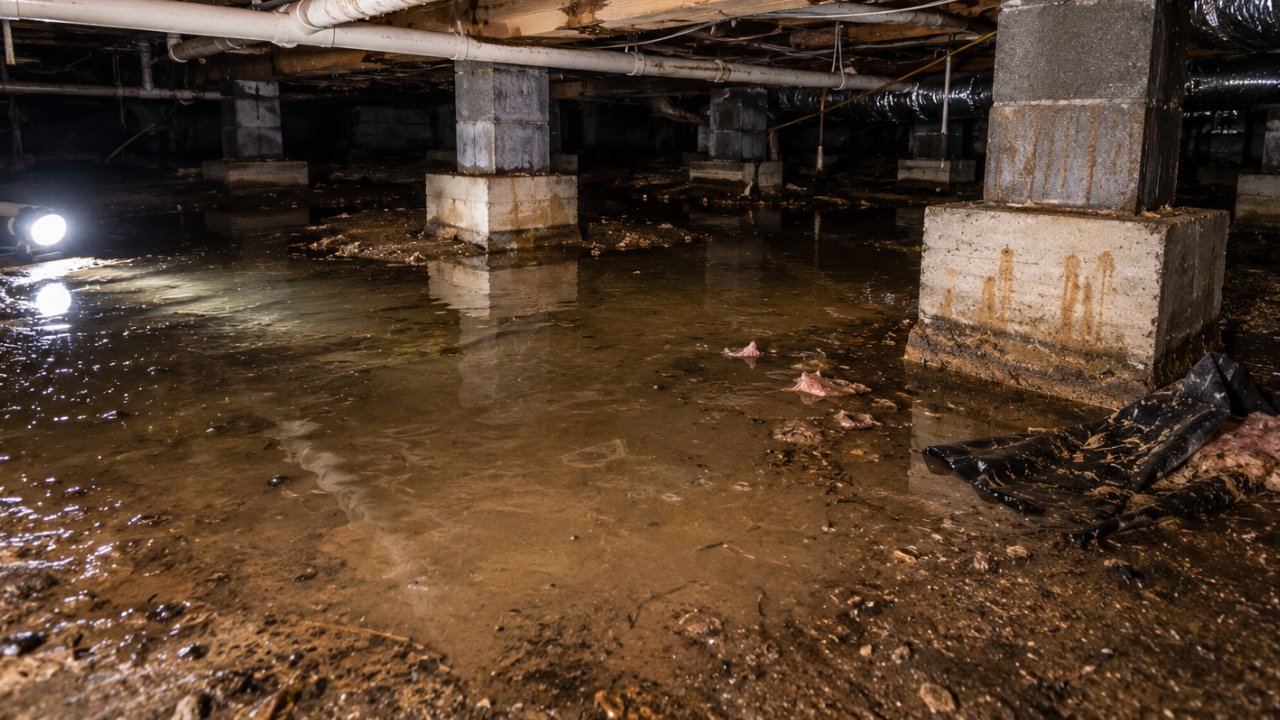
The house had already been purchased. The paperwork was signed. The seller was gone. Then the buyer discovered water sitting underneath the home, turning what should have been an exciting move-in period into a crawlspace nightmare.
And suddenly, the seller’s description of the issue did not feel nearly specific enough.
The problem sounded smaller before closing
Before buying a home, most people expect a few imperfections.
A roof may need repairs in a few years. A water heater may be older. A deck may need staining. In many cases, buyers decide which problems they can live with and which ones should become deal breakers.
Moisture under the house is one of those problems that can go either way, depending on what is actually happening.
A little dampness after a storm may be manageable with grading, gutters, vapor barrier work, or drainage improvements.
Standing water is different.
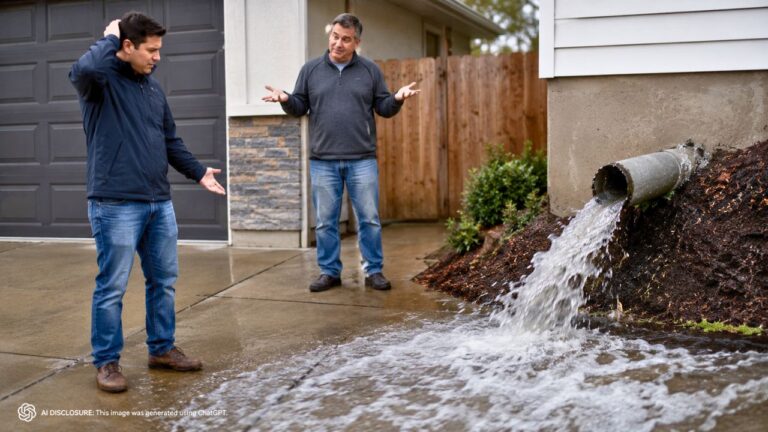
Standing water can point to poor drainage, plumbing leaks, grading problems, foundation concerns, missing vapor barriers, clogged gutters, failed sump systems, or water being directed toward the home from somewhere else.
It can also create the kind of environment where mold, rot, pests, and structural damage get a head start.
That is why the buyer’s discovery felt so alarming. The issue was not just that there was water. It was that the water appeared serious enough to make them question what had been disclosed before closing.
The crawlspace changed the whole mood of the purchase
Buying a home is already expensive, and most buyers are stretched thin by the time they get the keys.
There are closing costs, moving costs, utility deposits, furniture, basic repairs, tools, and all the little things that suddenly need to be bought at once.
The last thing a new homeowner wants to discover is a hidden water issue underneath the house.
Once standing water enters the picture, every normal sound and smell in the house can start to feel suspicious. A musty odor becomes more concerning. Soft flooring feels more serious. Bugs in the crawlspace seem less random. Cracks and settling start to raise bigger questions.
The buyer may have thought they were getting a house with a manageable moisture note.
Instead, they were now wondering whether the issue had been minimized.
The seller’s wording became important
The phrase “small moisture issue” can cover a lot of ground.
That is what makes these situations so frustrating.
If a seller says there is occasional dampness, but the buyer later finds standing water, the buyer may start wondering whether the seller knew more than they said.
Had the seller seen the water before? Had a contractor warned them? Had there been previous drainage repairs? Was there mold remediation? Were there old invoices, photos, or insurance claims? Did the seller avoid looking under the house because they did not want to know?
Those questions are hard to answer after closing.
But they matter because disclosure rules often depend on what the seller knew and what they represented to the buyer. A vague statement can leave a buyer stuck trying to prove that the issue was known, significant, and not properly disclosed.
That can be difficult, especially if the problem changes with weather.
Commenters focused on documentation and experts
When buyers discover a serious issue after closing, the first instinct is usually panic.
But people who have been through home problems often recommend slowing down enough to document everything.
Photos and videos of the standing water matter. Dates matter. Weather conditions matter. Inspection reports matter. Seller disclosures matter. Any text messages, emails, repair receipts, or contractor notes from before closing may matter too.
The buyer would likely need to understand whether the water was from drainage, plumbing, groundwater, grading, or something else entirely.
That means getting qualified eyes on the crawlspace.
A plumber may be needed if there is a leak. A foundation or drainage contractor may be needed if the issue is water flow around the house. A mold or crawlspace specialist may be needed if there is damage or contamination. And if the buyer believes the seller hid the seriousness of the problem, a real estate attorney may become part of the conversation.
Commenters also tend to warn that the first quote is not always the quote to trust. Crawlspace and drainage repairs can get expensive fast, and a scared new homeowner can be easy to pressure.
The fear was not just water — it was what the water had already done
Standing water under a house is bad enough on its own.
But the deeper fear is what has been happening over time.
If the water has been there for months or years, the buyer may be looking at damaged insulation, rotting wood, mold growth, pest activity, rusting metal components, and air quality problems inside the home.
And because crawlspaces are hidden, those problems can grow quietly while the living space still looks fine.
That is what makes the seller’s “small moisture issue” description feel so loaded.
Small moisture issues do exist. But when a buyer finds actual water under the home after closing, it is reasonable for them to wonder whether they were given the full picture.
The new homeowner had to deal with the problem alone
The most frustrating part was timing.
If the standing water had been fully understood before closing, the buyer could have negotiated repairs, requested credits, walked away, or brought in specialists before taking ownership.
After closing, the leverage changed.
Now the water was under their house. The repair quotes would come to them. The stress would sit with them. And any fight over what the seller knew would require proof, patience, and probably money.
That is why a “small moisture issue” can become such a big deal.
Because once the buyer finds standing water under the house, the question is no longer just how to dry it out.
The question is whether the house was sold with a problem that was much bigger than anyone admitted.