South Carolina Buyer Finds the Deeded Easement to a New Parcel Never Actually Existed — Then Watches Title Insurance Sue Six Neighboring Landowners to Fix It
Photo credit: AI-generated image created using ChatGPT. Illustrative only.
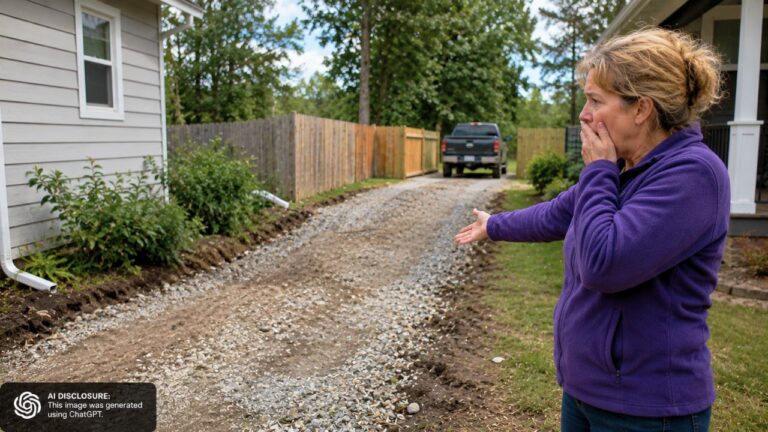
Buying land is supposed to be the quiet kind of stressful. Paperwork, a survey, maybe a brush-clearing daydream or two. But one South Carolina buyer says their “simple” parcel purchase turned into a nightmare the moment a neighbor looked them in the eye and basically said: you can’t get to your own property.
In the original post, the buyer explains they closed on a parcel in January 2024 and did what responsible buyers are told to do: they bought title insurance. Everyone involved believed there was a recorded easement for access. Then the neighboring parcel pushed back, denying the right to drive past a home along what was thought to be the legal route. And after digging into the records, the buyer says the real shock surfaced: the easement they all relied on didn’t actually exist.
The “access” everyone assumed was real wasn’t on paper
If you’ve ever lived near rural parcels or older subdivisions, you know how access gets treated like folklore. “That’s the way everyone’s always gone.” “The last owner drove through there.” “It’s on the old map.” It works right up until the day somebody new buys in and someone else decides to enforce the literal boundaries.
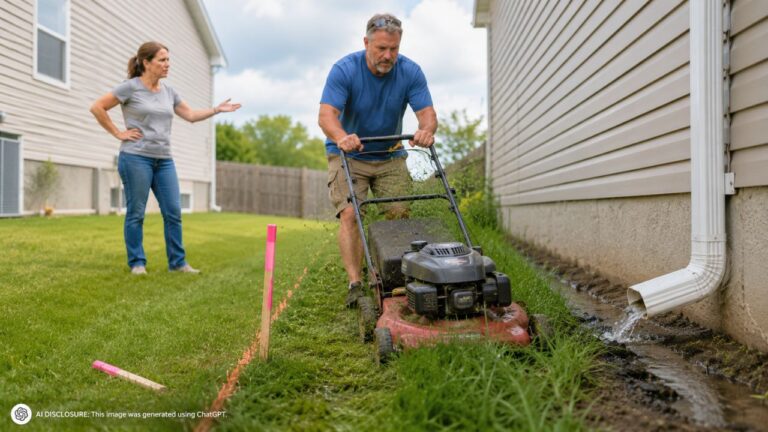
That’s what the buyer describes. The neighbor denying access wasn’t even blocking them on property that neighbor owned—yet the route still ran by the neighbor’s home, and the neighbor’s refusal was enough to shut down practical use. What started as an argument over a driveway-like path quickly turned into a records problem: the “filed easement” apparently wasn’t filed at all.
Once land is landlocked in a functional sense, everything else stops. You can’t comfortably improve it, you can’t move equipment in, and you can’t sell or refinance it like a normal asset. Access is the first domino.
Title insurance stepped in—then went nuclear with a six-parcel lawsuit
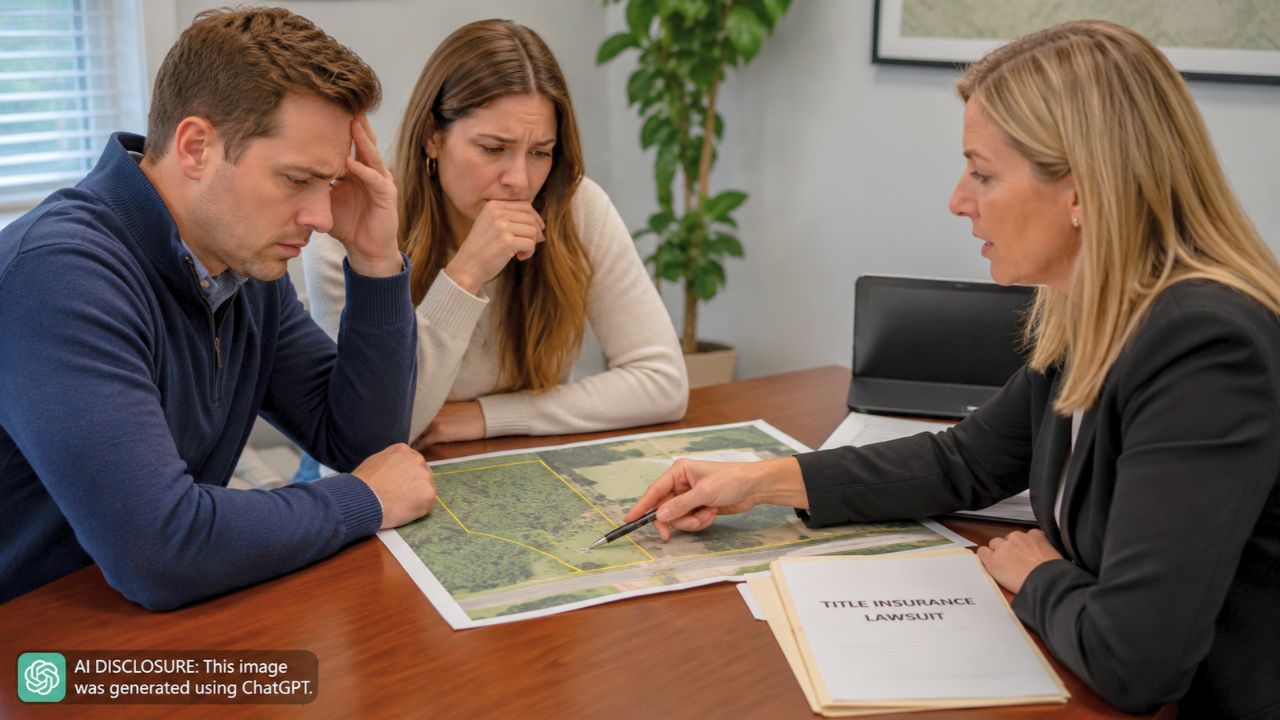
The buyer says their title insurance company did respond by hiring an attorney. But instead of a quick fix or negotiated access agreement, the attorney went straight to suing “all neighboring parcels for access,” totaling about six properties.
That’s the part that will sound familiar to anyone who’s watched property-line problems explode: once one deed description doesn’t match reality, you start pulling on the thread and the whole sweater comes apart. The buyer says it got messier fast, because the survey work revealed other issues too—properties crossing over each other, and even homes built on top of another parcel.
At that point, it’s no longer one buyer versus one neighbor. It becomes a web of overlapping claims where everyone has something to lose, and the incentives shift. The buyer says other owners’ title insurance companies got involved because they were named in the suit.
In plain language: the “fix” turned into a multi-party legal knot, with multiple insurers and multiple landowners all trying not to be the one holding the bag.
Two years of legal limbo can break a deal—even if the insurer is paying lawyers
The title insurance company has paid attorney fees “to date,” the buyer says. But the buyer also says the clock is crushing them anyway, because the parcel is being held with a short-term lender at short-term rates.
This wasn’t supposed to be a long hold. The buyer works in real estate and describes it as a standard 12-month buy-and-refi plan—something they’ve done “dozens of times.” But with access unresolved and boundary problems spreading across multiple parcels, refinancing is dead in the water. The buyer puts it bluntly: it’s “a parcel no bank will lend on with the above issues.”
Meanwhile, their lender is calling the note because the loan has gone beyond terms. That’s the practical pain point a lot of homeowners and land buyers don’t see coming: even when you “did everything right,” the structure of your financing can be unforgiving. Legal problems don’t care about your maturity date.
The buyer’s frustration isn’t just about time. They also feel like the attorney has little incentive to settle quickly because the longer the case drags, the more fees can be billed—fees the title company is paying, yes, but the buyer is paying in a different way every month they keep the property afloat.
When surveys reveal overlapping parcels, everyone’s “simple fix” disappears
One of the most unsettling details is how the survey apparently showed multiple properties crossing into each other. That’s the kind of discovery that turns an access dispute into a full-blown chain-of-title and boundary mess.
It also changes the neighbor dynamics. In a typical easement disagreement, you might have one person being difficult and another trying to prove a right-of-way. Here, the buyer describes a neighborhood where several parcels may have their own hidden defects. That means some neighbors may be worried that granting access, signing something, or admitting anything could weaken their position on their own title problems.
And once multiple title insurance companies are involved, decisions can slow down even more. Insurers are rarely in a hurry to write a check if they think litigation might reduce their exposure—or if the correct “fix” depends on sorting out who owns what strip of land in the first place.
In other words, the access problem isn’t just one missing easement. It’s a sign that the underlying land records and historical descriptions may not match what’s on the ground.
Readers honed in on the same pressure point: settle it or buy it back
The buyer’s big question is not abstract. They’re asking what responsibility the title insurance company has to “simply settle the claim,” and how long the company can take. Two years, they say, feels like forever when the monthly carrying cost is bleeding them.
They also float the idea many people think about when they feel trapped: hiring another attorney to go after the title insurance company itself, with the goal of forcing a settlement. And they’re clear about the outcome they’d accept. If the insurer “just gave me purchase price back,” the buyer says they’d be grateful.
That’s a key detail because it shows where the stress has landed. This isn’t about winning a fight with the neighbors anymore. It’s about getting unstuck—either by creating legal access and marketable title, or by unwinding the deal enough to stop the financial freefall.
The property still hasn’t gotten simpler—just more expensive
What makes land disputes so brutal is that your costs can keep stacking up while nothing visibly changes. No contractors on site. No fence line moved. No new driveway cut. Just paperwork, delays, and a lender who doesn’t care that a lawsuit is “in progress.”
The buyer describes everyone “standing on their thumbs,” and that’s the feeling many owners recognize when a problem is technically being handled but not actually moving. Title insurance is paying the legal bills, but the buyer is paying for time—through loan interest, missed refinancing opportunities, and the stress of holding a property they can’t use the way they planned.
For now, the parcel’s biggest problem isn’t the soil or the slope or the trees. It’s the invisible stuff: missing rights on paper, mismatched lines on surveys, and a chain reaction that pulled six neighboring landowners into court just to answer the question that should have been settled before closing—how do you legally get to your own land?
Like Fix It Homestead’s content? Be sure to follow us.