Landowner Buys a One-Acre Lot for $22,500 and Finds a $500,000 House Built on It — Then the Developer Sues Her for Refusing to Buy It
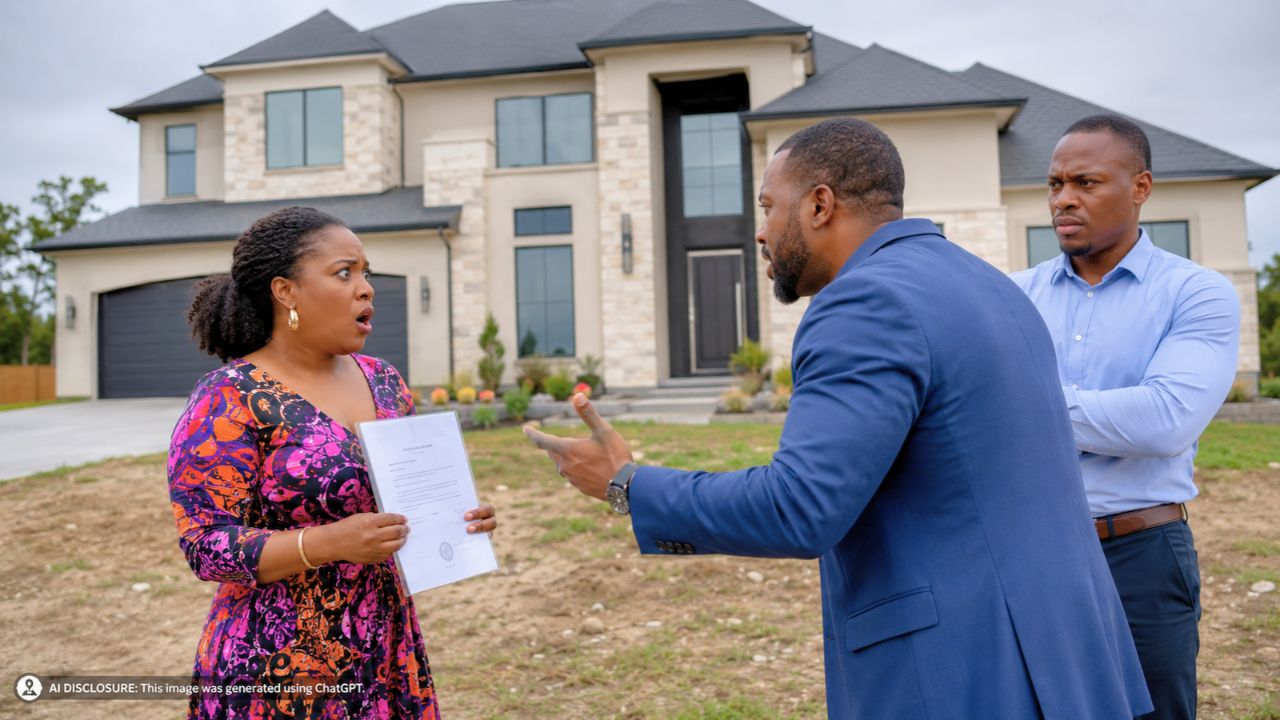
Photo credit: AI-generated image created using ChatGPT. Illustrative only.
You buy a quiet acre in the country for the price of a used car, file the paperwork, and go back to your life thinking you’ll deal with it when the timing is right. Then someone calls you years later and says, essentially: We built a brand-new house on your land. Now we need you to help “resolve” it.
That’s the nightmare Annaleine “Anne” Reynolds says she walked into on Hawaii’s Big Island, where a construction company reportedly put a roughly $500,000 home on the wrong lot in Puna’s Hawaiian Paradise Park. The details come from the source post, and they read like every property-line horror story homeowners warn each other about—except this one ends in a lawsuit.
A one-acre “retreat” parcel turned into a surprise build site
Reynolds bought the lot back in 2018 at a county tax auction for about $22,500. She told reporters she chose it for its peaceful feel and planned to use it for meditative healing women’s retreats.
But she was living in California through the pandemic, waiting for the right time to start using the land. While she was away, the lot was bulldozed and a three-bedroom, two-bath house went up—without her knowledge.
The way she found out wasn’t through a notice taped to a stake or a neighbor calling to ask questions. It was a real estate broker contacting her last year after learning about the mistake.
Reynolds described the call in plain disbelief: “I just sold the house, and it happens to be on your property. So, we need to resolve this,” the broker told her. Her response was, “What? Are you kidding me?”
“No surveyors” and telephone poles as markers
In rural subdivisions, it’s common to hear about oddball boundary cues—old fence lines, trees, “that big rock,” or whatever has been there the longest. In this subdivision, the lots are reportedly identified by telephone poles, and that detail matters because it’s where the build went sideways.
PJ’s Construction was reportedly hired by developer Keaau Development Partnership to build about a dozen homes on properties the developers bought in the area. An attorney for PJ’s Construction said the developers didn’t want to hire surveyors.
That one decision—if it plays out the way it’s described—sounds small compared to framing lumber and foundations, but it’s exactly the kind of early shortcut that can wreck everyone later. One wrong lot, and suddenly you’re not talking about a crooked fence. You’re talking about a whole house that can’t be sold.
Reynolds hired Honolulu attorney James DiPasquale after she was sued along with “everyone associated with the property or construction.” DiPasquale described “a lot of fingers being pointed” among the developer, the contractor, and subcontractors.
The house sat empty—and the landowner ate the consequences
The home is still vacant, and it’s worth about $500,000. But for Reynolds, the immediate problem wasn’t just a paperwork tangle. It was the real-world mess that comes with an empty, brand-new structure sitting out in the open.
A neighbor told Hawaii News Now that squatters were “immediately attracted” to the vacant house. Before fencing went up, people were coming by and looking inside.
Reynolds said when she checked the property, she found feces inside the house. It’s the kind of detail that makes your stomach drop, not because it’s shocking, but because it’s so predictable: vacant building + no clear owner on-site + time = someone tries it.
Then came the quieter financial bleed that property owners know too well. Reynolds said her property taxes jumped from a few hundred dollars to several thousand. Add fencing costs on top of that, and the “free house” fantasy disappears fast.
Swap offers, discounted offers, and a hard no
When a builder ends up on the wrong side of a property line, the fix is often some version of: negotiate, pay, swap, or tear out. Here, Reynolds’ attorney said the developers offered either to swap her for a lot next door or sell her the house at a discount.
She refused both.
From a distance, people might ask why anyone would turn down a new house that landed on their land. But Reynolds’ attorney framed it as a precedent problem. If a developer can build on someone else’s property and then pressure them—financially or legally—to purchase what was never requested, it changes what ownership means.
DiPasquale put it bluntly: “It would set a dangerous precedent if you could go onto someone else’s land, build anything you want, and then sue that individual for the value of it.”
Everyone ends up in court when nobody can unwind it cleanly
Instead of a quick fix, this has turned into the kind of sprawling legal brawl that homeowners dread because it drags in everyone who ever touched the project.
After trying to resolve the problem, Keaau Development Partnership sued PJ’s Construction, the architect, the prior property owner’s family, and the county, which approved the permits. They also sued Reynolds.
Reynolds summed up what it feels like to be pulled into a courtroom over a mistake you didn’t make: “It’s awful. It’s awful.”
And that’s the pressure point in this story—Reynolds isn’t simply declining to “work something out.” She’s being asked to absorb risk, taxes, and the day-to-day headaches of securing a structure she never commissioned, all while defending herself in litigation.
The homeowner reactions are predictable: document everything, and never skip the survey
Even without a comment thread attached, you can already hear the practical homeowner playbook people repeat whenever property lines get messy.
The first theme is proof. In disputes like this, people want every scrap of documentation: tax auction paperwork, deed descriptions, permit records, photographs showing the build as it progressed, fencing receipts, and any communications from brokers, developers, or contractors.
The second theme is security. A vacant house attracts attention, and not the good kind. Neighbors often push for cameras, lighting, and fencing fast—less because it “solves” the legal issue and more because it reduces the odds of damage, theft, or someone getting hurt on-site and creating a new liability headache.
And the third theme is the one that seems to sit at the center of this whole blow-up: surveys. A survey can feel like an annoying extra cost until the day it’s the only thing standing between “minor dispute” and “half-million-dollar mistake.”
For now, the house remains in limbo, Reynolds remains stuck with the fallout, and the developer says the reason everyone has been pulled into the lawsuit is so a judge can help sort out a mistake that never should’ve made it past the first site visit. In the meantime, there’s a brand-new home sitting on the wrong acre—proving that sometimes the biggest property problem isn’t what’s falling apart, but what gets built where it doesn’t belong.
Like Fix It Homestead’s content? Be sure to follow us.