New Owners Survey Their Land and Move the Fence to Match the Deed — Then the Seller Refuses to Defend the Title He Warranted
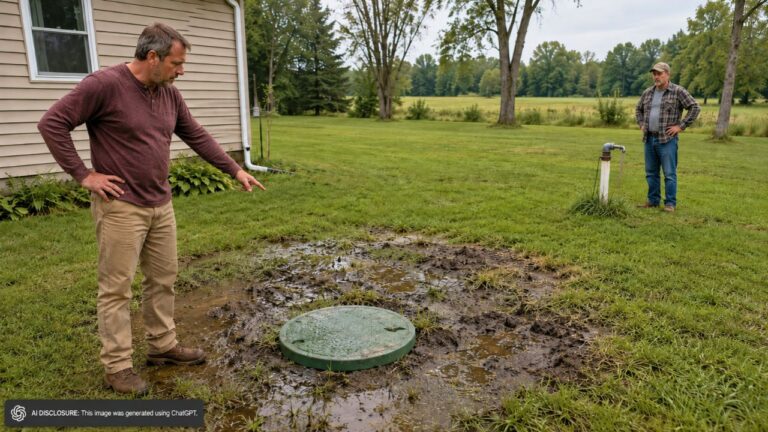
Photo credit: AI-generated image created using ChatGPT. Illustrative only.
Buying rural ground can feel straightforward until you start measuring it. Jane and Steven Morris thought they were doing the responsible, boring thing after closing: get a survey, figure out exactly what they owned, and line the fences up with the deed.
That one “boring” step turned into a years-long property fight that reached the Nebraska Supreme Court, with the Morrises winning the land battle but losing the money battle. The court’s decision in the discussion reads like a cautionary tale for anyone who assumes a warranty deed means the seller will automatically show up with a lawyer the moment a neighbor starts rattling a fence line.
The survey changed the fence — and changed the temperature with everyone nearby
The Morrises bought two parcels from the Schindler Family Trust. The warranty deed was signed by successor trustee Karen Dall and included the classic language that the Trust “warrants and will defend” the title against lawful claims.
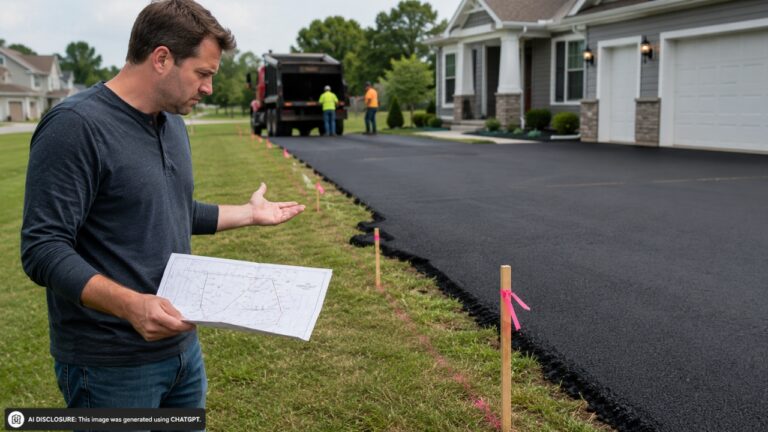
After the purchase, they hired a survey and moved existing fence lines to match the legal descriptions in their deed. On paper, that’s what you’re supposed to do: the deed describes the property, the survey pins it down, and the fence reflects reality.
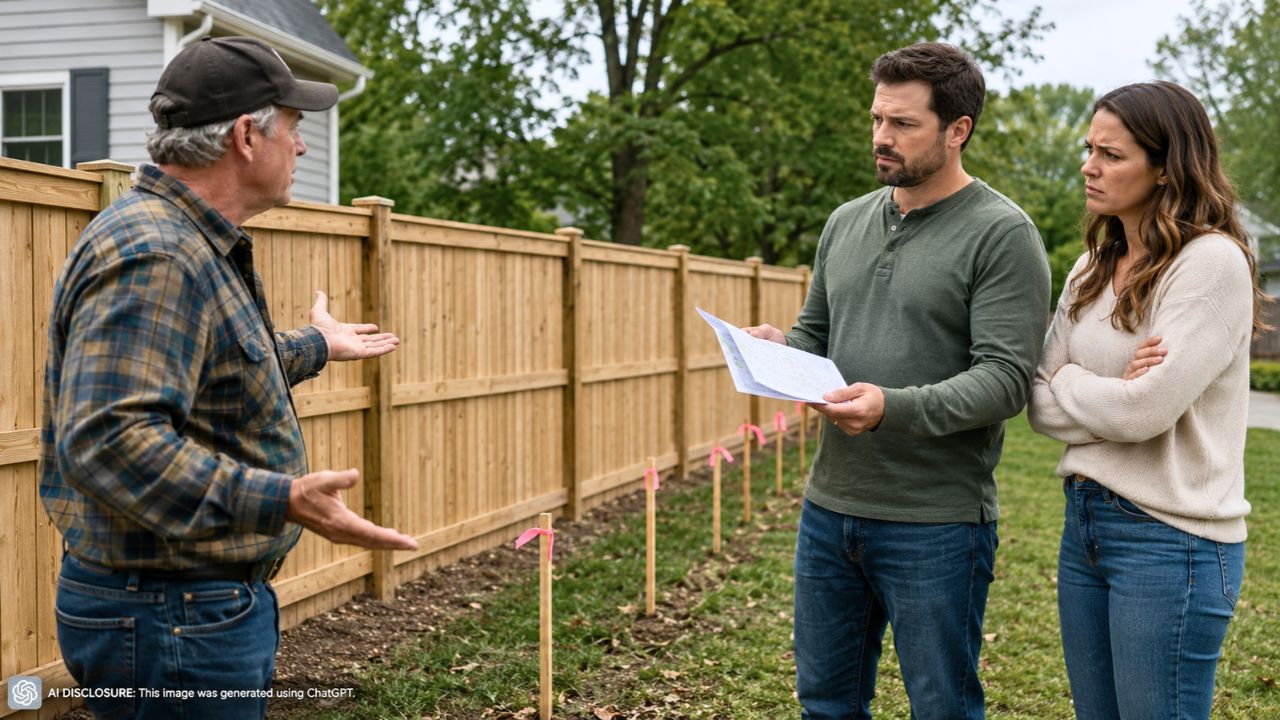
On the ground, though, fences aren’t just boundaries. They’re habits. They’re decades of “we’ve always done it this way.” And when a new owner moves a fence, it can feel to a neighbor like someone is taking something—even when the deed says otherwise.
A third party shows up with a story older than the deed
Not long after the fence lines moved, a third party sued the Morrises claiming ownership of parts of the property through adverse possession. That’s the legal theory people bring up when they’ve treated land like theirs for long enough that they argue the law should recognize it.
This wasn’t a quick, flimsy complaint that evaporated on contact. The claimant said he’d possessed the disputed area for nearly 50 years. He also testified that old government maps showed the fence line existing as far back as 1939.
That’s the kind of detail that keeps homeowners up at night. You can have a clean closing, a deed in hand, and still end up staring at the uncomfortable question: what if the “real” property line, in lived experience, doesn’t match what you just paid for?
They asked the seller to step in — and got a hard no
With a warranty deed that promised to “warrant and defend” title, the Morrises did what a lot of buyers assume they can do: they asked Dall and the Trust to defend the title they sold.
The Trust and Dall refused to step in. So the Morrises defended the adverse-possession lawsuit themselves, paying their own attorney fees and carrying the risk that comes with litigation over land.
They ultimately won summary judgment, and the court quieted title in their favor—meaning the court confirmed their ownership and shut down the competing claim.
In everyday homeowner terms: they kept the property. The fence move wasn’t undone by the lawsuit. But the legal bills were real, and now they wanted someone else to cover them.
Winning didn’t make it “frivolous,” and that mattered later
The Morrises also tried to recover attorney fees directly from the person who sued them. But the courts didn’t treat the adverse-possession claim as totally baseless.
The Supreme Court described the claimant’s theory as a “colorable claim,” noting the decades-long possession and the historical fence line evidence. At the same time, the court pointed out he lacked the legal training needed to successfully pursue it.
That’s a frustrating gray area homeowners run into: a claim can be weak enough to lose yet serious enough to cost you money to beat. You can do everything right—survey, deed, documentation—and still get dragged into court because someone has a long history on the ground and just enough evidence to make it messy.
The warranty deed promise didn’t work the way the buyers expected
After winning the title fight, the Morrises sued Dall and the Trust for refusing to defend them. Their argument leaned heavily on the deed language: the Trust said it would “warrant and defend” title, so “defend” should mean providing a defense—or at least paying for one—when a legitimate-looking claim pops up.
The Nebraska Supreme Court didn’t buy that reading. It explained that “warrant and defend” is essentially a traditional phrase in the context of warranty deeds, not two separate promises where “defend” becomes a blank check for attorney fees anytime someone challenges your boundaries.
Under Nebraska law, the warranty covenant is breached when the buyer actually loses title—through what the court described as an actual or constructive eviction—because someone else proves superior title. If the buyer defeats the competing claim and keeps the property, there’s no breach of warranty, even if the defense is expensive and stressful.
That distinction decided the case. The Morrises didn’t lose any portion of the property. Since there was no failure of title, the Supreme Court held they couldn’t recover their attorney fees from the Trust or from Dall personally, and it affirmed the lower court’s decision.
How homeowners reacted: “Get the survey” meets “Budget for the fight anyway”
Homeowner conversations around cases like this tend to split into two camps, and you can almost hear both sides in the facts. One side sees the Morrises as the model: survey early, match the fence to the deed, and don’t let a questionable line harden into “truth” just because it’s old.
The other side hears a different warning: even when you win, you may still pay. A warranty deed can sound like insurance—especially when it says “warrant and defend”—but this decision is a reminder that the protection often kicks in only if you actually lose the property to someone with better title.
Practically, that means the most expensive part of a fence-line fight might not be lumber and posts. It’s the legal meter running while you prove what you already thought you bought.
The Morrises ended up with clear title and a court order backing it up, but no reimbursement from the seller who warranted the land. For homeowners, that’s the punchline that lands hardest: you can be right, you can win, and you can still be the one writing the checks.
Like Fix It Homestead’s content? Be sure to follow us.