Best Chainsaws for Homeowners Who Cut Their Own Firewood
Photo credit: kaboompics.com/Pexels.com
Cutting your own firewood sounds simple until the saw bogs down in a knot, won’t start in the cold, or leaves you with a chain that’s dull by lunchtime. Homeowner firewood work has a weird mix of needs, light limbing one minute and chunky rounds the next. The “best” saw isn’t the biggest one, it’s the one that matches your wood pile and your habits.
1. Buying Too Much Saw For You
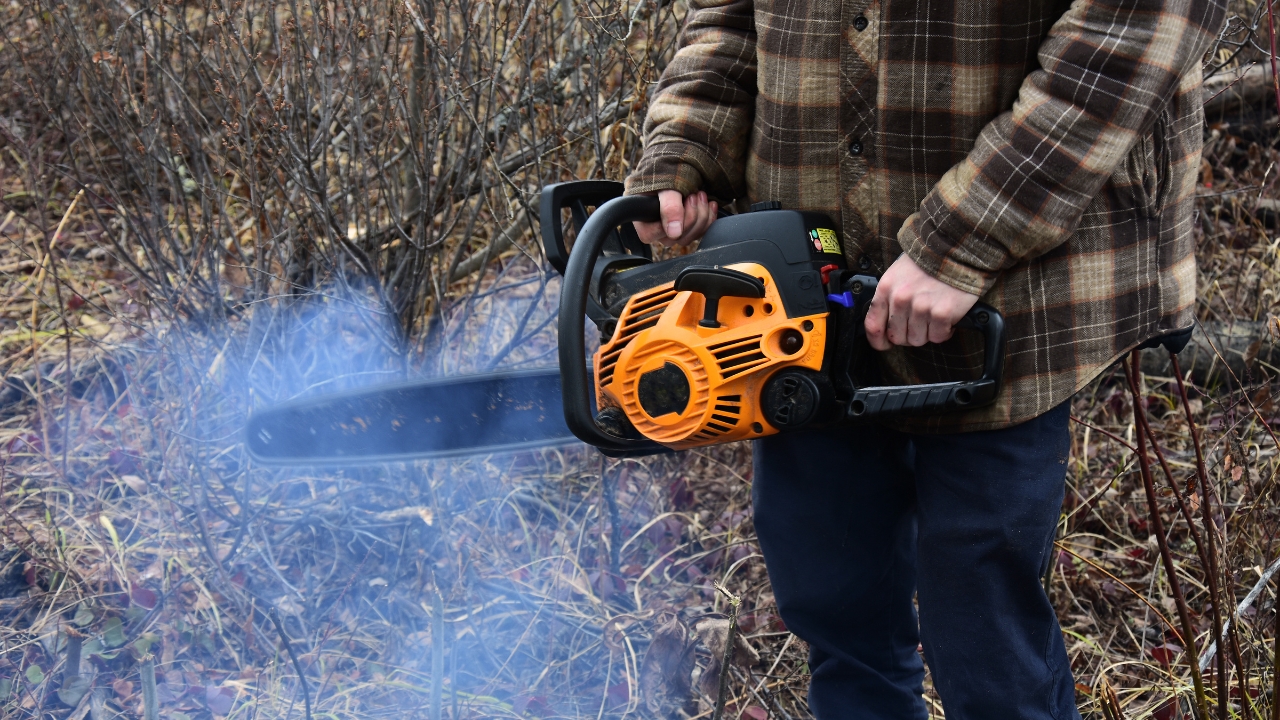
The fastest way to hate cutting wood is to buy a pro-size saw you don’t need. Big displacement gas saws have power, but they also have weight, vibration, and a throttle that’ll punish sloppy grip. After a couple tanks, you start “just making one more cut” with tired arms, and that’s when trips, pinches, and dumb mistakes show up.
If you’re mostly cutting 12 to 18 inch rounds and cleaning up storm fall, a mid-size homeowner gas saw or a strong battery saw is usually plenty. Look at weight with a full tank or battery, not the brochure number. If you can’t comfortably hold it at waist height for 30 seconds with the bar mounted, it’s too much saw for your firewood pace.
2. Picking A Bar Length That Fights You

Long bars look capable in the store, but they can turn every cut into a wrestling match. A 20 inch bar in brushy rounds loves to grab twigs, drag in dirt, and make you cut from awkward angles. It also makes the saw feel nose-heavy, which wears you out faster than you expect.
Match the bar to what’s on your property, not what you wish you had. For a lot of homeowners, 16 to 18 inches is the sweet spot for control, sharpening time, and less chain stretch drama. If you do get a longer bar for the occasional big trunk, keep a shorter bar and chain ready for most days.
3. Choosing Power Source Without Thinking Winter
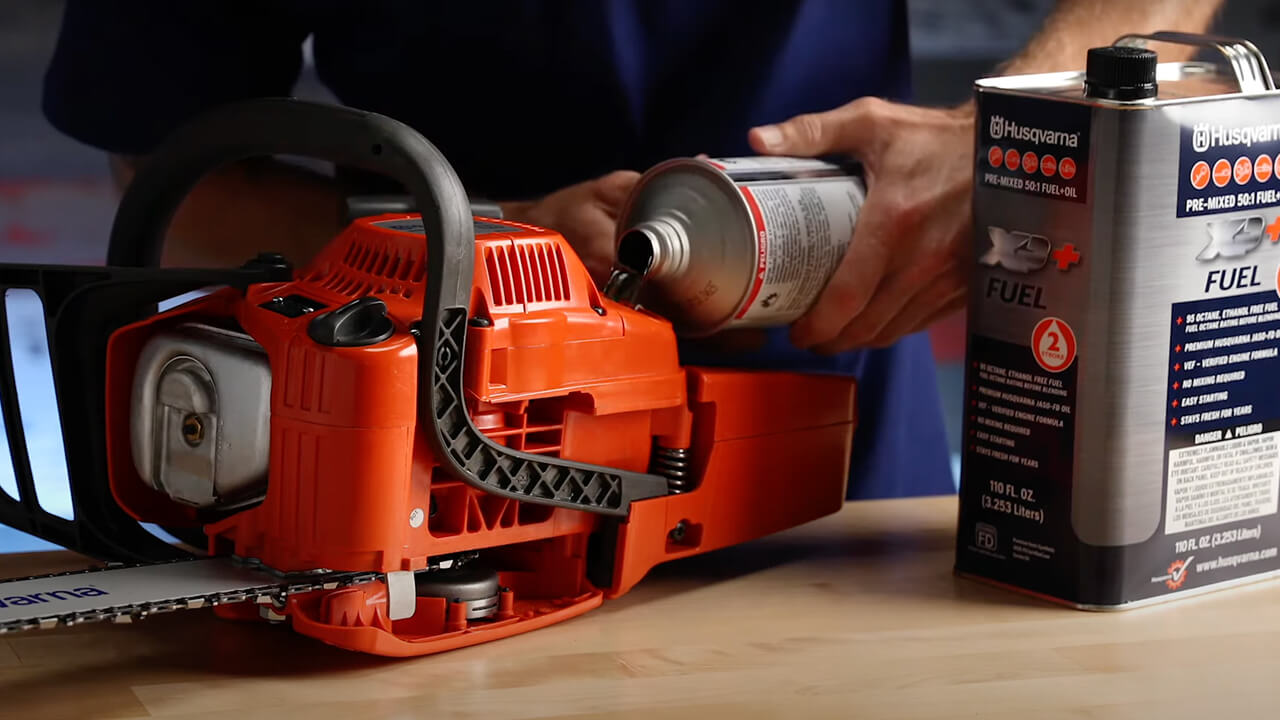
Battery saws are quiet and clean, then January hits and run time drops hard. Cold packs don’t like sitting in the truck bed while you set blocks. You end up swapping batteries every few cuts and wishing you’d brought a gas can.
If you want battery, plan the whole system: spare packs, a fast charger, and a warm place to store batteries before you head out. For gas, plan for cold starts and storage, because stale fuel makes spring start-up miserable. There’s no wrong choice, but there is a wrong choice for the way you actually cut wood in your weather.
4. Skipping The Pro Brands’ “Homeowner” Lines
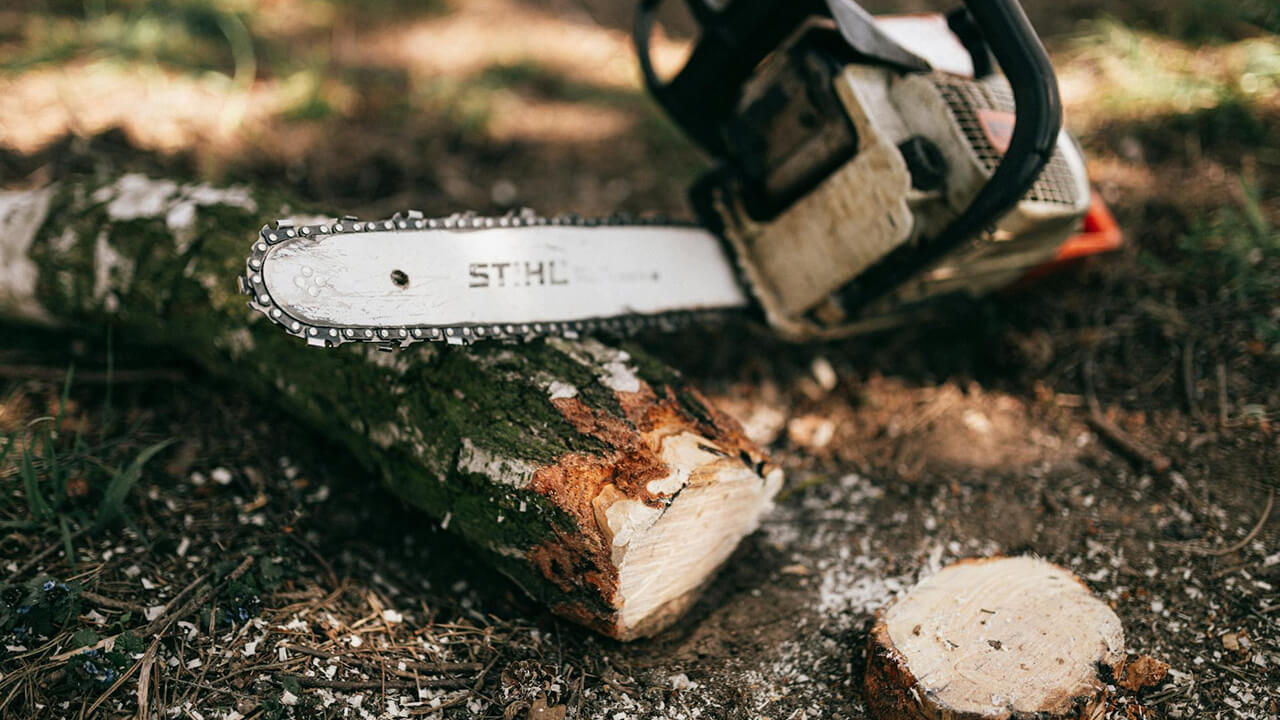
People either buy the cheapest saw on the shelf or jump straight to a full pro model. The middle ground gets ignored, and it’s often the smart buy for a cord or two a year. Brands like Stihl, Husqvarna, and Echo all sell homeowner and farm-grade saws that are built to be serviced, not tossed.
That matters when you need a carb tune, a clutch drum, or just a chain brake spring after a few seasons. You want a saw that local shops will touch and can get parts for without a scavenger hunt. If you have a nearby dealer you trust, let that guide your pick more than online arguments.
5. Falling For “Tool-Free” Chain Tensioners
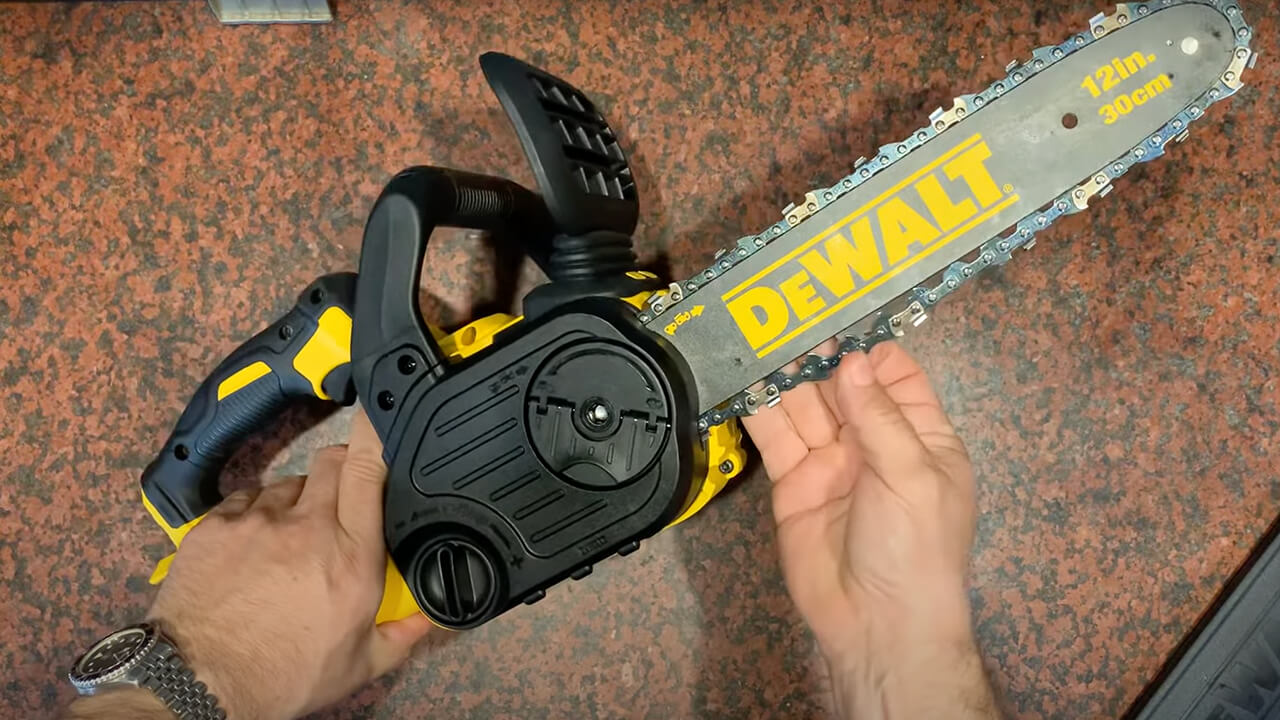
The flip knob tensioners feel convenient until they loosen halfway through a tank. Then the chain starts slapping the bar, the cut goes crooked, and you chew the bar rails faster. You also lose the habit of checking tension, because you assume the gadget handles it.
A basic side cover with bar nuts and a scrench is slower by about 20 seconds, and it holds. For homeowner firewood, that’s usually a better trade. If you do buy tool-free, keep a real scrench in the kit anyway, because the day it binds up will be the day you’re far from the shop.
6. Ignoring Anti-Vibration And Ergonomics
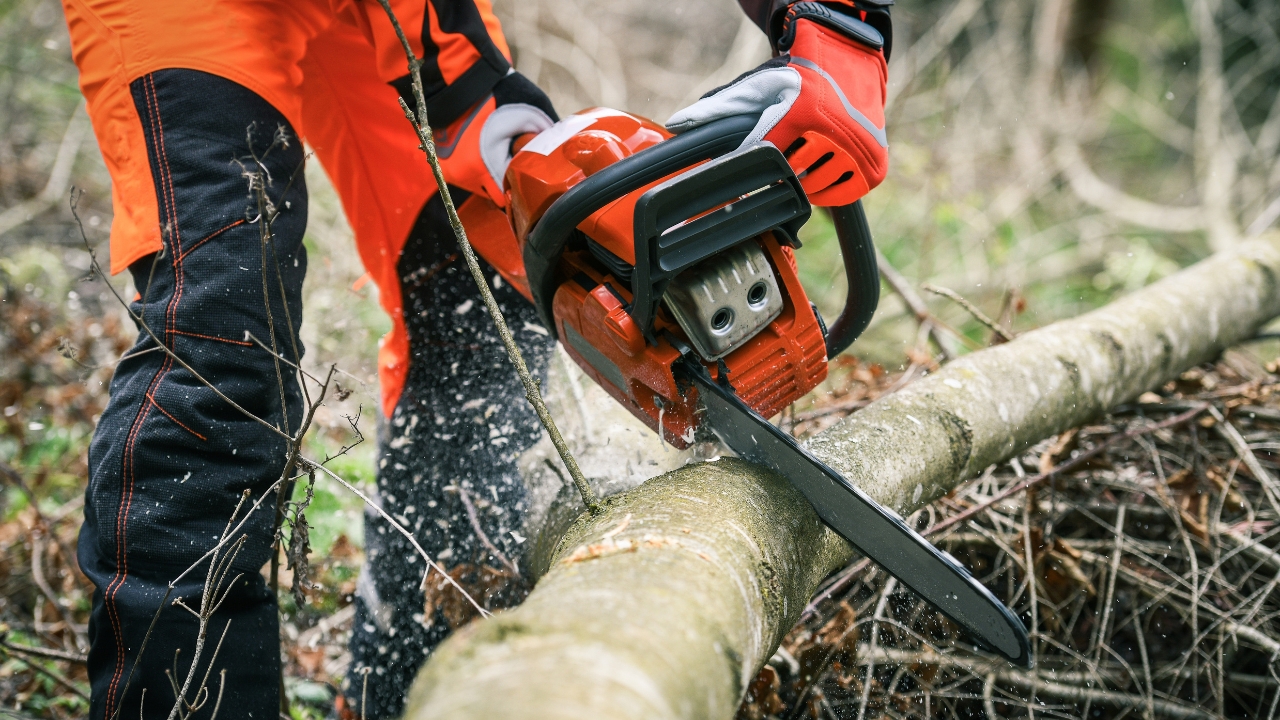
A saw that “runs fine” can still beat you up. Cheap mounts and stiff handles make your hands buzz for hours, and after that you grip too hard and steer with your wrists. Your cuts get sloppy and you start letting the bar tip wander close to the dirt.
Pay attention to handle shape, trigger reach with gloves, and how the saw balances with the bar you’ll actually use. Anti-vibration isn’t a luxury if you cut every weekend in fall. If the dealer will let you hold a floor model with your ear muffs and gloves on, do it.
7. Treating Chain Speed Like The Whole Story

Some saws brag about chain speed, and people assume faster chain equals better firewood days. Then they bog the saw because the engine can’t hold that speed in a real cut. You end up leaning on the bar, making heat, and polishing the cutters dull.
Torque matters, especially when you’re bucking hardwood with pressure on the bar. A slightly slower saw that pulls steady often feels stronger in the log. Read between the lines: a healthy engine, a decent bar oiling setup, and a chain that stays sharp will beat “fast” on paper.
8. Buying One Chain And Calling It Done
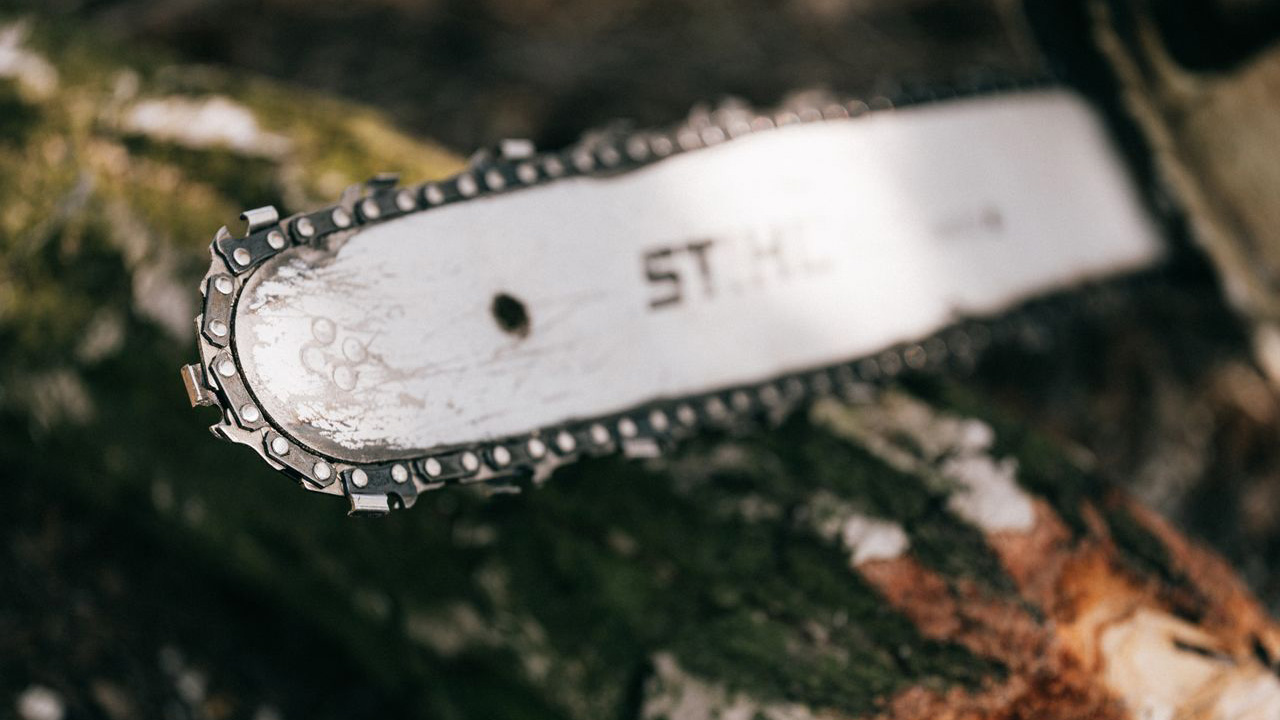
Running a single chain until it’s butter-knife dull is a bad habit that costs you bars, sprockets, and time. You’ll notice fine dust instead of chips, more smoke smell, and the saw wanting to pull to one side. At that point you’re working twice as hard for the same pile of rounds.
Keep at least two sharp chains per saw, three is better in firewood season. Rotate them and sharpen in a calm moment at the bench, not on a stump at dusk. Also match the chain to the saw’s power and your cutting, full chisel is fast in clean wood, semi-chisel is more forgiving when bark is gritty.
9. Underestimating The Value Of A Metal Bucking Spikes
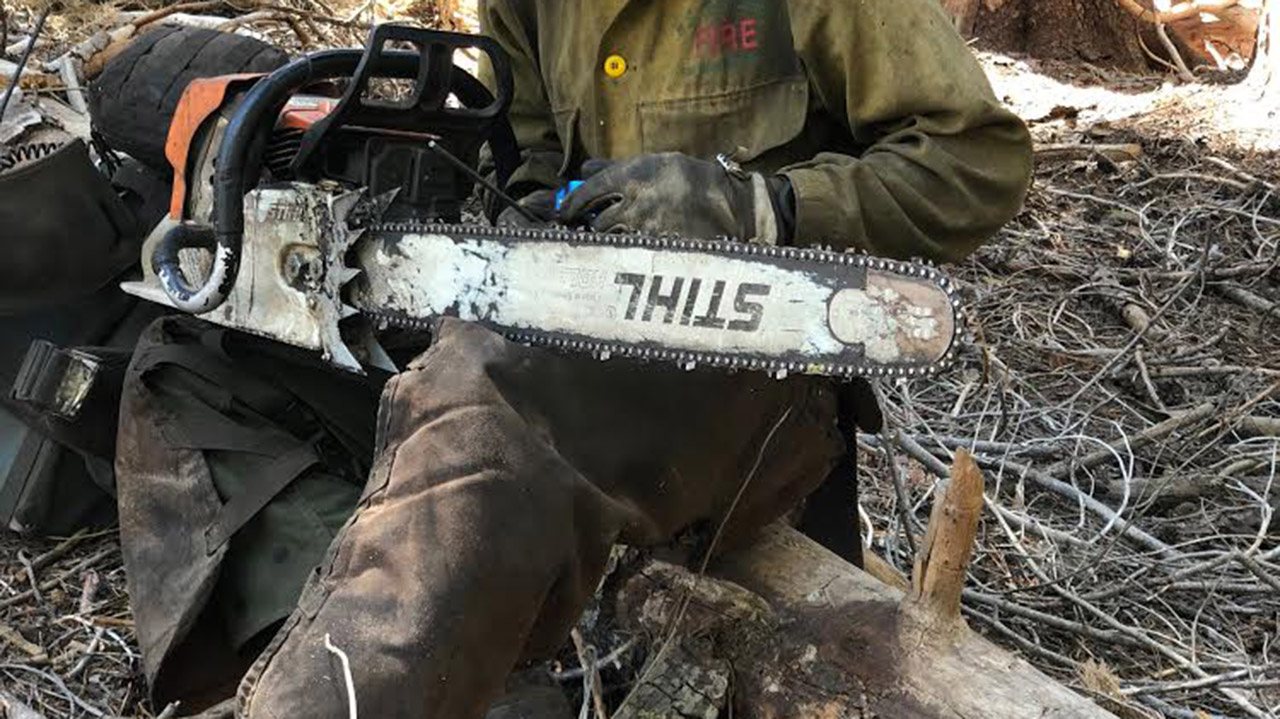
Plastic felling dogs or tiny spikes make you hover the bar instead of anchoring the saw. That turns bucking into a shaky push cut, and it’s harder to control when the kerf starts to close. You feel it as chatter and a saw that wants to walk.
For home firewood, solid metal bucking spikes are a comfort feature and a wear feature. You can pivot the saw through the cut with less strain, and the bar stays steadier. If the saw you like has small spikes, ask if the larger OEM spikes fit, many models have an upgrade kit.
10. Assuming Cheap Gas Saws Are Always Trash
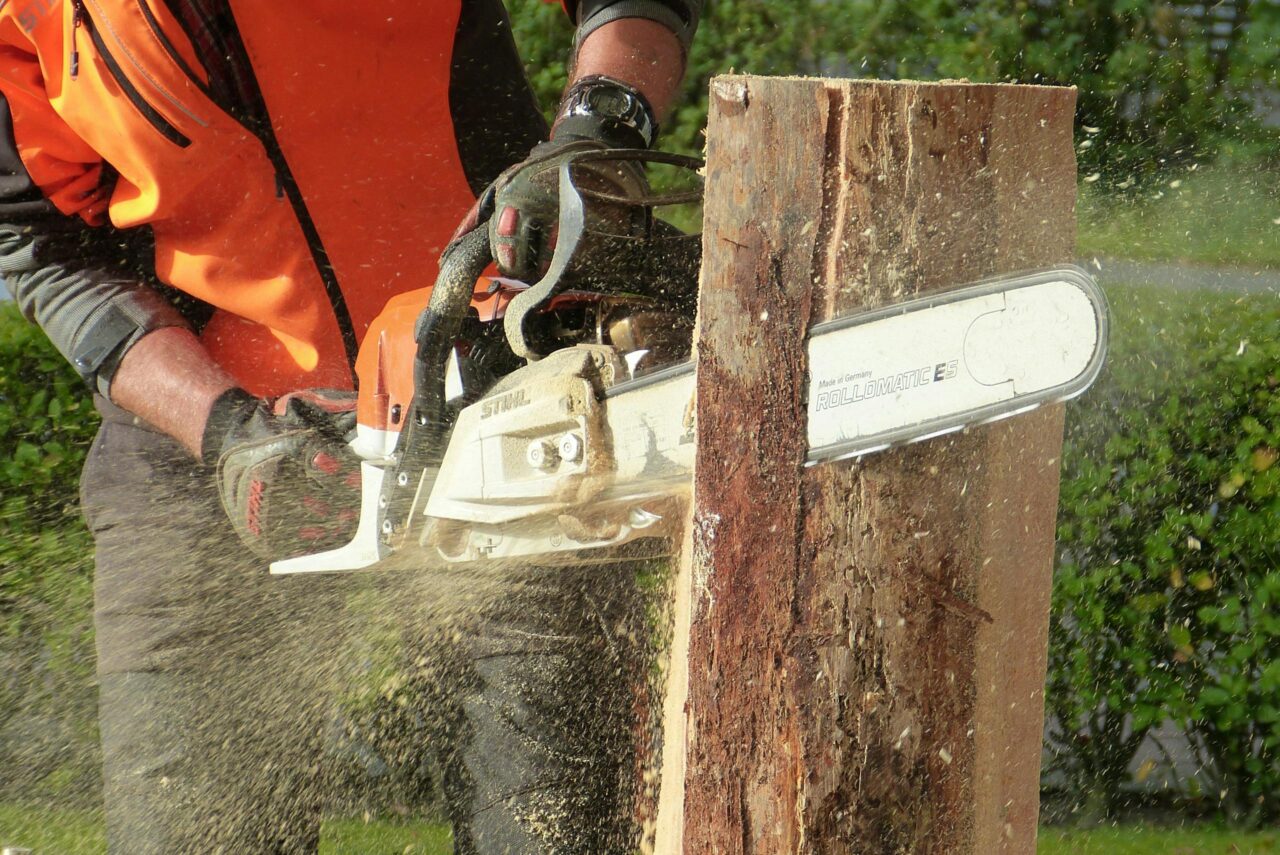
Some budget homeowner gas saws are frustrating, no doubt. But the blanket advice to avoid every big-box saw isn’t always right, especially if you cut light softwood, keep the chain out of dirt, and don’t expect ten cords a year. A cheap saw that starts and oils can still earn its keep for storm cleanup.
The exception is parts and service. If your local shops won’t work on that model and you can’t get bars, chains, or filters easily, it’s a disposable tool. If you go cheap, go in with eyes open and plan to replace it, not rebuild it.
11. Forgetting The Saw Needs A Support System

A great saw won’t fix a bad workflow. If you’re bucking on the ground, you’ll hit dirt, dull the chain, and spend half the day sharpening. If you’re cutting unstable piles, you’ll pinch bars and fight springs and bind.
Spend a little on what makes the saw work better: a couple plastic wedges, a scrench that lives with the saw, a file guide, and a decent fuel and oil container that doesn’t leak in the truck. A simple bucking stand or a few sacrificial poles to keep logs off the soil will do more for cutting speed than another 5cc of engine.
12. Overlooking Resale And Parts Five Years Out
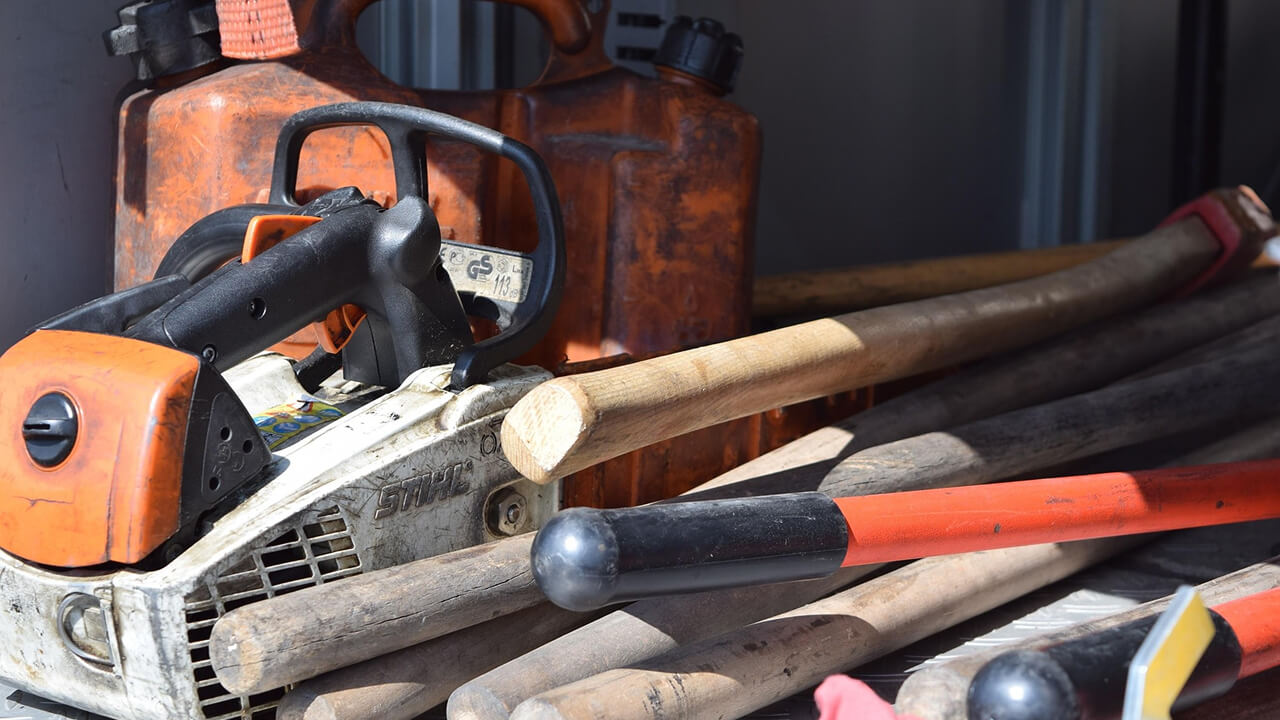
Firewood saws get replaced, but you don’t want a dead-end purchase. Some models disappear fast, and then bars, sprockets, and even air filters get annoying to source. You’ll feel it when a $10 part turns into a week of waiting, right when you’re trying to stack before snow.
Sticking with common bar mounts and common chain sizes pays off. So does buying from a line that’s been around a while, with a dealer network nearby. If you think you’ll upgrade later, a saw that holds value makes that easier, and you’ll be more willing to maintain it properly.
Your best firewood setup usually ends up being two saws or one saw plus a plan, a lighter tool for limbing and a steadier one for bucking. Match the tool to your wood, keep the chain sharp, and the work turns from a fight into a rhythm you can actually keep up all season.
Like Fix It Homestead’s content? Be sure to follow us.
- Man Says He Found Out the Fence He Paid For Wasn’t Actually on His Property
- Woman Says Her Neighbor Started Taking Mulch From Her Delivery Pile Before She Could Even Spread It
- I made Joanna Gaines’s Friendsgiving casserole and here is what I would keep
- What Caliber Works Best for Groundhogs, Armadillos, and Other Digging Pests?