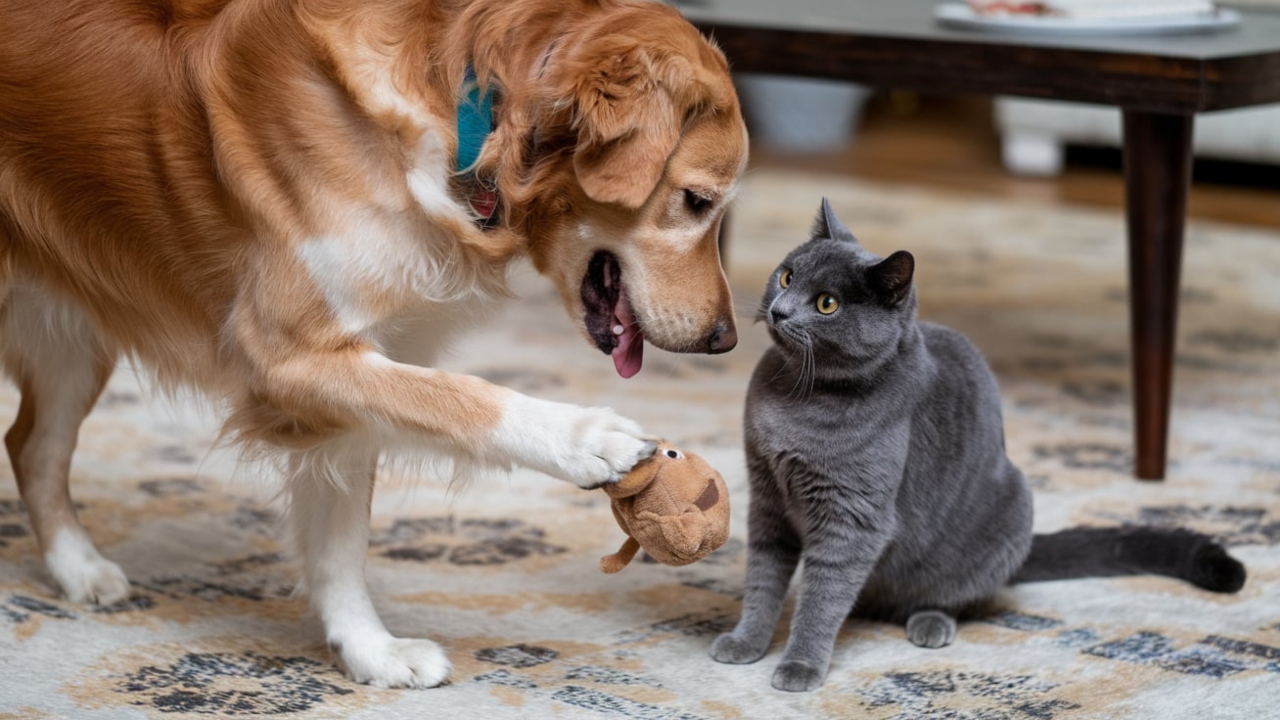
10 Cat Breeds That Get Along With Dogs Right Away
Photo credit: PawArt/Shutterstock.com
You can do everything right with gates, feeding schedules, and slow intros, and still end up with a cat that treats the dog like a loud, drooly intruder. If you want peace in a house with muddy paws and litter tracking, starting with a cat breed that tends to roll with dogs saves a lot of scratched door frames and midnight yowling. Breed never beats personality, but it can tilt the odds in your favor. Think of it like buying the right boot for the job.
1. Ragdoll With A Soft Landing Temperament

Some cats come in hot and never cool off. Ragdolls usually do the opposite, they tend to go limp when handled and act more like a calm housemate than a tiny predator. That laid-back vibe matters when your dog is learning that the cat is not a squeaky toy with whiskers.
Set the first week up like a small remodel, not a demolition. Give the cat a tall, sturdy escape route, a cat tree that will not wobble when the dog bumps it, and feed the cat up high so meals stay calm. If your dog is a jumper, add a baby gate with a small pet door so the cat can slip through and the dog cannot.
2. Maine Coon Built For Big Roommates
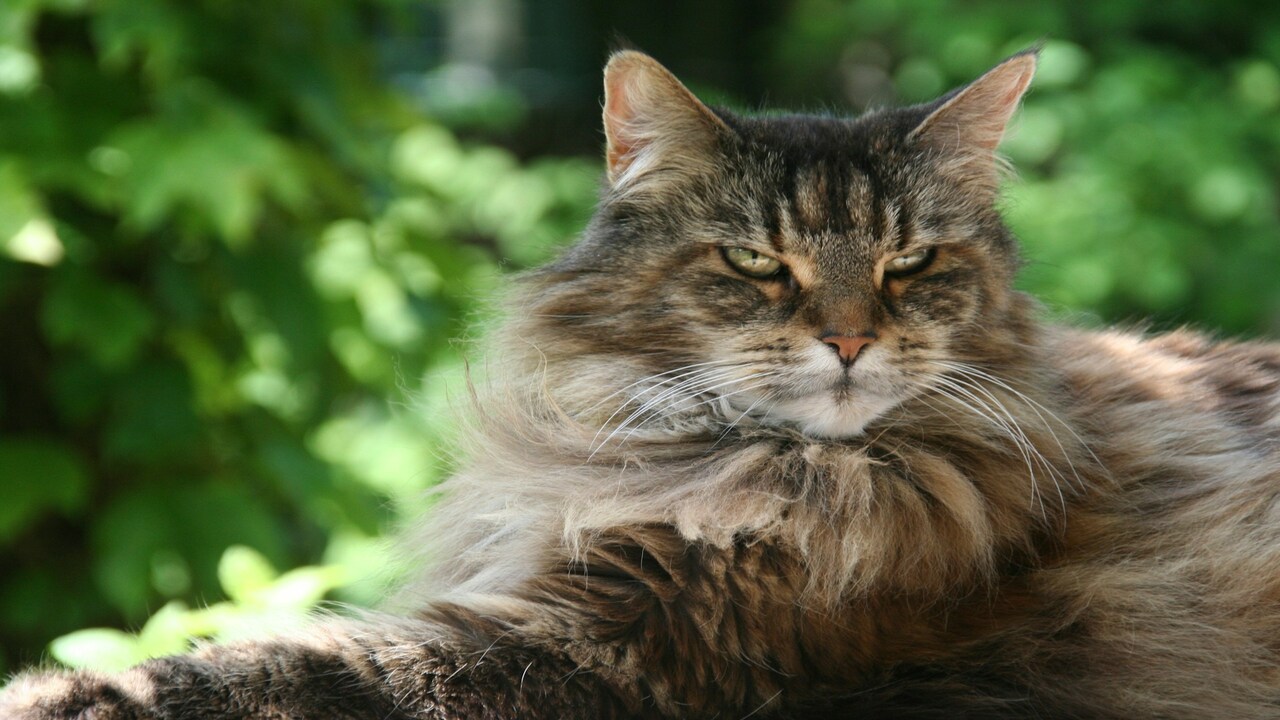
These are large cats with a steady, confident way of moving through a room. That helps around dogs because skittish cats trigger chasing, and a Maine Coon is less likely to act like prey when the dog trots by. They also tend to be social and curious, which cuts down on the hiding and hissing cycle.
Plan for fur, though. If you are already vacuuming dog hair, you will be doing it more, and the wrong vacuum head will just smear it around. A simple rubber broom for rugs and a decent HEPA filter in a canister vac keeps the house from smelling like a barn aisle when both coats start shedding in spring.
3. Labrador-Like Energy In A Burmese

If your dog wants a buddy, a Burmese often fits better than a cat that just wants to be left alone. They tend to be people-focused, playful, and pretty bold about sharing space. That makes the first meet-up less tense because the cat is not instantly running for the rafters.
Don’t confuse bold with invincible. Keep nails trimmed and add a couple scratch posts near the main hangout room, so the cat burns energy on sisal, not on the dog’s nose. When play gets too spicy, separate them before it turns into a habit, habits are harder to fix than the first mistake.
4. Abyssinian That Matches A Busy Dog
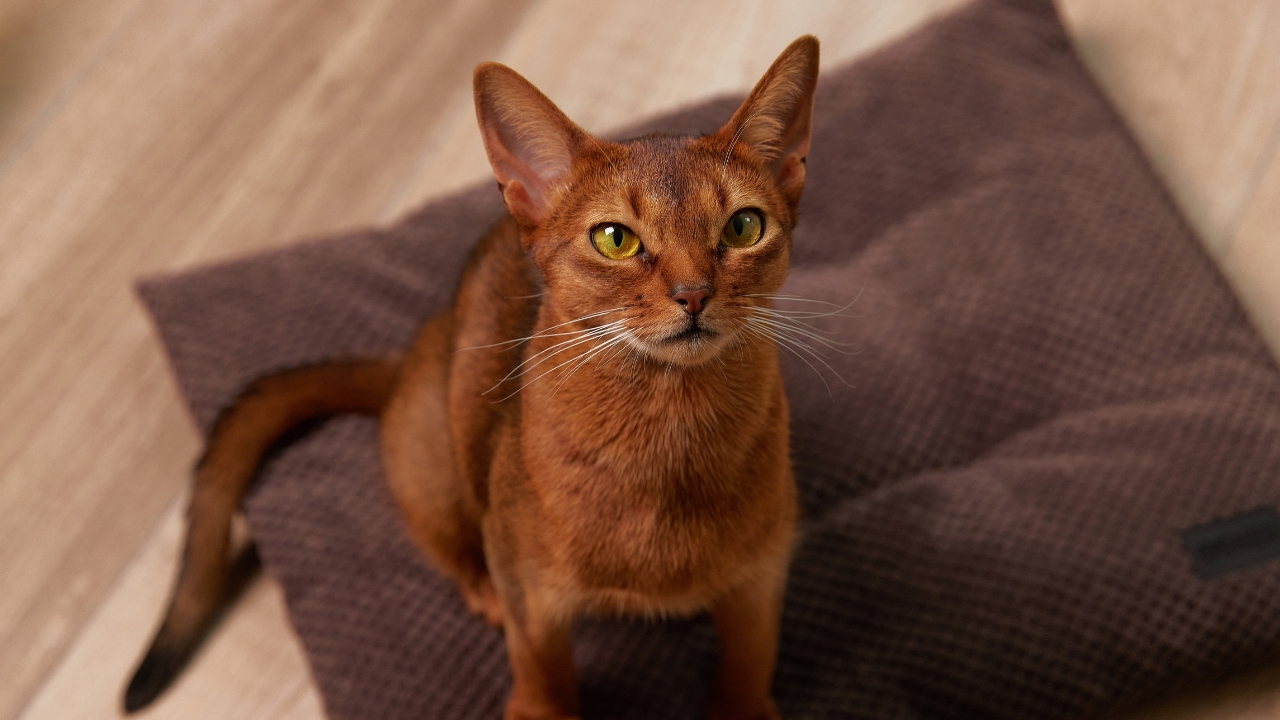
This is the cat that wants to be part of whatever is happening, laundry folding, toolbox dumping, dog toy tossing. Abyssinians tend to stay active and engaged, which helps with dogs that pester quiet cats. A cat that plays back often gets respected faster.
Give that energy somewhere to go or it will go straight into trouble. Rotate toys like you rotate batteries in the smoke alarms, not all at once, just enough to keep things fresh. Wall shelves and a window perch also keep the cat moving above dog level, which lowers conflict without you playing referee all day.
5. Birman That Keeps A Calm House
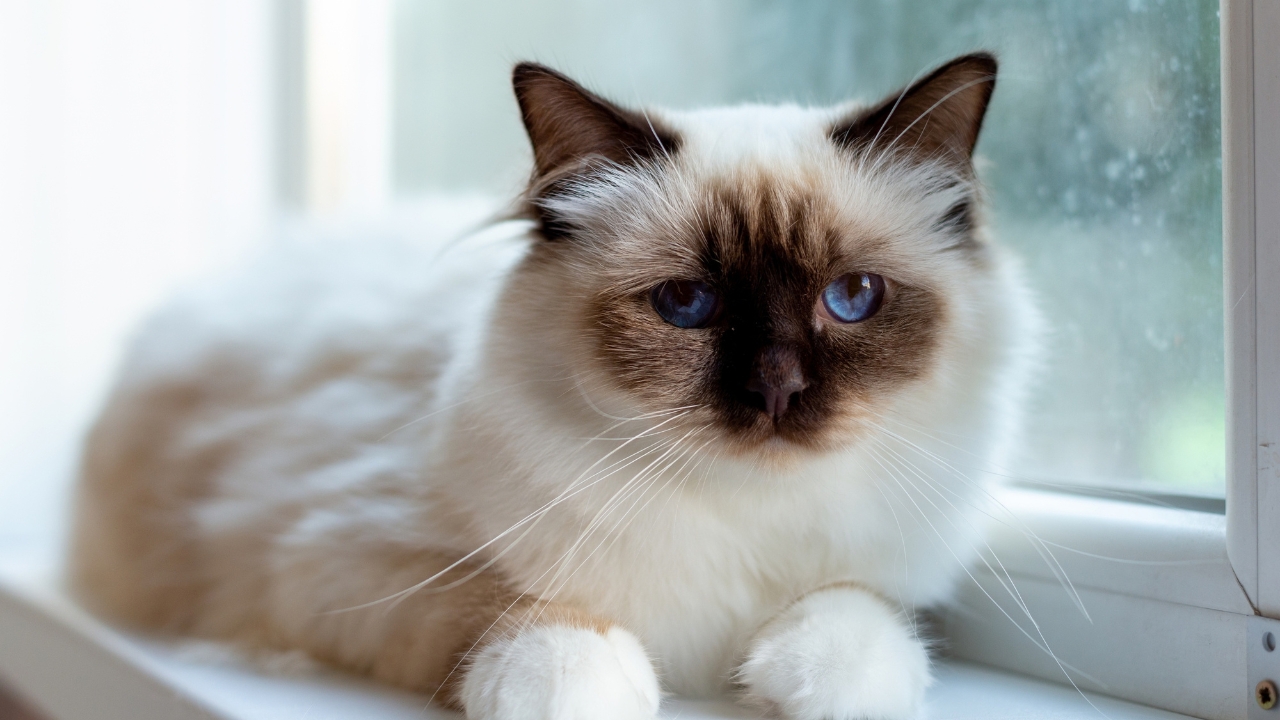
Birmans usually land in the sweet spot, friendly but not frantic, gentle but not timid. That balance is handy if your dog is steady but curious, the kind that follows a cat just to see what it does. A Birman often handles that attention without turning the hallway into a war zone.
Keep introductions boring. Let them see each other while you do normal chores, then separate before either one gets wound up. A lot of “they got along right away” stories come from owners who ended the session early, while things were still fine.
6. British Shorthair That Won’t Panic

Some cats sprint at the first jingle of tags, and then the dog thinks it is a chase game. British Shorthairs tend to be more grounded and less dramatic about everyday noise. They are not always cuddly, but they often tolerate dogs in the same space without acting like the ceiling is on fire.
This is one of the shorter-play breeds, so don’t expect hours of tag with a young dog. Give the cat a quiet room with a thick bed and a litter box that is not next to the dog’s water bowl. Peace costs less than replacing a carpet pad that got marked during a stressful week.
7. Siberian With Dog-Safe Confidence
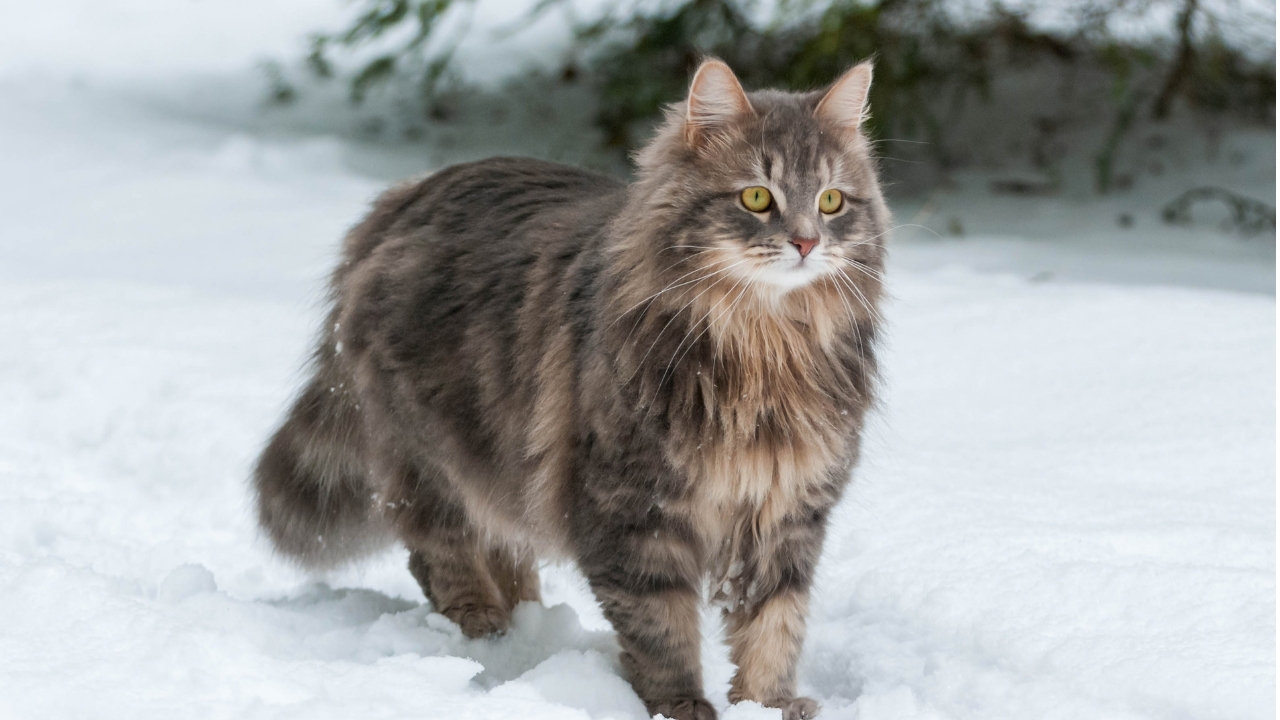
Siberians are athletic and social, and a lot of them act like they belong in the middle of family traffic. That confidence matters when your dog is bigger or louder, because the cat is less likely to bolt and trigger chasing. You still need boundaries, but you are starting with a cat that tends to cope.
One honest exception, don’t assume a “dog-friendly” Siberian is fine with a high prey drive dog. Some dogs will fixate on any fast-moving animal, period. If your dog is already intense with squirrels, plan on a longer intro, use leashes, and consider working with a qualified trainer so you are not guessing.
8. Turkish Angora That Thinks It Owns The Place
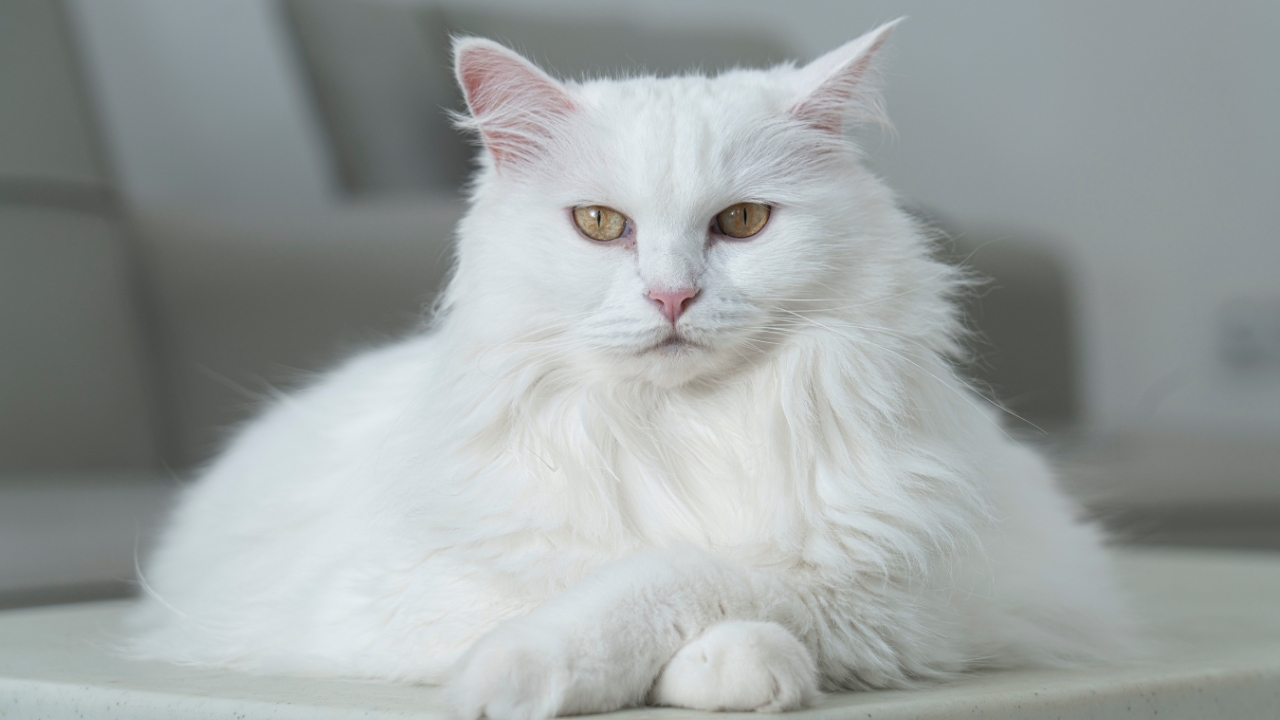
This is not the pick most people think of, but Turkish Angoras can do well with dogs because they are often bold and social. They walk into a room like they pay the mortgage. That attitude can shut down a pushy dog faster than a timid cat ever will.
You will need vertical territory, and it has to be stable. Cheap particle-board towers wobble, and once the dog knocks one over, the cat may decide the dog is a wrecking ball. Anchor tall furniture to studs with anti-tip straps, the same way you should for kid safety, and the cat will actually use the high ground.
9. Manx That Prefers Family Over Fights

Manx cats often bond hard with their people and tolerate other animals as part of the household. Many are playful and sturdy, less likely to get offended by a nose bump or an awkward dog hello. They can settle into a dog-and-cat routine without constant policing.
Keep an eye on mobility and comfort as they age, and don’t make the dog’s favorite spot the only route to the litter box. A simple second litter box in a low-traffic room can prevent bad bathroom habits that start from stress. If either pet starts guarding doorways or food, step back and slow the pace.
10. Tonkinese That Actually Wants A Pal
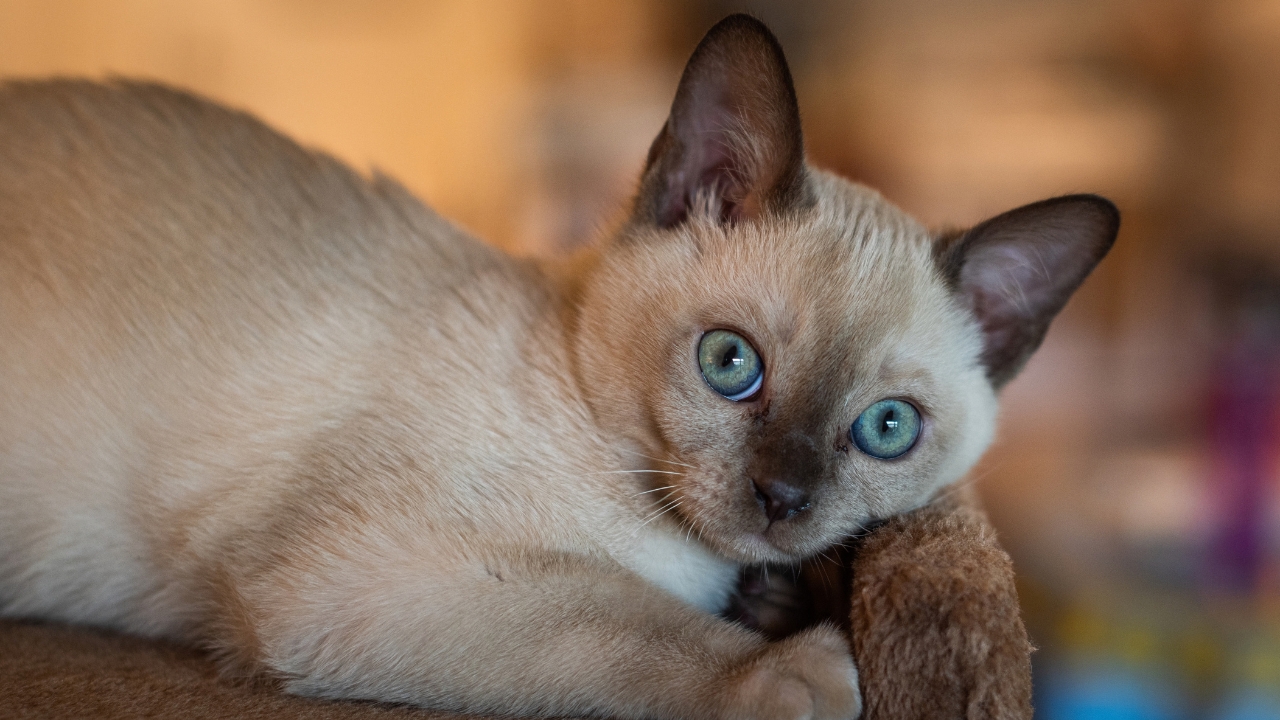
Tonkinese cats tend to be social, interactive, and more likely to follow you around than hide under the bed. That makes them good candidates for a home where the dog is part of daily life, not crated in a back room. A cat that seeks contact usually adapts faster to a dog that is always present.
Keep the first days structured, then loosen the rules. Feed both pets on a schedule, give the cat a dog-free nap zone, and teach the dog a solid “leave it” before you expect harmony. If you do that, the breed’s friendliness has room to show up.
Even the easiest pairing can go sideways if the dog gets to rehearse chasing or the cat gets cornered behind the dryer. Set up escape routes, keep food and litter protected, and make the first week boring and predictable. Once both animals stop acting like the other one is a surprise, the house gets quiet fast.
Like Fix It Homestead’s content? Be sure to follow us.