15 Facts About Black Bear Behavior That Every Rural Property Owner Should Know
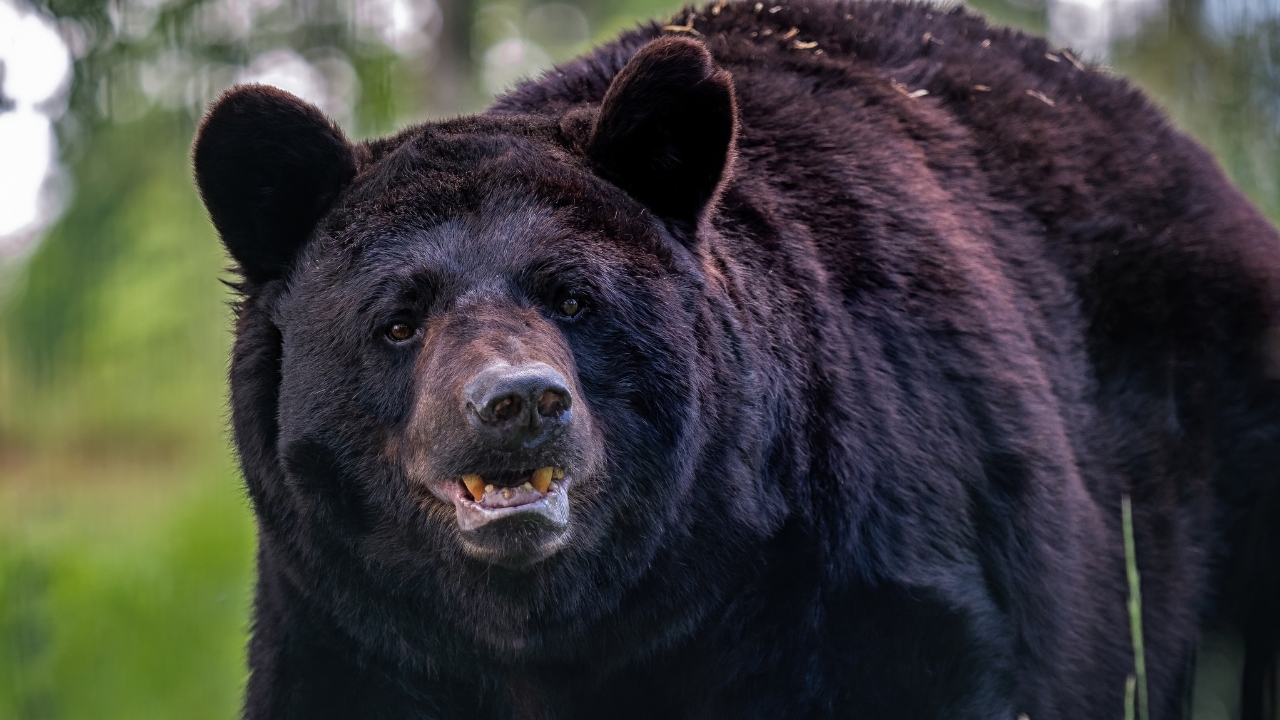
Photo credit: Lubos Chlubny/Shutterstock.com
Living near woods or brush means you’re sharing space with animals that don’t read your property lines. Black bears usually want an easy meal, not a fight, but the habits that work on raccoons and coyotes can fail fast with a bear. If you understand what a bear is likely to do next, you can fix the attractants before you end up with a busted coop door, torn-up trash, or a bear that keeps coming back.
1. Food Rewards Make Repeat Visitors
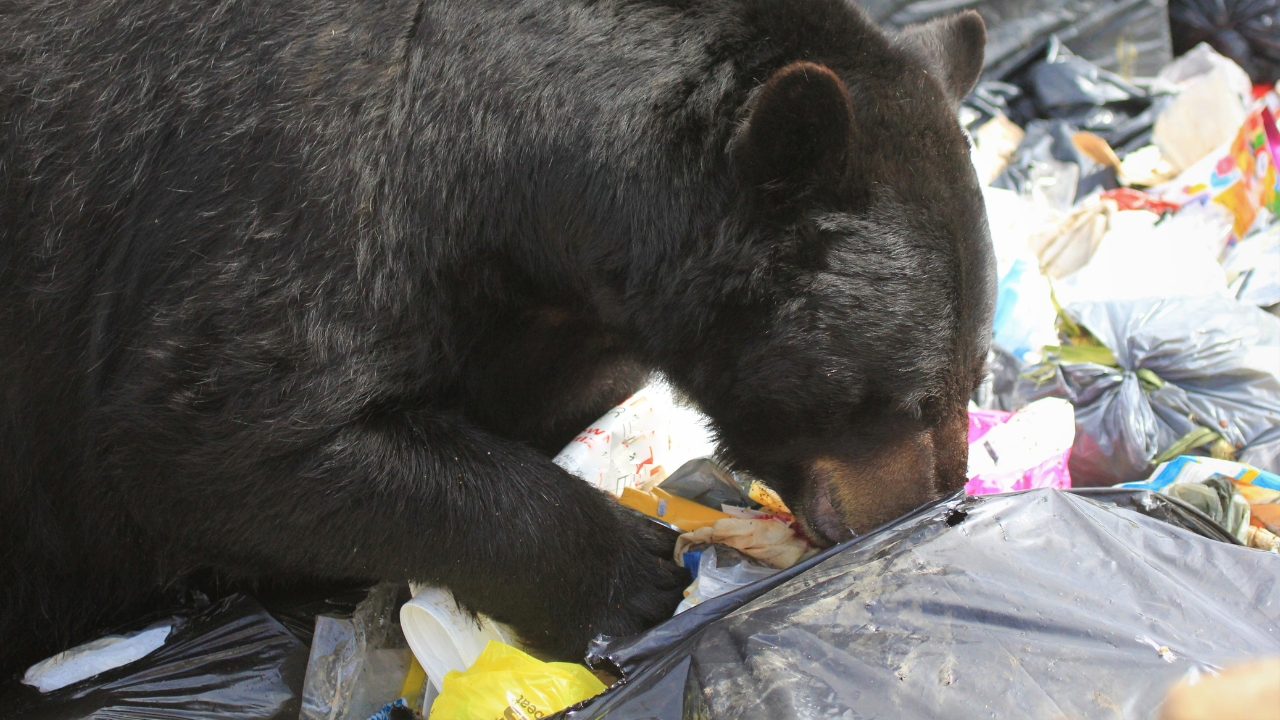
Once a bear gets calories from your place, it’ll check again. It’s not personal, it’s a math problem, easy food beats hard food. One spilled bag of feed or one unsecured trash night can turn into a pattern that lasts all season.
Cut the reward and you usually cut the visits. Put bird seed, chicken feed, and pet food in locking metal cans, not stacked bags in a mudroom or shed corner. Clean up grill grease, suet, and fruit drops, and don’t toss kitchen scraps into an open compost pile “just for now.”
2. Spring Bears Are Hungry And Pushy
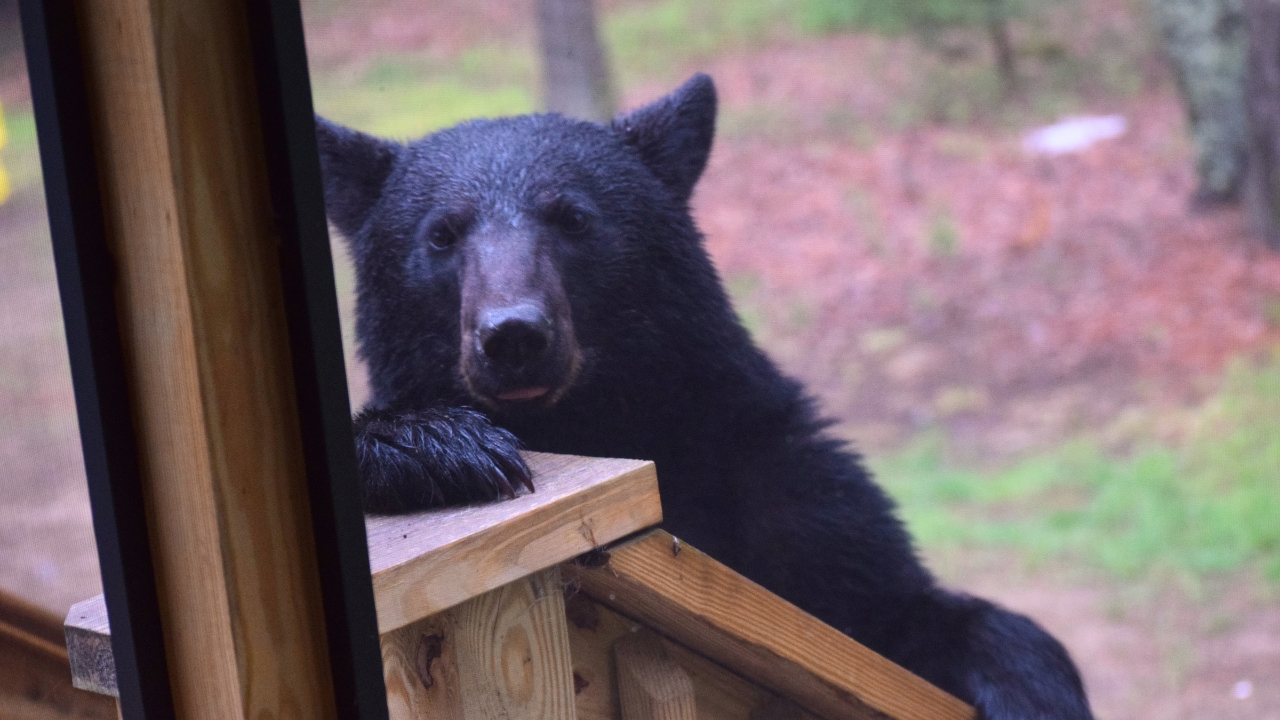
Early spring is when you’ll see the most bold behavior, right as natural food is thin. Bears coming out of denning are looking for easy protein and carbs, and they’ll cruise driveways, porches, and outbuildings like they’re checking vending machines.
This is when weak routines get exposed. Take down bird feeders before bears are active in your area, or only run them in winter if that’s allowed locally. Bring trash out the morning of pickup, not the night before, and keep a clean “no smells” zone around doors and mudrooms.
3. They Learn Your Schedule Fast

People act like bears roam randomly. A bear that finds a can at 9 p.m. will swing by around 9 p.m. again, and it’ll tighten that timing if it keeps getting paid. The same goes for livestock feeding time and the hour you toss scraps on the compost.
Break the pattern by changing routines for a couple weeks, not one night. Feed animals in daylight, pick up leftovers, and store the feed where the smell doesn’t drift. Motion lights help you see what’s going on, but they won’t stop a bear that knows dinner is on the porch.
4. Garbage Smell Carries Farther Than You Think
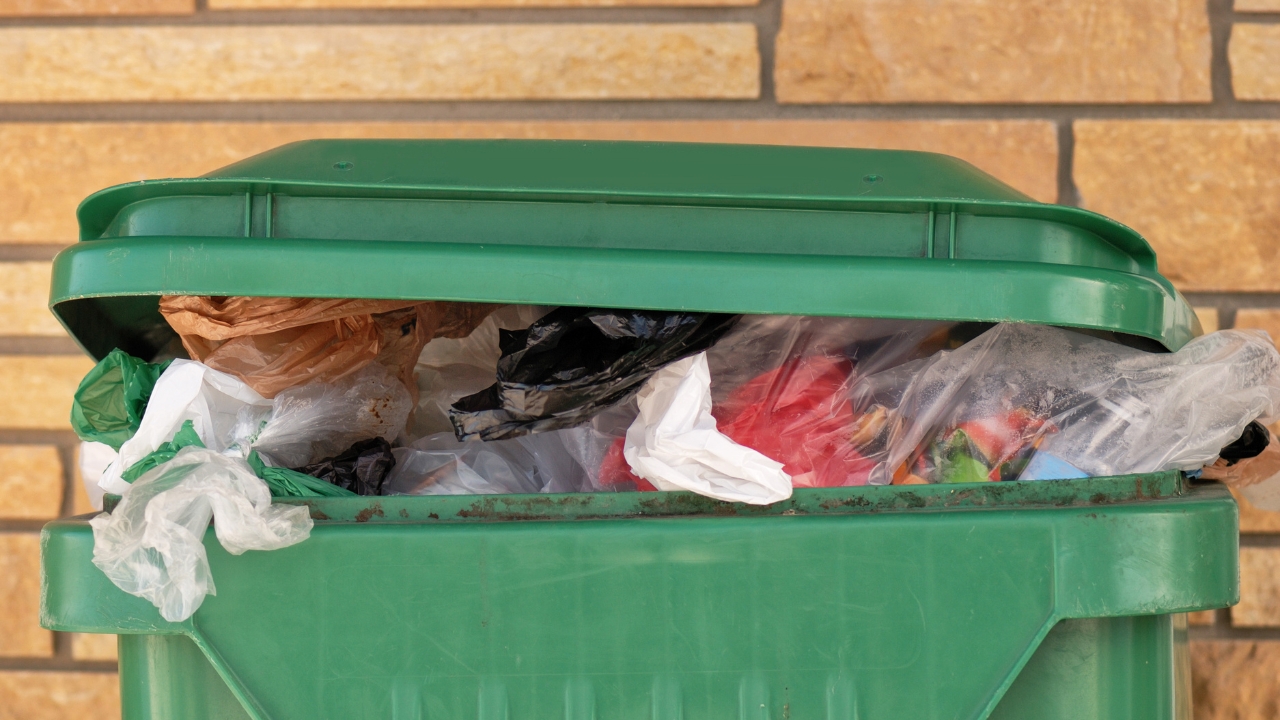
A clean-looking bin can still stink to a bear. Meat packaging, fish skin, diapers, and empty cat food cans put out odor even when the lid is shut. Hot days make it worse, and that “just one night” on the deck is often enough.
Use a bear-resistant can if bears are common where you live, and keep it in a garage or sturdy shed until pickup morning if you can. If that’s not possible, freeze smelly scraps until trash day, then bag them right before you roll the bin out. A quick rinse with a hose and a little detergent keeps the bin from becoming a beacon.
5. Bird Feeders Are A Bear Magnet
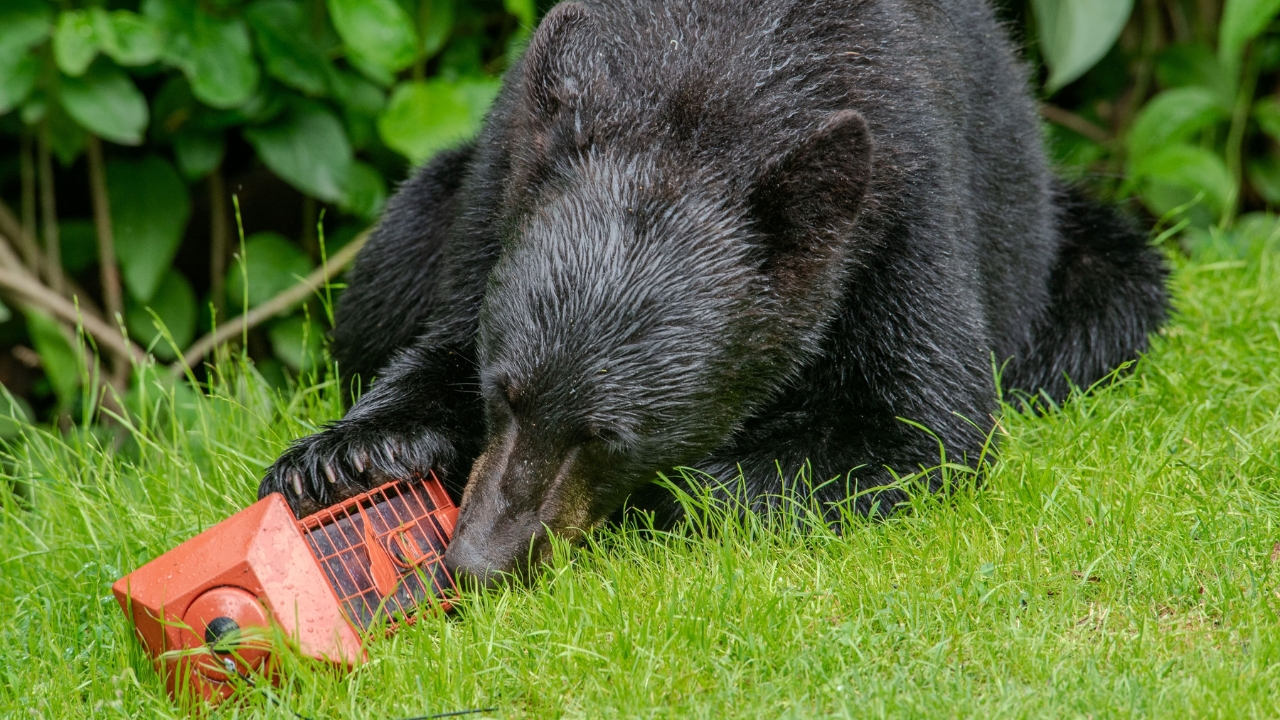
Seed and suet are calorie bricks, and bears know it. A feeder that never bothered you for years can suddenly become a problem the moment a bear finds it, and then you’ve trained a bear to check your yard.
Most rural properties are better off skipping feeders during bear season. If you insist on feeding birds, do it in winter only, take it down early, and clean up hulls under the feeder so you’re not feeding on the ground. Consider planting native shrubs for birds instead, it’s quieter and doesn’t smell like a snack bar.
6. Compost Needs A Different Rulebook

Compost works great until you toss in the wrong stuff. Fruit, bread, and vegetable scraps can be enough to draw a bear, and meat, grease, and dairy are basically an invitation. Turning the pile can also release a big burst of odor, especially after rain.
Keep “bear food” out of the pile and use a closed bin with a latched lid if bears are around. Bury fresh scraps deep in the center, cover with leaves or finished compost, and keep the area clean of dropped peels and buckets. If you want to compost everything, use a system that seals well, or switch those scraps to freezer storage and haul them off.
7. Chicken Feed And Scratch Bring Night Visits
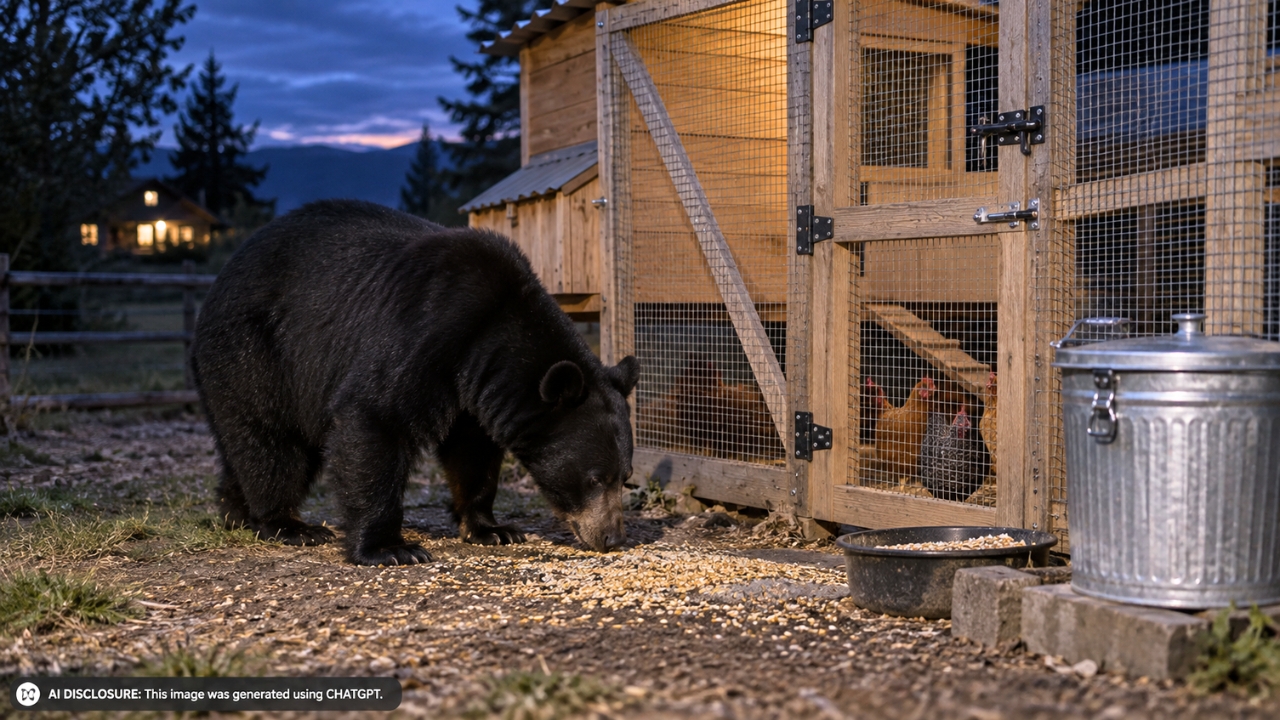
Coops get blamed, but the feed is usually the real draw. Leaving scratch on the ground at dusk is like ringing a dinner bell, and a bear can smell it long before you hear anything. Once a bear is working your coop area, it may start testing doors and hardware.
Feed in the morning, clean up what’s left, and store feed in a locked metal container inside a building. Then harden the coop like you mean it, solid latches, screws instead of staples, and hardware cloth where it counts. If you need help sizing up an electric fence around a coop run, call your local extension office or a fencing supplier, it’s worth doing right.
8. Electric Fencing Works When Installed Correctly

A lot of “electric fence failures” are really grounding failures, low voltage, or grass shorting the line. Bears have thick fur, so a weak setup won’t bother them much. If the first touch doesn’t sting, the bear learns it can push through.
Use a charger rated for predators, keep vegetation off the wire, and set up a proper ground system. Check voltage with a fence tester, not your hand, and fix problems before you assume bears are unstoppable. In many spots, a good fence is cheaper than replacing animals, doors, and siding all summer.
9. They Don’t Need Full Dark
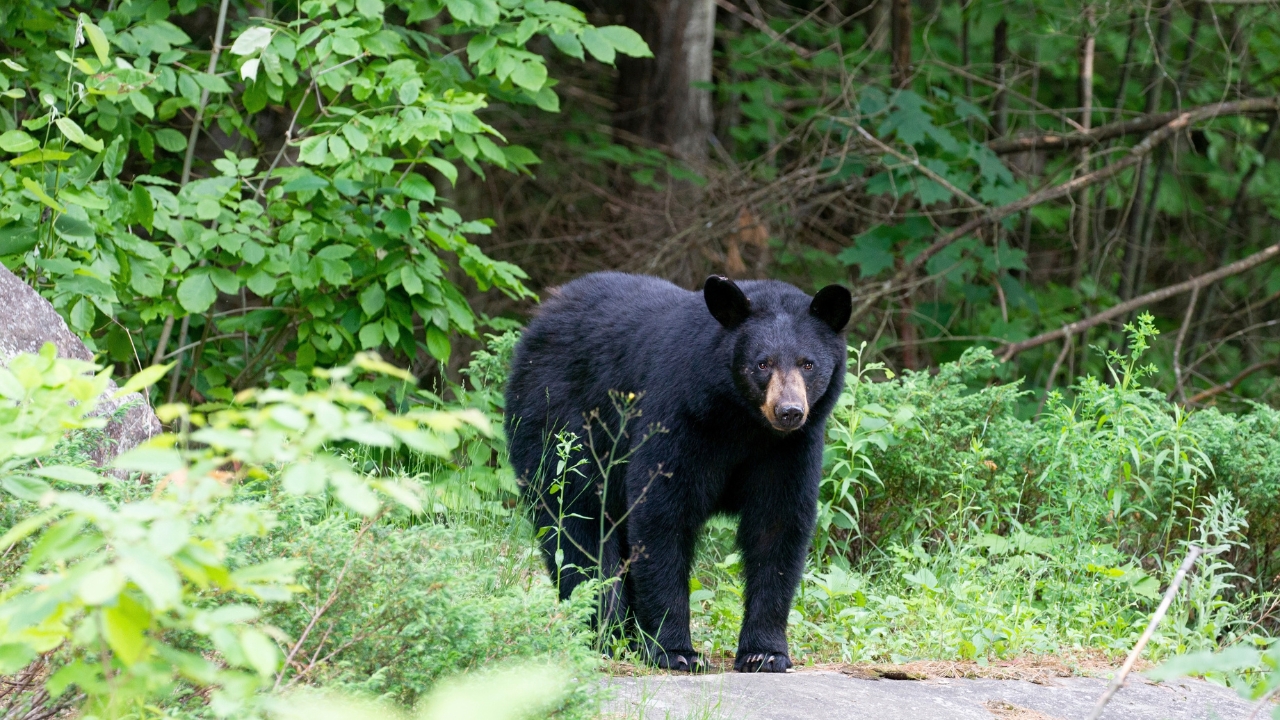
People expect bears only at midnight. In reality, bears often move at dusk, dawn, and even broad daylight in quiet areas, especially when natural food is scarce or they’re used to people. If you only look for tracks after a “nighttime” raid, you can miss what’s really happening.
Put a basic trail camera or a doorbell camera facing the problem area so you know the timing. That helps you fix the right thing, like moving feed storage, changing trash habits, or adding a fence, instead of guessing. If you see a bear acting bold in daylight near kids or pets, call your local wildlife office for guidance.
10. Cubs Nearby Change The Whole Mood
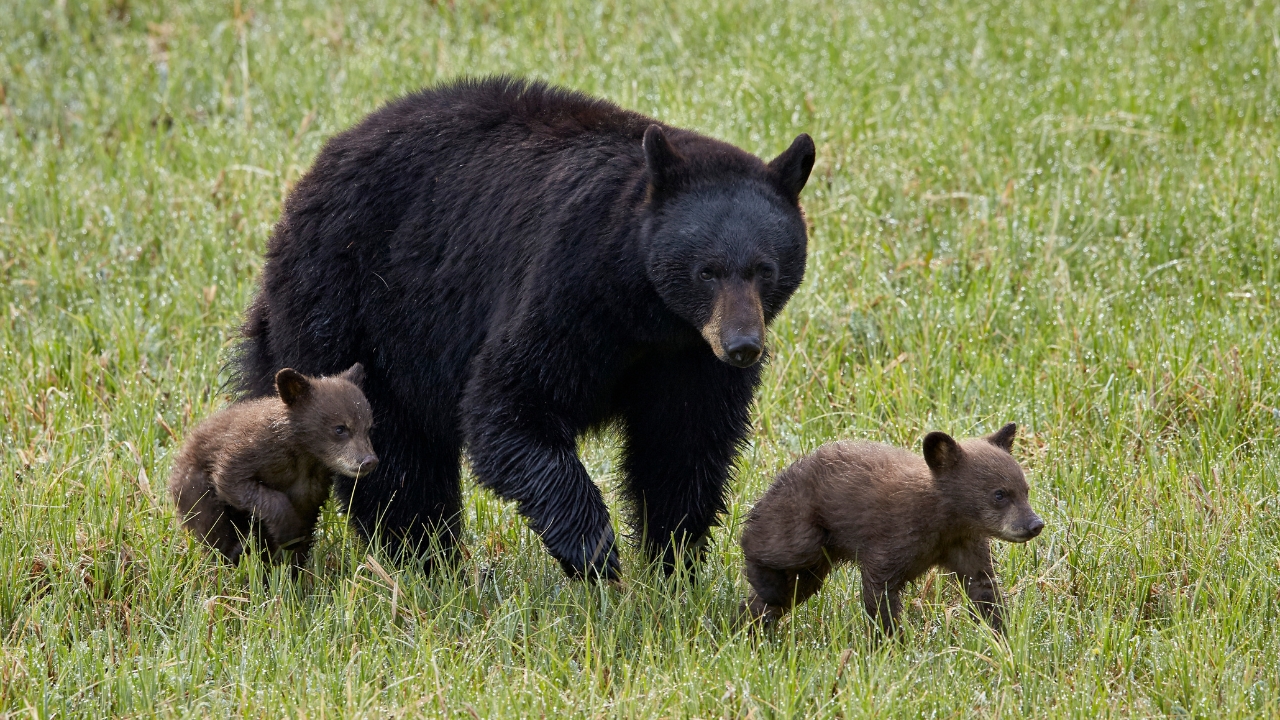
Most bears want space, but a mother with cubs can get defensive fast. A huffing sound, jaw popping, or a bear that stands its ground is a different situation than a bear that bolts. People get in trouble when they try to “shoo it off” like it’s a dog.
Give it distance and a clear escape route. Get inside, keep dogs leashed, and don’t corner a bear between buildings, fences, or vehicles. If a bear hangs around with cubs near a home site, stop all attractants and report it, because that pattern can escalate.
11. Dogs Can Make Things Worse

A loose dog that charges a bear can come flying back to your porch with the bear behind it. That’s a common way people end up with a close encounter at the door. Even a tough farm dog doesn’t “handle” a bear the way people imagine.
Keep dogs on a leash when bears are active, especially at dusk. If you need a dog out for chores, stay with it and keep it close. Dog food left outside is also a bear attractant, so feed indoors and store bags in a sealed container.
12. Breaking In Isn’t Their First Plan
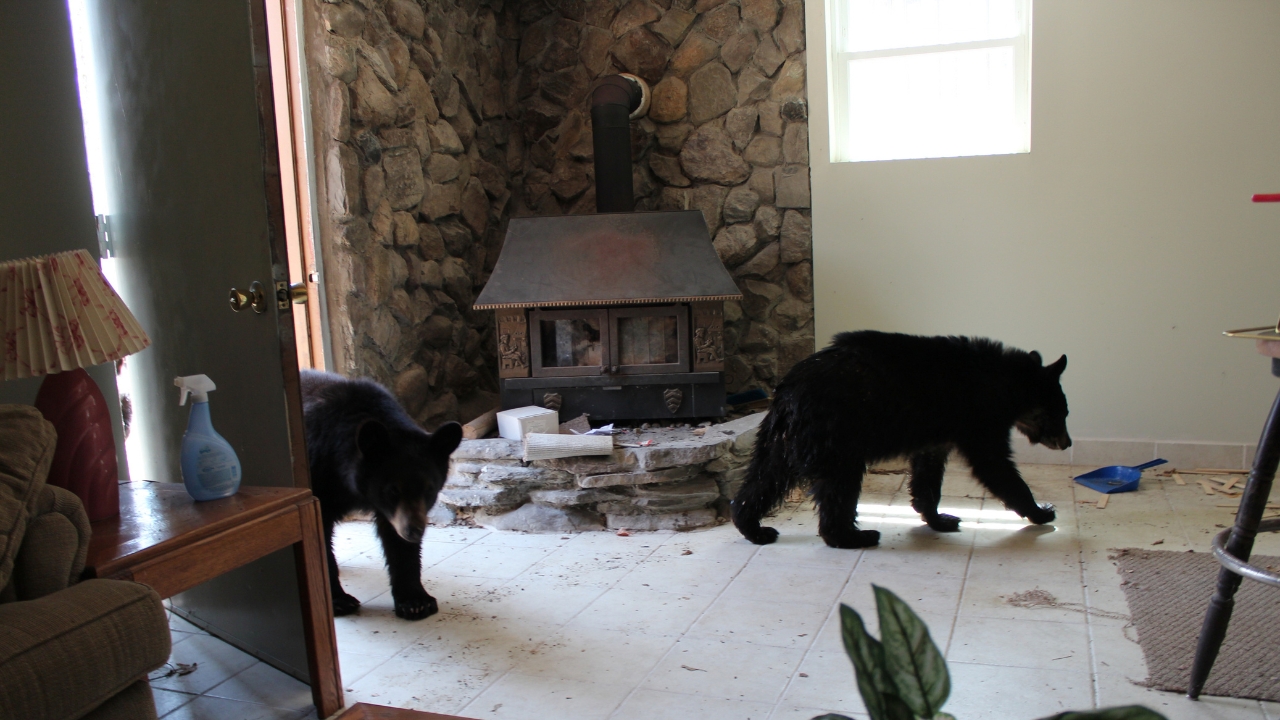
Bears aren’t burglars by default. Most will test the easy stuff first, trash, feeders, coolers, and outdoor fridges, then move on if it’s not worth it. When you hear about a bear ripping a door, it’s often after weeks of small rewards.
Fix the easy stuff before it turns into property damage. Lock windows on ground level, keep garage doors shut, and don’t store freezers full of meat in a flimsy outbuilding that smells like a butcher shop. If you do have an outdoor freezer, keep it clean on the outside and consider adding a simple lock hasp so it can’t be pulled open.
13. One Clean Yard Can Shift Traffic
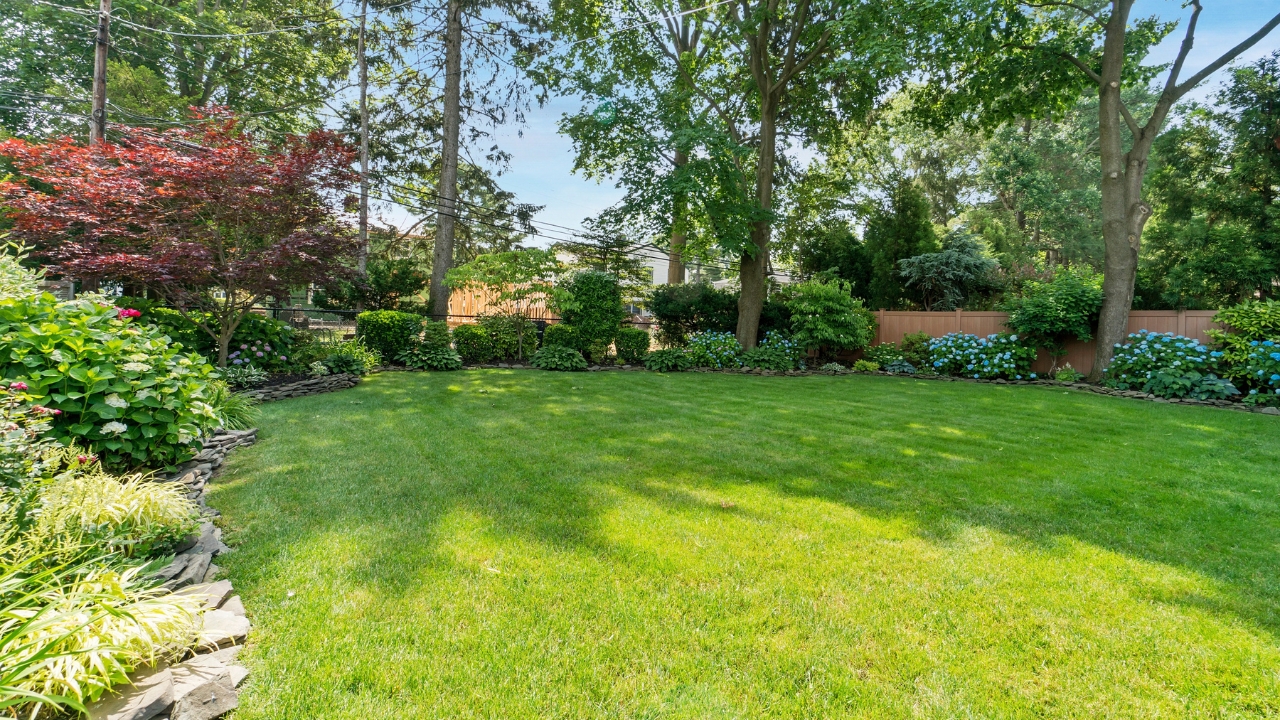
You can do everything right and still see bears if a neighbor is feeding them by accident. Bears roam, and they’ll pass through your place on the way to the easy food. That doesn’t mean your work is wasted, it means your place is becoming less interesting.
Talk to neighbors without picking a fight. Mention specific attractants like bird feeders, trash left out overnight, and livestock feed stored on a porch. In some areas, there are local rules about feeding wildlife, and it’s fine to ask the county or wildlife office what applies where you live.
14. Climbing Skills Beat Most Backyard Fences
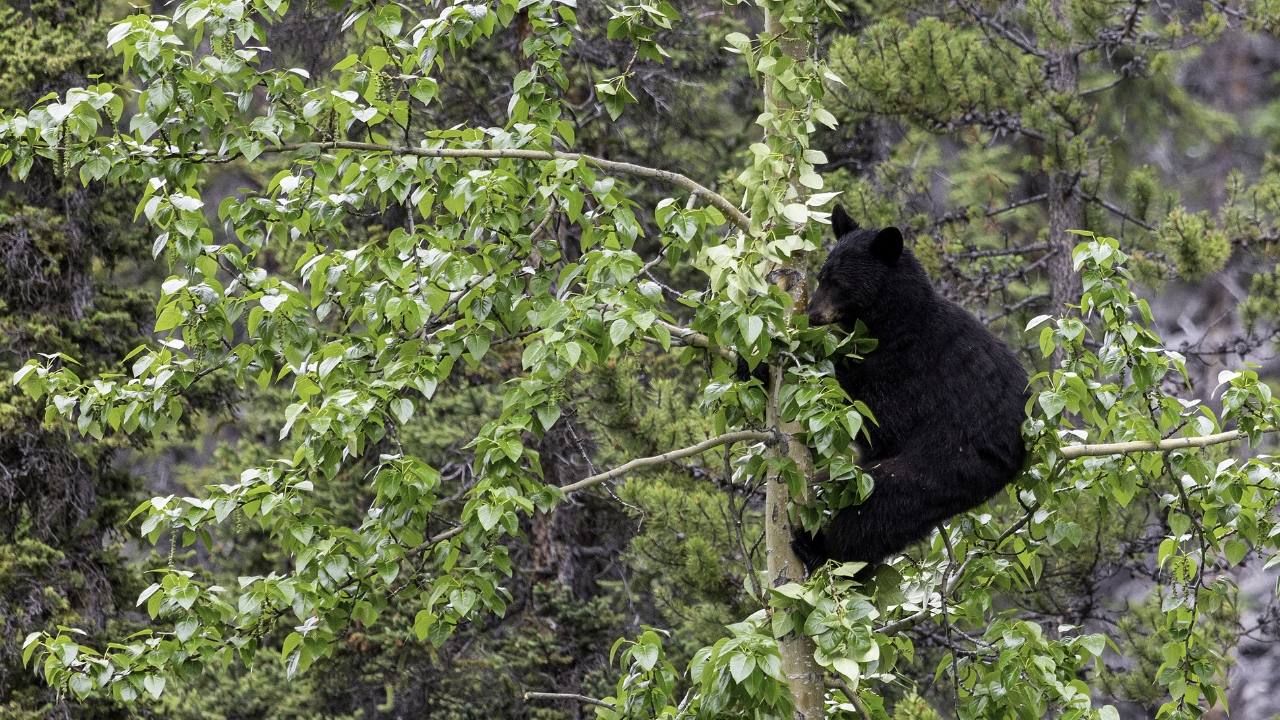
Bears climb well, especially younger ones. A bear that wants apples can go up a tree like it’s nothing, and a standard yard fence is usually just a speed bump.
Don’t rely on a tall wooden privacy fence to protect chickens, bees, or fruit. Use electric fencing for high-value targets, and prune lower tree limbs near roofs and decks so you’re not giving a bear a ladder. If you’ve got fruit trees, pick up drops daily during peak ripening.
15. Hazing Isn’t Always The Right Move
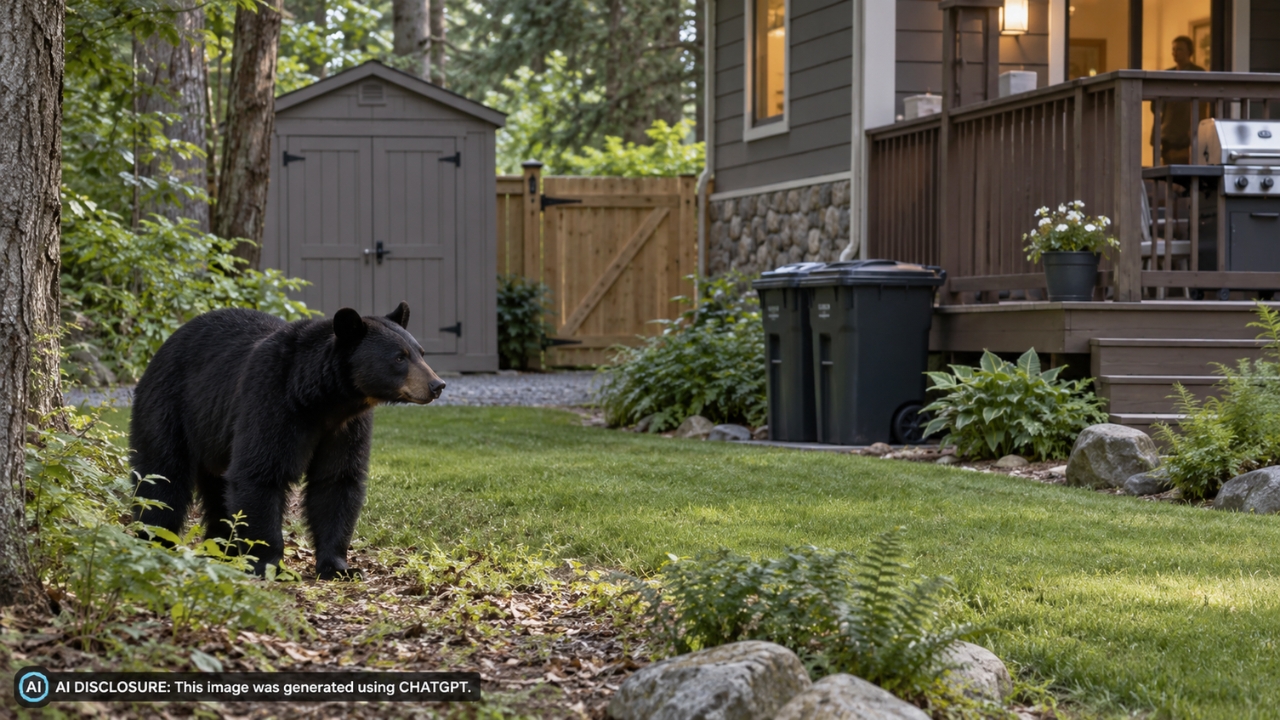
People love the idea of “teaching a bear a lesson.” Loud noise and motion can work on a bear that’s just passing through, but it can also push a bear into a bad corner or make it run the wrong way. Some areas also have specific rules about what’s allowed.
The better move is often boring: remove attractants, lock things down, and let the bear find nothing. An honest exception is a bear that’s clearly just traveling and not stopping, in that case doing nothing and giving it space is fine. If a bear won’t leave, keeps returning, or acts aggressive, call wildlife professionals instead of escalating it yourself.
Once you’ve cut off the food rewards, most bear problems shrink down to occasional sightings instead of repeated damage. Keep your fixes simple, keep them consistent, and treat every “small mess” like a warning flare. Bears are strong, but they’re also predictable when your property stops paying them.
Like Fix It Homestead’s content? Be sure to follow us.