10 Things That Bring Raccoons Onto the Porch After Dark
Photo credit: Becky Sheridan/Shutterstock.com
You go to lock up for the night and there they are, little hands on the rail, noses up, acting like they own the place. Raccoons aren’t brave, they’re rewarded. If your porch keeps paying them in food, water, or a safe hideout, they’ll keep clocking in after dark.
1. Unlatched Trash Cans And Loose Bags
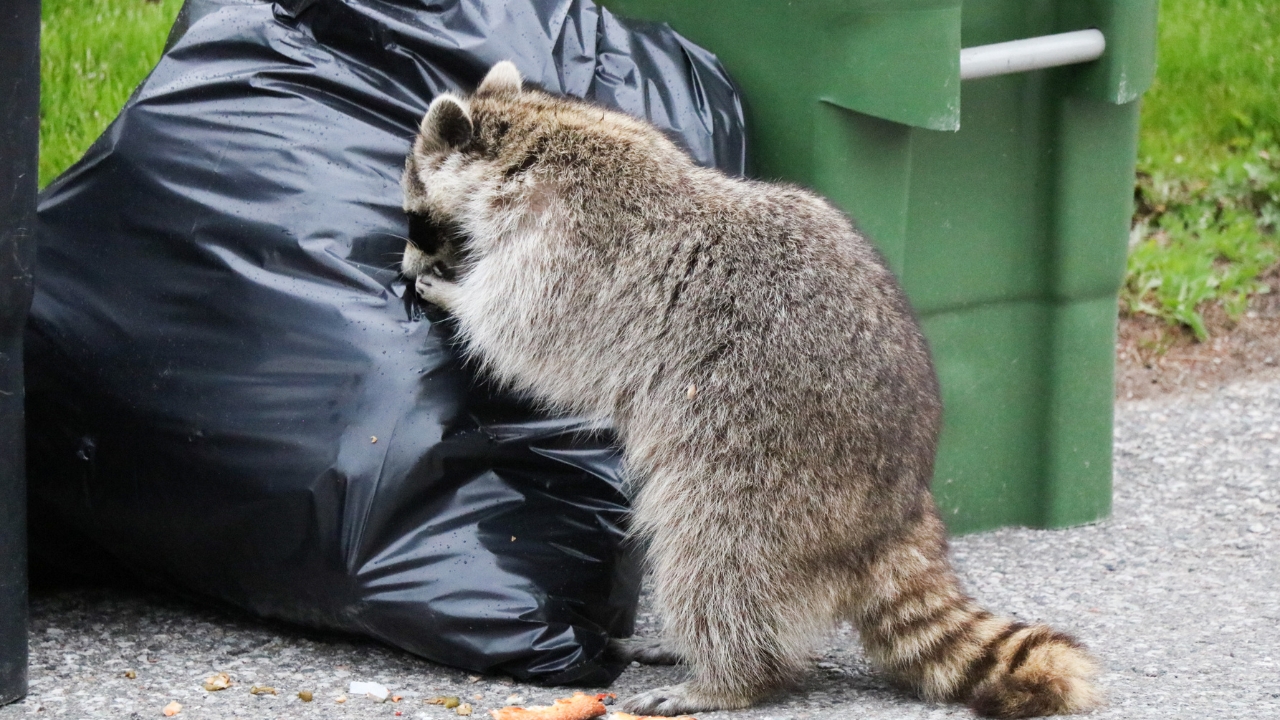
The easiest payday is a tipped can with a cracked lid or a bag set out early. Raccoons can hook a claw under a rim and work it like a pry bar, then you wake up to a “storm” of wrappers and coffee grounds across the steps.
Use a can with a locking lid, or add a simple strap and buckle. If pickup is in the morning, keep trash inside a garage or shed until right before you roll it out, not at dusk. Rinse sticky containers and double bag meat scraps, because smells pull them in from farther than you’d guess.
2. Pet Food Bowls Left Out Overnight

Feeding the dog on the porch feels tidy until the last scoop sits there after dark. Raccoons learn schedules fast, and once they’ve found a reliable bowl, they’ll check it every night like a time clock.
Pick bowls up before sunset and store food in a sealed bin, not a paper bag or a thin plastic tote. If you’ve got outdoor cats, switch to set feeding times and bring leftovers in. A cheap, lidded storage container is fine here, it just has to close tight and not live on the porch.
3. Grill Grease Trays And Drip Pans
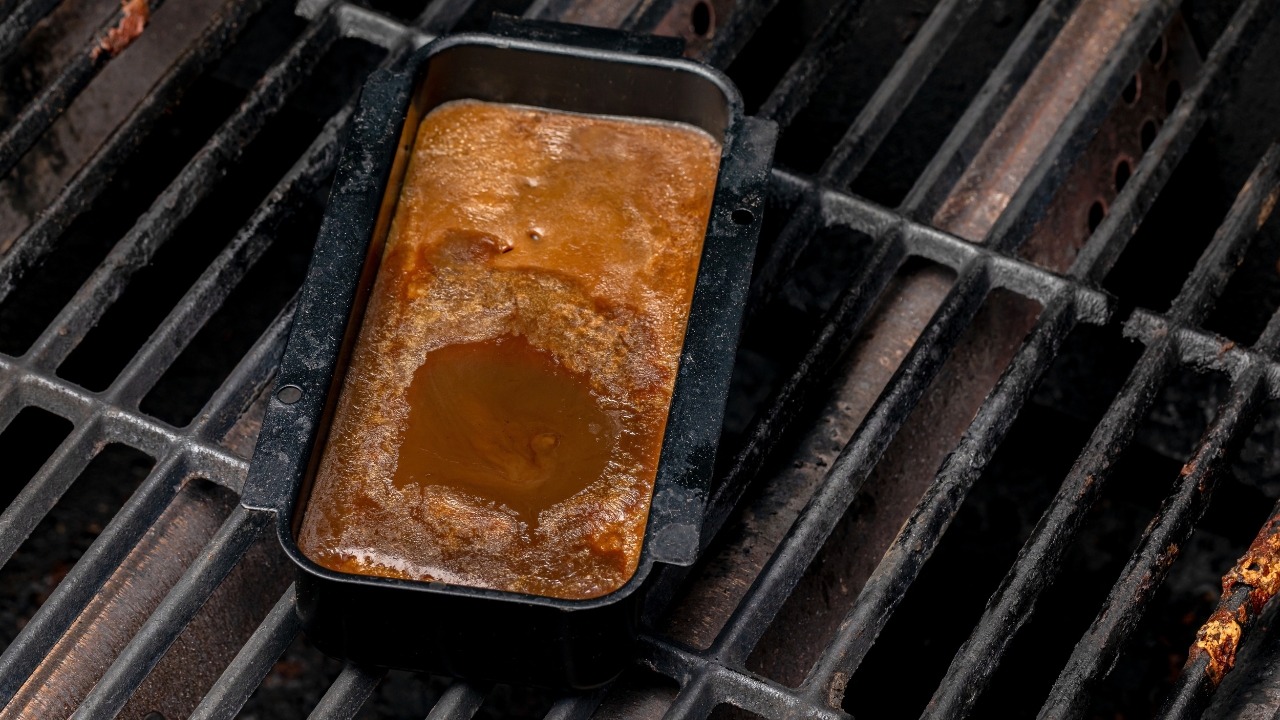
A covered grill doesn’t mean a clean grill. Grease in the catch pan smells like a buffet, and raccoons will paw at the bottom edge, rattle the cover, and keep at it until something slides out.
After cooking, scrape the grates and empty the grease tray once it cools. Toss the foil liner in a sealed bag and put it in an indoor bin if you can. If your grill sits on the porch, a quick wipe with soapy water now saves you from a midnight clatter and a nasty mess later.
4. Birdseed Spilled Near The Door
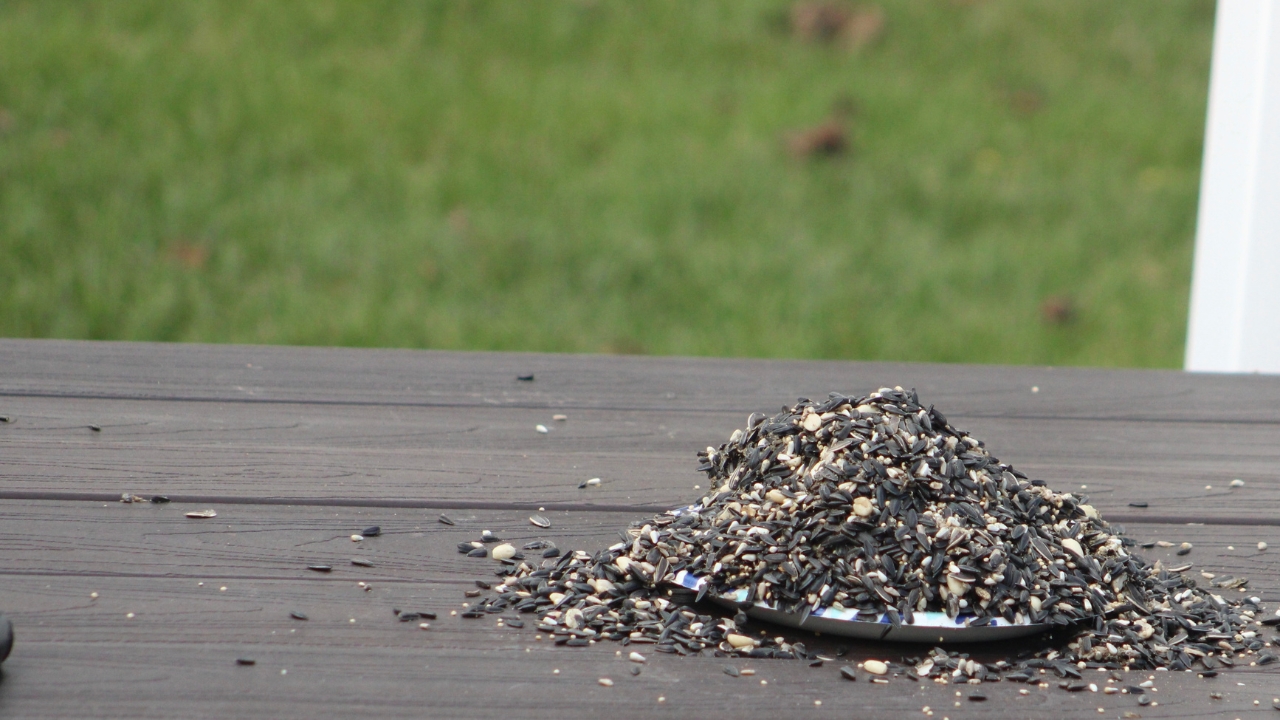
People focus on the feeder and forget the ground. A cup of seed scattered by wind, squirrels, or a sloppy refill turns into an evening snack trail that leads right to your steps.
Sweep up spills the same day, especially in fall and winter when natural food is tighter. Use a seed tray or move feeders farther from the house, even another 15 to 20 feet helps. If you like feeding birds close for viewing, pick a hull-less seed and fill smaller amounts more often so less ends up down below.
5. Compost Buckets And Kitchen Scraps Outside
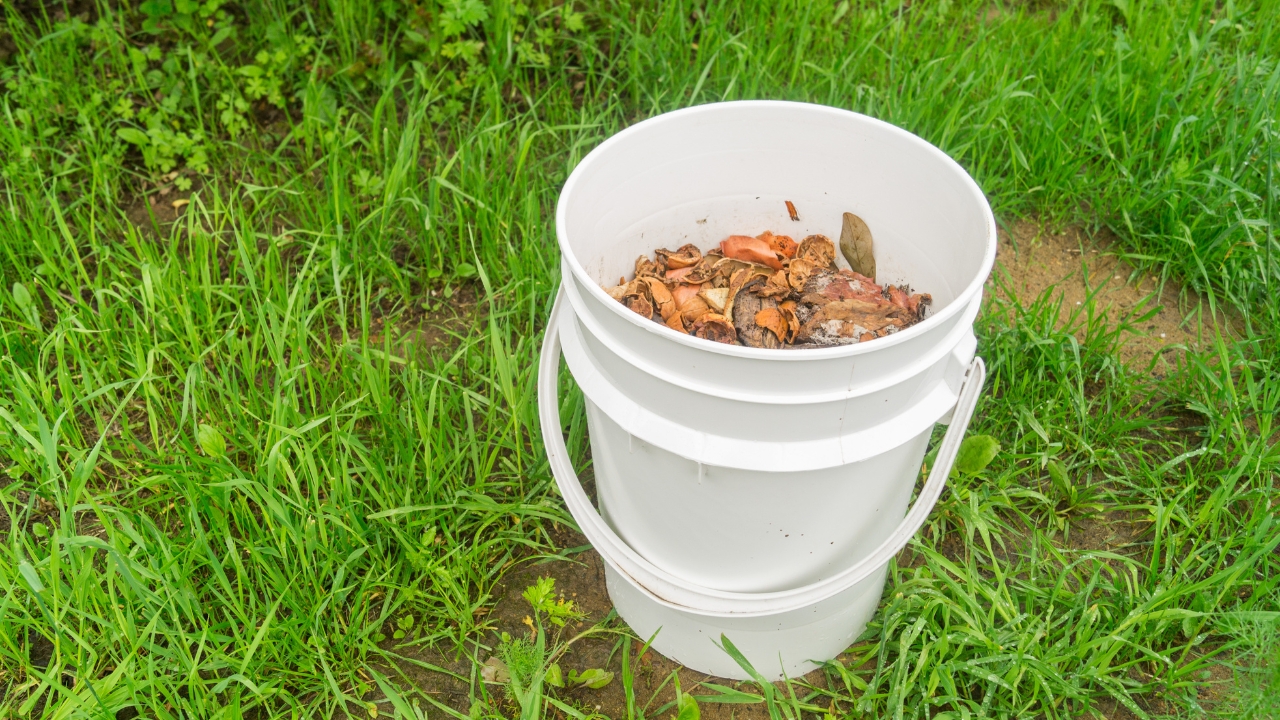
That little countertop pail works great until it gets “parked” on the porch for later. Fruit peels, eggshells, and leftovers smell strong at night, and raccoons don’t care that it’s headed to the pile tomorrow.
Keep kitchen scraps in a sealed container indoors until you walk them to a secured compost bin. Open piles and flimsy plastic composters are easy targets, so use a latched bin or a wire enclosure with a locked top. If you’re adding meat, grease, or dairy, skip the backyard compost and send it out with trash, those scraps bring more trouble than they’re worth.
6. Porch Lights That Stay Off
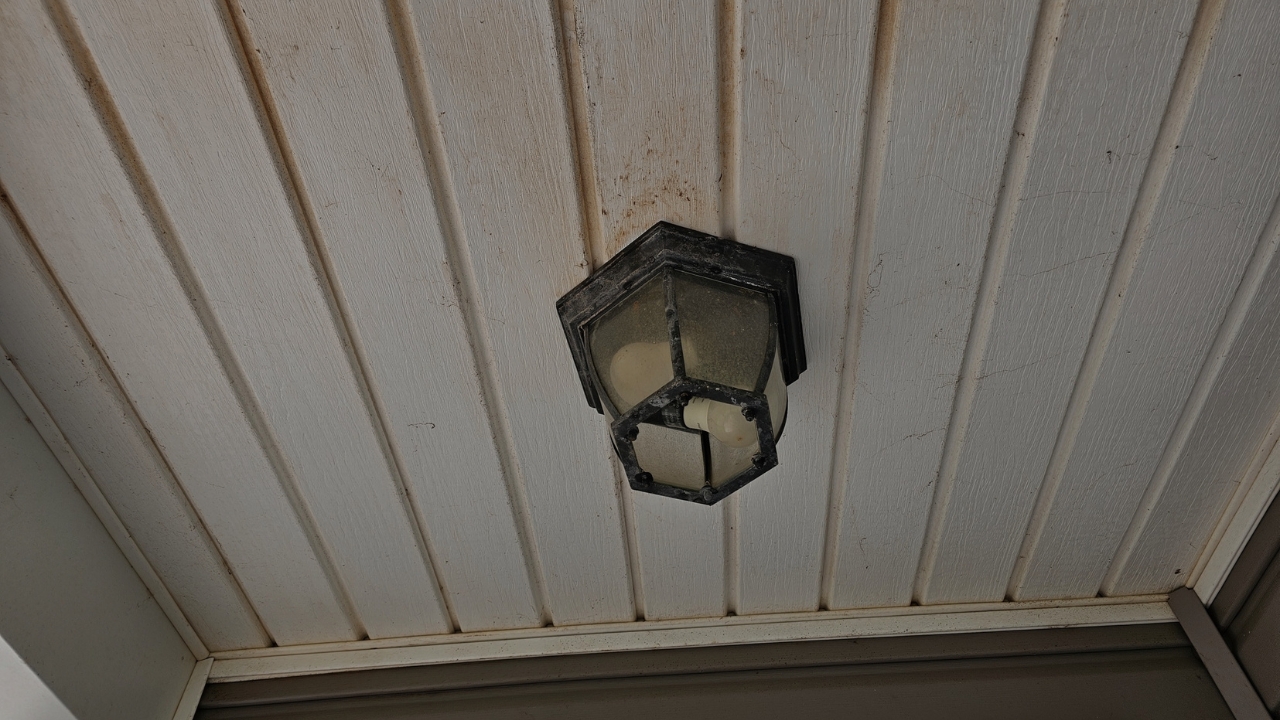
Dark porches feel safer to raccoons, and they’ll linger longer when they think no one can see them. A pitch-black corner near the door becomes their hangout spot, especially if it’s quiet and sheltered.
Put in a motion light or run a dusk-to-dawn bulb in a fixture that points down, not out into the yard. Motion lights don’t have to be fancy, but mount them solid and aim them so they catch the steps and railing. If neighbors are close, choose a warmer bulb and adjust sensitivity so it isn’t firing at every passing moth.
7. Leaky Spigots And Pet Water Dishes
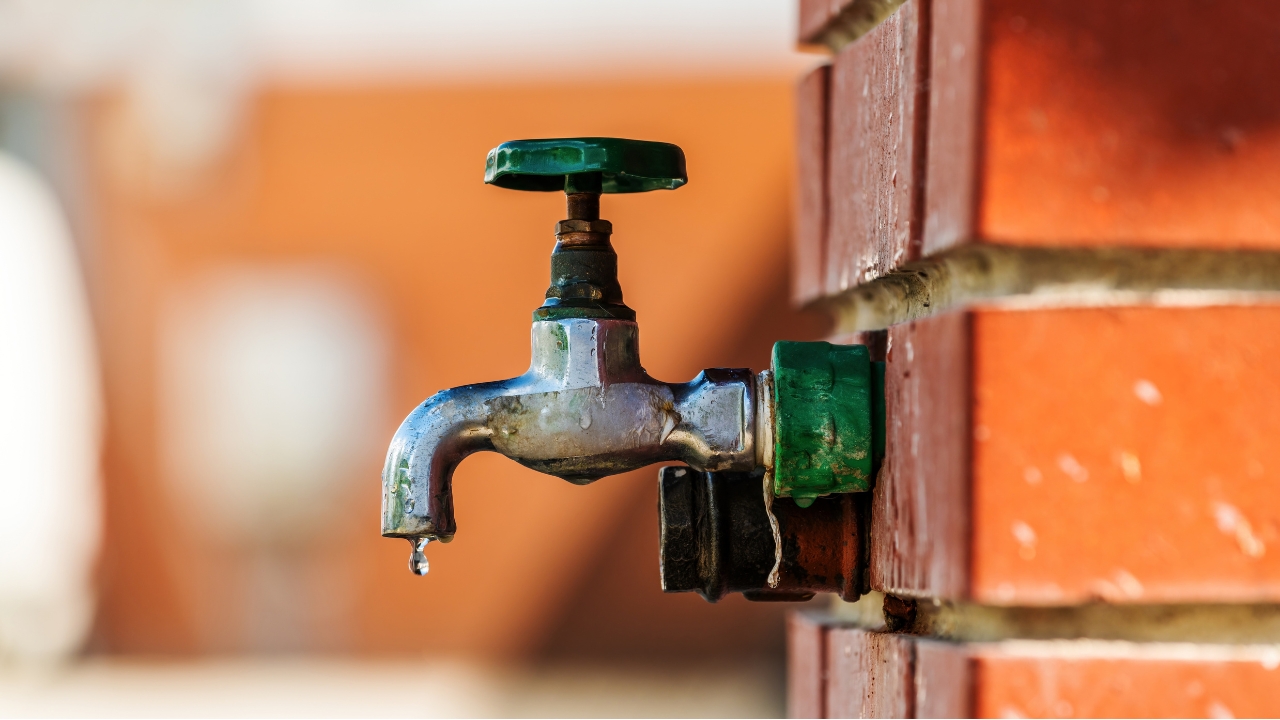
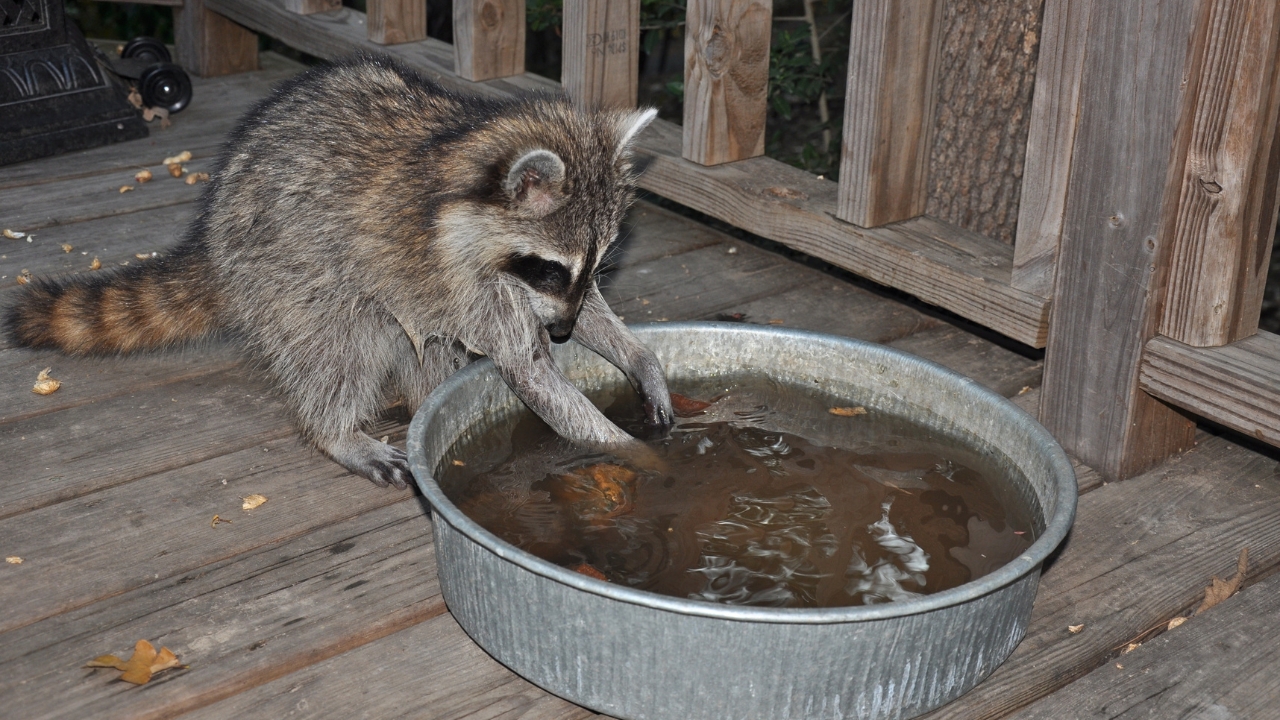
Food isn’t the only draw. A dripping hose bib, a saucer under a planter, or a big dog water bowl becomes a dependable watering hole in summer.
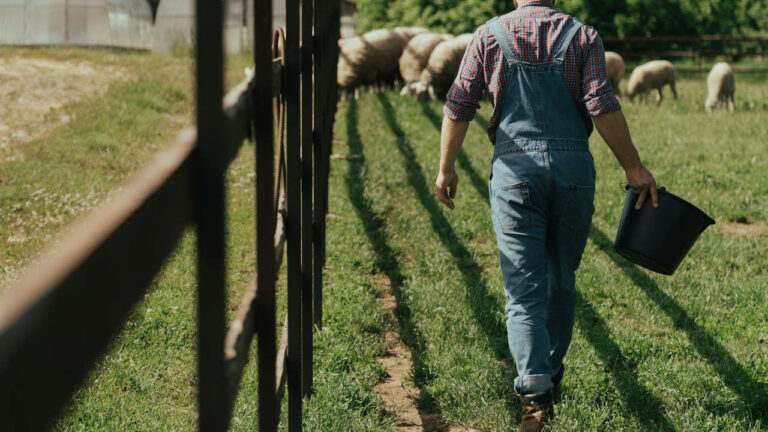
Fix the drip with a new washer or replace the spigot if it’s crusted up and won’t seal. Dump standing water at night and bring bowls in if you can. If you need water outside for livestock or working dogs, set it away from the porch and use a heavier bucket so it can’t be tipped and splashed around for fun.
8. Low Deck Skirts And Easy Crawl Spaces
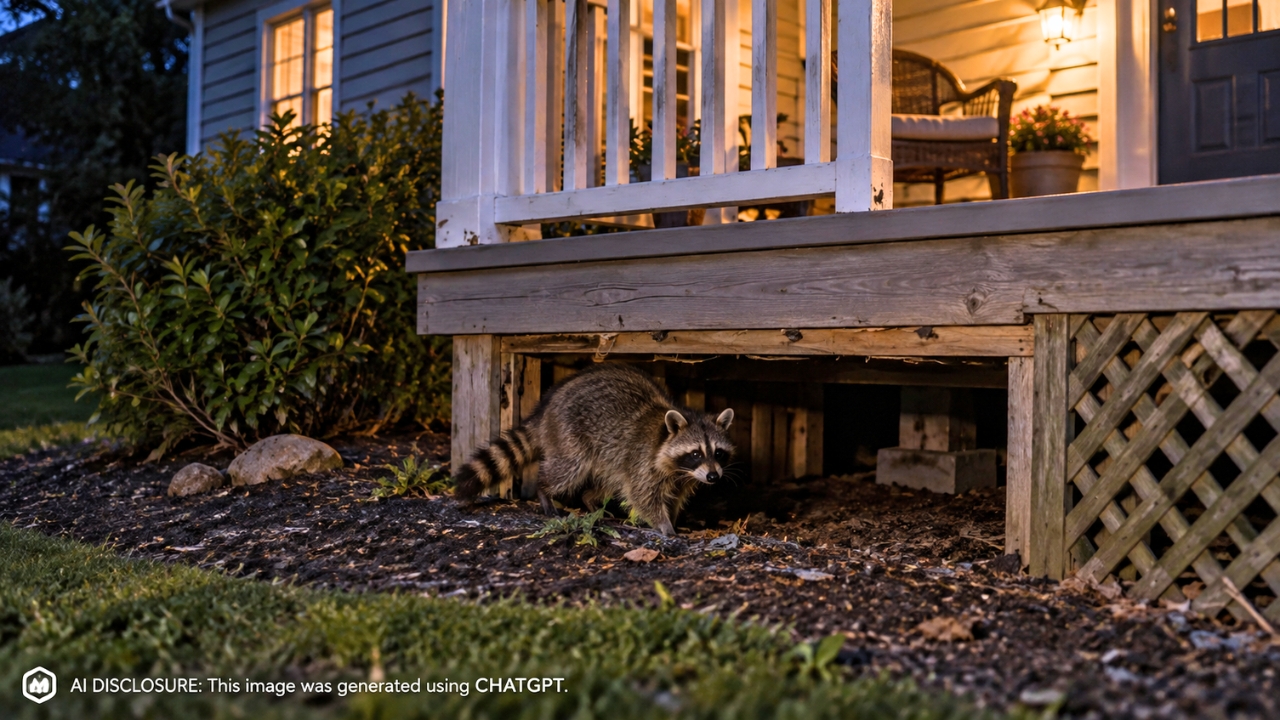
If the porch has a cozy void under it, raccoons will try it like a motel. You’ll hear thumps, scratching, and that slow shuffle overhead, usually when you’re trying to sleep.
Close off access with hardware cloth, not chicken wire, and attach it with screws and washers so it can’t be pulled loose. Bury the bottom edge a few inches or bend it outward in an L-shape to discourage digging. If you suspect a den with babies, don’t seal it up blindly, contact a local wildlife control pro so you don’t trap animals inside.
9. Fallen Fruit And Sweet Smells Nearby

Late summer and early fall are peak porch visits if you’ve got fruit trees, berry bushes, or a grape arbor anywhere close. Fruit on the ground ferments fast, and that sugary smell carries right to the house.
Pick up drops every day during heavy ripening, and don’t toss them into an open bucket by the steps. If you can’t keep up, rake fruit into a lidded container and haul it off, or fence off the tree drip line for the season. This is one of those jobs that feels endless for two weeks, then it’s done.
10. Open Doors, Torn Screens, And Cat Flaps
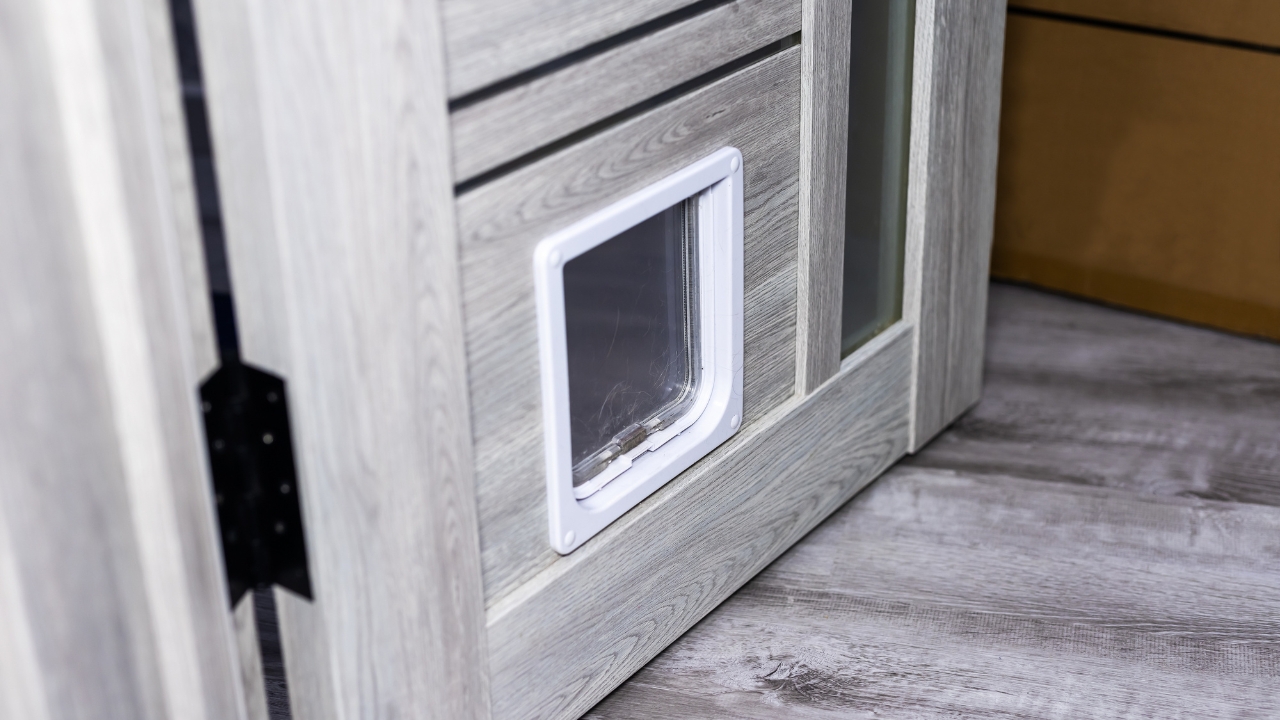
One bad habit does more than any other: leaving an easy way in. A screen with a ripped bottom corner, a door that doesn’t latch clean, or an uncovered pet door tells raccoons they can check inside without a fight.
Patch screens with proper mesh and a spline roller, not tape that peels in heat. Adjust the strike plate so the latch actually grabs, and add a simple door closer if the door tends to drift. Pet doors are tricky, but a model that locks at night or a routine of closing it after dark cuts off a lot of unwanted visits.
Once you remove the payoffs, raccoons usually move along in a week or two. Stick with it through the first stretch, because they’ll test the old spots out of habit. A clean porch at night is the whole goal, quiet, boring, and not worth the climb.
Like Fix It Homestead’s content? Be sure to follow us.