10 Signs Raccoons Are Living Closer Than You Think
Photo credit: Teresa Melcer/Shutterstock.com
You don’t usually see raccoons until something is already ripped open, knocked over, or stained. They’re quiet, smart, and happy to live right next to people if the food and shelter are easy. Catching the early signs saves money, keeps the stink down, and cuts the odds of a nasty attic cleanup later.
1. Noisy Thumps After Dark
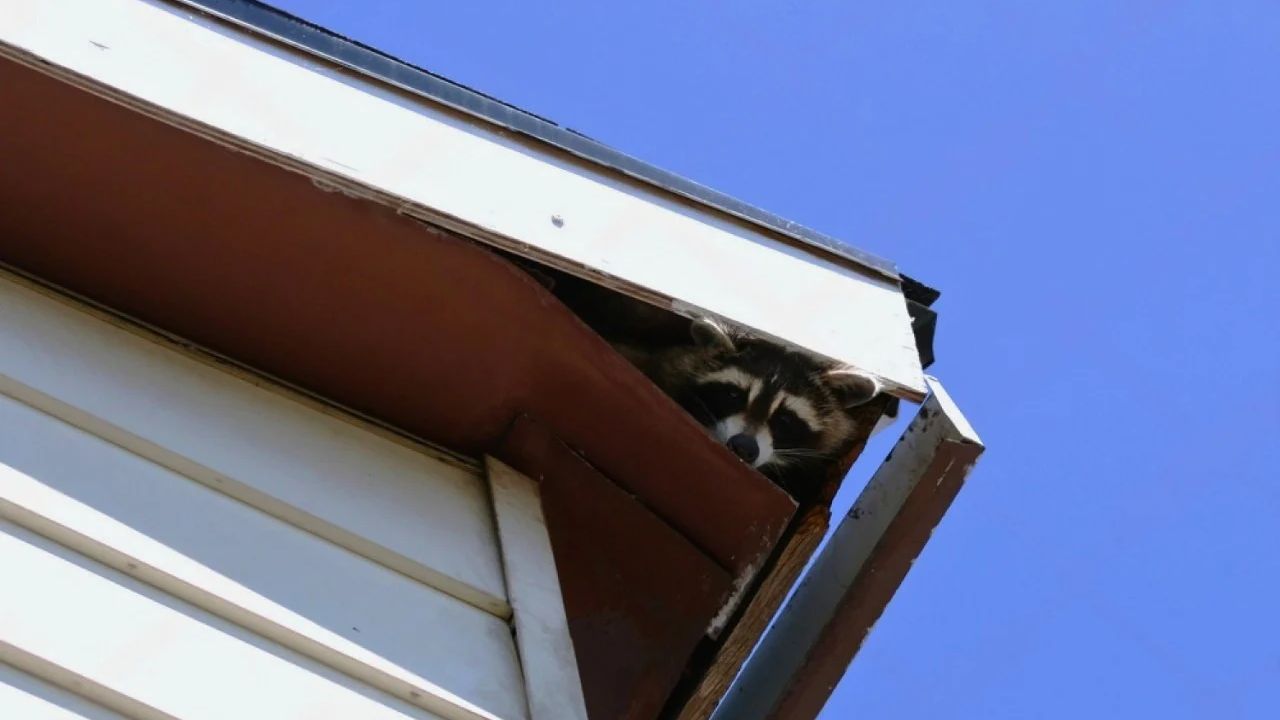
Light scratching is one thing, but heavy thuds, rolling sounds, and a “someone dropped a bowling ball” bump in the ceiling is a classic raccoon move. You’ll hear it most after sunset and again right before dawn when they head out. If it gets louder on warm nights, that’s another clue because they’re more active.
Don’t climb into an attic to investigate at night. Listen from inside, then check outside in daylight for entry points at soffits, roof returns, gable vents, and chimney edges. If you hear baby-like chittering or constant movement, it’s time to call a wildlife removal pro because a nest changes how the job has to be handled.
2. Tipped Trash Cans With Handprints
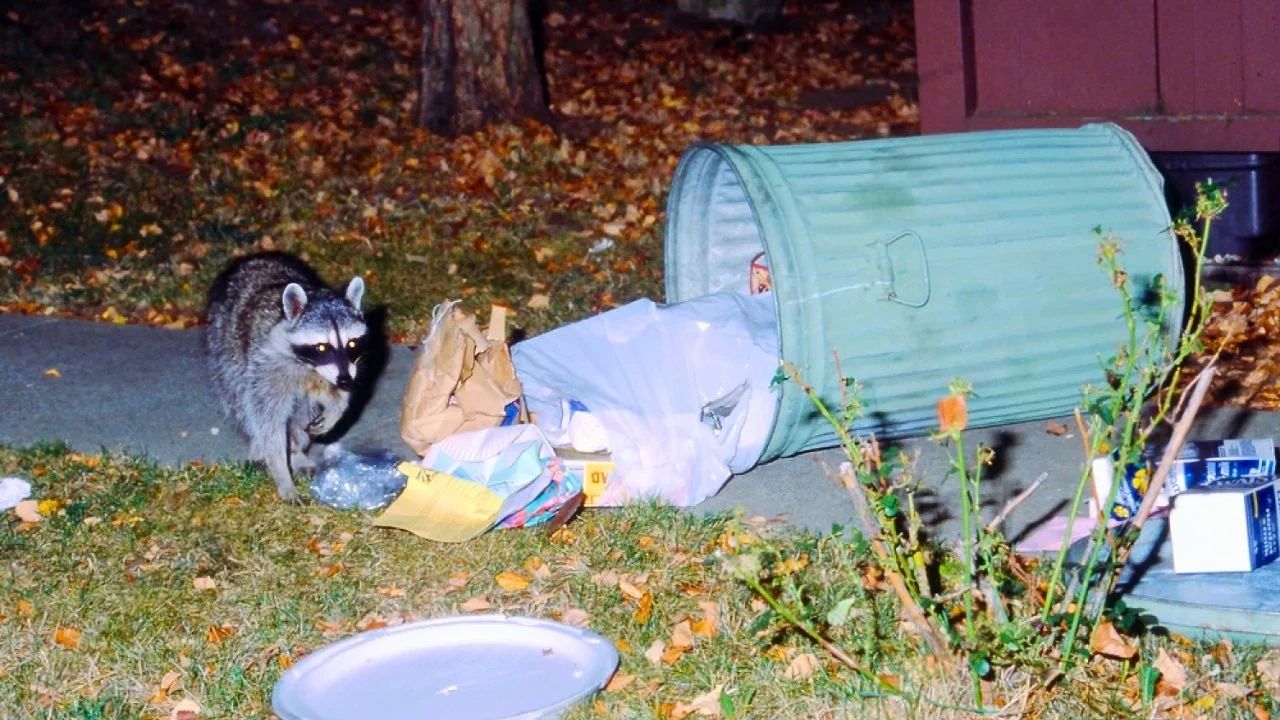
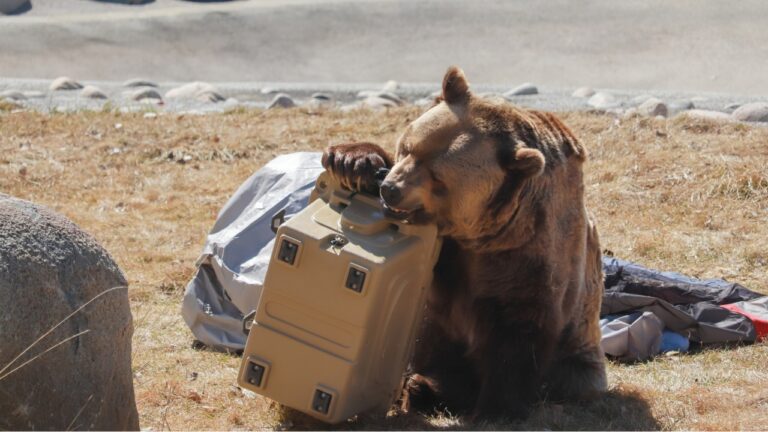
If your cans are getting flipped even when they’re not full, it’s usually not wind. Raccoons work lids like a puzzle, then pull bags out and scatter them. Look for muddy little “hands” on the lid or rim, and torn bag plastic that looks tugged, not punctured.
A cheap fix is often enough: bungee the lid to the handle, or use a locking can. If your hauler won’t take a strapped lid, store cans in a shed or garage until pickup morning. Skip the light, flimsy “animal-proof” add-on lids, they crack fast in sun and cold.
3. Sod Rolled Back Like Carpet
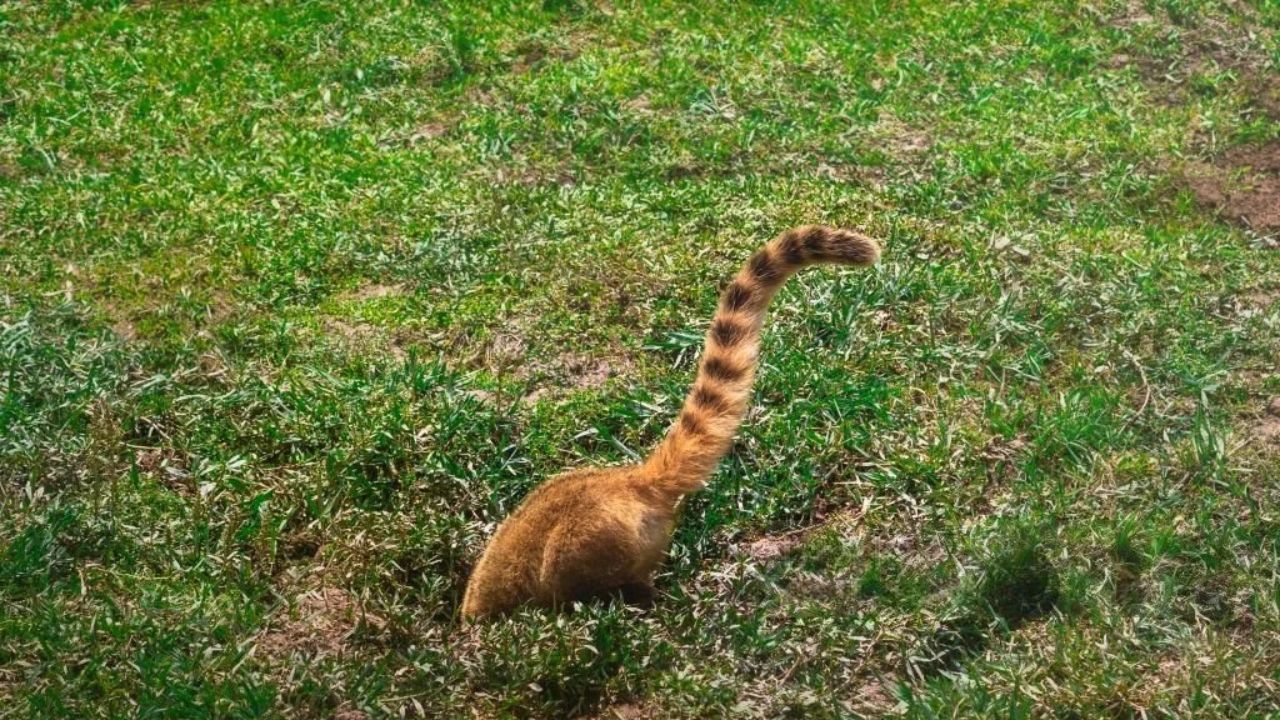
In late summer and early fall, raccoons hunt grubs and worms and they do it like they’re unzipping your lawn. You’ll see patches of turf peeled back in strips, usually overnight, with damp soil showing underneath. Skunks dig little cone holes, raccoons roll bigger sheets.
The fix is two parts: stop the buffet and protect the surface. Treat for grubs if you actually have them, a quick check is lifting a loose flap and counting larvae in the top couple inches. If you’re not seeing grubs, don’t spray “just because,” water management and mowing height often solve the worm feast that drew them in.
4. Tracks On Decks And Dirt
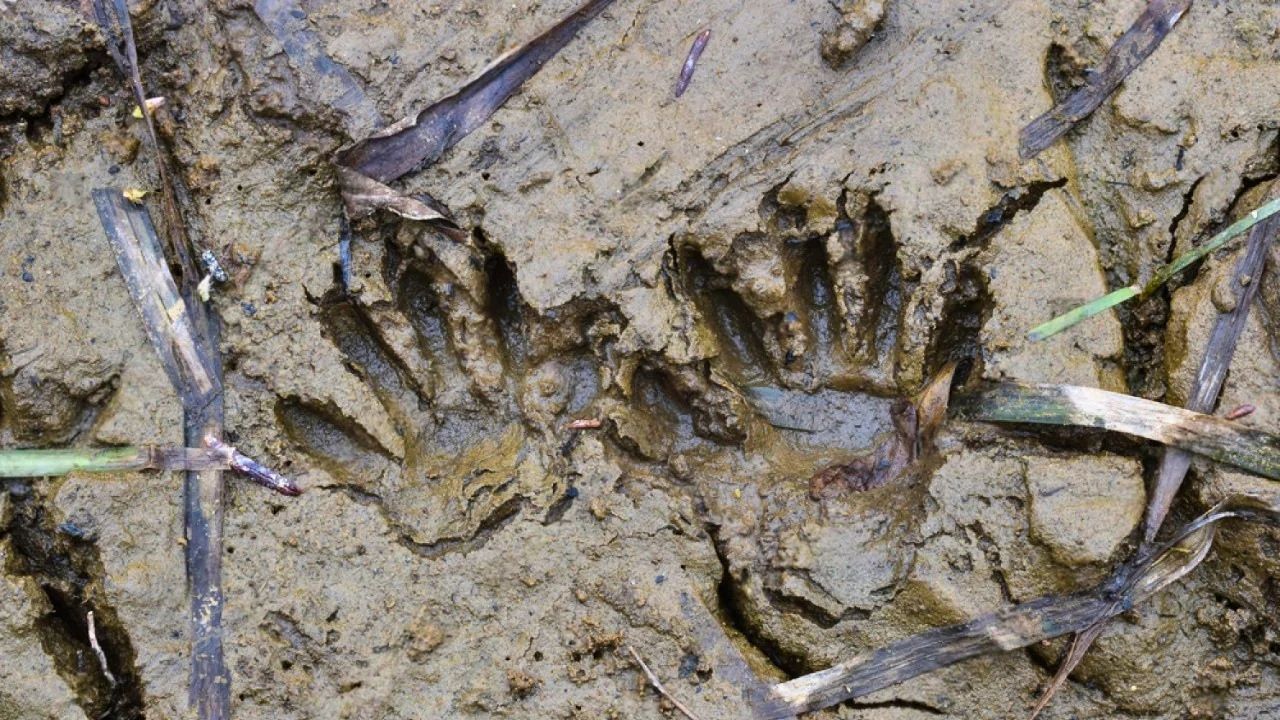
Raccoon tracks look like tiny human hands, five long toes, often with a heel pad that shows in mud. You’ll see them along garden beds, on dusty decks, around a sand pile, or in soft spots near downspouts. After a light rain is when they show up cleanest.
To confirm, smooth a small patch of soil with a trowel near where you suspect they’re traveling, then check it in the morning. If the tracks lead right to a corner of the house or under a porch, that’s your next inspection spot. Don’t spread poison or “repellent granules” first, those usually just waste money and time.
5. Torn Roof Vent Screens And Soffits
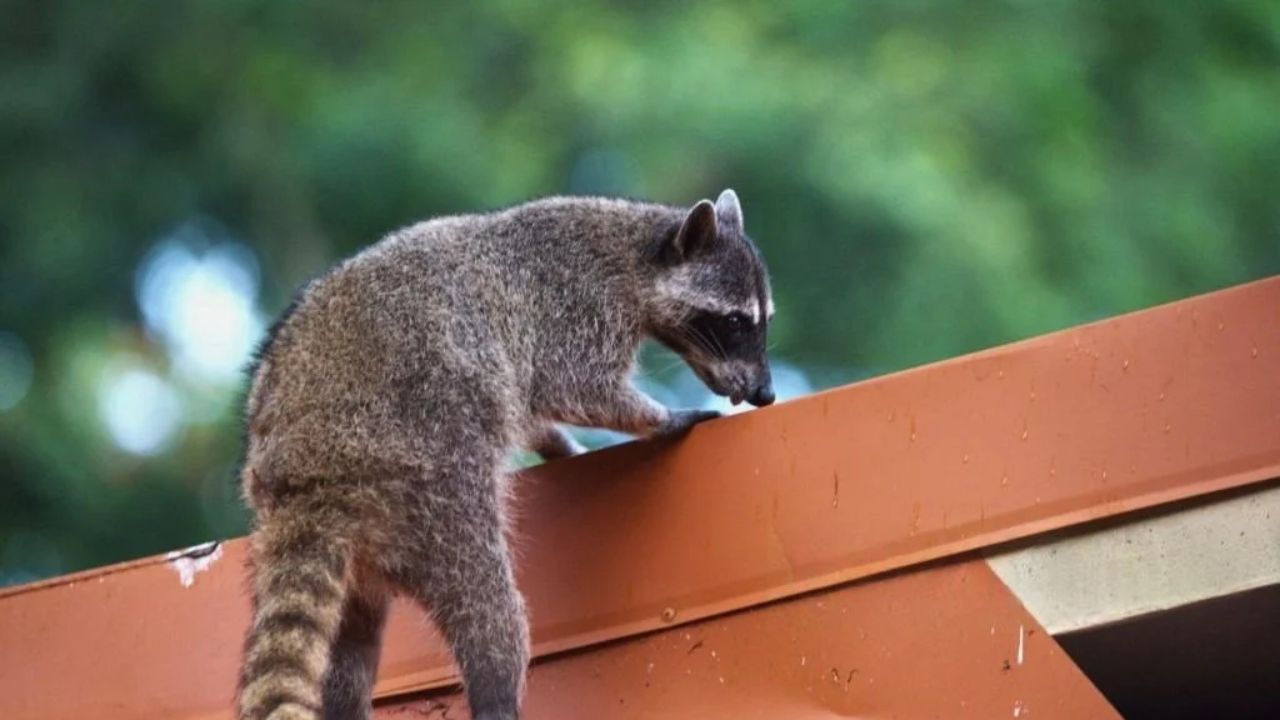
Raccoons don’t need a big hole, they make one. Bent aluminum screens, shredded plastic vents, and soffit panels bowed down at the edge are common damage points. If you see fresh scuff marks on a fascia board or claw scrapes near a roofline, assume they’ve tried that spot more than once.
Fixing it means building something they can’t peel back. Replace weak plastic vents with metal, and fasten repairs into framing, not just thin trim. If the damage is near the roof peak or you’re not comfortable on a ladder, pay a roofer or qualified contractor, a fall costs a lot more than a vent.
6. Pet Food Disappears Overnight
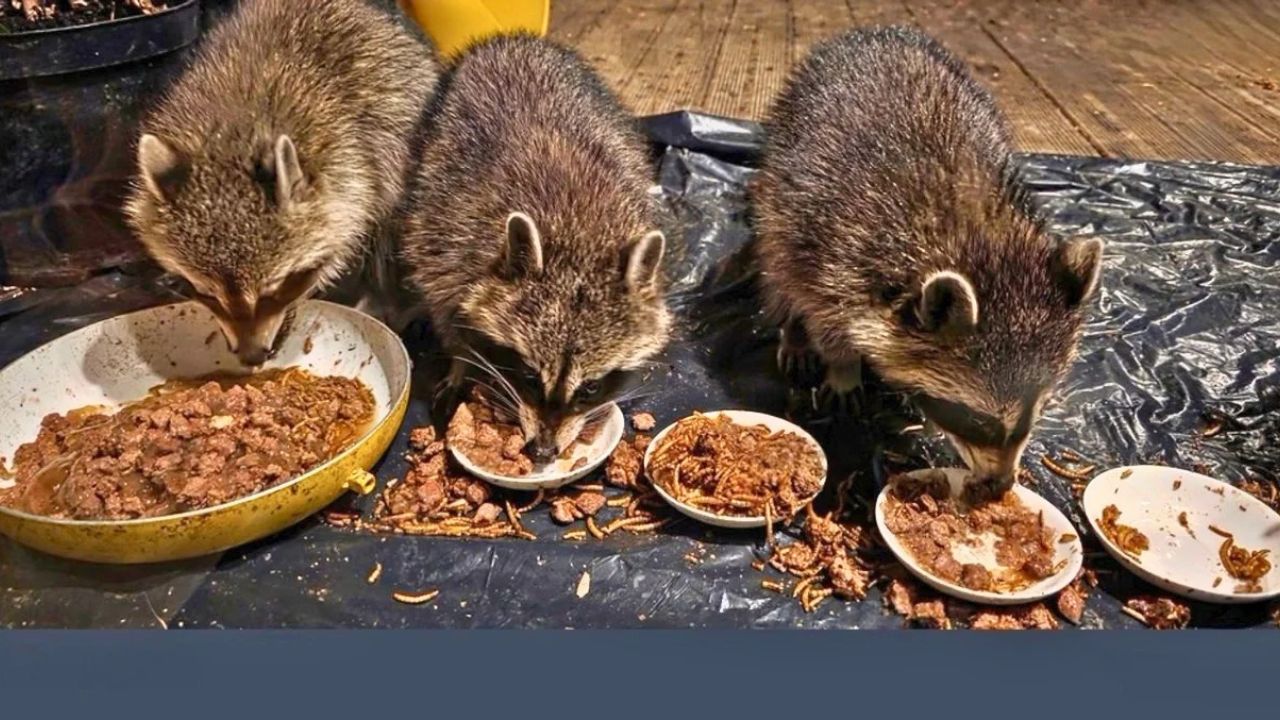
Leaving cat food on the porch is basically a dinner bell. Raccoons learn the schedule fast and they’ll come back until the bowls are gone or they find another house. You might also find the bowl dragged into the yard, with wet, gritty paw prints around it.
Feed pets indoors when you can, or pick bowls up before dusk. Bird feeders are the same problem, bring them in at night or mount them on a pole with a proper baffle. The honest exception is a secure, latched metal bin for feed storage in a barn or shed, that’s usually fine as long as the door closes tight.
7. A Strong Ammonia Smell Indoors
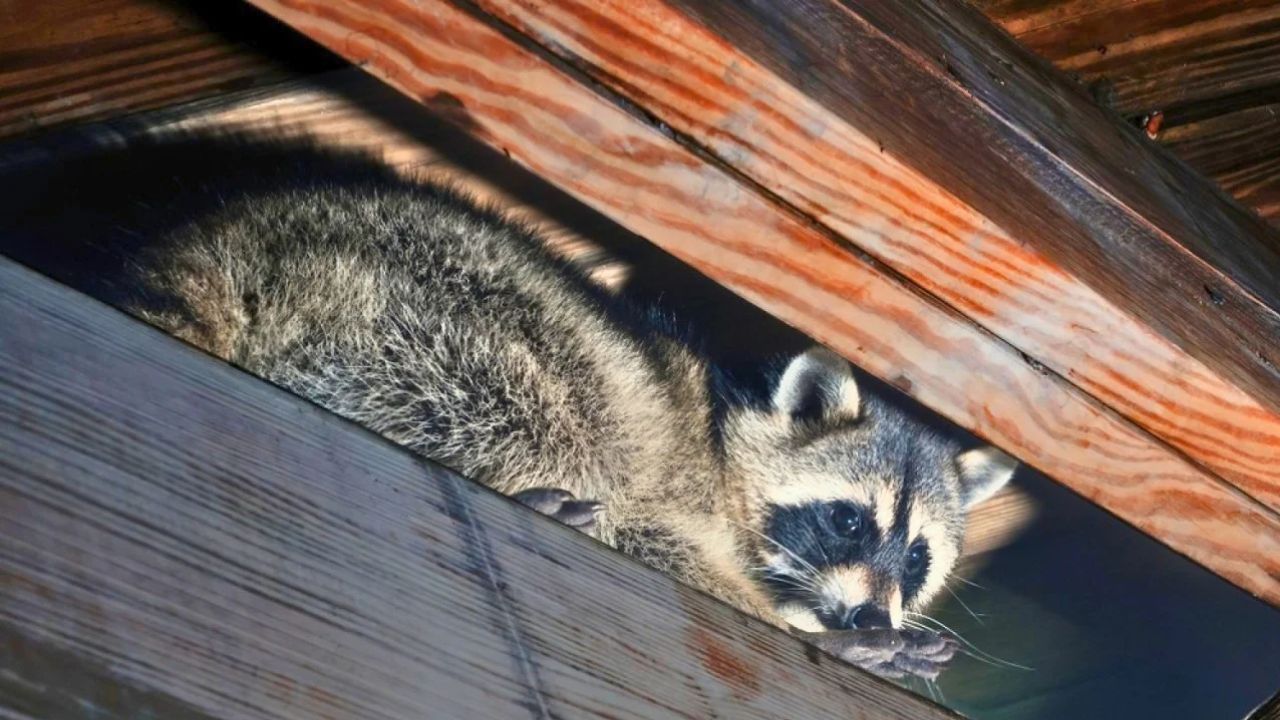
When raccoons use an attic or crawlspace as a bathroom, the smell is sharp and stale, like strong ammonia that comes and goes with humidity. You may notice it after the heat kicks on, or on a damp day when the house “holds” odors. This is the sign that can turn expensive fast because insulation and drywall soak it up.
Don’t just fog the attic with deodorizer and call it good. The space needs to be inspected for a latrine area, and contaminated material often has to be removed and bagged. If there’s a lot of droppings or the smell is strong, hire a cleanup service that handles wildlife waste, this isn’t a shop-vac weekend job.
8. Flattened Garden Rows And Broken Stems

Deer browse high, rabbits clip low, raccoons are the ones that climb in and mash plants down. Corn gets pulled and bent, melons get opened and eaten in place, and you’ll find half-chewed produce with muddy prints nearby. Damage often shows up right as things get ripe, which makes it extra aggravating.
Netting tossed over plants rarely works because raccoons tangle it, then keep feeding. A small electric fence around the garden is one of the few solid fixes, but it needs a charger sized for pests and it has to be set up correctly. Call 811 before driving posts, and follow local rules if you’re in town or near a shared path.
9. Missing Fish Or Shredded Pond Edges
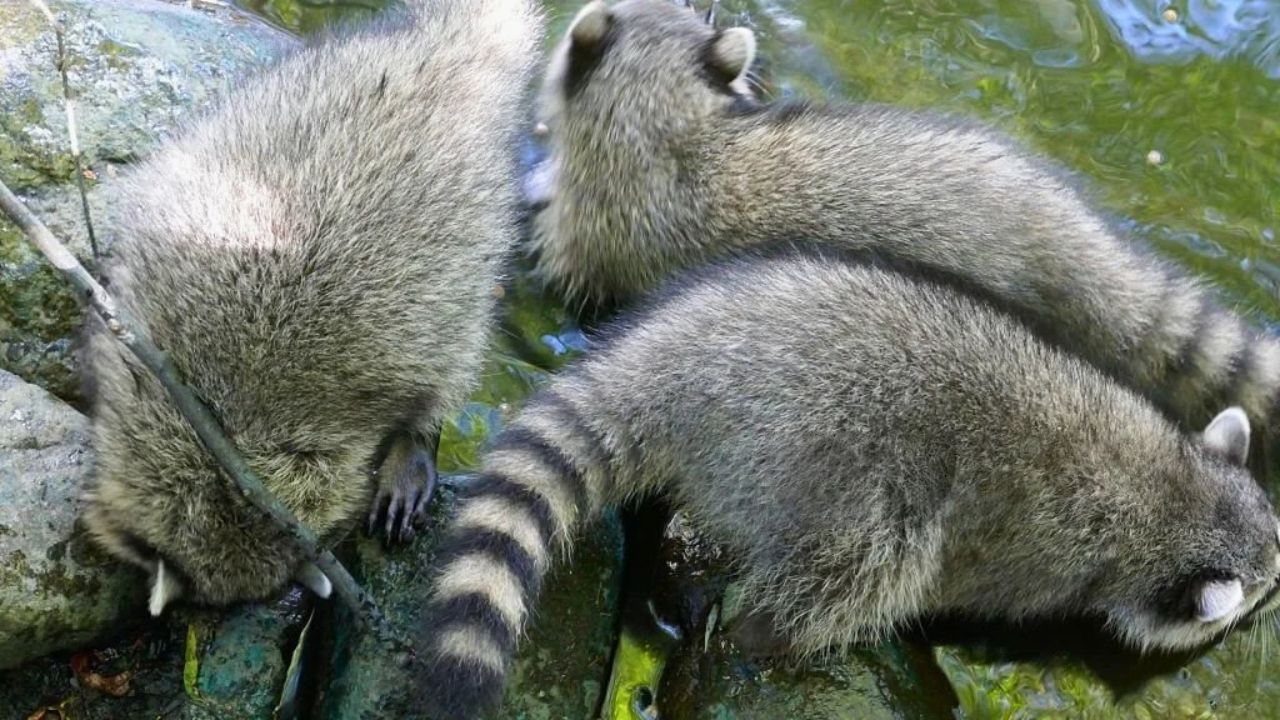
Backyard ponds and koi tanks are raccoon magnets because the food can’t run far. You may see disturbed stones at the edge, muddy prints on liners, and plants pulled loose. Sometimes the only clue is fish that vanish one by one while the water stays clear.
Motion lights help you spot the timing, but they don’t stop a hungry raccoon that already knows the route. Add a steep edge or a raised lip so they can’t stand and “wash” food at the shoreline, and give fish a deep hiding tube. If the pond is shallow all the way across, a sturdy cover for a few weeks can break the habit.
10. Repeat Visits To One Entry Spot
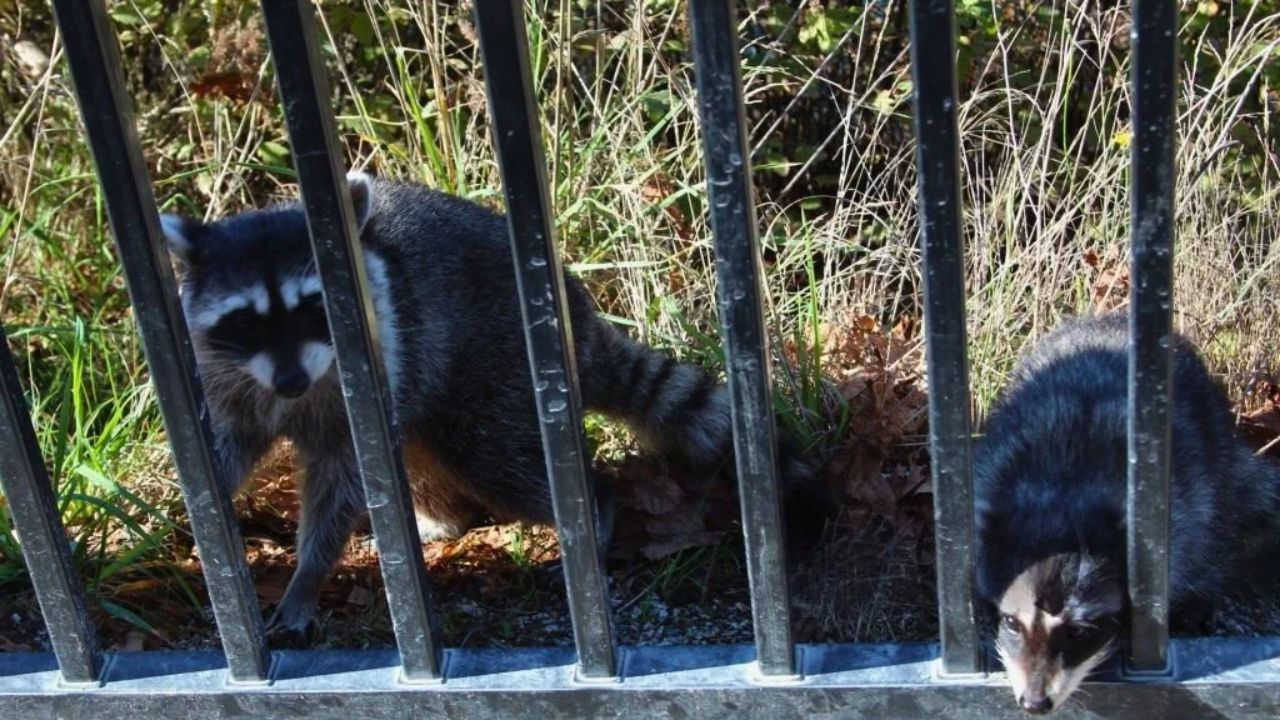
Raccoons are creatures of habit. If you keep finding the same corner of a shed nudged open, the same crawlspace vent popped out, or the same gate unlatched, that’s a pattern, not bad luck. You’ll often see oily rub marks on wood or siding where fur and dirt have worn a path.
Fix the weak point like you mean it. Use real hardware, hasps with carabiners or lockable latches, screws long enough to bite framing, and metal mesh that’s fastened with washers. After it’s sealed, clean up spilled seed, fallen fruit, and grease drips so you’re not inviting the next one.
If you spot more than one of these at the same time, don’t wait for “one more night” to see what happens. Take away the easy food first, then block access once you’re sure the animal is out. A clean yard and a tight exterior won’t make raccoons disappear from your area, but it will push them to look elsewhere.
Like Fix It Homestead’s content? Be sure to follow us.