Best Utility Vehicles for Getting Around a Few Acres
Photo credit: Martin Poirier/Shutterstock.com
A few acres sounds small until you start hauling feed, moving tools, checking fence, and running trash to the burn pile. Pretty soon you’re doing laps on foot with a shovel in one hand and a bucket in the other. The right little rig saves your back and your time, but only if you pick the one that fits how you really move around your place.
1. Side By Side With Real Suspension
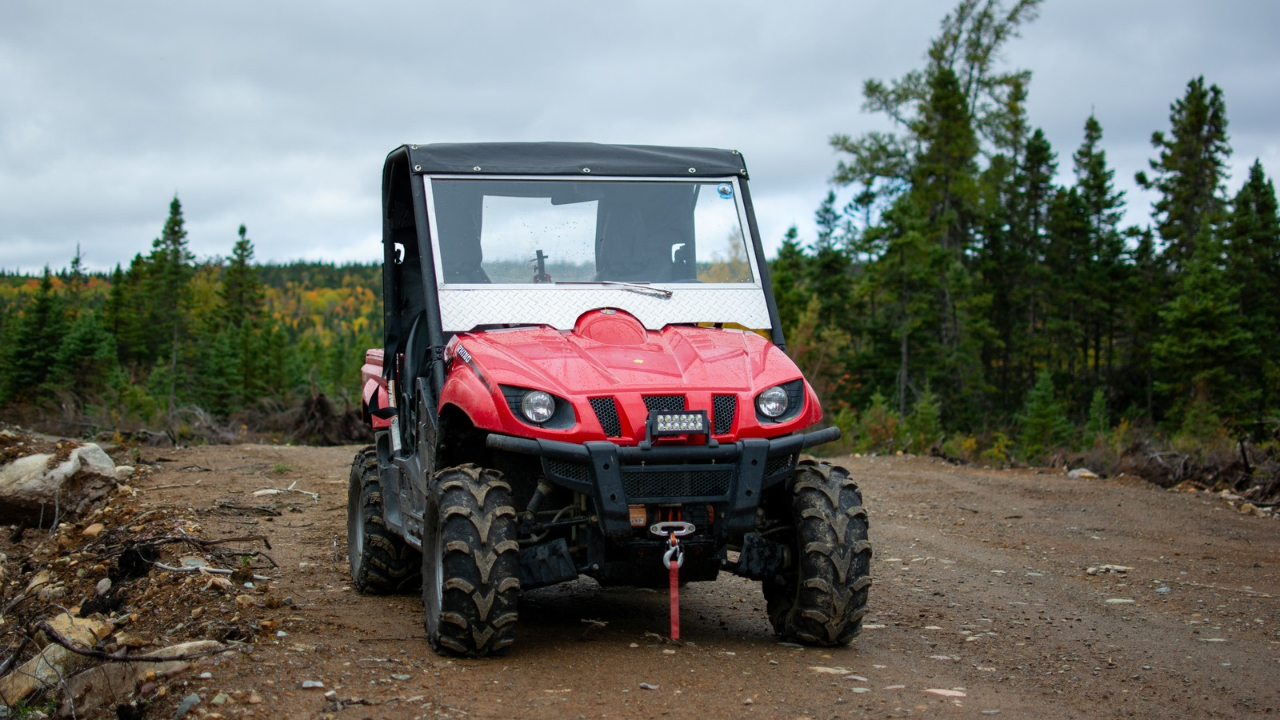
If your lanes get rutted, you’ll feel it in your teeth on a basic cart. A utility side by side with decent suspension and ground clearance smooths out washboard gravel, frozen tire tracks, and that one ditch you always forget about. You get a dump bed, room for tools, and a cab option for winter chores.
Skip the flashy trim and look for boring, useful stuff: a steel bed, a 2-inch receiver hitch, and a simple 4WD system you can actually use with gloves on. If you’ll plow snow or drag logs, pay attention to belt access and skid plates. When you test drive, listen for clunks over bumps and check that the steering doesn’t yank sideways.
2. Compact 4×4 Pickup For Mixed Chores
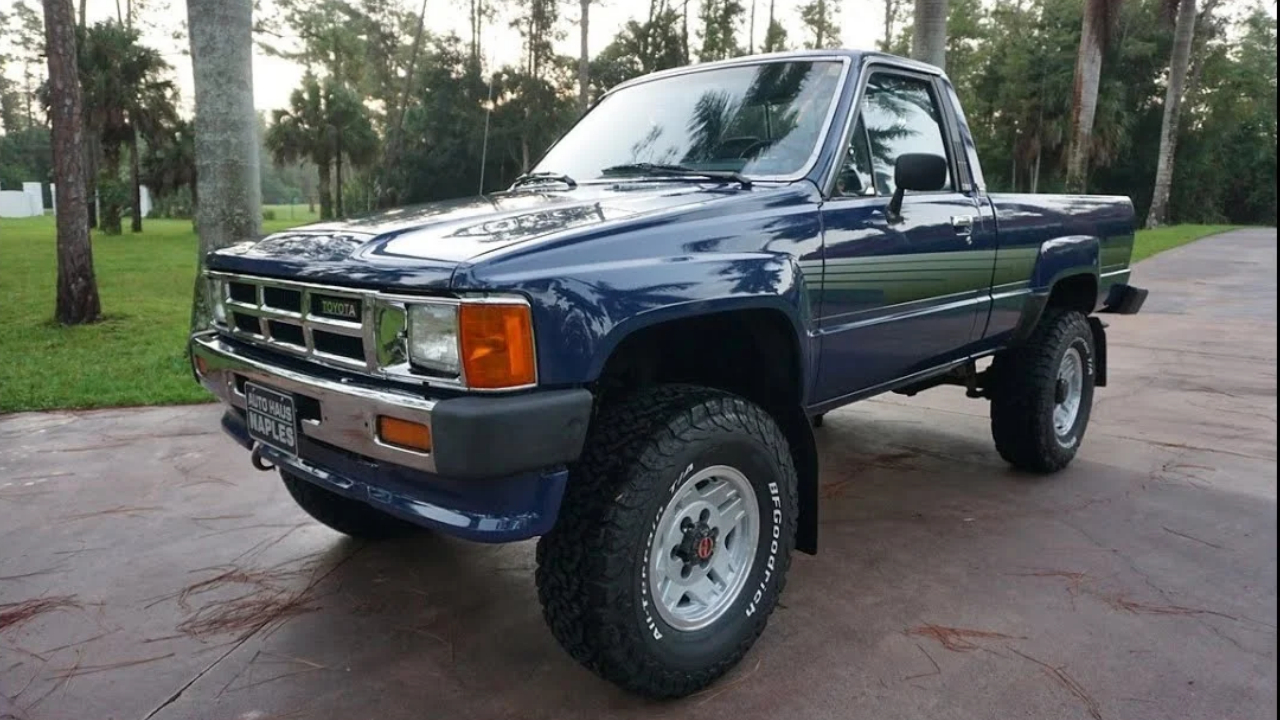
Some people buy a UTV and then still need a small truck for dump runs and building supplies. A compact 4×4 pickup handles both, and you can drive it into town without loading it on a trailer. It’s also a better choice if you’ve got a long driveway and want heat and real windshield wipers.
The catch is turning radius and turf damage. Even a small pickup can chew up soft spring grass and leave deep ruts near the barn. Use it on your lanes, not across the yard, and keep a set of recovery boards and a tow strap in the cab so you don’t spend an hour digging in the mud.
3. Used Farm ATV With Low Gears
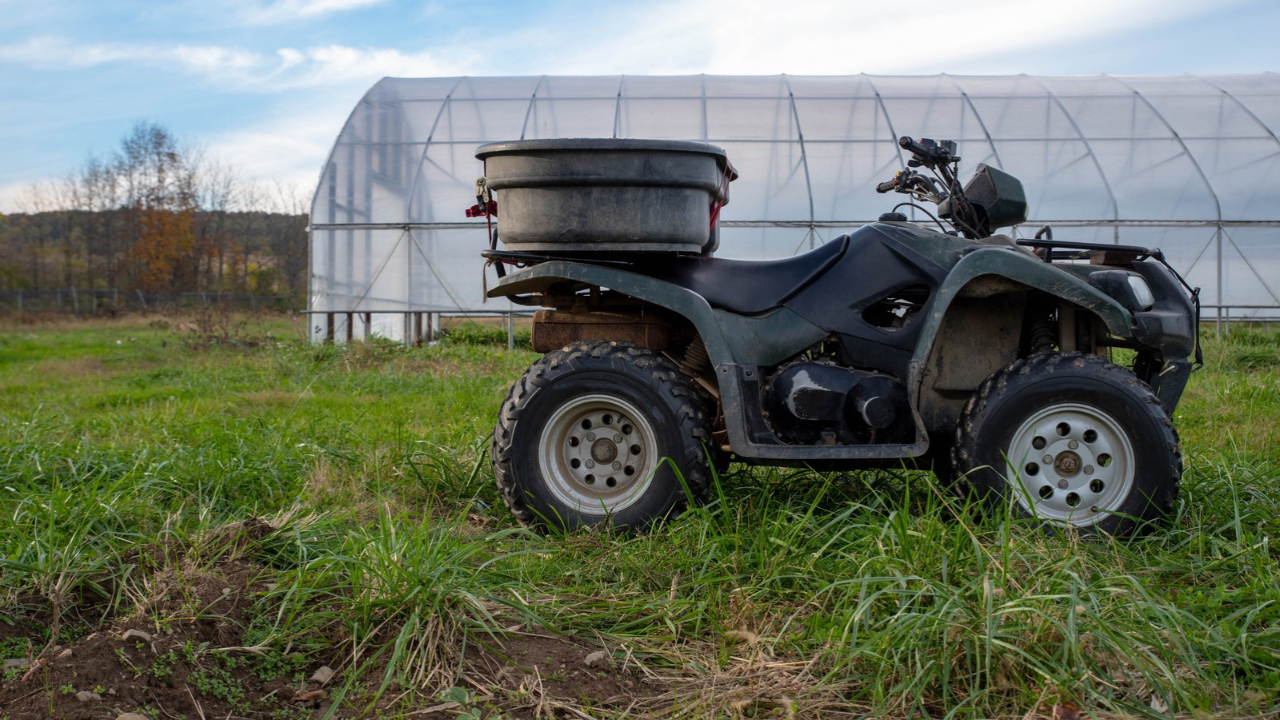
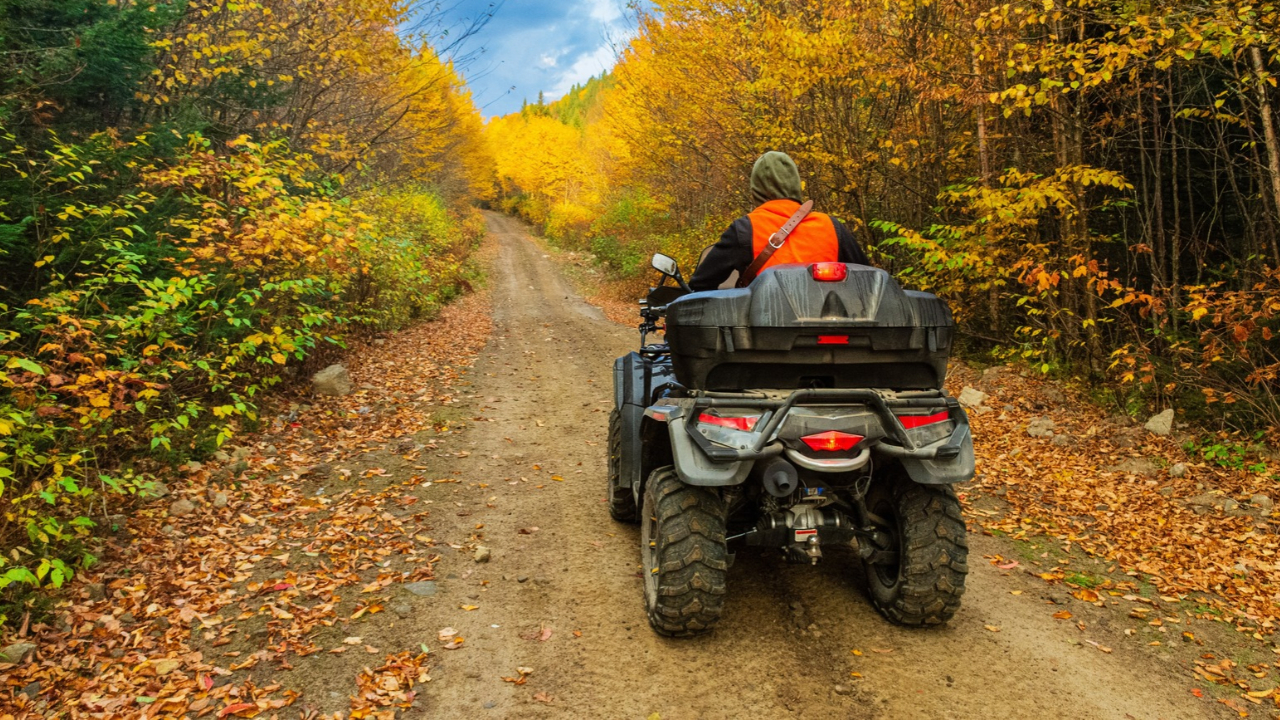
If you need something narrow that slips through gates and between trees, an ATV is hard to beat. Used ones are everywhere, and the simple, older utility models tend to take abuse better than sporty machines with fancy bodywork. Add a small trailer and it will move fencing tools, feed, and a chainsaw all day.
Look for a real low range and a hitch you can trust, not just a ball bolted to plastic. Check the CV boots for cracks, listen for clicking on turns, and make sure it shifts into 4WD without drama. You want a machine that starts cold, idles steady, and doesn’t smoke when you crack the throttle.
4. Garden Tractor With Trailer Hitch
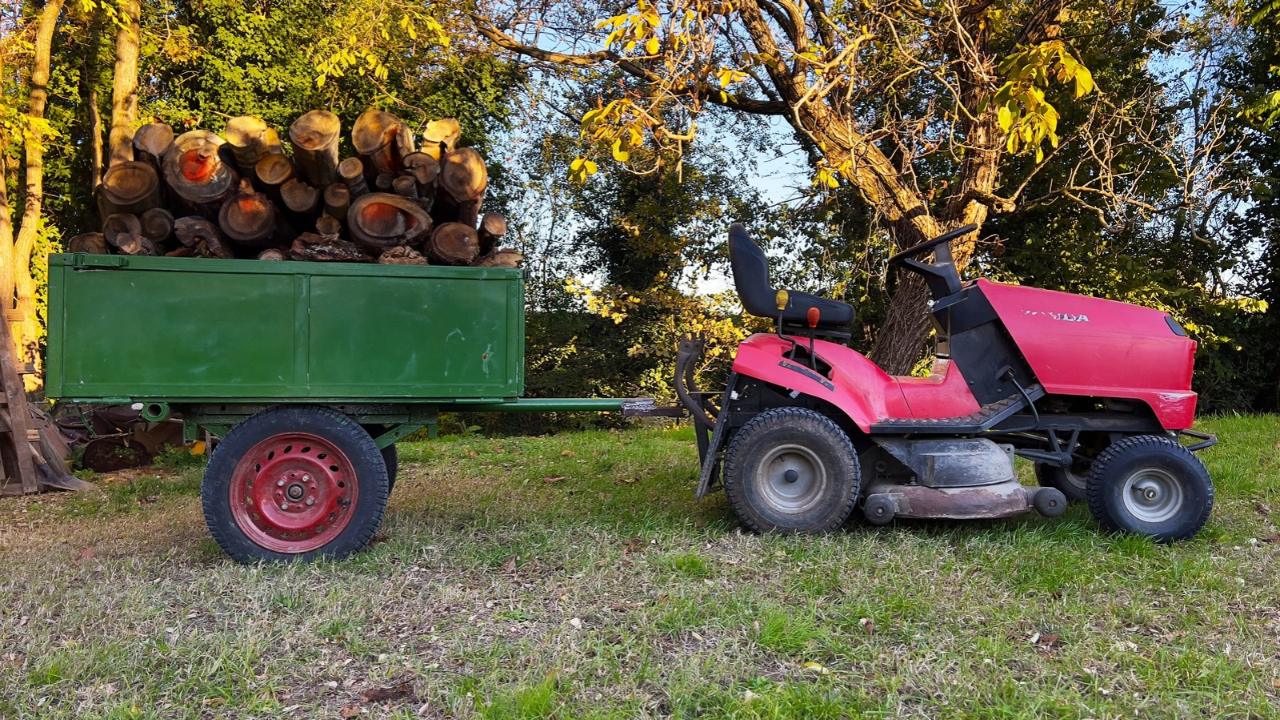
Plenty of property owners buy a UTV when a garden tractor would do the job for a lot less. A heavy garden tractor with a hitch can pull a dump cart, drag a small harrow, and haul firewood in short hops. If you already mow with one, you’re halfway there.
The limitation is traction and cooling. Hot summer hauling can cook a light-duty mower transmission, especially on hills. Pick a garden tractor built for towing, keep the belts and pulleys clean, and don’t overload the cart just because it “still moves.”
5. Electric Utility Cart For Quiet Runs
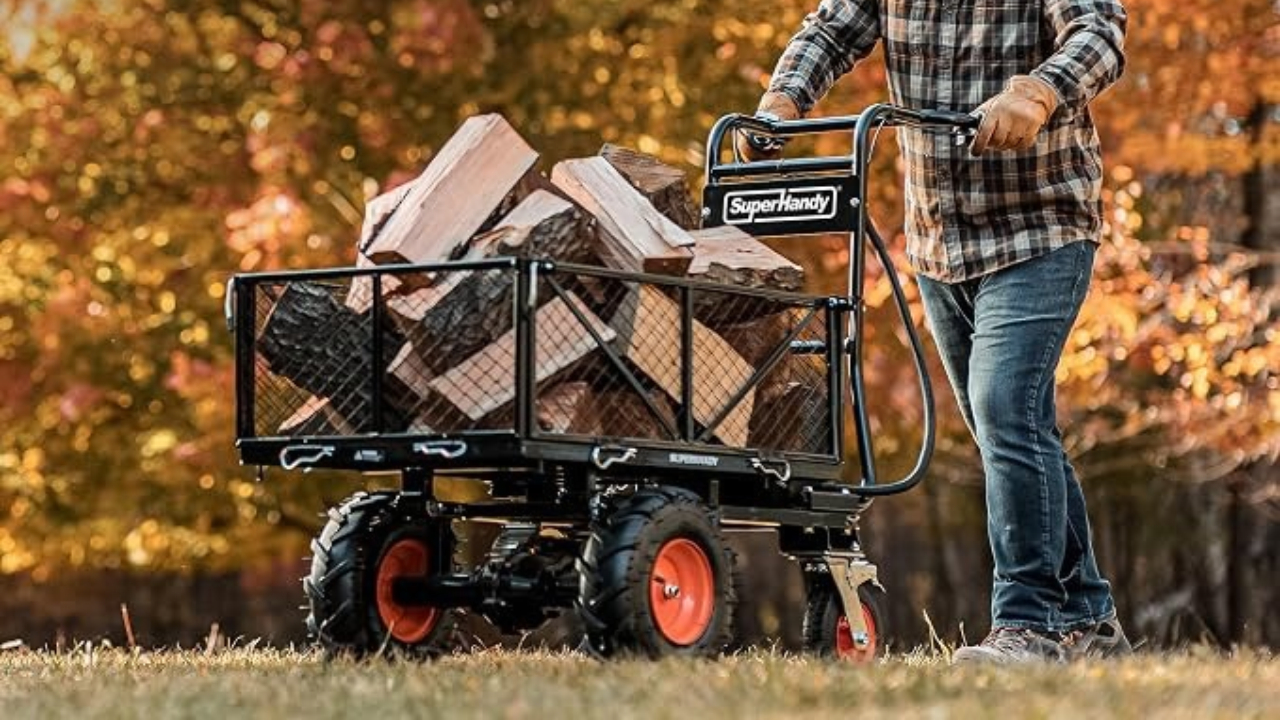
If your place is flat and you do lots of quick trips to the mailbox, chicken coop, and garden, an electric cart is a calm, low-hassle way to get around. No gas smell in the shed, no cold starts, and you can hear the fence popping or the dog barking instead of an engine. It’s also easier to share with family members who don’t like throttle machines.
Battery care is the whole deal. Store it where it won’t freeze hard, keep terminals clean, and don’t run it dead every trip. Lithium packs cost more up front but cut down on fuss, while lead-acid is cheaper and fine if you’re willing to check water levels and charge it right away after use.
6. Golf Cart With Light Utility Mods
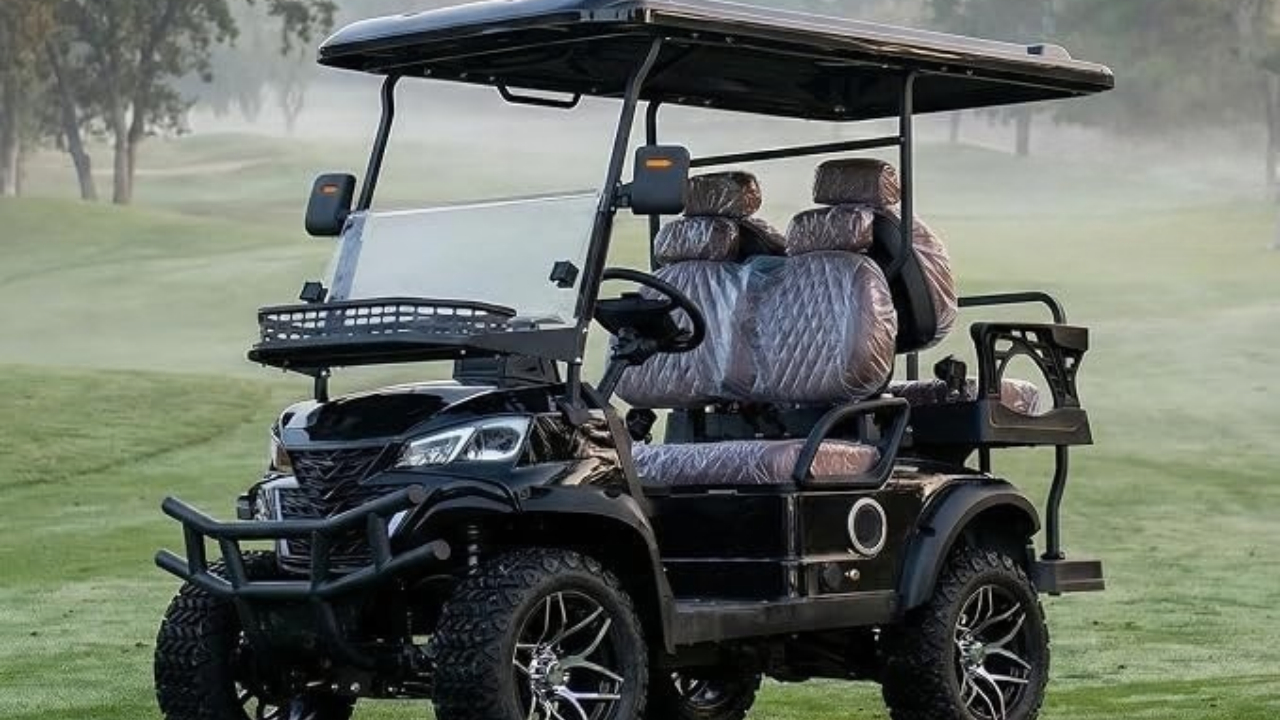
A plain golf cart is often the cheapest way to stop walking acres, and it can be totally fine. Throw on a small rear cargo box, a shovel rack, and decent tires, and it becomes the “go check that thing” vehicle. For flat ground and dry weather, you don’t need more.
The honest exception is traction. If you’ve got mud season, a steep drive, or snow, a basic golf cart turns into a stuck machine fast. If you go this route, budget for tires meant for dirt and grass and keep your loads light.
7. Subcompact Tractor With Loader Option
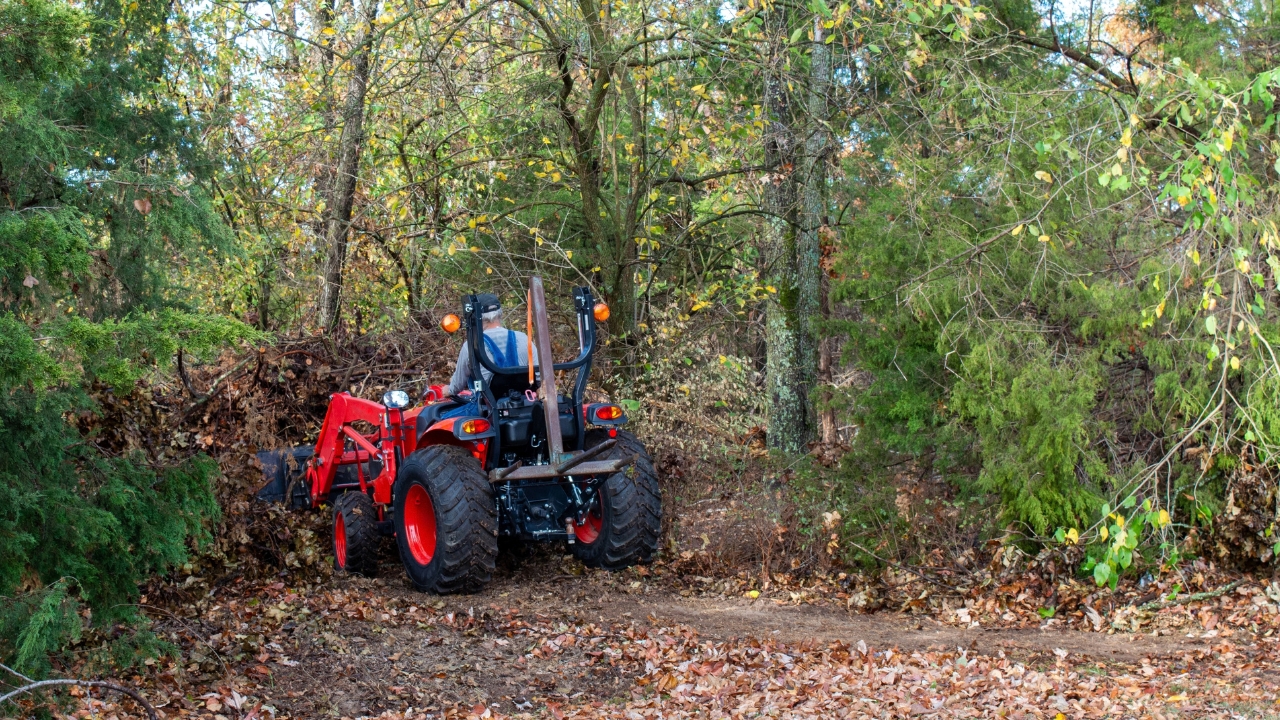
When the chores turn into “move piles” work, wheels alone won’t cut it. A subcompact tractor can still get around a small place, but it also lifts, grades, and carries. Once you have a front loader, you stop wrestling rocks and soggy hay bales by hand.
Don’t buy more tractor than you can store and maintain. You need a dry spot, regular grease, and time to learn safe loader habits. If you’re moving dirt near buried utilities, call for a locate before digging or grading, even on your own property.
8. Old Beater SUV As A Yard Mule
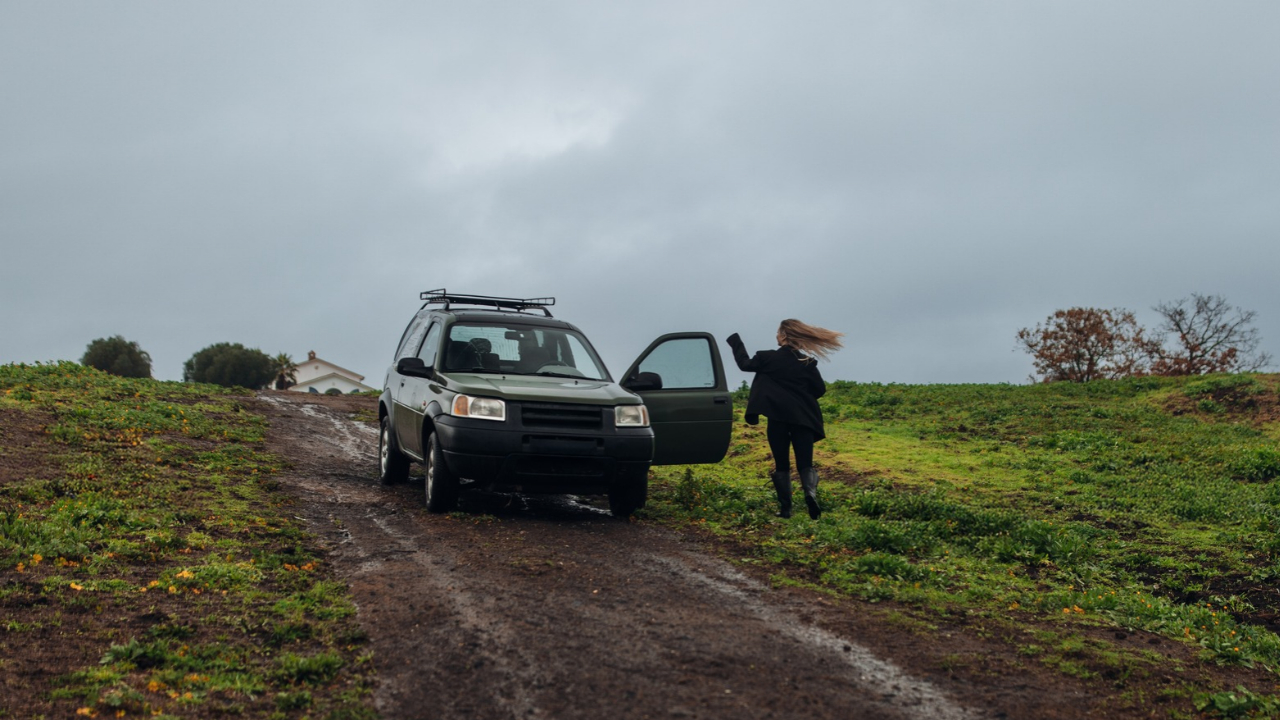
It’s not pretty, but an older SUV can be the cheapest enclosed runabout you’ll ever own. You can haul feed without it getting soaked, lock tools inside, and keep a couple tarps and a jack back there all season. If it already has dents, you won’t flinch when brush scratches the doors.
The downside is you’re driving a full-size vehicle in tight spaces. Watch overhead limbs, watch fence corners, and don’t trust the rear hatch struts if they’re tired. Keep it on established paths so you’re not compacting soil in the garden and leaving ruts you’ll fight all summer.
9. Mini Truck For Tight Property Roads
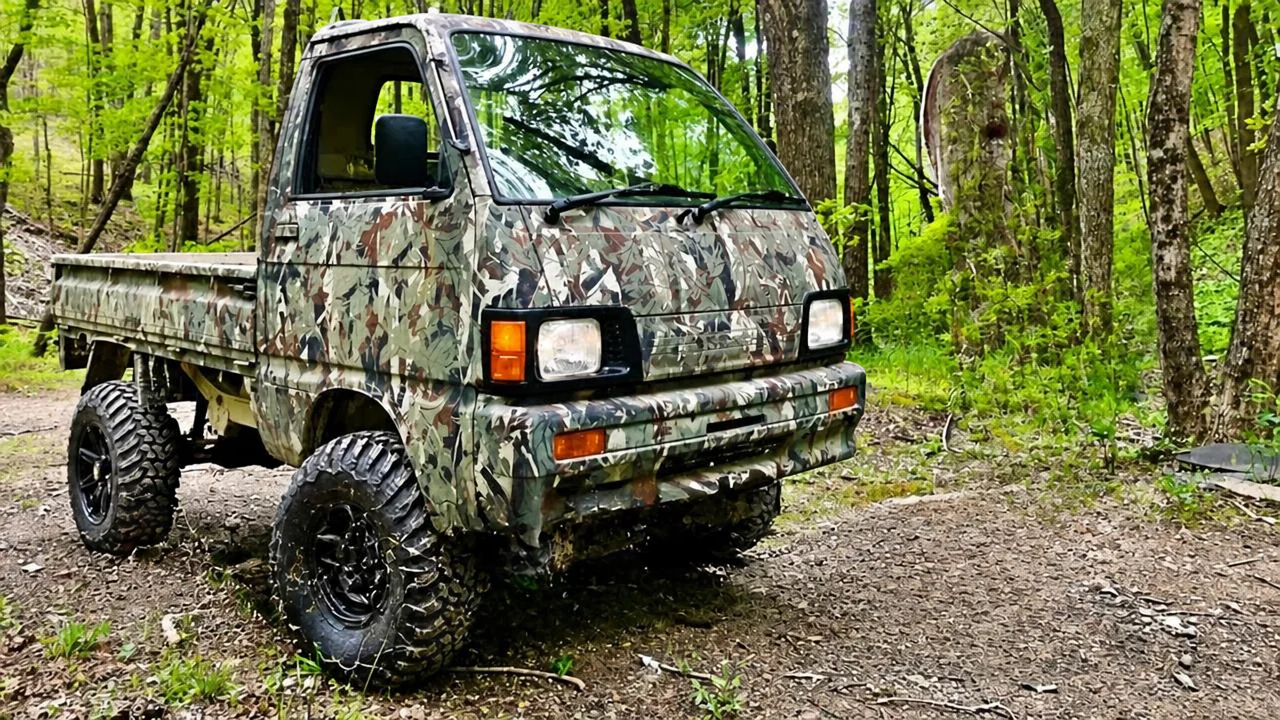
Those tiny Japanese mini trucks show up on small farms for a reason. They fit down narrow lanes, carry a surprising load, and some have a dump bed for mulch and gravel. If you’re always bouncing between the shop and the back field, they’re handy.
Before you buy, get clear on where you plan to drive it. Rules vary by state and county, and you don’t want to find out after you’ve paid and insured it. Also check parts availability, because a cheap truck isn’t cheap if it sits for a month waiting on a simple gasket.
10. Two Wheel Tractor With Cart Attachment
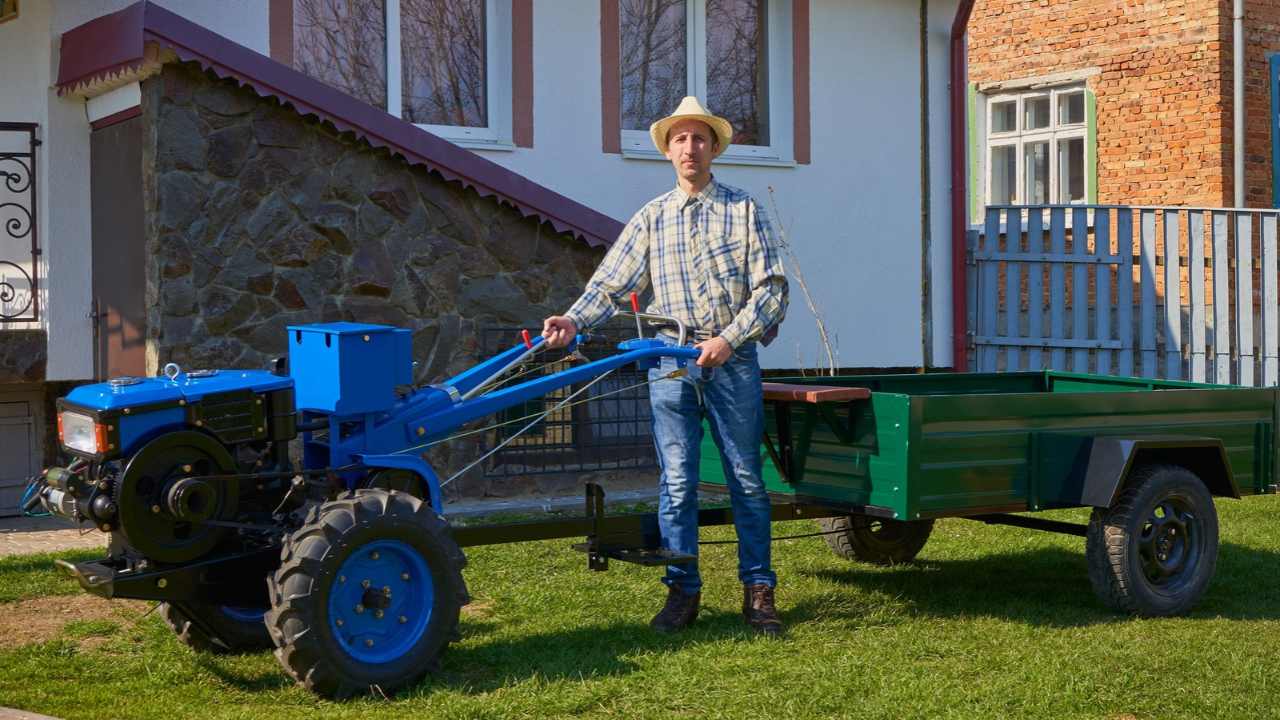
This one surprises people: a walk-behind two-wheel tractor with a riding cart can move you and your tools around while still doing garden work. It’s narrow, it turns in tight spots, and you can swap attachments for tilling, mowing, or snow clearing. On a few acres, that flexibility matters.
It does take practice. You need a steady hand and time to learn how it behaves on slopes and rough ground. If you share equipment with family, make sure everyone who uses it understands the controls and doesn’t treat it like a toy.
11. E-Bike With Cargo Rack
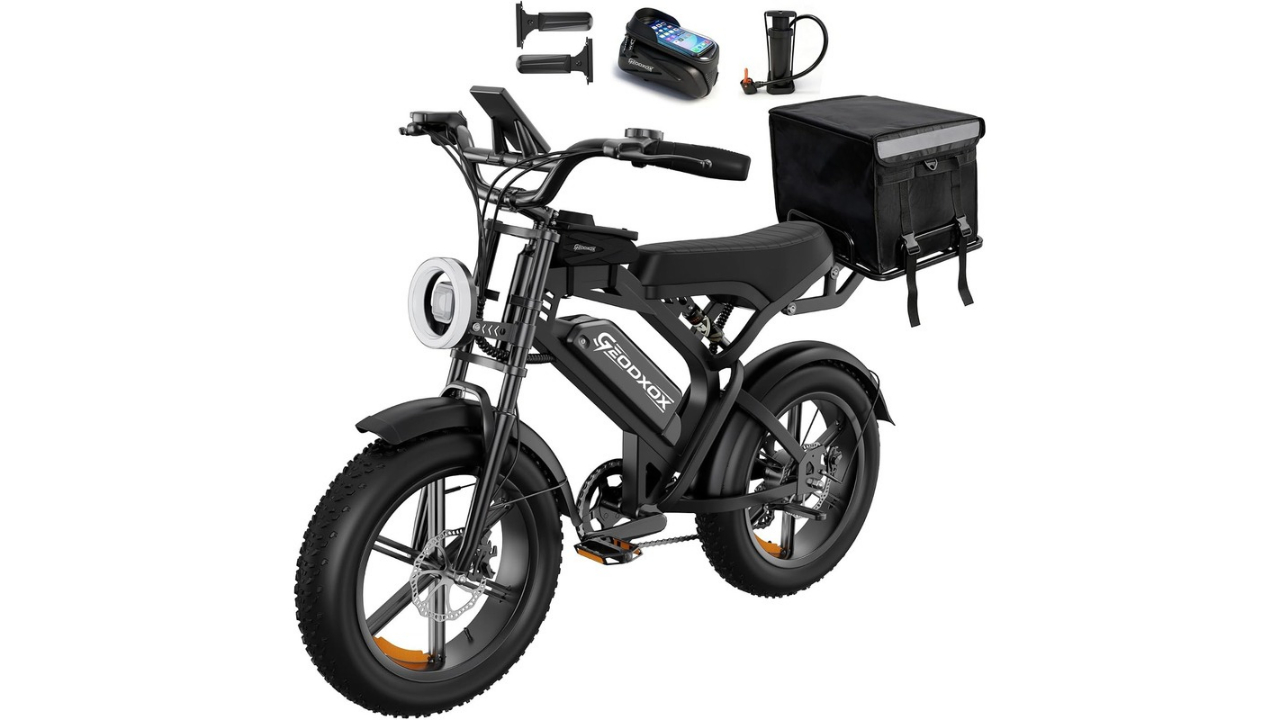
Need to check a fence line without firing up an engine? A sturdy e-bike with fat tires and a rear rack can cover a lot of ground quietly. It’s great for daily laps, especially in summer when you don’t want to climb into a hot cab just to look at a gate.
Keep it out of the weather and lock it up like it’s worth something, because it is. A helmet and good lights are worth the small cost, even if you never leave your property. Don’t overload the rack with feed bags and expect the spokes to stay happy.
12. Small Scooter For Dry Season Errands
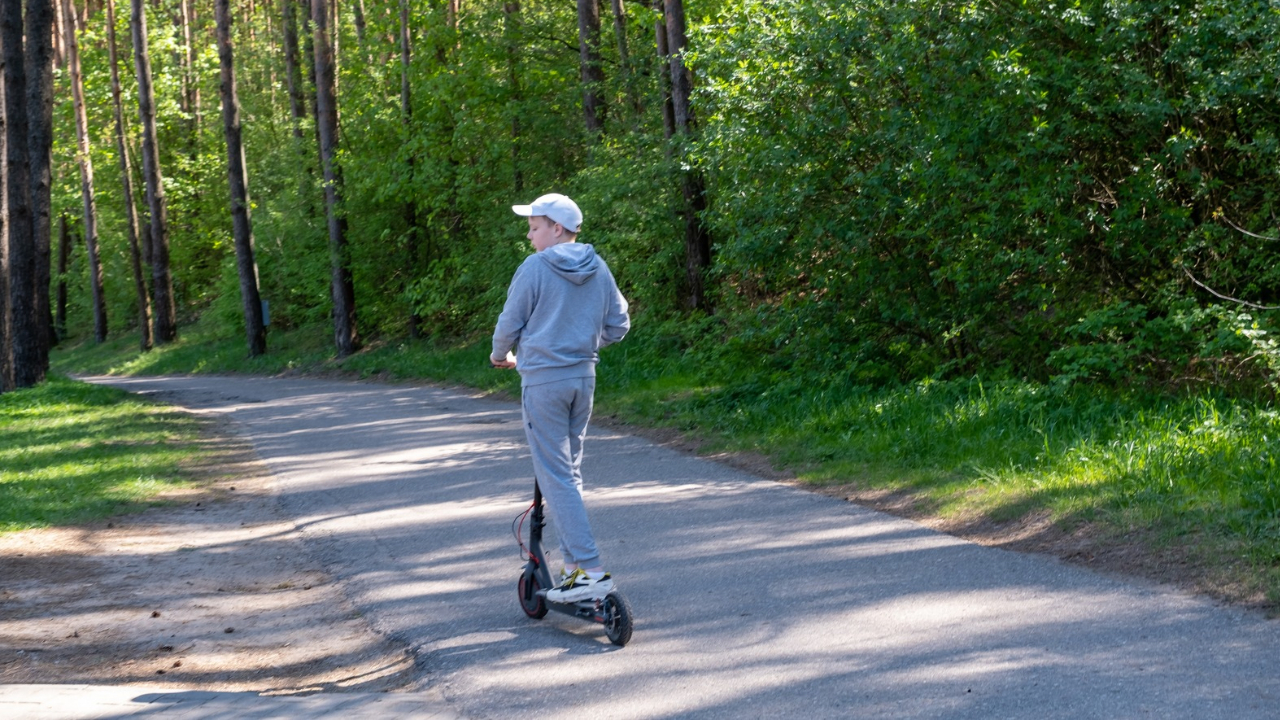
A little scooter feels silly until you’ve ridden one from the house to the shop ten times in a day. It’s quick, cheap to run, and easy to park. For paved drives or hard-packed lanes in dry months, it works.
It’s a fair-weather option. Loose gravel, mud, and wet leaves can put you down fast, and small tires hate potholes. If your place is rough, skip it.
13. Skid Steer When You Move Material Daily
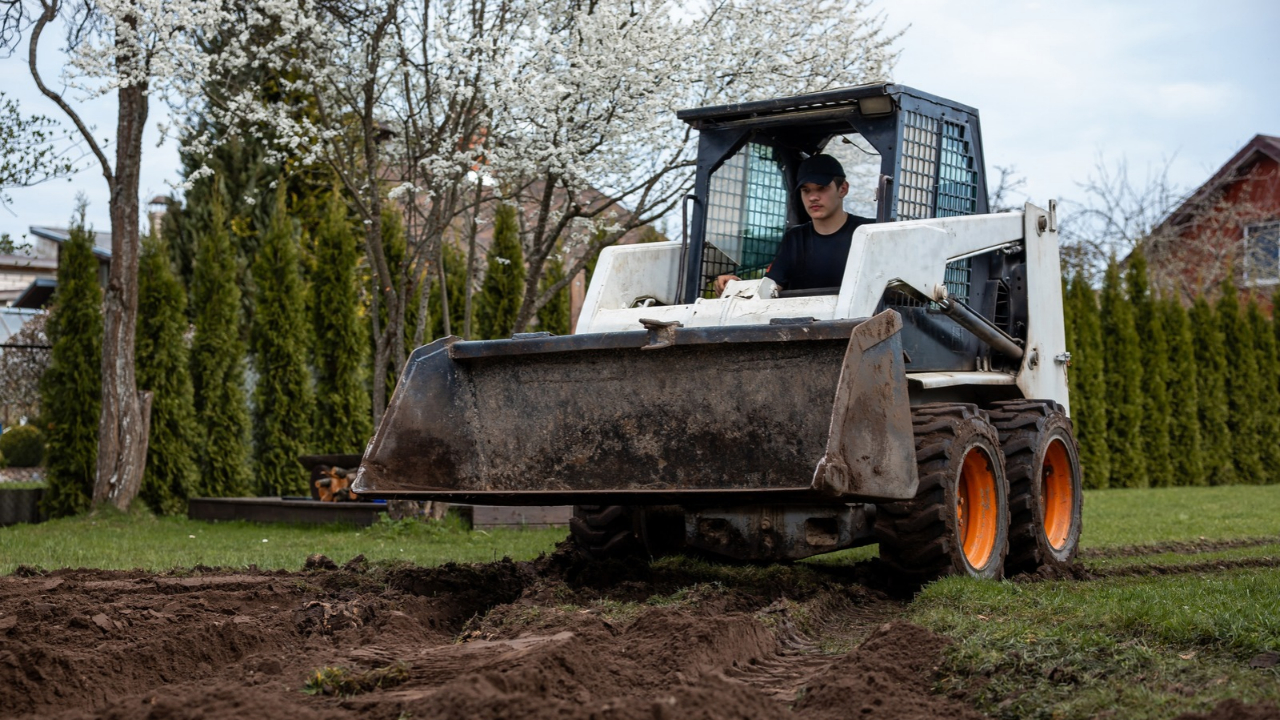
If you’re always moving round bales, cleaning pens, or shifting gravel, a skid steer is pure productivity. You can carry, lift, and scrape in tight areas where a tractor feels long and clumsy. With the right attachment, it becomes the Swiss Army knife of dirty jobs.
It’s not your casual “drive around” vehicle, though. Skid steers tear up turf, and the ride can be brutal on uneven ground. Maintenance is real, too, with pins, hydraulics, and tires that cost more than you want to think about, so it only makes sense if you’ll use it often.
14. Track UTV For Soft Ground Seasons
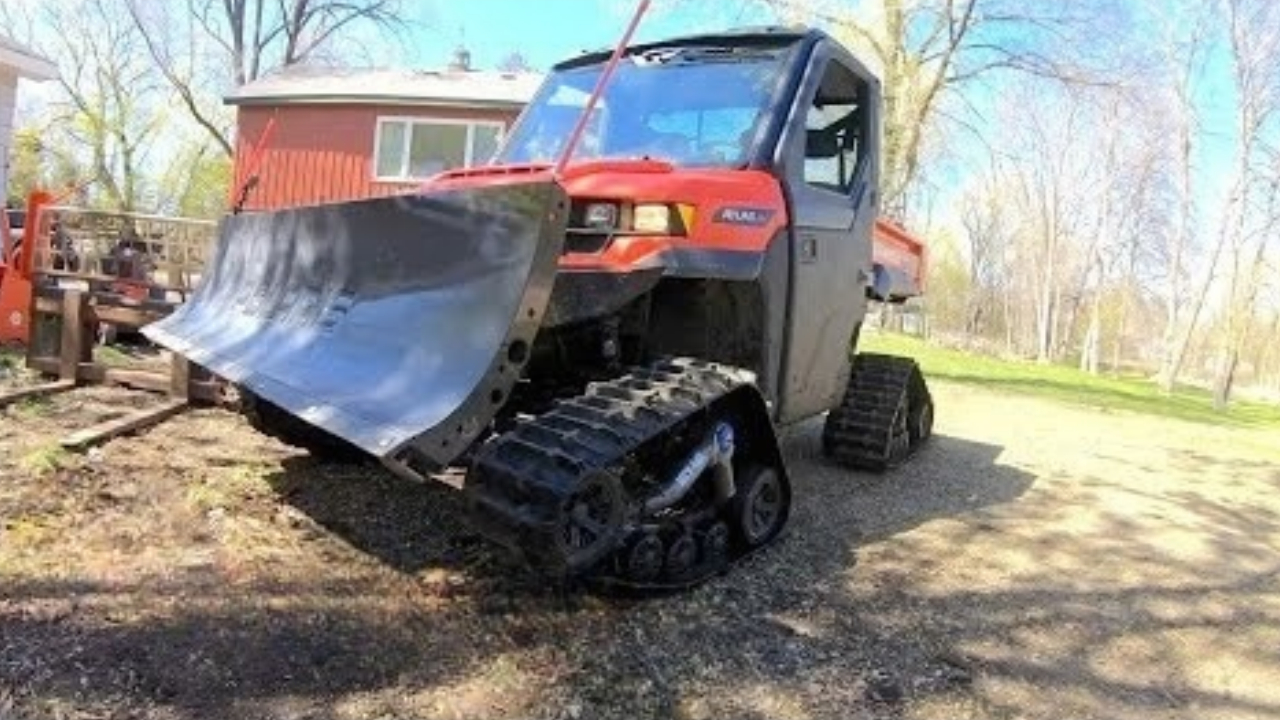
Spring thaw and fall rains are when a normal tire machine turns your lane into a mess. A track-equipped UTV or a track conversion can float over soft spots better and climb slick slopes with less wheelspin. If you have wetlands, sandy soil, or clay that turns to grease, tracks keep you moving.
Tracks cost money and add wear. They’re louder, they can chew up hard surfaces, and they take time to fit and maintain. For many places, good tires and patience are enough, but if you’re stuck every March, tracks stop the whole day from getting derailed.
15. Trailered Zero Turn For Fast Property Loops
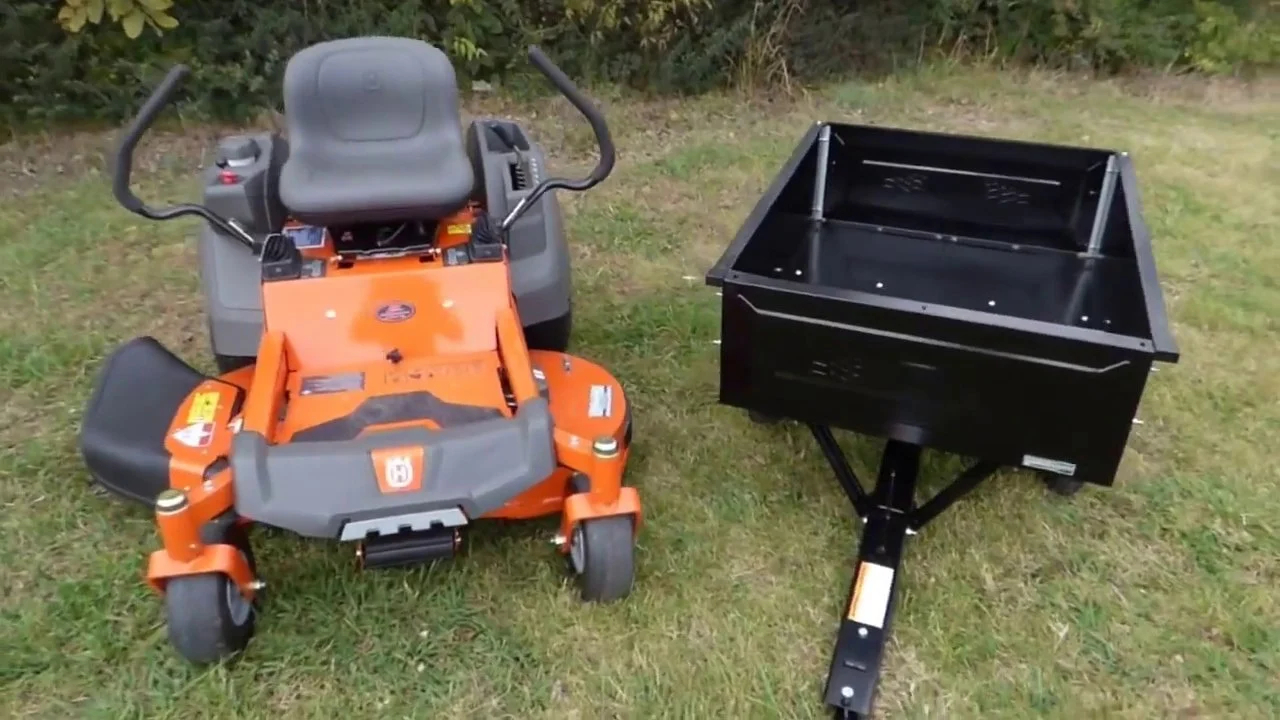
A zero-turn mower isn’t a hauling rig, but it can be your fastest way to cover ground on a few acres. If you’re mowing anyway, it becomes the daily patrol vehicle for spotting downed limbs, washouts, and broken fence before it gets worse. Add a small tow-behind cart and you can move light stuff.
Don’t tow heavy loads with a mower hydrostat unless it’s built for it. You’ll smell it first, that hot, slipping transmission smell, and then it’s a repair that hurts. Keep towing to mulch, hand tools, and maybe a couple bags of feed, not a full load of firewood.
Before you buy anything, spend a week noticing where you actually travel and what you carry in your hands. Measure your gate openings, think about where you’ll park it out of the weather, and be honest about mud season on your place. The best rig is the one you use daily without tearing up the yard or turning every errand into a project.
Like Fix It Homestead’s content? Be sure to follow us.