10 Things That Build Creosote Faster Than People Realize
Photo credit: Chimney Works & Rocky Mountain Stoves/Youtube
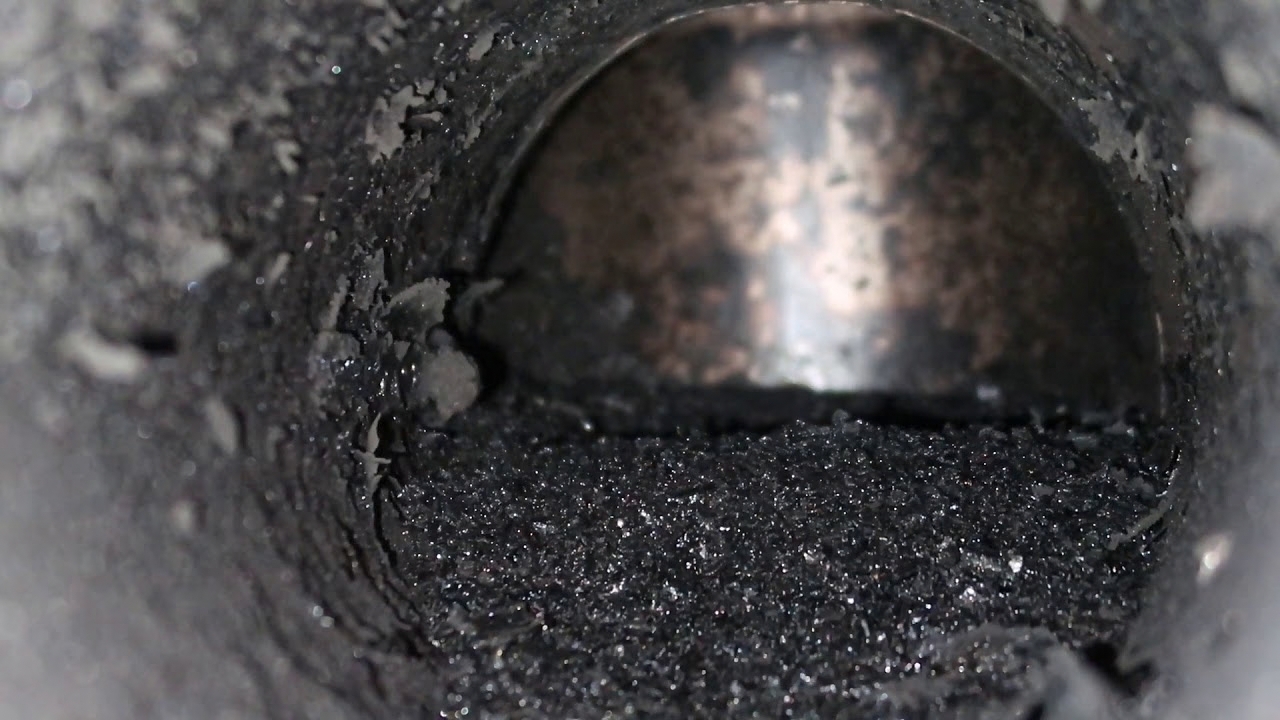
Creosote is the sticky, flammable junk that coats your stove pipe and chimney when smoke doesn’t burn clean. It builds slow until it doesn’t, then you notice a sour campfire smell, a lazy draft, or black flakes raining into the firebox. A lot of it comes down to heat, moisture, and how fast you push smoke up and out.
1. Burning Wet Or “Just Seasoned” Wood
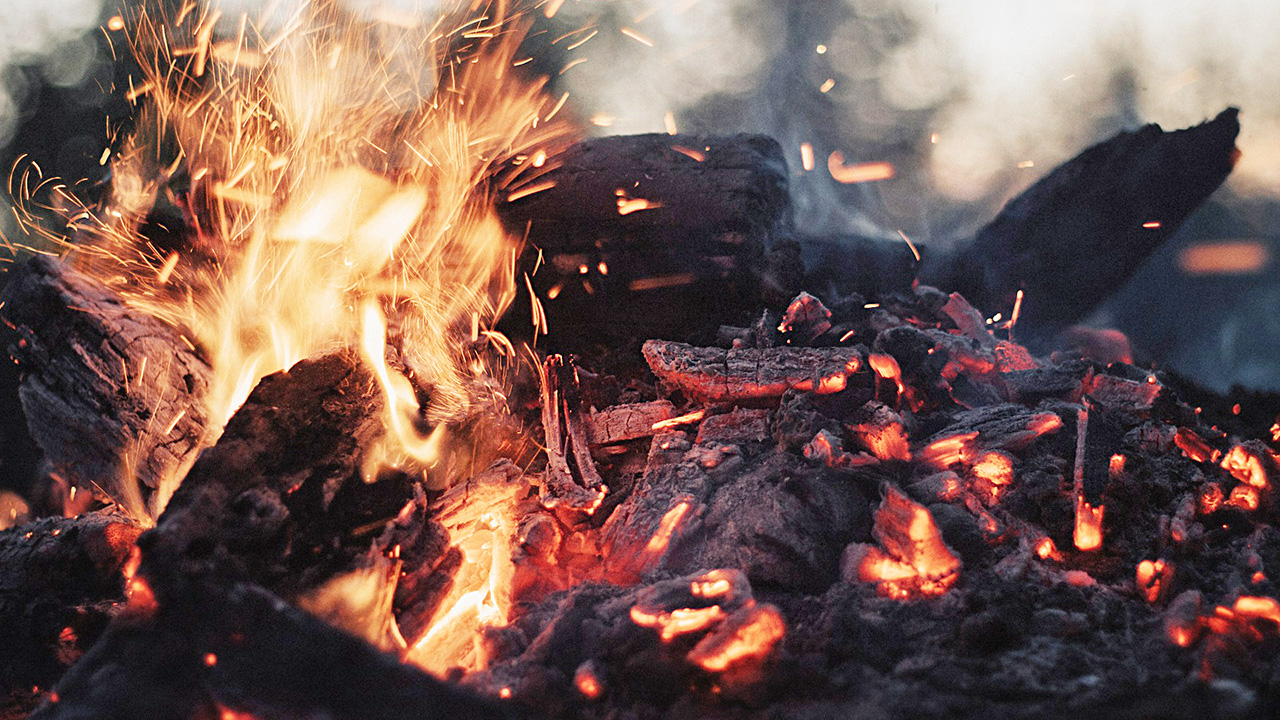
Wood that feels dry on the outside can still be wet inside, especially big splits, rounds, and anything cut late in the season. That extra water has to boil off first, so the firebox runs cooler and the smoke gets thick. Thick, cool smoke is creosote in the making, and it sticks fast to cold metal pipe.
Split a piece and check the fresh face with a moisture meter, not the bark. If you don’t have one, watch the fire: hissing ends, lots of steam on the glass, and a stubborn, smoky start are your clues. Next season, split smaller and stack where wind can get through, off the ground and top-covered only.
2. Choking The Air Down Too Far
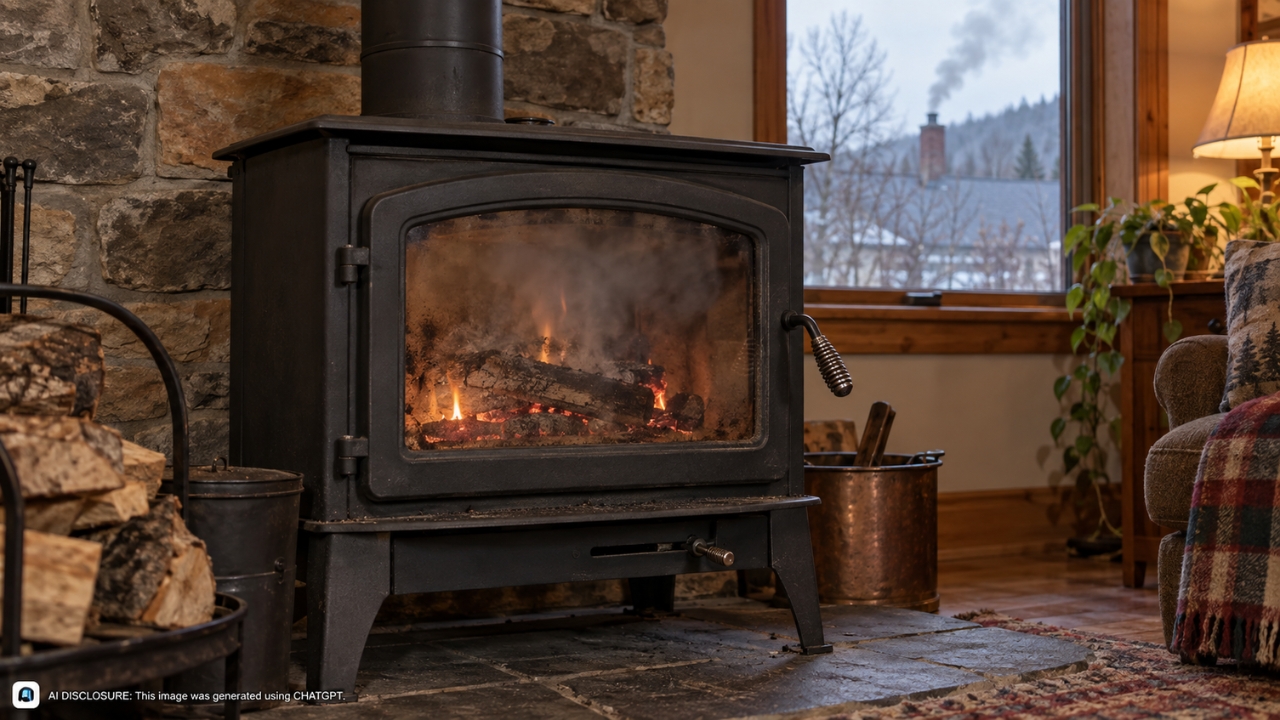
That “long overnight burn” trick, closing the air until the flames almost die, is a creosote factory. You’re turning good fuel into a smoky smolder, and that smoke cools in the pipe and lays down a shiny black glaze. You might save a few pieces of wood, then pay for it in sweeping and risk.
Run the stove hot after reloads, then dial it back to a steady burn with active flame. If the stove has a thermometer, use it. If not, learn the sound and look, a clean burn has a lively flame and the smoke outside goes thin fast.
3. Letting The Flue Stay Cold Too Long
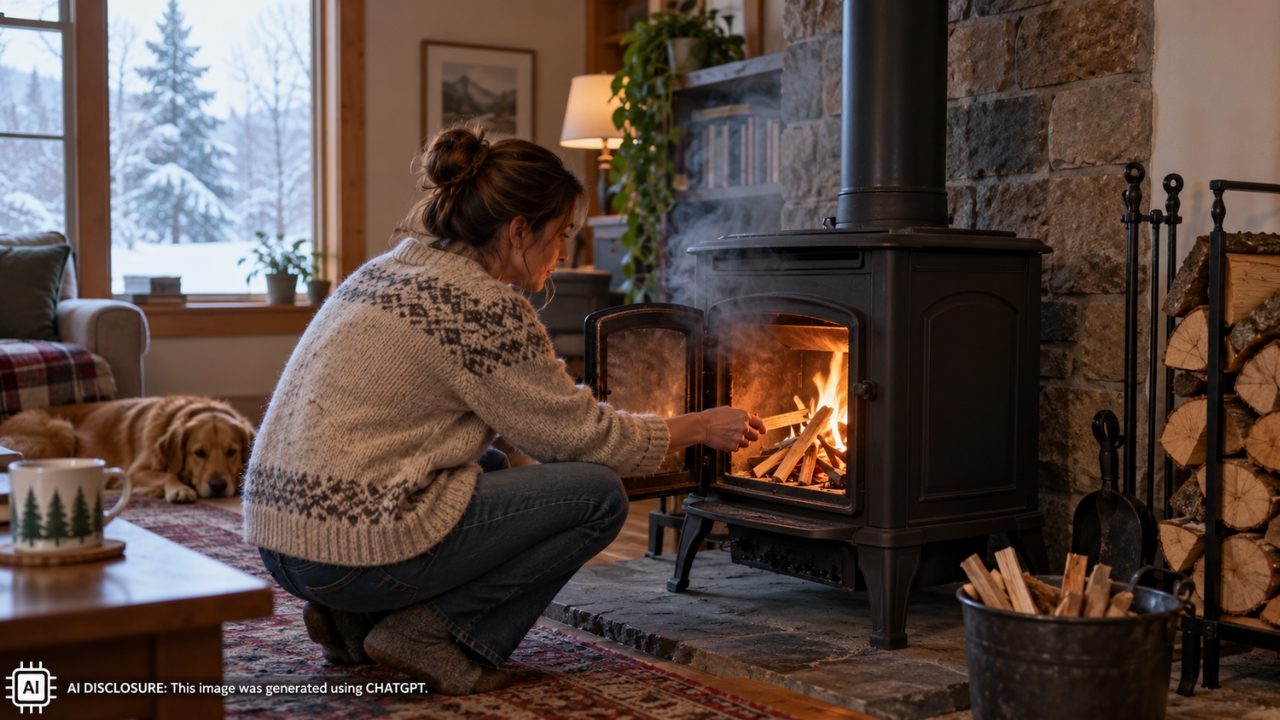
First fire of the morning, first fire of the season, and every reload on a mild day starts with a cold chimney. Cold pipe condenses smoke like a cold drink sweats in summer. That wet, tarry layer grabs the next layer even faster.
Preheat the flue the way your stove manual allows, some setups respond well to a short, hot kindling fire and a cracked door for a minute while you watch it. Once draft is established, close it up and get the stove up to temp before you settle in. If you fight backpuffing and smoke roll-out every start, your chimney height and layout may need a pro’s eyes.
4. Long Smoldering Shoulder-Season Fires
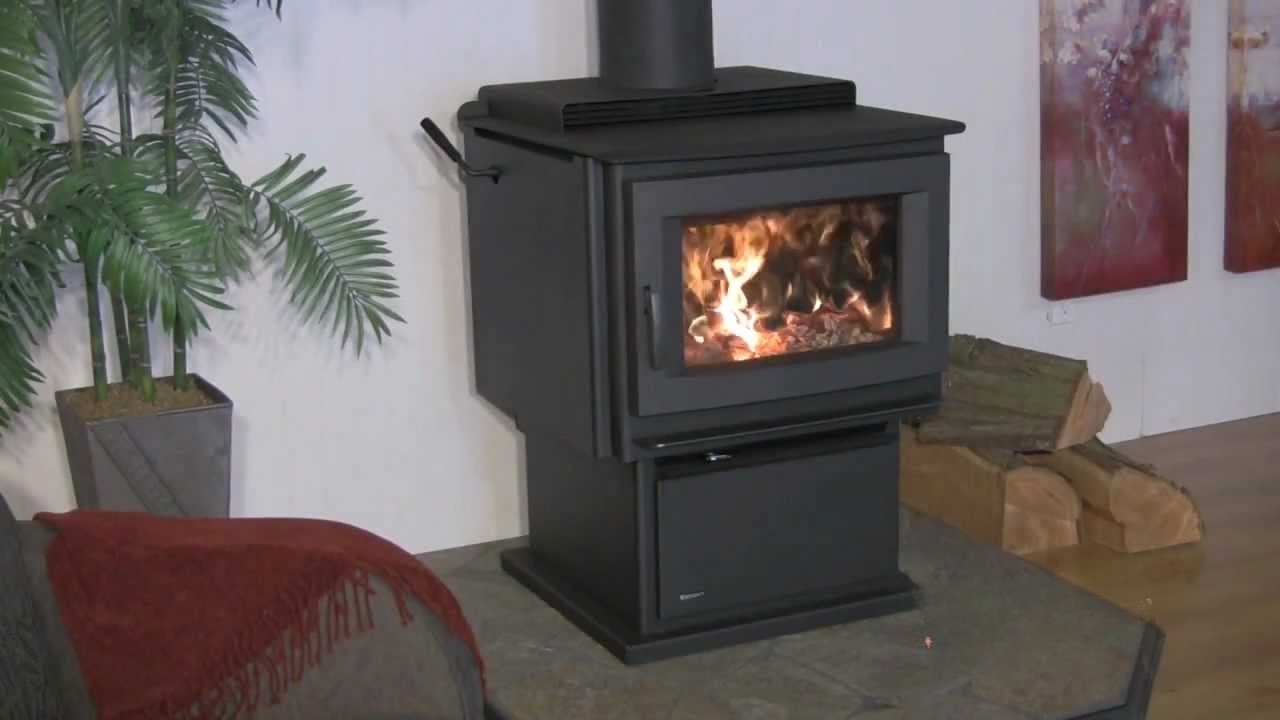
October and April are when people accidentally make the most mess. You only want to take the chill off, so you build a small fire and keep it barely going all day. The stove never gets hot, the flue never dries out, and the smoke stays dirty.
On warmer days, burn shorter and hotter. Let the stove go out between burns instead of babysitting coals for eight hours. If you need all-day low heat, that’s when a properly sized stove and good dry wood matter, not a half-closed damper and wishful thinking.
5. Running Single-Wall Pipe In Cold Spaces
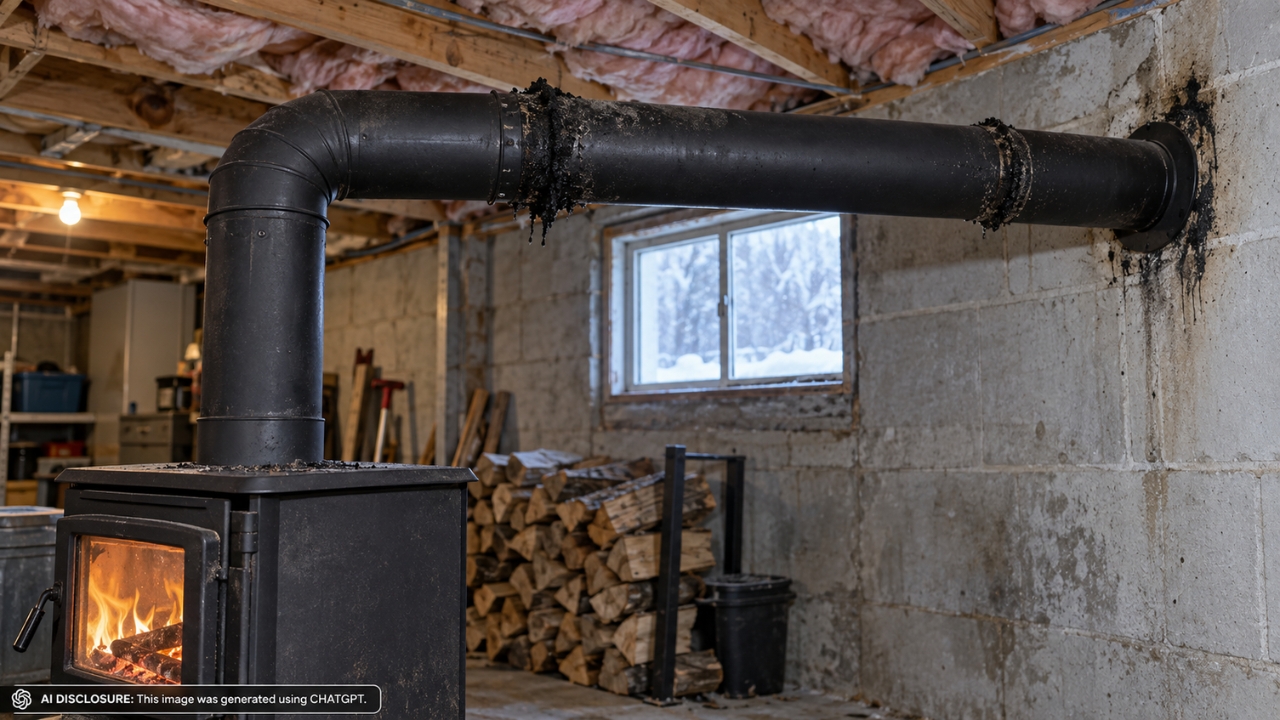
Single-wall connector pipe in a chilly basement, unheated shop, or breezeway sheds heat fast. The smoke hits that cool surface and drops creosote like lint in a dryer vent. You’ll see it as black, crunchy flakes around joints, or you’ll smell it before you see it.
Double-wall connector pipe costs more, but it keeps flue gases hotter and drafts better. In some installs it also helps with clearances, but local code still rules. If your pipe runs through an attic or outside, the chimney sections and insulation choices matter even more, and it’s worth having a certified sweep or installer look at the whole run.
6. A Chimney Cap Screen Clogged With Soot
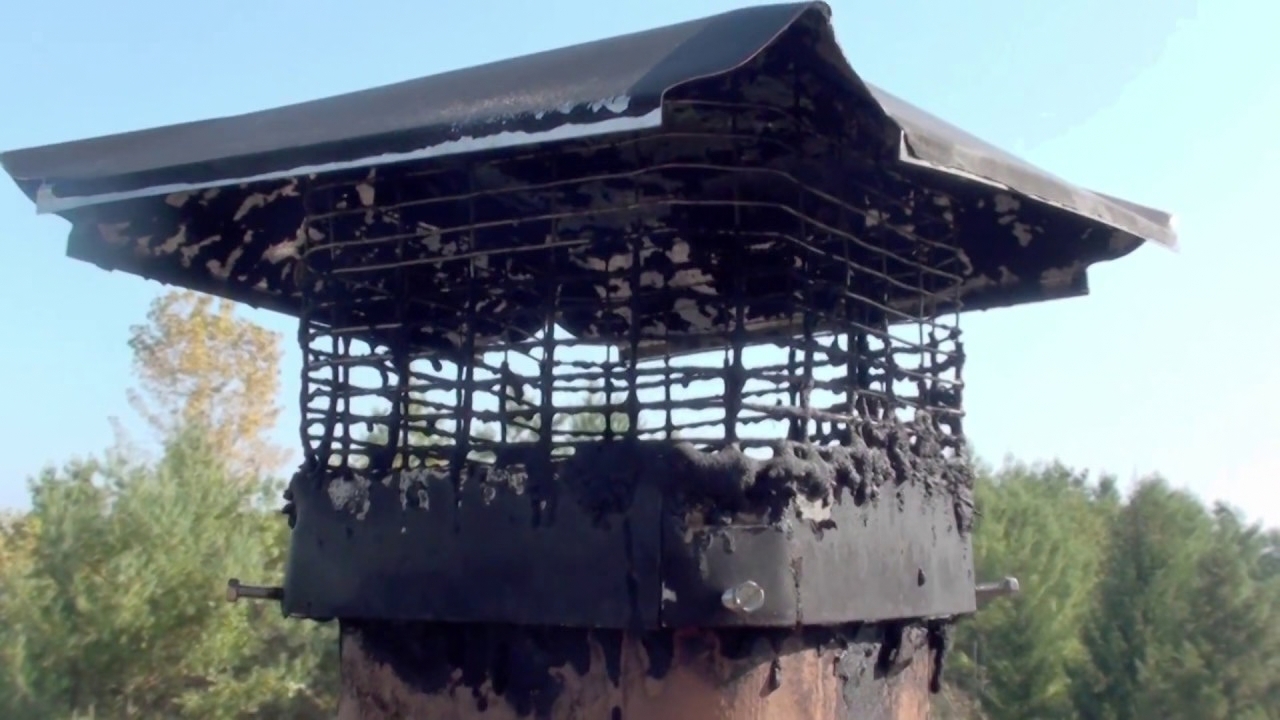
A screened cap can plug up like a lint trap, especially if you’ve had a few smoky burns. The draft gets weaker, then you compensate by cracking the door or fiddling with the air, and the stove runs dirtier. Meanwhile the smoke is crawling up the flue and painting it.
Check the cap during the season, not just in spring. If you see crusted black buildup on the screen, it needs cleaning. If the cap is hard to access or the roof pitch is sketchy, pay someone with the right ladder and fall gear.
7. Burning Paper, Cardboard, And Trash
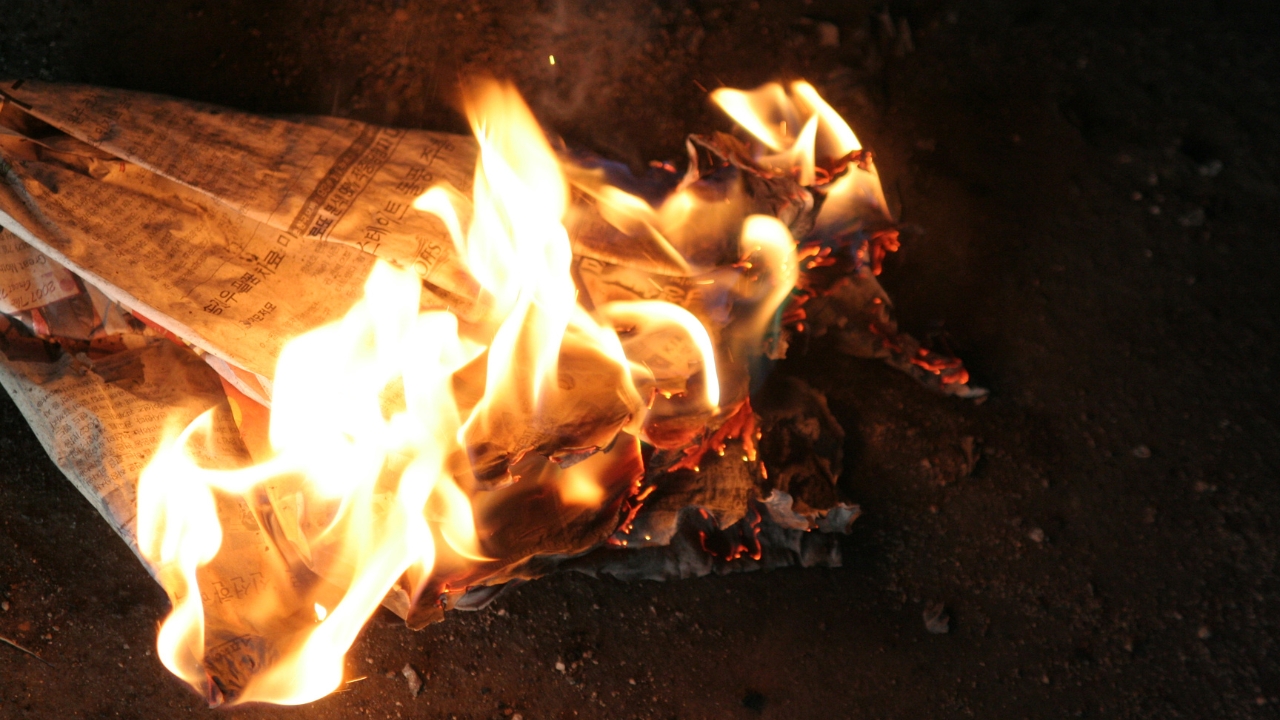
Mail, cereal boxes, and brown paper seem harmless, but they make a fast, sooty flare-up and then a quick collapse into smoke. Add in food packaging or anything with waxy coating and you get sticky deposits that cling to cooler pipe. It’s also a great way to blow ash all over the stove and room.
Use a couple sheets of plain newspaper or a fire starter made for stoves, then feed kindling and proper splits. Save the cardboard for recycling or the garden as weed barrier under mulch, not for the firebox.
8. Letting Ash Build Up Against The Air Inlets
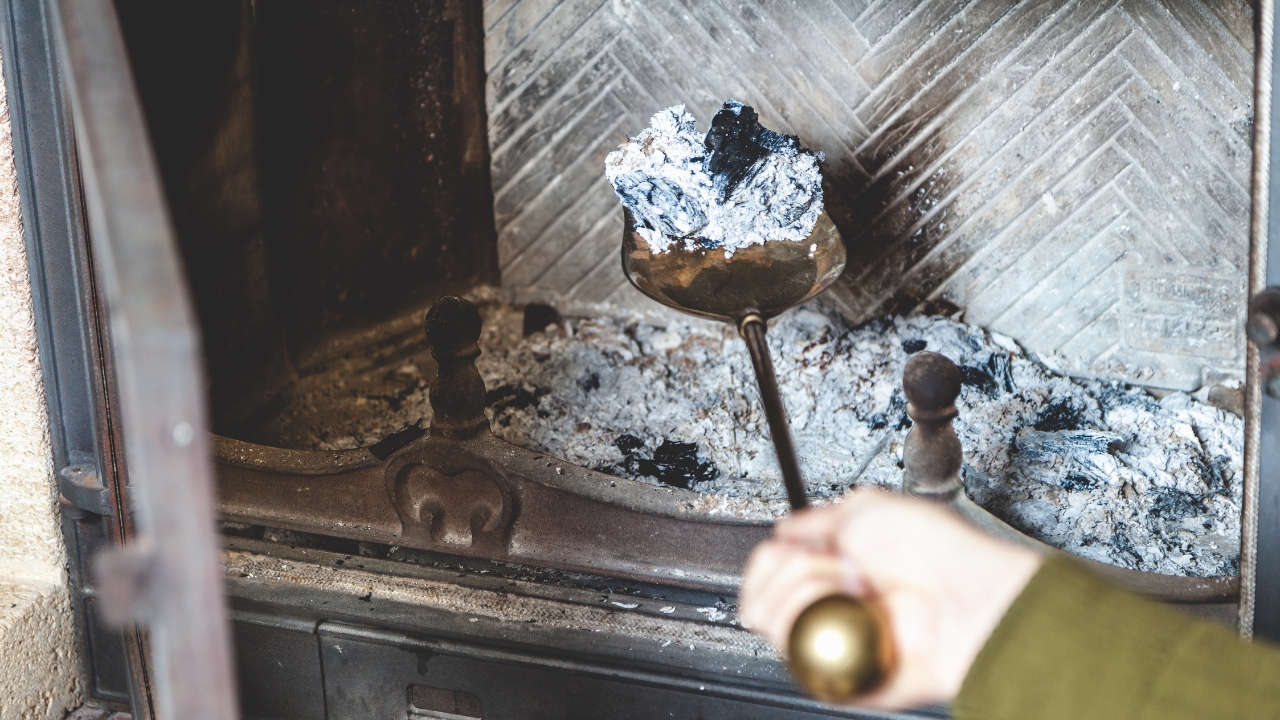
Too much ash sounds like a convenience problem, but it changes how the stove breathes. If the ash bed blocks the primary air path or clogs the grate area, the fire burns lazier and smokier. That smoke has to go somewhere, and your flue ends up wearing it.
Keep the ash level where your stove likes it, which is not the same for every model. Some stoves like a thin ash bed, some want the area around the air inlet kept clearer. Scoop into a metal can with a tight lid and set it on a noncombustible surface outside, coals stay live longer than you think.
9. Overloading With Big Rounds And Tight Packing
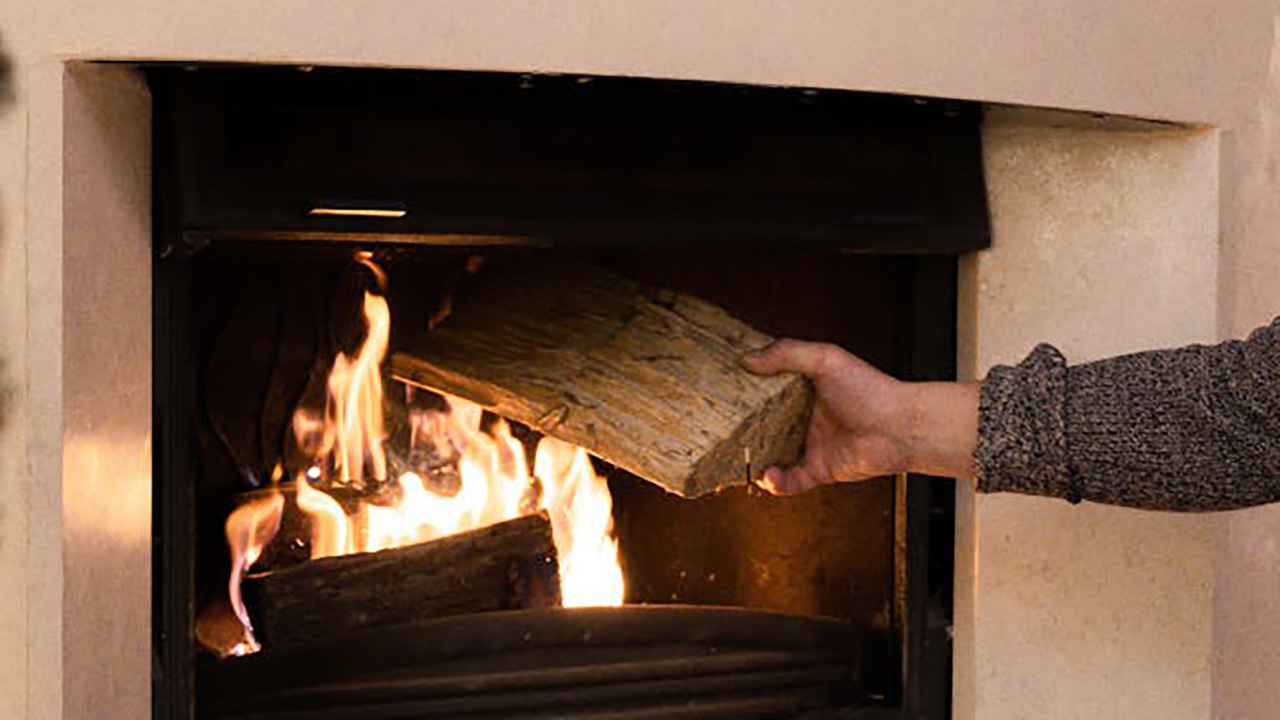
Stuffing the firebox full of big, unsplit rounds looks like a smart way to stretch a load. Often it starves the load for air between pieces and you get a slow, smoky burn. Tight packing also makes it harder for the stove to get back to clean combustion after a reload.
Mix sizes. A couple medium splits with a smaller split or two gets the load lit fast and keeps flame active. Save the big rounds for outdoor fire pits, or split them down so they behave like fuel instead of damp batteries.
10. Relying On “Creosote Sweeping Logs” Alone
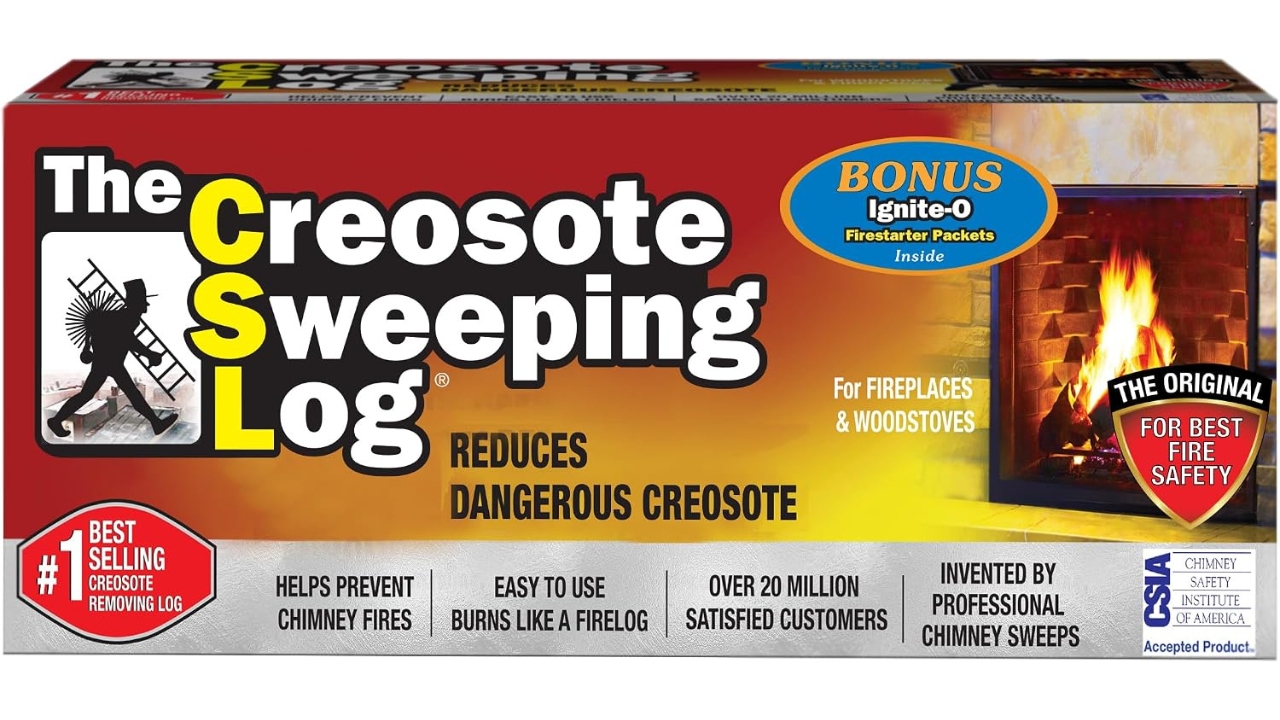
Those chemical logs and powders can help loosen light, flaky buildup, and they’re fine as a helper when you’re already burning decent wood. The problem is treating them like a replacement for inspection and sweeping. Glazed creosote laughs at shortcuts, and it’s the stuff you really don’t want.
Use a product like that only as an add-on, not a plan. Look up the flue a couple times a season with a bright flashlight, or pull the baffle if your stove design allows and you know how to put it back correctly. If you find shiny tar, thick crust, or heavy buildup, book a sweep and get the burn habits fixed first.
Creosote isn’t a mystery, it’s a report card on how hot and clean your system is running. A quick mid-season check with a flashlight, a good moisture meter, and a willingness to burn a little hotter will usually do more than any gadget. If anything about your setup seems off, poor draft, smoke smell indoors, staining at joints, don’t keep guessing. Get it inspected and get back to enjoying the heat.
Like Fix It Homestead’s content? Be sure to follow us.