10 Reasons a Generator Cannot Run Your Whole House
Photo credit: Yarrrrrbright/Shutterstock.com
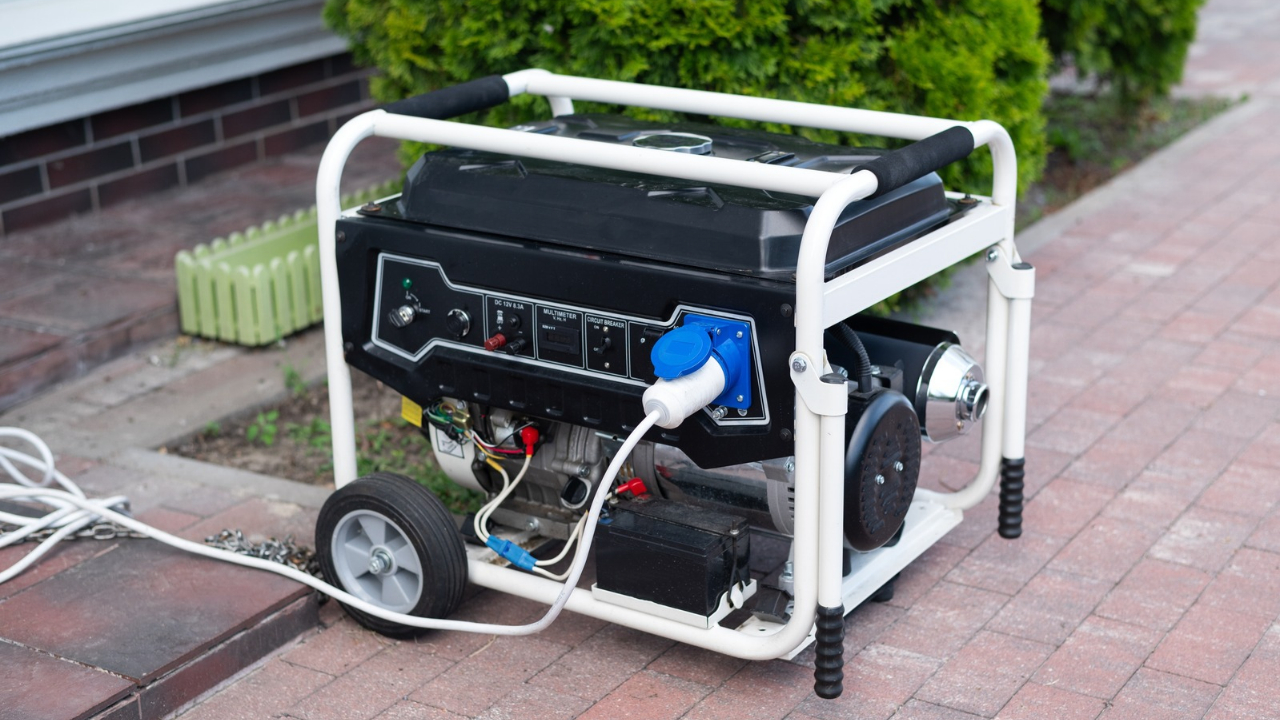
The power goes out and you drag the generator into place, expecting life to stay mostly normal. Then the fridge kicks on, the well pump tries to start, and the lights dip like a tired flashlight. Running a whole house is harder than most people think, even if the generator starts on the first pull.
1. Startup Surges Trip The Generator
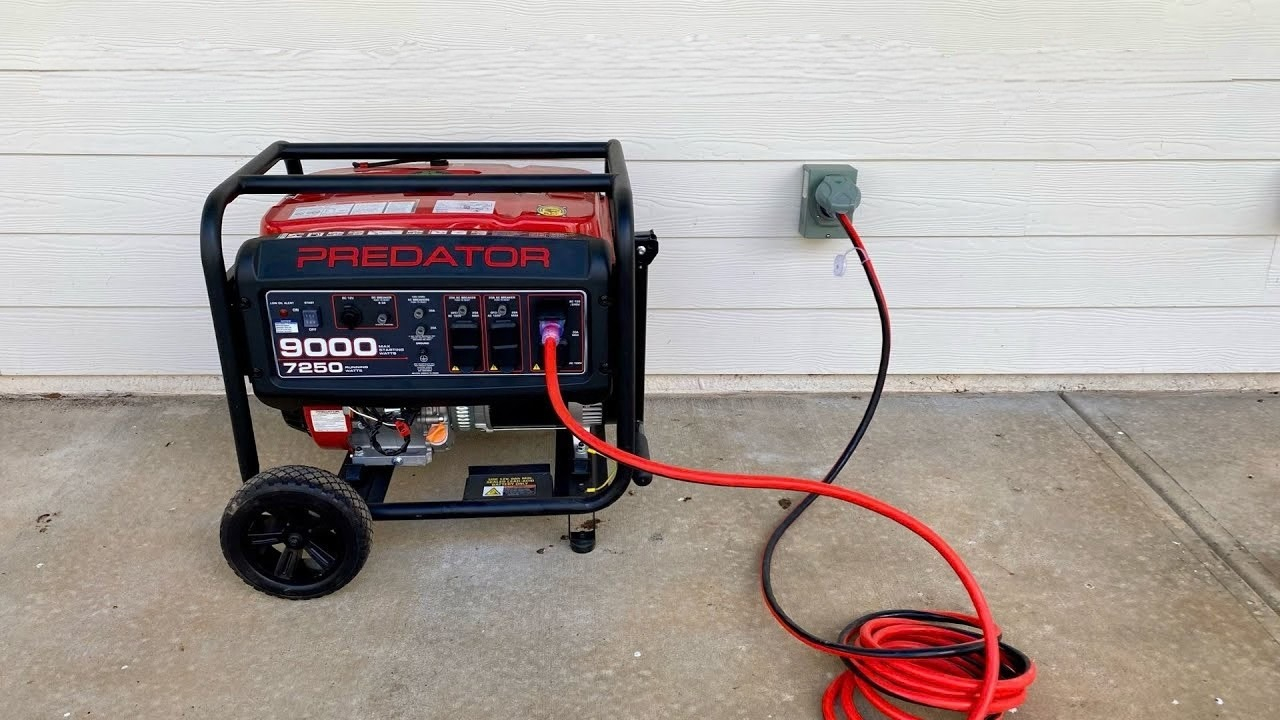
A lot of home loads don’t start gentle. Well pumps, sump pumps, fridges, freezers, air compressors, and older furnace blowers hit with a quick burst of amperage when the motor starts. The generator grunts, the engine note drops, and breakers pop even though the watt rating on the box looked big enough.
The fix is load planning, not wishful math. Put the biggest motor loads on a “one at a time” rule, and check the data plate for LRA or starting amps when it’s listed. A soft-start kit on an AC or heat pump can help, but that’s a job for an HVAC pro, not a late-night outage project.
2. Your Transfer Setup Limits Circuits
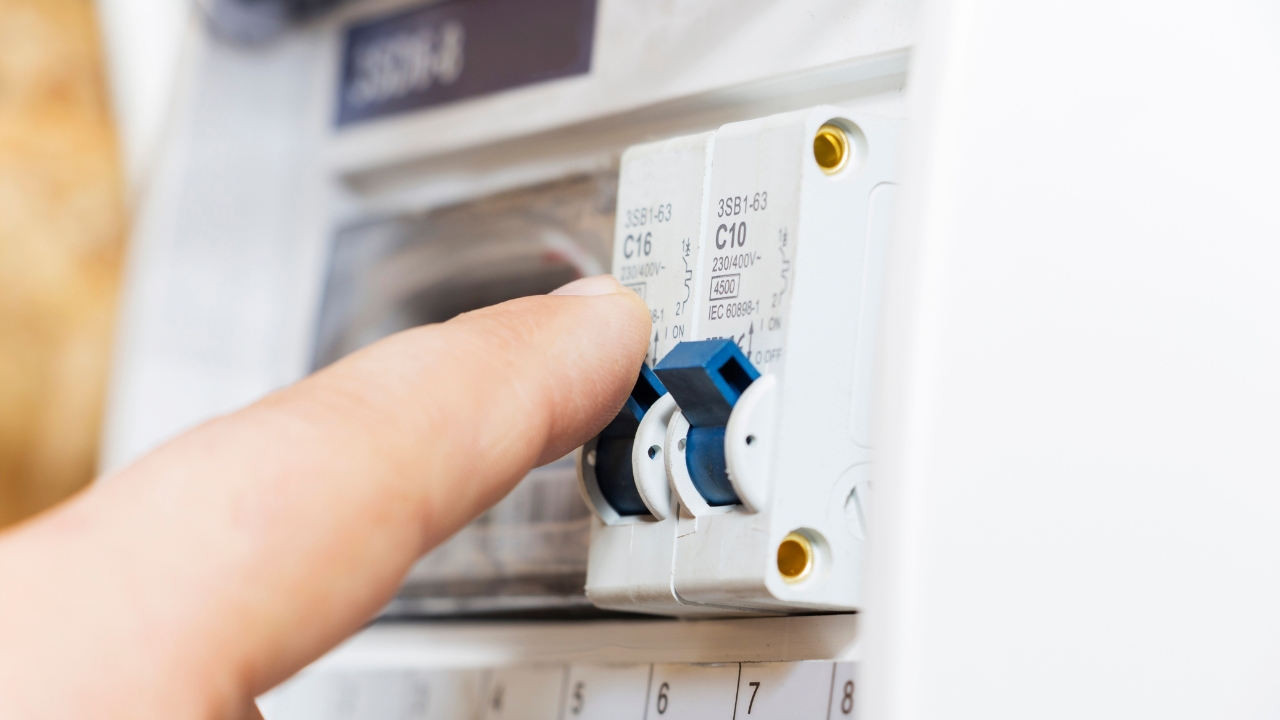
Many homes with a generator inlet use a transfer switch or an interlock kit that only feeds certain breakers. That’s on purpose, and it’s the right way to do it. If half your house isn’t on that list, your generator could be perfect and you still won’t have “whole house” power.
If you want more circuits available, the work happens at the panel. That’s permit and inspection territory in a lot of places, and it’s safer with a licensed electrician. A good compromise is moving a few key loads onto the backed-up side, like the fridge, well, heat, and a kitchen outlet, instead of trying to power every room.
3. Electric Heat Eats Watts For Breakfast
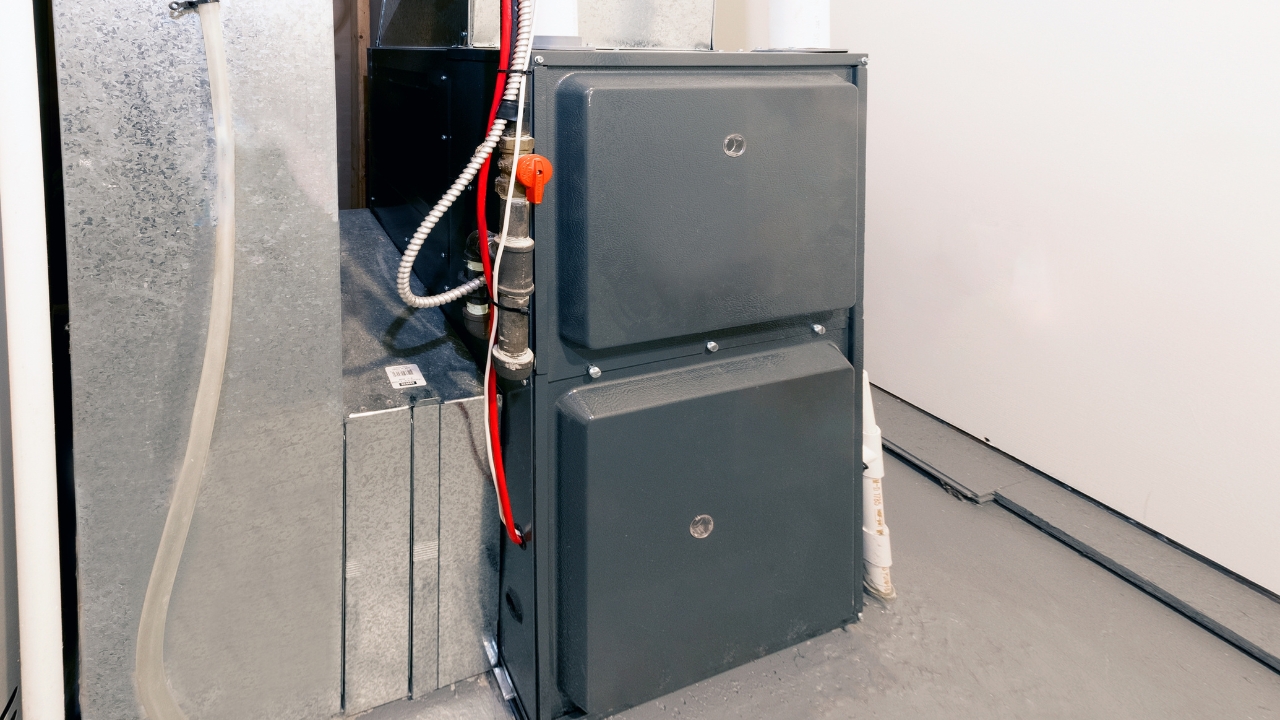
Baseboard heat, electric furnaces, and electric water heaters are absolute power hogs. A typical portable generator can run lights and a fridge, then faceplant the moment you ask it to heat water or keep up with a cold snap. Even a large standby unit can struggle if you try to run multiple big heating loads at once.
During outages, switch to smaller, targeted heat. A vented gas heater, a wood stove, or even a safe indoor-rated propane heater can keep the living area livable while the generator handles the blower, well, and fridge. If you’re thinking about changing heat sources, check local code and clearances, and don’t skip carbon monoxide alarms.
4. Well Pumps And Septic Pumps Are Tricky Loads
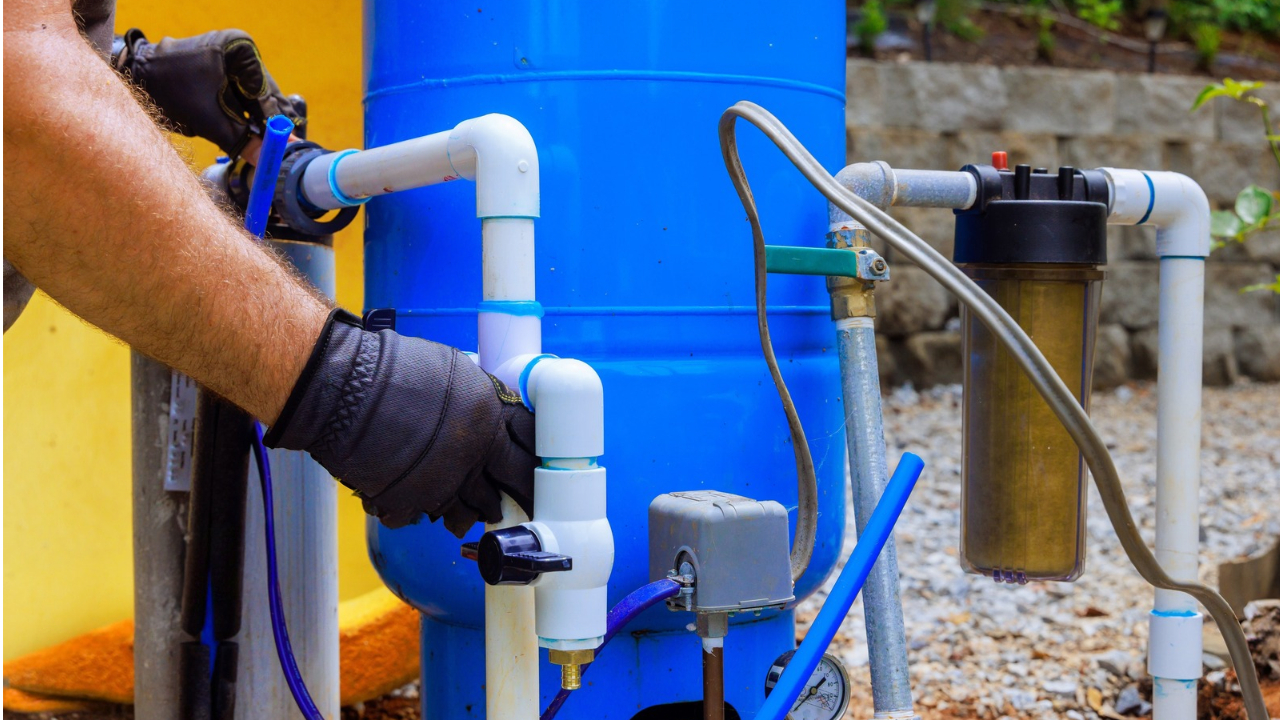
Country problems show up fast when the power drops. A deep well pump can have a big starting surge and a high running draw, and if it’s a 240-volt pump you need the right generator and the right inlet setup. If the pump is hard-starting already, an outage is when it finally quits.
Don’t wait for a storm to find out. Test the well on generator power for ten minutes, listen for struggling starts, and check voltage drop if you have a meter and know how to use it. If the pump groans, trips breakers, or the pressure switch chatters, call a well pro and fix the underlying issue before you blame the generator.
5. Fuel Plans Fall Apart After Day Two

Gas cans look like a plan until the outage lasts longer than a weekend. Stations run dry, roads clog, and the generator burns more fuel than expected because it’s working hard the whole time. You end up rationing power, not running the house.
Propane and natural gas standby units sidestep a lot of that, but they’re not magic either. A propane tank needs to be sized for the load and the season, and regulators and lines have to be right. Any new gas piping is a job for a licensed pro, and it often needs a permit.
6. Portable Units Hate Continuous Full Load
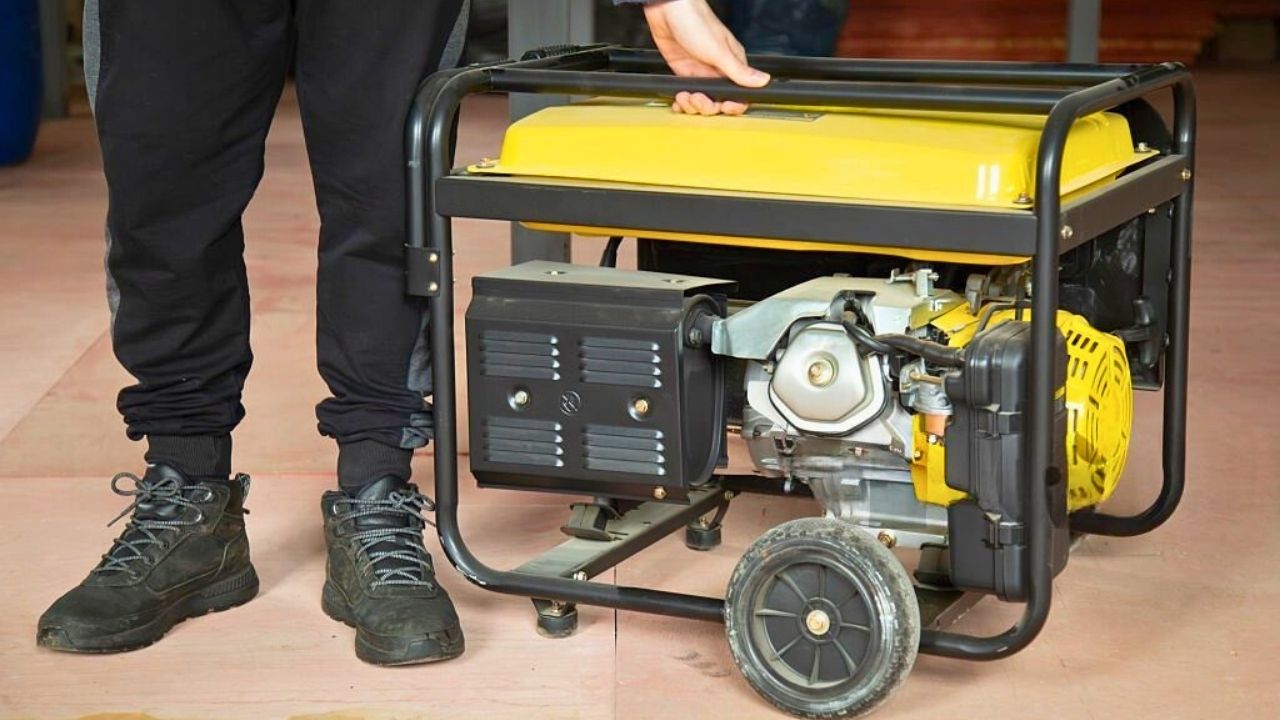
Some people run a portable generator like it’s a small power plant, wide open for days. The oil gets hot, the air filter loads up, and the engine starts hunting and surging under heavy demand. You smell hot metal, and the muffler heat cooks anything nearby.
If you’re relying on a portable unit, treat it like equipment, not a miracle box. Check oil every day it runs, keep it level, and give it a clean air path. Back off the load when you can, because running at the edge for hours is how you shorten its life fast.
7. Voltage And Frequency Drift Upsets Electronics
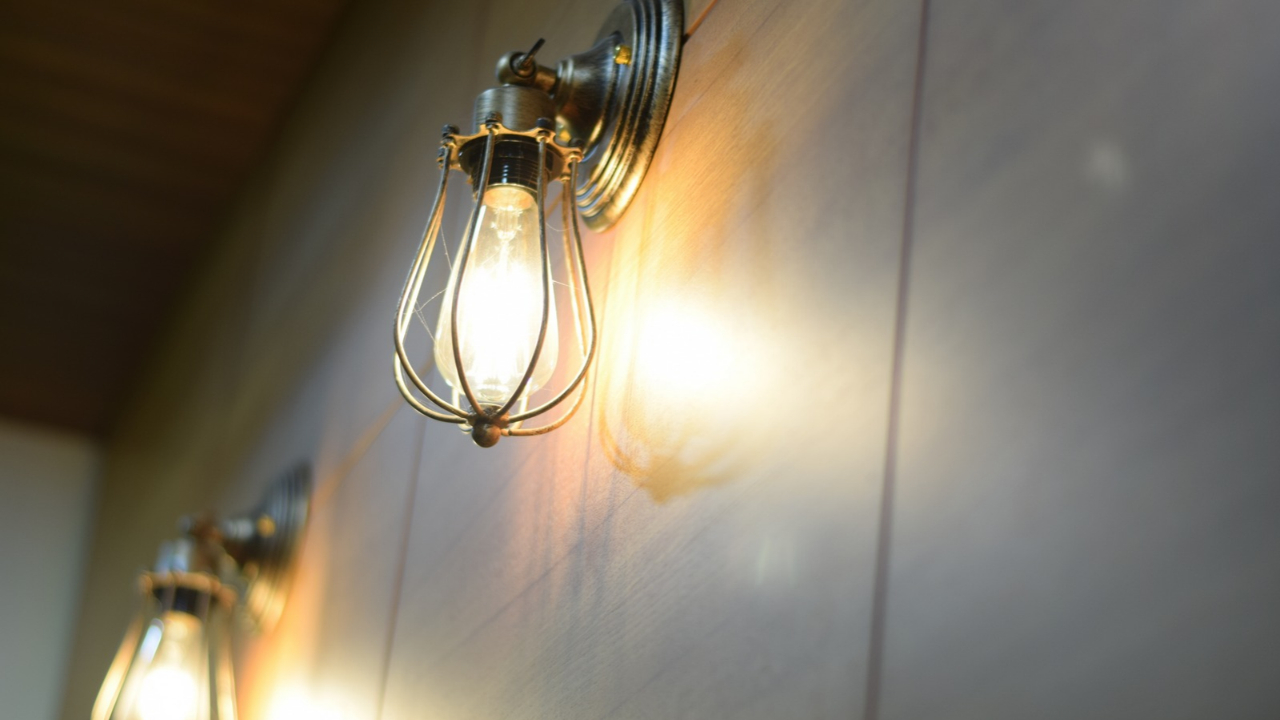
Not all generators make clean, steady power. When the load changes, voltage can sag and frequency can wander, especially on cheaper open-frame units. That’s when LED lights flicker, routers reboot, and some appliances throw error codes or act strange.
If you need stable power for electronics, a small inverter generator for the “sensitive” circuit can be a better move than one big loud unit for everything. There’s an honest exception here: if your goal is just to keep the freezer cold and the well running, a basic non-inverter generator is often fine. Plug delicate stuff into a quality UPS or surge protector and save the headaches.
8. Backfeeding Risks And Code Problems Stop You
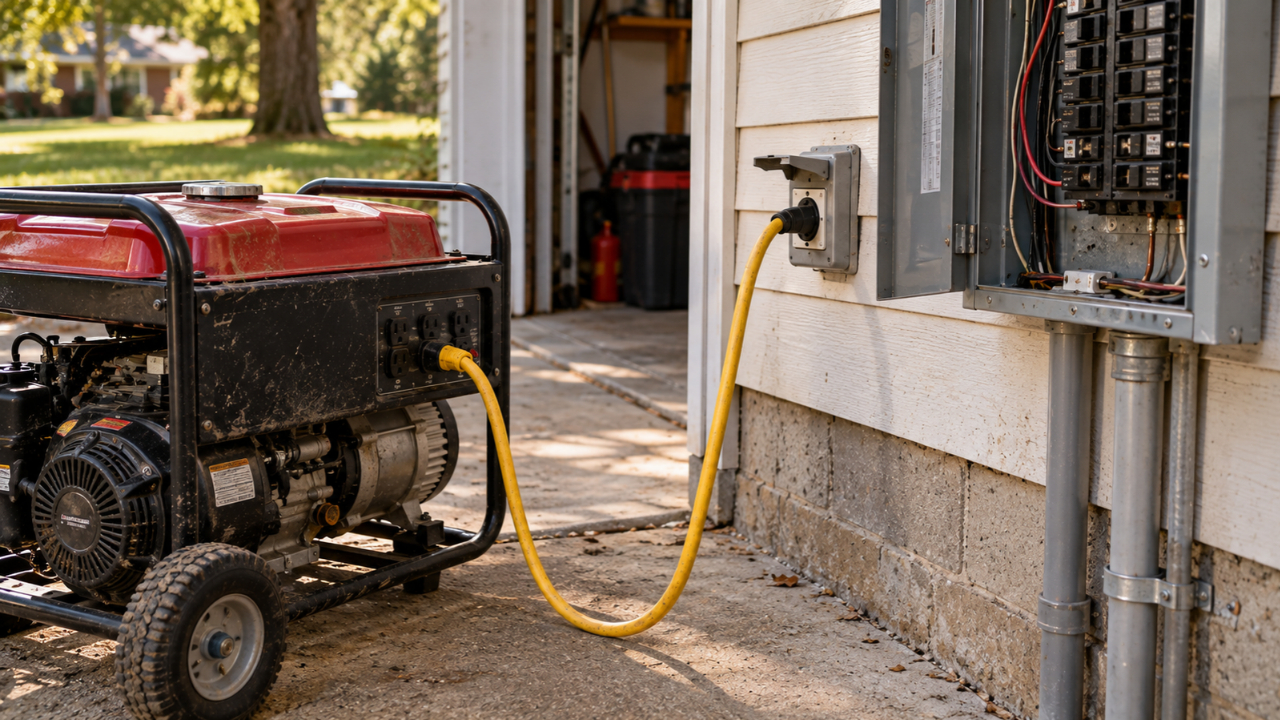
If the power’s out and you’re tempted to “just plug it in” with a cord, stop. Backfeeding through a dryer outlet or a homemade cord can energize lines you think are dead, and that can hurt a lineman or a neighbor. It can also fry your generator or your house wiring when the grid comes back.
The right setup is a transfer switch or an interlock kit with a proper inlet, installed to local code. That is not a shortcut job, and it’s not worth learning the hard way. If you already have something sketchy, shut it down and have an electrician fix it.
9. Carbon Monoxide Placement Limits Where It Runs
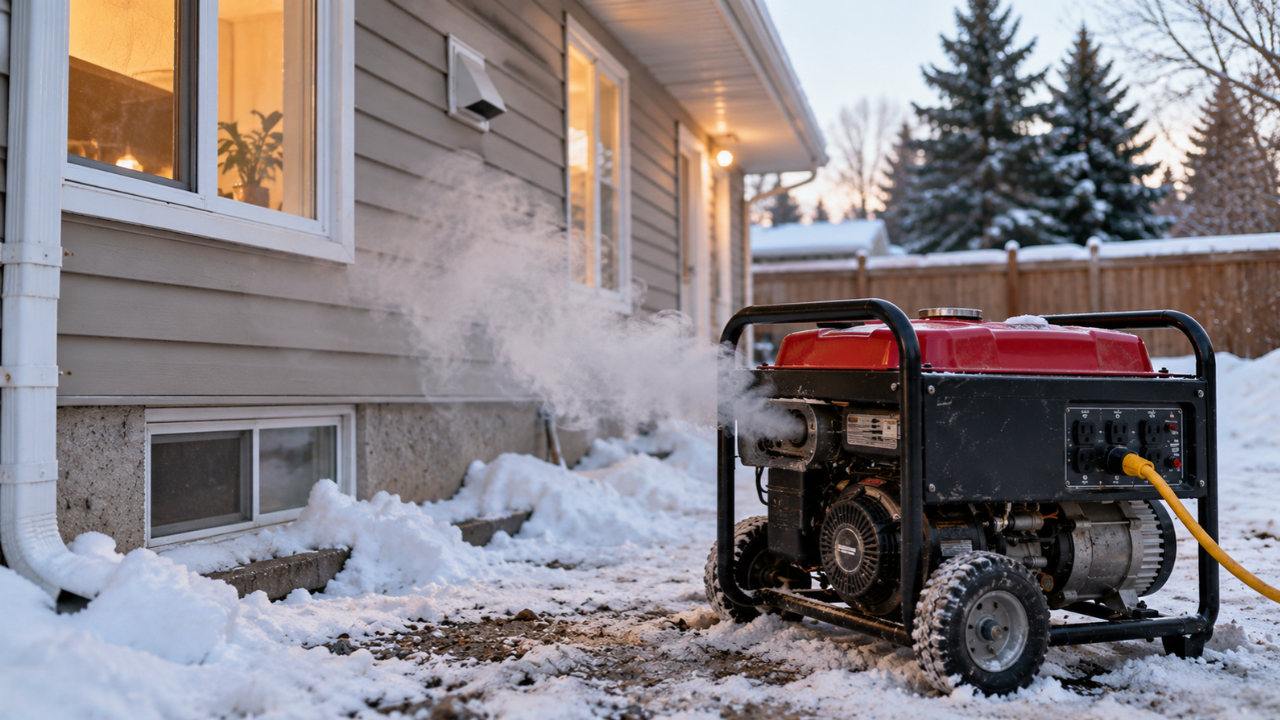
Generators have to run outside, far from doors, windows, soffit vents, and crawlspace openings. That safe placement isn’t always convenient, especially with rain, snow, or theft risk. People end up running it too close “just for a bit,” then the house starts smelling like exhaust, or the CO alarm goes off.
Plan the spot ahead of time. A long, heavy-duty generator cord costs money, but it’s cheaper than a hospital visit, and it lets you keep the unit where it belongs. Use battery CO alarms if you don’t already have them, because hardwired ones can be dead during an outage.
10. Noise, Neighbors, And Theft Change The Plan

A loud generator running all night is a beacon. It can tick off close neighbors, and it can attract someone who wants a quick steal. Even if nobody touches it, you’ll sleep lighter when you hear every engine note change outside.
If you’re in a tight neighborhood, an inverter generator or a permanently installed standby unit is quieter, but it costs more. At minimum, lock it to a ground anchor or a heavy chain around a solid post, and keep it out of sight from the road if you can. A motion light helps, and so does not advertising that you’ve got power.
If you want power that feels normal, start by deciding what “normal” actually means during an outage. Keep the loads that protect your house and food, then add comfort items as your setup allows. A small, reliable system you can run safely beats a big plan that only works on paper.
Like Fix It Homestead’s content? Be sure to follow us.