10 Things That Keep Raccoons Out of the Trash for Good
Photo credit: Alexander Oganezov/Shutterstock.com
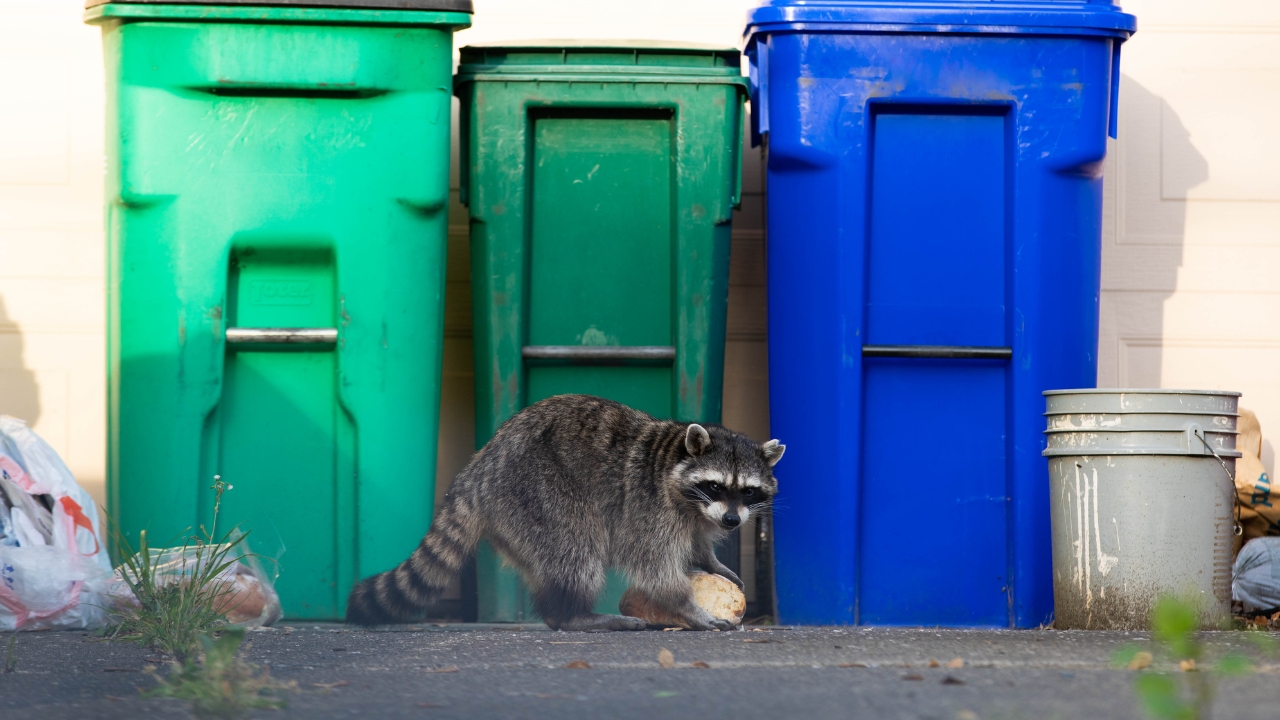
You take the trash out at night, and by morning the can looks like it went through a bar fight. Lids are cocked sideways, bags are ripped, and the yard smells like old leftovers. Raccoons are smart, strong, and patient, but you can beat them with the right setup.
1. A Can With Real Locking Latches
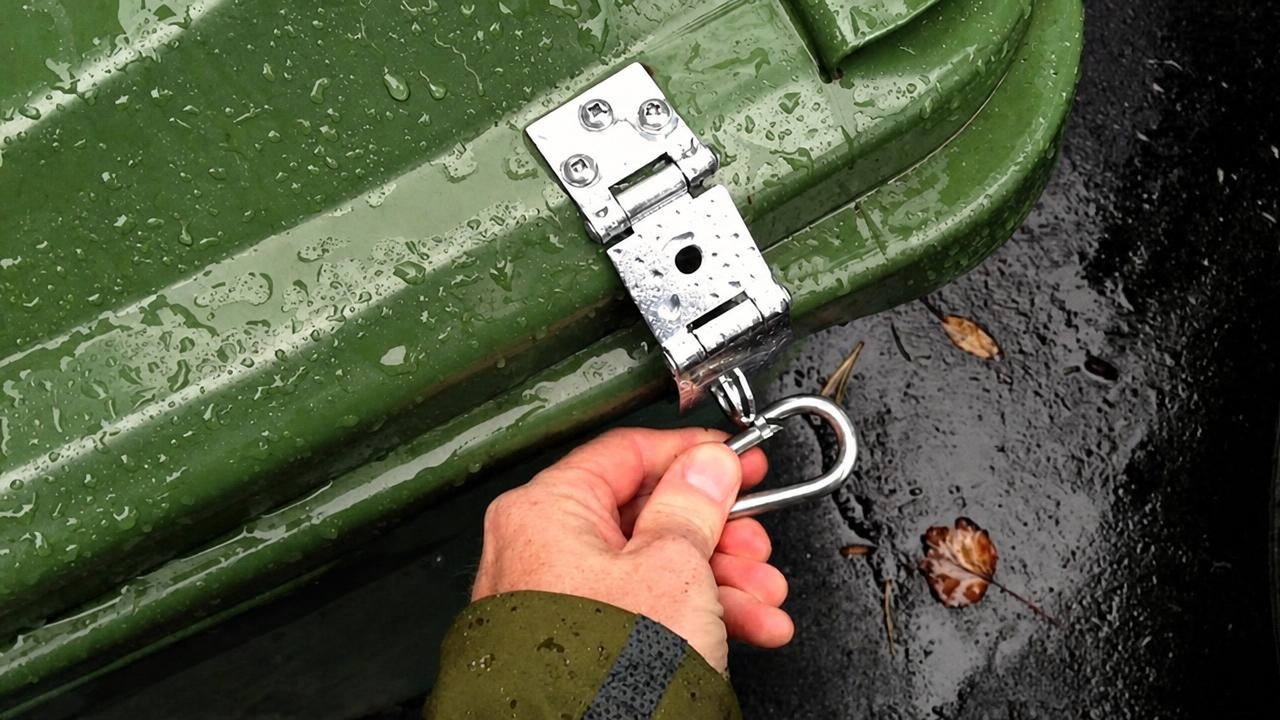
Those “snap” lids that feel tight to you are a joke to a raccoon. If the lid can be lifted with fingers, it can be lifted with paws. A can with built-in locking latches, the kind you have to squeeze or slide on both sides, changes the whole equation.
Don’t waste money on a fancy can that still relies on friction. Look for hardware that’s part of the body, not a thin add-on tab that flexes in the cold. If your hauler issues cans, ask if they offer a locking option, some do, and it’s cheaper than replacing scattered trash bags all season.
2. A Strap That Cinches The Lid
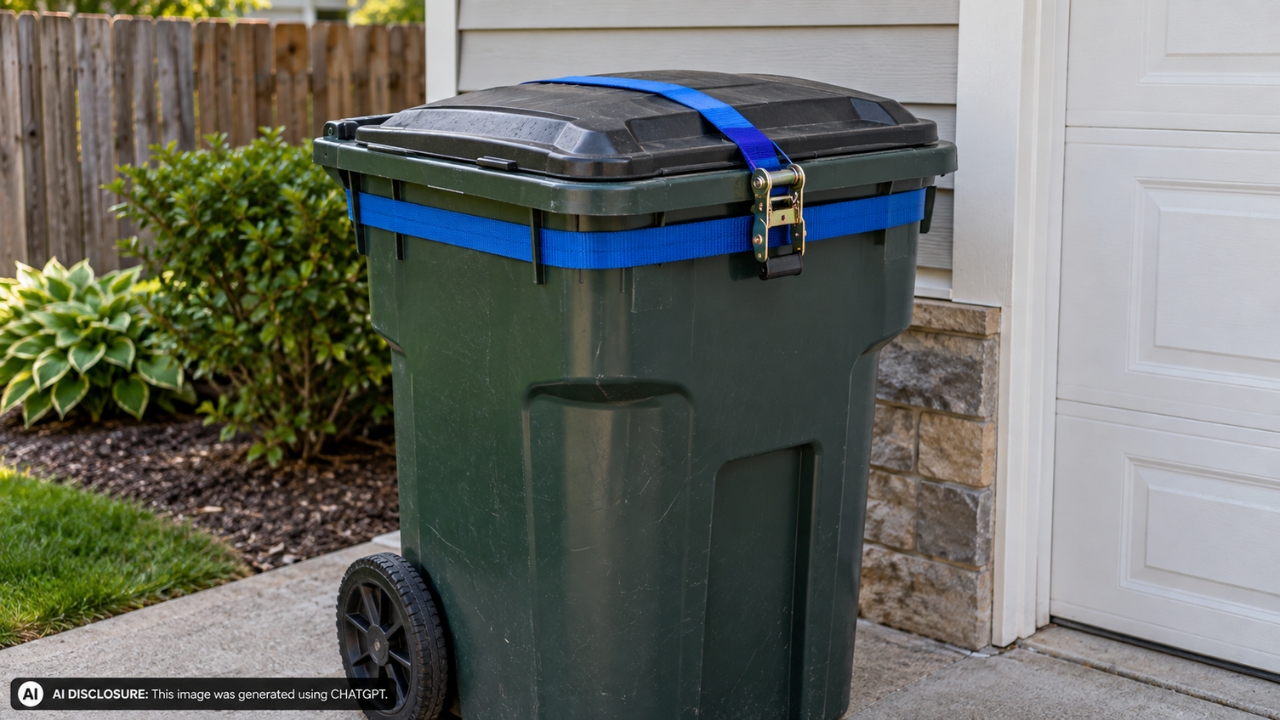
If replacing the can isn’t happening, a lid strap works because it removes the “lift the edge” move raccoons love. A simple ratchet strap or cam buckle strap wrapped around the can and lid keeps everything tight. It also stops the lid from being bounced off when the can tips.
Use a strap you can tighten with gloves on in January. Skip bungee cords, they weaken in sun and cold and raccoons learn the stretch fast. If you’re in a windy area, a strap pays for itself even without animals because it stops lid-flap noise and blown-over cans.
3. Trash Night Timing, Not Trash Day
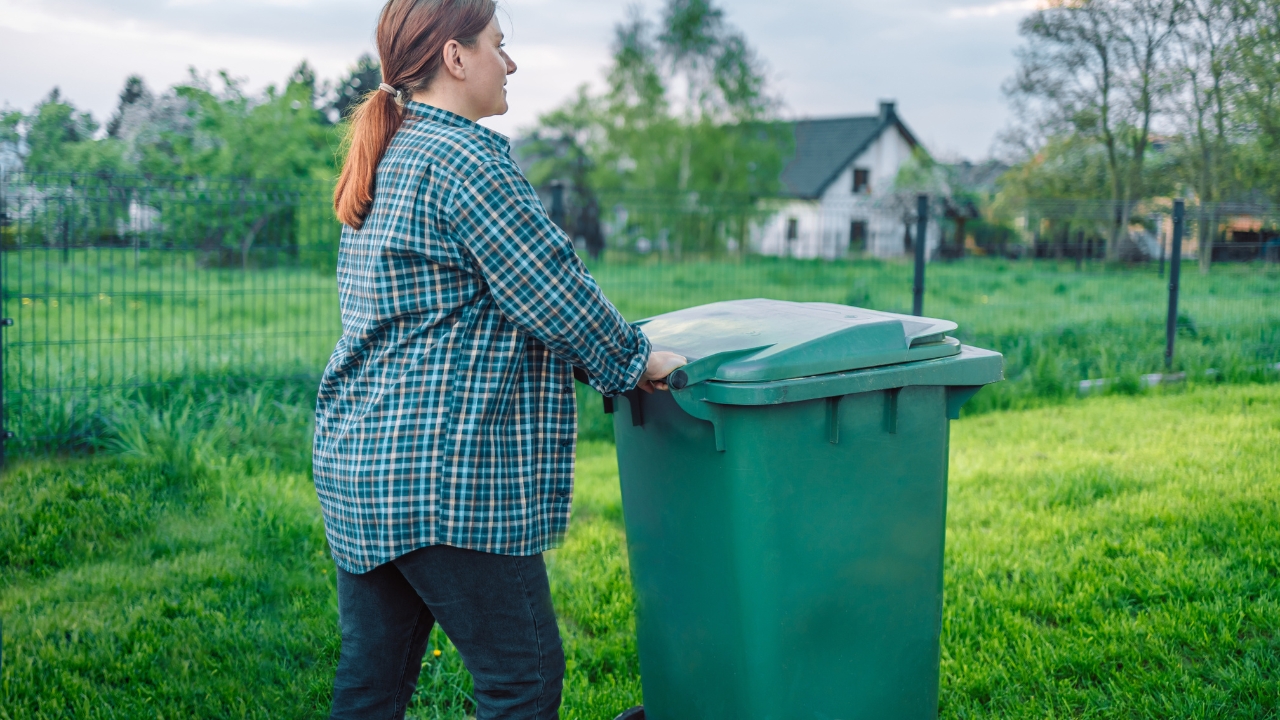
Putting the can out at 5 p.m. because it’s convenient is basically setting the table. Raccoons do most of their work after dark, and they’ll cruise a whole block looking for easy wins. The easiest fix is also the cheapest, keep the cans in until morning.
If pickup is early, set an alarm and roll the can out right before you leave for work. If that’s impossible, store bagged trash in a closed garage or shed overnight and bring it out right before the truck comes. One missed week of timing is all it takes for a raccoon to add your house to its regular route.
4. A Simple Rinse Schedule For Cans
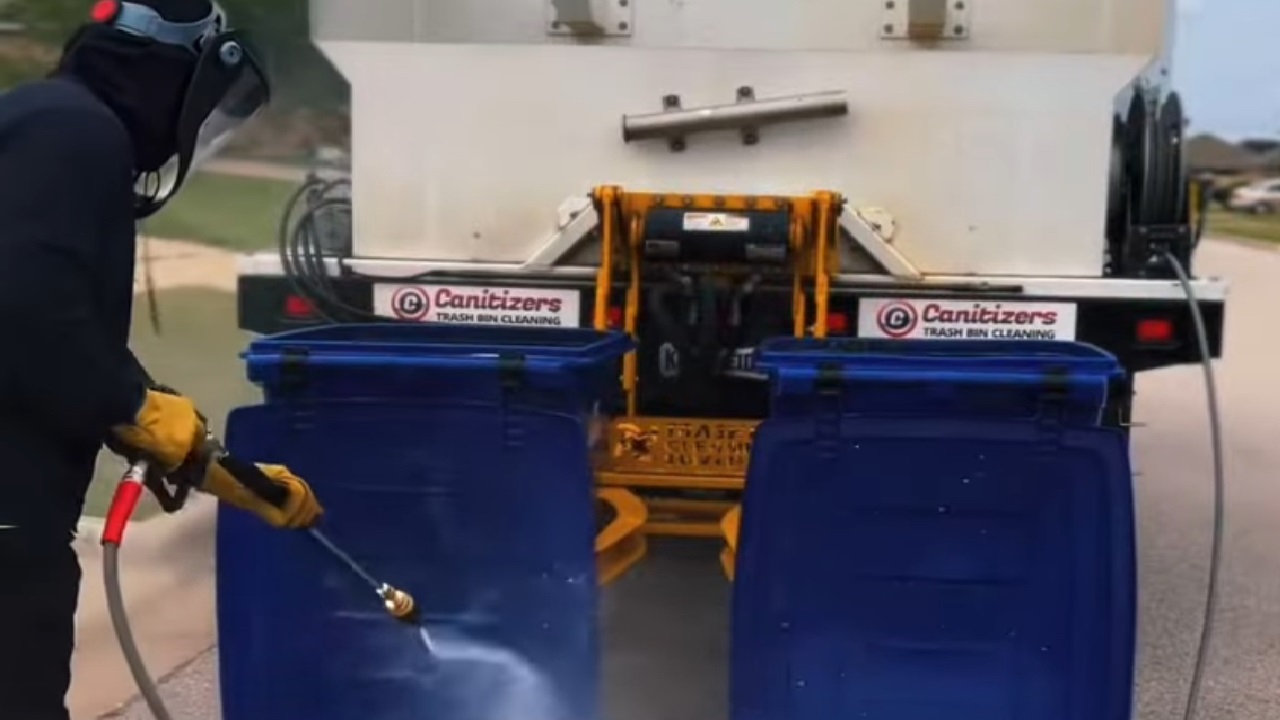
Old drips and slime in the bottom of the can smell like a buffet, even when the bag is tied. In hot weather, that stink carries, and raccoons follow it like a trail. A filthy can also attracts flies and turns into maggot season, which makes everything worse.
Once a month in warm months, hose it out and scrub the rim and lid with dish soap or a little bleach solution, then rinse well. Let it dry in the sun with the lid open for an hour if you can. You don’t need perfection, you need “not interesting from ten feet away.”
5. Freeze Funky Food Waste Until Pickup

Chicken skins, fish scraps, meat trays, and grease-soaked paper are raccoon magnets. Even a “good” lid won’t stop a determined animal if the smell says there’s something worth fighting for. The fix is to stop advertising with odor.
Keep a lidded container in the freezer for the worst stuff and dump it into the trash bag on the morning of pickup. It sounds fussy, but it takes seconds, and it cuts smell way more than any spray. In summer, it also keeps your outside bin from turning into a warm soup of leaks.
6. Heavy Base, Not A Tippy Can
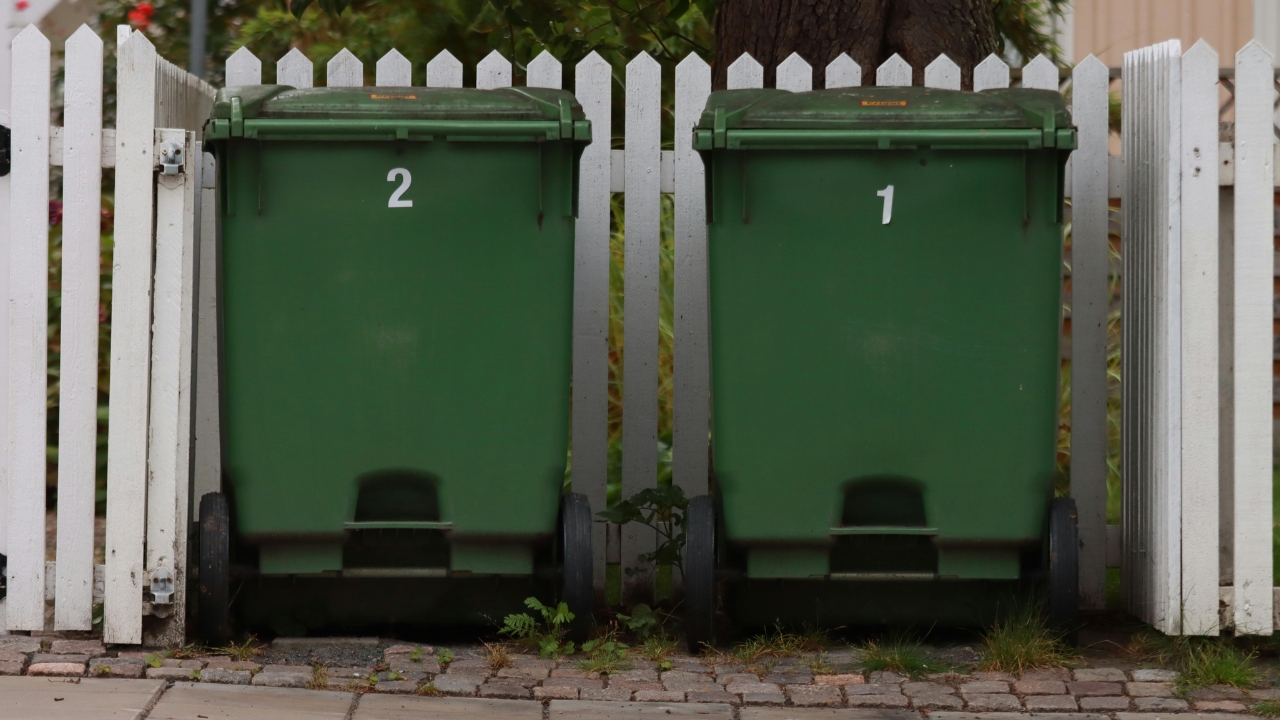
Raccoons don’t always open a lid first. Sometimes they tip the can, stomp on it, and let gravity do the work. If your can is tall, narrow, and light when it’s half full, it’s easy to roll over and pry apart.
Add stability with placement. Set the can between two solid objects, like a fence and a post, so it can’t be knocked onto its side. If you keep it in the open, put a couple paving stones in the bottom under the bag to lower the center of gravity, but don’t make it so heavy you throw your back out hauling it to the curb.
7. A Small Enclosure With A Latching Door

A trash corral sounds like a big project, but a simple three-sided enclosure with a front gate beats most gadgets. It blocks access, makes tipping harder, and hides the can so it’s not a visual target. If you build it right, it also looks better than cans lined up next to the garage.
Use exterior screws, pressure-treated lumber where it touches the ground, and a real latch, not a hook and eye that can be pawed open. Leave enough clearance to roll cans in and out without wrestling, and put it on pavers or gravel so it doesn’t become a mud pit. If you’re in bear country, follow your local rules, raccoon fixes are not bear fixes.
8. Motion Lights Aimed At The Can
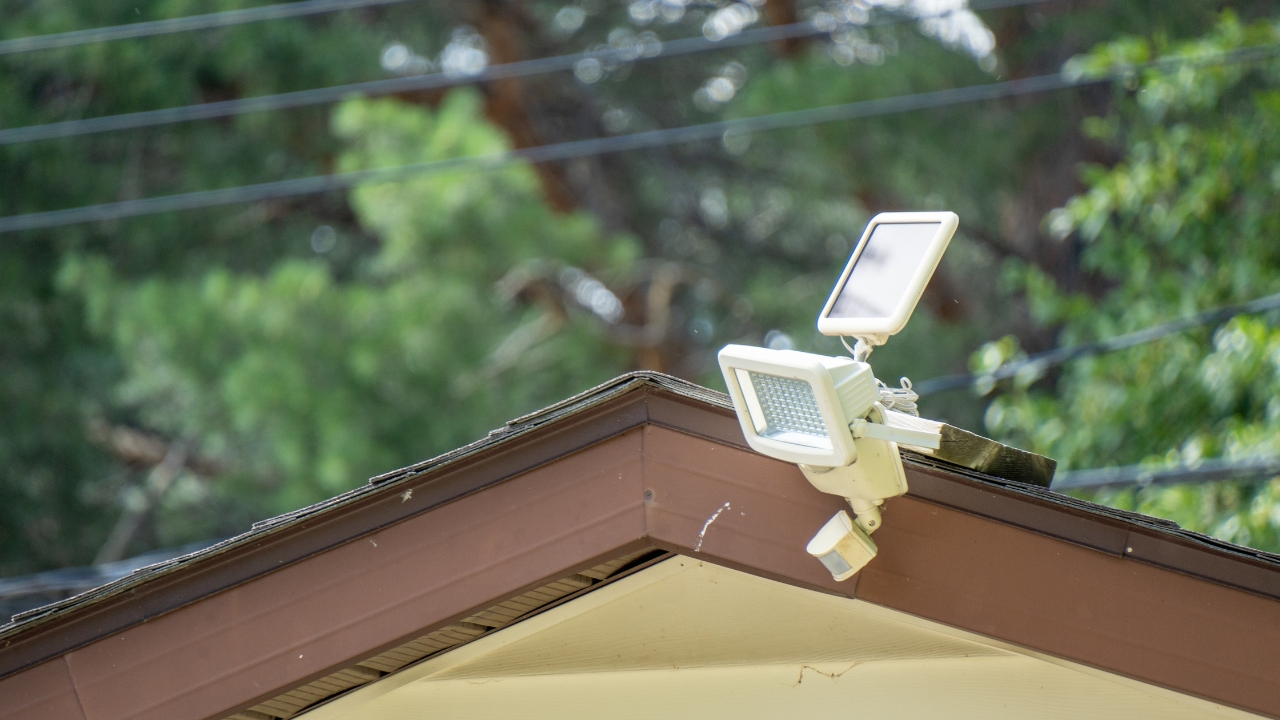
Raccoons aren’t scared of everything, but they hate being exposed. A bright motion light makes them feel watched, and that often pushes them to an easier yard. The key is placement, a light over the driveway pointing away from the cans does nothing.
Mount the light so it triggers when something is right at the cans, not when a car passes. Solar units can work fine here, this is the honest exception, because you only need short bursts of light, not all-night illumination. Just clean the panel once in a while and keep it out of the shade.
9. Tight Compost Rules Near The House
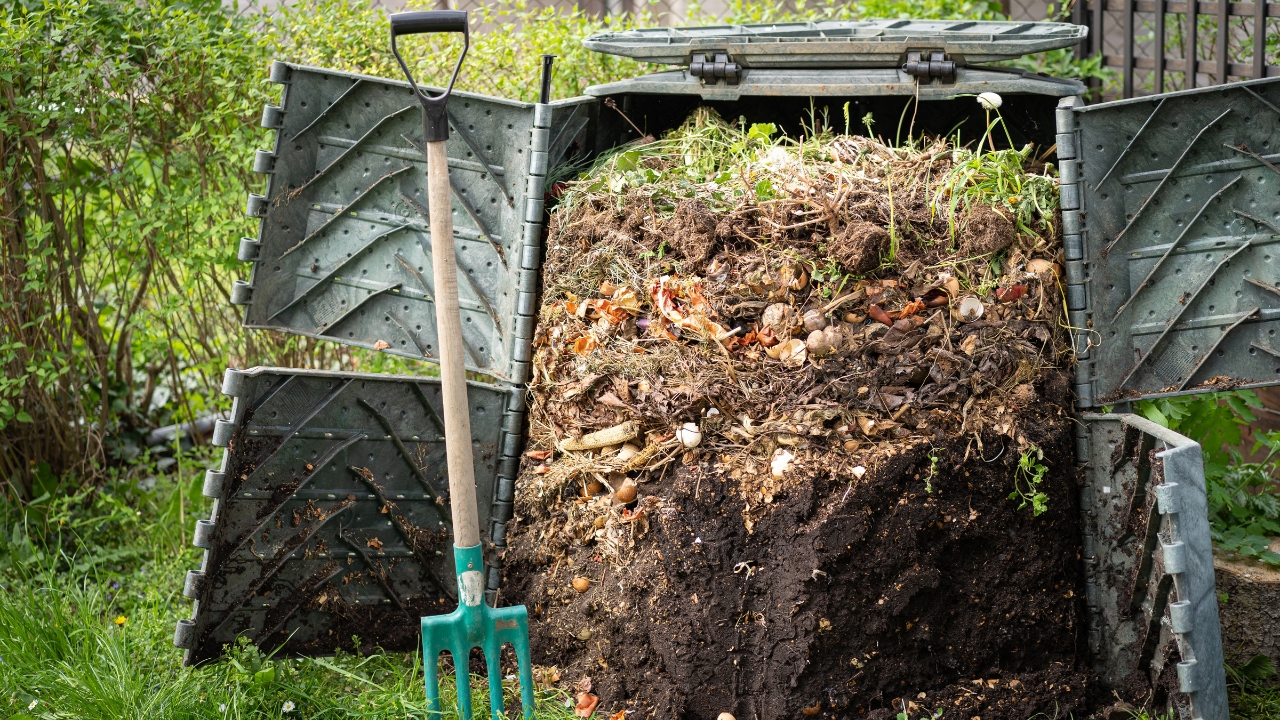
A lot of “trash raccoon” problems start as “compost raccoon” problems. If food scraps are easy to get in the yard, raccoons get comfortable, then they move on to your cans. Even if your compost is behind the shed, they’ll smell it.
Keep meat, dairy, oily foods, and cooked leftovers out of backyard compost unless you’re using a sealed system. Bury plant scraps deep and cover with browns like dry leaves or shredded cardboard. If you run chickens, don’t toss kitchen scraps out at night and assume it’s fine, that’s a dinner bell after dark.
10. Close Off The Easy Approach Routes
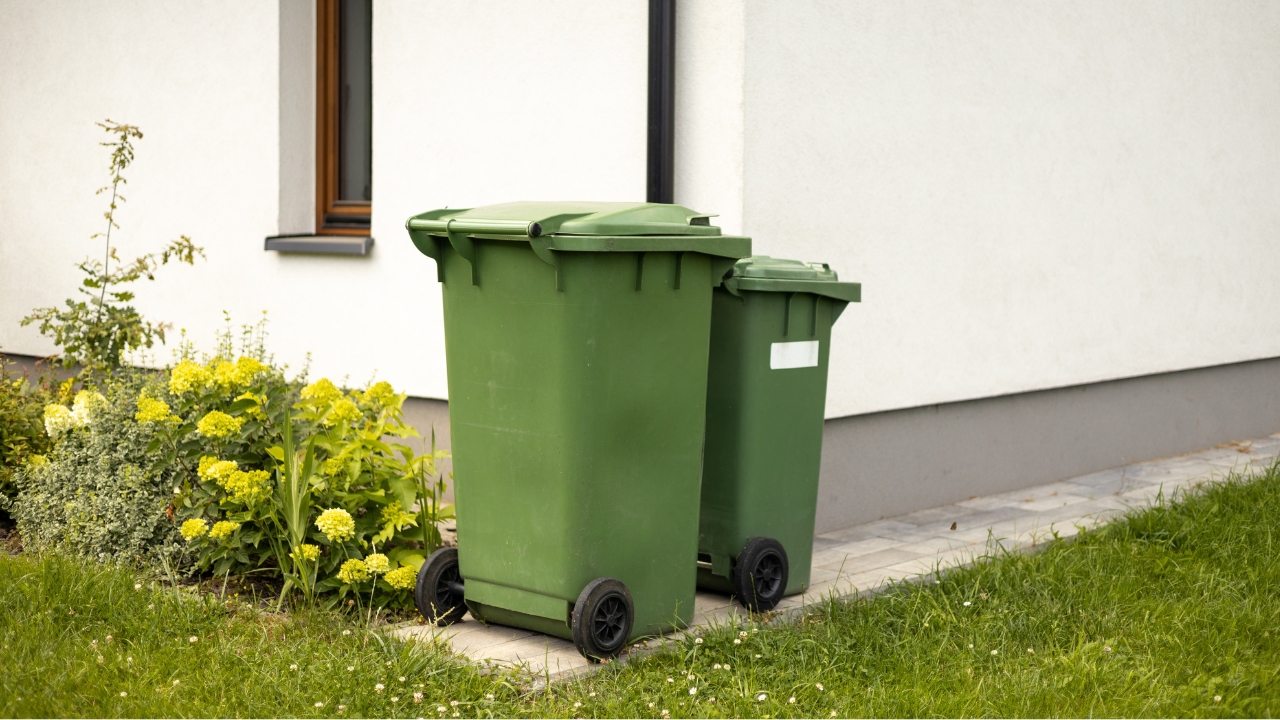
Raccoons are climbers, and they like a safe “lane” to work in. If cans sit under a low deck, beside a stacked woodpile, or next to a fence corner, they can duck in and feel protected while they pry. You’ll hear the lid clack and the plastic scrape, then nothing, because they’re working in cover.
Move cans a few feet into a more open spot and clean up the nearby hiding places. Stack lumber neatly, trim back brush, and don’t keep a leaning board or old gate right next to the bin. If you want to be thorough, add a gravel strip under and around the can area, it’s noisy underfoot and they don’t love crossing it.
Once the raccoons stop getting paid, they usually stop showing up. Stick with the changes for a few weeks, even after things go quiet, because they’ll test the spot again. Your goal isn’t to win a fight every night, it’s to make your trash the most annoying option on the block.
Like Fix It Homestead’s content? Be sure to follow us.