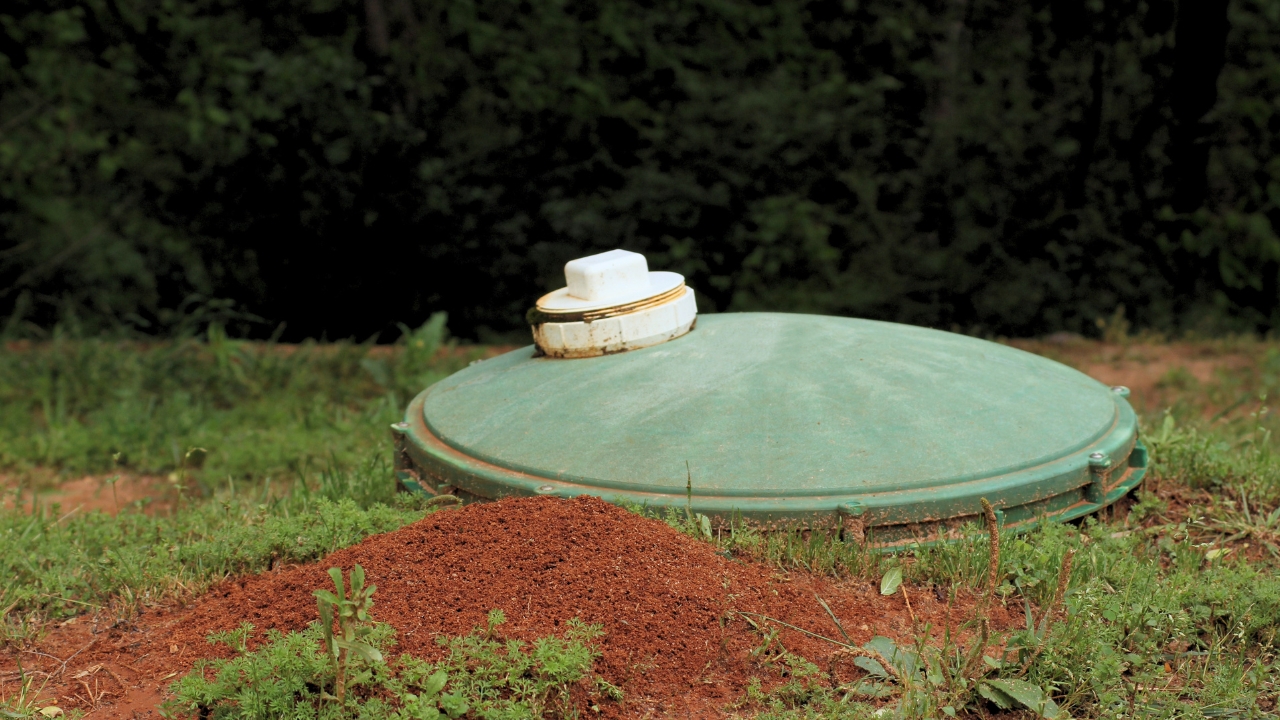
10 Signs Your Septic System Is About to Fail
Photo credit: LMPark Photos/Shutterstock.com
A septic system usually gives you warnings before it quits for real. The trick is noticing the small stuff before you end up with sewage in the yard or a bathroom you can’t use. Pay attention to what your drains, toilets, and grass are telling you, especially after rain, guests, or a long dry spell.
1. Slow Drains All Over The House
If one sink is slow, it’s often just hair or grease in that trap. If every drain is sluggish at the same time, your tank or main line is getting backed up. You’ll notice it most when you run the washer or take a long shower, because a big slug of water hits the system at once.
Start with the simple checks: clean the tub and sink traps, and confirm nobody “fixed” a clog by dumping repeated drain opener down the pipes. If multiple fixtures still drain like molasses, stop forcing water through it and call a licensed septic pro to inspect and pump if needed. Waiting turns a manageable service call into a mess under the house.
2. Gurgling Toilets After Laundry Day
The bubbling sound in a toilet bowl after you run the washer is a classic sign the system is struggling to move wastewater. The air has to go somewhere, so it burps back through the nearest fixture. Sometimes you’ll see the water level in the bowl rise and fall on its own.
Don’t ignore it and keep washing. Space out water use for a day, then check whether it only happens during high-flow times. If gurgling shows up even with normal use, you’re past DIY territory and into “get it inspected” territory.
3. Sewage Smell In The Yard

A septic system shouldn’t smell like anything. If you catch that sewer odor near the tank, the cleanout, or out over the drain field, something is leaking or venting where it shouldn’t. Warm days and still evenings make the smell easiest to notice.
Walk the area and look for disturbed soil, cracked lids, or a loose riser cap. Don’t open the tank yourself, the gases can knock you down fast, and falls into tanks are deadly. Call a pro to check lid seals, baffles, and whether the field is saturated or failing.
4. Wet Spots Over The Drain Field
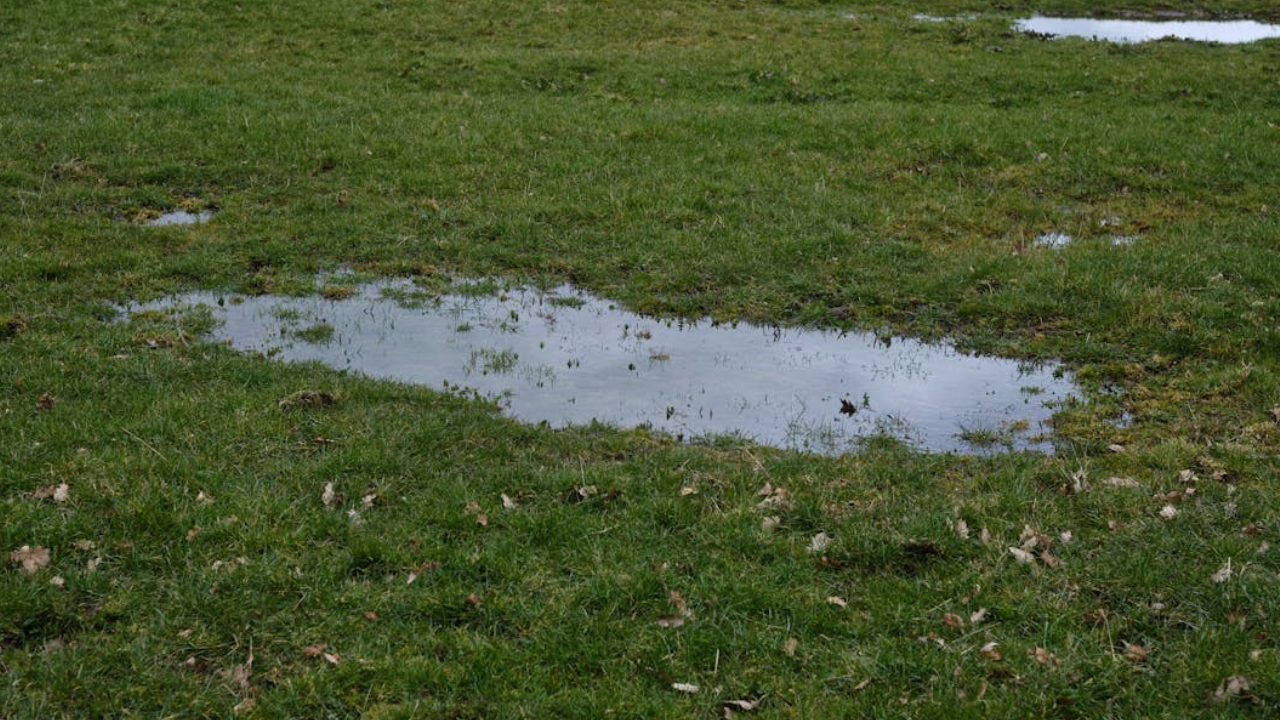
When the drain field can’t absorb what’s coming out of the tank, the water has to go somewhere, and it often shows up as spongy ground. You might see puddles that never dry, even when the rest of the yard is dusty. In bad cases, the water has a gray tint or carries that smell.
Keep vehicles, mowers, and livestock off that area so you don’t compact the soil or break pipes. Cut back water use immediately and don’t “fix” it by adding soil on top, that just hides the problem. A licensed septic contractor can test the field and figure out whether it’s a clogged line, a distribution issue, or a field that’s reached the end of its life.
5. Bright Green Stripes In One Area
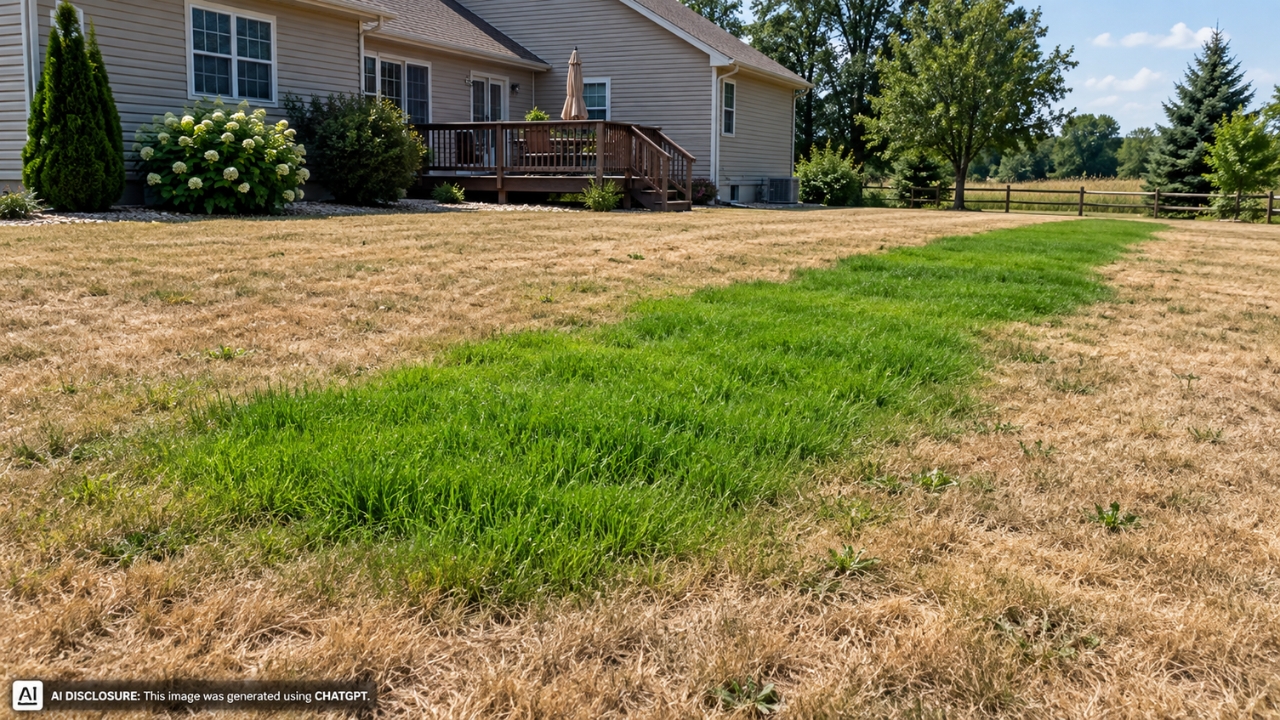
If one strip of grass over the field stays neon green while everything else browns, it can mean nutrient-rich wastewater is sitting too close to the surface. This often shows up mid-summer when the rest of the lawn is stressed. It looks nice until you realize why it’s happening.
There’s an honest exception: a shallow soil change or a low spot that holds rain can also make grass greener, especially after a fertilizer application. If the green patch comes with soft ground, odor, or slow drains in the house, treat it as a septic warning and get it checked. If it’s only color and the ground is firm and dry, keep an eye on it and don’t panic.
6. Toilet Backups In The Lowest Bathroom
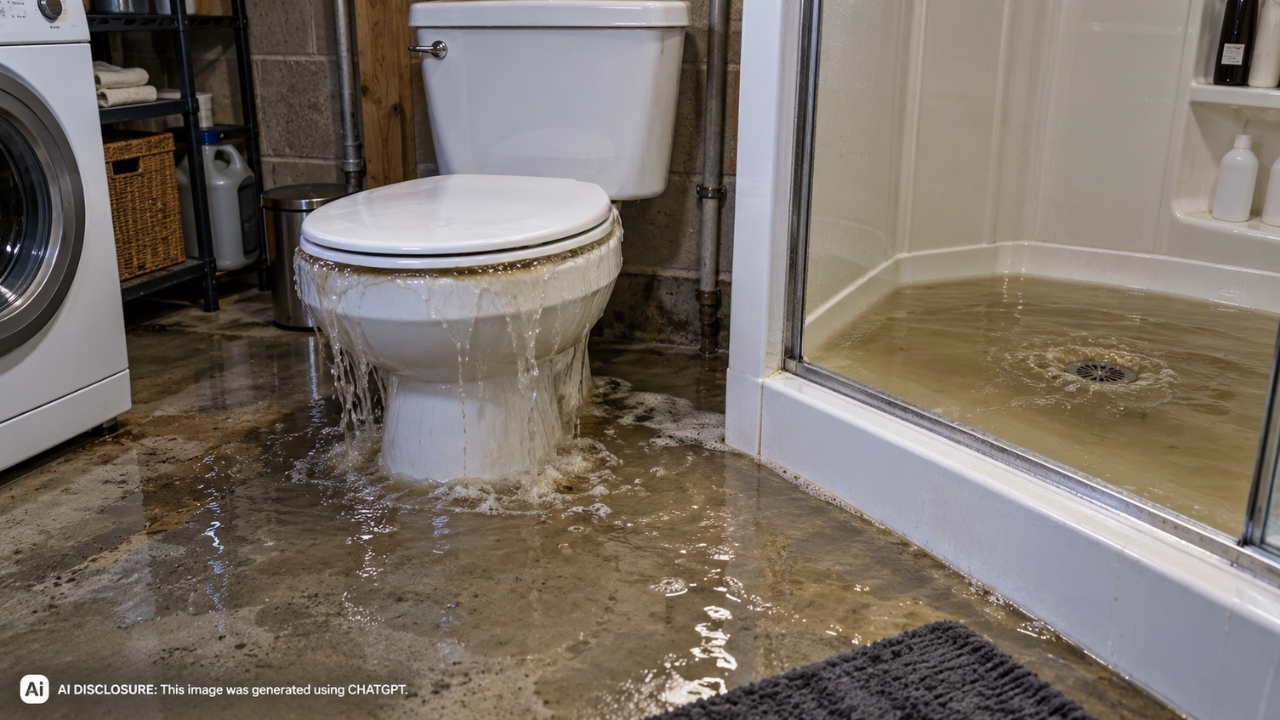
When the first backup happens in a basement toilet or the lowest shower, the main line is losing the fight. You might flush upstairs and hear the downstairs toilet burp, then see water creep up in the shower pan. That’s the system telling you it’s close to pushing sewage back into the house.
Stop running water and shut off the washer if it’s mid-cycle. A snake down a cleanout sometimes helps if the clog is in the house line, but if the tank is full or the outlet is blocked, snaking won’t solve it. This is one of those times paying for a pro now is cheaper than paying for cleanup later.
7. Pump Alarm Or High Water Light
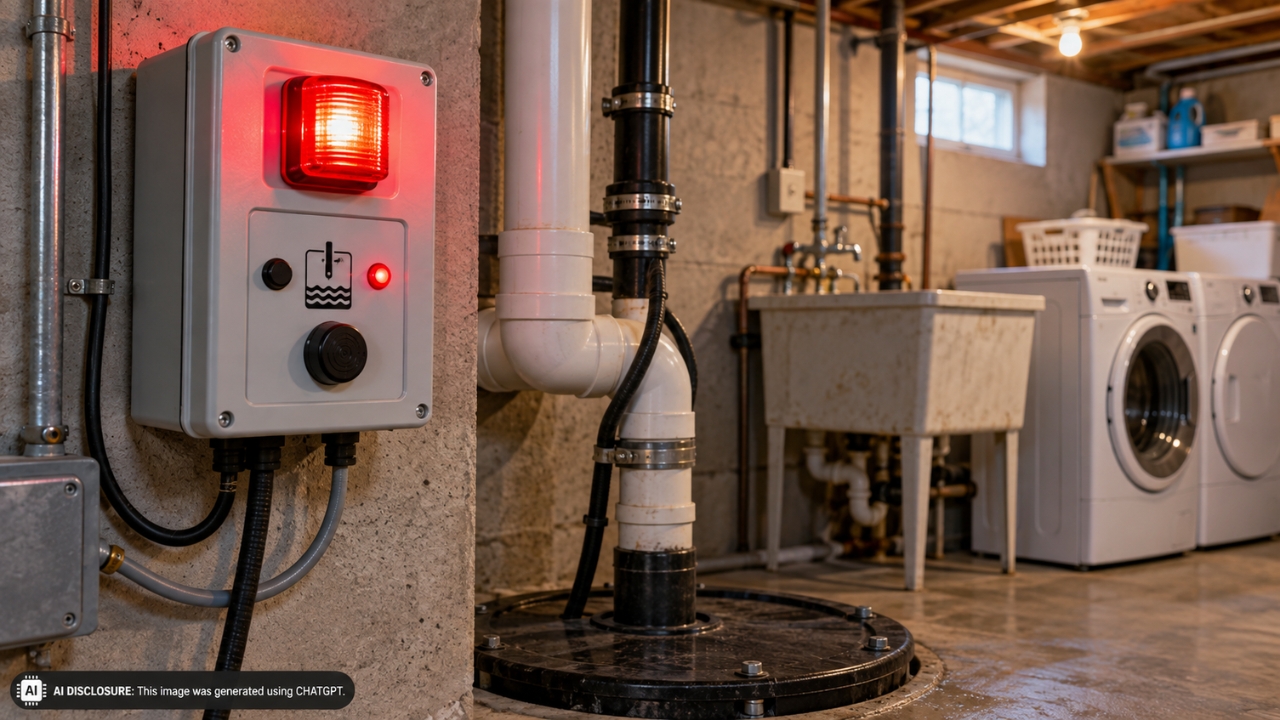
If you have a pump tank, mound system, or any setup with a lift station, that alarm is not a suggestion. It means the water level is too high, either because the pump failed, a float switch stuck, or the discharge line is blocked. Keep running water and you’ll flood the tank and possibly the basement.
Silence the alarm if it has a mute button, then cut water use to the bare minimum. Check the breaker only if you’re comfortable and it’s clearly labeled, otherwise leave the panel alone. A licensed septic electrician or septic service company should handle pump and float repairs, and local codes often require it.
8. Heavy Rain Makes Everything Worse
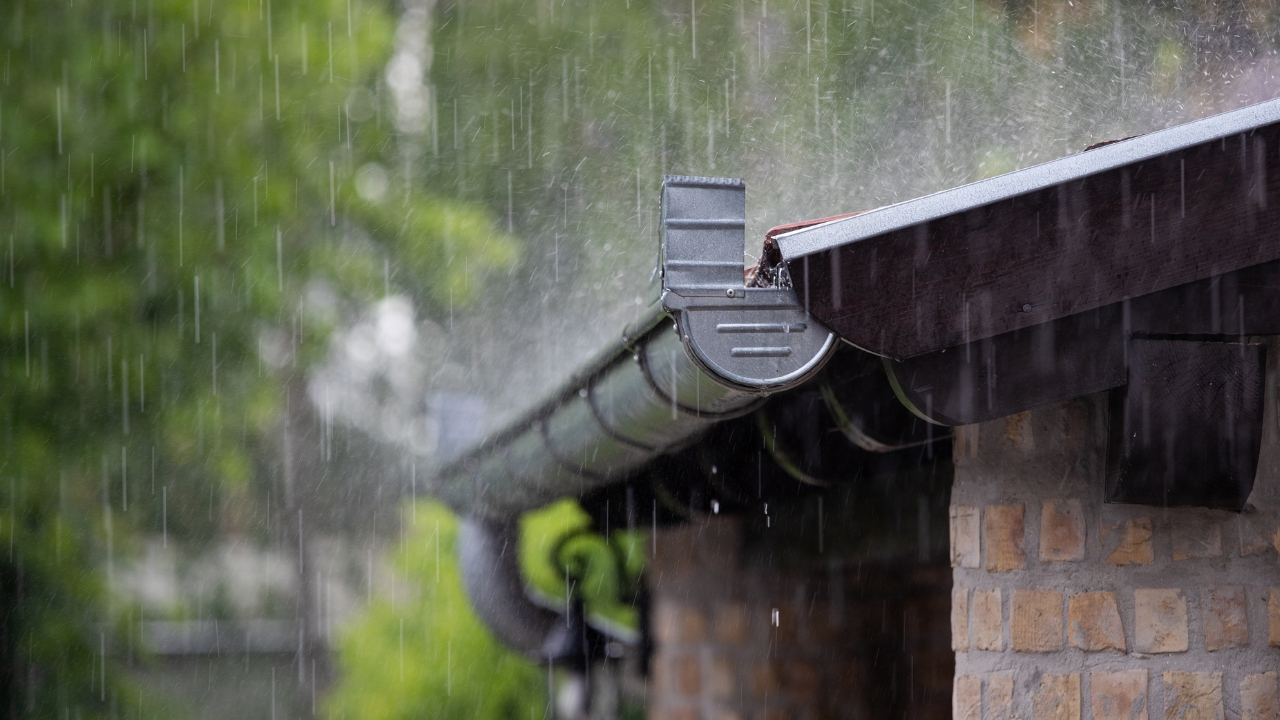
Some systems limp along until the spring thaw or a week of hard rain. Saturated soil can’t take more water, so the field backs up and the tank level rises. That’s why you get slow drains after storms even though things seemed fine in a dry month.
Downspouts, sump pumps, and driveway runoff should never dump anywhere near the tank or drain field. Extend downspouts, fix grading, and route surface water away so the field has a fighting chance. If the system only acts up in wet weather, you’re seeing a capacity problem, not a random clog.
9. Years Of “Flushable” Wipes And Grease

“Flushable” wipes are hard on septic systems, and a lot of them don’t break down like toilet paper. Cooking grease is worse, it floats, hardens, and can plug the outlet baffle or the line to the field. The system can work for years and then suddenly start acting up because the junk finally builds to the tipping point.
Switch to a trash can for wipes, even the ones marketed as septic-safe, and keep grease out of every drain. If you’ve been sending that stuff down for a long time, get the tank inspected at the next pump-out and ask the tech to look closely at the baffles and outlet filter. A clogged effluent filter is a cheap fix if you catch it early, and a nasty one if you don’t.
10. No Pumping Records, No Inspection History

If you can’t say when it was last pumped, you’re guessing with a system that doesn’t forgive guessing. Tanks fill with solids over time, and once solids reach the outlet, they head for the drain field. Field repairs are where costs and disruption jump fast.
Call a septic company and schedule an inspection and pump, then start a simple file with dates and notes. Ask the tech to measure sludge and scum, check baffles, and map the tank and field so you know where they are. That paperwork also helps when you sell, or when you need permits for an addition later.
When you spot a warning sign, the best move is usually to cut water use and get a real diagnosis instead of trying a miracle additive. Septic additives are rarely worth the money, and they won’t fix broken parts or a saturated field. A good service tech with a probe, a camera, and a pump truck can save you a lot of digging.
Like Fix It Homestead’s content? Be sure to follow us.