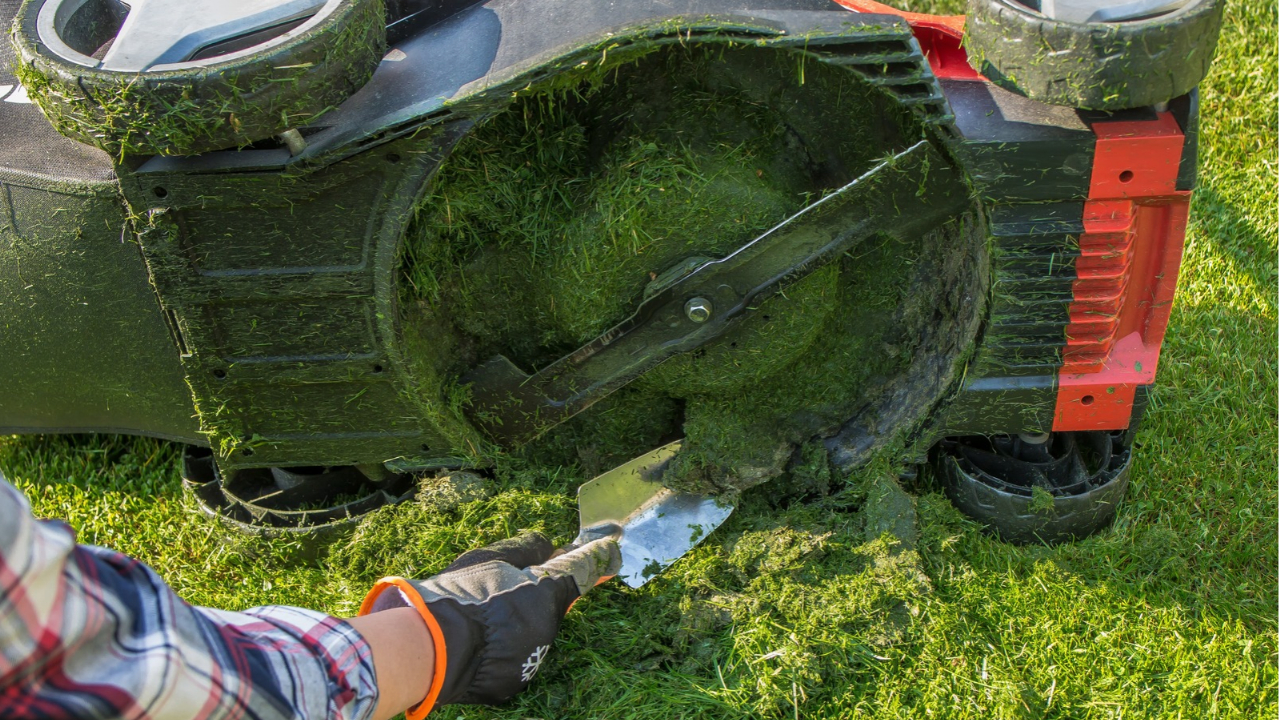
10 Things You Should Never Do to a Mower Deck
Photo credit: AndrWater/Shutterstock.com
A mower deck lives a hard life, inches from dirt, sand, sticks, and the occasional forgotten dog toy. Most deck problems start small, a new rattle, a strip of uncut grass, a belt smell. Ignore the early signs and you pay later in bearings, spindles, belts, and a cut that looks like a bad haircut.
1. Blasting Spindles With A Pressure Washer
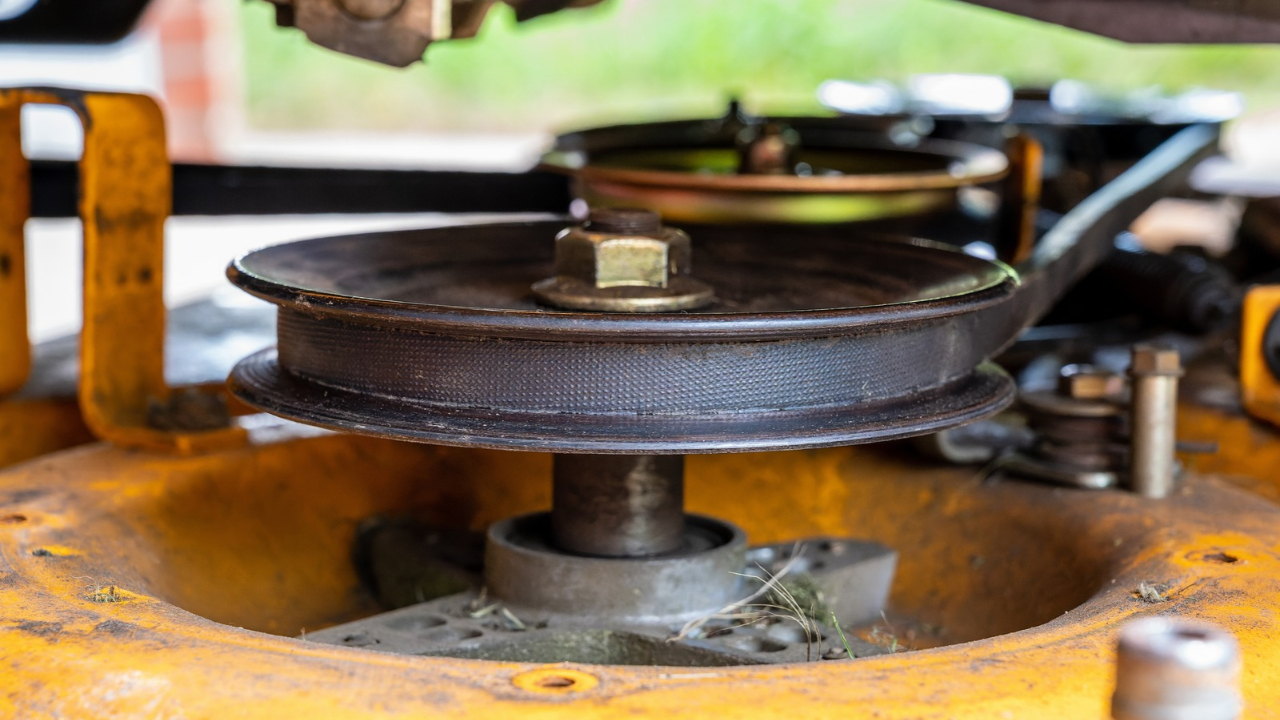
A pressure washer feels like the fastest way to clean, until you blow water past seals and into spindle bearings. A deck can sound fine for a week, then start a dry squeal or rumble that gets louder every mow. Once the bearings are noisy, the spindle is already on the way out.
Scrape the heavy stuff with a plastic putty knife, then rinse with a garden hose and a gentler spray. If you want it really clean, use a mild soap and a brush, then let it dry before parking it. If your deck has grease fittings, grease after cleaning, not before.
2. Mowing With The Deck Set Too Low
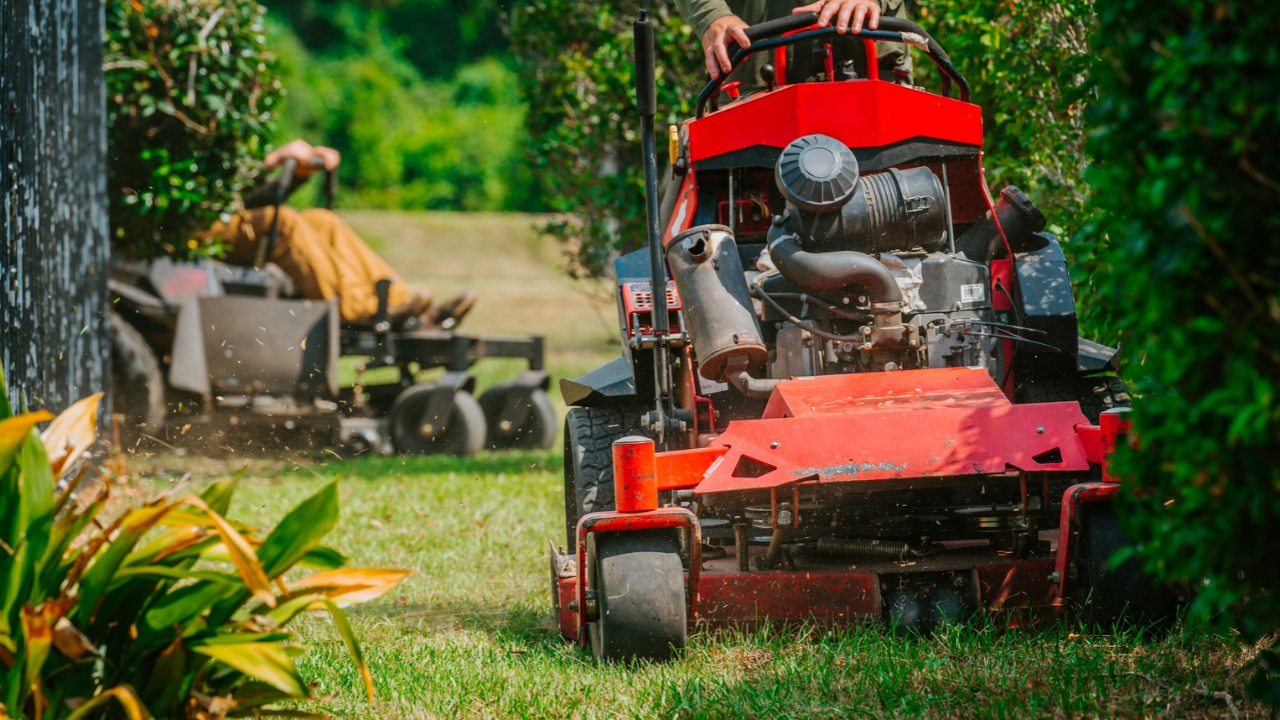
Scalping looks like you saved time, but it beats up the deck and everything under it. You hit roots, ant hills, gravel, and the hidden high spots that bend blades and knock belts out of line. The cut turns dusty, the engine works harder, and you start seeing brown tips from stress.
Raise the deck and take less per pass, especially in spring when growth is fast. If the yard is rough, go one notch higher than you think you need and sharpen the blades instead. You get a cleaner cut and far fewer “what was that bang?” moments.
3. Running Dull Blades For Too Long

Dull blades don’t just leave ragged grass, they shake the deck. That extra vibration loosens hardware, wears spindle bearings, and can make the belt slap the guards. You’ll notice more clippings clumping and a wet, torn look that invites fungus.
Pull the blades a couple times a season and touch them up, more if you mow sandy soil or hit sticks. A bench grinder works, a file works, and a cheap cone balancer helps keep things smooth. If you don’t want to mess with sharpening, a spare set of blades lets you swap fast and sharpen later.
4. Ignoring Bent Blades And Hidden Damage
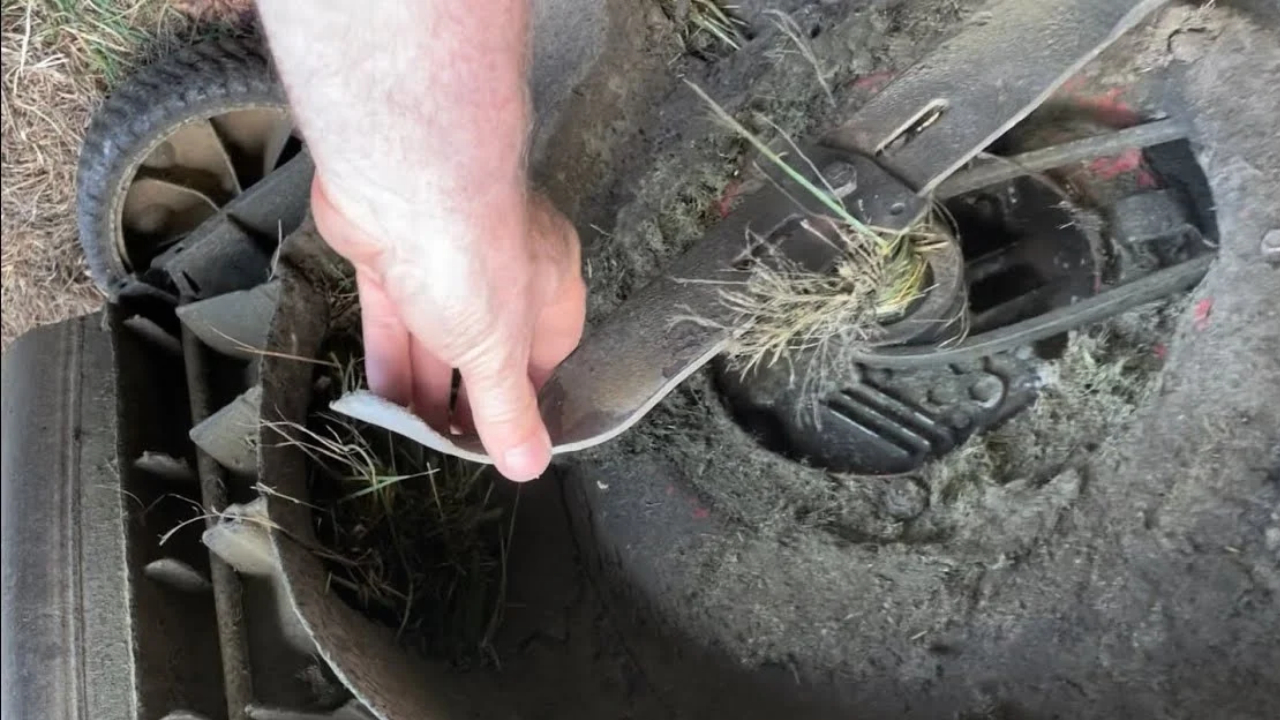
After you clip a rock or a stump, it’s tempting to keep mowing if the machine still runs. A slightly bent blade can look normal until you spin it by hand and see a wobble. That wobble hammers the spindle shaft and can crack the deck around the spindle mount.
Any time you hit something hard, shut down, pull the key, and check under the deck. Look for shiny fresh scrape marks, a blade tip that sits lower than the other, or a new vibration you feel in the seat. Replace bent blades, don’t try to “bend them back.”
5. Greasing Everything Like More Is Better
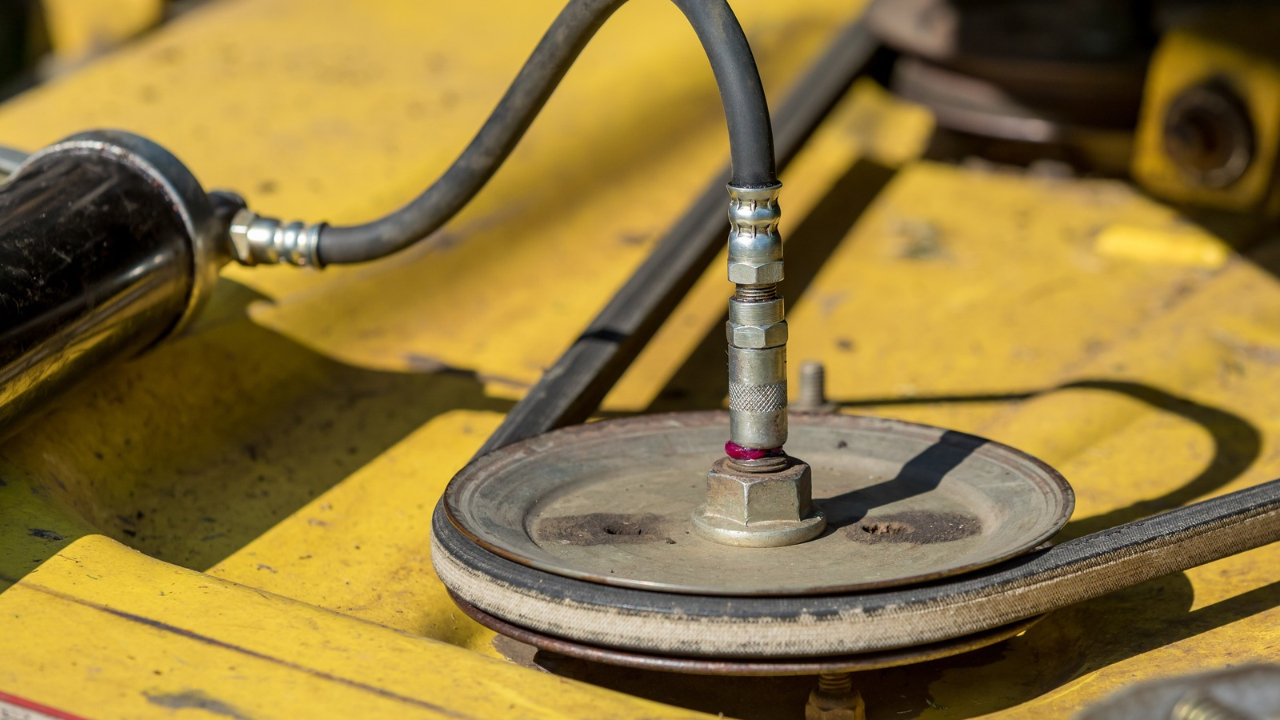
Over-greasing is a real thing. Pumping until grease oozes out can blow seals, especially on spindles, and then dirt sticks to the mess and works its way in. On some decks, the fittings are for certain idlers or pivot points, not every bearing you can find.
Use the right grease, wipe the fitting clean first, and stop when you feel resistance or see a small fresh ring at the seal. An honest exception, some older, serviceable spindles like a couple extra pumps now and then because they actually purge contaminants. If you don’t know what you have, check the manual and follow it instead of guessing.
6. Letting Wet Grass Rot Underneath
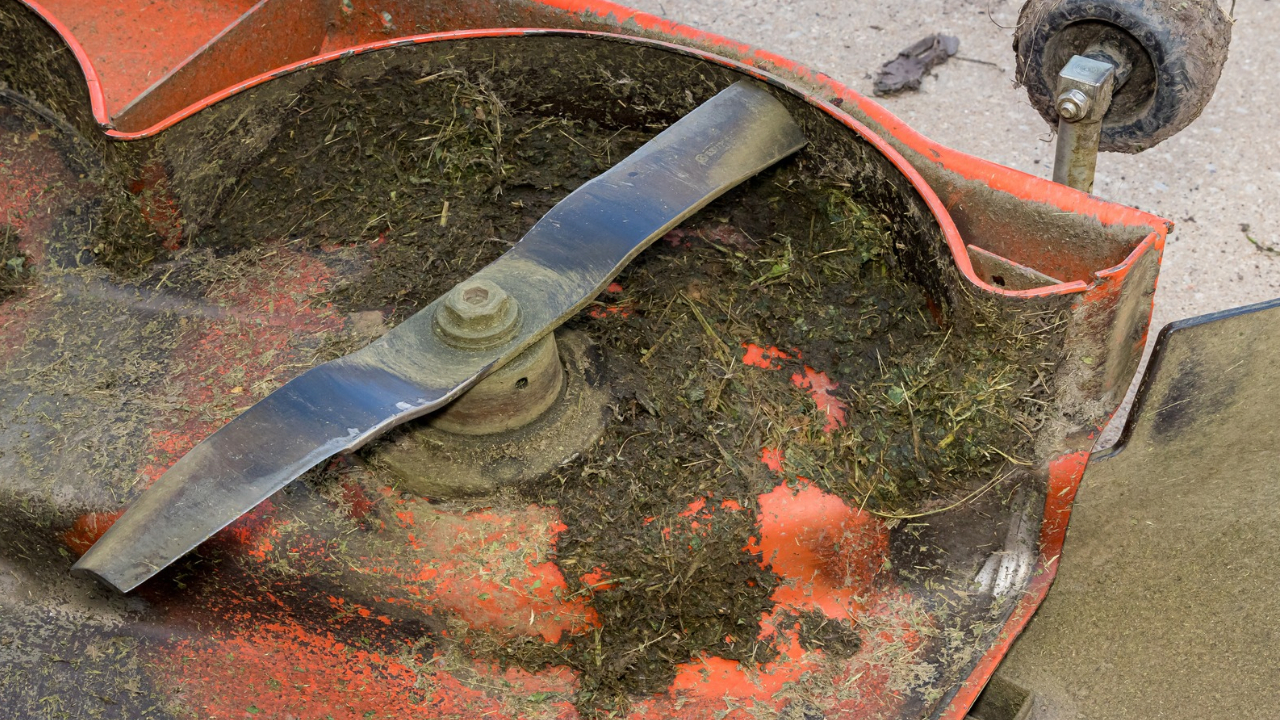
Park the mower after a wet mow and the underside turns into a compost pile. That mat holds moisture against the steel, eats paint, and invites rust flakes that start plugging the discharge. You’ll smell it first, then you’ll see streaks of uncut grass because airflow is choked.
Knock buildup off while it’s still soft, not after it turns into concrete. A plastic scraper and a quick rinse does the job. If you mow wet grass often, clean more often and keep the blades sharp so the deck can move clippings instead of packing them.
7. Skipping Leveling After Tire Or Deck Changes

The deck doesn’t stay level forever. New tires, low tire pressure, worn hangers, or a belt job can leave the deck tilted, and then you chase the problem by changing blades or mowing patterns. One side scalps, the other side leaves a strip, and you start thinking the deck is warped.
Check tire pressure first, then level side to side on a flat surface and set the front pitch to what your manual calls for. A tape measure and two wrenches usually handle it in 20 minutes. If your deck has a bent hanger bracket, fix that before you keep adjusting the links.
8. Tightening Hardware With The Wrong Tool
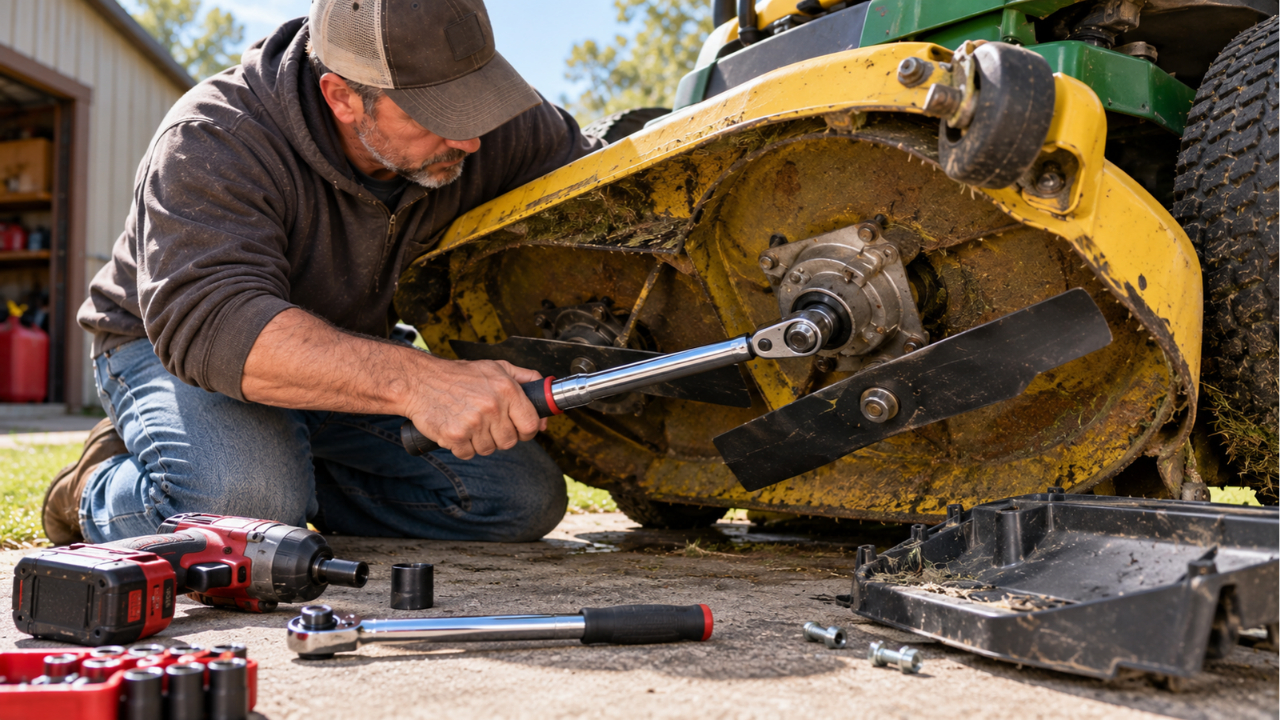
Impact guns are great, until they strip threads in thin deck metal or stretch a bolt you needed to stay true. Over-tightened spindle bolts can distort housings, and smashed threads make the next repair a drill-and-tap day. You’ll also crack plastic belt guards when you reef on them like lug nuts.
Use a ratchet and torque wrench where it matters, especially on blade bolts and spindle mounting bolts. If a bolt keeps loosening, clean the threads and use the threadlocker your manual recommends, not brute force. Rounded bolt heads belong in the trash, not back on the deck.
9. Storing The Mower With The Deck Caked
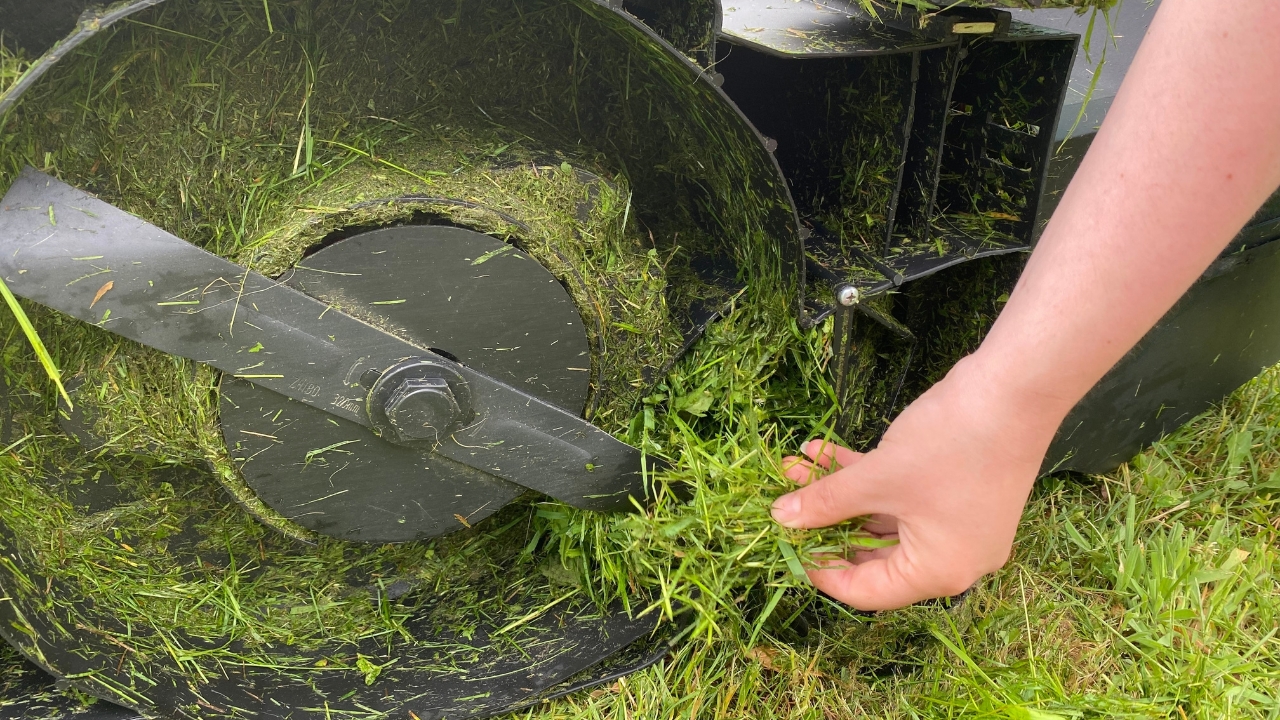
End of season storage is when rust starts winning. Leave dirt and wet clippings stuck to the deck all winter and you’ll find flaking paint, pitted metal, and frozen adjustment parts in spring. It also attracts mice, and they love chewing belt covers and nesting in corners.
Clean the deck, let it dry, and touch up bare spots with paint if you have them. Store it somewhere dry, even if it’s just under a roof with decent airflow. If rodents are an issue, set traps in the shed, don’t pack the deck with poison where pets can reach it.
10. Welding Or Hammering A Cracked Deck Blindly
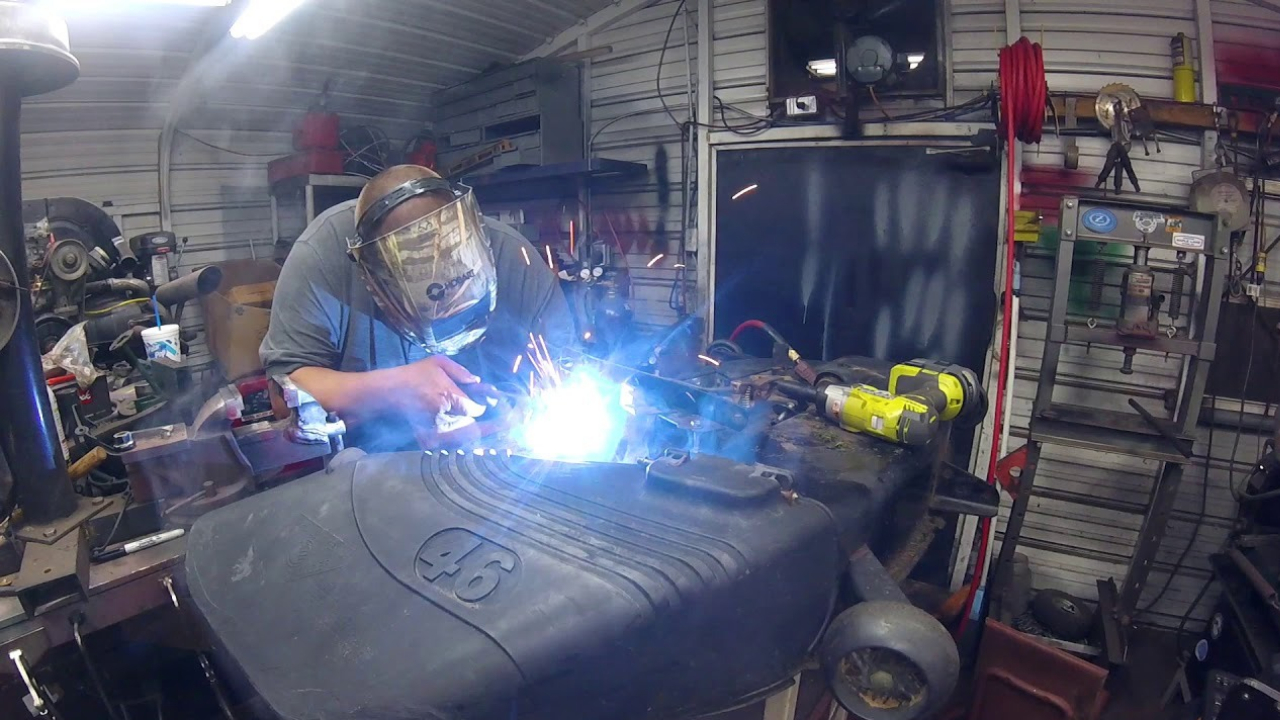
A crack around a spindle mount or a hanger point looks like a quick weld, but the cause matters. If the spindle is loose, the bearings are shot, or the deck is misaligned, a fresh weld just cracks again. Hammering a dent flat can also throw off pulley alignment and eat belts.
Find the root problem first, then decide if repair makes sense. Small cracks can be welded by someone who knows thin steel, and sometimes a reinforcement plate is smarter than a pretty bead. If the deck is rotted through in multiple spots, you’re often better off putting money into a replacement deck or a different mower.
Take care of the deck and the whole machine feels newer, quieter, and less fussy. Most fixes are cheap if you catch them early, and miserable once a spindle seizes or a belt shreds in tall grass. A few minutes of cleaning and checking saves a lot of Saturday afternoons.
Like Fix It Homestead’s content? Be sure to follow us.