Best Portable Generators for Running a Fridge and Freezer
Photo credit: AS photo family/Shutterstock.com
The power goes out and the quiet turns into a slow panic, because cold food is on a timer. A fridge and freezer don’t need a huge setup, but they do need the right kind of generator and the right habits. Buy the wrong unit and you’ll fight tripped breakers, spoiled meat, and fumes you can’t ignore.
1. Starting With The Wrong Wattage Math
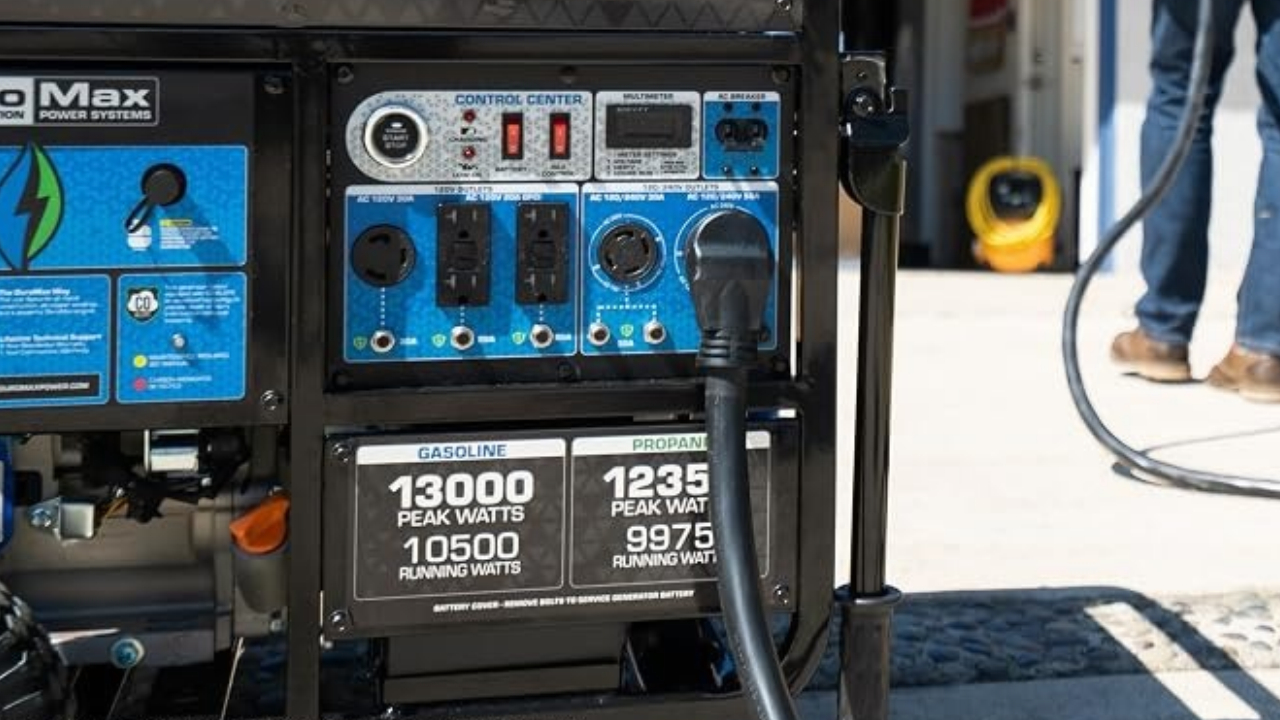
People shop by “running watts” and forget the hard part, the start-up surge when the compressor kicks on. That’s when a small generator bogs down, the lights flicker, and the fridge makes a sad half-start click, then stops. Do that for an hour and you’re not powering food storage, you’re just beating up a motor.
Look at the nameplate inside the fridge and freezer and write down amps and volts, then plan for a higher surge than the simple amps times volts math suggests. If you don’t want to get deep into it, pick a generator with enough headroom so both appliances can start without you babysitting the throttle. When in doubt, size up rather than trying to “make it work” with a bargain unit.
2. Choosing A Non Inverter Generator
Basic open-frame generators run, but they often have rougher voltage and frequency swings, especially under changing loads. A fridge compressor doesn’t love that, and neither do the control boards in newer appliances. The giveaway is a harsh, uneven engine note whenever the compressor cycles.
An inverter generator costs more per watt, but it makes cleaner power and usually sips fuel when the load is light. For a fridge and freezer, that fuel savings matters on day two and day three. If you’re trying to run a whole house, open-frame units can make sense, but for cold storage and a few small loads, inverter is usually the better fit.
3. Betting On A Two Stroke Bargain
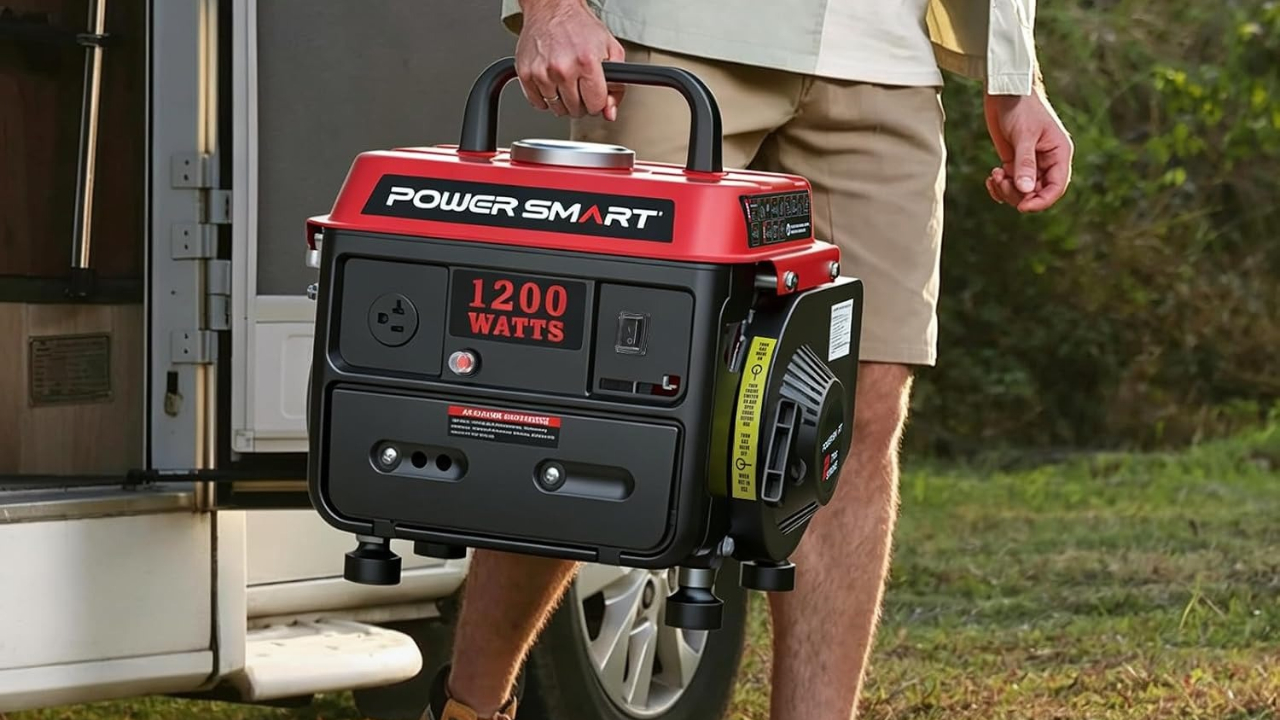
The cheapest portable units are often small two-strokes. They’ll run a light or a fan, then struggle or stall when a compressor starts, and they scream the whole time. You also get the joy of mixing gas and oil while your freezer warms up.
For this job, a four-stroke is the practical pick, quieter, steadier, and easier to fuel from regular cans. Exception: if you only need to keep a small chest freezer cold for a few hours during short outages, a small two-stroke can be fine, as long as it actually starts every time and you keep fresh mix on hand.
4. Buying Too Big To Lift
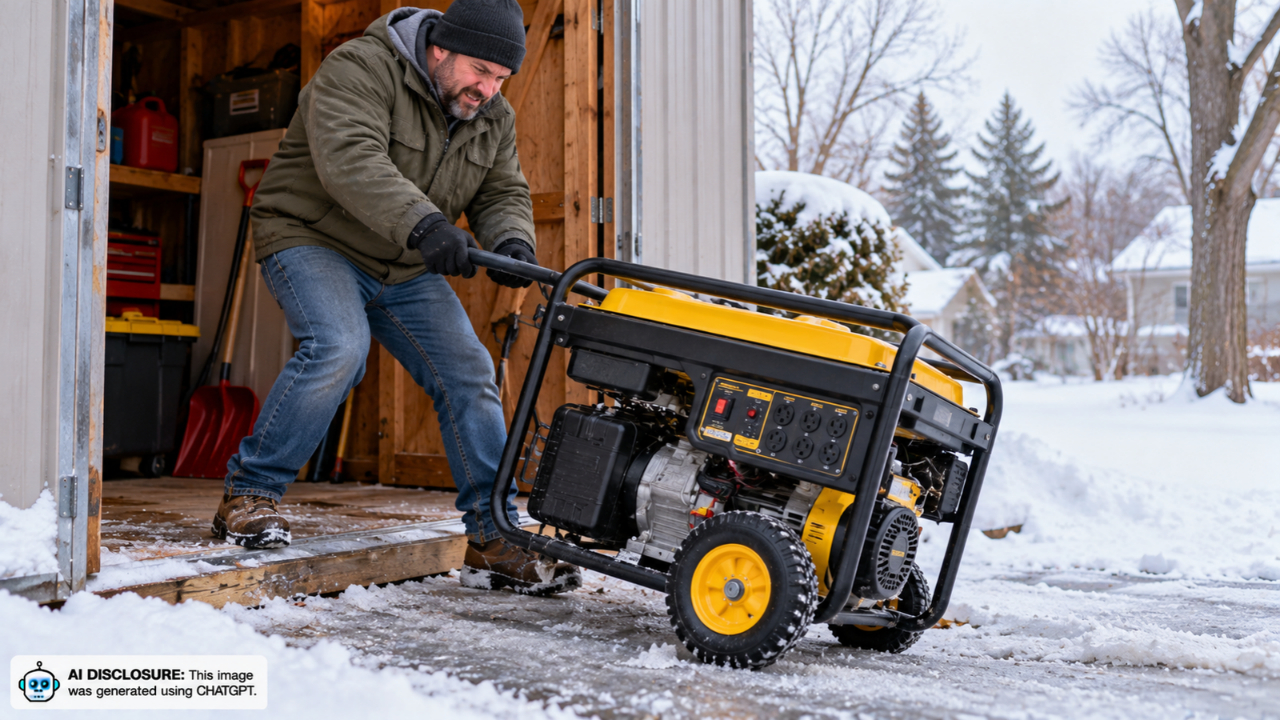
A monster generator looks good on paper until you have to drag it through slush at 11 p.m. A heavy open-frame unit can be a two-person move, and plenty of folks end up leaving it in the shed because it’s a pain. Then the fridge loses anyway.
Pick something you can move alone over a threshold and into position without throwing out your back. Wheels and a real handle matter more than marketing numbers. If you truly need a big unit for other loads, consider a separate smaller inverter for the fridge and freezer, since that’s the job you’ll actually do during most outages.
5. Ignoring Fuel Storage And Run Time
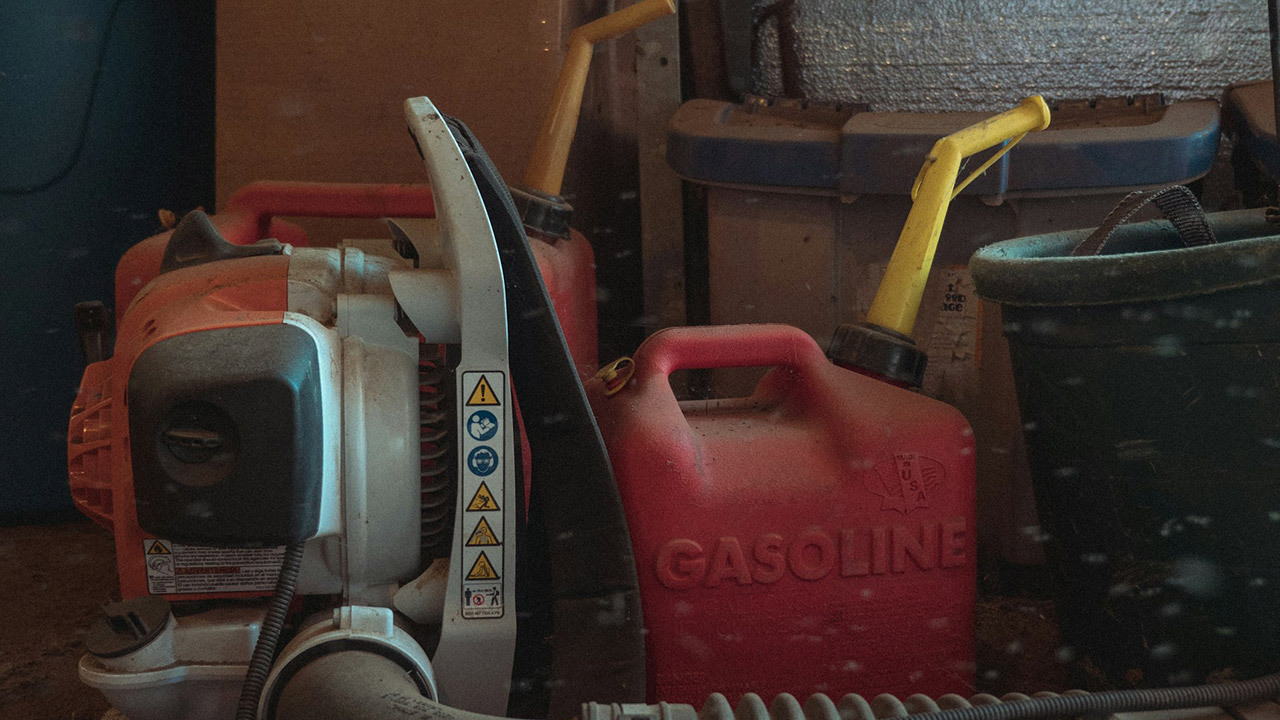
The first night is easy. The second day is when you find out your generator gulps fuel, and your “extra gas” is two old cans with summer gas that smells like varnish. Running out means warm food and a restart cycle that burns even more fuel.
Plan run time like you plan firewood. A generator that can run overnight at a light load, or at least long enough that you’re not refilling every few hours, keeps your fridge cold without constant trips outside. Store fuel in approved cans, rotate it, and keep the can spouts and funnels where you can find them in the dark.
6. Skipping A Heavy Gauge Extension Cord
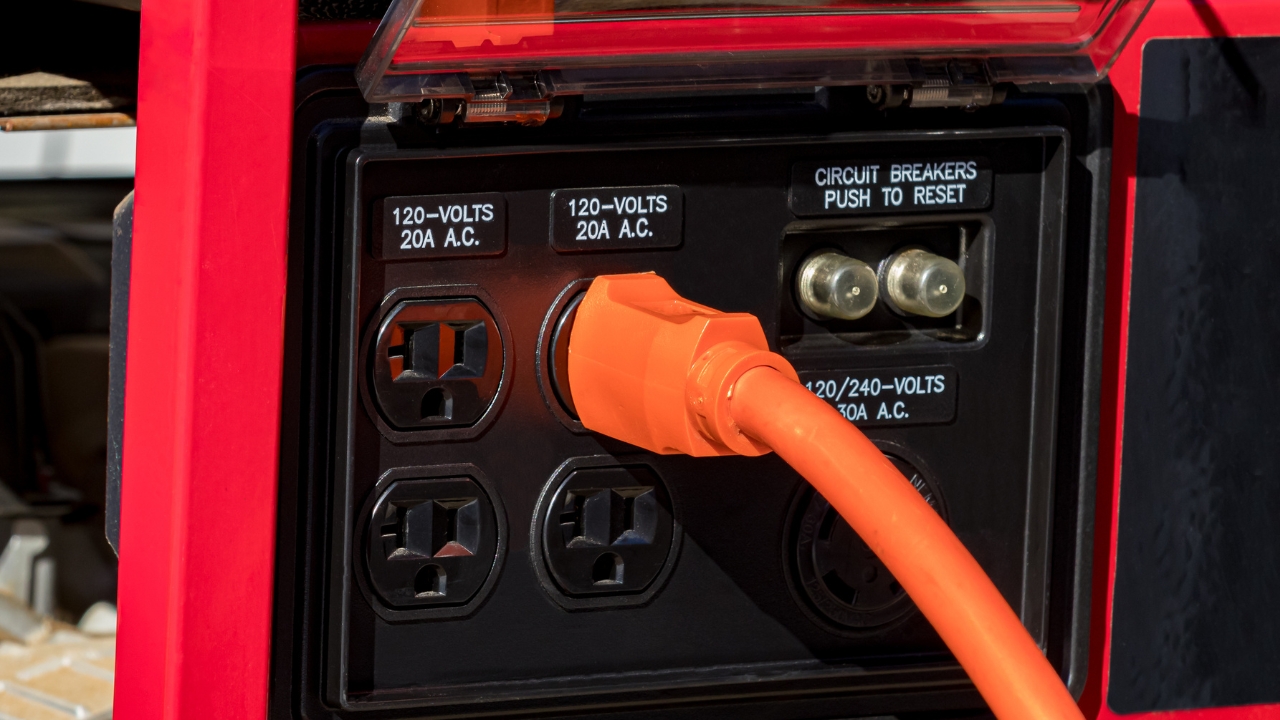
Undersized cords turn into heaters. Voltage drops, the compressor works harder, and you hear the fridge struggle at start-up. Touch the cord after an hour and it’s warm, sometimes hot, and that’s money and safety going the wrong direction.
Buy one or two short, heavy cords, think 12-gauge as a starting point and go heavier if the run is long. Keep them dedicated to generator use so they don’t get chopped up by mower blades or painted into a corner. If you need to run through a doorway, protect the cord from being pinched.
7. Backfeeding Through A Dryer Outlet
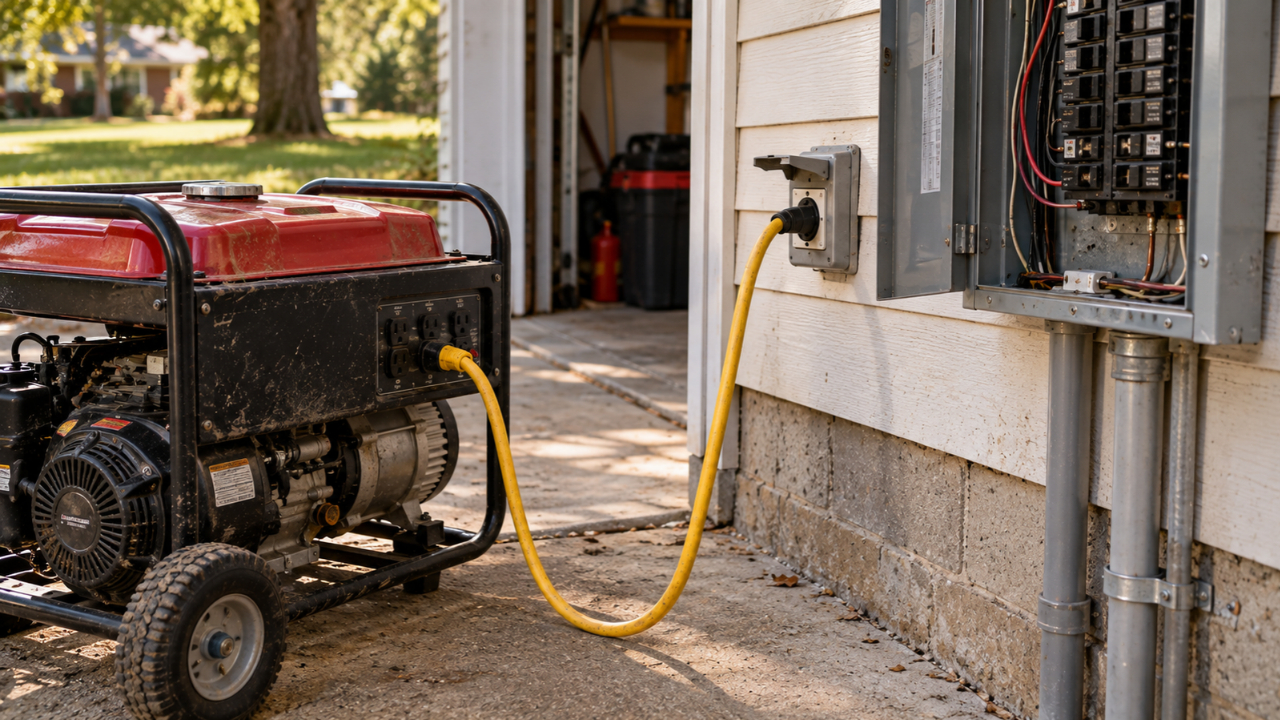
If you’ve heard anyone say “just make a cord and plug it into the dryer,” walk away from that advice. Backfeeding can energize lines you don’t control, it can hurt a lineman, and it can fry gear in your own house. It’s also illegal in many places for good reason.
If you want to feed circuits instead of running extension cords, hire a licensed electrician for an interlock or a transfer switch, permits and local code included. That’s the clean setup that lets you pick a fridge circuit and a freezer circuit without doing anything sketchy. Until then, stick with extension cords straight from the generator to the appliances.
8. Parking The Generator In The Garage
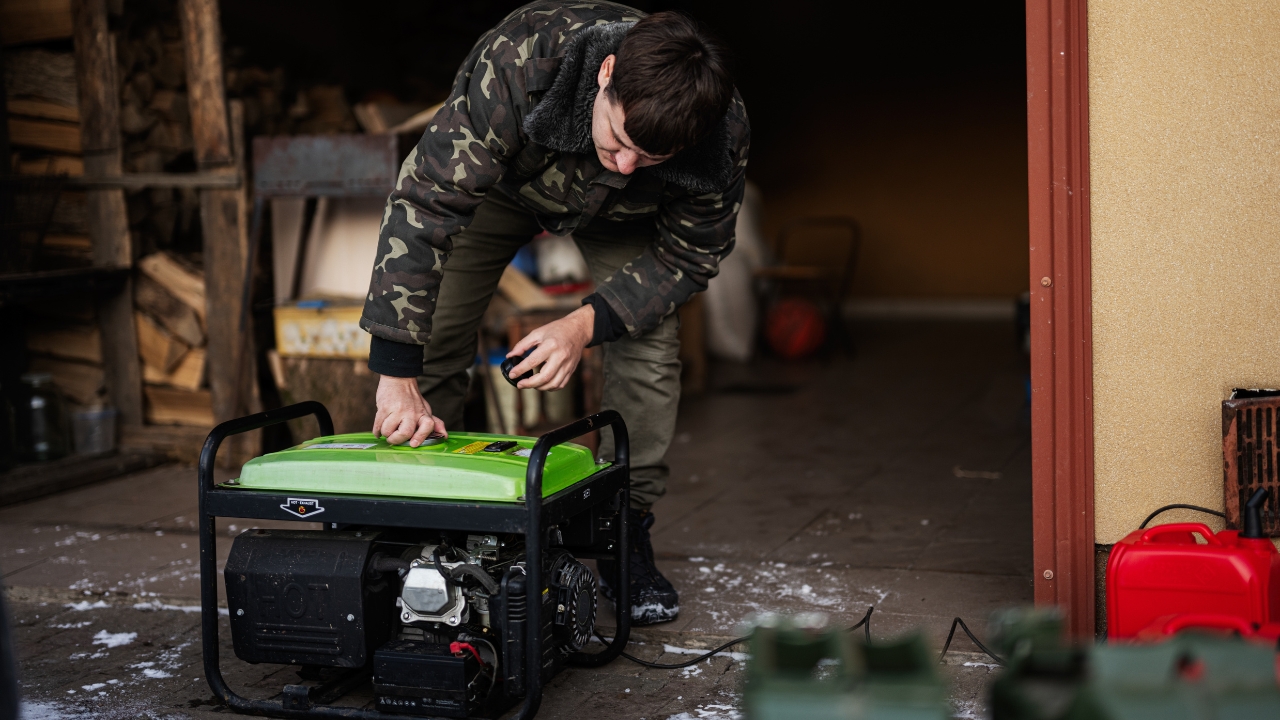
Cold weather and rain push people to run the generator “just inside” with the door cracked. That’s how carbon monoxide gets in, and you won’t smell it. The first symptom is often a headache, then confusion, and it can go bad fast.
Run it outside, far from doors, windows, and soffit vents, with the exhaust pointed away from the house. If you need weather protection, use a purpose-built generator tent or a canopy that still leaves lots of open air, never an enclosed space. Put battery CO alarms in the house if you don’t already have them.
9. Forgetting Cold Weather Start Habits
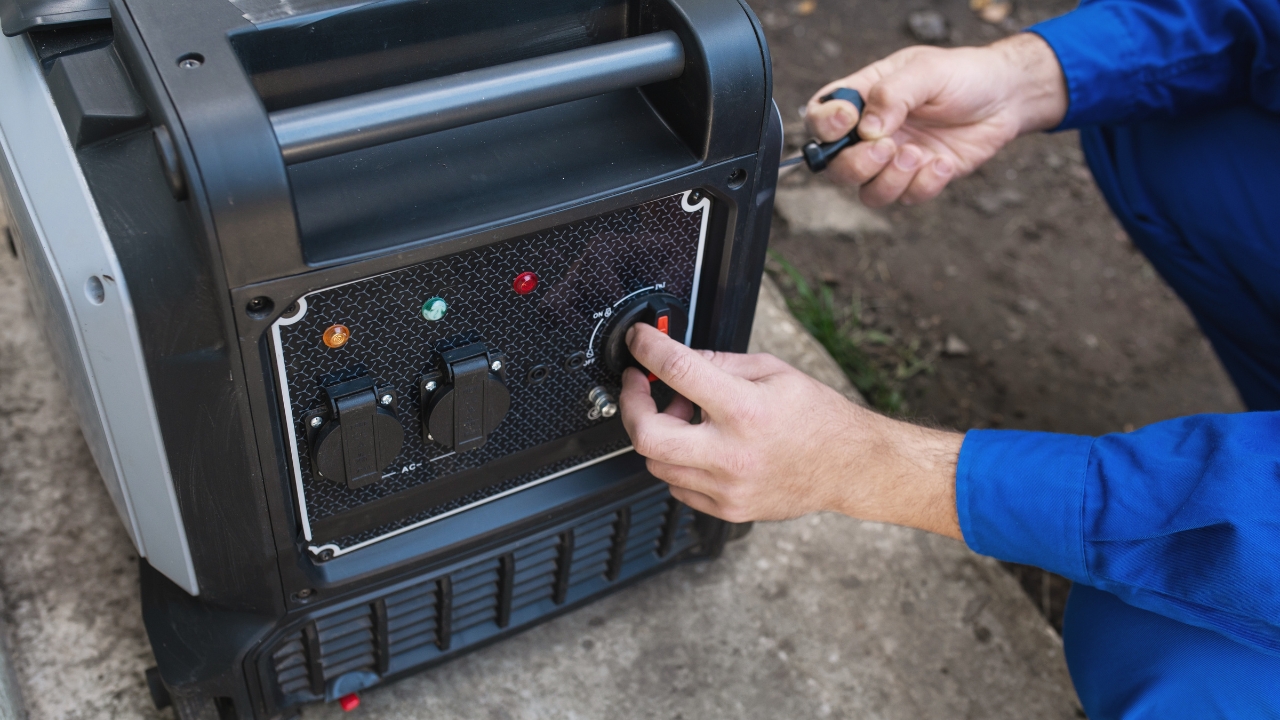
Outages love ice storms. Then the generator sits there pulling and pulling, or it starts and dies, because old gas thickened up and the oil is like syrup. Nothing makes you feel more stuck than a freezer full of food and an engine that won’t light.
Before winter, do a quick test run under load and fix problems while the weather’s decent. Use the oil weight the manual calls for in cold temps, and don’t store the unit with fuel sitting in the carburetor for months. If your generator has electric start, keep the battery on a maintainer so it’s not dead when you need it.
10. Not Managing The Load Once Running
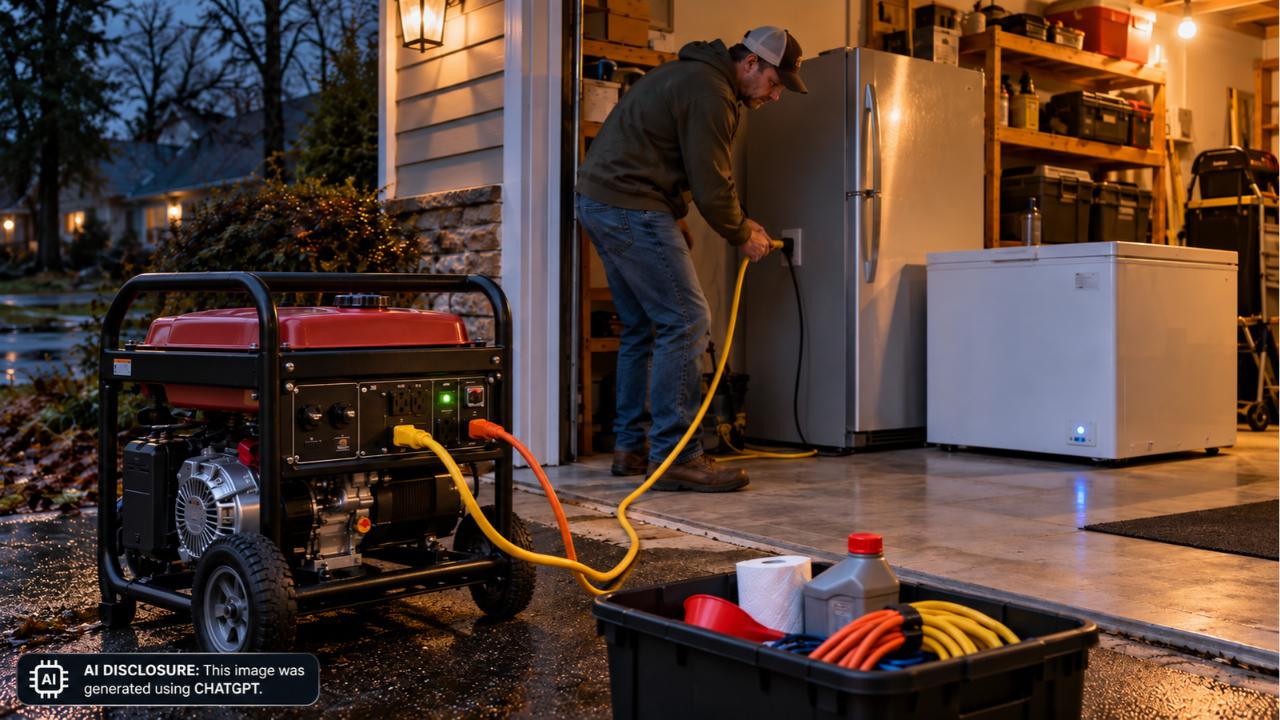
A fridge and freezer cycle on and off, and sometimes they both try to start at once. That’s when a generator that “should be enough” suddenly overloads and trips. You notice it as a quick bog, then silence, then the fridge lights go out.
Stagger starts by plugging in one appliance, letting it run a few minutes, then adding the other. Don’t pile on extra stuff like space heaters, microwaves, or a well pump unless the generator is sized for it. If you want to run more than cold storage and a few small loads, it’s time to think about a larger unit or a proper home standby setup.
Once you’ve got the right generator, do one boring thing that pays off every time: label your cords, tape a simple start-up checklist to the handle, and keep a funnel and fresh oil in the same tote. The next outage will still be a hassle, but it won’t turn into a scramble.
Like Fix It Homestead’s content? Be sure to follow us.