

10 Mower Problems That Start With Bad Storage
Photo credit: Nicoleta Ionescu/Shutterstock.com
A mower that ran fine in October can act like it’s never seen grass before once spring hits. Most of that “mystery trouble” starts with where and how it sat all winter, or even how it sits between weekly cuts. Fix storage, and a lot of repairs never show up.
1. Old Fuel Turning To Varnish
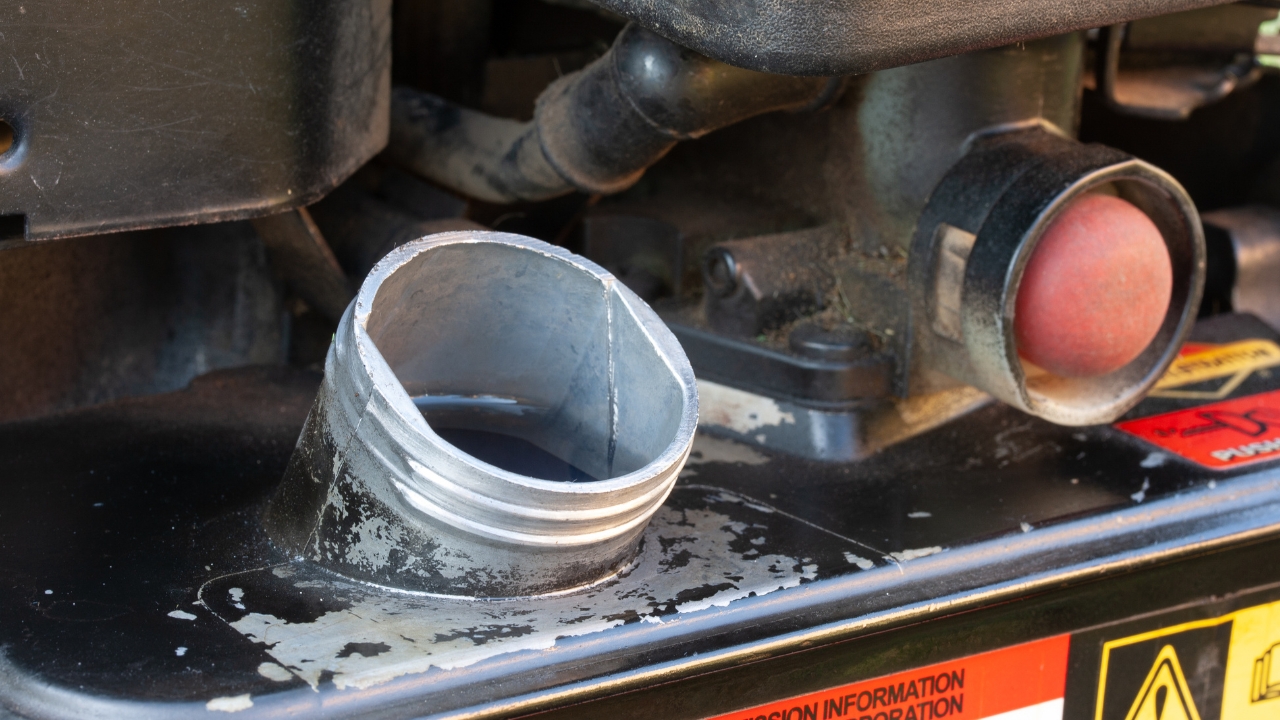
Leave gas sitting in the tank and carburetor, and it starts smelling sharp and sour. Next season the engine cranks, coughs, then dies, or it only runs with the choke half on. That gummed-up fuel can clog tiny carb passages that don’t forgive neglect.
Before storage, run the mower dry or shut the fuel valve and let it die from lack of fuel if your model has a valve. If it’s already acting up, drain the tank into an approved gas can, then clean the carb bowl and jet, a simple socket set and carb cleaner usually does it. Fresh fuel is cheaper than a carb replacement.
2. Ethanol Water In The Tank
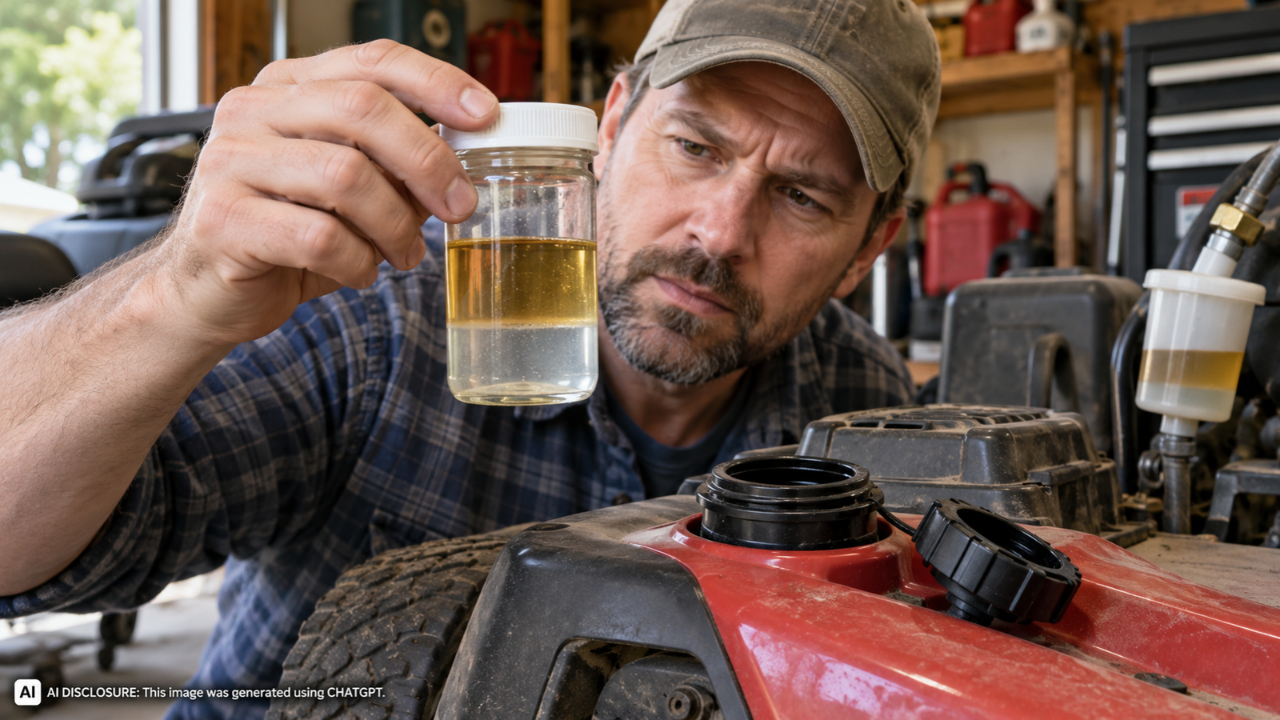
Ethanol-blended fuel pulls water out of humid air, especially in a half-empty tank sitting in a shed. That water settles low, right where the pickup is, and you get hard starts, surging, and sometimes rust in a metal tank. You’ll hear it hunt up and down instead of holding a steady note.
Store it with the tank full (less air space, less moisture) or completely empty, not half and half. If you have access to ethanol-free gas, it’s often worth it for the last fill of the season. The cheap exception: if you mow every few days and burn a tank within a couple weeks, regular E10 is usually fine, just don’t park it for months with that same fuel.
3. Battery Sulfation From Sitting Dead
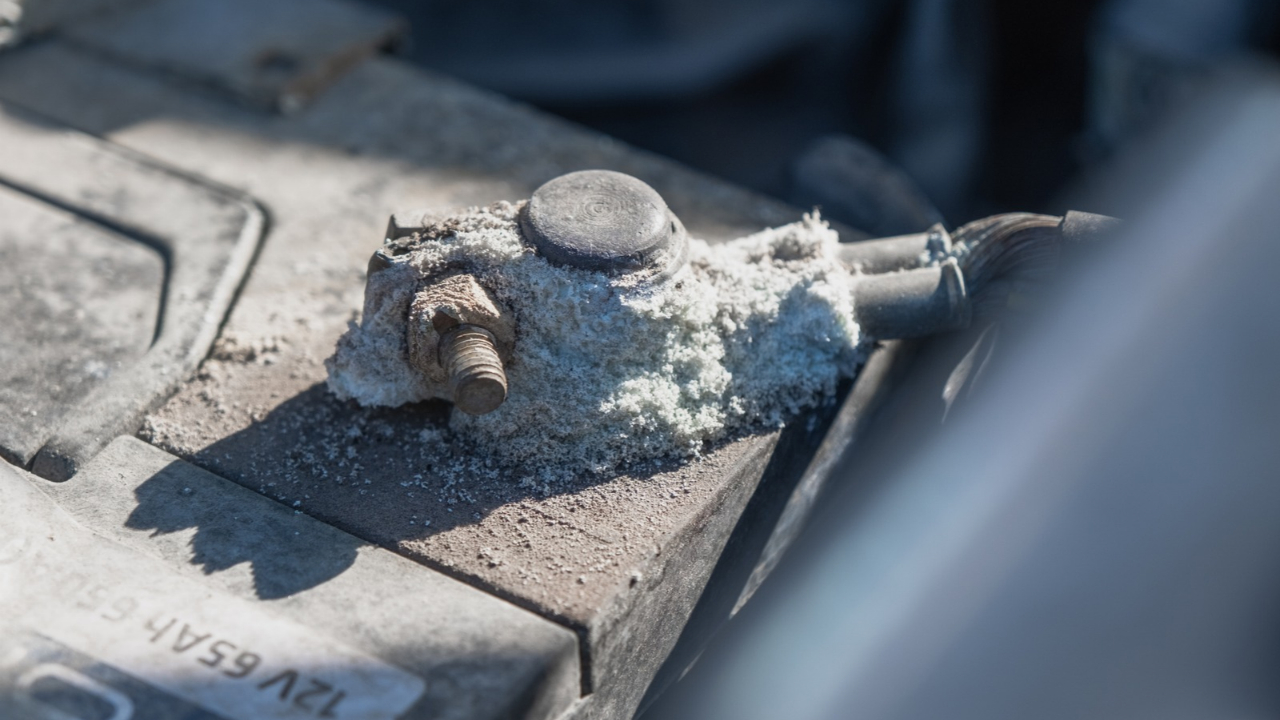
Electric-start mowers and riders don’t like to sit with a low battery. Come spring you get a click, maybe a slow groan, then nothing. A battery that’s been dead for a long stretch often won’t come back strong, even after a long charge.
Pull the battery and keep it where it won’t freeze, then put it on a smart maintainer. If it stayed on the machine, clean the terminals and check the ground connection before you buy anything. A $10 wire brush and a dab of terminal protectant can save you a lot of frustration.
4. Rusted Deck From Wet Grass Storage
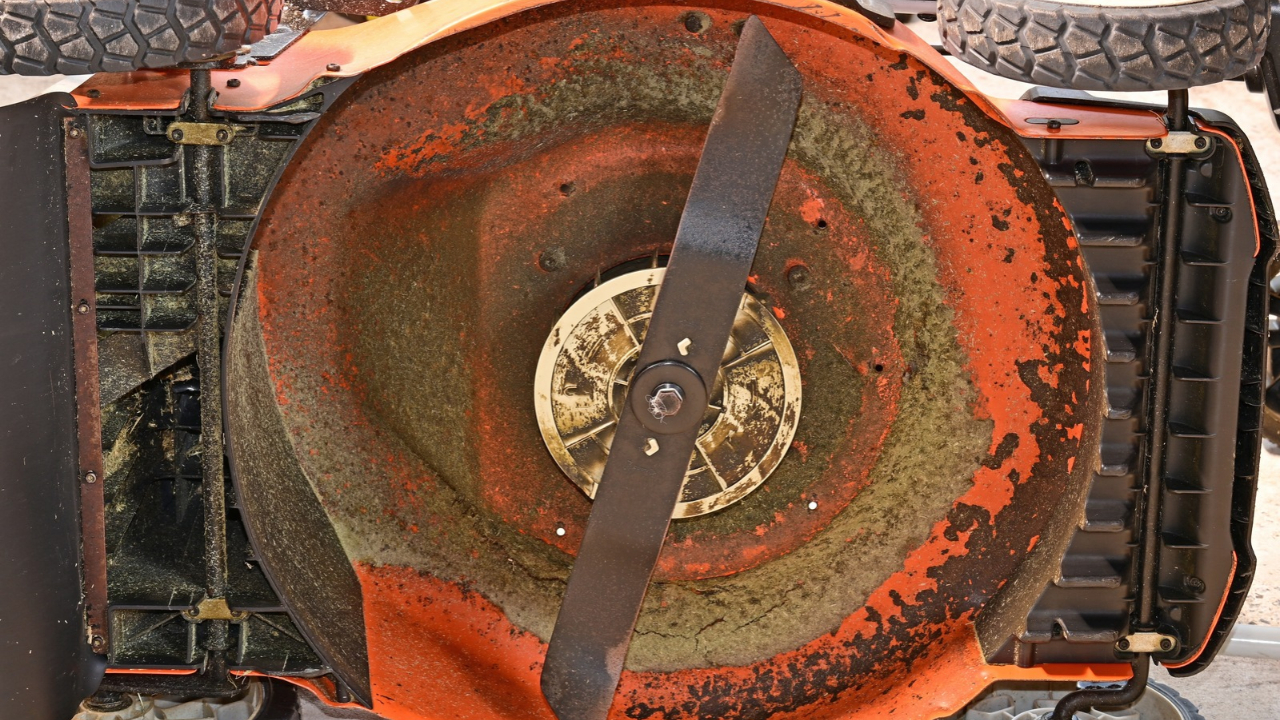
Parking the mower with a deck packed full of wet clippings is a fast way to rot it out. You’ll see flaky rust along the edges and hear the blade area start sounding dull, like it’s cutting in a cardboard box. Once the deck gets thin, it cracks around welds and bolt holes.
After mowing, knock the clumps out while they’re still soft. A plastic scraper, a stiff brush, and a quick blow-out with a leaf blower does more than a hose in most cases. If you do rinse, let it run a few minutes after to dry the underside, and store it in a spot where the deck can actually dry out.
5. Mice Chewing Wires And Filters

Rodents love a quiet mower under a tarp, especially once cold weather pushes them indoors. They shred air filters for nesting, pack grass into cooling fins, and chew ignition wires until you get a no-spark situation. Sometimes the first clue is a weird burnt-hair smell when the engine warms up.
Don’t store feed, birdseed, or pet food near the mower, and don’t make a cozy tunnel with a cover that touches the ground. Pop the hood or shroud (if it’s easy on your model) and look for nests before the first start of the year. If wiring is damaged, repair it properly with the right gauge wire and heat-shrink connections, or pay a small-engine shop if electrical work isn’t your lane.
6. Corroded Connections From Damp Floors
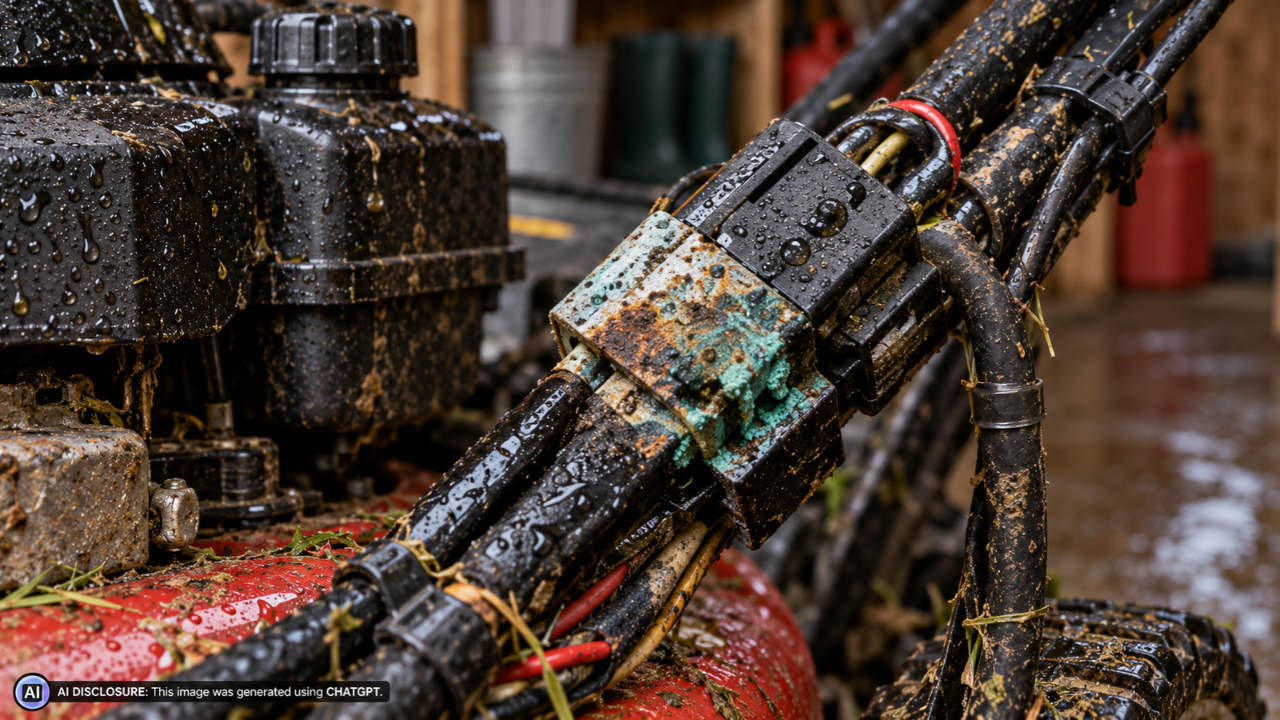
A dirt-floor shed or a low concrete slab that sweats in spring can keep a mower damp for weeks. That moisture creeps into switch connectors, safety interlocks, and plug boots. You get random stalling when you hit a bump, or it refuses to crank unless you jiggle the handle just right.
Store the mower on a pallet, rubber mat, or even a couple pressure-treated 2×4 runners to keep it up off the wet. Unplug and replug accessible connectors to wipe oxidation, then hit them with dielectric grease. If the kill switch or seat switch is flaky, replace the part, don’t bypass safety devices.
7. Sun-Baked Tires Developing Flat Spots
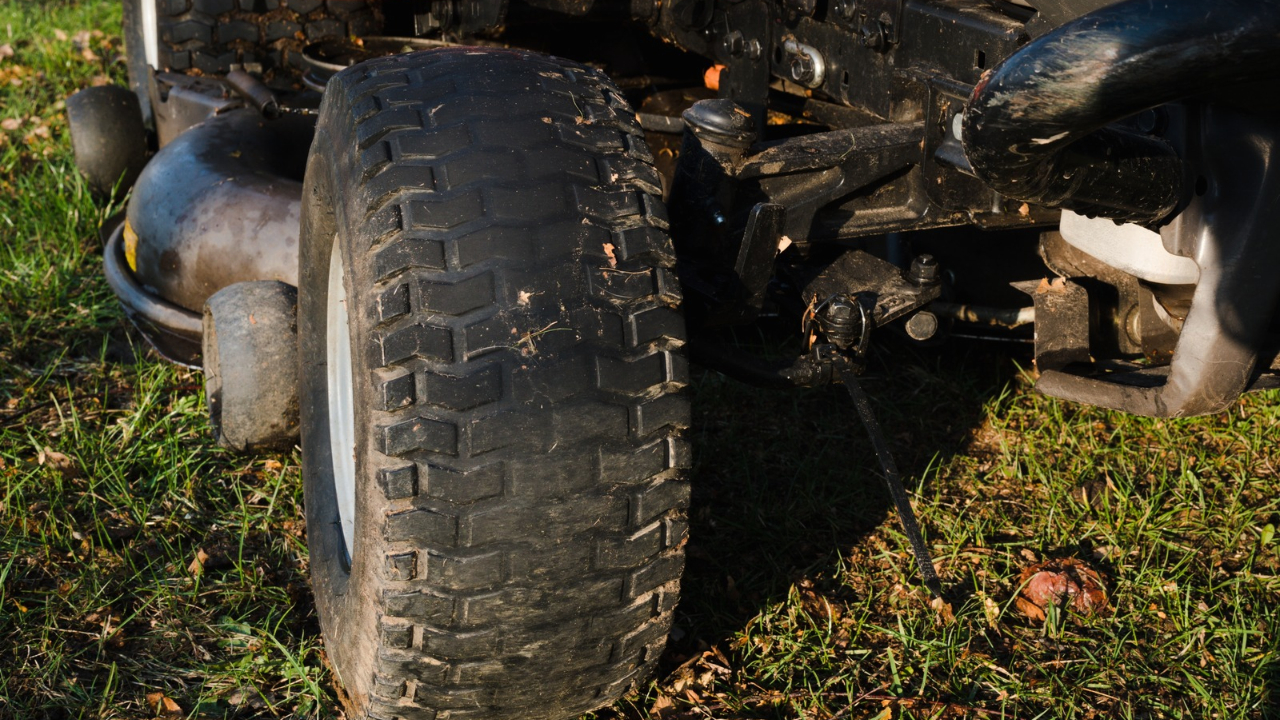
Leaving a rider parked in the same spot for months, especially with low tire pressure, can give you a thump-thump ride the first few cuts. UV from a window or open door dries and cracks sidewalls too. You’ll also start losing traction on slopes because the tire won’t hold air.
Before long storage, top off tire pressure to the spec on the sidewall or manual, then roll the mower a foot or two every few weeks if you can. Keeping it out of direct sun helps more than people think. If a tire keeps going soft, soapy water on the bead and valve stem will usually show the leak fast.
8. Bent Blades From Cluttered Storage Corners
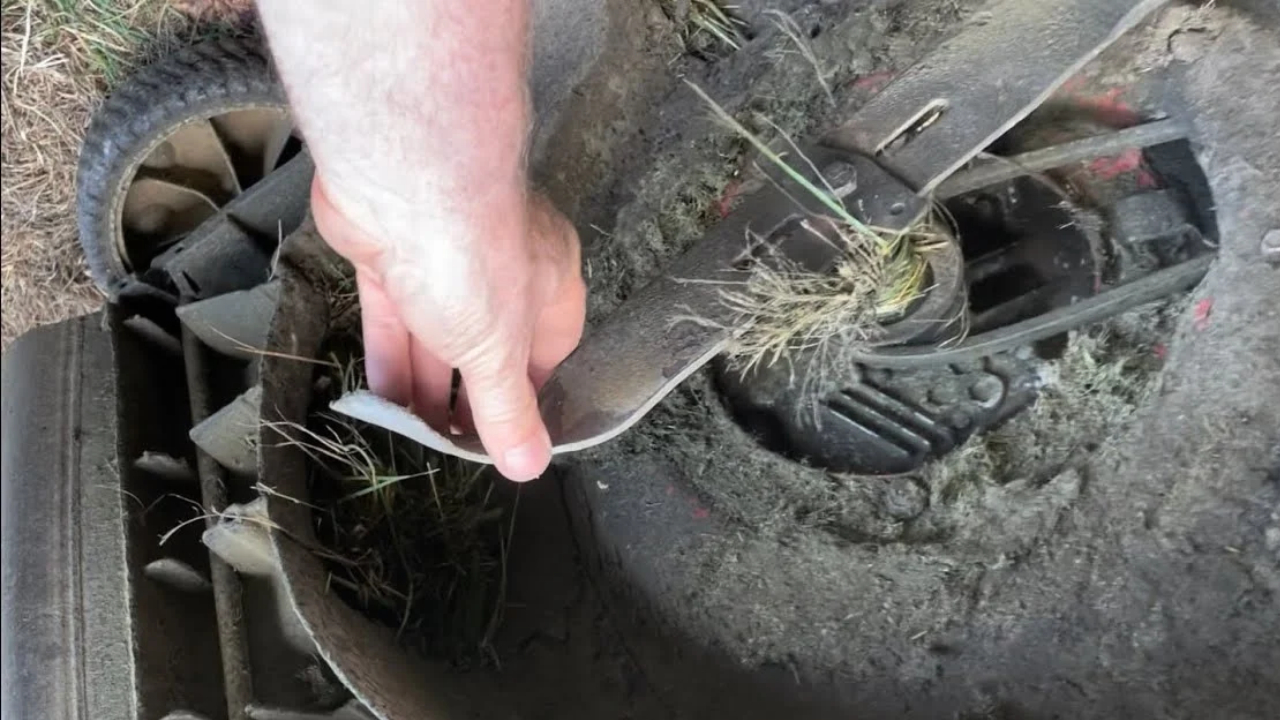
Stuffing the mower behind rakes, firewood, and a half-buried trailer tongue is asking for a blade hit when you drag it back out. A bent blade makes the whole mower shake, and that vibration beats up spindle bearings and engine mounts. It can also leave a washboard cut that looks like you mowed with a shopping cart.
Give the mower its own parking spot where you don’t have to yank and twist it to escape. If vibration shows up, stop mowing and check the blade condition before you ruin more parts. Blade work means gloves and a solid way to block the blade, and if you’re not comfortable tipping the mower safely, let a shop handle it.
9. Frozen Pumps And Hoses On Hydro Drives
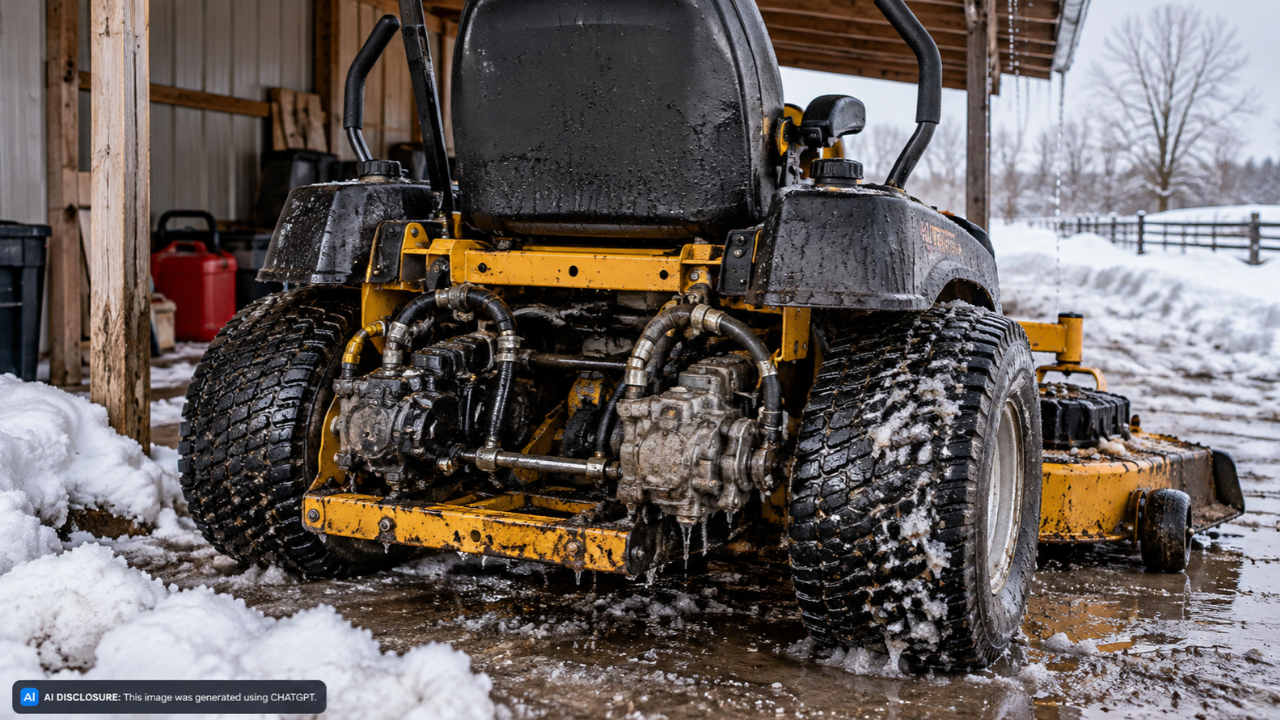
Some riders and zero-turns with hydrostatic drives hate being stored where snowmelt and rain can reach them. Water and slush around linkages and vented areas can lead to stiff controls, squeals, or weak drive once things warm up. It often shows up as one side pulling harder than the other.
Keep the machine under a roof, not just under a cover, and don’t park it where downspouts dump. If controls feel sticky, clean the area and check for packed debris before you start cranking on adjustments. Hydro issues get expensive fast, so if it’s losing power or making new whining noises, a dealer or qualified shop is worth the money.
10. Warped Plastic Tanks From Heat Sources
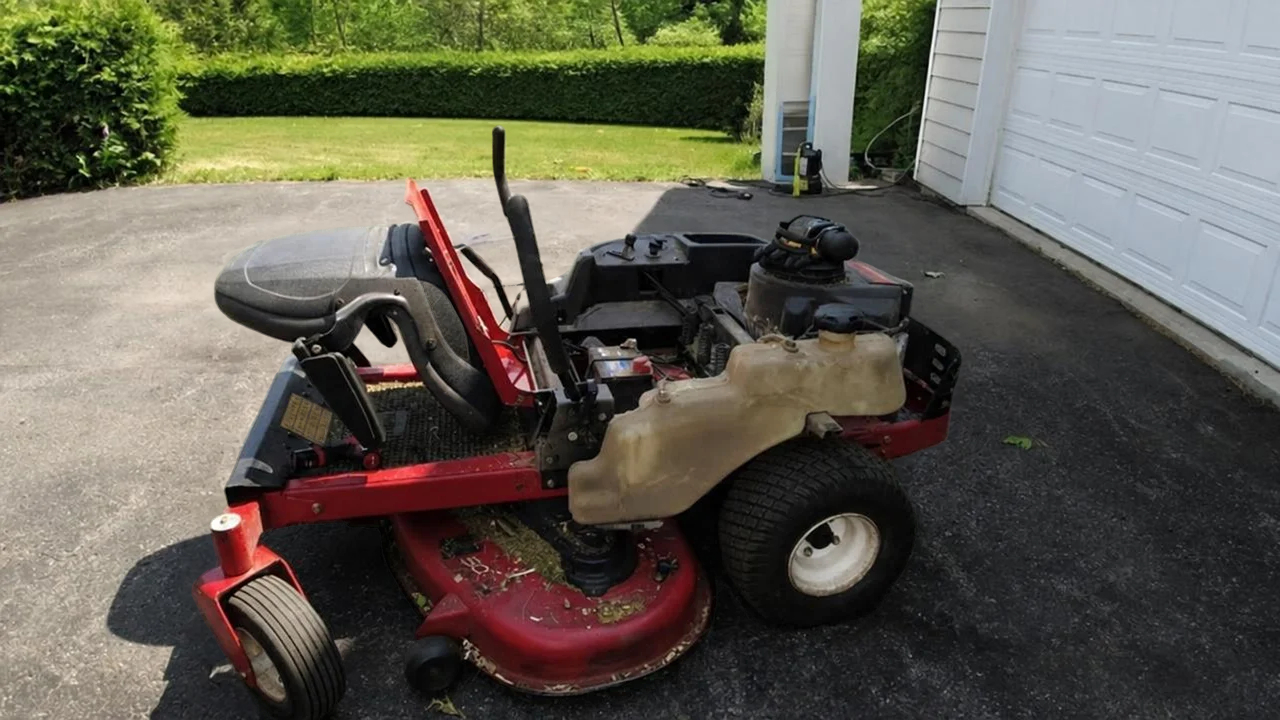
Setting a mower near a wood stove, water heater, or the sunny wall of a metal outbuilding can slowly deform plastic fuel tanks and lines. Then you get fuel smells, seepage, or a cap that never seems to tighten right. It’s a quiet problem until it’s suddenly a mess on the floor.
Store fuel-powered equipment away from heaters and anything with a pilot light, and keep gas cans in approved containers, not old jugs. If you spot a damp tank seam or cracked fuel line, replace it, don’t “patch” it with random glue. Fuel and heat are a bad mix.
A little storage discipline is boring, and it saves the kind of Saturday that disappears into parts runs and sore knuckles. Give the mower a dry spot, clean it before parking, and treat fuel and batteries like they don’t get a second chance. Spring starts get a lot less dramatic.
Like Fix It Homestead’s content? Be sure to follow us.