10 Signs a Furnace Will Not Make It Through Winter
Photo credit: Corvul/Shutterstock.com
You don’t need a full furnace breakdown to lose a week of winter. A heater that’s limping along will usually tell on itself first, if you know what to watch and listen for. Catching the warning signs early gives you time to schedule a repair, order parts, or make a replacement plan before the first deep freeze.
1. Heat Comes In Short Bursts
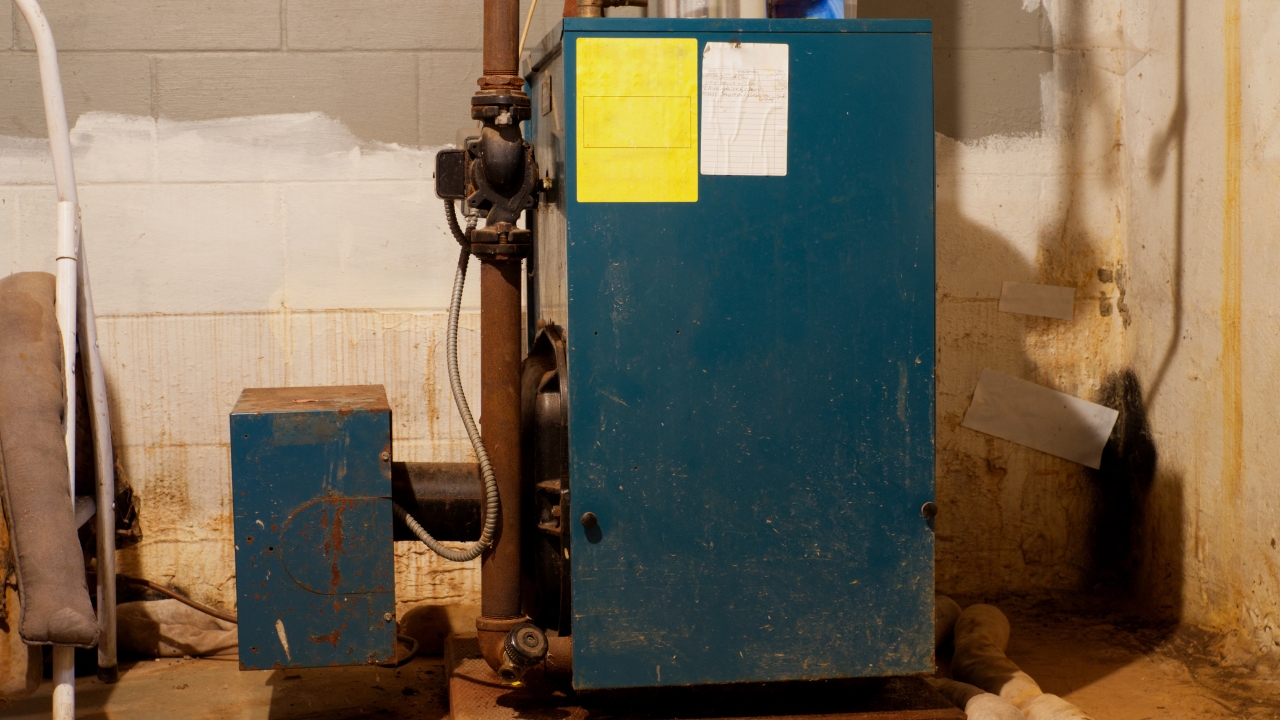
You set the thermostat, the furnace roars on, and then it quits before the house warms up. A lot of people assume it’s the thermostat, but short-cycling is often airflow, flame sensing, or overheating. It’s hard on the blower, hard on the igniter, and it burns more fuel than steady runs.
Start with the easy stuff. Put in a clean filter, open supply registers, and make sure return grilles aren’t blocked by rugs or furniture. If it still runs for only a minute or two at a time, stop guessing and book a pro, because repeated overheating can crack a heat exchanger.
2. Burner Flame Looks Yellow And Lazy
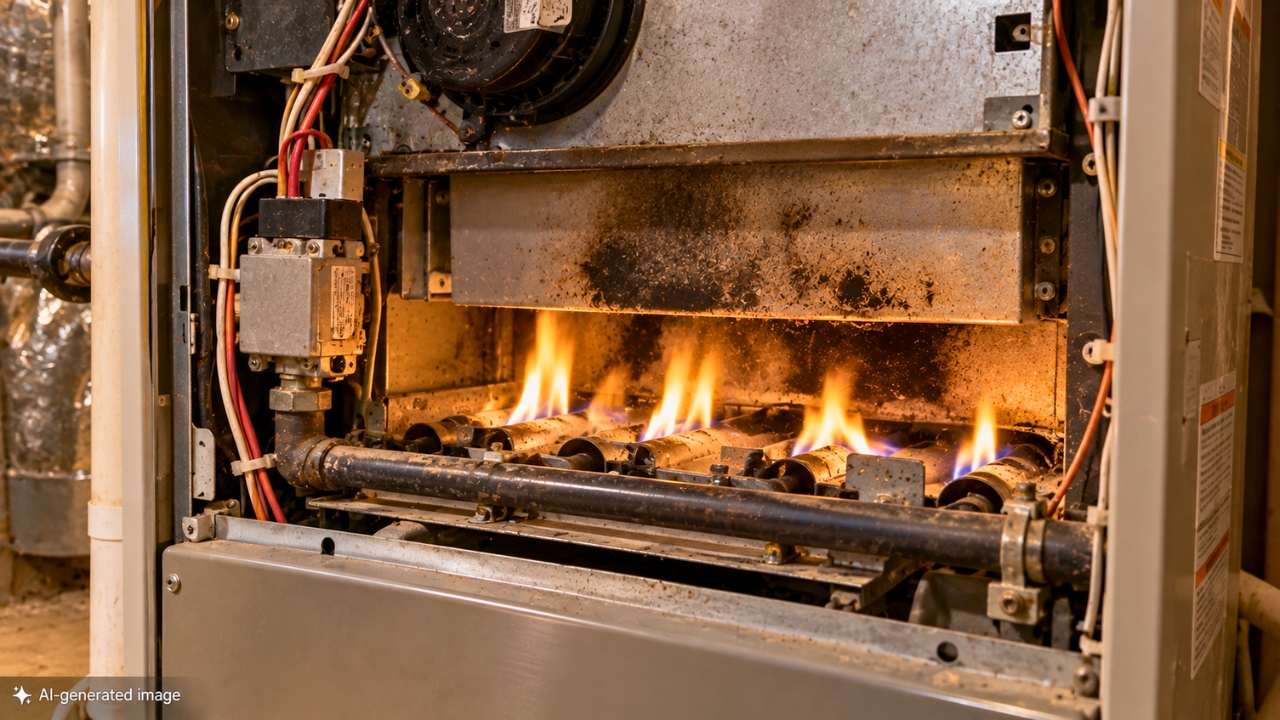
On a gas furnace, a healthy flame is usually steady and mostly blue. A yellow, rolling flame or soot around the burner area points to combustion trouble. That can mean dirty burners, a blocked intake or flue, or a bigger issue that turns into carbon monoxide risk.
Don’t try to “tune” gas on your own. Replace the batteries in your CO alarms, keep them installed, and call a licensed HVAC tech to check combustion and venting. If you smell gas, leave the area and contact your gas utility or emergency services, depending on local guidance.
3. Strange Noises Start At Startup
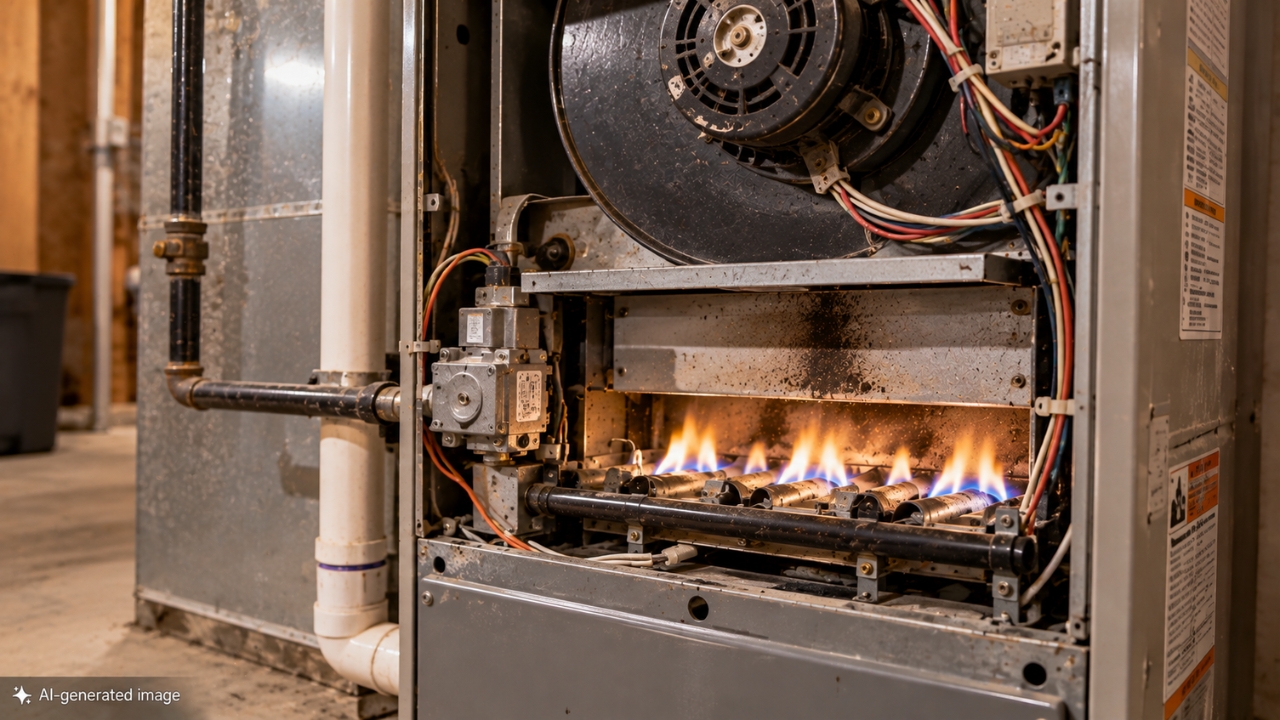
Some furnaces make normal whooshes and clicks. What you don’t want is banging, booming, or a sharp metallic pop when it lights. That can be delayed ignition, expanding metal from overheating, or a burner problem that gets worse fast when the nights get colder.
Squealing is a different story. That often points to a dry blower motor bearing or a loose belt on older units, and it can sometimes be fixed before the motor cooks itself. Either way, don’t just turn the TV up, get it checked while parts are still easy to get.
4. You Keep Resetting The Furnace
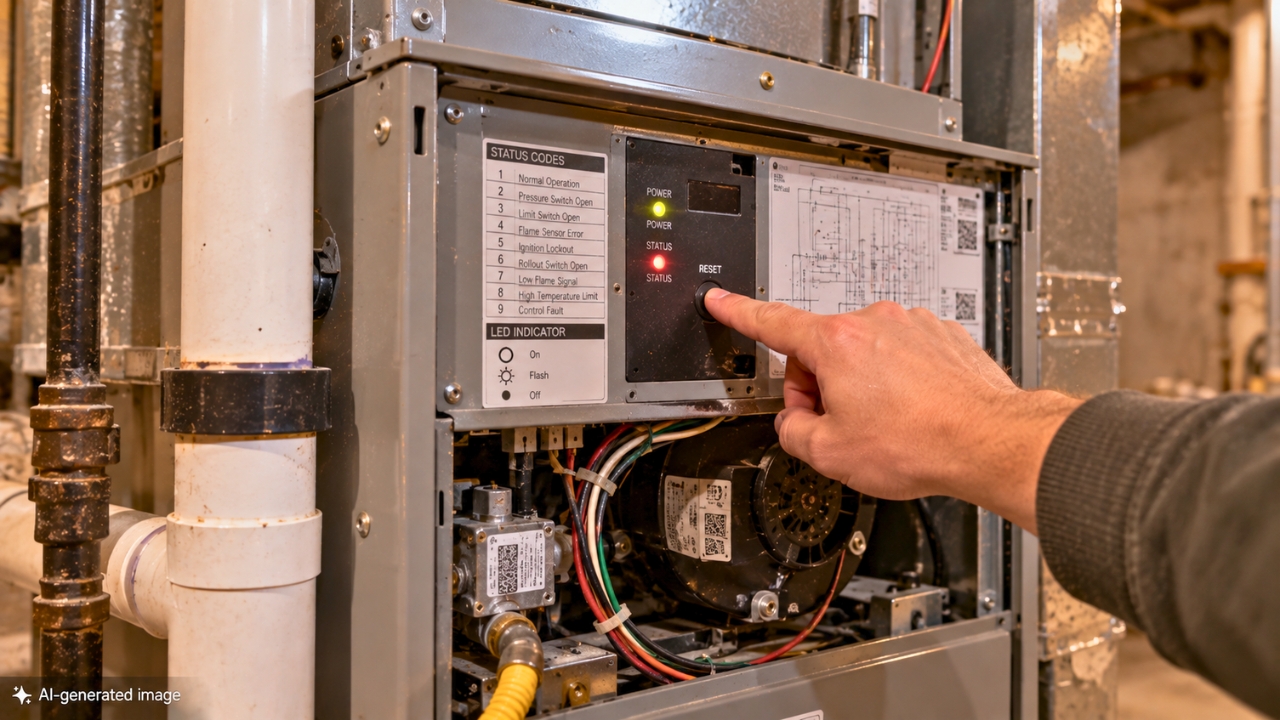
If the furnace “needs a reset” every few days, it’s already failing. Limit switches, pressure switches, flame sensors, and control boards don’t trip for fun. Repeated resets can also hide a venting issue or a cracked heat exchanger until it turns into a no-heat emergency.
Write down what happens right before it shuts off, and any flash codes on the control board door sticker. Changing the filter is fine. Beyond that, this is a service call, not a DIY project, because the safety chain is doing its job.
5. Rooms Stay Cold While Unit Runs

You hear the blower running and you feel some air, but the back bedrooms never catch up. That’s not always a furnace problem, it’s often duct trouble, closed dampers, crushed flex duct, or a big air leak in the trunk line. In winter, a duct leak in a crawlspace can dump your heat right onto the dirt.
Check the basics with a flashlight. Look for disconnected ducts, fallen insulation, and supply boots that are loose at the floor or ceiling. Foil HVAC tape and mastic are worth using, duct tape is not, it dries out and falls off. If the ductwork is in an attic, do your sealing on a mild day and wear a respirator, the dust is nasty.
6. Blower Motor Smells Hot Or Oily
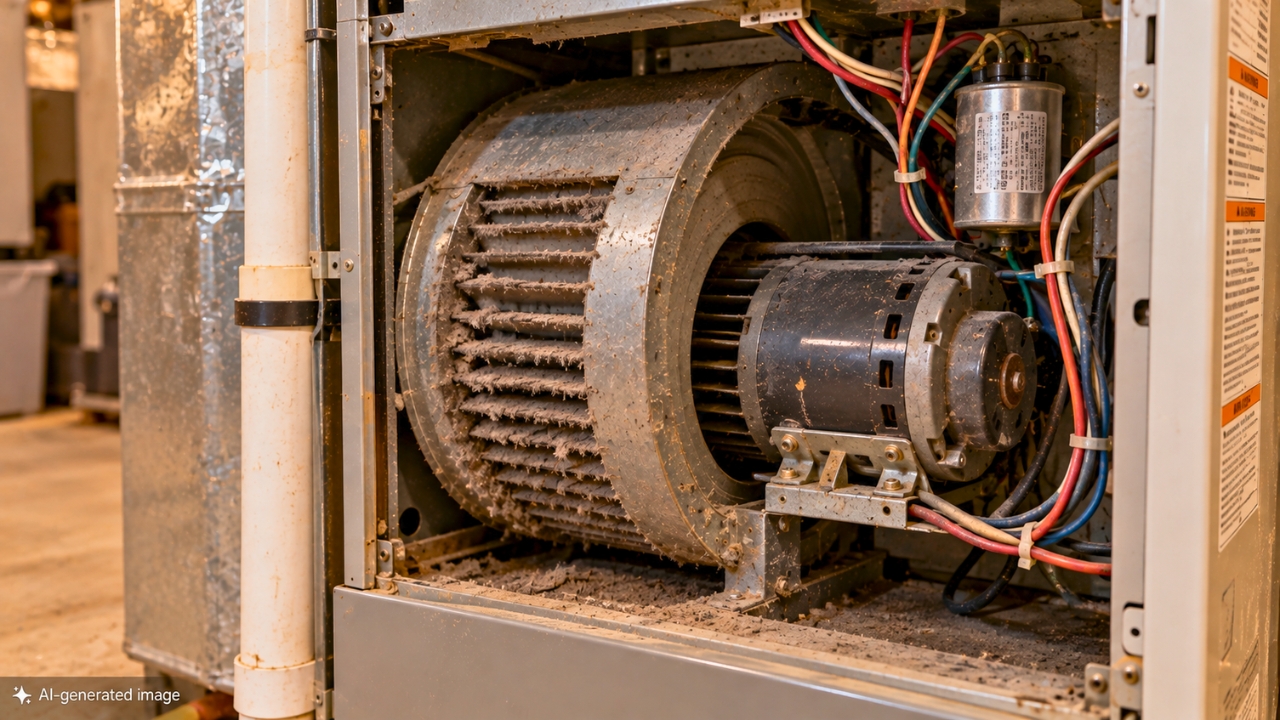
A sharp hot-dust smell for the first run of the season can be normal. A hot electrical smell, or an oily, overheated odor that shows up every time it runs, is different. That points to a motor working too hard, a failing capacitor, or a dirty blower wheel that’s out of balance.
Turn the system off and pull the filter to see if it’s collapsed or packed with lint. If you’re comfortable shutting power off at the furnace switch, you can remove the blower door and look for a wheel caked with fuzz. Replacing a capacitor and diagnosing motor draw is pro territory, and waiting can mean a full motor replacement instead of a smaller fix.
7. Rust Streaks Around The Flue Pipe
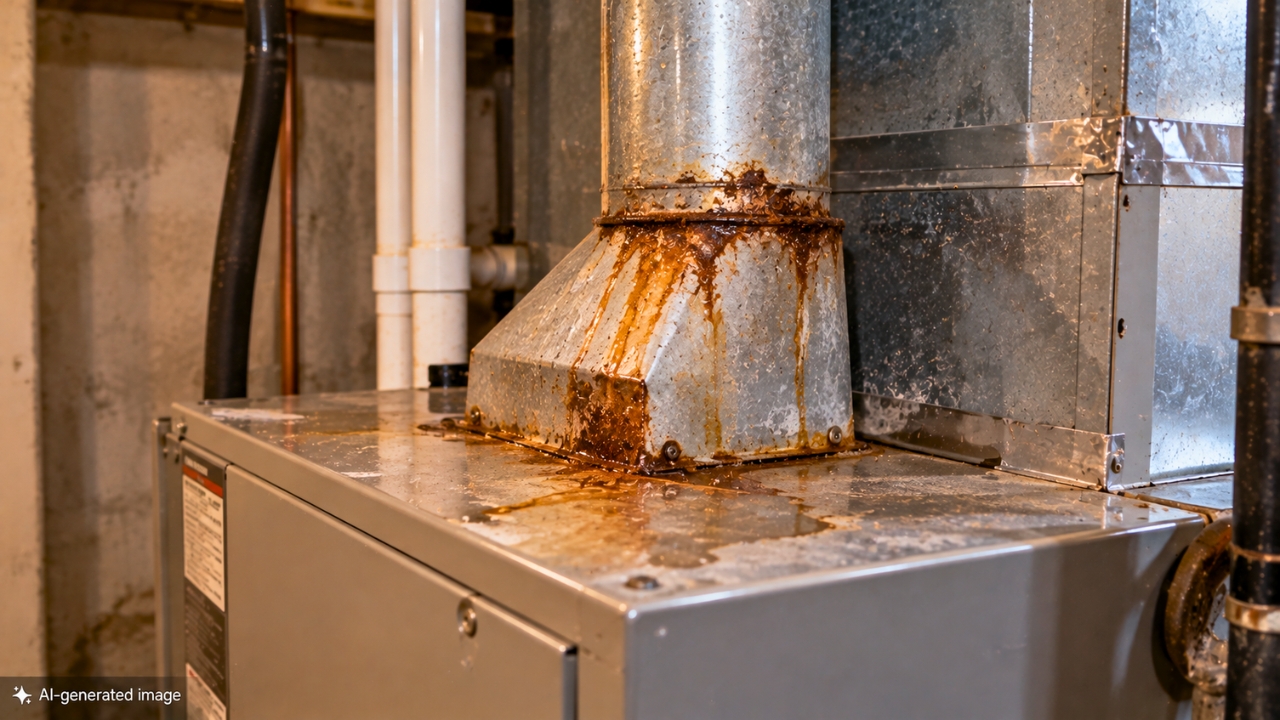
Rust at the draft hood, water stains on the furnace top, or corrosion around vent connections usually means condensation is happening where it shouldn’t. That can come from a vent pitch problem, a blocked chimney liner, an oversized furnace, or a failing inducer setup on higher-efficiency units. Water and steel don’t negotiate, they just lose slowly until they lose fast.
Don’t patch vent pipe with random metal tape and call it good. Venting has to meet local code, and incorrect venting can pull exhaust back into the house. Have an HVAC pro check draft, vent sizing, and combustion, especially before a long stretch of subfreezing weather.
8. Your Filter Loads Up Way Too Fast
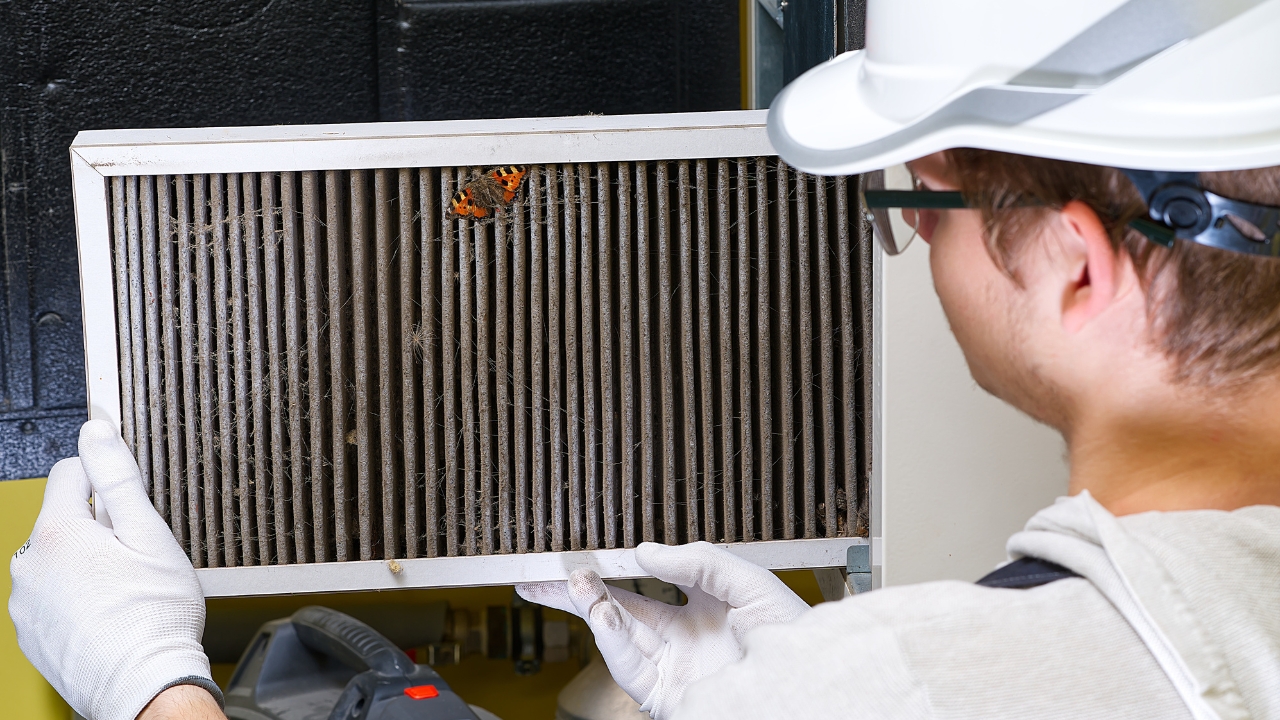
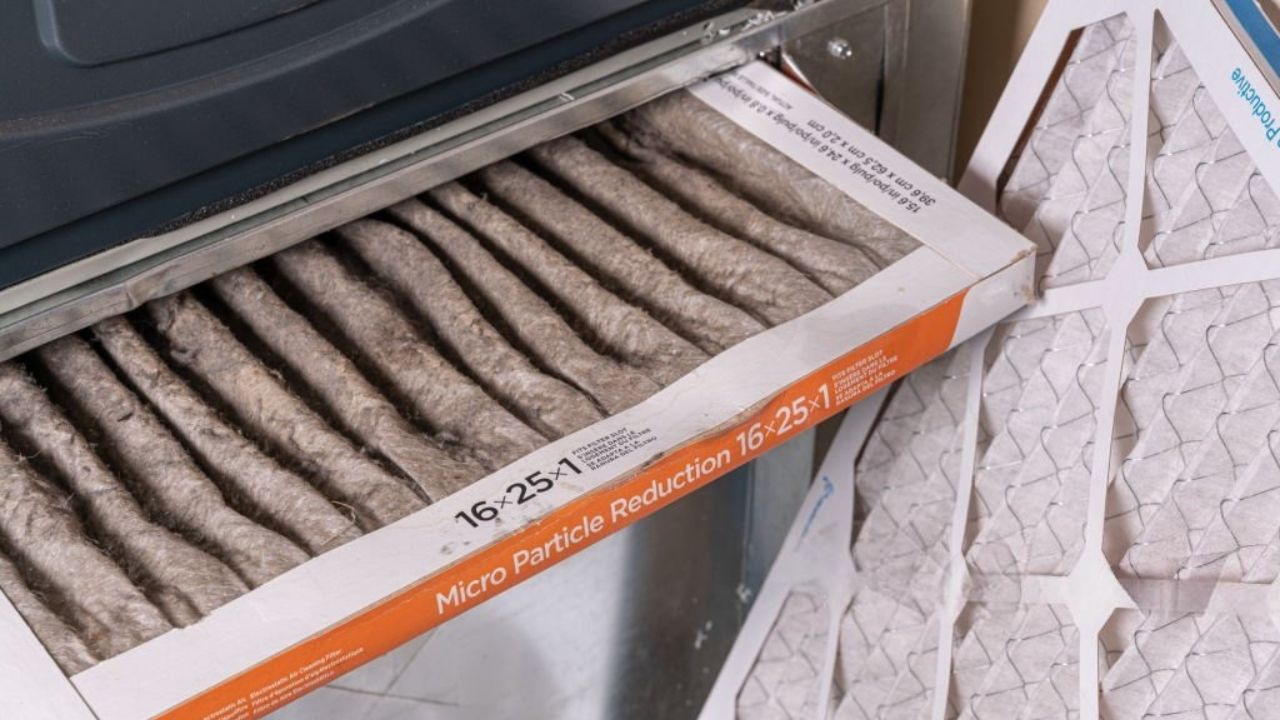
If you swap a filter and it turns gray again in two weeks, something is feeding that furnace a steady diet of dust. It could be a return leak pulling from an attic or crawlspace, a dirty return chase, or a house project that’s filling the air with drywall dust or sawdust. A clogged filter chokes airflow, which leads to overheating and short cycling.
There’s an honest exception here. If you just moved into a place, did reno work, or ran the woodstove hard during a smoky spell, faster filter changes are normal and cheap insurance. Stick to a basic pleated filter that fits right, avoid super high-MERV filters unless your system is built for them, and focus on sealing return leaks so you’re not heating filthy air.
9. Ignition Takes Multiple Tries
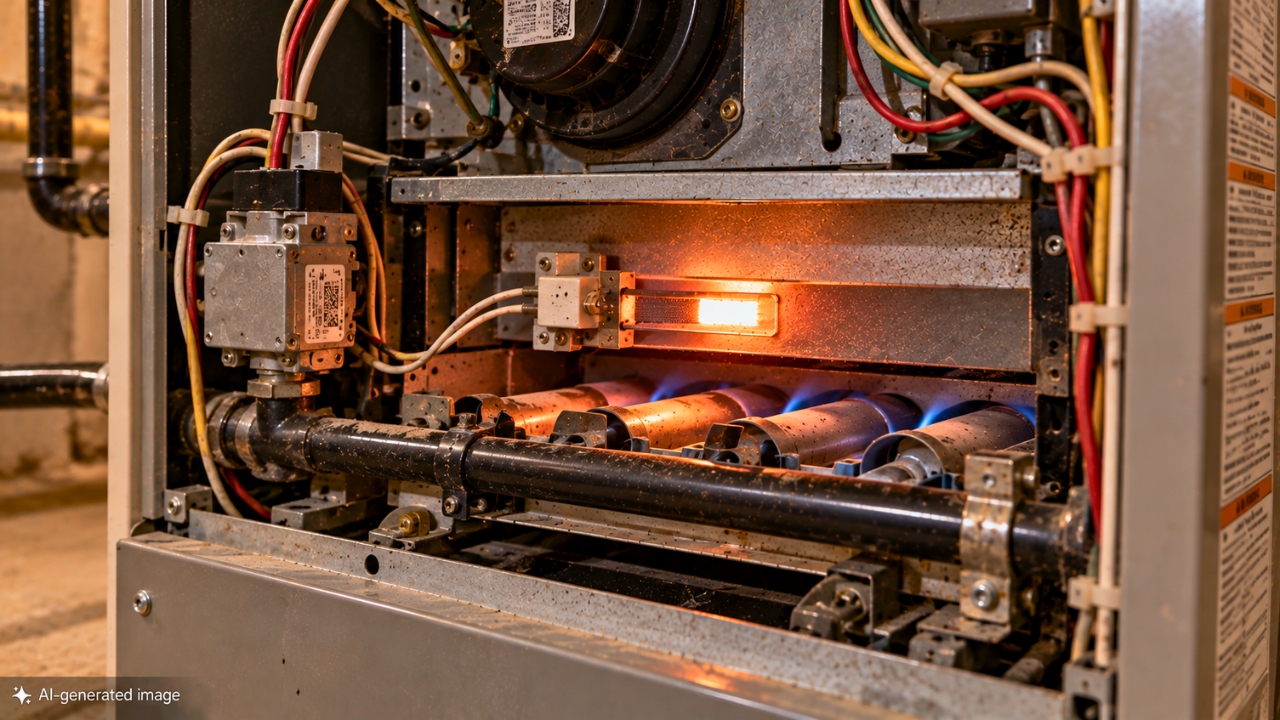
You hear click, click, click, or you hear the inducer run and then nothing, then it tries again. Hot surface igniters get brittle. Flame sensors get dirty. Pressure switches get picky when venting is marginal or the drain is plugged on condensing furnaces.
This is the kind of problem that turns into a total no-start on the coldest night. Light cleaning of a flame sensor is a common fix, but you’re still working inside a gas appliance. If you’re not confident shutting power off, handling a fragile igniter, and putting everything back correctly, pay for the service call and be done with it.
10. Energy Bills Jump Without Weather Changes

If the weather is about the same but your bill jumps, the furnace is working harder to do the same job. That can be a slipping blower issue, dirty heat exchanger surfaces, duct leaks, low airflow, or an aging unit losing efficiency. Sometimes the furnace is fine and the real culprit is a new air leak, like a poorly sealed attic hatch or a broken crawlspace vent cover.
Check the simple house stuff first. Weatherstrip exterior doors, seal obvious gaps with caulk or spray foam where allowed, and close up the attic access. If the furnace is older and the bill keeps climbing month after month, get a professional inspection and a replacement quote while you still have time to shop instead of panic-buy.
If any of these show up, don’t wait for the first real cold snap to act. Parts get scarce when everyone’s furnace quits in the same week, and schedules fill up fast. A quick inspection now is cheaper than emergency heat later, even if all you learn is that the system needs a cleaning and a plan.
Like Fix It Homestead’s content? Be sure to follow us.