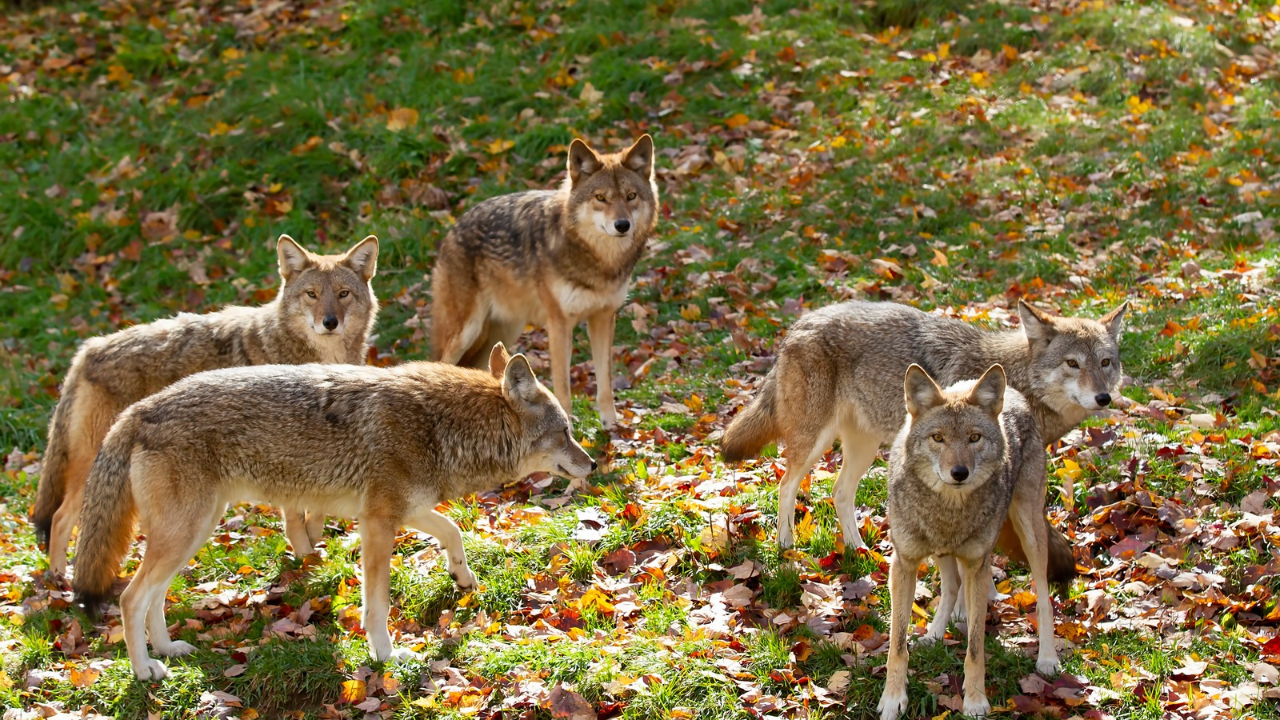
12 States With the Biggest Coyote Populations
Photo credit: Jim Cumming/Shutterstock.com
Coyotes don’t need deep woods to move in. If there’s water, cover, and an easy meal, they’ll work the edges of towns, farms, and backyards like they own the place. Knowing where they’re thick on the ground helps you decide how hard to lock down trash, pets, poultry, and fencing.
1. Texas Big Ranges And Bigger Food
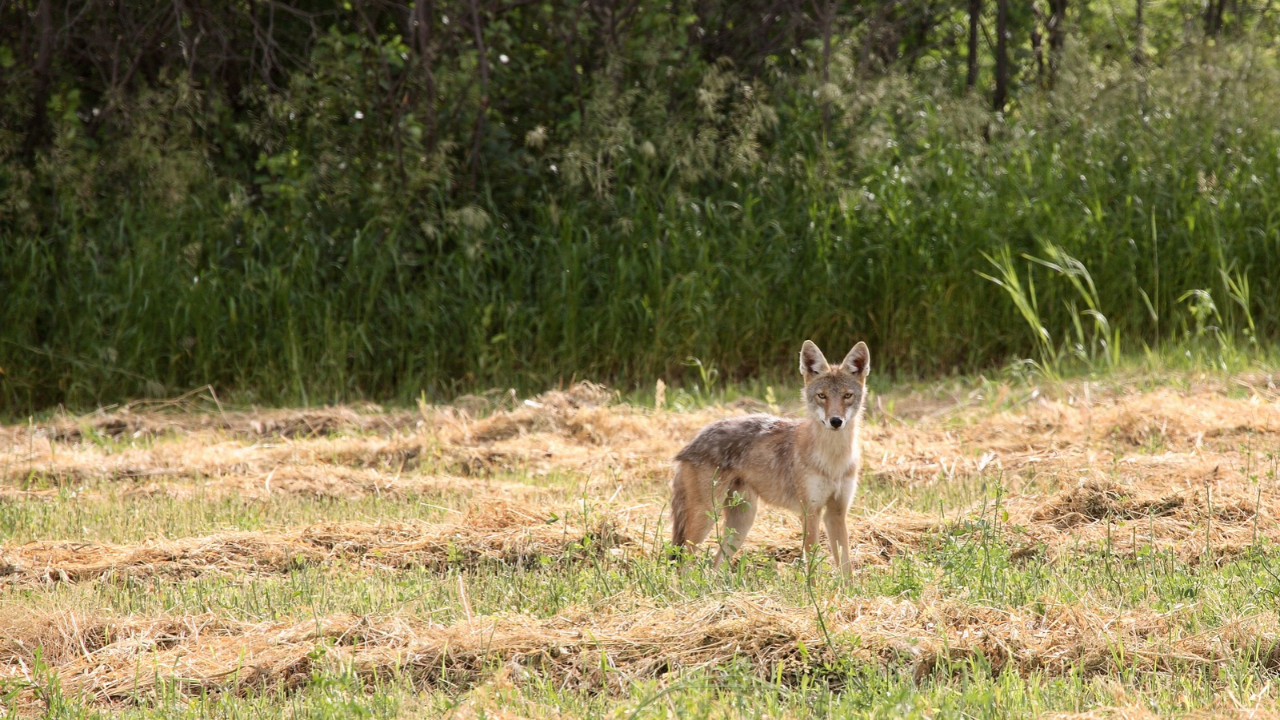
In a lot of Texas, the menu never runs out, rabbits in brush country, rodents in hay fields, and gut piles during hunting season. Long fencelines and wide creek bottoms make perfect travel lanes, so you’ll hear yips one night and find tracks in your driveway the next morning. If you’re running chickens or goats, assume they’ll circle until they find the soft spot.
Fix starts with removing the “easy.” Pick up spilled feed, keep compost fenced, and don’t leave pet food outside overnight. For poultry, skip chicken wire, it keeps birds in, not predators out. Use 1/2-inch hardware cloth on openings, solid latches that need a hand to open, and either an apron of wire on the ground or buried fencing where digging shows up.
2. California Canyons, Suburbs, And Pets
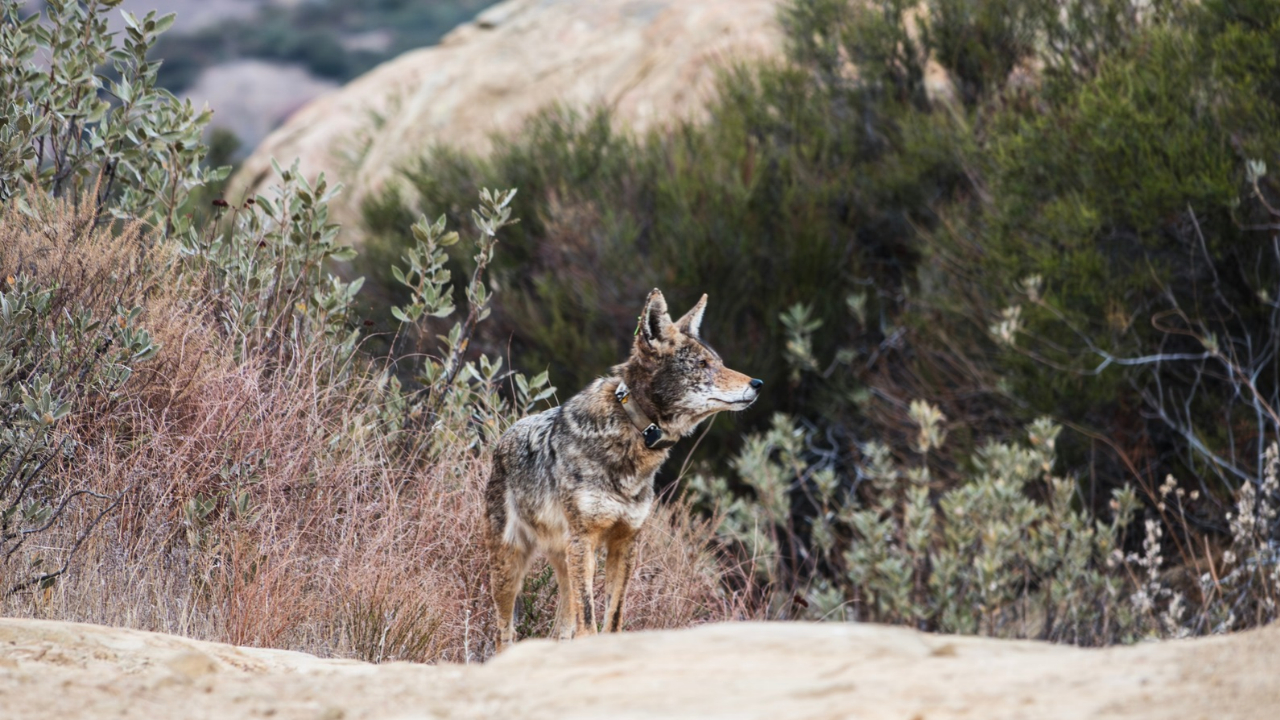
People do the same thing over and over here, they treat coyotes like they’re only a rural problem. Then a dog door becomes a dinner bell, or a small dog disappears off a patio at dusk. Greenbelts, dry washes, and golf courses link neighborhoods together like highways.
Lock down the routine stuff. Bring pets in before dark, keep cats indoors, and don’t rely on a six foot block wall as a guarantee. Trim shrubs back from fences so coyotes can’t use them as a step, and add a roller bar or coyote topper if climbing is happening.
3. Oklahoma Pastures And Easy Den Sites
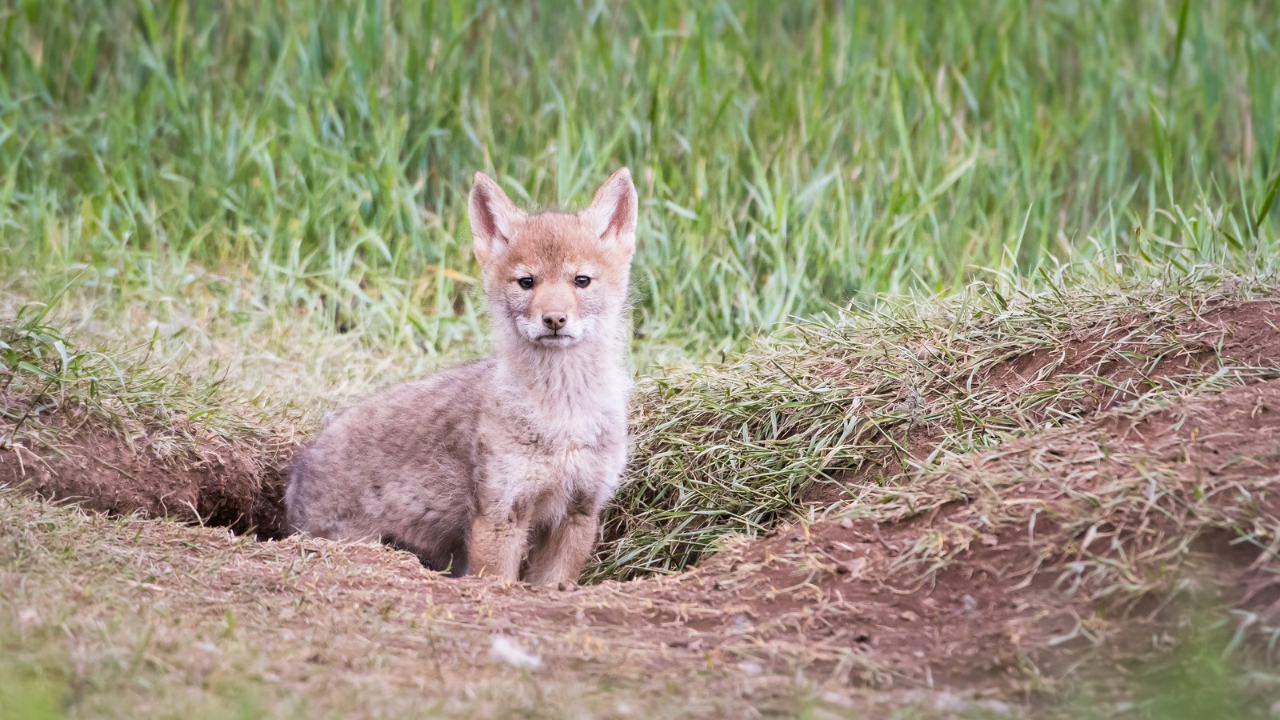
Prairie and pasture country feeds coyotes well, and brushy draws give them cover. The trouble shows up when calving starts, or when you’ve got free-ranging chickens that wander into tall grass. You don’t need a huge property for problems, a few acres with a creek line is plenty.
Walk your place like a predator would. Seal up gaps under barn siding, stack firewood tight, and mow or knock down the worst cover along fence lines so you can actually see what’s moving. If you’ve got livestock, get serious about night pens, good lighting, and fences that don’t have low spots from washouts.
4. Kansas Wide Open And Hard To Monitor
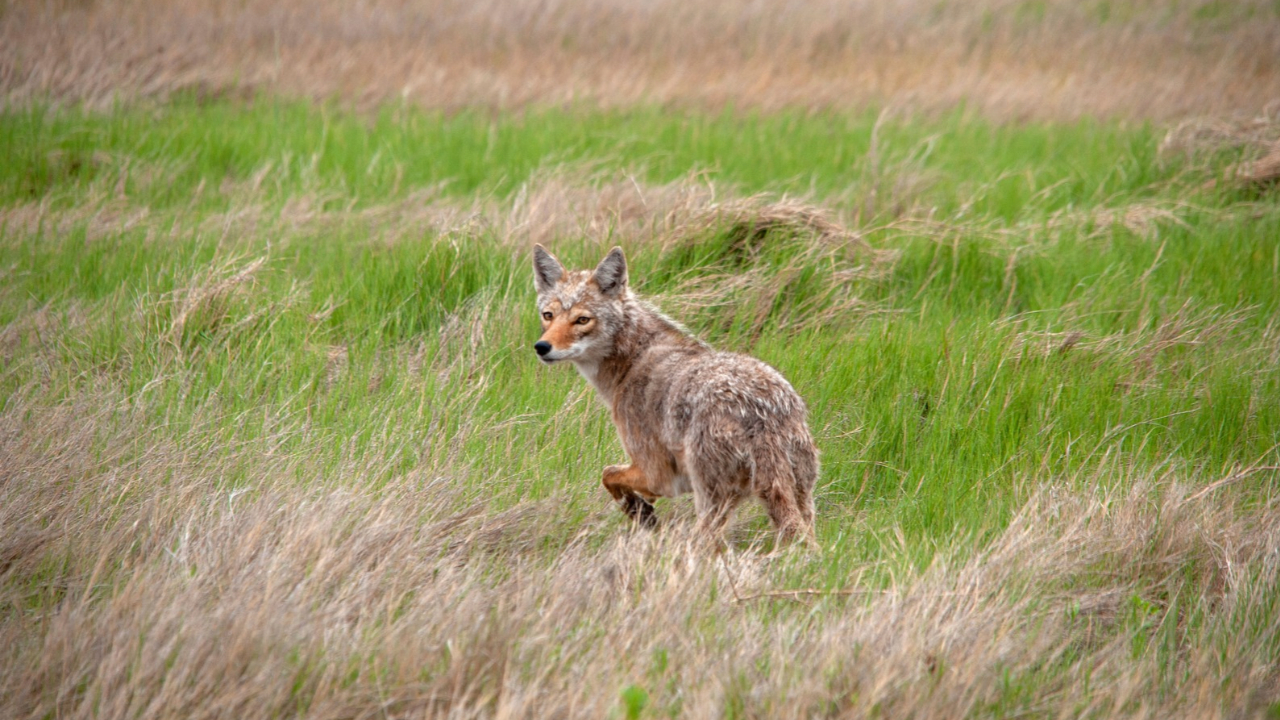
Kansas has long sightlines, but that doesn’t mean you’ll spot trouble in time. Coyotes use terraces, ditches, and standing corn as cover, then hit a coop or lambing pen when the wind and timing suit them. You’ll notice it after the fact, feathers in a trail, or a fence corner dug out.
A cheap fix that’s actually fine here is a basic motion light if it’s aimed right and not left on all night. Put it where it hits the approach, not where it blinds you at the door. Pair it with a tight coop, a solid floor or buried apron, and a habit of checking latches before bed, not after you hear noise.
5. New Mexico Arroyos That Hide Movement
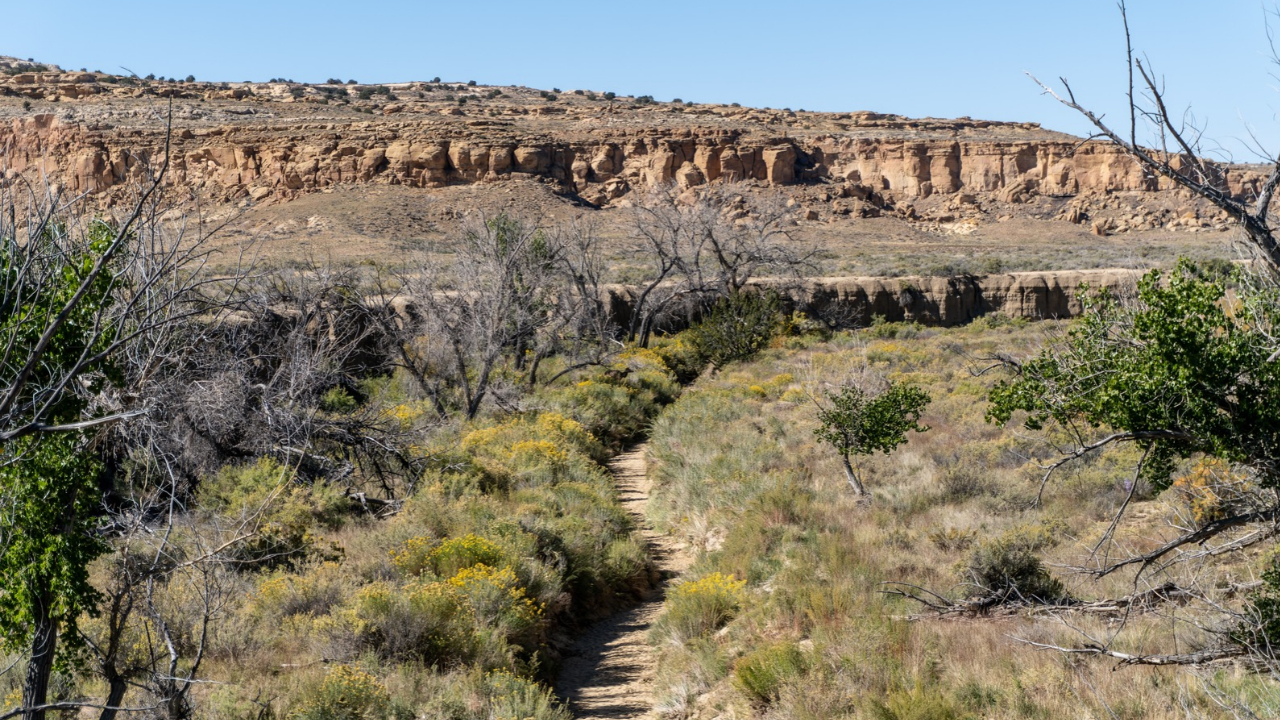
Dry arroyos and sandy soil make quiet travel lanes, and coyotes love them. You’ll think your yard is open and visible, then realize they’ve been slipping through the low ground all along. Water is the magnet, stock tanks, drip lines, even a leaky spigot.
Fix leaks and manage water like it matters, because it does. Put tanks inside good fencing, clean up spilled feed, and keep brush piles away from pens. If you’re adding any fencing posts or trenching for wire, call 811 for utility locates first, even in the country.
6. Arizona Desert Edges And Night Activity
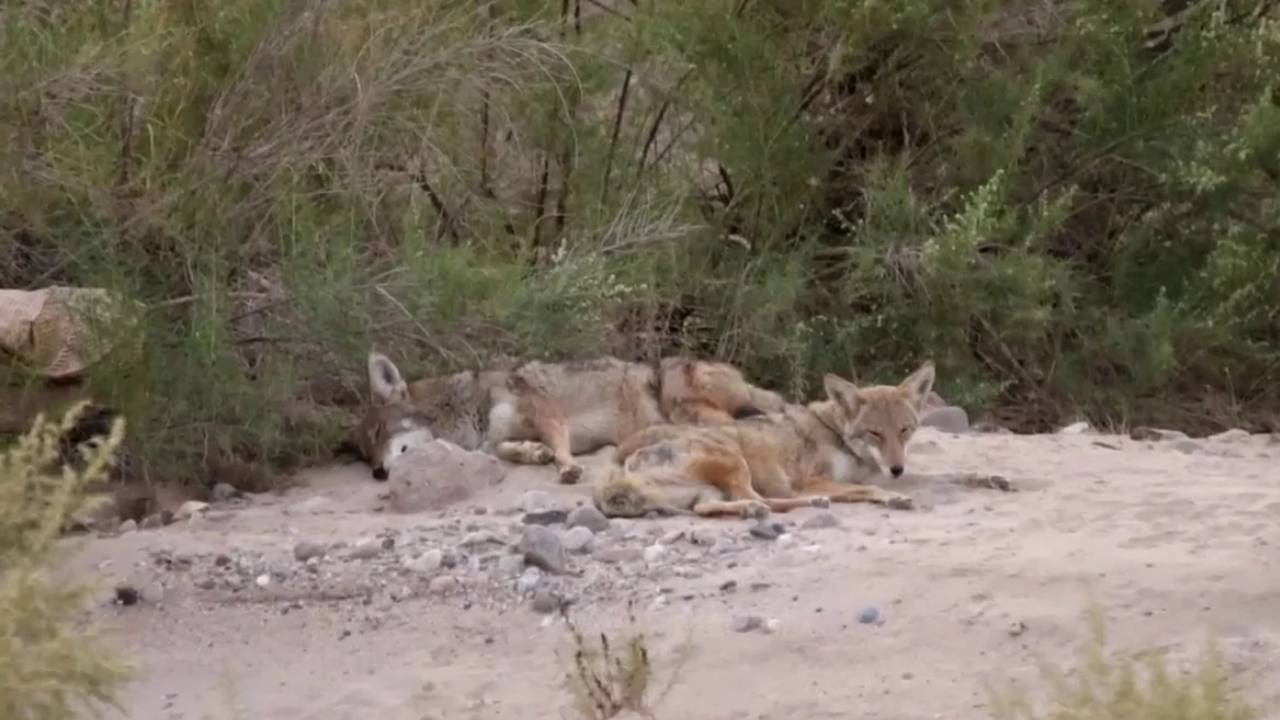
In the heat, a lot of movement happens after dark. Coyotes cruise washes and the edges of subdivisions, and you’ll hear them close enough to make your dog stiffen at the back door. Quail feeders and outdoor cat food turn into a steady draw.
Stop feeding wildlife by accident. Use bird feeders that don’t dump seed all over the ground, or pull them for a while if you’re seeing coyotes on camera. If you’ve got a small dog, don’t do late night potty trips off-leash, even in a fenced yard, unless you’ve checked the fence line for dig spots.
7. Colorado Front Range Corridors
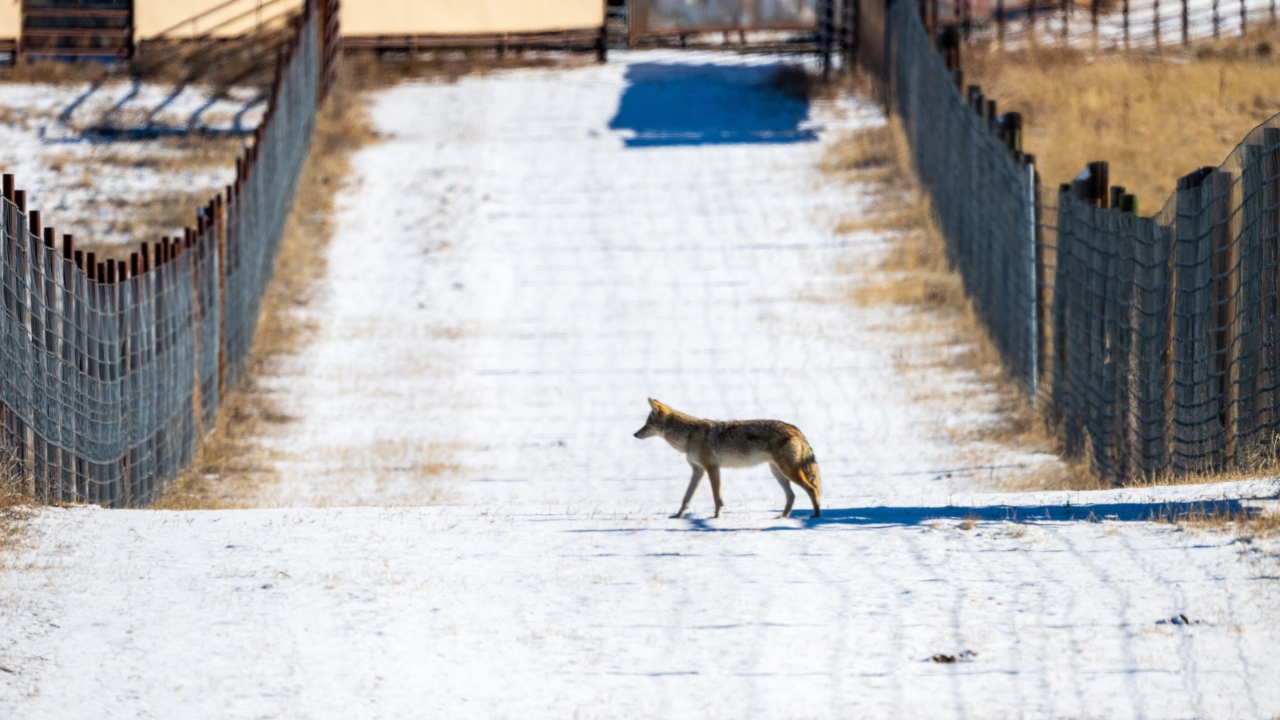
Colorado has a lot of “edge,” open space next to new builds, creek trails, and parks. Coyotes learn the schedule fast, joggers at sunrise, trash nights, pets at dusk. The issue isn’t that they’re fearless, it’s that they’re used to you.
Don’t haze from your porch and call it good. Make your yard boring, lock trash in a lidded can, keep grills clean, and don’t leave bones or drippings out. If you’re seeing repeated visits, add a camera so you’re fixing the right thing, a gap under the gate, a fallen board, or a low fence corner they’ve been ducking through.
8. Nevada Sparse Water, Concentrated Predators
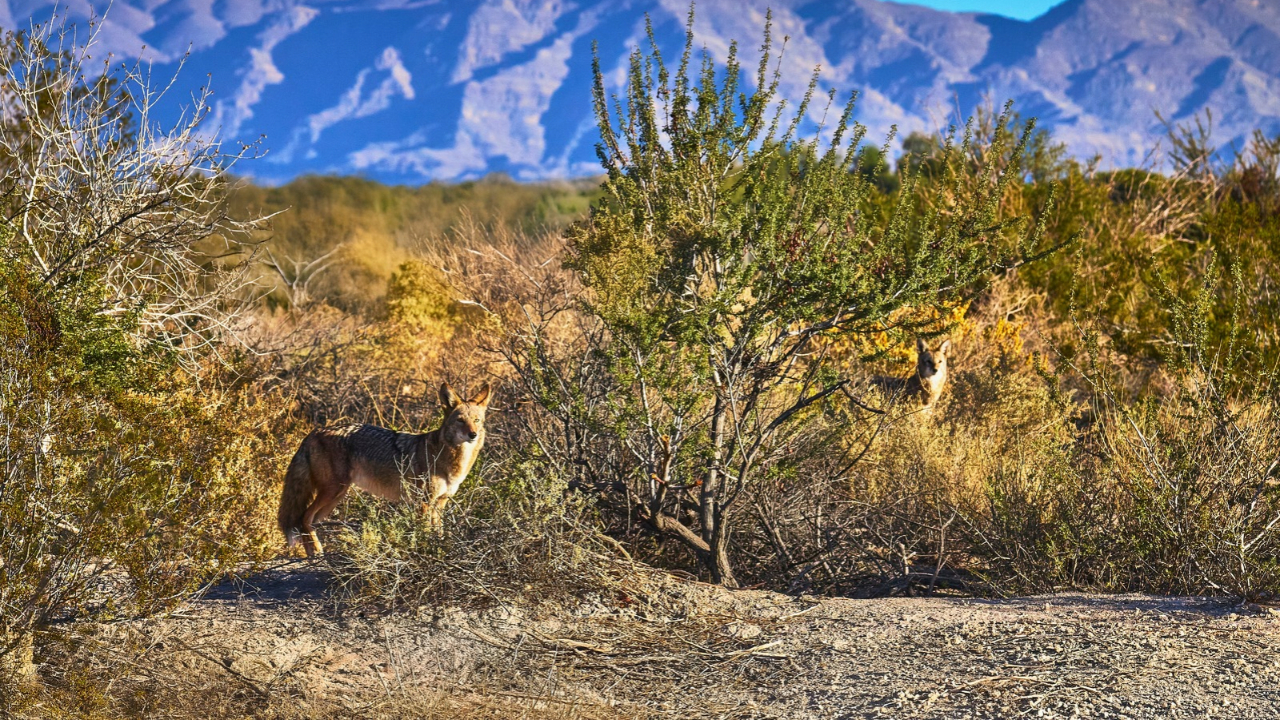
When water is scarce, animals cluster where it’s available, and predators follow. A little irrigated yard, a horse trough, or a subdivision green strip can pull coyotes in from a long way. That’s why you can be outside town and still see tracks like you’re in the middle of nowhere.
Protect the water points. Put troughs and small livestock pens where you can see them from the house, and keep weeds down around them. If you’re building a new pen, spend money on the gate hardware, because sagging gates and spring latches are where “secure” turns into “open.”
9. Oregon Timber Edges And Thick Cover
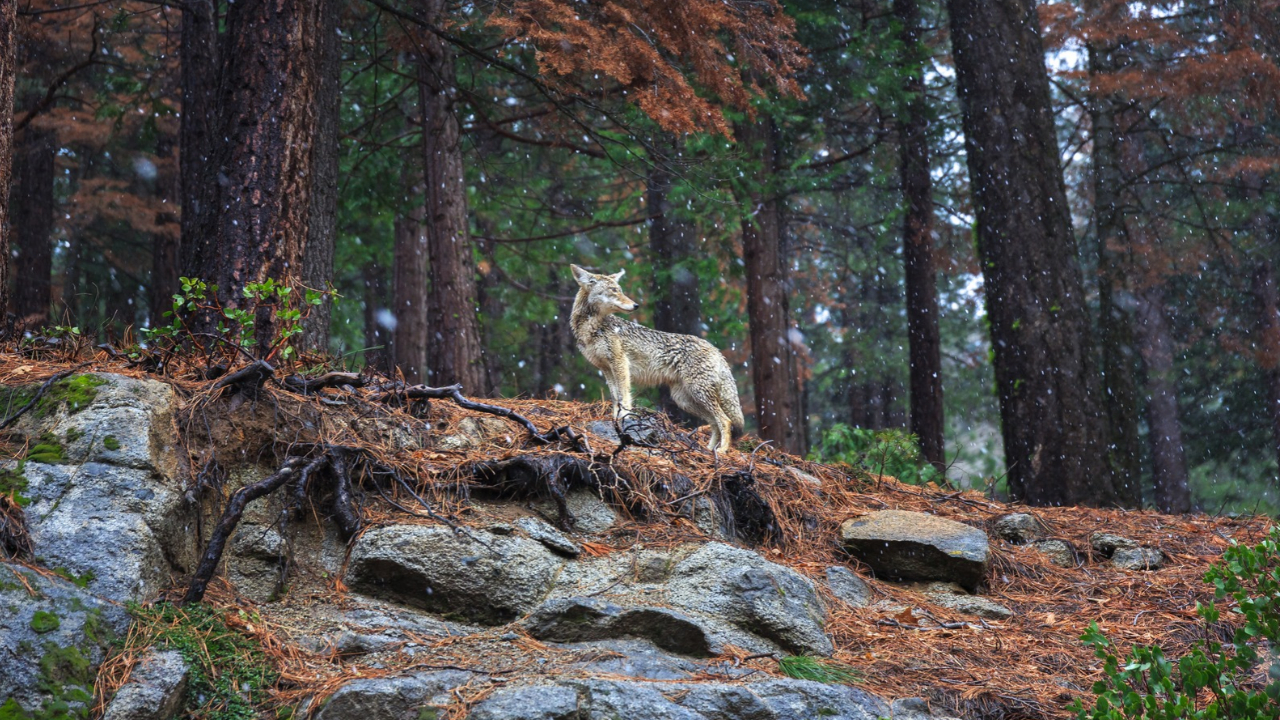
West-side brush and timber edges give coyotes cover all day. You won’t always hear them, you’ll just notice missing hens or scattered feathers in wet grass. In rural pockets, they work right up to barns because the cover lets them do it.
Do some unglamorous clearing. Cut back blackberry thickets near coops and runs, stack scrap lumber so it doesn’t create hiding spots, and keep grass short around the perimeter. For runs, roof netting helps with hawks, but it doesn’t stop a coyote, use welded wire and solid framing if you want it to last.
10. Washington Greenbelts Through Neighborhoods
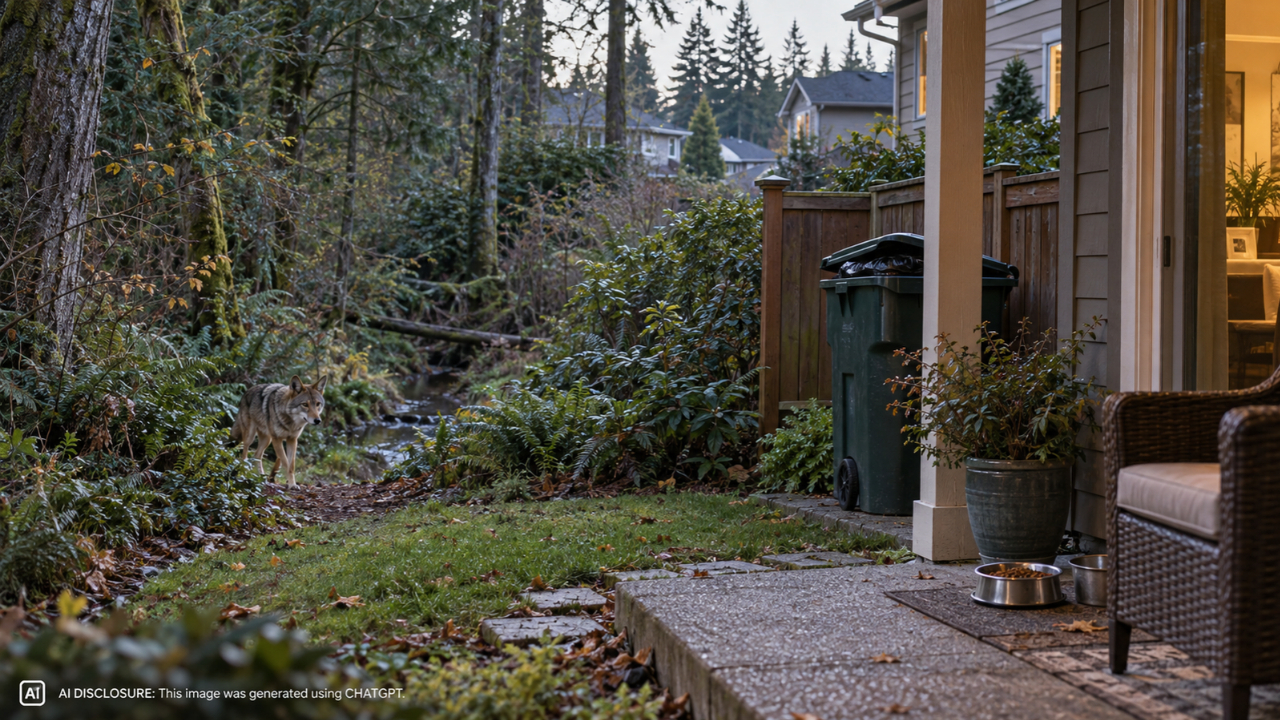
Lots of Washington neighborhoods have greenbelts, drainage corridors, and wooded strips that connect blocks for miles. Coyotes travel those and pop out where the food is easy. The most common “food” isn’t livestock, it’s unsecured trash and outdoor pet feeding.
Put trash out in the morning, not the night before, if that’s an option. Keep cans clean so they don’t smell like old meat, and fence off compost so it’s not a buffet. If you’re renting, you can still fix a lot with a tight lid, a bungee, and better timing.
11. Wyoming Big Country, Fewer Barriers
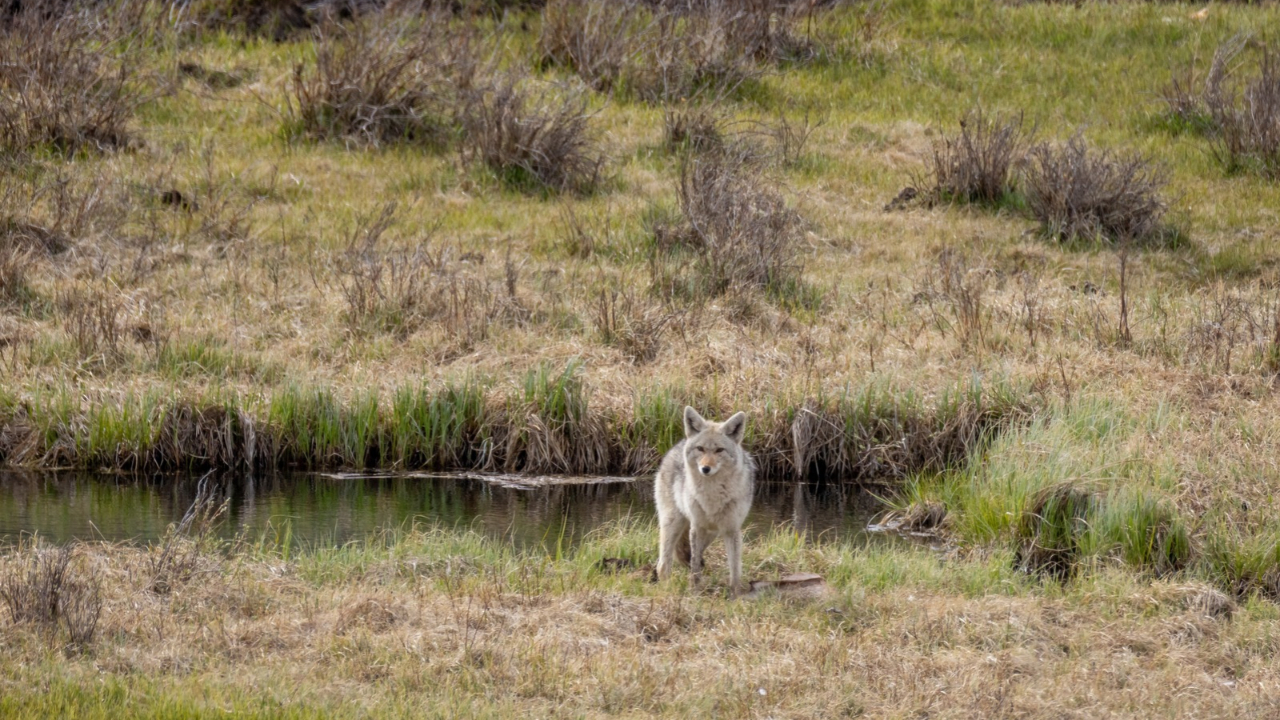
This is one of the shorter fights to describe. There’s room to roam, and there aren’t many barriers. Coyotes cover ground.
If you’ve got animals, focus on strong night containment and regular fence checks after windstorms and snow. A single drift can make a fence meaningless.
12. Montana Winter Pressure And Hungry Pairs
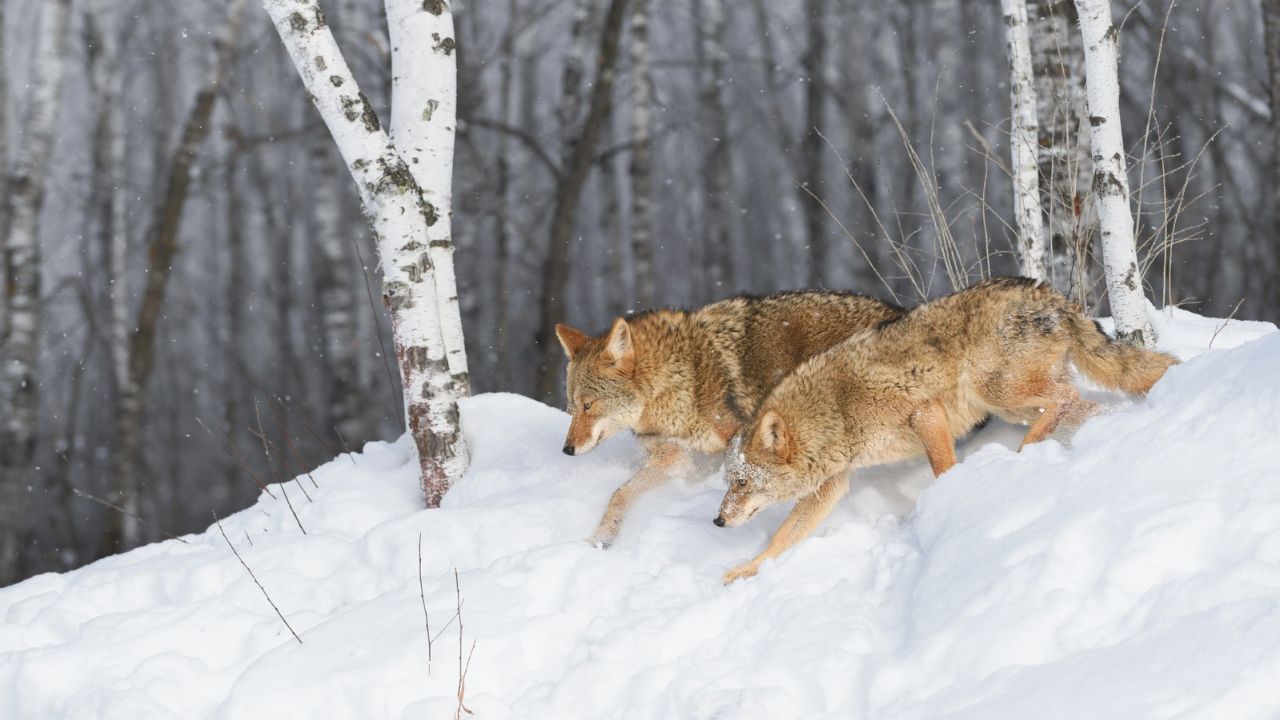
Winter changes the math. Deep snow pushes prey into tighter areas, and coyotes work roads, plowed paths, and packed trails because it saves energy. You’ll see tracks follow your own boot prints right up to the outbuildings.
Keep snow cleared away from fences and coops so it doesn’t turn into a ramp. Store feed in metal cans with tight lids, and don’t leave carcass scraps or afterbirth out where it draws attention. If you’re dealing with repeated losses, it’s worth calling your county extension office or local wildlife agency for local rules and help options, because the right move depends on where you are and what you’re protecting.
Most coyote trouble starts with habits, not a single bold animal. Tighten up food, cover, and access points for a couple weeks, and you’ll usually see visits drop. Keep a simple trail camera up for a month, it’ll tell you what’s really happening when you’re asleep.
Like Fix It Homestead’s content? Be sure to follow us.