10 Chimney Jobs Worth Paying Someone Else to Do
Photo credit: ingae/Shutterstock.com
A chimney looks simple until you’re the one on the roof, in the soot, staring into a dark flue that disappears into the house. Some chimney work is just dirty. Some is flat-out risky, expensive to mess up, or hard to judge with the naked eye. These are the jobs where hiring a qualified chimney pro usually saves you money, time, and a whole lot of stress.
1. Full Chimney Rebuild Above The Roof
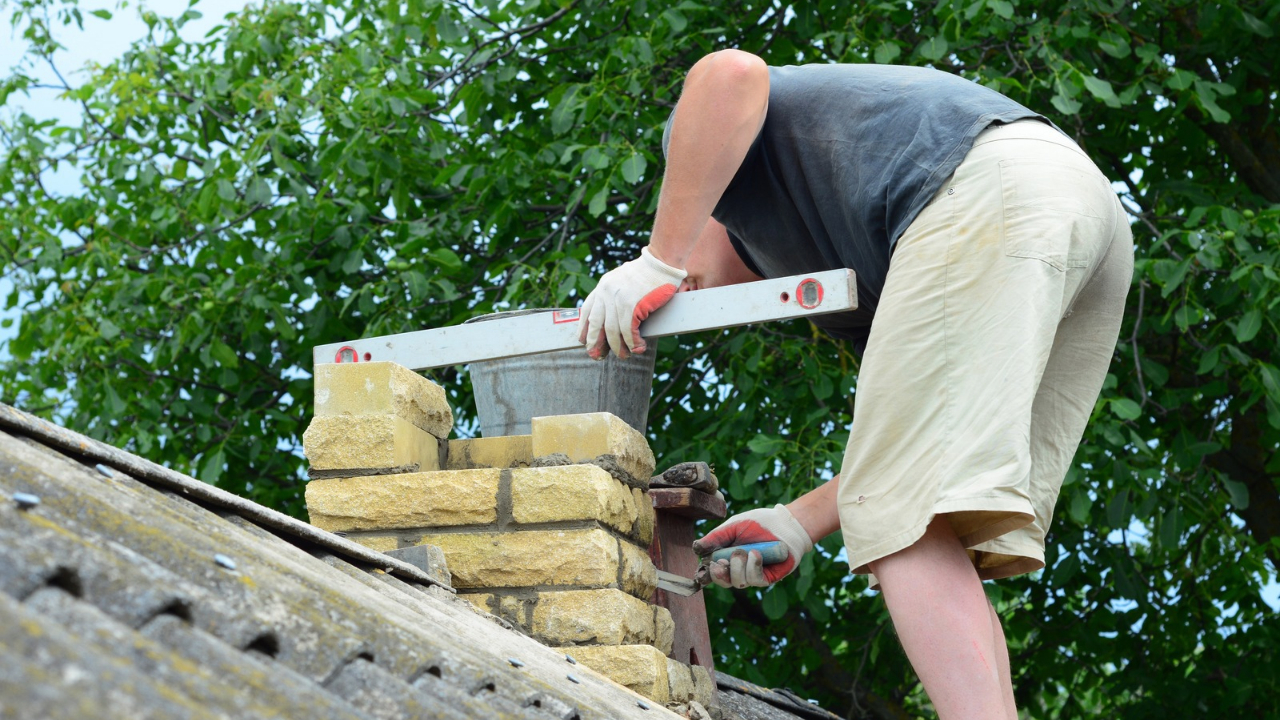
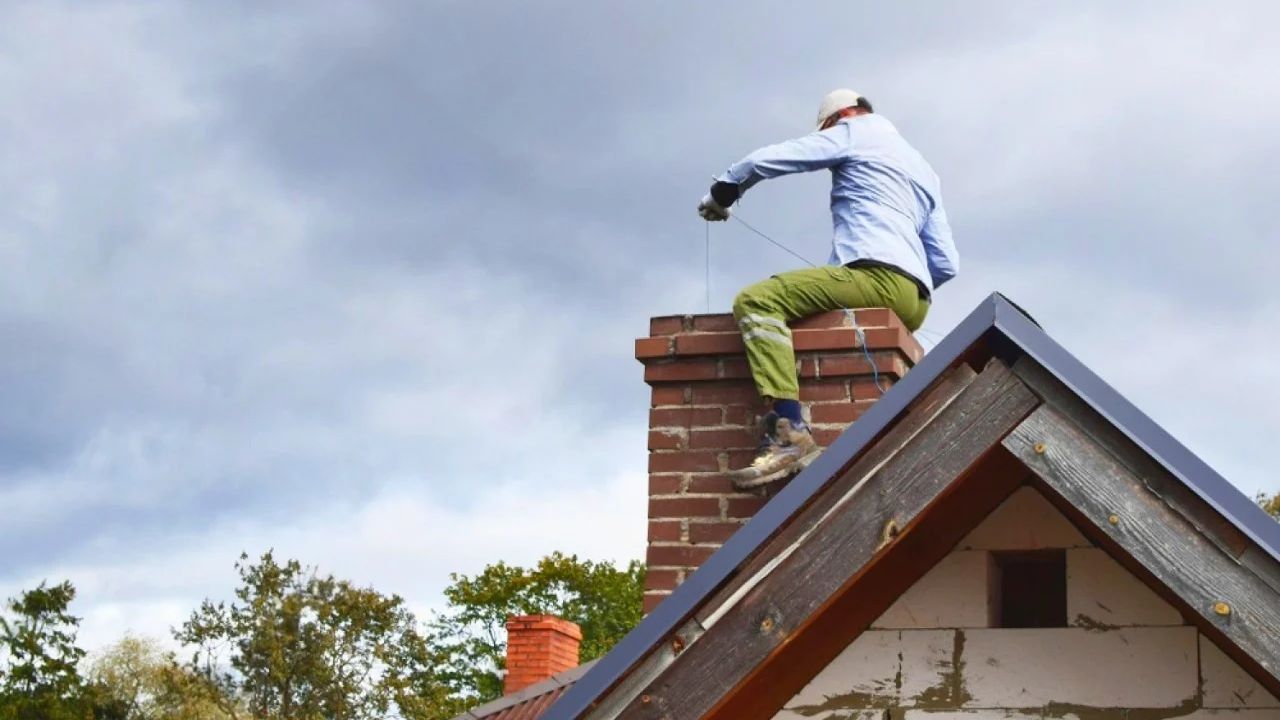
Once bricks start spalling, the crown cracks wide, or the stack leans, you’re past “a little tuckpointing.” The top of the chimney takes the worst weather, and freeze thaw cycles can turn a few loose bricks into a collapse risk over a couple seasons.
This is structural masonry work done at height. A pro brings staging, fall protection, the right mortar, and the experience to rebuild plumb so the flashing and cap actually fit. If your chimney serves a wood stove or fireplace, the wrong rebuild details can also mess with draft and smoke control.
2. Relining A Damaged Or Unlined Flue
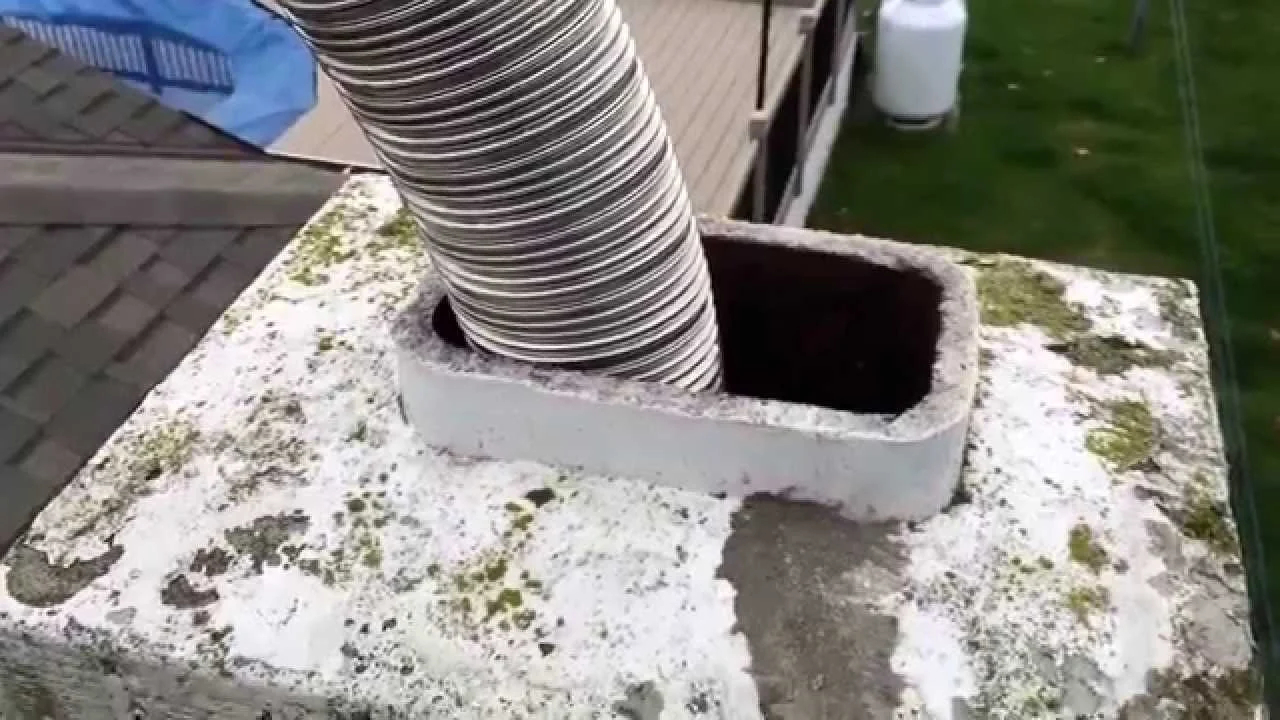
If the flue tile is cracked, missing, or never existed, you can’t see the whole problem from the cleanout. An unlined or damaged flue lets heat and smoke hit masonry and framing where they don’t belong, and it also makes creosote problems worse.
Relining with stainless steel or a cast-in-place system is specialized for a reason. It has to match the appliance, draft requirements, and code, and it has to be installed without gaps or bad joints. This is one of those “pay once” jobs, because doing it wrong means tearing it back out.
3. Diagnosing Chronic Smoke Backdraft Problems
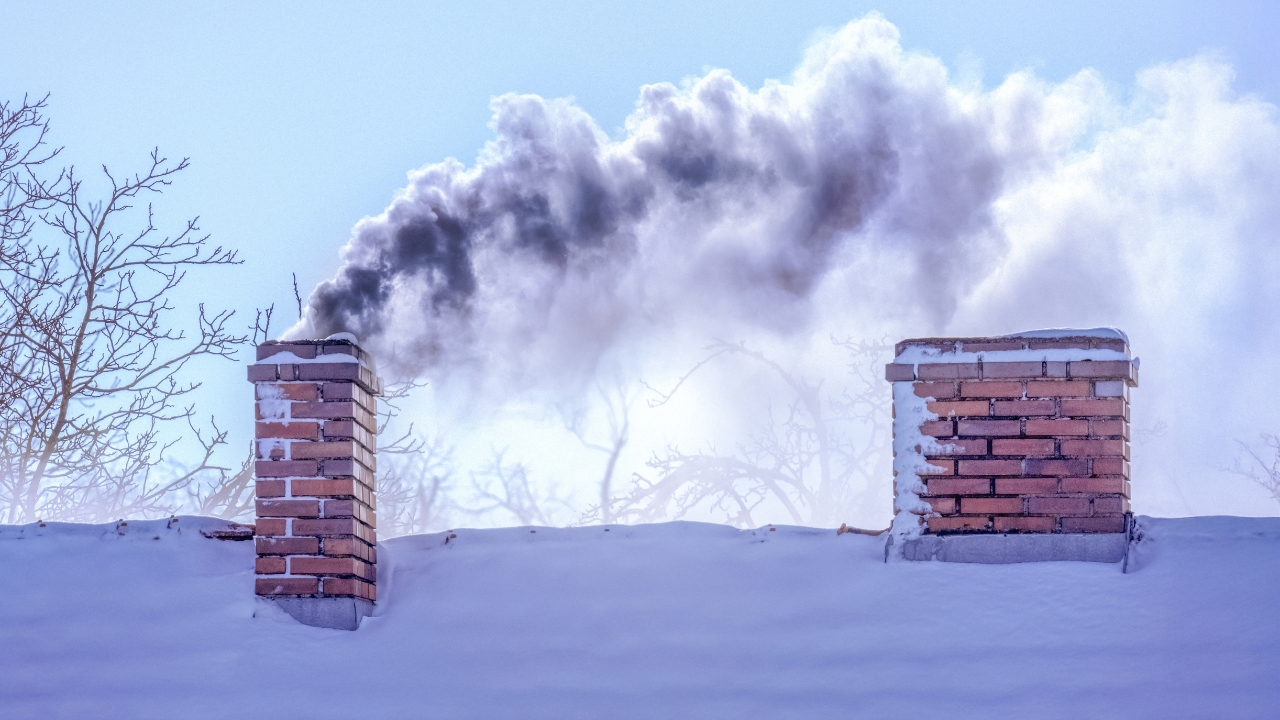
Some people keep trying bigger kindling, drier wood, or opening a window, and the living room still fills with smoke on startup. That’s often not a wood problem. It’s draft, air pressure, flue sizing, or a blockage that keeps coming back.
A good chimney tech can measure draft, inspect the full path, and spot stuff you’ll miss, like an oversized flue for the appliance, a missing throat damper, or a bad cap that acts like a lid in wind. If the fix involves resizing vents, changing appliance connections, or altering the chimney top, you want someone who understands combustion and local code, not guesses.
4. Installing Or Reflashing The Roof Penetration
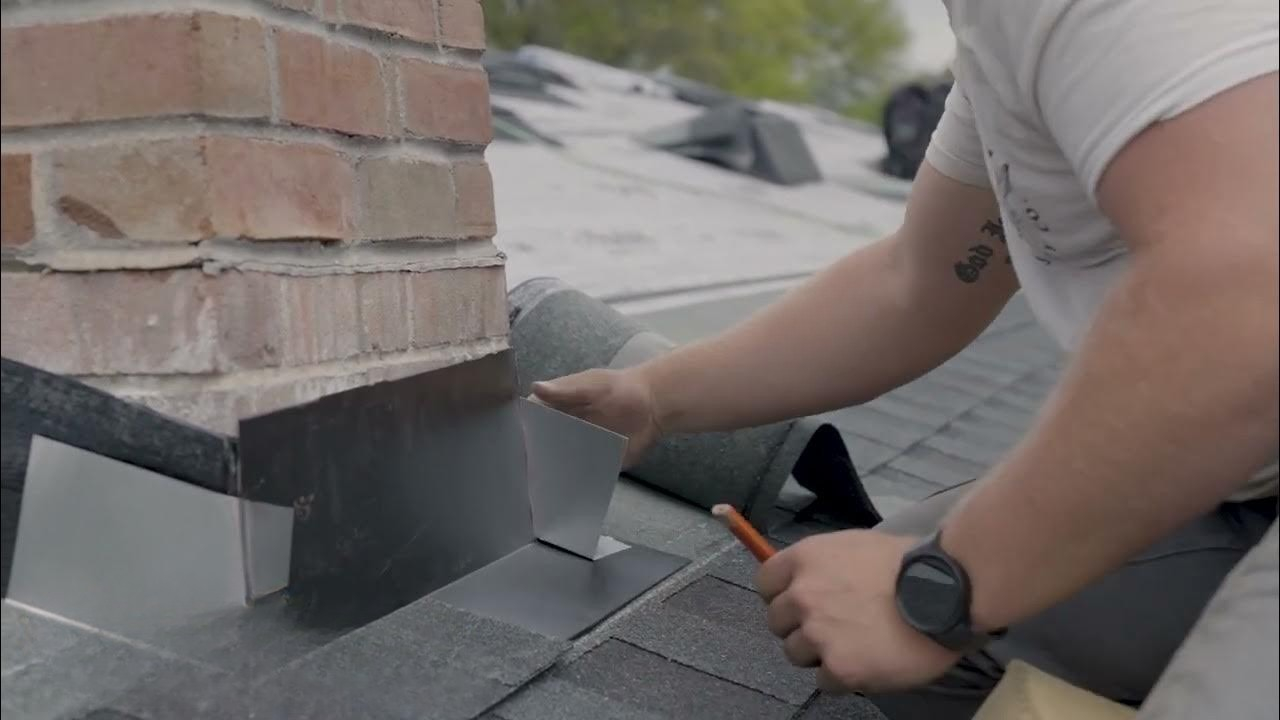
The leak shows up as a brown ceiling stain or wet insulation long after the rain. Chimney flashing is a system, not just “slap some tar around it.” When it fails, water can rot roof decking, ruin a chase, and rot out the chimney’s mortar joints from the inside.
A roofer or chimney pro can install step flashing and counterflashing correctly, and tie it into the shingles and masonry without relying on caulk as the main plan. If the roof is steep, high, or slick, paying for safe access is money well spent. This is also one place where sloppy DIY makes the next repair harder.
5. Repointing And Crown Repair At Height
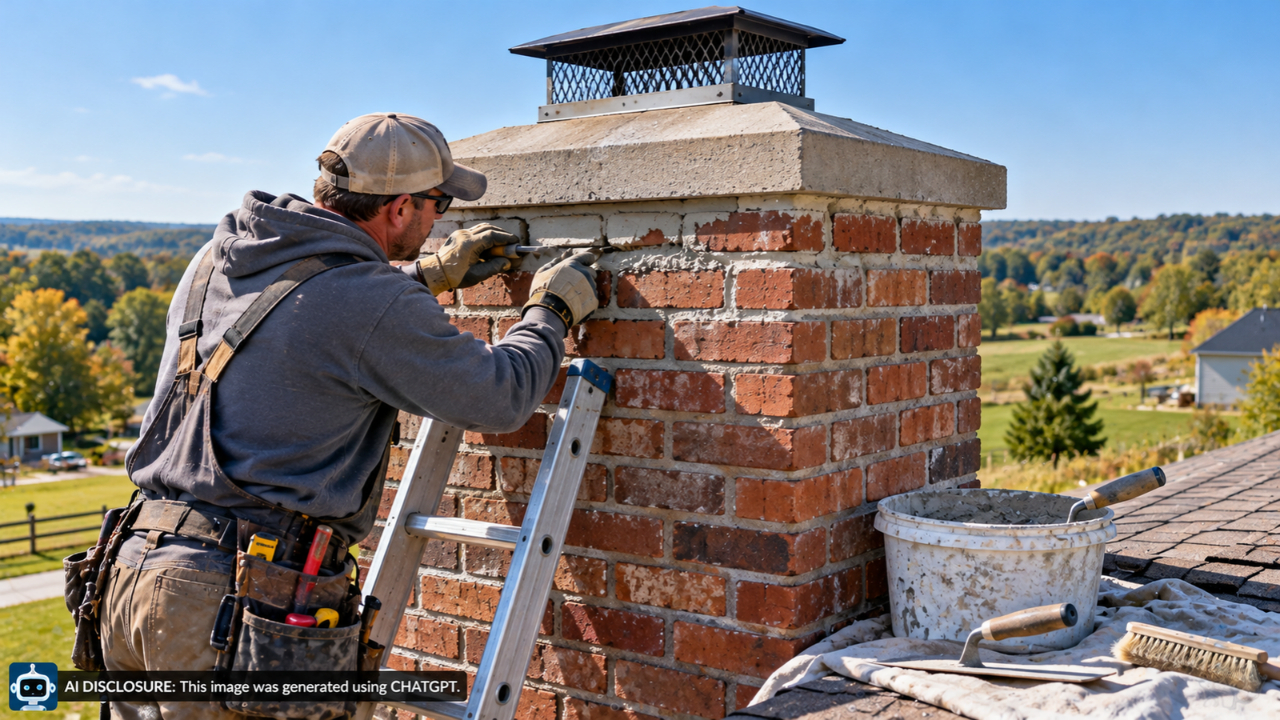
Grinding out joints and packing new mortar looks straightforward until you’re doing it on a ladder with dust in your face. If you use the wrong mortar, you can cause more brick damage over time, especially on older chimneys that need a softer mix.
A pro will match mortar type, fix failing joints deep enough, and rebuild the crown so it sheds water with the right slope and overhang. They’ll also check for a missing drip edge under the crown, a small detail that keeps water from running back onto the brick.
6. Removing A Deep Creosote Glaze
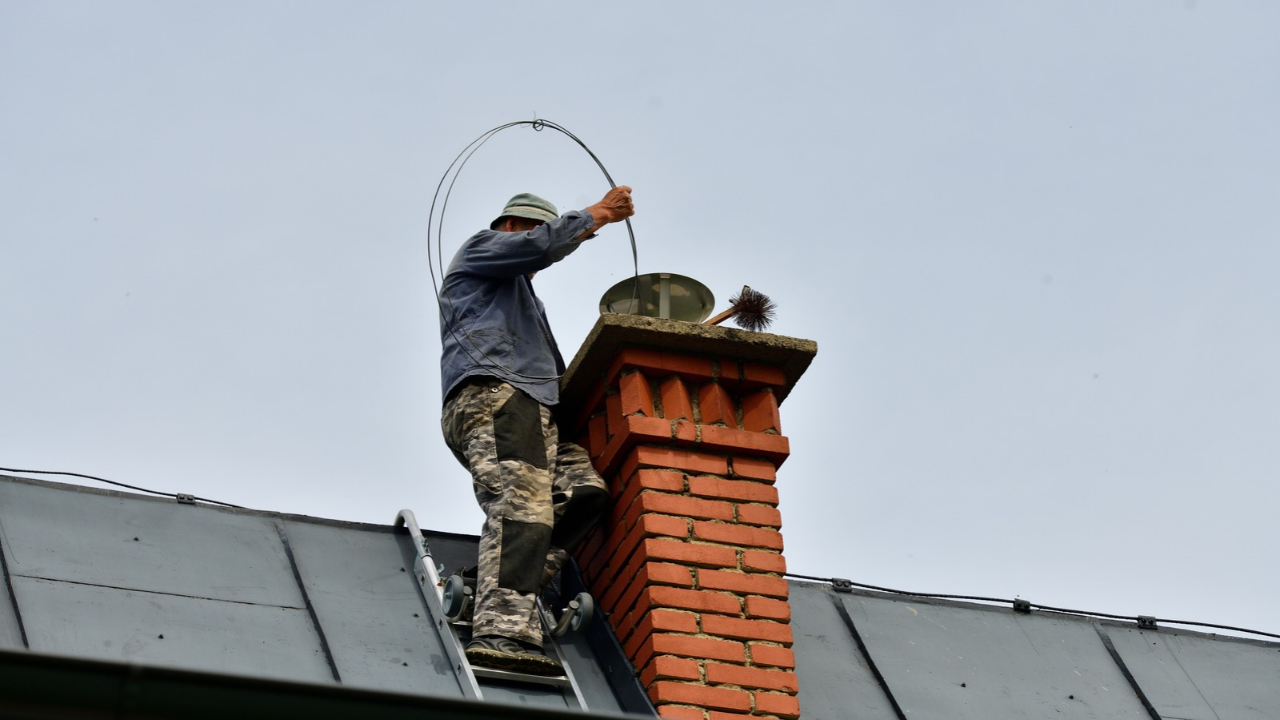
Fluffy soot is one thing. Hard, shiny glaze is another. It sticks like varnish, laughs at a basic brush, and can come back fast if you keep burning wet wood or smoldering fires.
Pros have rotary cleaning systems and chemical treatments meant for creosote stages you can’t safely “scrape harder” to remove. The wrong tool can damage liners, especially clay tile and some stainless systems. If your sweep says you’ve got glaze, treat it like a real project, not a Saturday chore.
7. Installing A New Wood Or Gas Insert
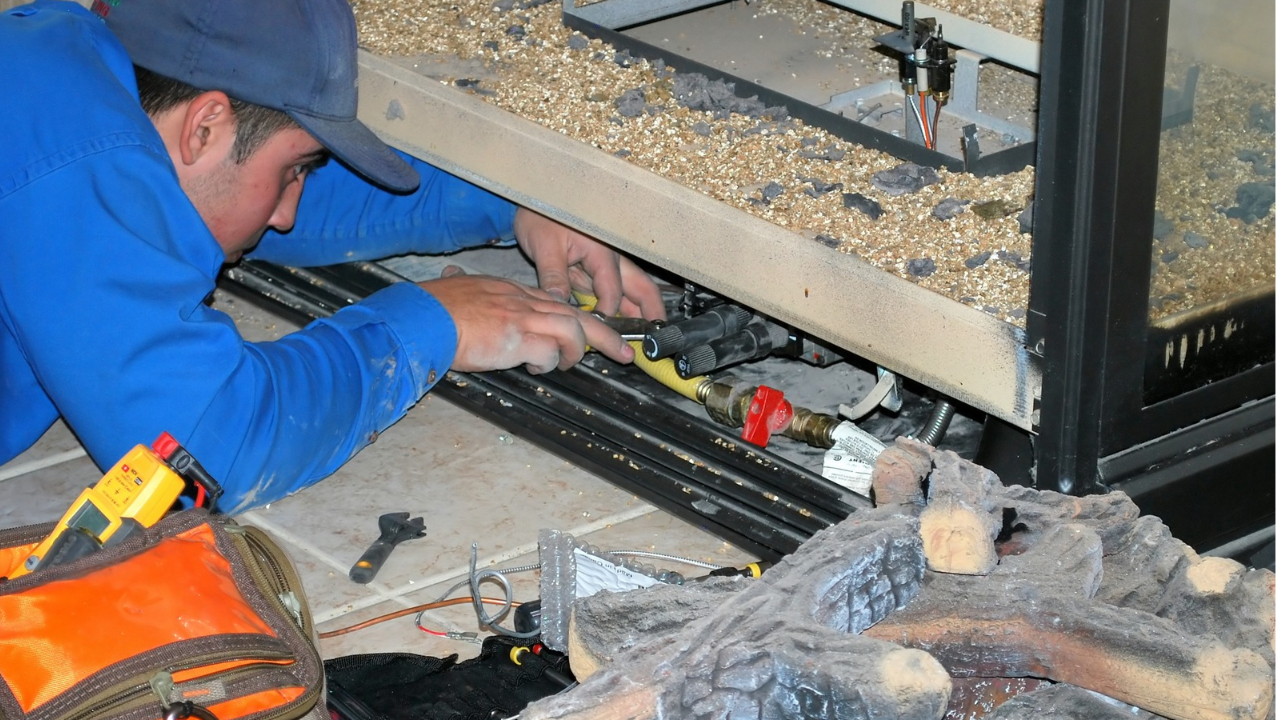
It’s tempting to grab an insert on sale and “make it fit.” The fit is the easy part. The venting, clearances, hearth requirements, and liner connection are where installs go sideways, and mistakes can lead to smoke spillage, poor performance, or code issues that pop up during a home sale.
For gas units, this is licensed-pro territory in most places, and permits are common. For wood inserts, a proper liner, block-off plate, and correct insulation approach make the difference between a heater you love and one that drafts like junk. The installer should also verify the chimney structure can handle the new setup.
8. Animal Removal And Chimney Top Repairs
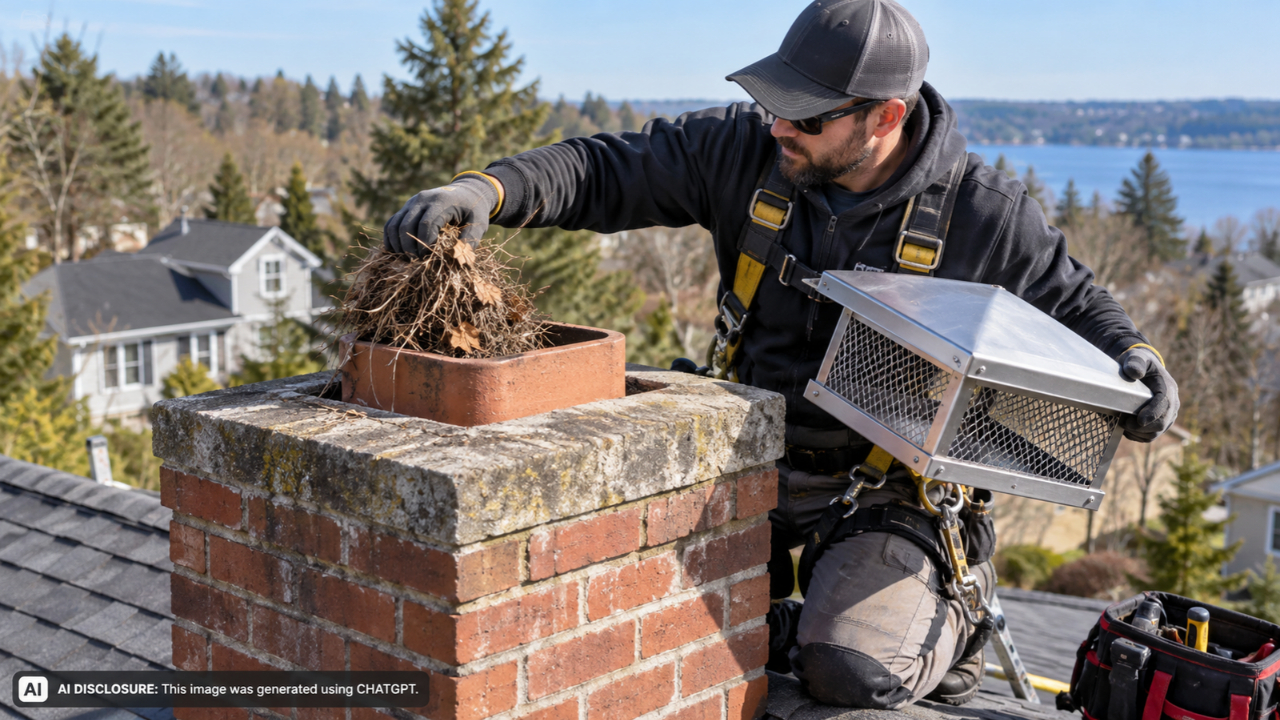
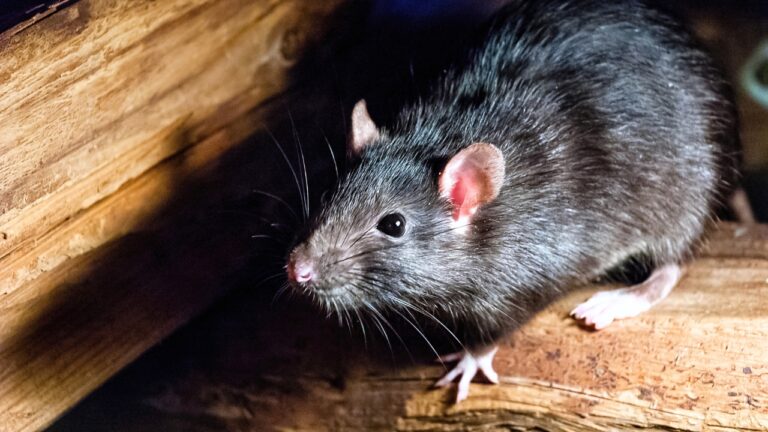
You’ll hear it at dusk, scratching, chirping, thumping, sometimes the awful fluttering sound. A DIY cap removal turns into a mess fast, and you can end up with injured wildlife stuck in the smoke shelf or a nest jammed halfway down the flue.
A wildlife pro can remove animals in-season and within local rules, then clean out nesting material safely. After that, a chimney pro can replace a damaged cap or add a proper spark arrestor screen. If you just shove a screen on top without cleaning the nest out, you’re building a blockage on purpose.
9. Camera Inspection For Real Cracks And Offsets
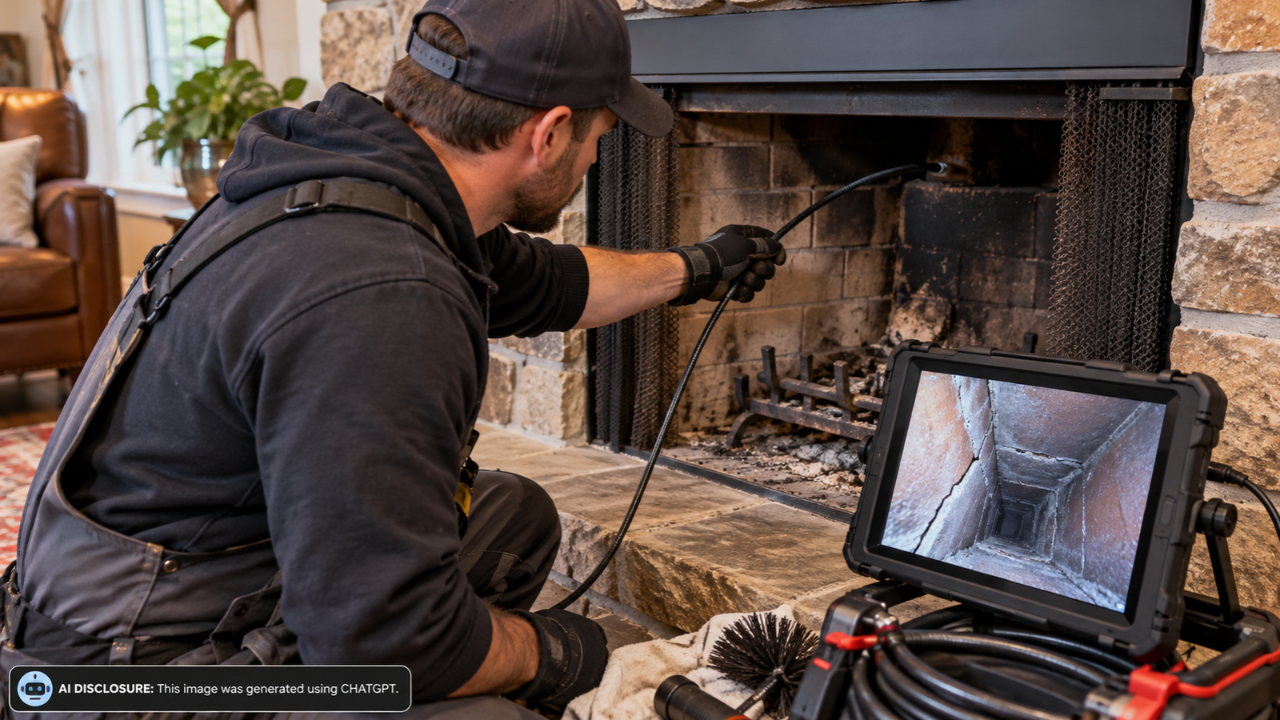
A flashlight inspection tells you almost nothing past the first bend, and soot hides a lot. If you bought a house with an “unused fireplace,” or you had a chimney fire, a camera inspection is the fastest way to find cracked tile, missing mortar, offsets, or a liner that’s pulled apart.
This is also where you get the honest exception. If you have a newer stainless liner with a visible, accessible run and you only burn occasionally, a basic annual sweep without a camera can be fine. But if you’re troubleshooting odors, smoke, water leaks, or selling the place, the camera report is worth paying for.
10. Stabilizing A Leaning Or Separating Chimney
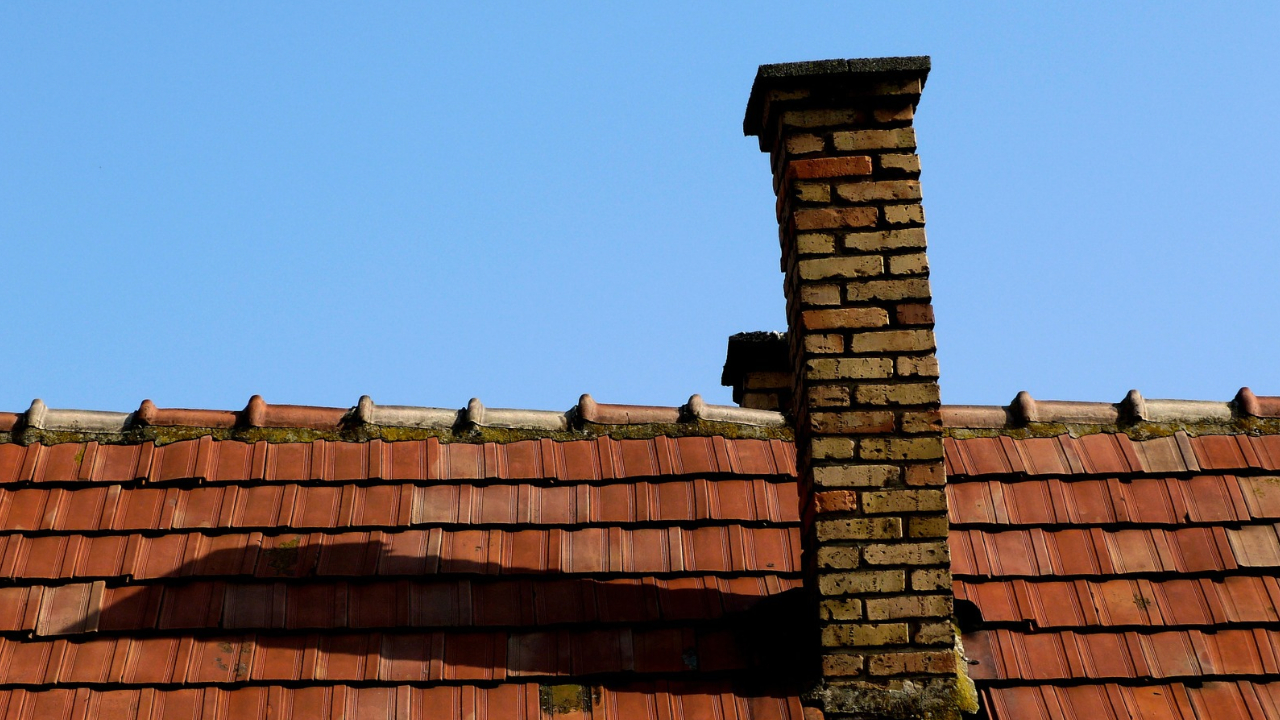
When you see a gap between the chimney and the house, or the stack looks like it’s inching away, stop treating it as “old house charm.” Movement can come from footing issues, rusted chimney ties, water damage inside a framed chase, or just years of freeze thaw pushing things out of line.
This is a job for pros because the fix depends on the cause, and the wrong fix can hide the problem until it gets worse. You may need a mason, a structural contractor, or both, and permits can come into play. If the chimney is shared with a furnace, boiler, or water heater, don’t run those appliances until it’s inspected.
Chimneys sit at the intersection of fire, water, and gravity, and they fail in slow, expensive ways. Pay for the hard calls and high-risk work, then keep your DIY energy for the simpler habits that actually help, like burning dry wood and scheduling cleanings before the first cold snap.
Like Fix It Homestead’s content? Be sure to follow us.