10 Repairs That Are Cheaper to Fix Before Listing
Photo credit: Carolina F Varela/Shutterstock.com
Selling a place makes small problems feel louder. Buyers notice stuff you stopped seeing years ago, and inspectors write it all down in black and white. A handful of simple fixes done early can keep bigger damage, delays, and price cuts off the table.
1. Dripping Faucets And Running Toilets

A slow drip looks minor until a buyer hears it in a quiet showing. Most faucet leaks are just a worn cartridge, O-ring, or supply line, and toilet running is often a flapper or fill valve. These parts cost a few bucks and take less than an hour with basic hand tools.
Fixing it now also keeps you from explaining water stains in the cabinet or a mystery damp spot at the base of the toilet. Turn the shutoff valves to make sure they actually work. If the shutoff won’t close, swap it out, or hire a plumber if the valve is seized or the pipe is old and fragile.
2. Loose Outlets, Switches, And Cover Plates
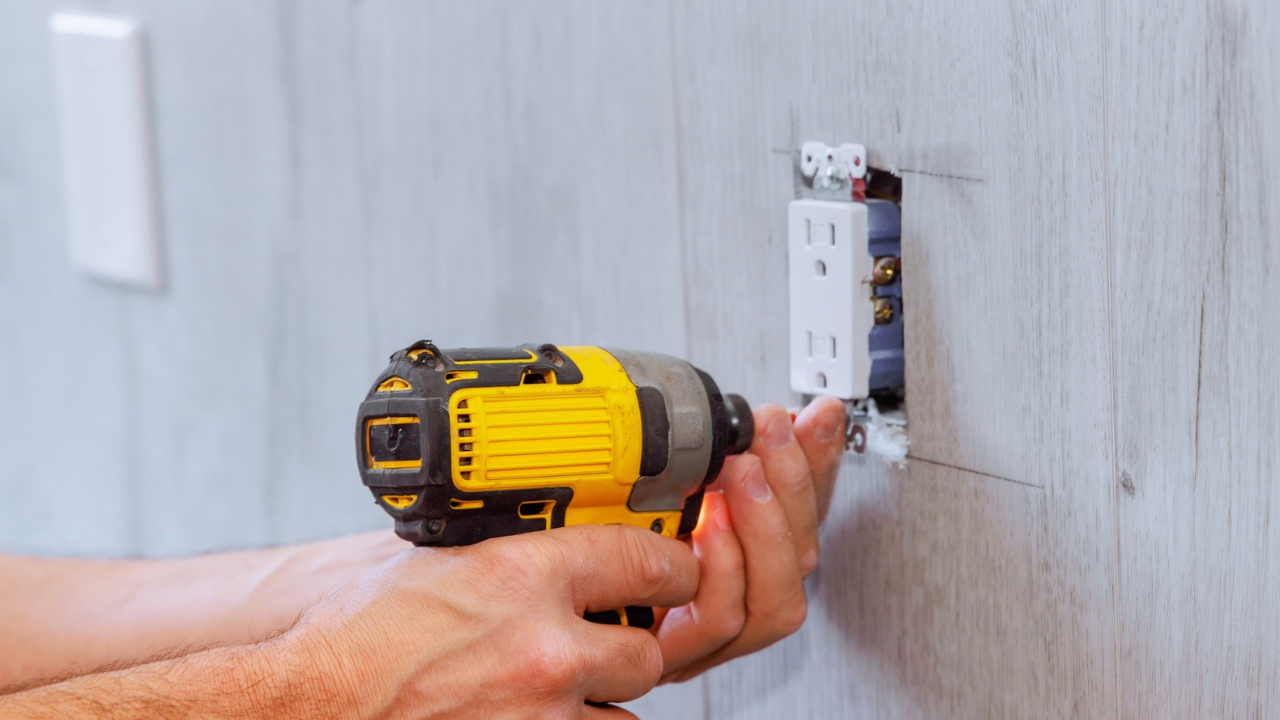
Buyers test switches. A wobbly outlet or a cracked cover plate reads like “this house wasn’t cared for,” even when the wiring is fine. Tighten the device to the box, add inexpensive box spacers if it sits too deep, and replace broken plates so everything sits flat.
This is one of those cheap, high-visibility repairs. Turn off the correct breaker and verify the power is off before touching anything. If you find scorched wires, buzzing, or a warm outlet, stop and call a licensed electrician.
3. Missing Caulk At Tubs And Countertops
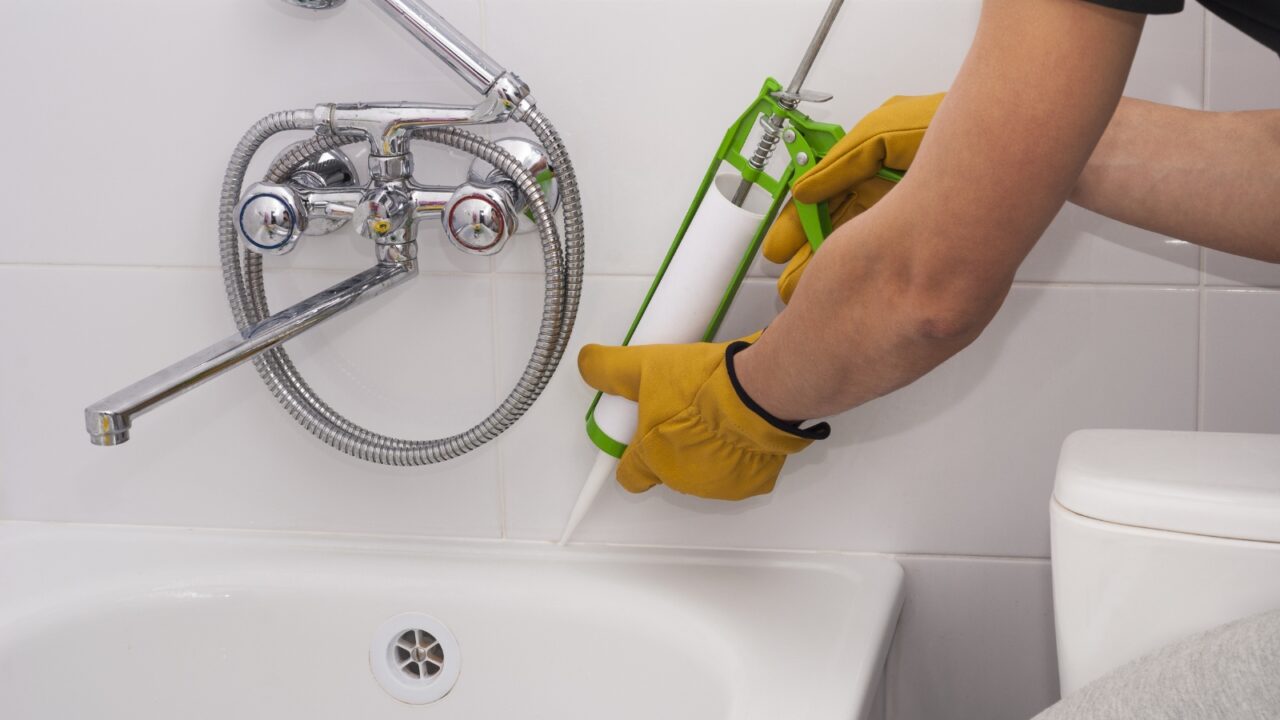
People try to scrub mildew forever instead of fixing the gap that keeps feeding it. Old caulk pulls away at the tub edge, around a shower pan, and along kitchen counters, then water slips in and swells drywall or particleboard. Cut out the failed bead with a utility knife, clean the joint well, let it dry, then re-caulk with a bathroom-rated silicone or a high-quality hybrid sealant.
Do not caulk over wet, dirty, or moldy joints and expect it to last. A bright, neat line looks clean in listing photos and helps stop rot you can’t see yet. If the tub or shower flexes a lot, address loose framing or supports, or the new bead will split again.
4. Slow Or Smelly Drains In Sinks
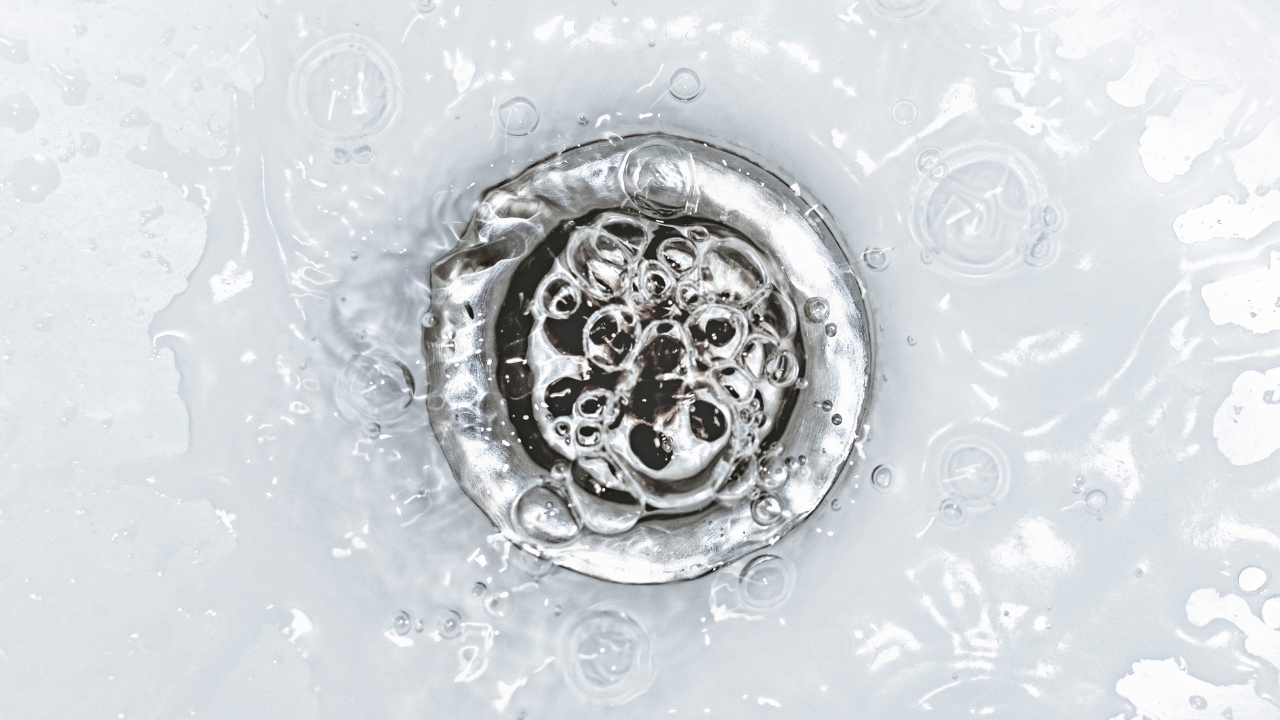
A sluggish bathroom sink tells buyers there’s a bigger plumbing problem, even when it’s just hair and soap scum. Pull the pop-up stopper and clean it, then clear the trap if needed with a bucket and adjustable pliers. In the kitchen, a gunky disposer can stink, so flush it with plenty of water and clean the rubber splash guard.
Skip harsh drain chemicals if your pipes are older, they can do damage and they rarely solve the real clog. A small hand snake or a plastic drain tool handles most bathroom clogs fast. If multiple fixtures back up at once, that’s beyond a quick fix and worth a plumber visit before the inspection clock starts.
5. Sticking Doors And Latches That Don’t Catch
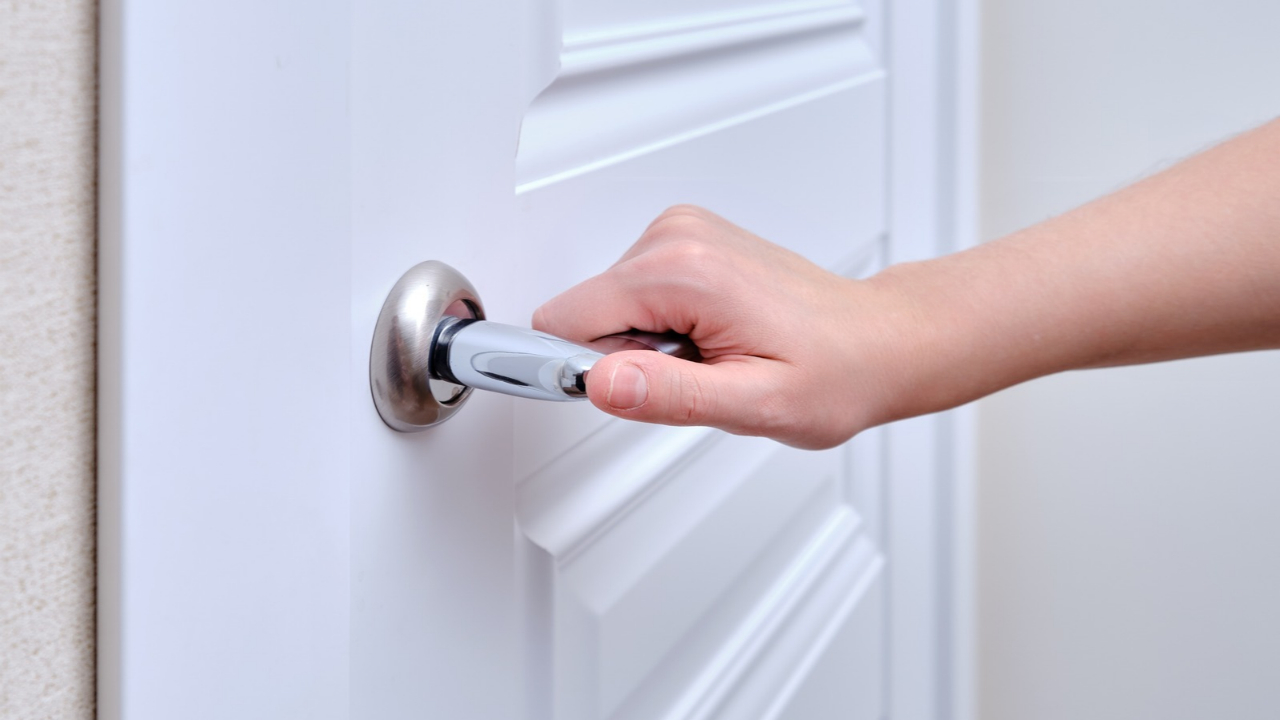
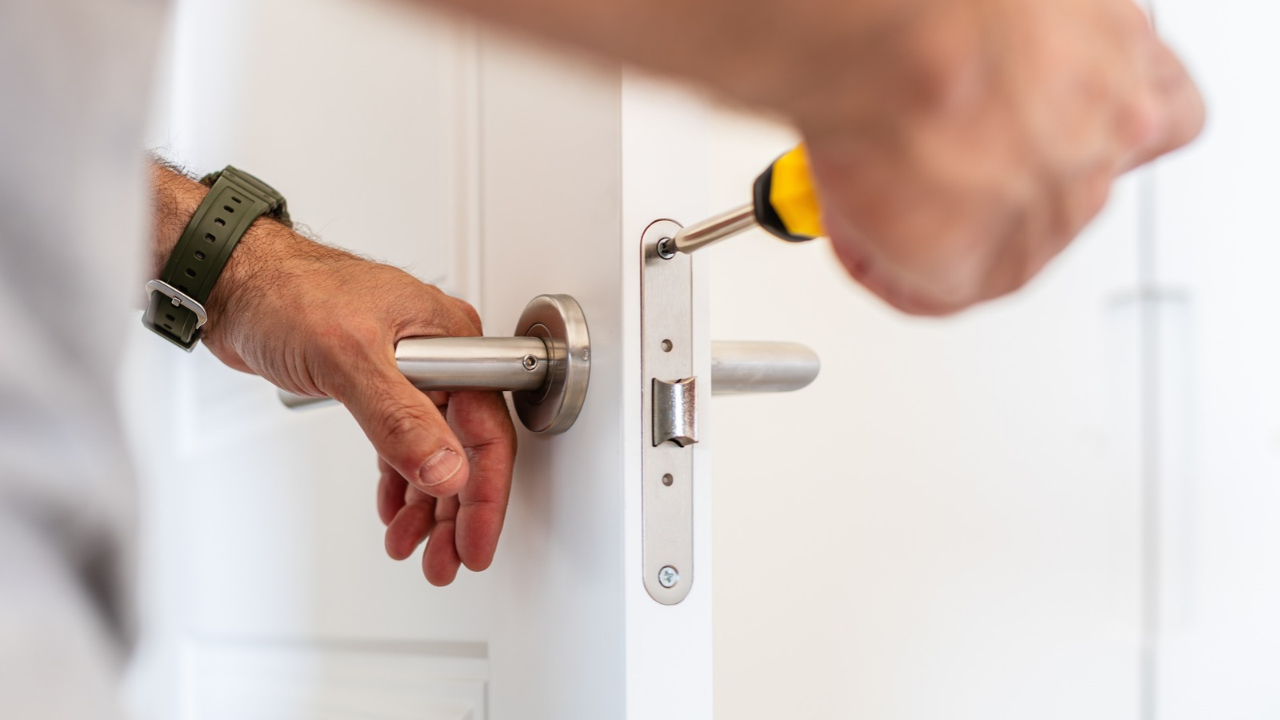
Nothing makes a house feel cheap like doors that rub, don’t close, or need a shoulder check. Often it’s loose hinge screws, a sagging strike plate, or a swollen door edge from seasonal humidity. Tighten hinges, replace short screws with longer ones that bite into framing, and adjust the strike plate so the latch clicks smoothly.
If a door is binding at the top corner, a little hinge adjustment can beat sanding the door to death. For exterior doors, check the threshold sweep and weatherstripping while you’re there. If the jamb is visibly out of square from foundation movement, get a pro opinion before you start trimming doors to fit a shifting problem.
6. Peeling Paint And Soft Wood Trim
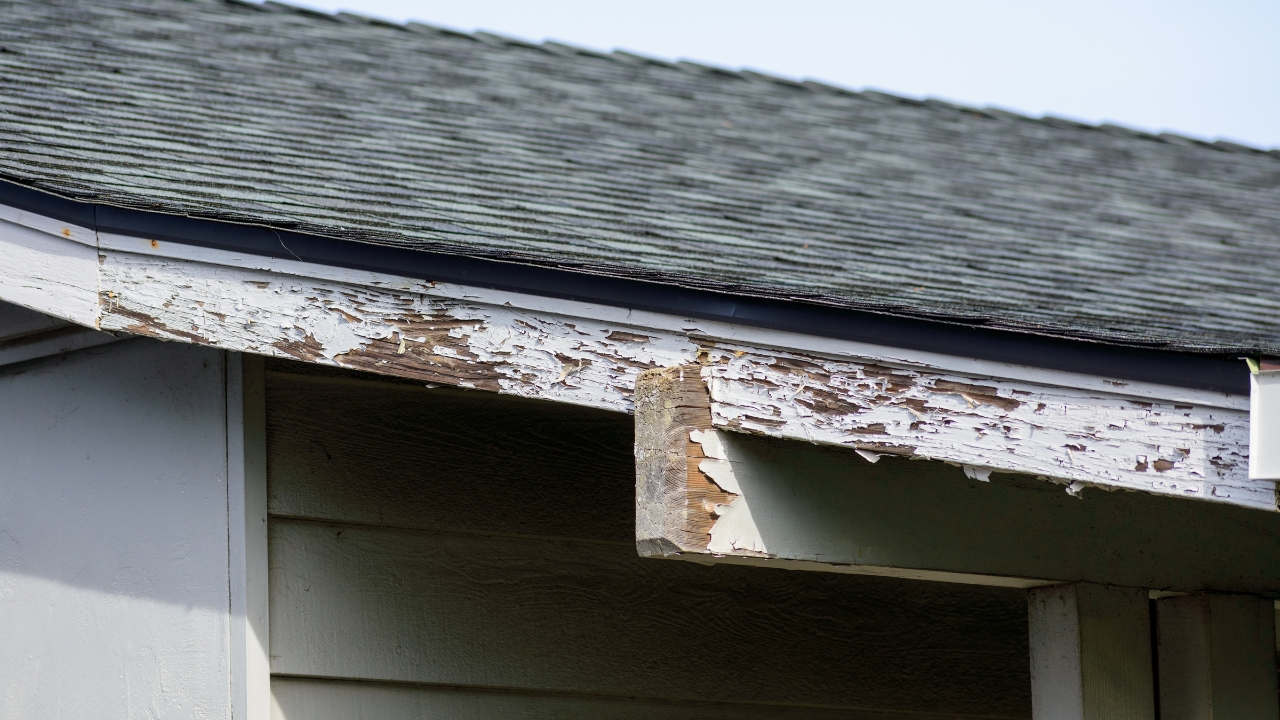
Peeling paint around windows, fascia, or porch posts usually means water has been hanging out there. Scrape loose paint, sand the edge, prime bare wood, then repaint. If the wood is soft when you press it with a screwdriver, cut out the rot and patch it, or replace the piece if it’s far gone.
This one is cheaper early because rot spreads. Left alone, you end up replacing sheathing, framing, or whole window sills. A ladder, scraper, primer, and exterior paint are manageable DIY, but high work, steep roofs, and second-story trim are worth paying for.
7. Missing Gutter Extensions And Clogged Downspouts
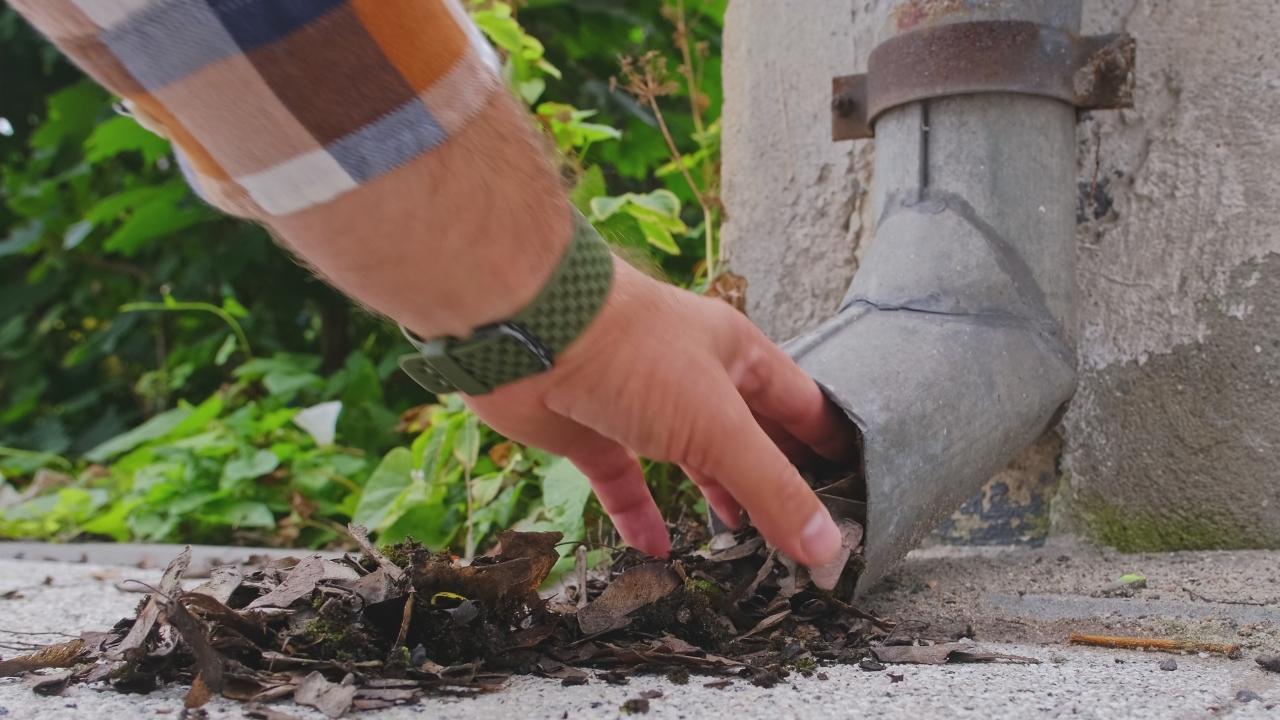
Water management sells houses, even if buyers don’t say it out loud. When downspouts dump right at the foundation, you get splashback, wet basements, muddy crawlspaces, and mulch washed into beds. Clean the gutters, flush the downspouts with a hose, and add extensions to push water several feet away.
This is a weekend job that prevents expensive surprises on the inspection report. While you’re up there, look for gutters pulling loose or dripping at seams. If water has already carved trenches along the house, regrade the soil after you fix the drainage.
8. Dryer Vent Ducts Full Of Lint
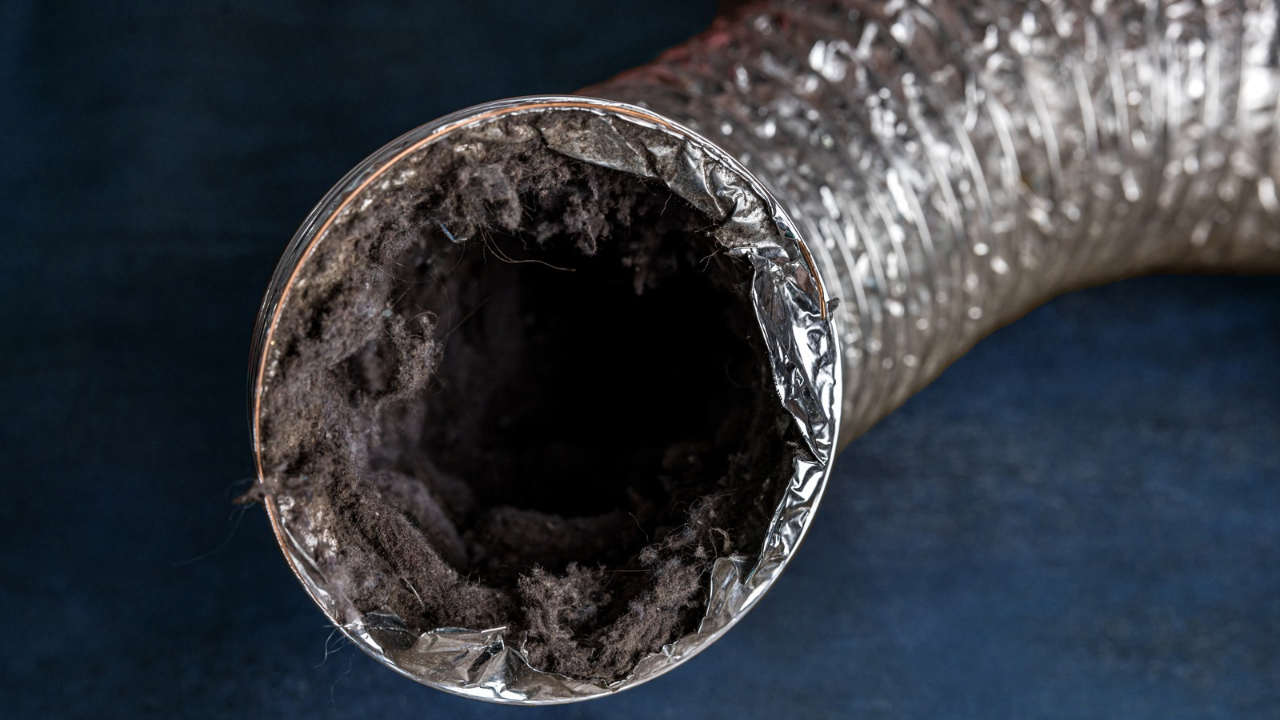
Is the dryer taking two cycles? That’s often a lint-packed vent, and inspectors call it out because it’s a fire risk. Disconnect the duct, vacuum the lint, then use a vent brush kit to clean the run to the outside hood.
Replace flimsy foil or plastic ducting with rigid or semi-rigid metal where possible. Keep the run short with gentle bends, and make sure the outside flap opens freely. If the vent disappears into a wall or runs a long way through an attic, hiring a vent cleaning service can be money well spent.
9. Loose Handrails And Wobbly Steps
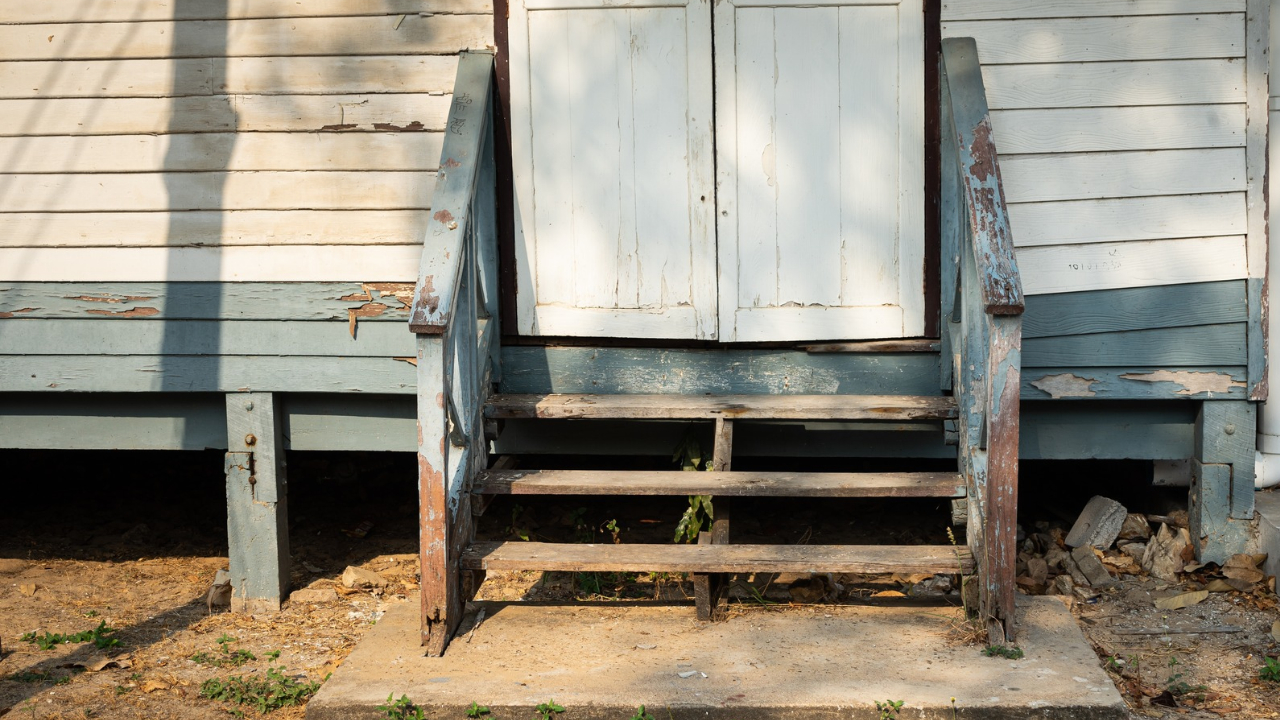
One shaky stair tread can spook a buyer faster than a stained carpet. Tighten fasteners, add proper screws or structural fasteners where boards have pulled away, and eliminate side-to-side rail movement. A solid grab rail on basement steps and exterior entries reads safe and cared for.
Keep the fix honest. If posts are rotted at the base or stringers are cracked, it’s not a quick tighten-up, it’s a rebuild. For major stair repairs and any guardrail height or spacing questions, check local code or hire a pro so you don’t create a liability.
10. Leaky Hose Bibs And Broken Exterior Spigots
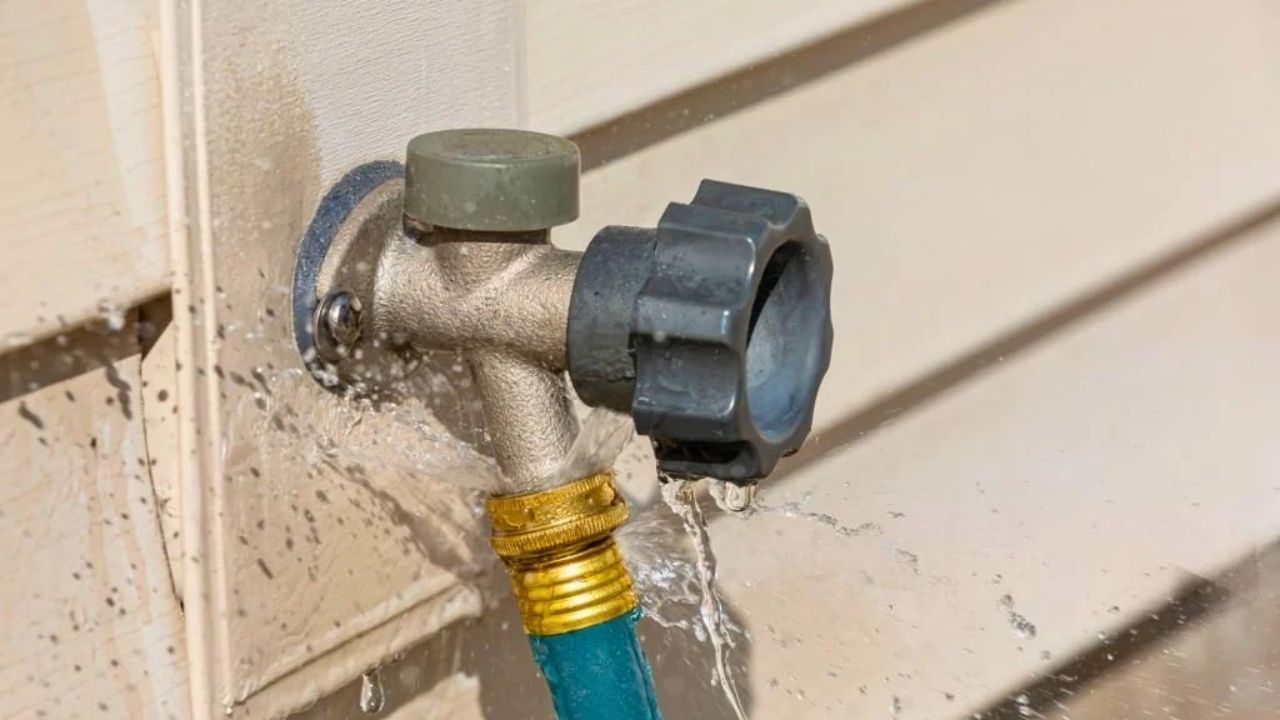
That outdoor faucet that “only drips in winter” will show up at the worst time, usually right before pictures or an open house. Often you just need a new washer or packing nut tightened, and sometimes the vacuum breaker is cracked. A new hose bib is still a pretty small bill compared to repairing a burst pipe in a wall.
There’s an exception where the cheap option is fine. If the spigot is old but not leaking, a simple insulated cover for cold snaps is acceptable in many climates. If you live where hard freezes are normal and you don’t already have frost-free sillcocks, upgrading is worth considering, but replacing one can involve soldering or working inside a wall, which is a good time to call a plumber.
Knocking out these repairs before the first showing keeps your schedule calm and your negotiating position stronger. You also get to fix things on your terms, not under an inspection deadline with contractors booked out. Clean, tight, dry, and solid wins, even in a modest house.
Like Fix It Homestead’s content? Be sure to follow us.