Best Dual-Fuel Generators for a Long Outage
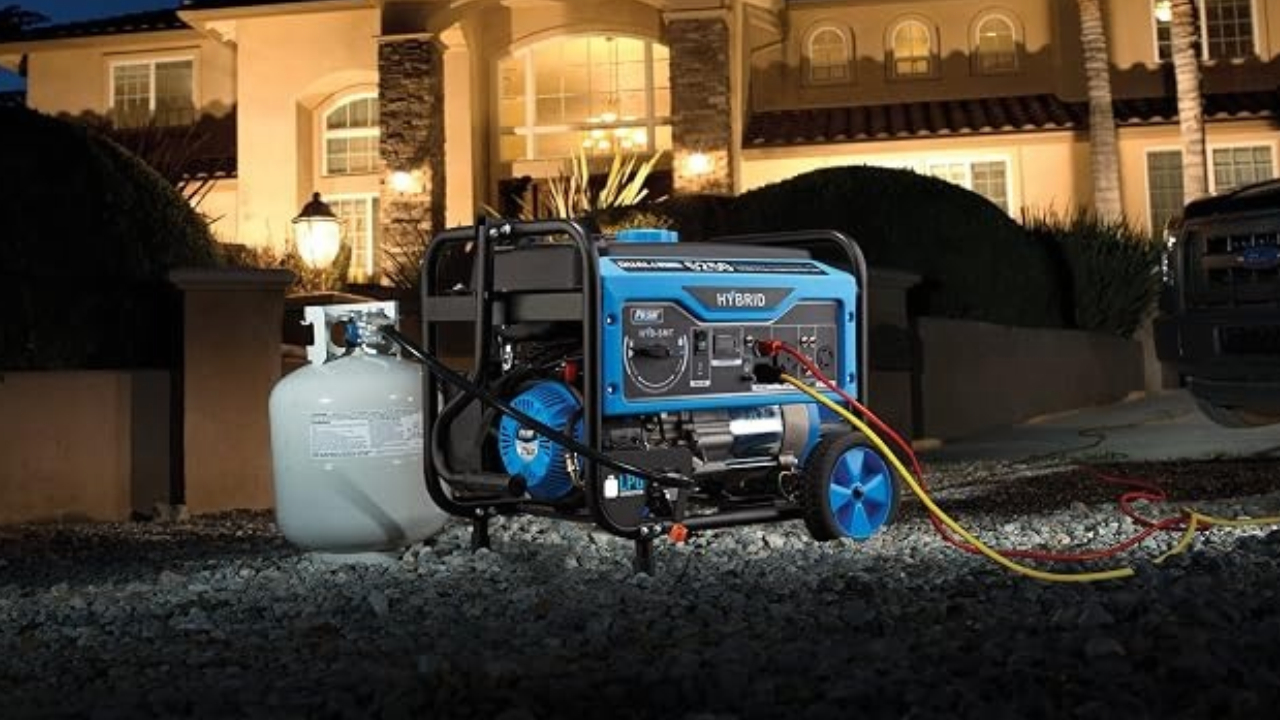
Photo credit: Pulsar/Amazon.com
A long outage turns small choices into big problems. Fuel gets scarce, cords melt, and the generator you swore was “plenty” starts hunting and sputtering at 2 a.m. Dual-fuel units can buy you flexibility, but only if you pick one that fits your house, your loads, and the way you actually store fuel.
1. Running A Fridge On A Tiny Inverter
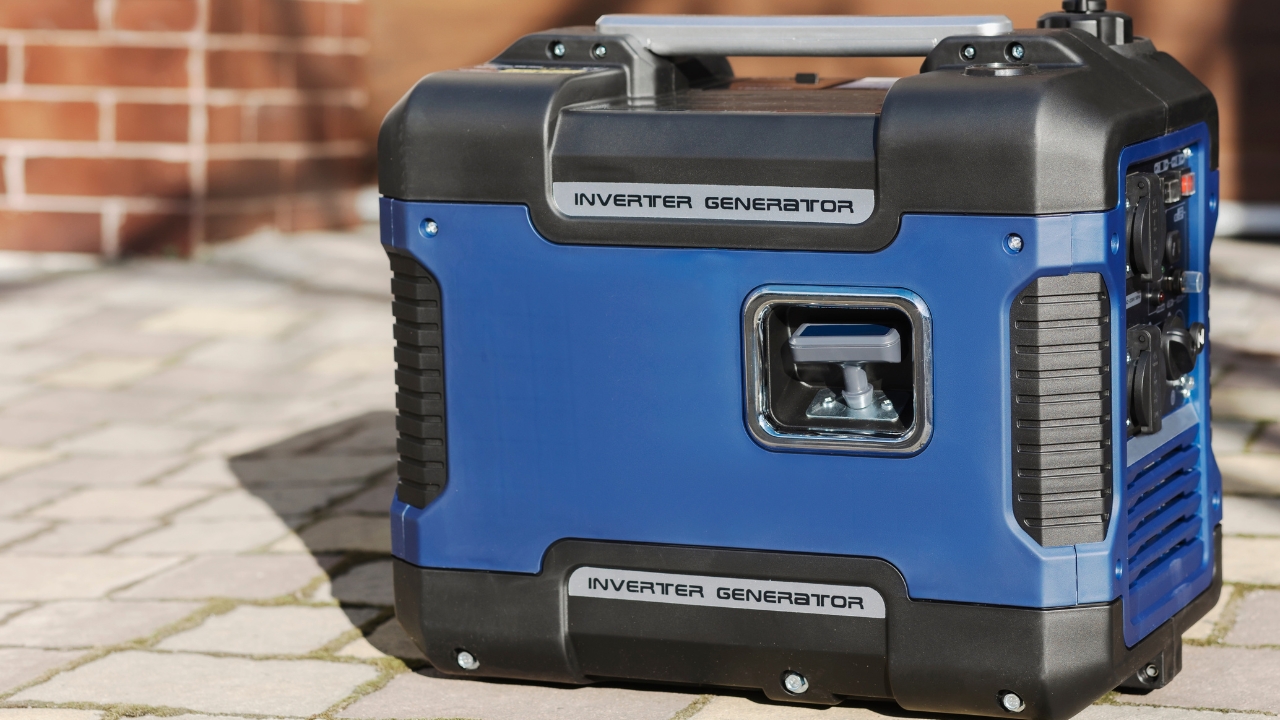
A little suitcase inverter generator looks perfect until the fridge compressor kicks on and the lights blink. The unit starts surging, then the overload light comes on, then you’re standing there deciding what to unplug. During a multi-day outage, that on-off struggle is hard on appliances and hard on the generator.
Shop by real starting watts, not the happy “running watts” printed in big letters. If you want refrigeration plus a well pump or a furnace blower, you’re often in the larger dual-fuel class, not the 2,000 watt camping size. If you only need phone charging and a few LED lights, the small inverter is fine, but don’t pretend it’s a whole-house backup.
2. Buying Too Much Generator For Propane
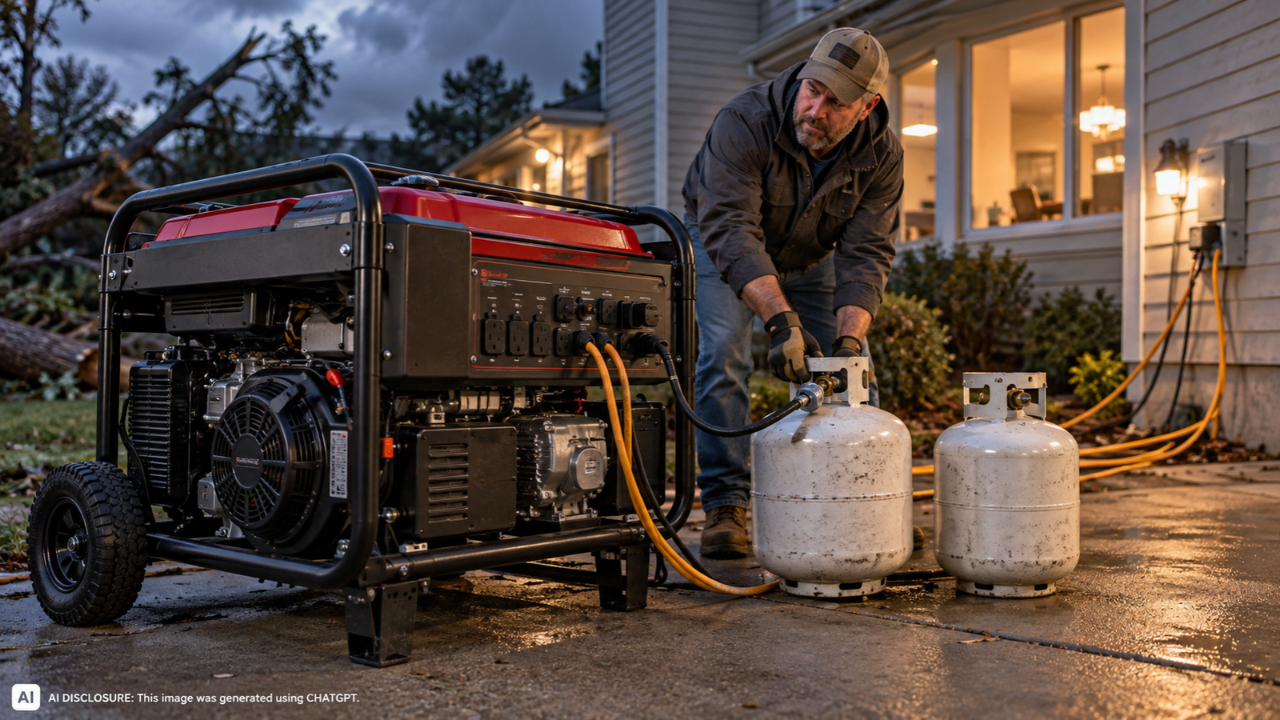
Big wattage sells, but propane punishes oversized plans. Many dual-fuel generators lose noticeable power on propane, and a big engine will drink through cylinders faster than you expect. Halfway through day three, you’re swapping tanks like you’re running a forklift fleet.
Match the generator to your fuel storage. If your propane plan is two 20 pound grill cylinders, don’t buy a monster and expect it to run everything. A mid-size unit that can run longer at a moderate load often feels better in real life than a huge unit that forces constant refueling and noisy, high-RPM runs.
3. Skipping A Proper Transfer Switch Install
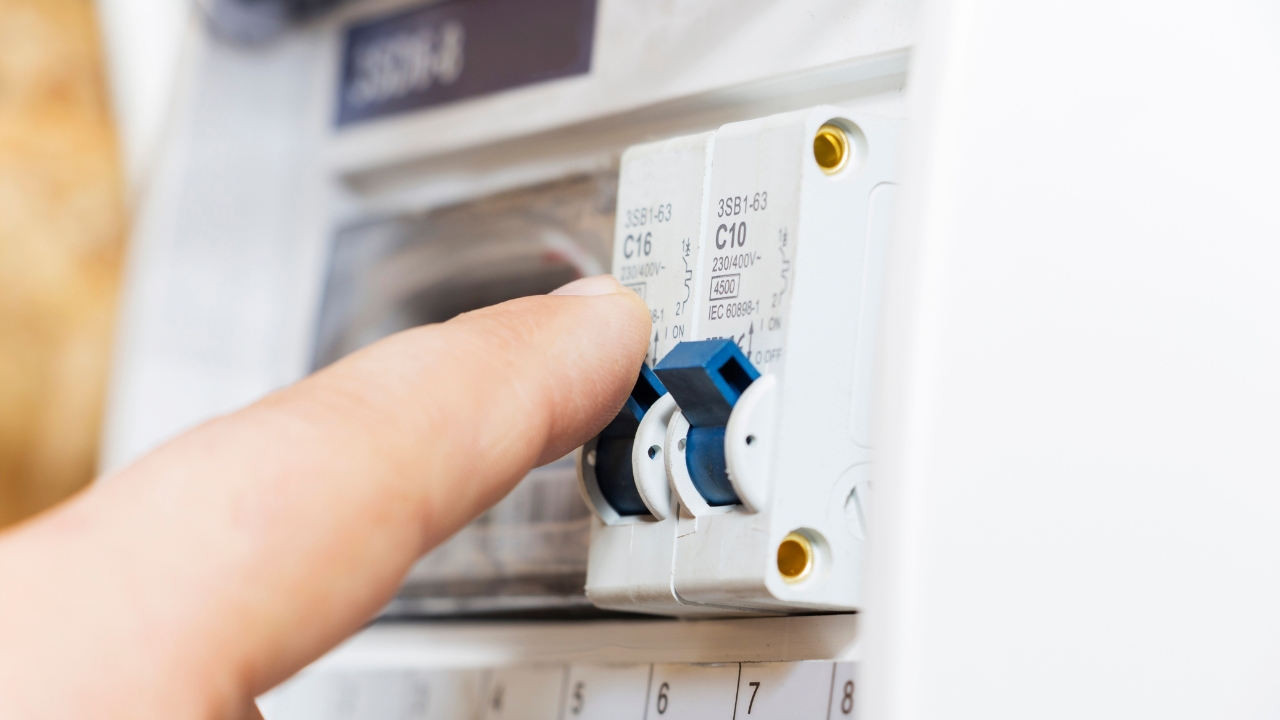
Backfeeding through a dryer outlet or jury-rigging cords into the panel is how people get hurt and how linemen get killed. It can also cook your generator the first time you forget and leave the main breaker on. If you’re serious about long outages, the power handoff has to be boring and correct.
Get a licensed electrician to install either a transfer switch or an interlock kit that’s approved for your panel, with the right inlet box outside. Permits and local codes apply, and that’s not busywork. Once it’s in, you can run clean circuits without cords snaking under doors, and you can shut off non-essentials so the generator doesn’t lug down.
4. Falling For “Peak Watts” Marketing
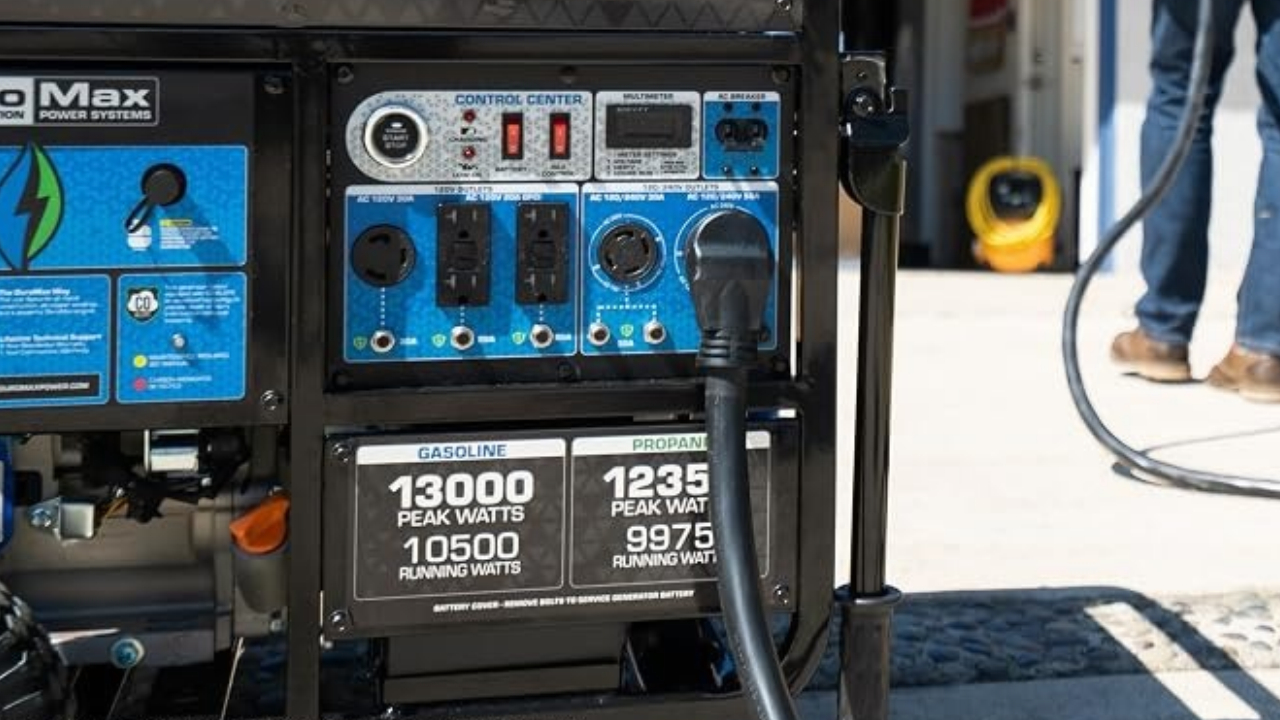
Peak watts are a short burst number, like yelling loudly for one second and calling it singing. What you live with is continuous output, heat, and how the voltage behaves under load. Some generators look great on paper, then bog hard when you start a freezer and a microwave at the same time.
Look for clear ratings for running watts on gasoline and on propane, plus THD info if you plan to run sensitive electronics. Inverter generators usually play nicer with electronics, but an open-frame can still work if you’re mainly powering motors, lights, and battery chargers. Read the manual specs before you buy, not after it’s on the porch.
5. Expecting Gasoline To Store Like Propane

Gas goes stale, gums carbs, and turns a “reliable” generator into a pull-cord workout. After a storm, you’ll hear it cough, then die, then only run on choke. Propane sits quietly for years and doesn’t care about seasons, which is why dual-fuel is handy.
If you’re going to lean on gasoline, rotate it and treat it, and keep it in proper cans away from ignition sources. Better yet, plan propane as the long-haul fuel and keep gasoline as a short bridge. Dual-fuel shines when you’re not trapped by one supply chain.
6. Ignoring Cold-Weather Propane Pressure Drops
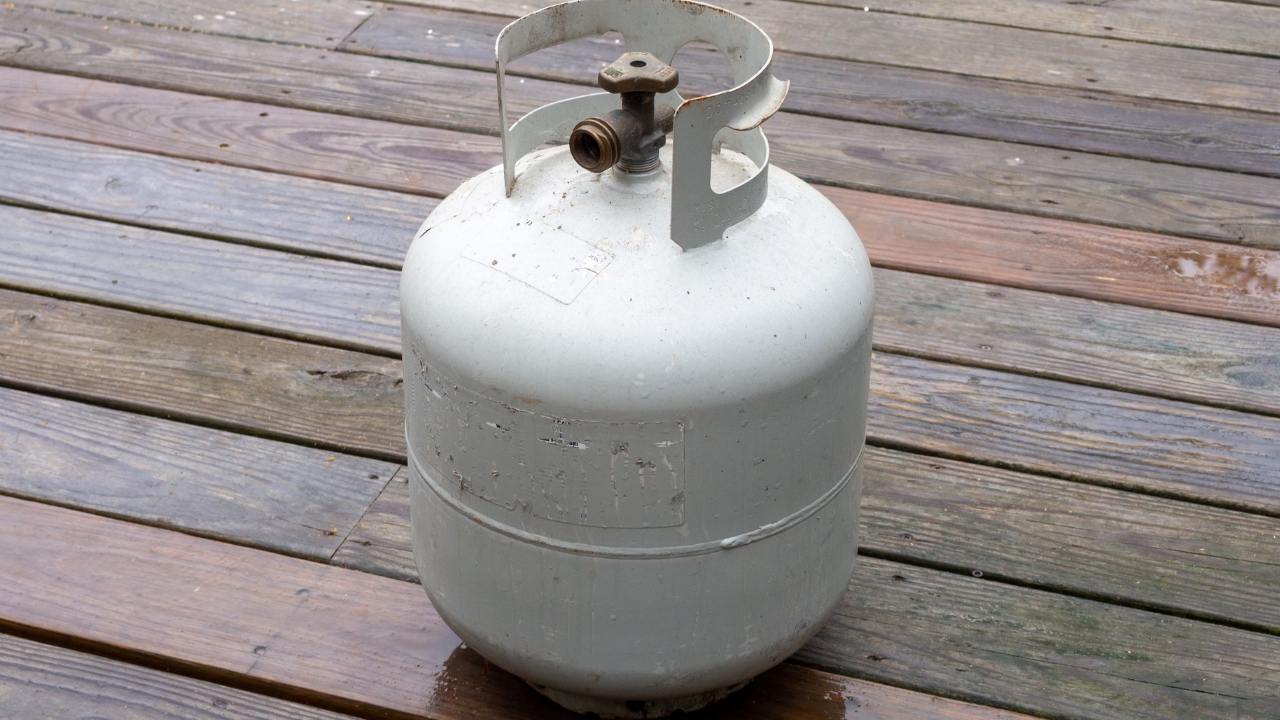
January is when the “propane is simple” story gets a twist. In deep cold, small cylinders can’t vaporize fuel fast enough, and the generator starves, surges, or quits under load. The tank isn’t empty, it just can’t feed the engine at that demand and temperature.
For winter outages, bigger tanks behave better, and a pair of cylinders with an automatic changeover regulator can keep pressure steadier. Keep tanks outdoors, upright, and away from heat sources, but sheltered from drifting snow and ice that blocks valves. If you’re tying into a large home propane tank, get the plumbing done by a licensed propane tech, not a DIY weekend project.
7. Using Skinny Extension Cords For Big Loads
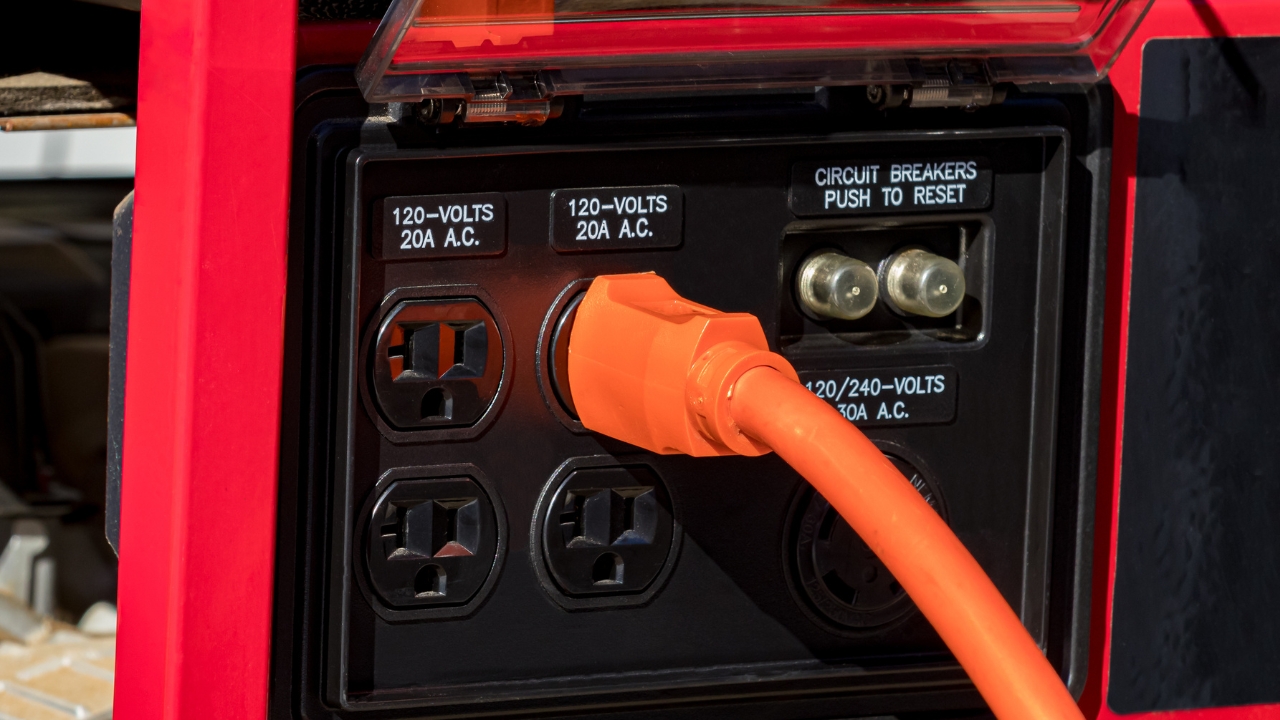
That cheap orange cord gets warm, then soft, then the plug ends turn brown. Voltage drop from undersized cords makes motors run hot and makes generators work harder. You’ll hear the generator grunt more, and the tools or appliances will feel weak.
For temporary corded setups, use short, heavy-gauge cords rated for the load, and keep connections out of puddles. A 12 gauge cord is a common minimum for many household loads, and 10 gauge earns its keep when you’re pushing longer runs. If you need long distances to a barn or well house, it’s usually smarter to run a proper buried circuit with a permit and an electrician than to gamble with cords for days.
8. Leaving It Outside With No Weather Plan
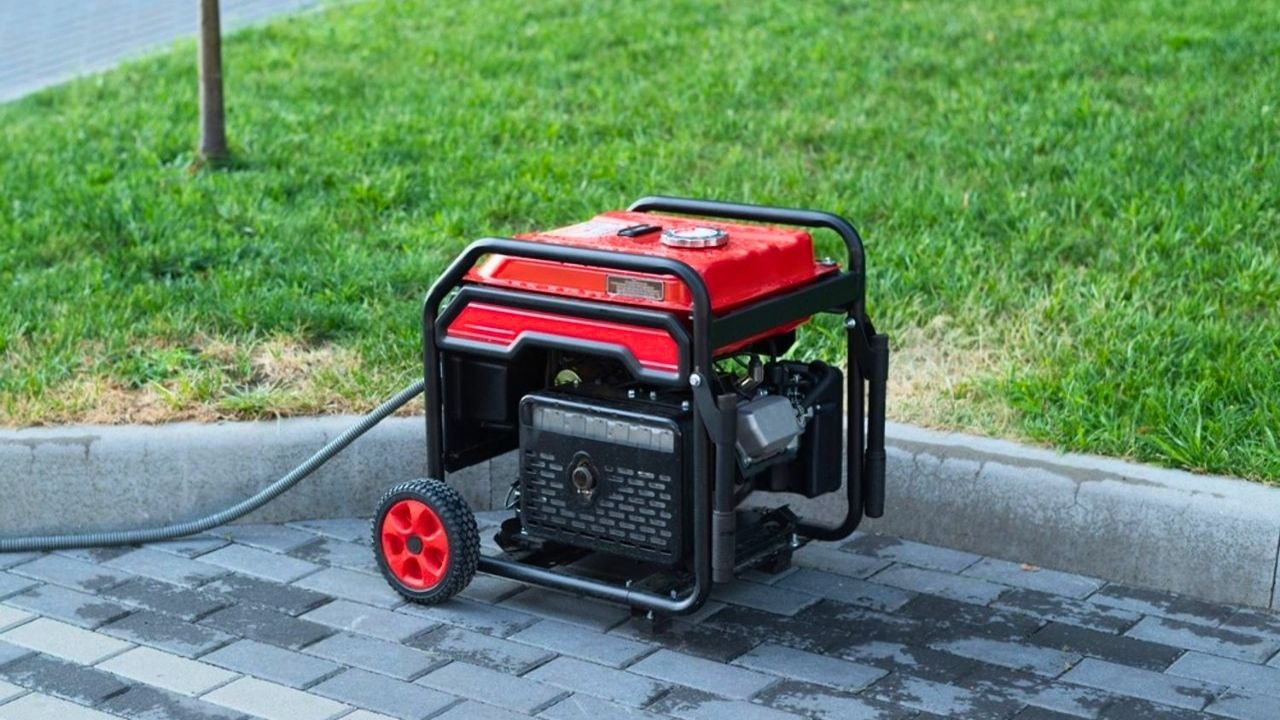
Rain finds the outlets. Snow drifts against the recoil starter. Wind-driven water gets into places you didn’t know existed. Then you’re dealing with nuisance tripping, corrosion, or a generator that won’t start right when you need it.
You need a covered, well-ventilated spot, never inside a garage, shed, or porch with doors closed. Carbon monoxide kills people fast, and generator exhaust can sneak back into the house through soffits and windows. A purpose-built generator tent or canopy can help, but keep clearances and airflow, and set it on something that won’t sink into mud.
9. Paying Extra For Dual Fuel You Won’t Use
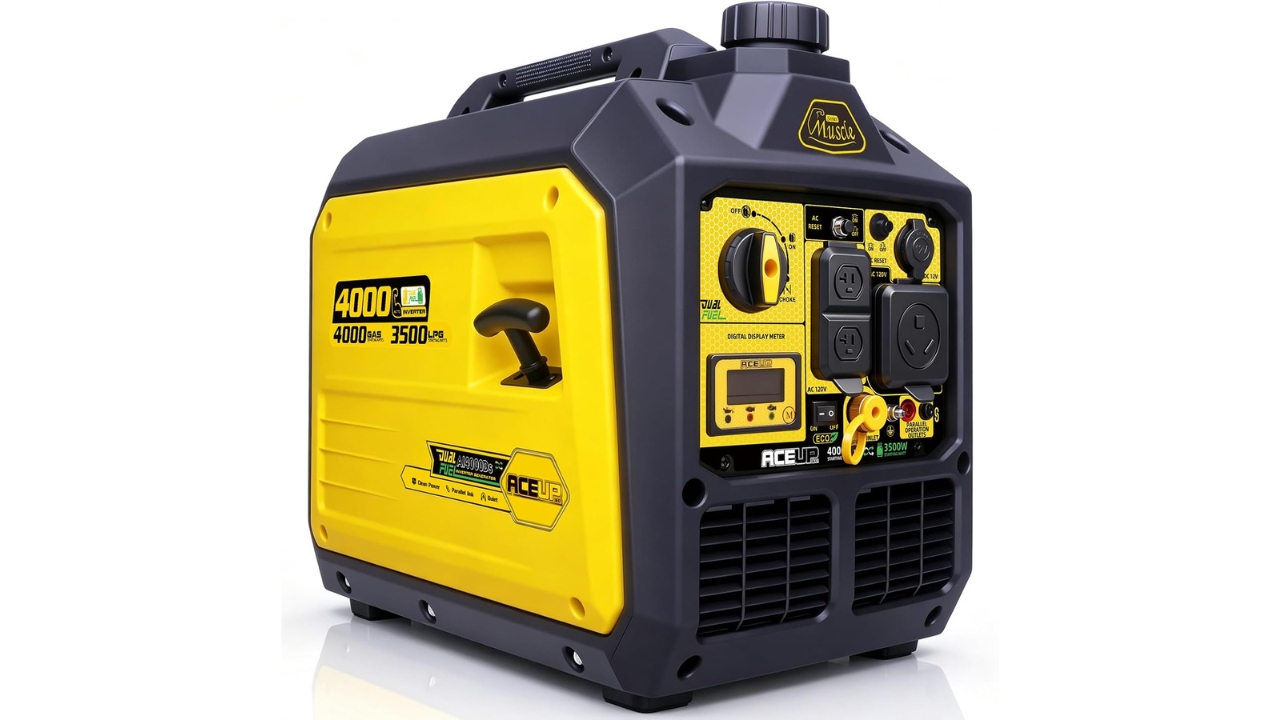
Sometimes the cheap option is actually fine. If your area has steady gasoline access, you rotate fuel for other equipment, and you only run a generator a few hours a day, a gas-only inverter can be simpler and quieter. Paying for dual fuel and never hooking up propane is just buying another part to maintain.
The honest exception is if propane is already part of your homestead plan, like heating, cooking, or a bulk tank on site. Then dual-fuel earns its keep quickly because your fuel storage is already handled. If propane isn’t already in your life, don’t force it just because it sounds “prepared.”
10. Forgetting Noise And Neighbor Reality
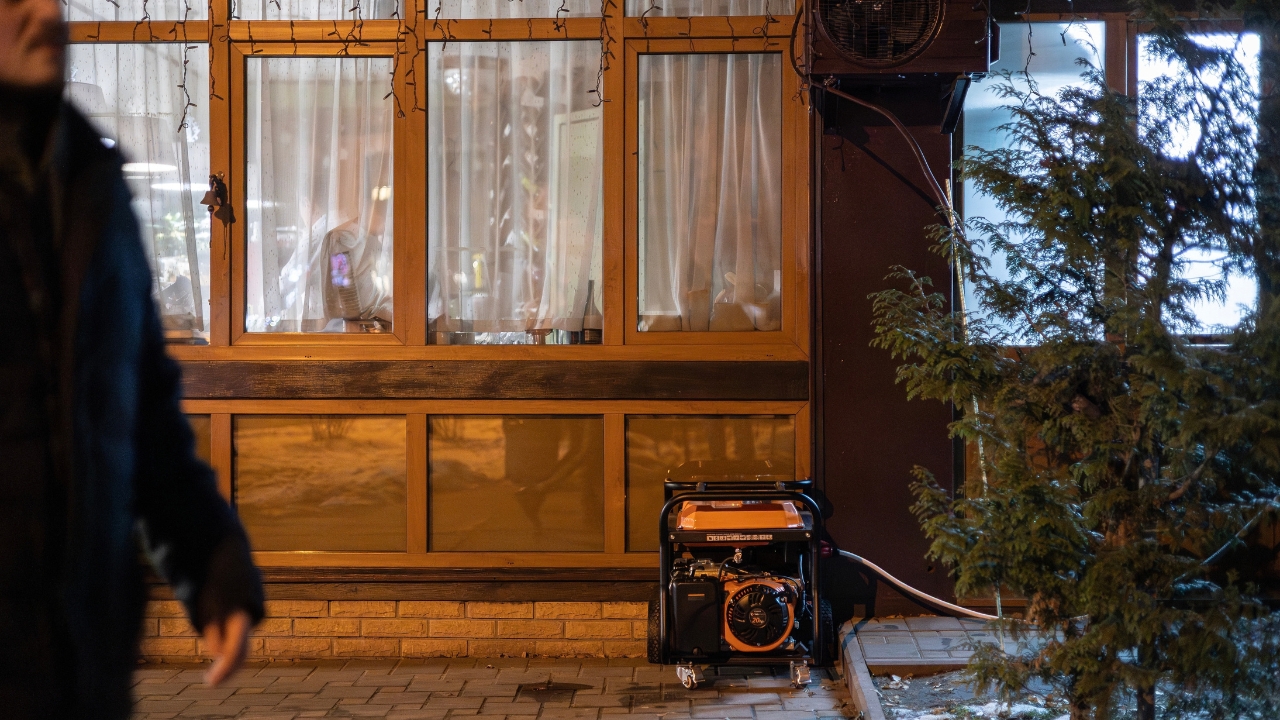
Open-frame generators can be loud enough to wear you down. After a few nights, the constant drone makes sleep hard, and it can turn a calm street into a bad mood. Noise also tempts you to place the unit too far away with long cords, which circles back to voltage drop and heat.
If you’re in a neighborhood, an inverter-style dual-fuel generator is often worth the extra money for the lower noise and smoother power. If you’re on acreage and it’s going behind the barn anyway, an open-frame unit might be a fair trade, especially if you’re mostly running pumps and battery charging. Either way, think about where it will sit for a week, not just where it sits for an hour.
Once you settle on a size and style, spend the time on the unglamorous parts: a safe transfer setup, proper cords, and a fuel plan that survives bad roads and closed stations. Then run it for 20 minutes every month or two, under load, so the first real test isn’t during an ice storm.
Like Fix It Homestead’s content? Be sure to follow us.