10 Things People Do to a Thermostat That Cost Them Money
Photo credit: Monkey Business Images/Shutterstock.com
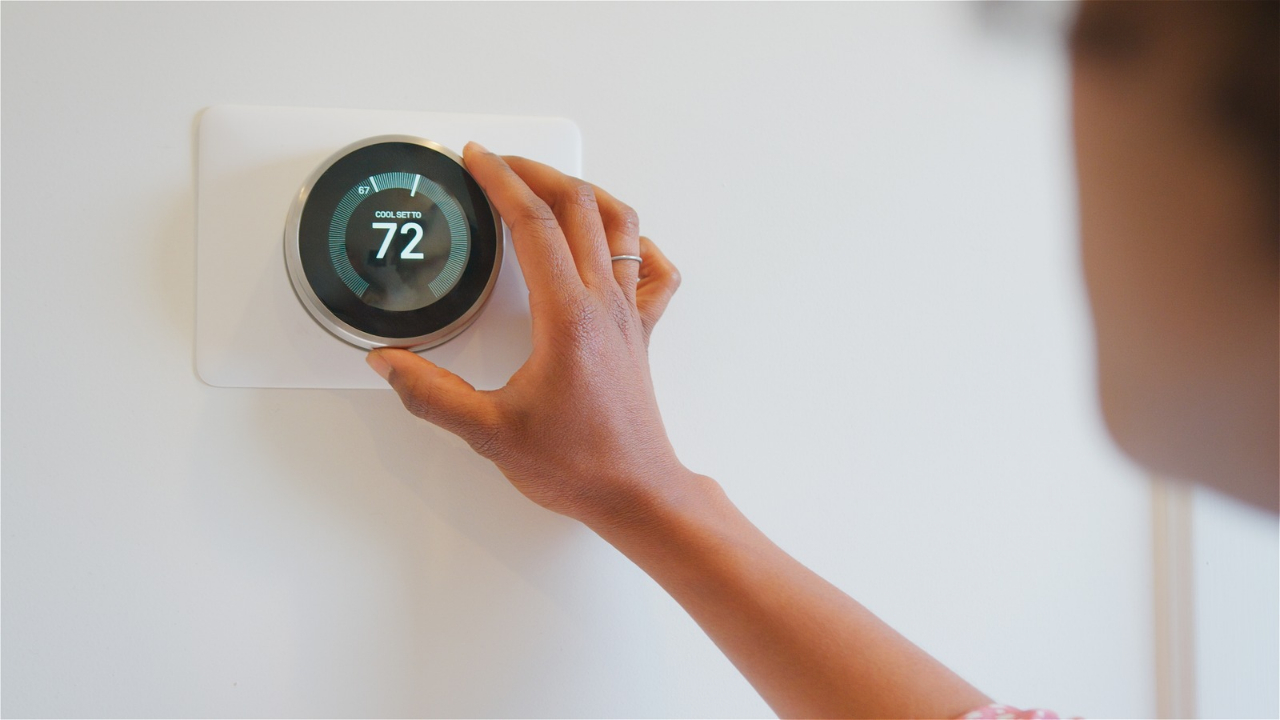
Your thermostat is a small box that tells a very expensive machine what to do. Treat it like a light switch and you end up paying for comfort you never get. Treat it like a science project and you can burn through equipment faster than you think. A few simple habits and placement fixes go a long way.
1. Cranking The Setting Way Past Comfortable
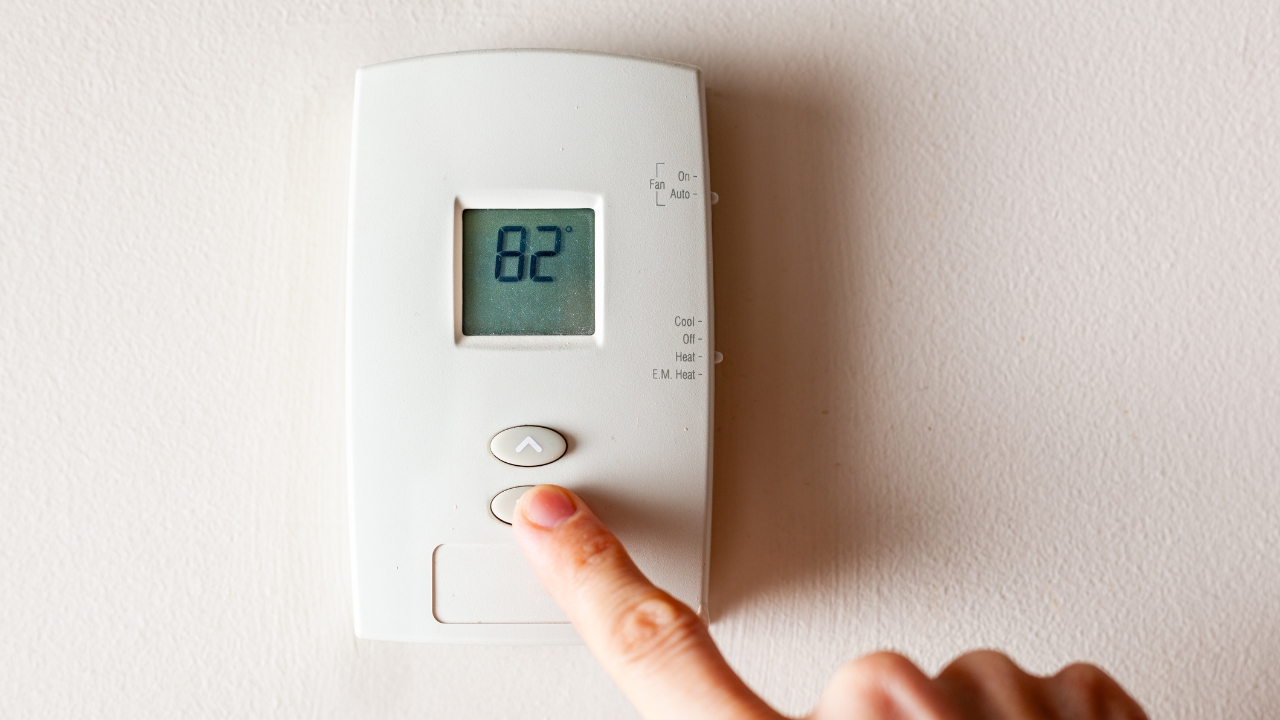
When the house feels cold, it’s tempting to shove the heat up to 80 so it “heats faster.” It won’t. Most systems run at one speed, so all you’ve done is guarantee the heat will run longer and you’ll overshoot, then crack a window to cool off.
Pick a normal target, then wait. If it takes forever to catch up, that’s not a thermostat problem, it’s usually air leaks, low insulation, a dirty filter, or a furnace or heat pump that needs service.
2. Setting Big Temperature Swings Every Day
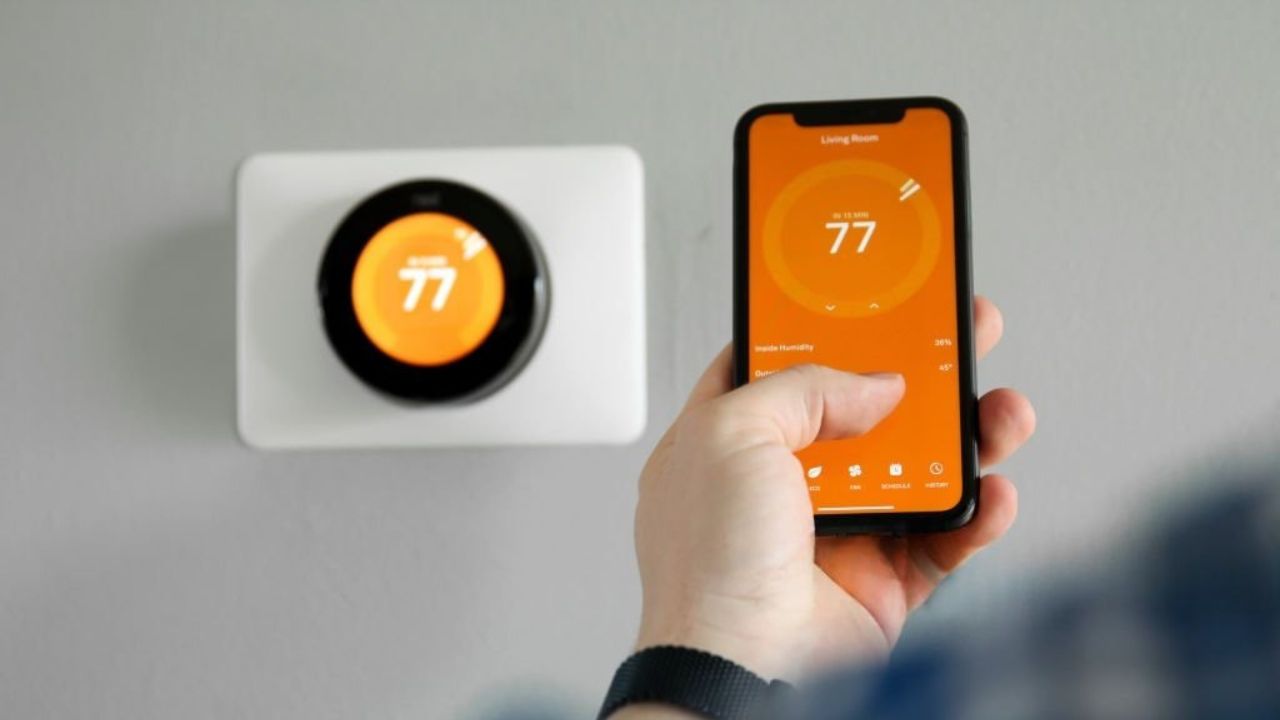
Deep setbacks and big jumps can cost you, especially with heat pumps. If you drop the temp hard overnight and then ask for a big morning recovery, many heat pumps kick on electric backup heat strips. That’s the pricey heat you didn’t mean to buy.
A smaller setback often wins, think a few degrees, not ten. If you have a gas furnace, bigger setbacks can still save money, but watch comfort and run time. Your best clue is behavior, if you hear long run cycles and feel hot then cold all day, tighten up the swing.
3. Putting Furniture Or Curtains In Front
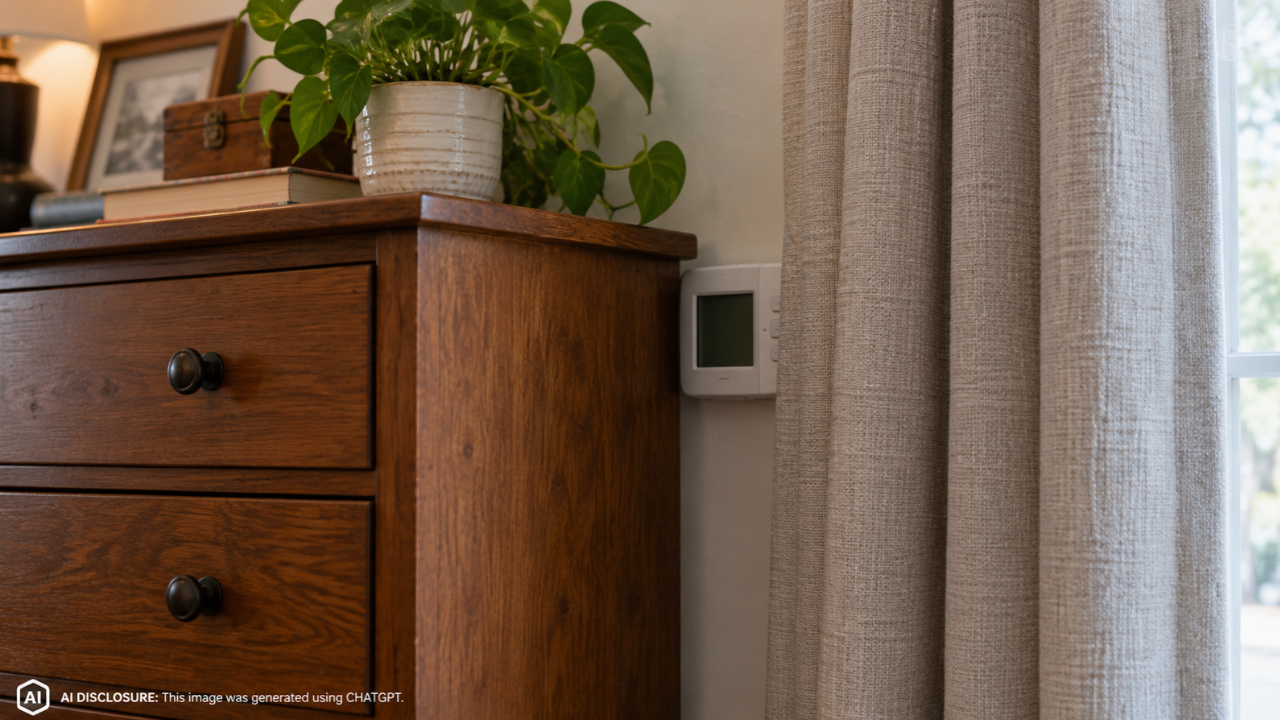
A thermostat needs free air movement to read the room. Cover it with a bookcase, hang a thick curtain over it, or park a tall dresser right under it and it will lag behind. The system runs longer than it should, then shuts off late.
Give it breathing room. Keep a couple feet clear around it, and don’t let a door swing or drape smack into it. If the only spot available is behind a door, relocating the thermostat is usually worth paying an HVAC tech to do cleanly.
4. Letting Sunlight Or Lamps Hit It
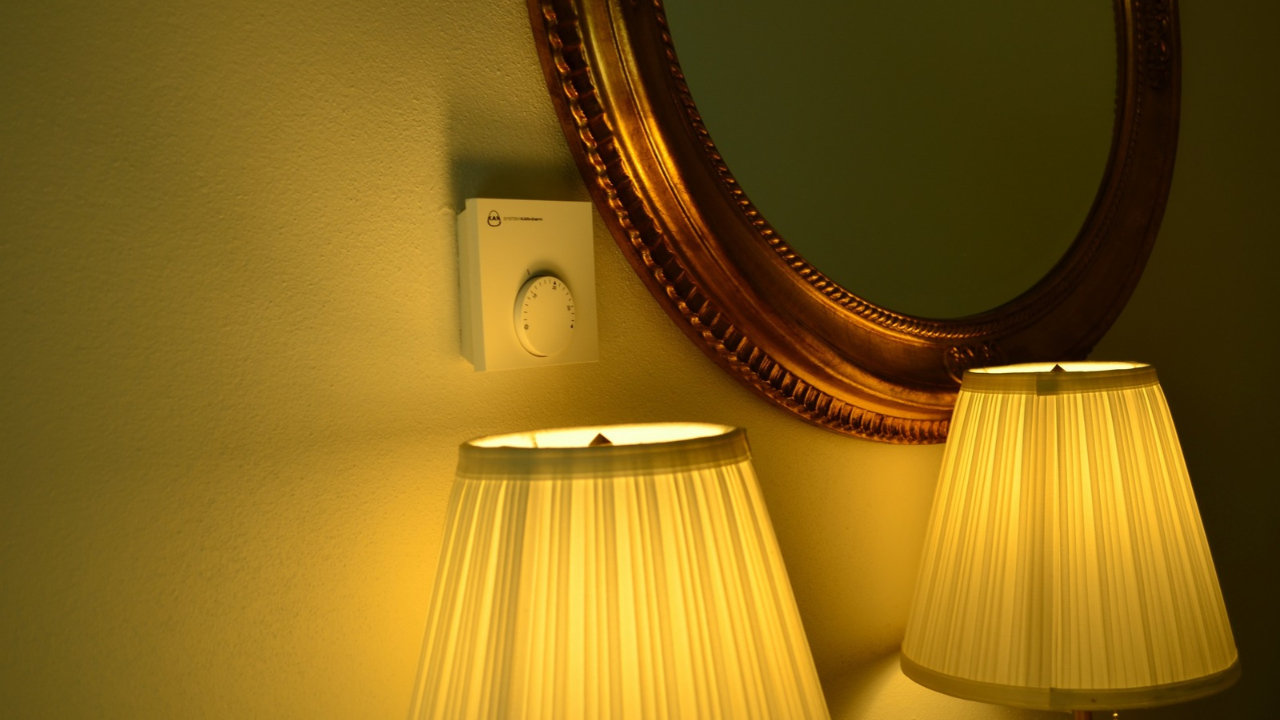
Direct sun on the wall can warm the thermostat enough to fool it into thinking the room is hotter than it is. Then your heat shuts off early and you get chilly rooms down the hall. In summer, a sunny thermostat can make the AC run harder than needed, too.
Table lamps, floor lamps, and even a TV can do the same thing. If you can’t move the heat source, move the lamp. If the thermostat itself is in a bad sunny spot, a relocation is a one time fix that pays back every season.
5. Ignoring Low Batteries And Corroded Contacts
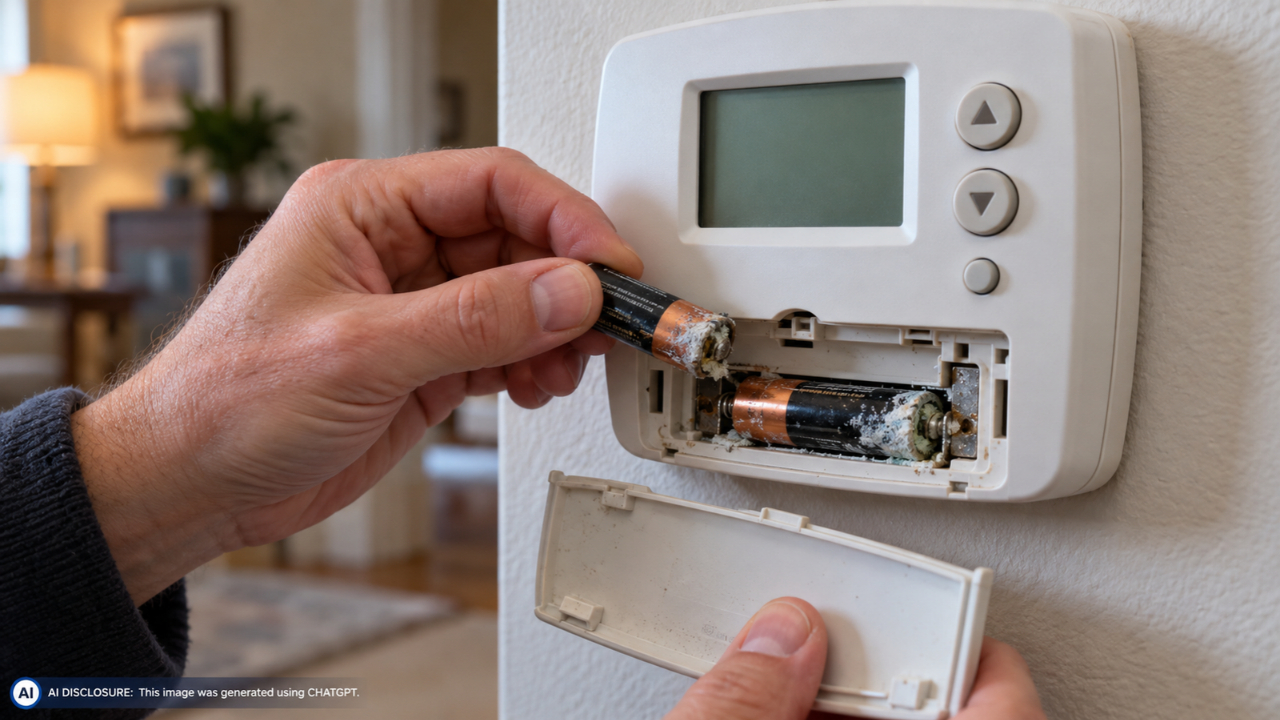
Some thermostats act weird when batteries get weak. The screen dims, the schedule stops following, or the system short cycles in a way that feels random. A couple cheap batteries can prevent a service call that finds nothing wrong with the furnace.
Pop the cover once or twice a year. If you see white crust on the contacts, clean it carefully and replace the batteries, then wash your hands. If battery corrosion has eaten the metal, replace the thermostat. It’s not worth babysitting.
6. Skipping Dusting In A Farmhouse House
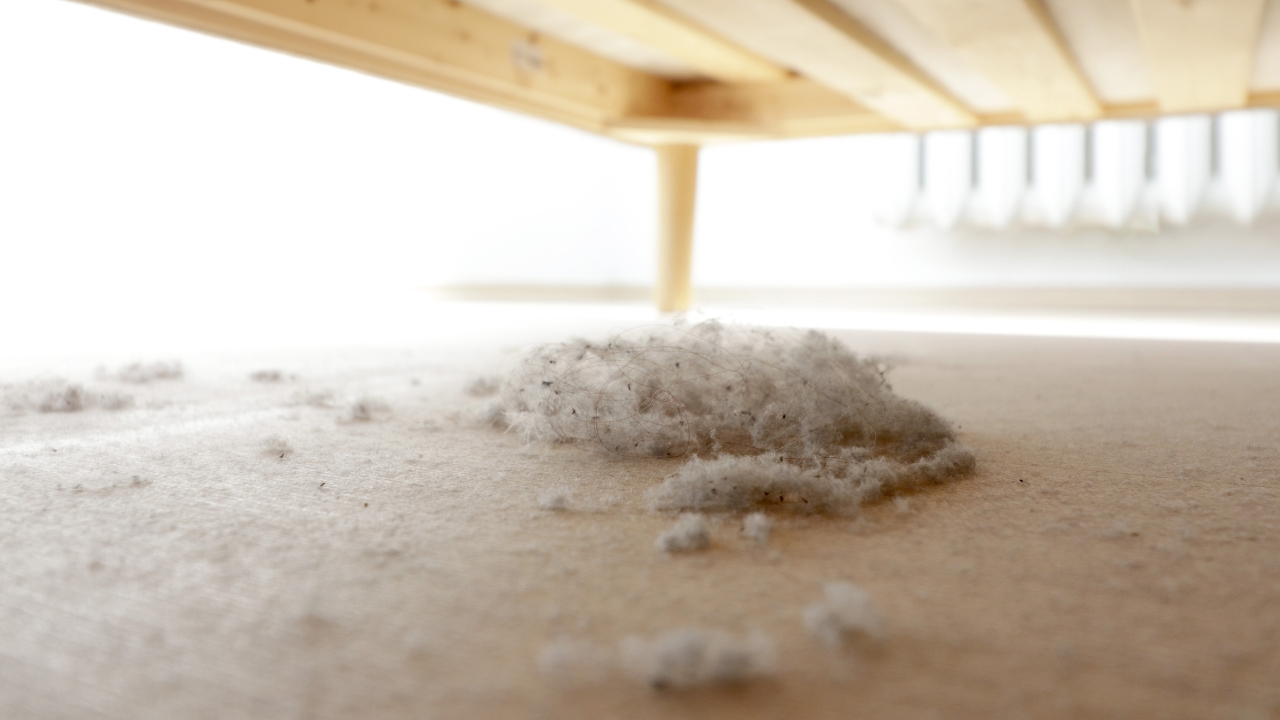
Dust happens, and it happens faster if you heat with wood, have pets, or do projects in the shop. Dust can clog tiny temperature sensors and make the thermostat slow to respond. That turns into longer run times and more wear on the system.
Kill power to the HVAC at the switch, then pull the thermostat face off if it’s designed to do that. Use a soft paintbrush or canned air lightly. If you see exposed wires and you’re not comfortable, stop and call a pro.
7. Mounting It On An Outside Wall
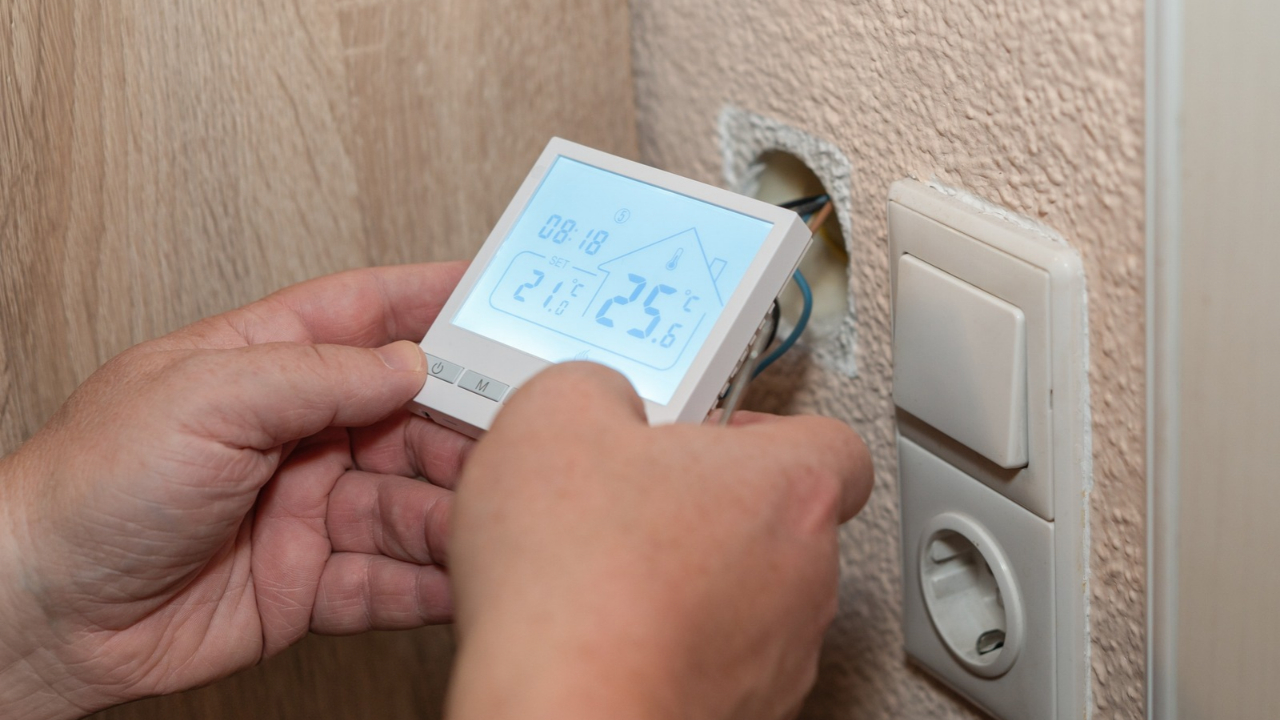
An outside wall can be colder in winter and warmer in summer than the room air, especially if there’s missing insulation in that stud bay. The thermostat reads the wall’s mood swings and your system tries to chase them. Your bill climbs and your comfort drops.
Sometimes the cheap fix is behind the thermostat. Turn off power, pull it loose, and look for a big hole where wires come through. Seal that hole with a little foam or putty so cold air from the wall cavity doesn’t draft into the thermostat. If the wall itself is the problem, relocation is better.
8. Running A Space Heater Under The Thermostat

Space heaters are for spot heat, not for tricking the whole house. Put one in the hallway near the thermostat and it shuts the central heat off early. Bedrooms and bathrooms at the far end stay cold, so you turn the thermostat up and then the space heater and furnace take turns wasting money.
If you need a space heater, use it in the room you’re in with the door mostly closed, and keep it away from curtains and bedding. If you’re leaning on space heat every winter, it’s time to look at insulation, drafts, or a furnace issue.
9. Overusing Hold And Ignoring The Schedule
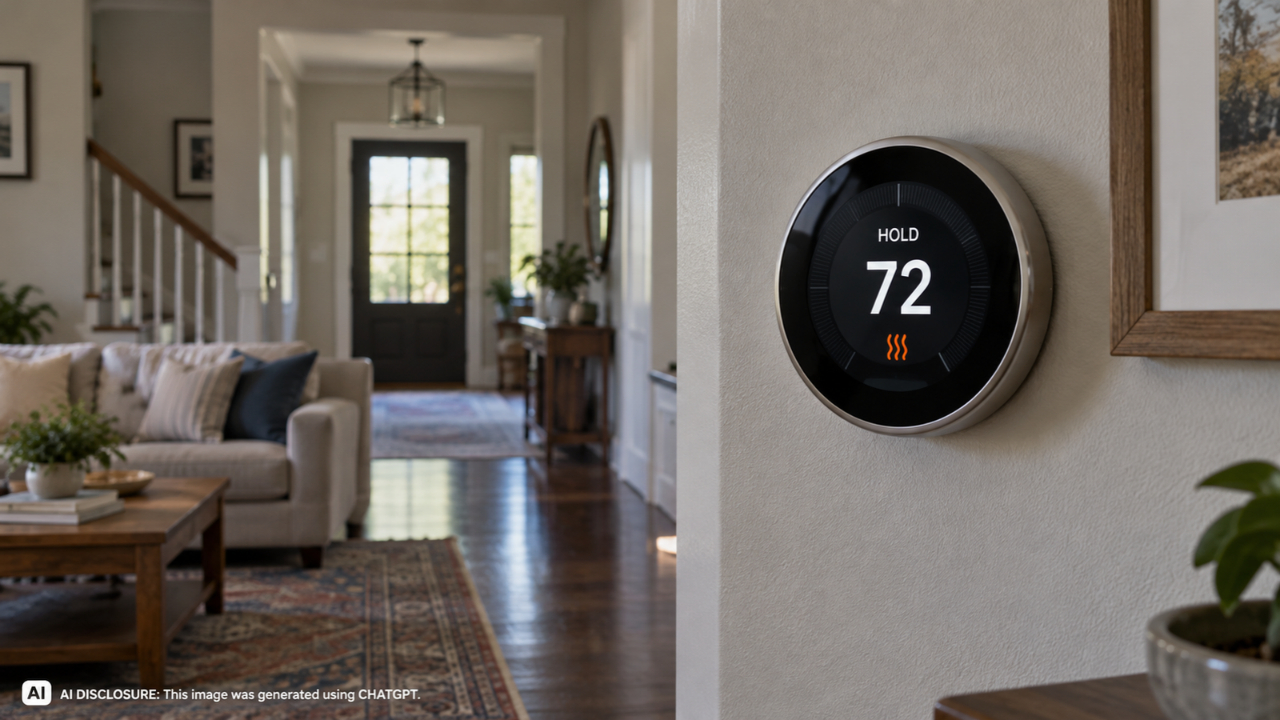
Programmable and smart thermostats don’t save money by being smart, they save money by sticking to a plan. Hitting “Hold” for a weekend and forgetting it for two weeks is common. You pay to heat or cool an empty house, then wonder why the bill jumped.
Do a quick check when you leave for work and when you come home, just a glance to see if it says “Hold.” If your thermostat has a vacation mode, use it. If you hate programming, run it like a manual thermostat and skip the fancy model next time.
10. Swapping Thermostats Without Checking Compatibility
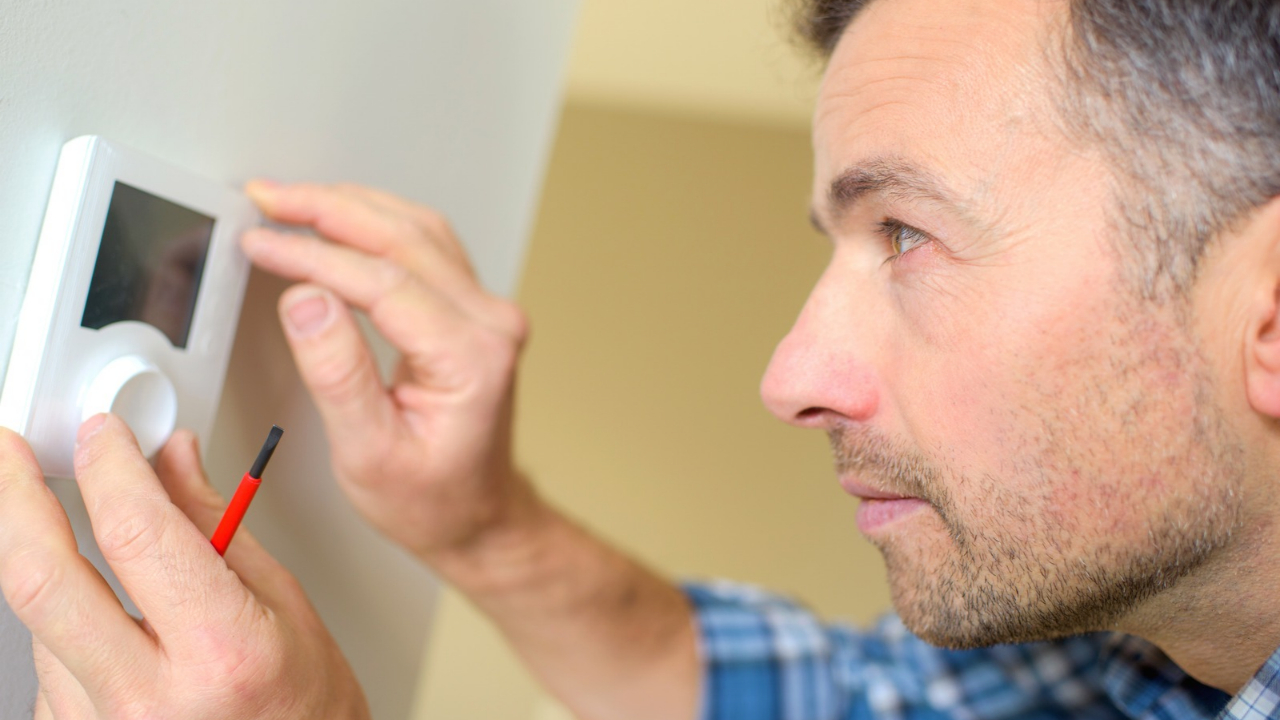
Not every system plays nice with every thermostat. Heat pumps, multi stage equipment, and setups with a “C” wire can get messy fast. A wrong wiring choice can lock you into emergency heat, make the fan run nonstop, or keep the outdoor unit from coming on.
Here’s the honest exception, if you have a simple one stage furnace and a basic AC, a cheap non Wi-Fi thermostat is often fine and can be more reliable than a complicated one. But if your system has a heat pump, dual fuel, or extra wires you don’t recognize, hire a licensed HVAC pro. The service fee beats burning out parts or running expensive backup heat all winter.
A thermostat doesn’t need constant fiddling. Set it, keep it clean and unobstructed, and fix the house issues that force extreme settings. If comfort is uneven room to room, look past the thermostat and start hunting for drafts, weak insulation, and airflow problems.
Like Fix It Homestead’s content? Be sure to follow us.