10 Things That Ruin a Dirt Road Faster Than Traffic
Photo credit: AnneliseLange/Shutterstock.com
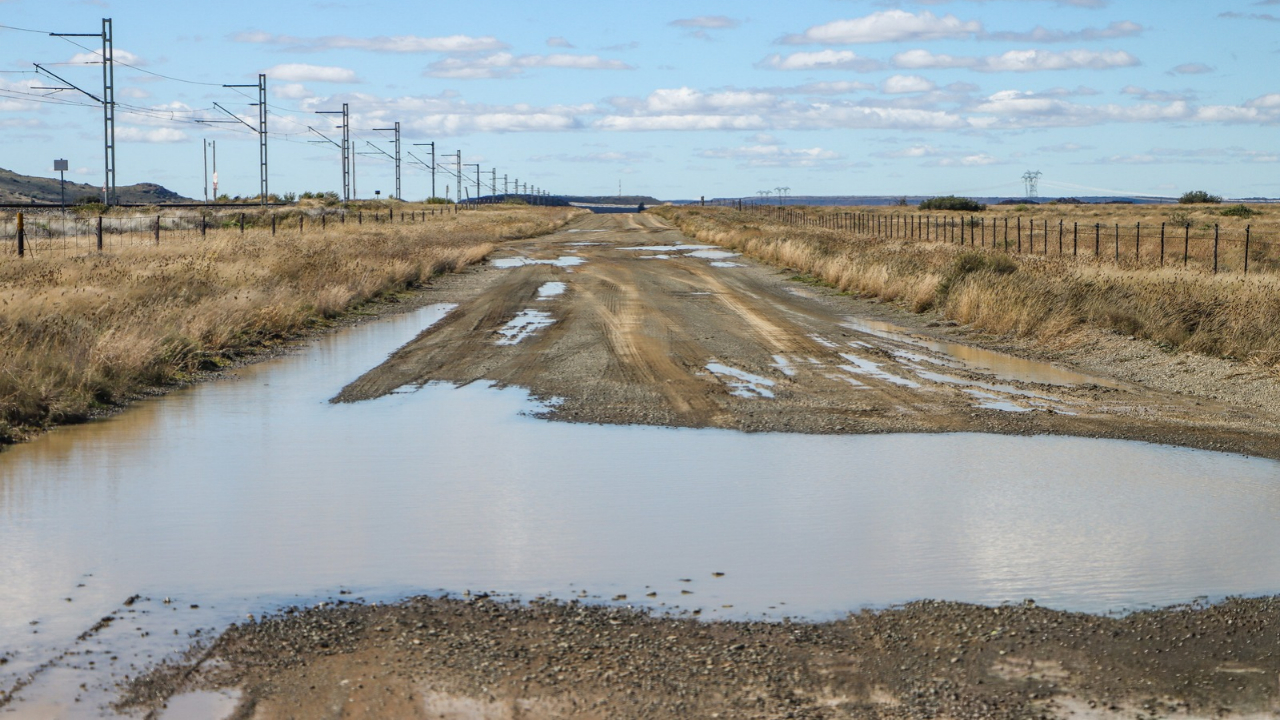
A dirt road can look fine for months, then fall apart in one bad week. The real damage usually comes from water, bad grading, and “quick fixes” that push the problem downstream. If you want a road that stays smooth, drains right, and doesn’t eat gravel like candy, watch for these mistakes and outside forces.
1. Letting Water Run Down The Tracks
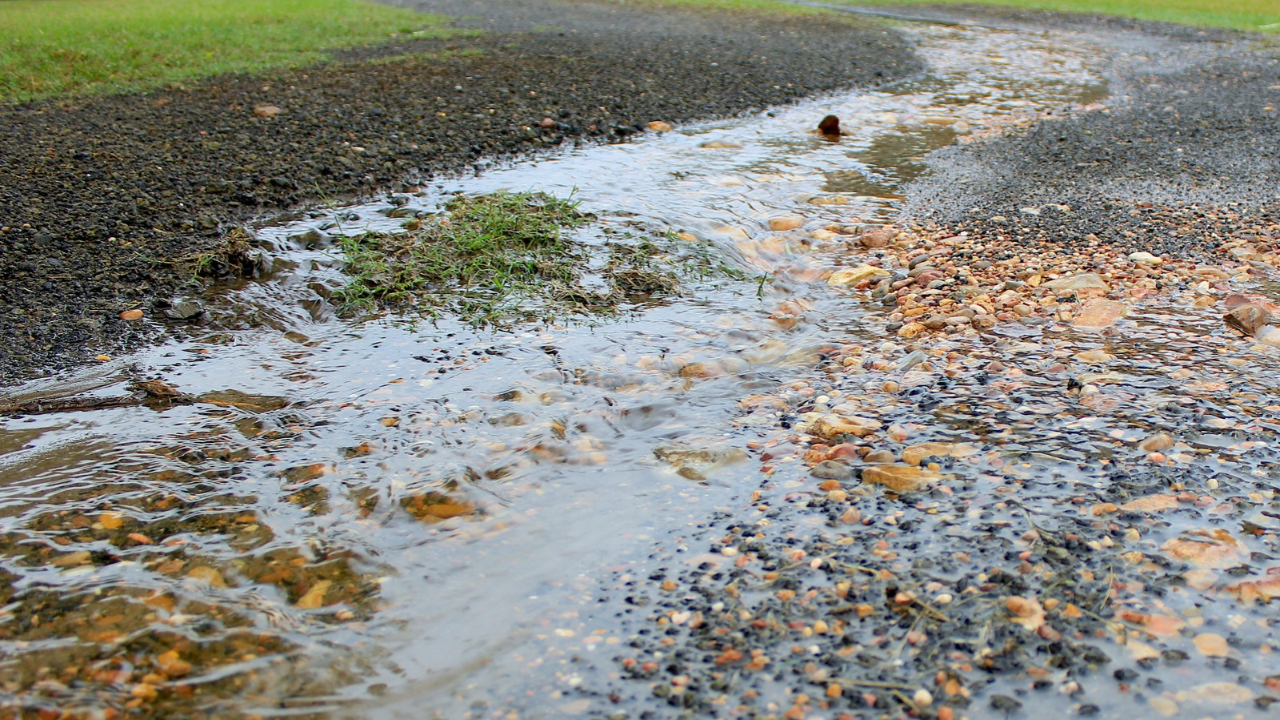
If water is flowing along your wheel ruts, your road is already losing the fight. Moving water cuts channels, carries off your fines, and leaves loose rock behind that never packs right. You’ll hear it in the truck, that washboard buzz and the thunk when you drop into a rut.
Fix the drainage first, not the surface. Put the crown back with a box blade, land plane, or grader so water sheds to the sides, and keep ditches open so it has somewhere to go. If you need to add cross drains or culverts, call 811 before digging and don’t guess on pipe size, undersized culverts plug and wash out.
2. Grading When It’s Too Wet
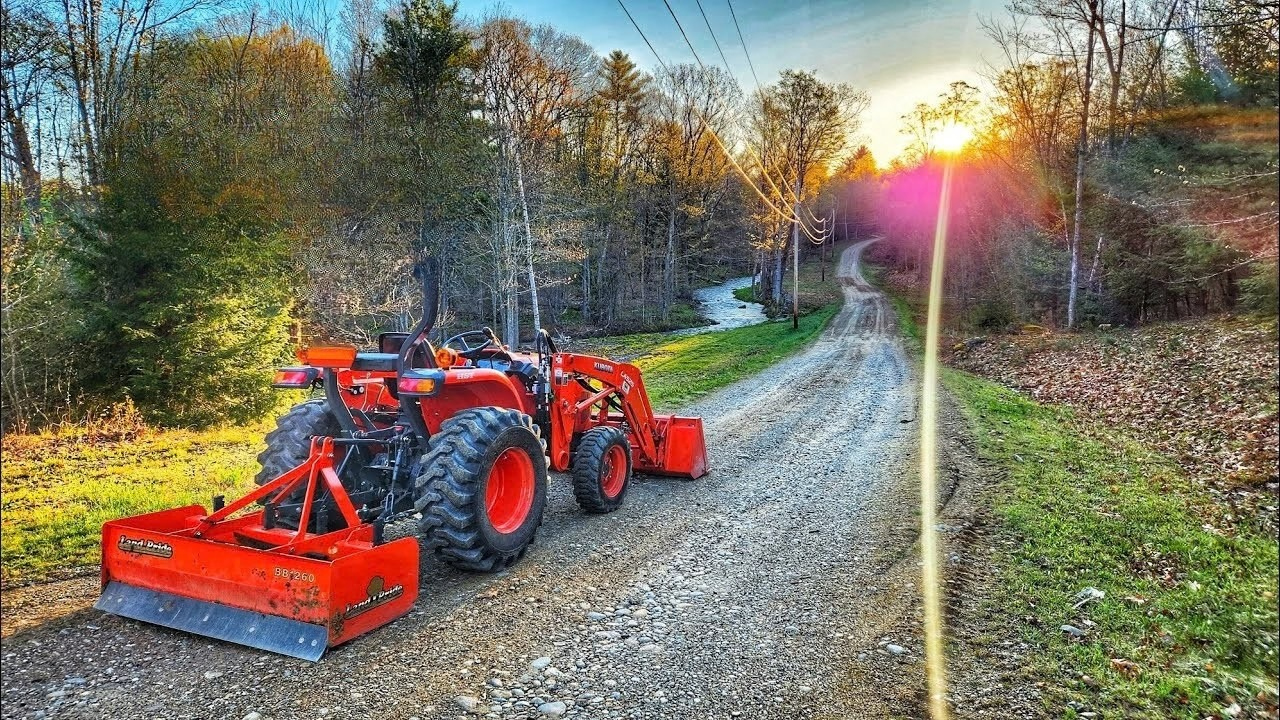
Spring thaw and a wet fall make people impatient. You see potholes, you drag a blade through, and it looks better for about a day. Then it turns to soup, the rock sinks, and you’ve made a deeper, softer mess that takes more gravel to recover.
Wait until the road is damp, not muddy. If you can squeeze the surface and it smears like clay, back off. When you do grade, lift the ruts, reshape the crown, and leave it slightly ridged so it can dry and knit together instead of turning into a slick sheet.
3. Using The Wrong Gravel Mix
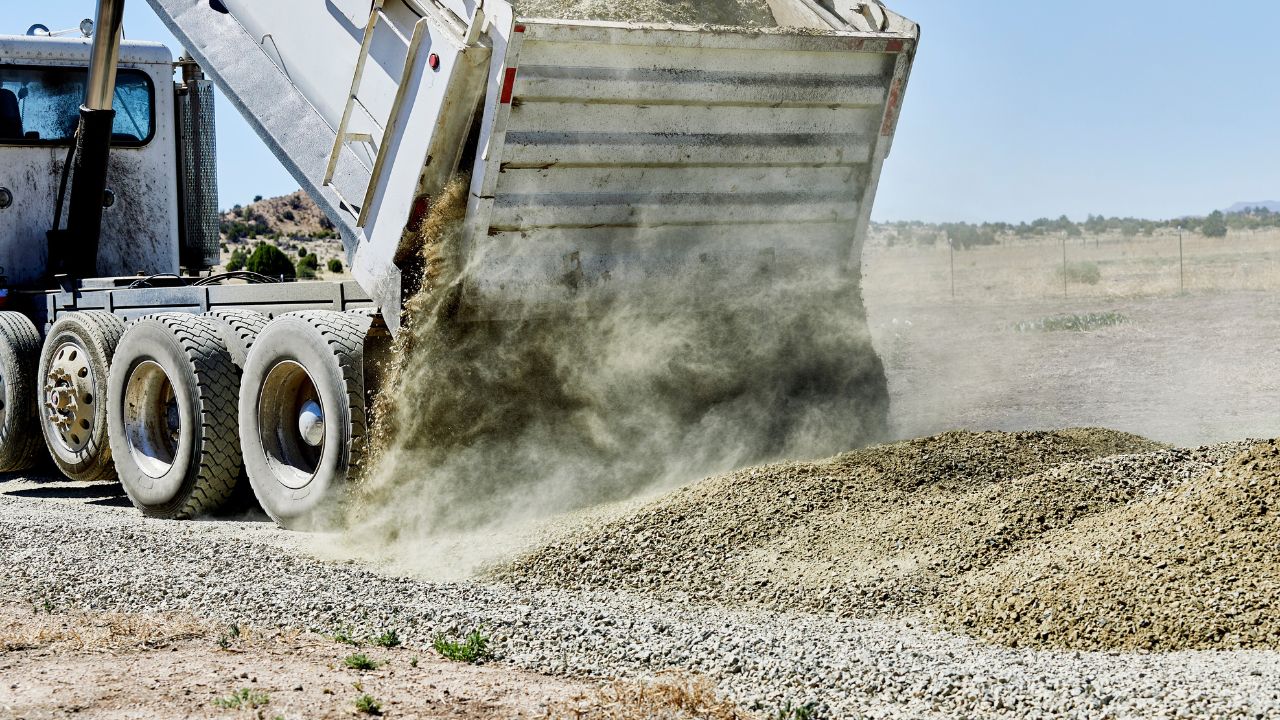
Clean river rock and smooth pea gravel look nice, then roll like marbles. Without fines, nothing locks together, so tires kick it to the shoulders and every rain rearranges it. You end up reloading the centerline all season.
For most dirt and gravel roads, you want a well graded mix with fines, often sold as road base, crusher run, or dense grade. The fines are what bind, the angular rock is what interlocks. Exception: on a short, flat spur with good drainage and very light use, a cheaper, more open stone can work as a top dressing, but it still needs a solid base underneath.
4. Skipping The Crown And Shoulders
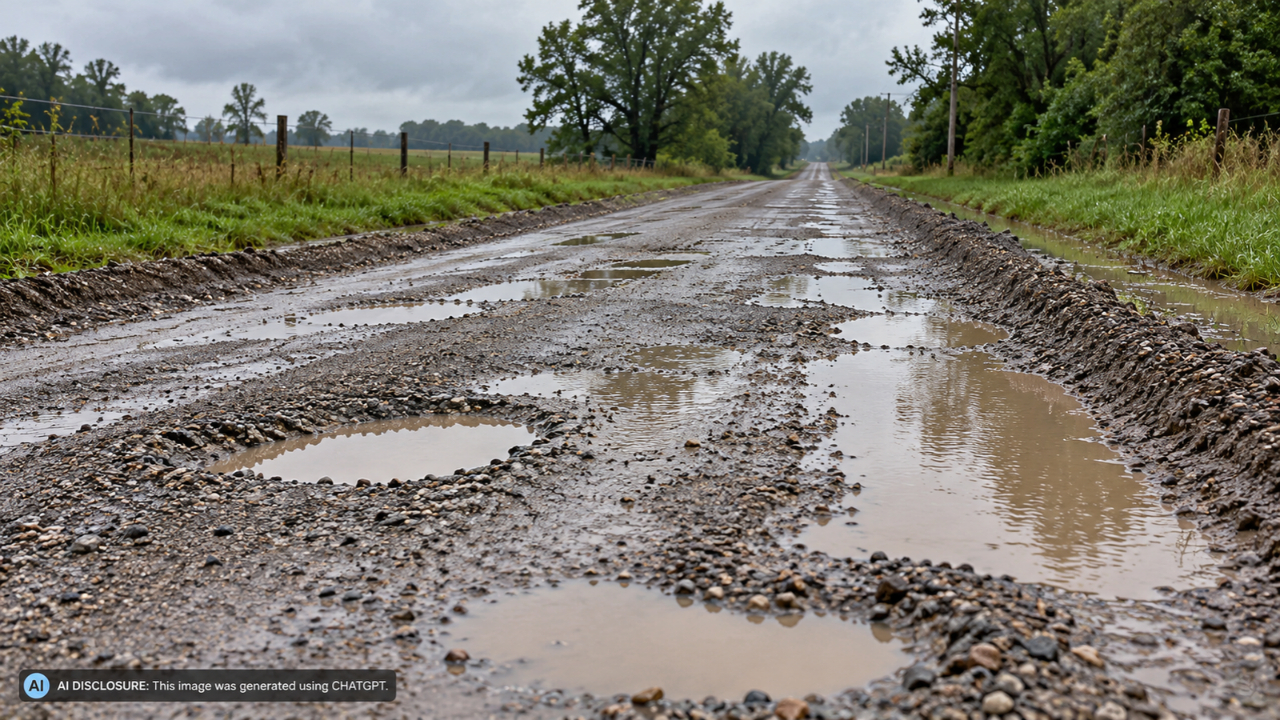
A flat road feels smooth until it rains. Then water sits, soaks in, and traffic pumps it like a sponge. Potholes form in the low spots, and once they start, they grow fast.
You’re aiming for a gentle crown, not a sharp ridge that throws cars around. Build the center slightly higher, blend the shoulders so water can actually leave the road, and keep the edges from building up into berms. Those berms trap water on the driving surface, which is why some roads stay wet for days after a storm.
5. Letting Ditches Fill With Leaves And Silt
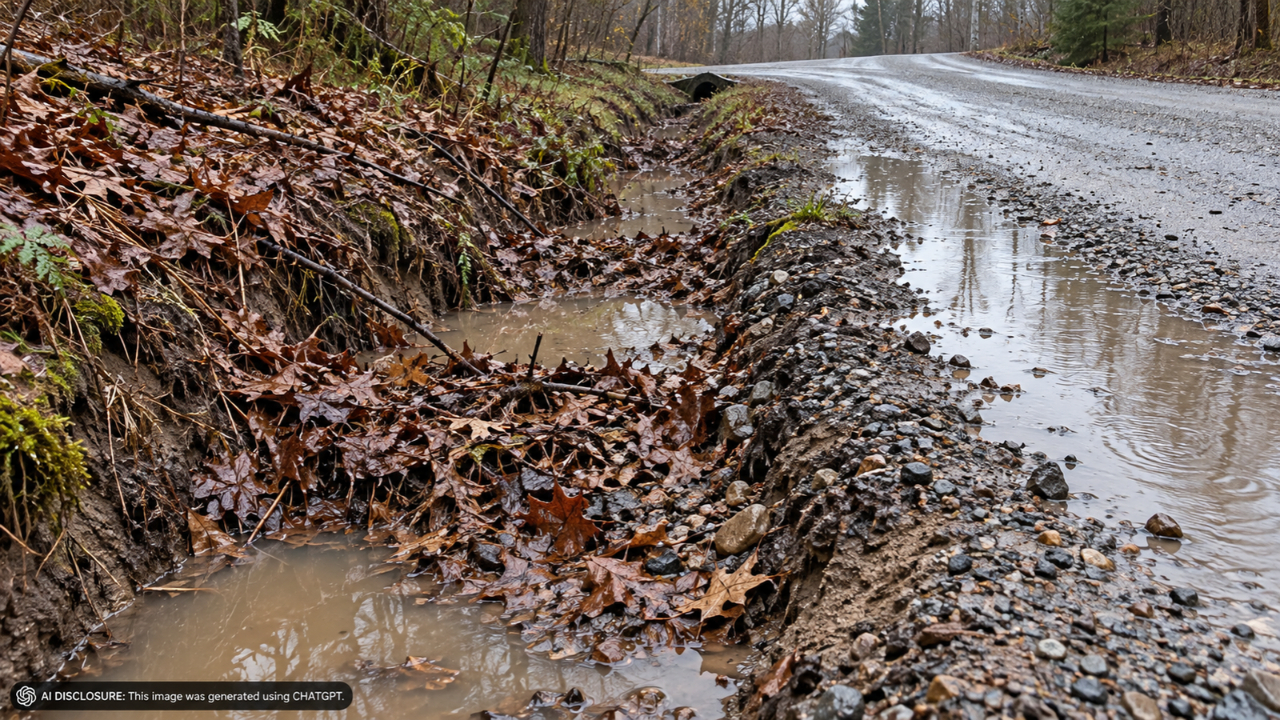
Most road failures start in the ditch, not in the tire tracks. A ditch that’s half full of leaves, gravel, and mud stops carrying water, so the roadbed stays wet. In winter, that wet edge heaves and crumbles, and in summer it turns to dust that blows away.
Walk your ditches after big storms and after leaf drop. Pull out plugs by hand where you can, then clean the rest with a shovel, rake, or tractor bucket, keeping the ditch bottom lower than the road. If you’re reshaping long runs or working near culverts, take it slow, a small mistake can start an erosion rut that eats the whole shoulder.
6. Plowing Snow Without A Gravel Plan
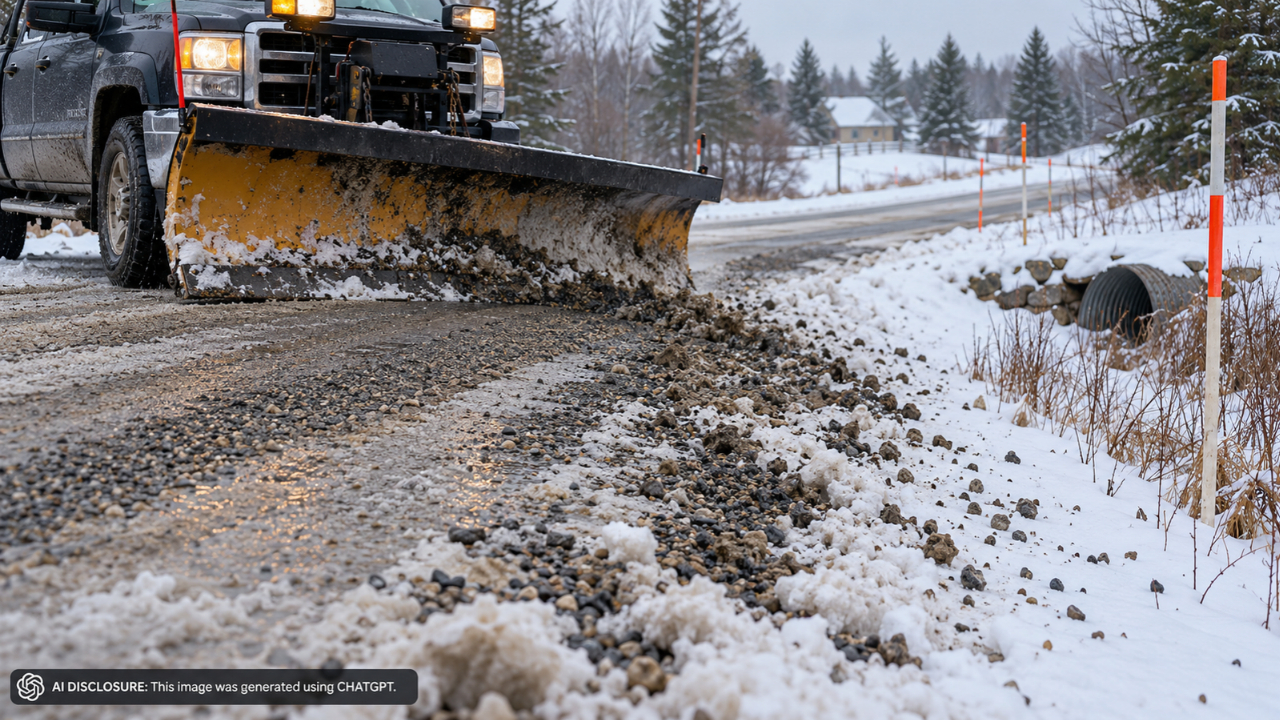
Snow season is when a good road gets skinned alive. A blade set too low peels off your packed surface and drags gravel into the yard, the ditch, and the next county. In early winter, when frost hasn’t locked things up, it’s even worse.
Set skid shoes, raise the cutting edge, and leave an inch or two of snow as a sacrificial layer until the base is frozen. If you’re hiring it out, say that out loud to the plow driver and mark culverts, edges, and big rocks with tall stakes. Come spring, pull displaced gravel back from the shoulders before the first heavy rains wash it away for good.
7. Driving Heavy Loads During Thaw
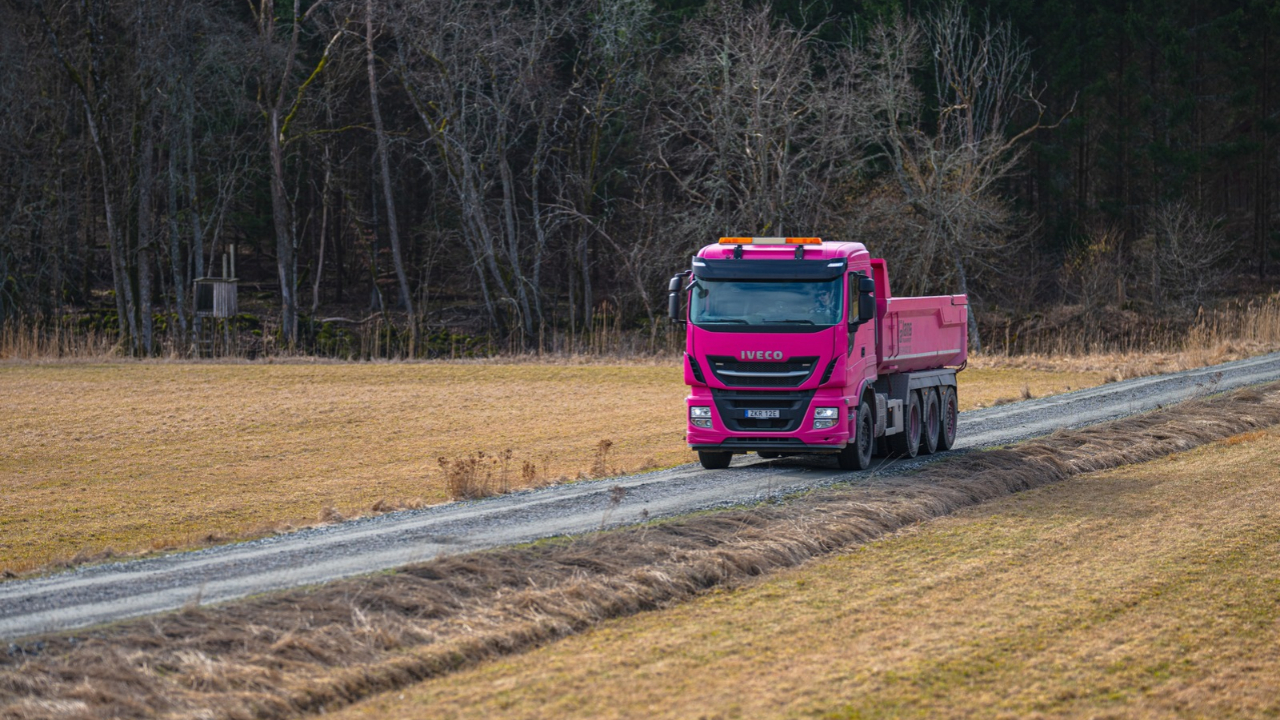
That muddy, soft period when frost is coming out of the ground is when weight does the most harm. A concrete truck, a loaded dump trailer, even repeated trips with a full water tote can punch through the firm top and turn the base into pudding. The ruts you make then are the ones you fight all summer.
If you can, schedule deliveries for dry spells or when the road is frozen solid. If you can’t, slow way down, keep to the highest part of the crown, and avoid sharp turns that shear the surface. For really heavy work, laying down geotextile and adding a thicker rock section is worth paying a contractor to do right, because rebuilding a failed base is not a weekend project.
8. Spraying Weeds And Leaving Bare Edges
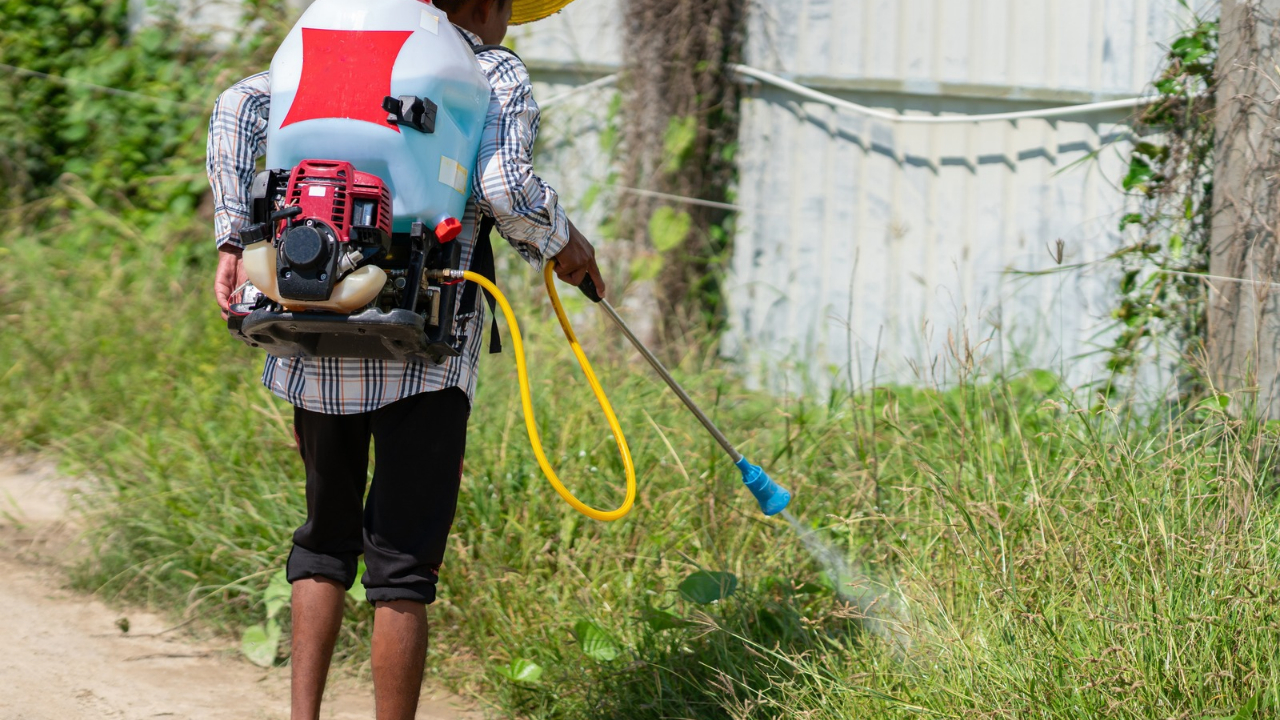
It feels good to nuke the green right up to the gravel. Then the next hard rain cuts the bare soil, carries silt into your ditch, and starts undercutting the shoulder. Vegetation can be annoying, but roots do hold the edge together.
Trim and spot treat instead of scorching everything. Mow the road edges so brush doesn’t shade the surface and hold moisture, and keep a narrow, stable strip of grass where you can. If you need aggressive spraying for invasives, do it selectively and plan to stabilize exposed soil with seed or erosion control where runoff hits.
9. Fixing Potholes With Loose Stone Only
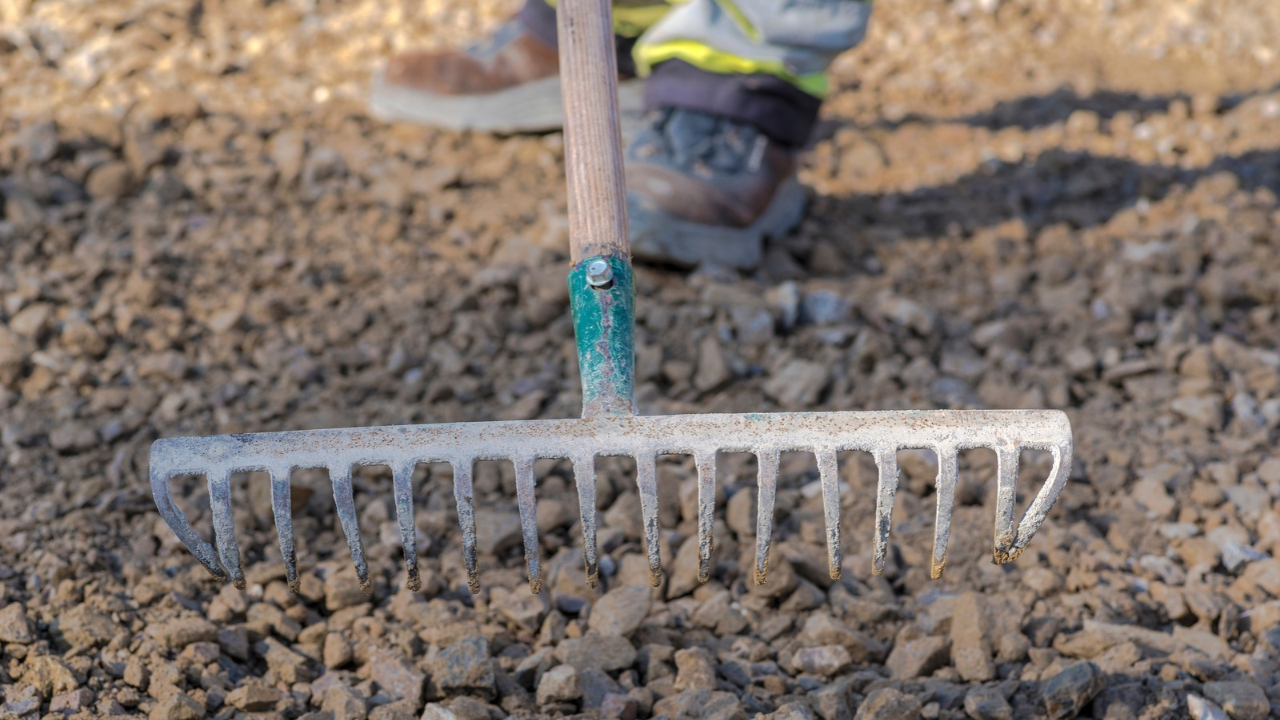
Dumping a few shovels of rock into a hole is satisfying, and it almost always fails. The stone acts like a ball bearing layer, so tires kick it out and the hole comes right back, usually bigger. After a few rounds, you’ve spent money and still drive the same obstacle course.
Potholes need to be opened up, dried out, and rebuilt with material that packs. Pull out the soup, add a base type gravel with fines in lifts, and compact it with traffic, a plate compactor, or a roller if you have one. If water is feeding the hole from the side, fix that first or you’re just feeding gravel to the ditch.
10. Ignoring One Bad Culvert Or Cross Drain
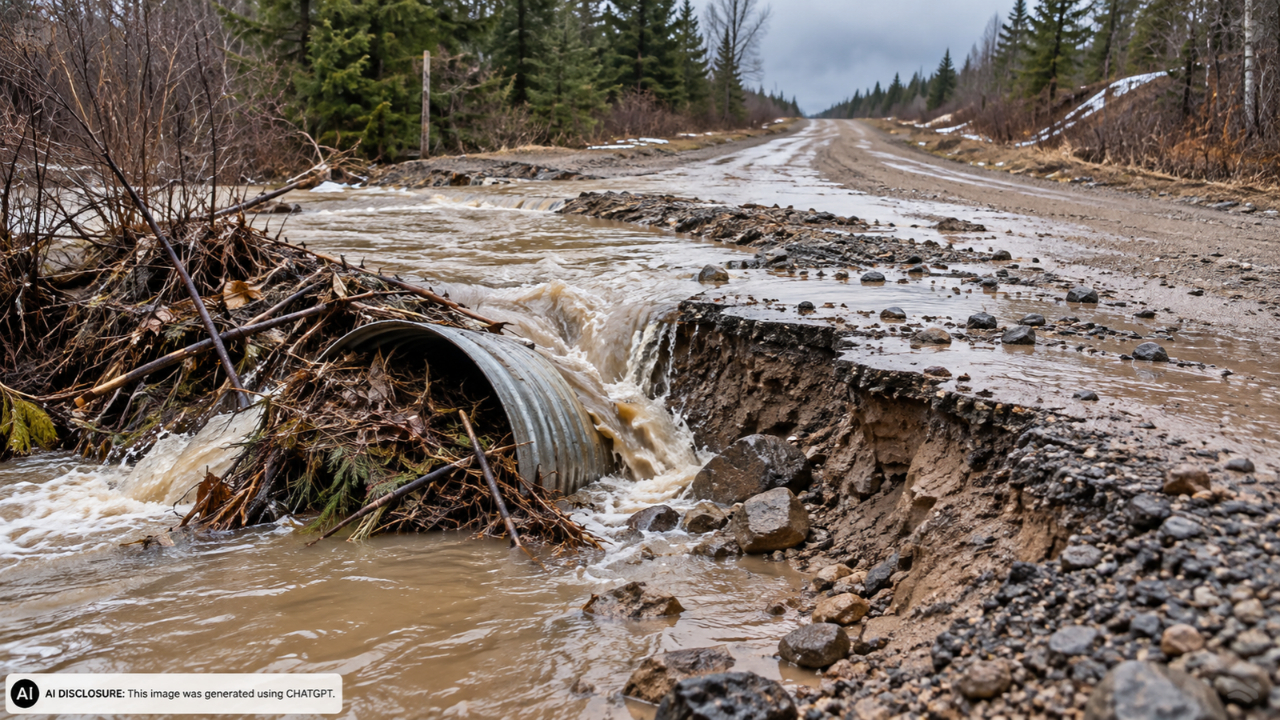
One plugged or crushed pipe can wreck a long stretch of road. Water backs up, saturates the base, then finds a new path over the surface or around the end of the pipe. When it goes, it goes fast, sometimes overnight.
Check culvert inlets after every big storm and during spring melt, and clear debris before it mats up. If a pipe is rusted through, undersized, or set at the wrong angle, replacing it is the fix, not another round with a shovel. Pipe work changes drainage, so match the existing flow, follow local rules, and if you’re not confident with elevations and bedding, hire it out.
A dirt road stays good when water leaves quickly and the base stays firm. Put your effort into drainage, timing, and the right material, and you’ll spend more weekends driving on your road instead of rebuilding it.
Like Fix It Homestead’s content? Be sure to follow us.