10 Places People Stack Firewood That Invite Trouble
Photo credit: shine.graphics/Shutterstock.com
Firewood looks simple until it starts causing problems you didn’t sign up for. Bugs move in, moisture hangs around, mice set up shop, and the stack tips at the worst time. A few small changes in where you pile it can save a lot of cleanup and a few expensive repairs.
1. Tight Against House Siding
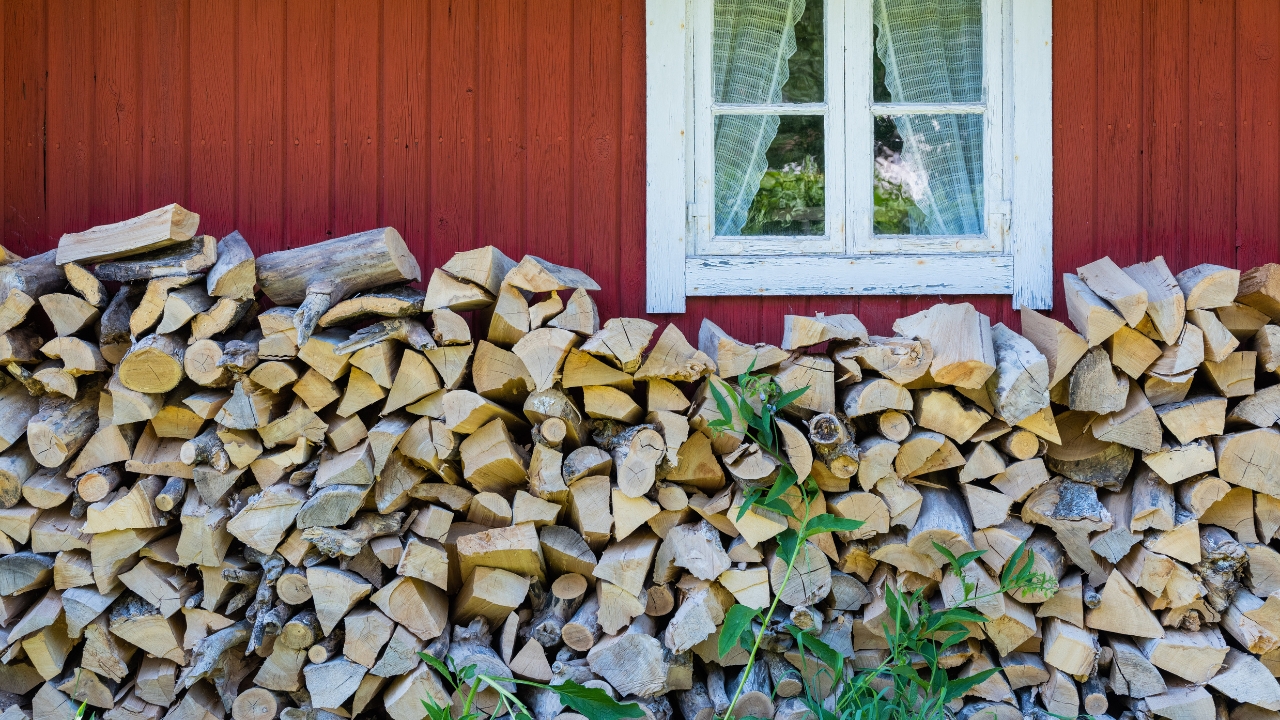
Stacking wood right against the house feels convenient, especially in a wet winter. It also gives ants, termites, and carpenter bees a covered hallway straight to your framing, and it holds damp air against siding and trim. You’ll spot peeling paint, soft spots, and little piles of sawdust when the damage is already underway.
Keep a gap. A couple feet of air space is better than any spray you can buy, and it lets you see problems early. If you want it close for winter, bring over a small rack’s worth at a time and leave the main pile out away from the walls.
2. Directly On Bare Soil
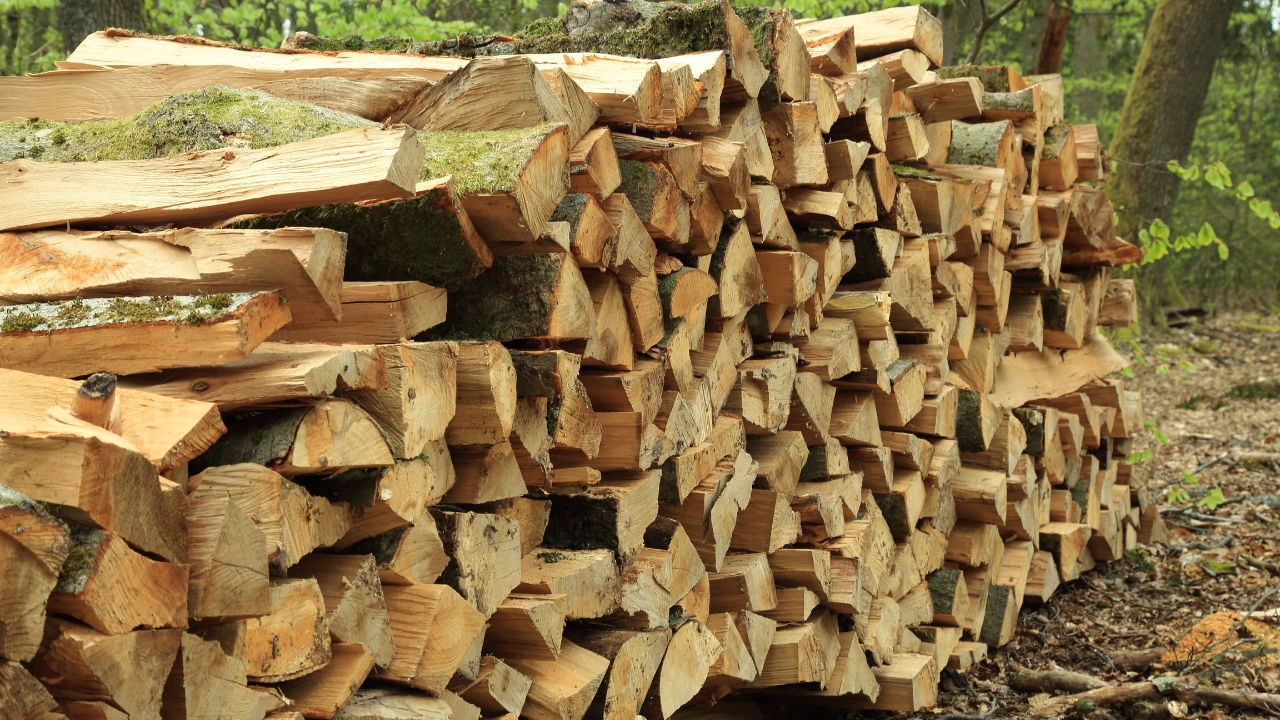
Wood on dirt drinks ground moisture all season. The bottom course turns punky, grows fungus, and becomes a magnet for slugs and beetles. When you go to move it, half the stack is stuck together and the good splits smell sour.
Get it off the ground with something simple, pallets, 4×4 runners, or a couple lengths of treated lumber. Don’t overthink it. The goal is air under the pile and no direct contact with soil.
3. Under Low Decks And Porches
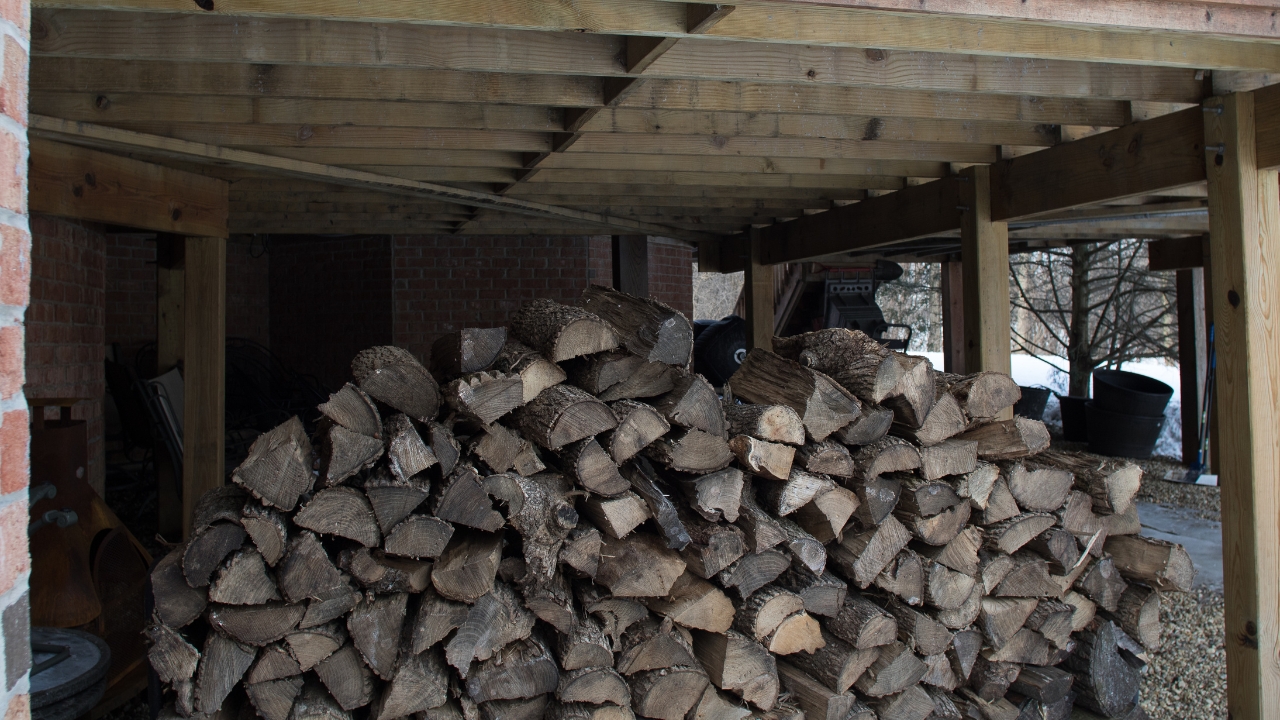
This spot stays shaded and feels “out of the weather,” but it also stays damp and stale. Mice love it. Skunks, raccoons, and groundhogs love it more, and you won’t enjoy meeting them when you reach in for an armload.
Moisture trapped under a deck also works on the deck itself. Joists and ledger boards don’t need help rotting. Keep firewood out in the open, and store only a small, short-term tote on a hard surface near steps if you need easy access.
4. Inside The Garage Against Drywall
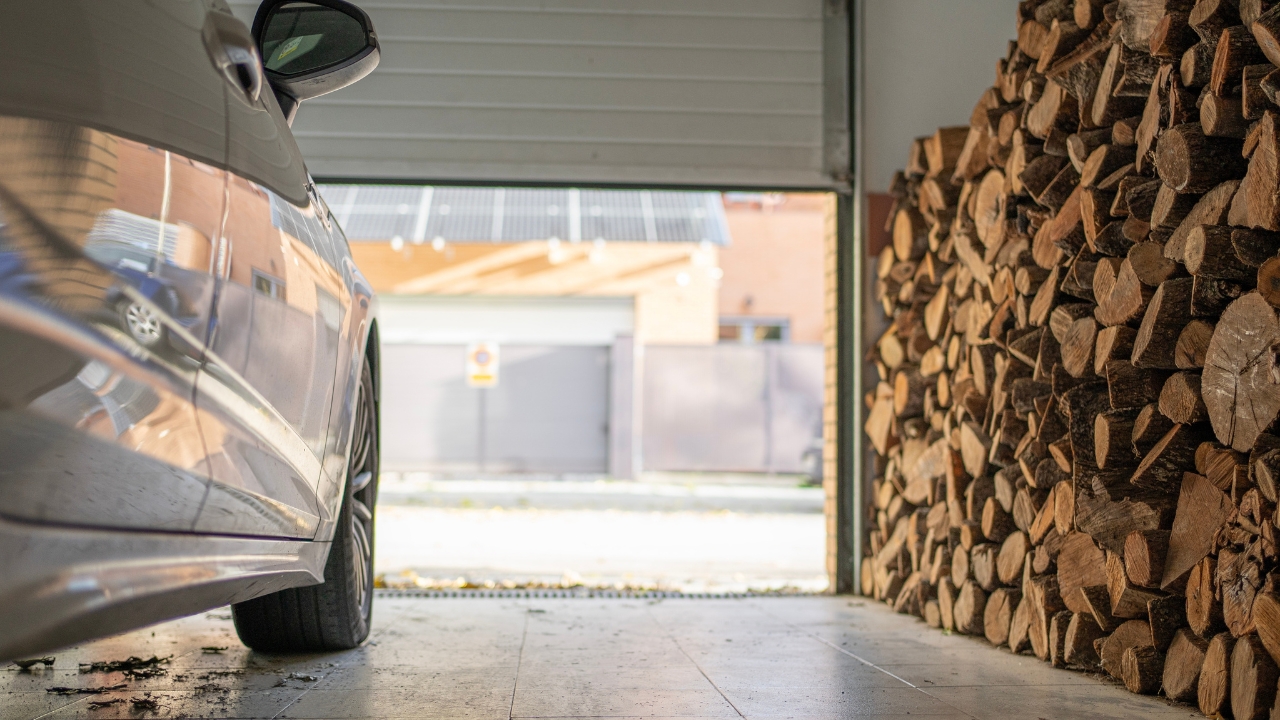
People do this when snow hits, then forget the pile is there until spring. Now you’ve got a warm, sheltered home for spiders, boxelder bugs, roaches, and whatever else came in under bark. If you’re unlucky, mice shred insulation in the wall nearby and leave droppings on tools and stored stuff.
If you’re going to keep any wood in the garage, keep it small and temporary, like a day or two’s worth in a bin. Store it on a concrete floor away from walls, and sweep up bark and crumbs so you’re not feeding pests. The main stack belongs outside.
5. Next To The Outdoor AC Unit
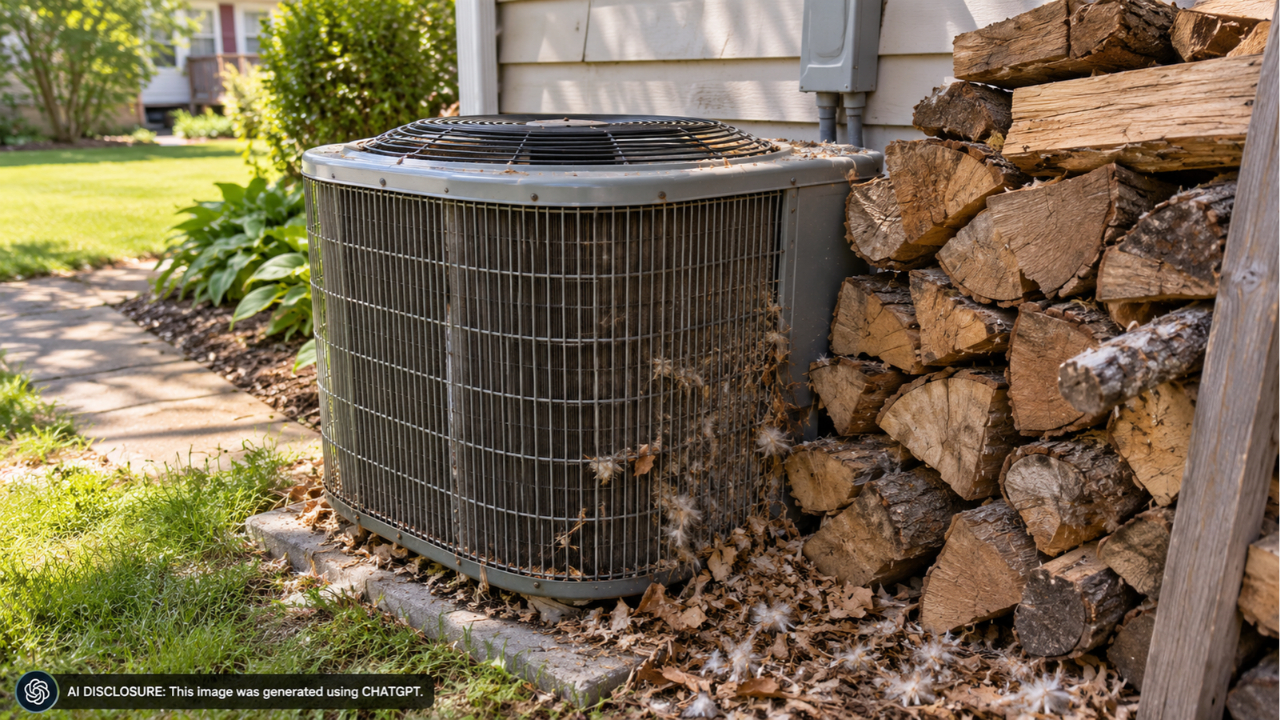
That empty pad by the condenser looks like wasted space. Stack there and you’ll block airflow, trap leaves and cottonwood fuzz, and make service harder when it’s 95 degrees and the house is getting warm. A struggling unit costs money every time it runs, and it doesn’t take much blockage to hurt it.
Give the unit breathing room. Keep wood well outside the clearance space around it and don’t build “walls” that funnel hot exhaust right back into the coil. While you’re at it, keep the weed trimmer string away from the fins, too.
6. On The Downhill Side Of A Slope
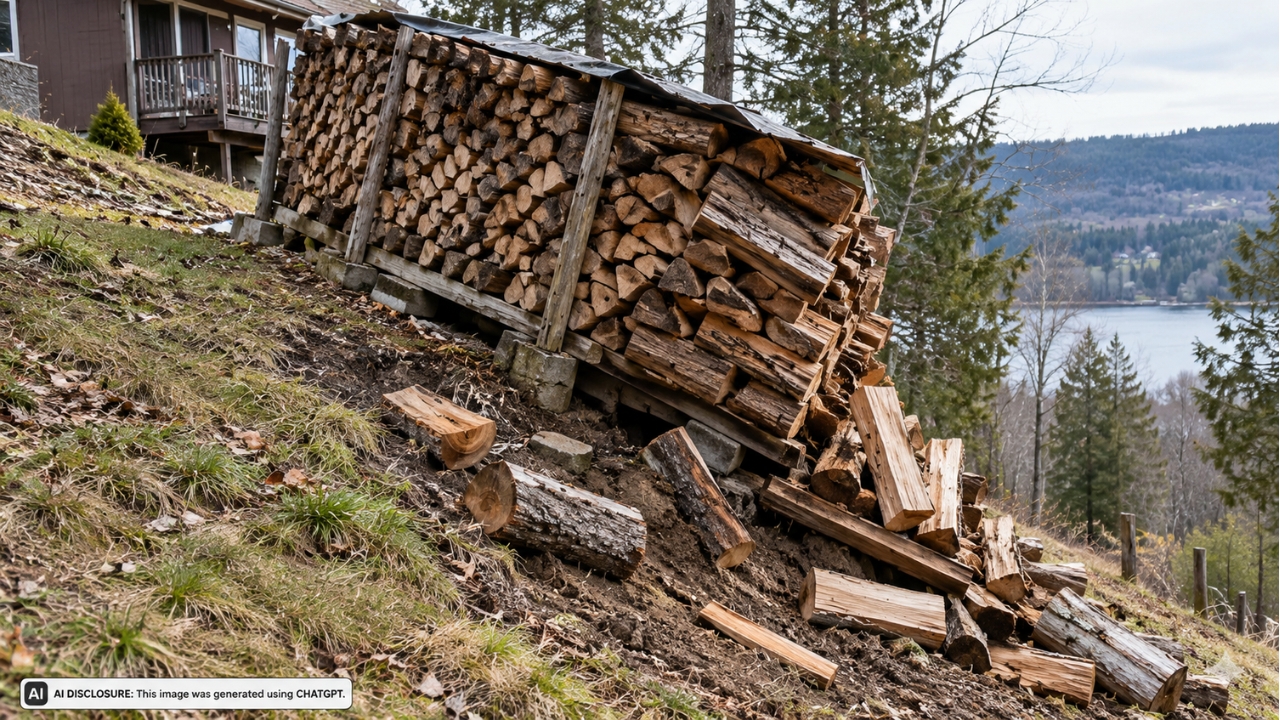
Stacks fail when the base shifts, and hillsides love to shift. After a few freeze and thaw cycles, one side sinks, the pile leans, and then it goes. If you’re hauling an armload when it collapses, you can get pinned or smashed up by rounds that roll.
Pick flat ground or build a level base with timbers and crushed stone. If you have to use a slope, make the stack short and wide, and face the ends into the hill so gravity works less against you. A couple metal T posts on the downhill side can help, but they don’t fix a bad base.
7. In A Low Spot That Floods
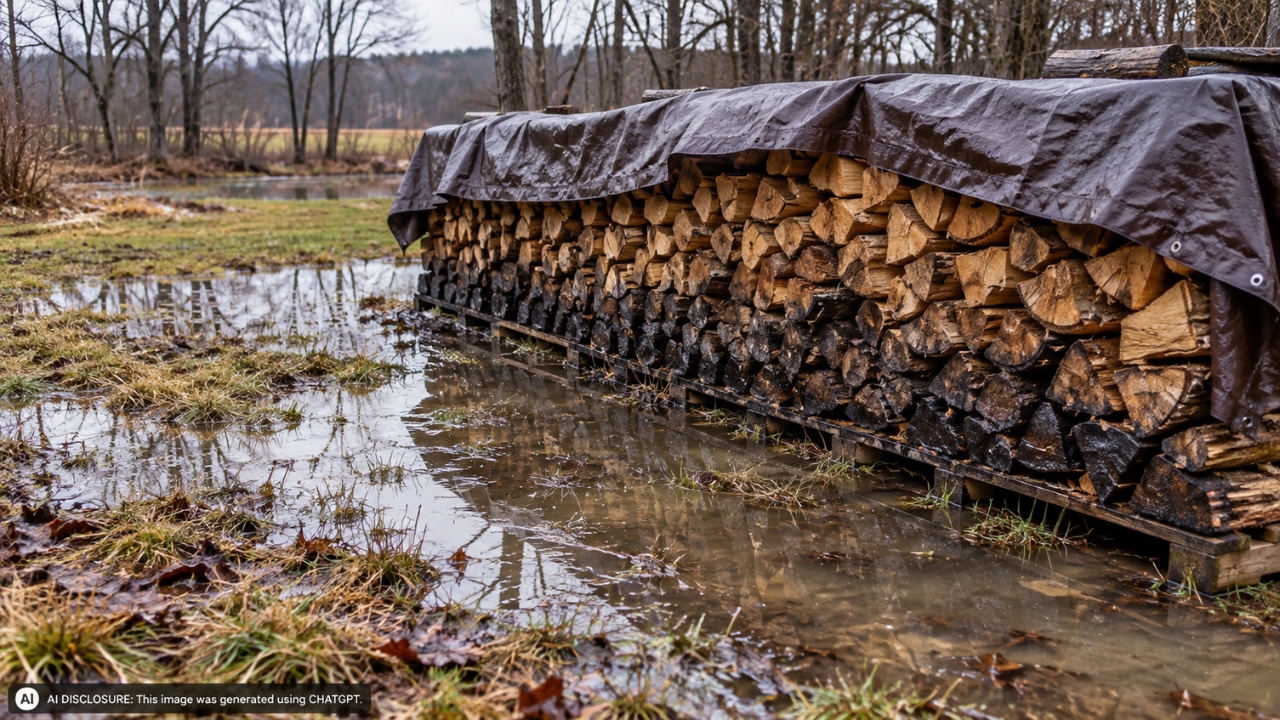
The trouble shows up in spring. Water sits, the bottom row turns black, and the pile smells like a swamp even after it dries. Then you bring that wood to the stove and wonder why it hisses, smokes, and coats your glass with soot.
Move the stack to higher ground, even if it’s farther from the door. If your whole yard is flat and wet, build up a pad with gravel and set runners on top. Water has to have somewhere to go.
8. Under A Blue Tarp Touching Wood
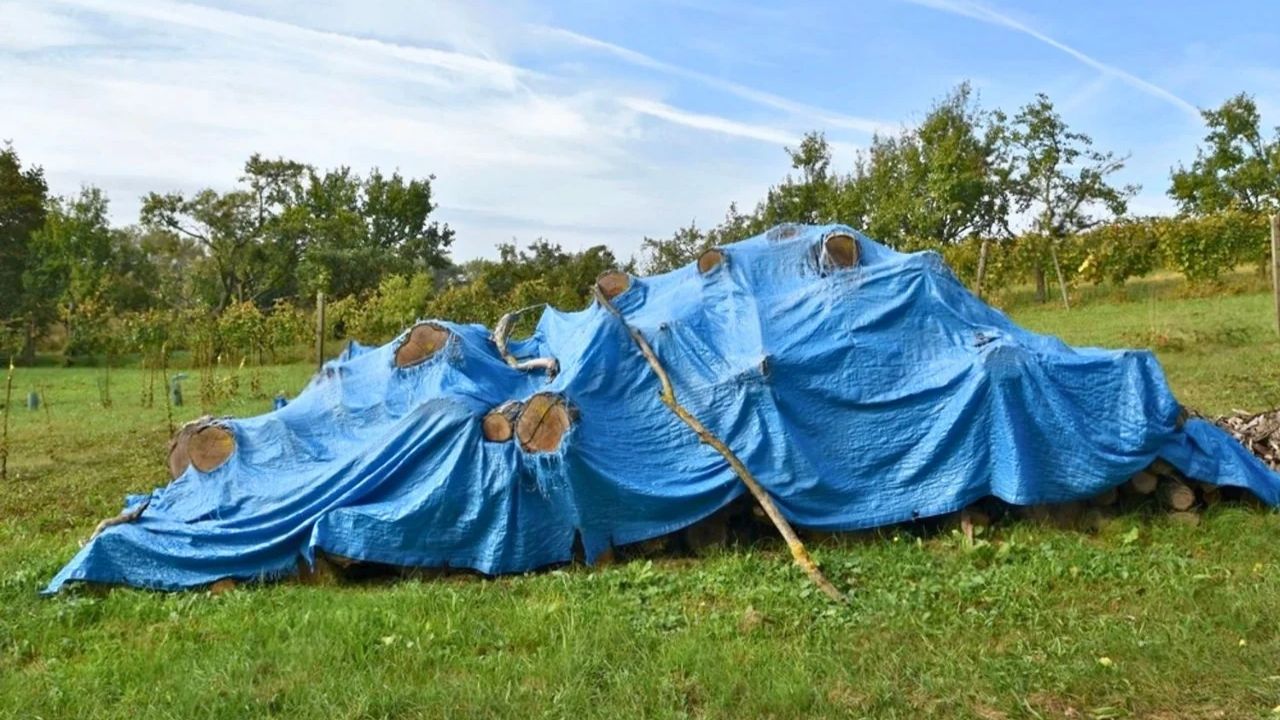
A tarp feels like the cheap answer, and sometimes it is, but the common mistake is wrapping the whole pile like a sandwich. When the plastic touches the sides, it traps humidity and blocks wind, so the wood stays wet and starts growing mold. After one windy storm, the tarp tears and you’re chasing shreds across the yard.
The exception is a simple top cover done right. If you drape a tarp just over the top like a roof and leave the sides open, it can work fine for a season. Better yet, use scrap metal roofing or plywood weighted down, and keep the top sloped so water runs off.
9. Beside Fences And Property Lines
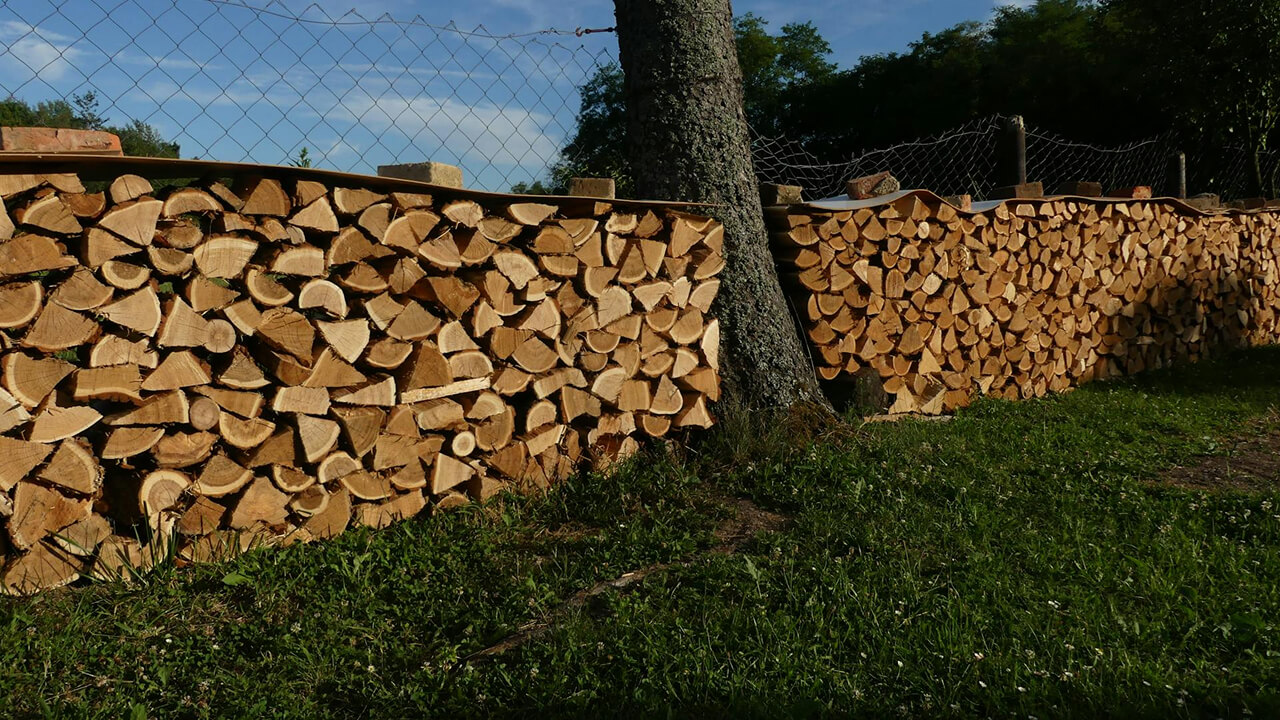
Wood stacks tempt people to use them as a “fence extension.” Then the boards rot faster, weeds take over, and you’ve built a perfect ladder for squirrels and raccoons. In dry weather, a big pile against an old fence also becomes a fire spread problem if anything nearby burns.
Keep a buffer so you can weed, spray, or mow without clipping bark and knocking splits over. If you share a line with a neighbor, leave space so you can handle your own stack without stepping onto their side. It saves arguments, and it keeps your fence easier to maintain.
10. Right Outside The Back Door
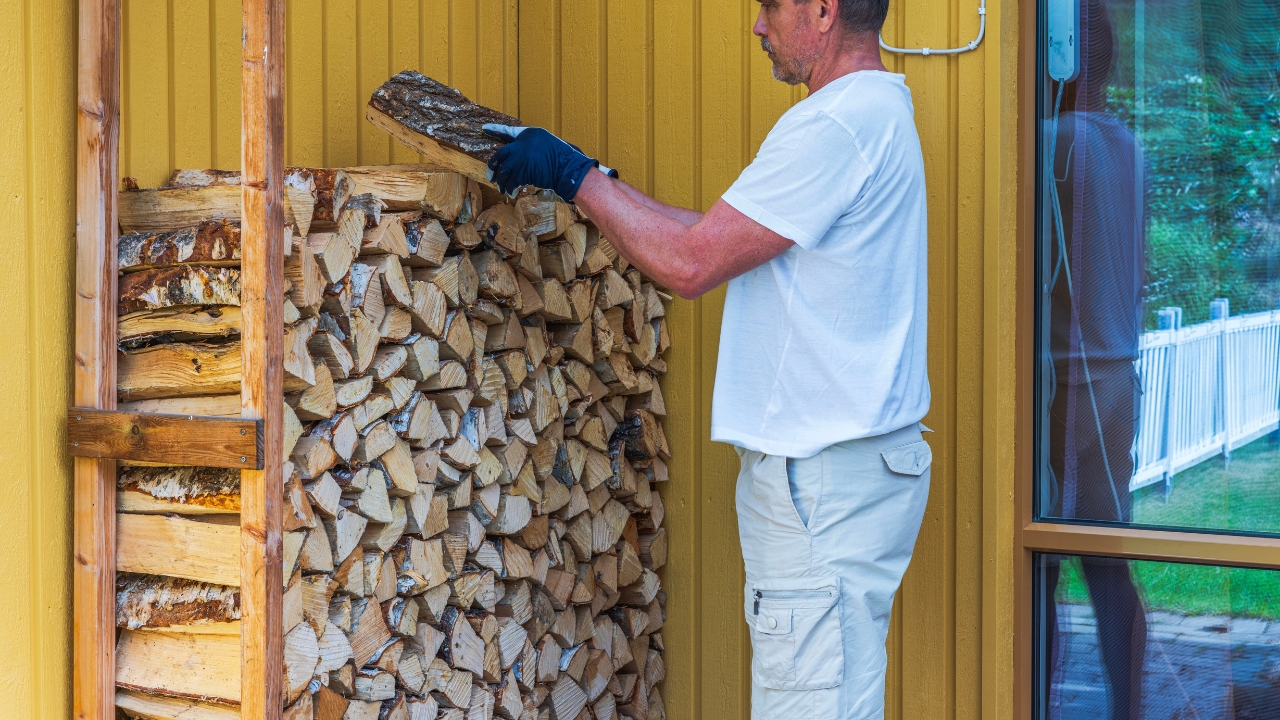
It’s convenient, until the first real ice. Snow melts off boots, refreezes under the pile, and you’ve built a slip zone where you carry heavy, awkward loads. If the stack is tall, a bumped corner can send chunks skittering onto the steps.
Set a small rack a few steps away, not right in the traffic lane. Keep it low, refill it from the main pile, and shovel around it like you mean it. The walk stays safer, and you’re not tracking bark and bugs into the house.
Pick one good spot for the main stack and stick with it year to year, dry ground, sun, and wind beat “close to the door” every time. If you want less mess indoors, keep a stiff brush by the rack and knock loose bark off before it comes inside. A little planning in fall makes winter wood a lot less work.
Like Fix It Homestead’s content? Be sure to follow us.