10 Used Tools That Are Still Worth the Money
Photo credit: Bijaksana41/Shutterstock.com
Tool prices keep climbing, and a lot of the stuff on the shelf now is lighter duty than it looks. Buying used can save real money, but only if you pick the tools that age well and skip the ones that hide expensive problems. The trick is knowing what wears out fast, what’s easy to check, and what’s cheap to fix.
1. Cast Iron Bench Vise
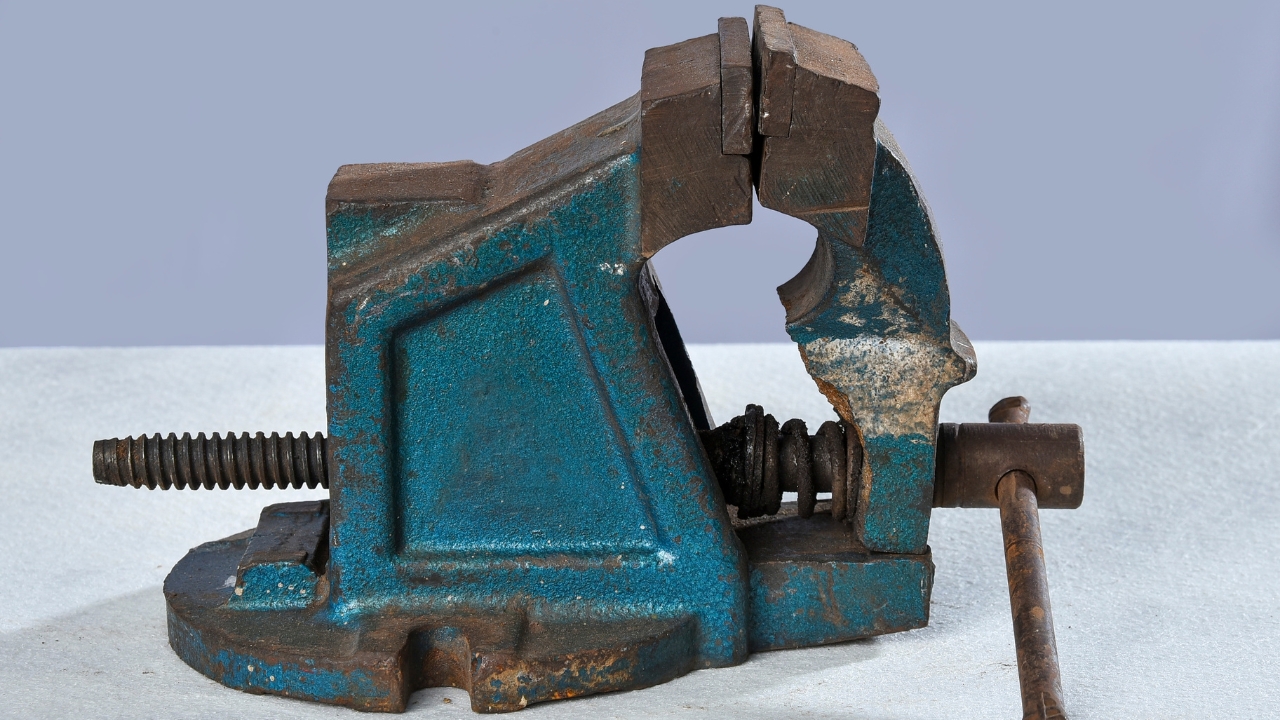
A solid bench vise doesn’t have much to “go bad.” If the main screw turns smoothly and the jaws close square, it’ll hold pipe, mower parts, bent brackets, and whatever else ends up on your bench. New ones that don’t weigh much tend to rack and flex, which makes every job harder than it needs to be.
Check for cracks around the base and the swivel, and look at the jaw faces for chunks missing. A little slop is normal, but grinding, popping, or a screw that binds means it was abused. Used is fine here because replacement jaws and handle parts are usually simple, and rust is mostly a cleanup job.
2. Corded Circular Saw With Tight Bearings
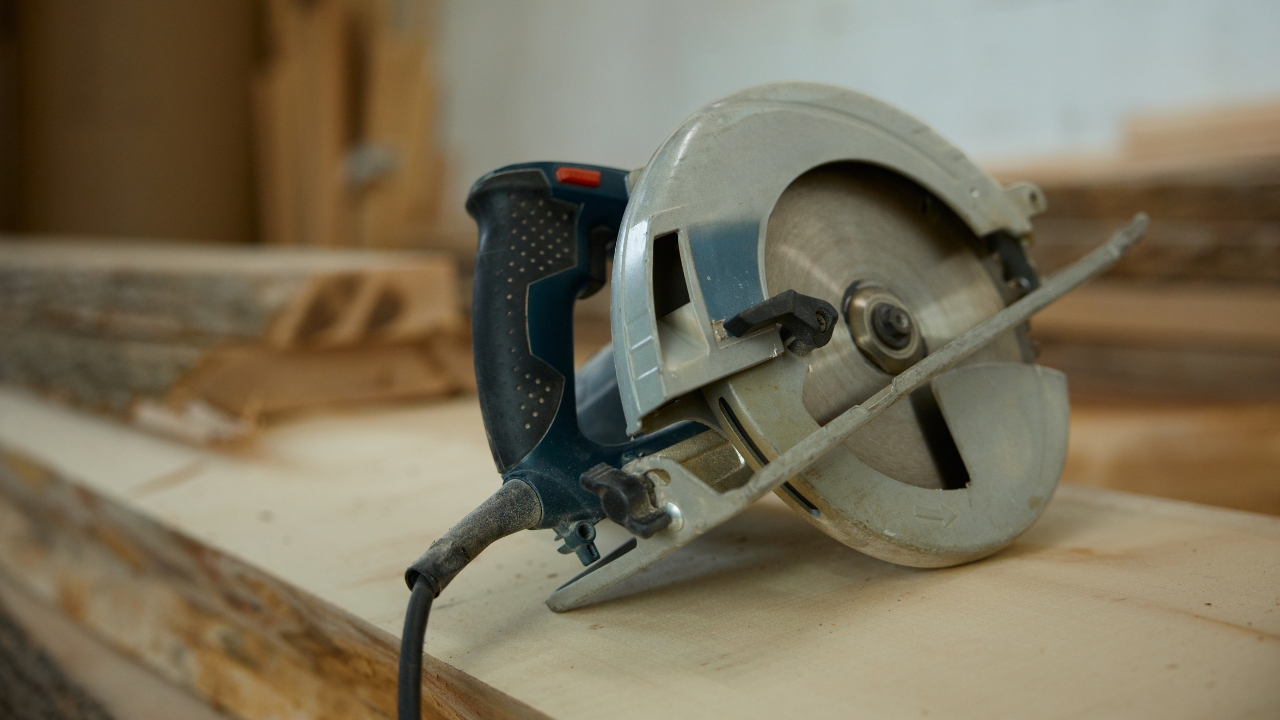
People ditch corded saws to “go cordless,” even when the old saw still cuts straight. A corded circular saw is hard to kill, and it’s still the easiest way to rip plywood, trim fence boards, or break down pallets without worrying about batteries. On a homestead, long cutting sessions show you why a cord still matters.
Unplug it and spin the blade by hand, it should coast without a gritty feel. Sight down the base plate for bends, and make sure the blade guard snaps back fast. If you hear a growl under load or smell hot varnish, walk away, motor work isn’t worth it on a cheap used saw.
3. Quality Manual Post Hole Digger
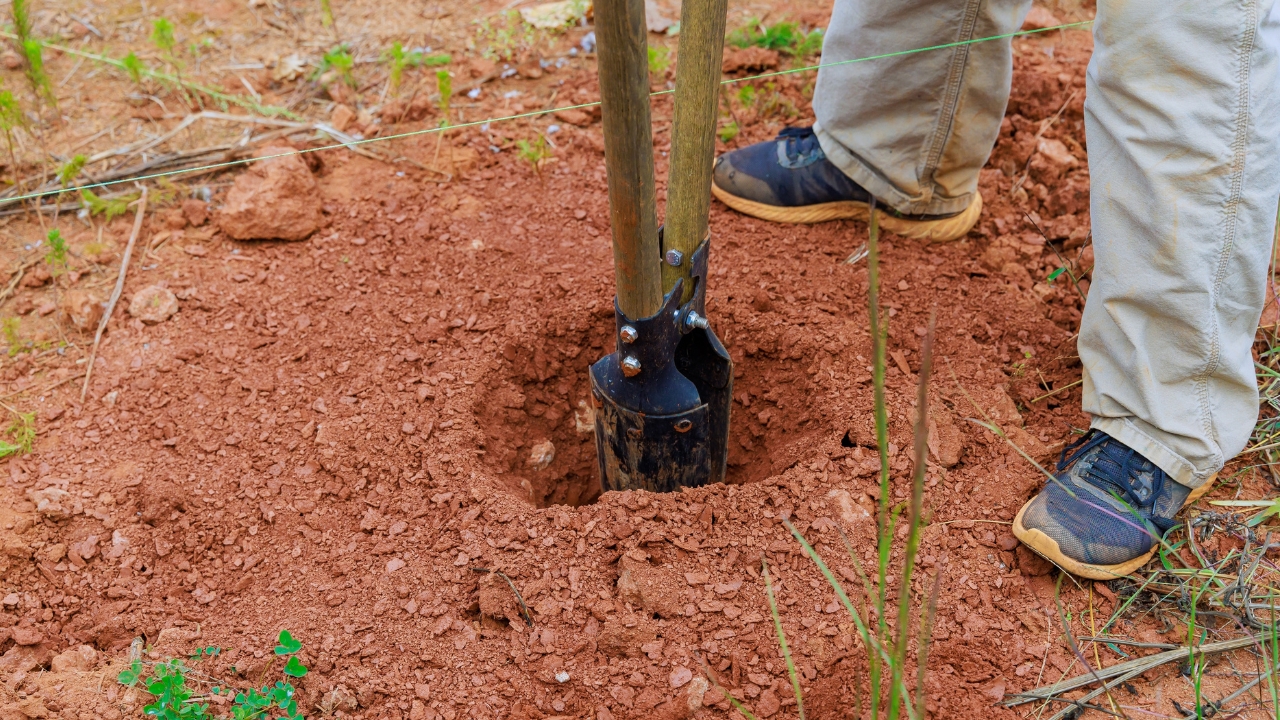
When you need two corner posts set before the weekend ends, renting a powered auger feels tempting. But a sturdy manual post hole digger gets used year after year, and used ones are often sitting in barns with hardly any wear. No engine, no carburetor, no stale gas headaches.
Look for straight handles, tight rivets or bolts at the hinge, and blades that still meet evenly. A little surface rust is nothing. Bent handles mean somebody tried to pry rocks with it, and you’ll hate it every time you hit clay.
4. Old Steel Digging Bar For Rocks
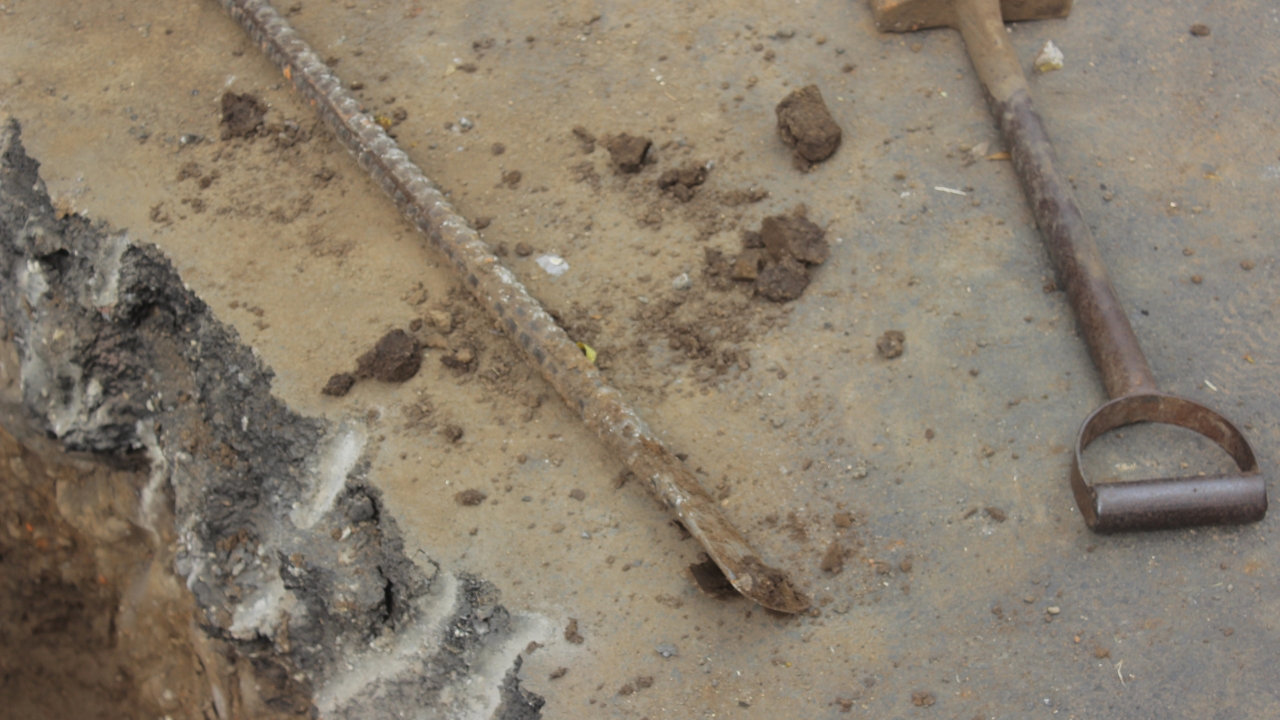
There’s a point in spring when you’re planting trees and you hit the “mystery boulder” two feet down. A heavy digging bar is the fix, and used is usually the best buy because the older ones are often thicker steel and not fancy in any way. It’s also one of the few tools that can live outside without you losing sleep.
Roll it on a flat surface if you can, a big wobble means it’s bent. Check the tip for mushrooming and cracks. If the striking end is badly flared, grind it back or skip it, chipped steel can be dangerous when you hit it.
5. Name Brand Router With A Flat Base
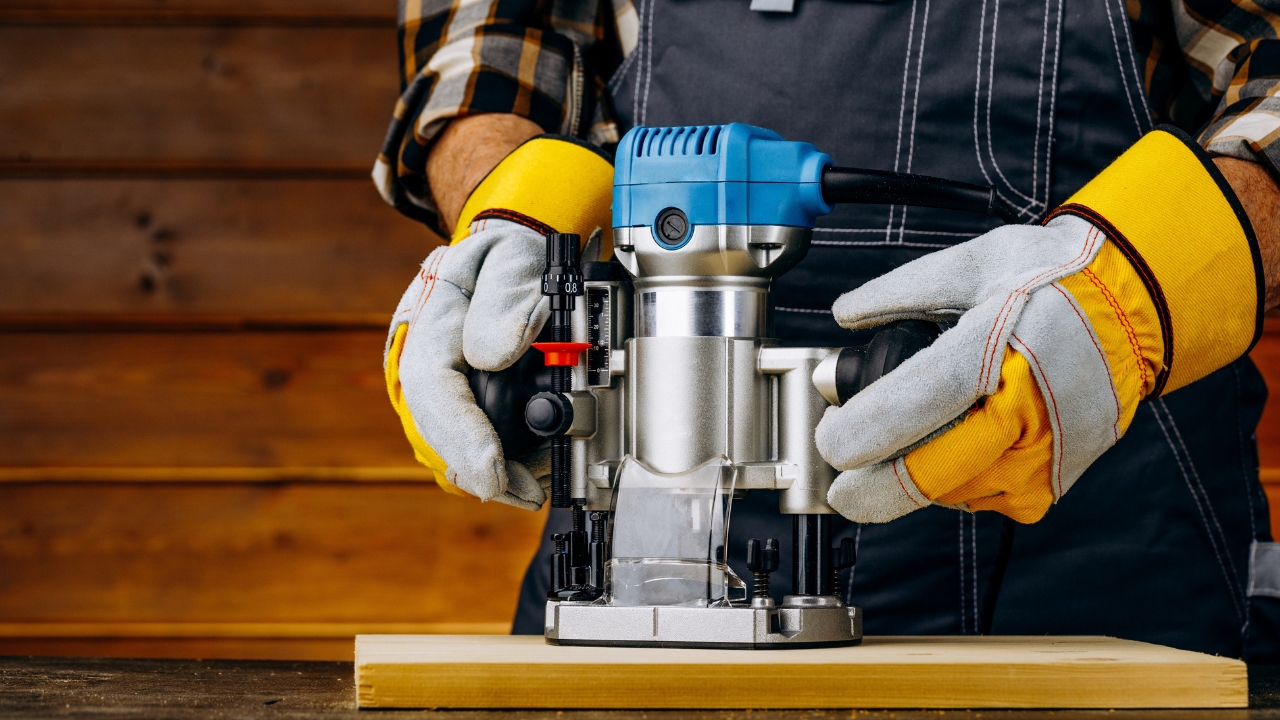
A router is one of those tools people buy for one project, then sell because it scares them or takes up space. That’s good news for you. A decent router lets you ease sharp edges, cut hinge mortises, and make clean dadoes without dragging out a table saw setup.
Check that the base is flat and not cracked, the collet tightens smoothly, and the speed control works if it has one. Bring a bit if the seller allows it, you want to see the collet grab without slipping. Exception: if it’s missing the base plate or has a chewed up collet, pass, those little parts can turn into a long parts hunt.
6. Heavy Duty Extension Ladder With Legible Labels
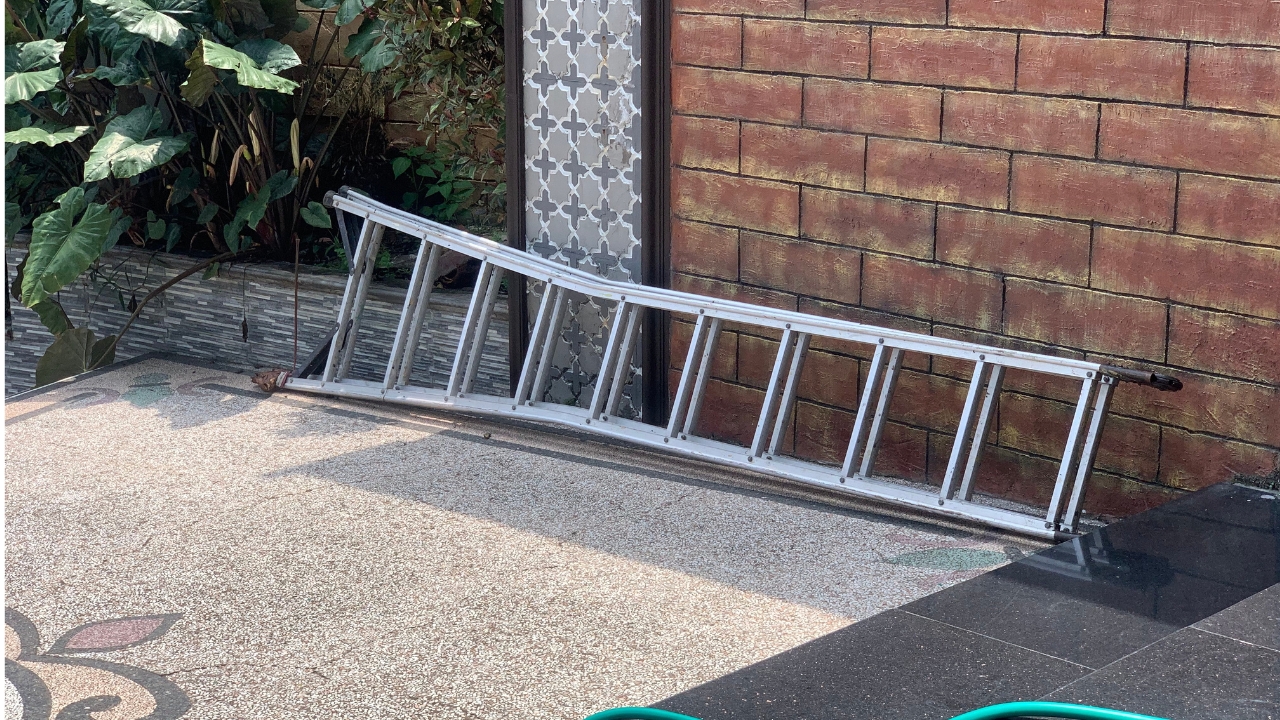
New ladders cost a lot, and used ones show up all the time when people move or downsize. A good extension ladder is worth paying for even secondhand, because it’s one tool that can keep you from “just climbing the bucket.” You’ll use it for gutters, pruning, and quick roof looks after storms.
Only buy one that still has readable load and warning labels, and inspect it like you’re looking for a reason to say no. Check the rails for dents, the rungs for cracks, and the locks for clean engagement on both sides. If anything looks tweaked, skip it, ladder surprises happen all at once.
7. Used Wheelbarrow With A Real Tray

Plastic tray wheelbarrows are fine until they aren’t. Cold weather makes them brittle, and one bad drop with a load of rocks leaves you with a split you’ll never like. A used steel tray barrow with a solid frame is still money well spent, even if it’s ugly.
Grab the handles and twist, the frame shouldn’t feel loose or creak at the joints. Spin the wheel and listen, a noisy bearing is cheap to replace, and tires are normal wear. Rust holes in the tray are the deal breaker, because they turn into dumped mulch at the worst time.
8. Older Axe Or Maul With Sound Head

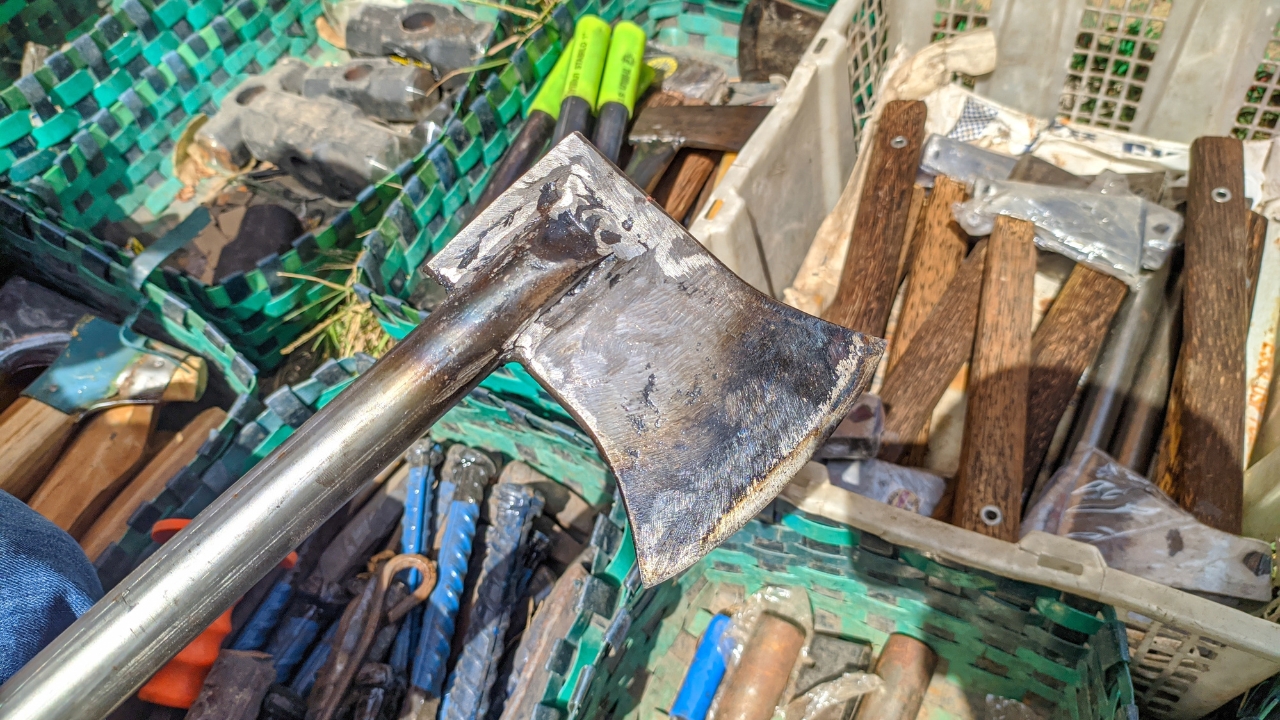
New axes can be hit or miss, and a lot of them need real sharpening before they work the way you expect. A used axe or maul with good steel can last decades, and older heads often take an edge nicely. For firewood season, that matters more than a shiny finish.
Look closely for cracks around the eye of the head and chips along the bit. A loose head is fixable with proper re-hanging, but only if you know what you’re doing, otherwise a new handle installed wrong is a hazard. If you buy used, plan on dressing the edge with a file and stone, and wear eye protection when you start swinging.
9. Clamp Lots From Estate Sales
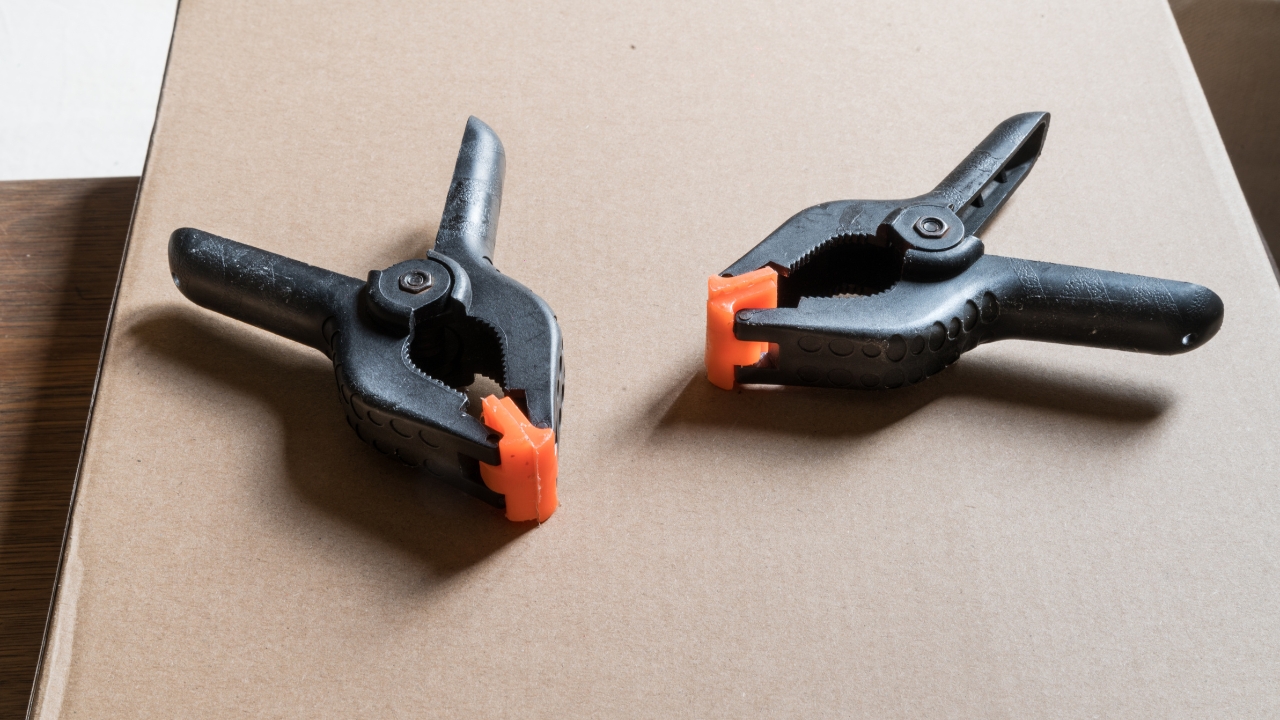
You can never find enough clamps when glue is setting and the board won’t behave. Buying them new gets expensive fast, especially once you need different sizes. Used clamps are one of the best deals around because rust and paint don’t stop them from doing their job.
Run the screw or trigger through its full travel and check the pads and threads. Light rust cleans up, but bent bars and cracked castings aren’t worth the hassle. If you see a bucket of mixed clamps, grab the lot and sort it at home.
10. Garden Fork With Tight Socket Fit
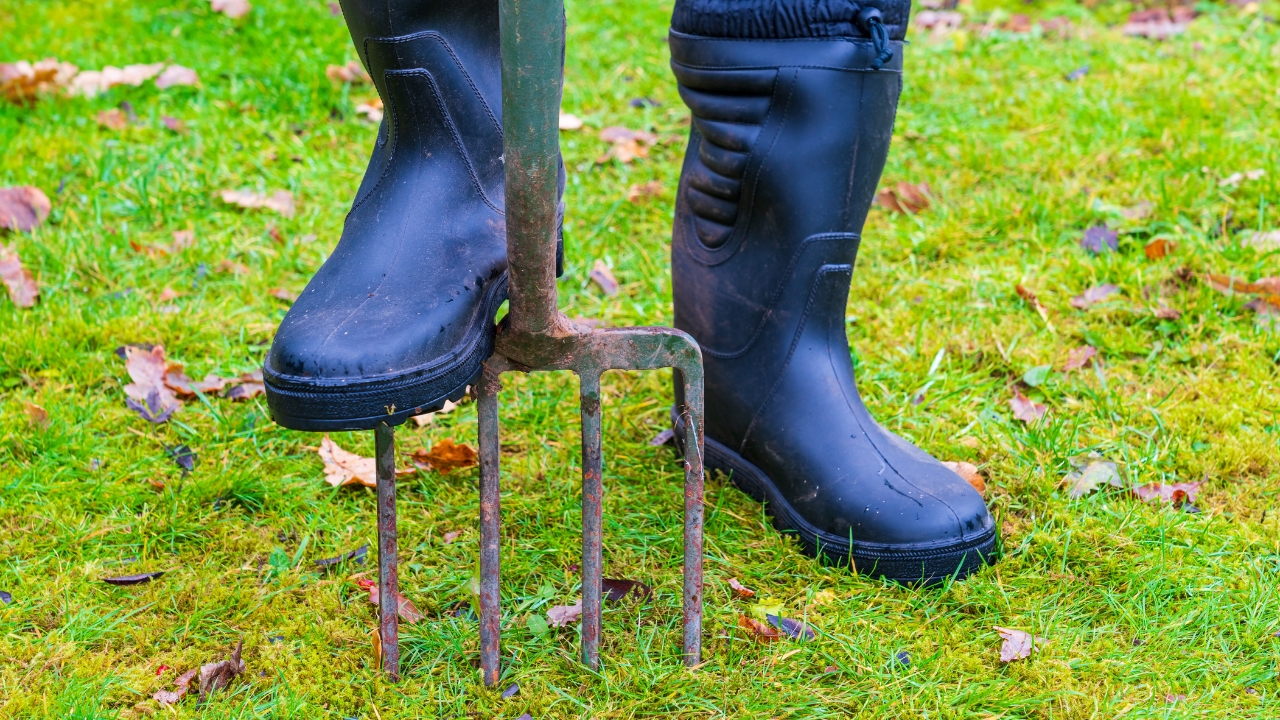
Shovels get all the attention, but a garden fork is the tool that saves your back in heavy soil and old compost. It lifts, loosens, and turns without slicing worms in half the way a spade can. People sell them because they “switched to raised beds,” then realize too late they still need one.
Check the tines for bends and hairline cracks where they meet the head. The handle should fit tight in the socket with no wobble. If it’s loose, you’ll feel it the first time you pry on a root.
Used tools are at their best when the wear is obvious and the repair is simple. Show up with a flashlight, a straightedge, and the patience to walk away, because there will be another sale next weekend. Spend your money on solid steel and good castings, and skip anything that smells like hidden parts and long delays.
Like Fix It Homestead’s content? Be sure to follow us.