
10 Things Worth Stockpiling Before the First Big Storm
Photo credit: voronaman/Shutterstock.com
The first real storm of the season has a way of finding every weak link you’ve been ignoring. Power blips, sump pumps run nonstop, branches snap, and suddenly the one thing you need is the one thing every store in town is out of. A little stockpiling isn’t panic, it’s buying time when roads are sloppy and deliveries stop.
1. Fuel Cans And Fuel Stabilizer
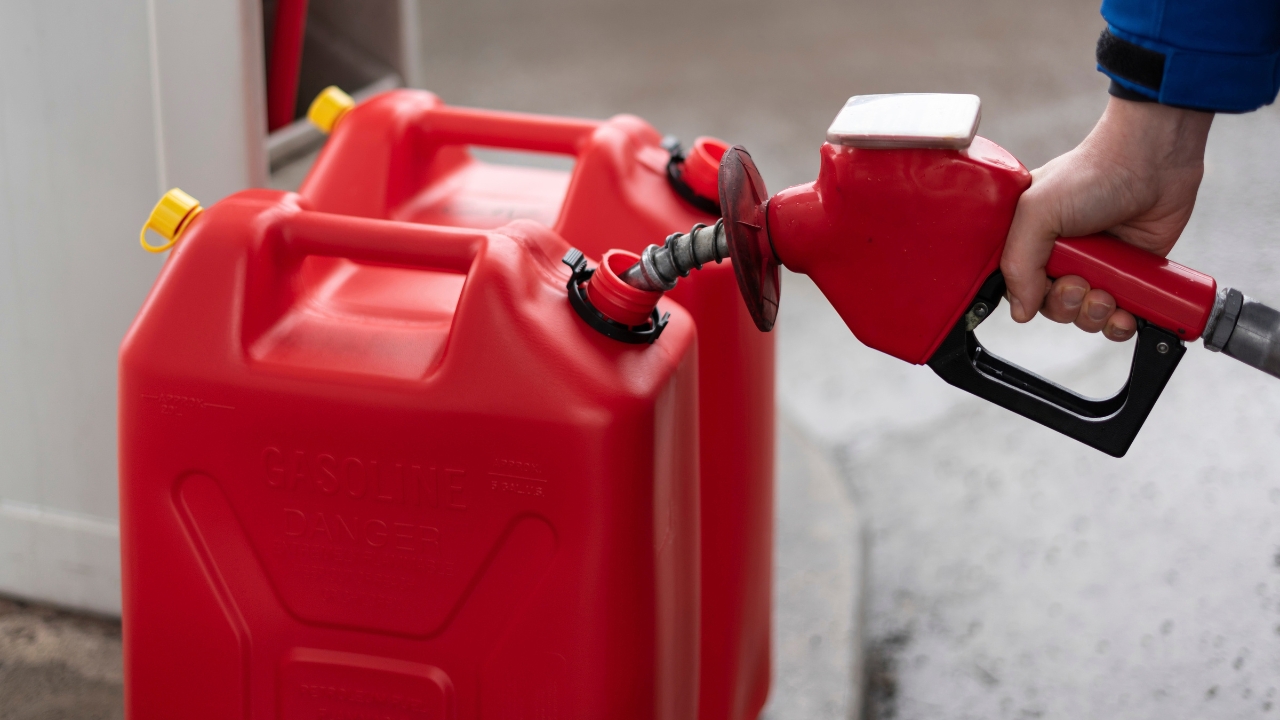
People wait until the weather alert hits, then sit in a gas line with everyone else. If you run a generator, a chainsaw, a snowblower, or even a propane heater, that scramble turns into a real problem fast. Keep approved fuel cans on hand and fill them before the forecast turns ugly.
Add fuel stabilizer to gasoline you plan to store longer than a month or two, and date the can with a marker. Rotate it into your vehicles or equipment and refill the can so you’re not nursing stale gas when you need steady power. Store fuel outside living spaces, away from ignition sources, and follow local rules for quantity.
2. Water Storage Jugs And Filters
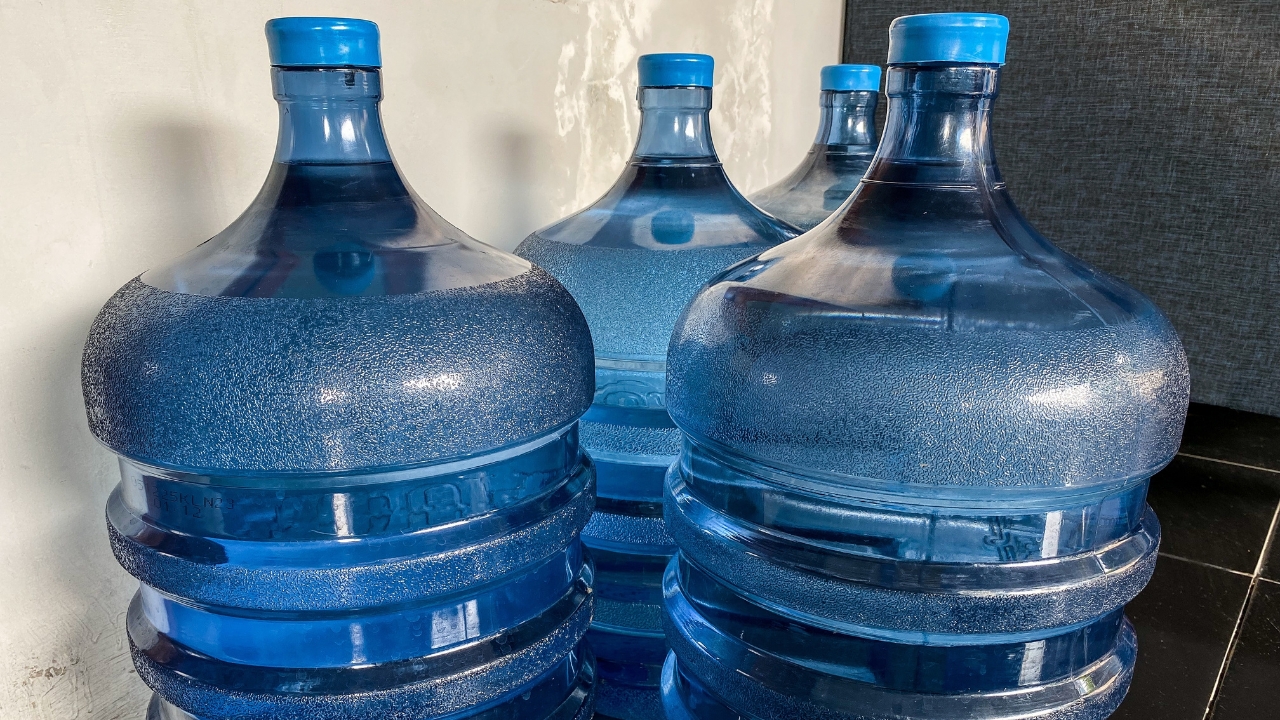
If your power goes out and you’re on a well, the taps don’t “kind of” work. They stop. Even city water can get weird after big storms, low pressure, boil notices, muddy water, the whole mess.
Keep a few clean jugs filled and tucked where they won’t freeze or bake in the sun. A simple gravity filter or backpacking-style filter is worth having for pets, flushing, and basic cleanup when you’re trying to save bottled water for drinking. If you already have a lot of bottled water, the cheap option is fine, just rotate it so it doesn’t sit for years.
3. Tarps, Plastic Sheeting, And Cap Nails
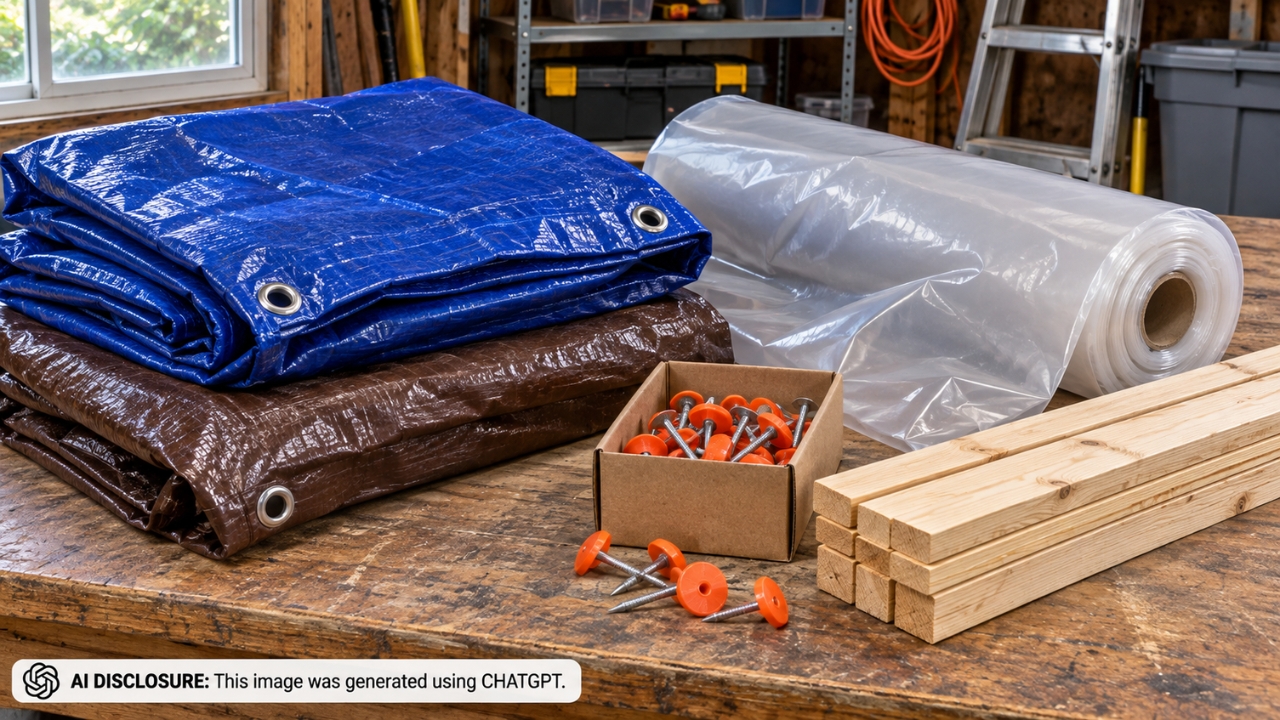
Roof leaks never start at noon on a calm day. They start at 2 a.m. with wind-driven rain, then you’re trying to “temporarily” patch something with a shower curtain and wishful thinking.
Stock a couple heavy tarps, a roll of plastic sheeting, and the right fasteners. Cap nails or roofing nails with plastic caps hold far better than staples, especially in wind. Keep a short roll of furring strips too, because screwing strips over a tarp edge spreads the load and keeps it from tearing into confetti.
4. Sump Pump Backup Parts
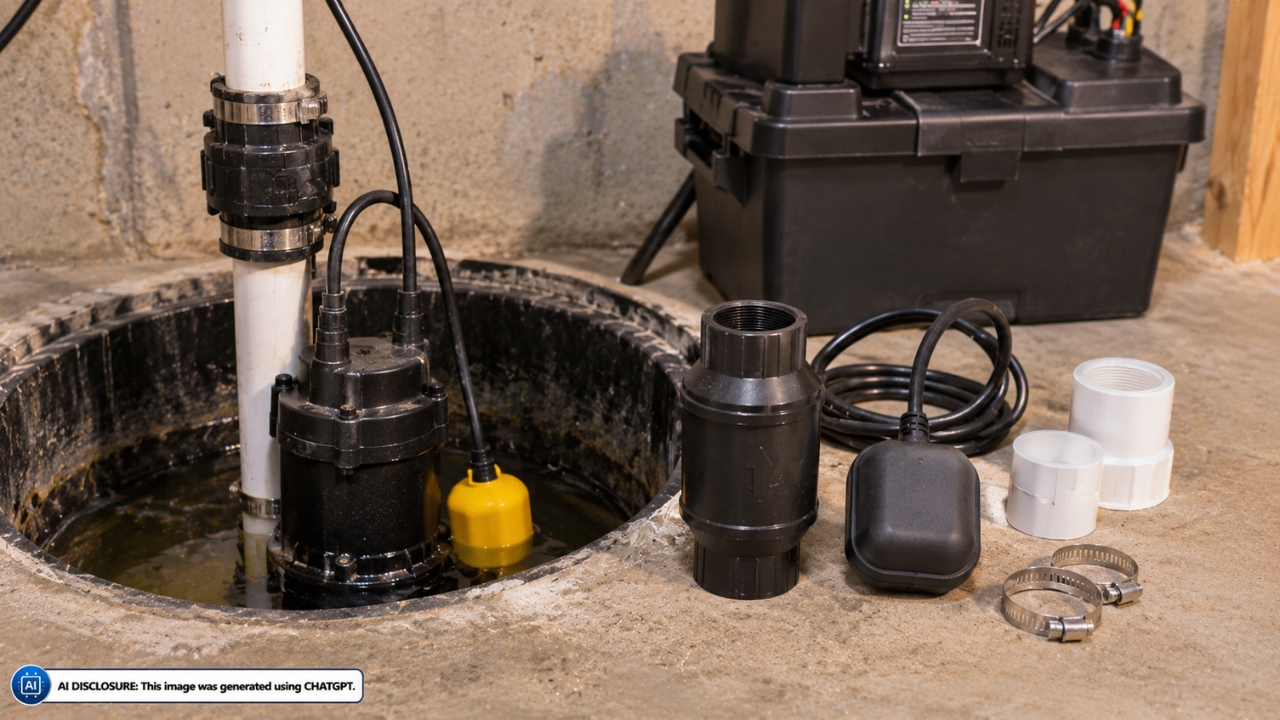
When a sump pump fails, it’s rarely polite about it. You hear the motor hum, the float sticks, and the pit starts climbing like it’s got somewhere to be. By the time you notice, you’re moving storage totes out of the basement and wondering what’s soaked behind the drywall.
At minimum, keep a spare check valve, a spare float switch that fits your pump style, and a second length of discharge hose or PVC fittings. Those parts are cheap compared to ripping out wet carpet and baseboards. If you want a battery backup pump, get it installed and tested before storm season, and follow code for any electrical work, a licensed electrician is the right call if you’re not comfortable.
5. Headlamps, Lanterns, And Spare Batteries
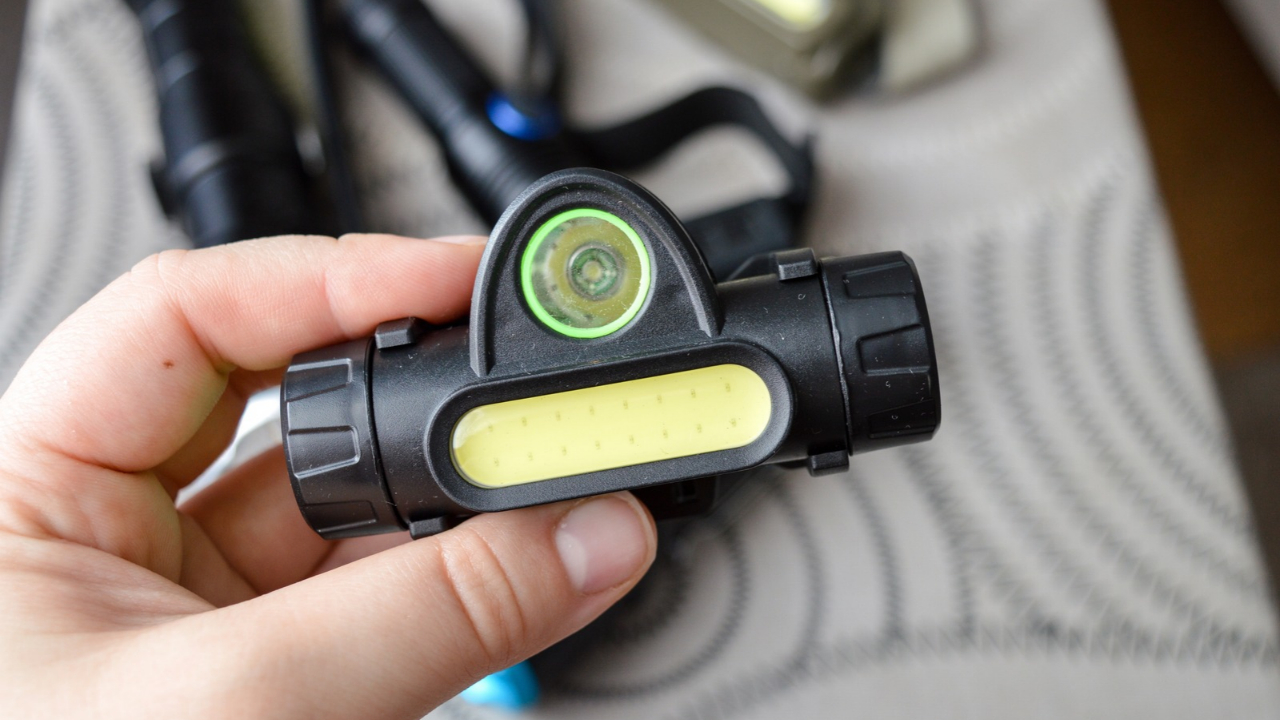
Flashlights are fine until you’re trying to carry a bucket, open a panel latch, or clean up a spill in the dark. A headlamp frees your hands, and that changes how fast you can work when the lights are out.
Buy batteries before everyone clears the shelves. Store them in a closet inside the house, not an unheated shed where they lose punch. If you use rechargeables, keep a charged set ready and a way to charge them off a power bank or car outlet.
6. Extension Cords Rated For Outdoor Use
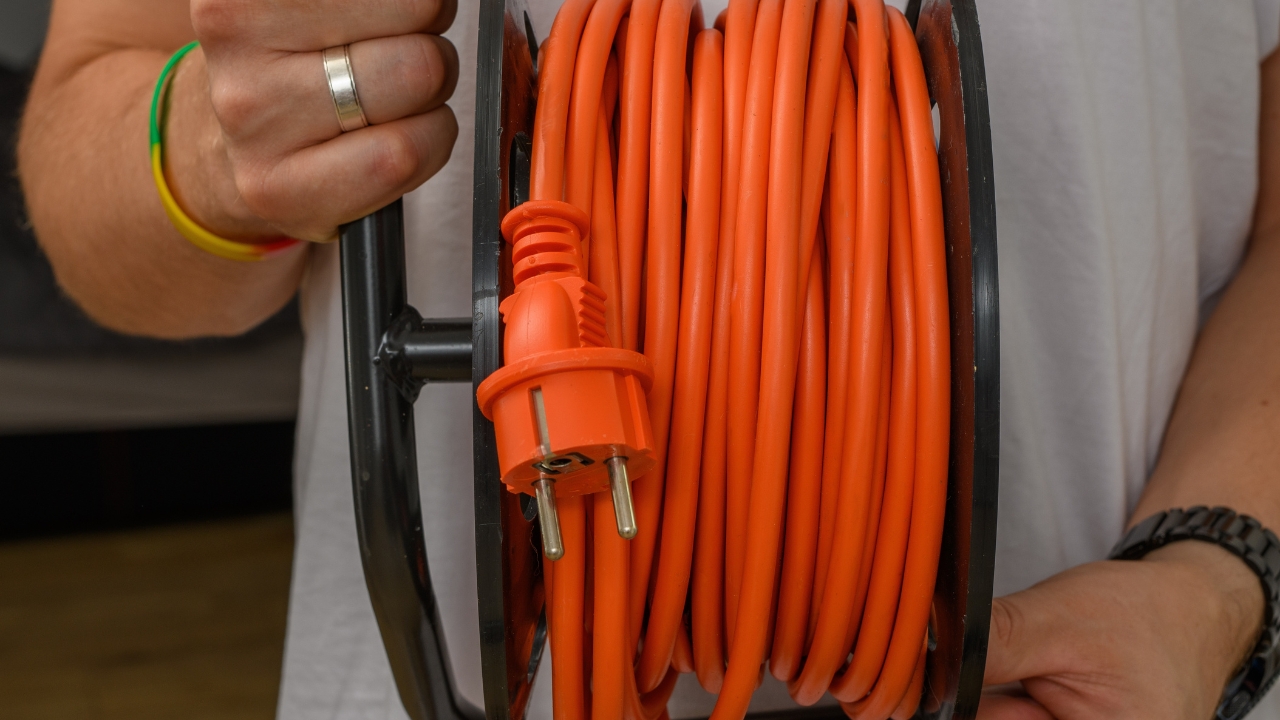
Thin, cheap cords overheat. Then you smell that hot plastic stink and start unplugging things in a panic. During a storm, people run space heaters, fridges, sump pumps, and fans on cords that were meant for a table lamp.
Get a few outdoor-rated cords in lengths you’ll actually use, and pick heavier gauge for bigger loads. Keep them coiled and dry so you’re not untangling a stiff, muddy knot in the rain. If you’re powering a generator setup, follow the generator manual and local code, and never backfeed a house without a proper transfer switch installed by a licensed pro.
7. Pipe Insulation And Heat Tape

The first hard freeze after a wet storm is when pipes split. It’s not always the deep winter cold that gets you, it’s that early cold snap when crawlspaces are damp and the wind is pushing right through gaps.
Keep foam pipe sleeves, fiberglass wrap, and a couple rolls of good tape so you can insulate exposed lines fast. For problem spots, heat tape can be a solid fix, but only if it’s installed exactly to the manufacturer instructions and protected from damage. If you’ve got questionable wiring in a crawlspace, call an electrician instead of adding one more sketchy load down there.
8. Bar Oil, Chainsaw Chain, And Wedges
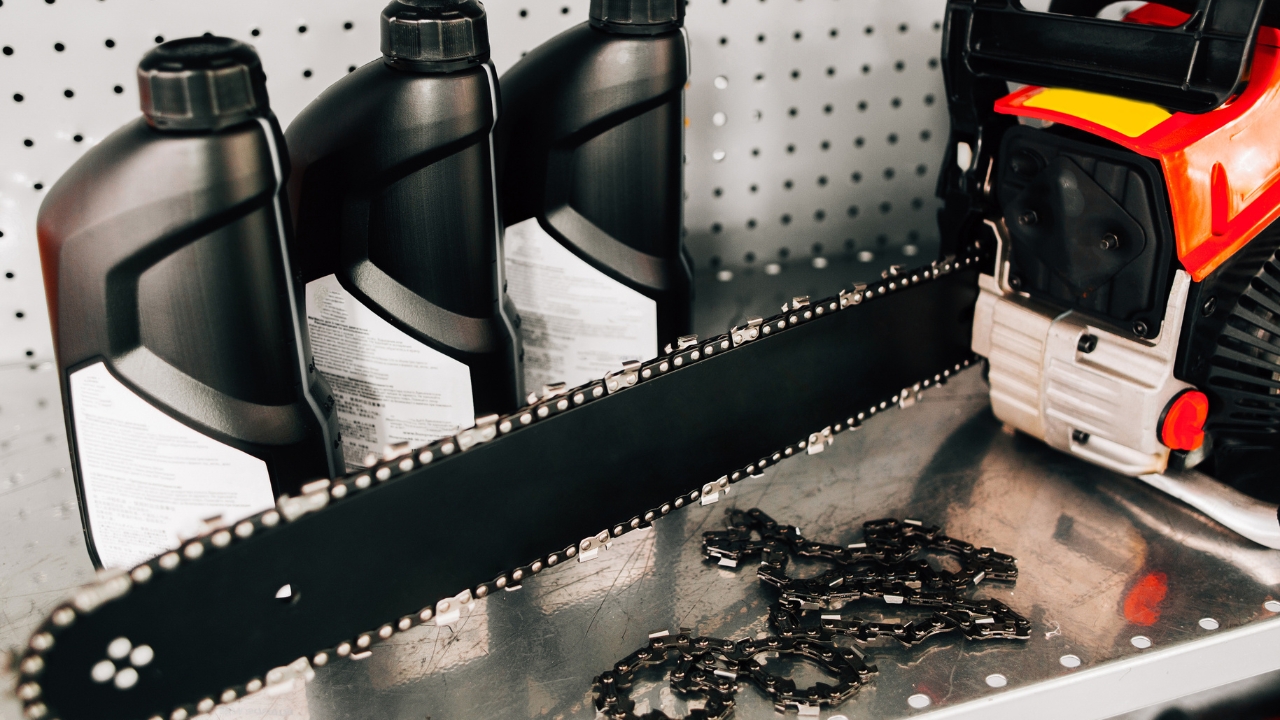
After a windstorm, the cleanup line at the hardware store is always the same. Chains, bar oil, and the one size of file everyone needs are gone, then you’re trying to cut a downed limb with a dry chain that smokes and barely bites.
Stock bar oil, at least one spare chain that matches your saw, and a simple sharpening file kit. Toss in plastic felling wedges too, because pinched bars are common when you’re bucking storm-fallen wood under tension. If a tree is hung up, near power lines, or leaning toward a roof, stop and call a qualified tree service.
9. Fast-Setting Patch Materials For Leaks
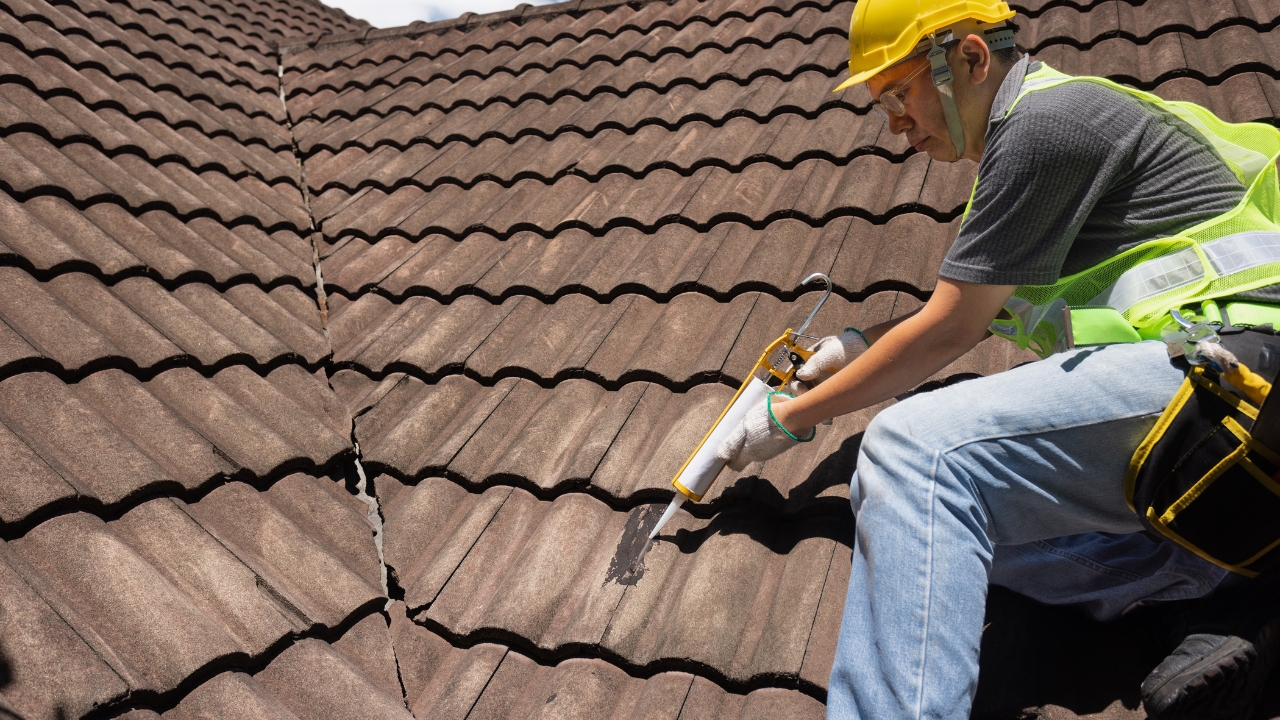
Storm water finds the smallest opening. A pinhole in flashing, a crack at the foundation, a gap around a vent, and suddenly you’re chasing drips with bowls and towels.
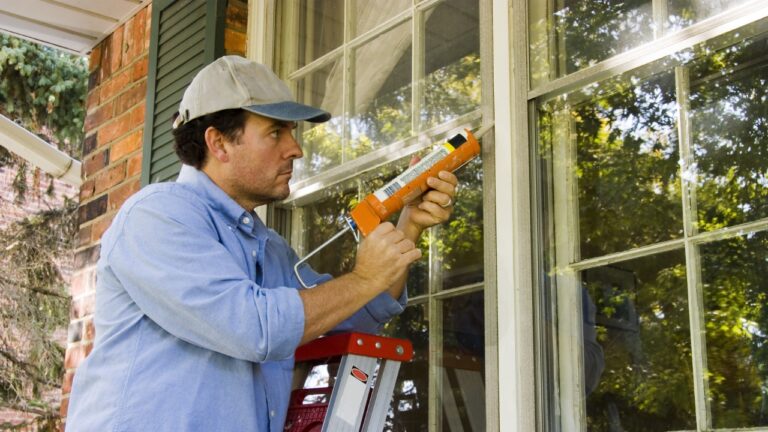
Keep a tube or two of exterior-grade sealant, a small bucket of hydraulic cement, and some disposable gloves. Fast-setting patch products are made for “right now” repairs on masonry leaks, but they buy you time, not a perfect fix. Plan to come back when things dry out and do the long repair, flashing redo, crack injection, or grading fix.
10. Cash, Paper Maps, And Printed Contacts
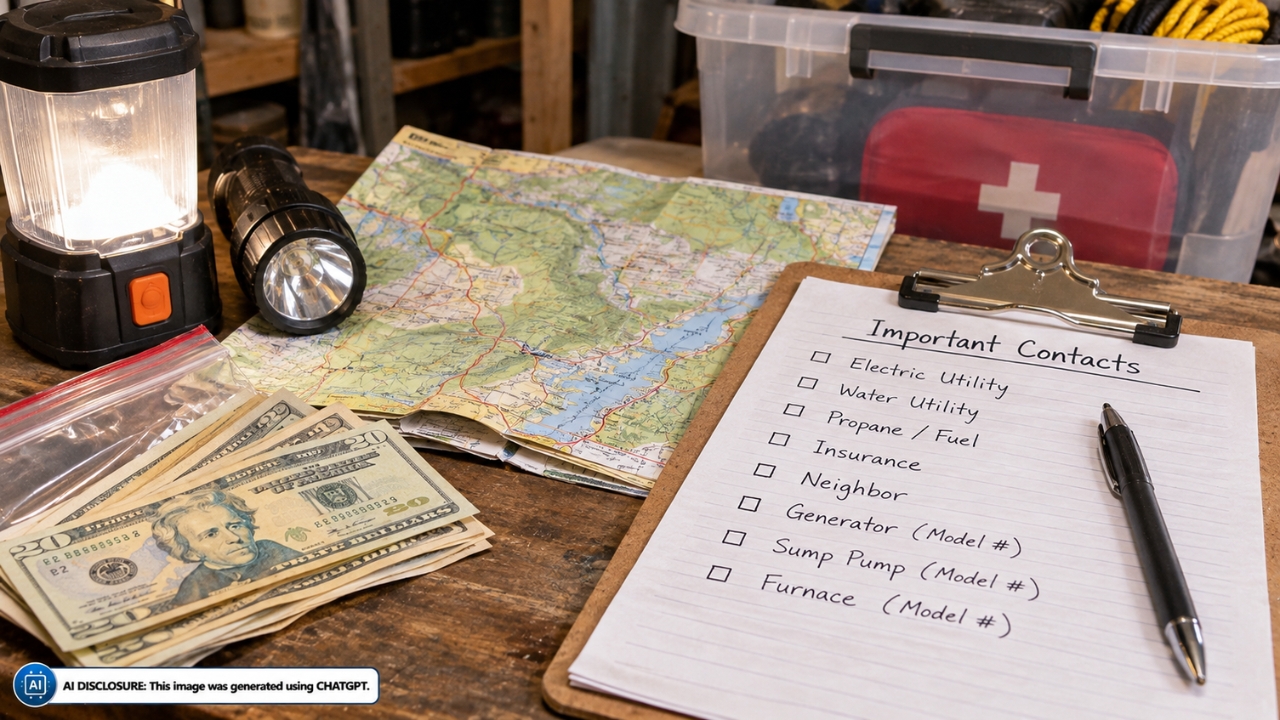
Card readers go down. Cell service gets spotty. Even if you’ve got a phone, the battery doesn’t last forever when you’re using it as a flashlight and a radio.
Keep a little cash in small bills, a paper map of your area, and a printed sheet with utility numbers, your insurer, and a neighbor contact. Add model numbers for your generator, sump pump, and furnace if you have them, because parts calls go faster when you’re not guessing. This is boring prep, but it saves time when your brain is fried.
Stockpiling isn’t about hoarding, it’s about skipping the last-minute run when everyone else is doing the same thing. Pick a shelf, label a tote, and store this stuff where you can reach it in the dark. Then you can ride out the first big mess of the season without turning every small problem into a long night.
Like Fix It Homestead’s content? Be sure to follow us.