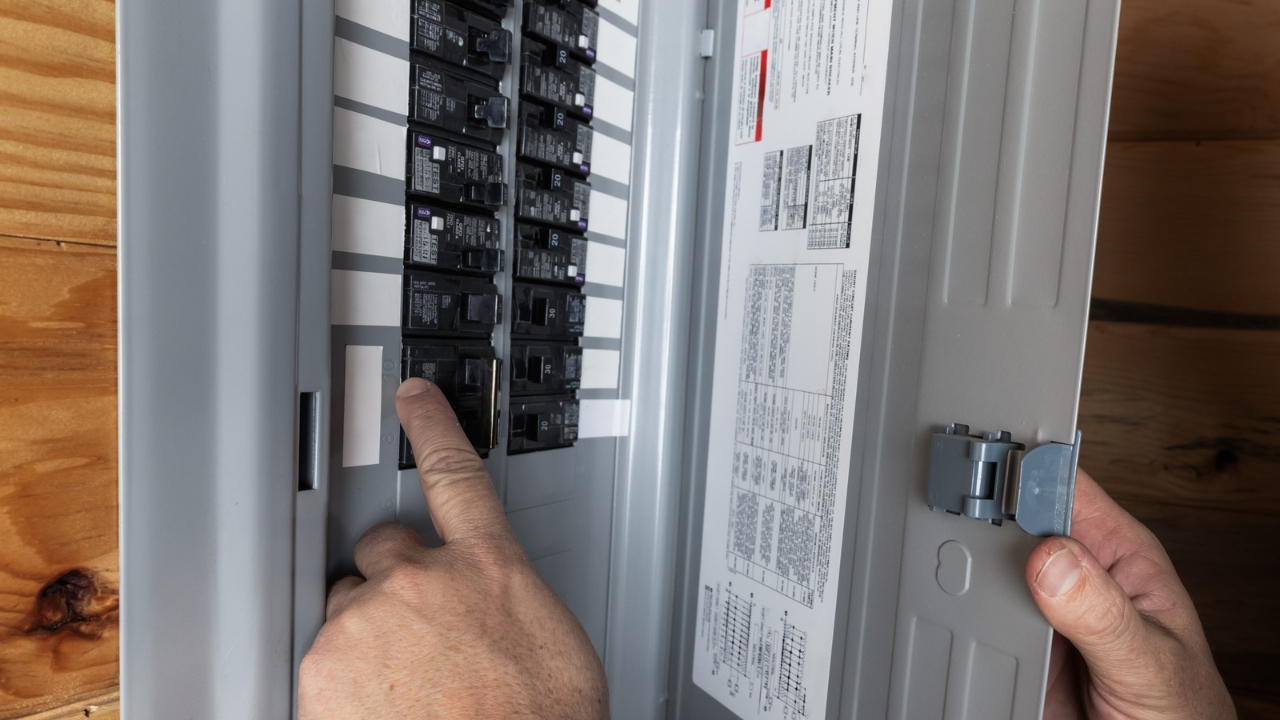
10 Signs a Breaker Panel Is Overloaded
Photo credit: Wollertz/Shutterstock.com
Most homes end up asking more from the electrical system than it was built for. You add a freezer in the garage, a space heater in the mudroom, a bigger air compressor in the shop, and nothing else changes until it does. An overloaded panel doesn’t always fail in a dramatic way, it often shows up as small annoyances that keep getting worse.
1. Breakers Trip During Normal Use

If a breaker pops when you turn on the microwave or hair dryer, that circuit is already running close to its limit. When it starts happening with “normal” routines, like making coffee while the toaster runs, it’s a sign you’re stacking too much on one panel and too few circuits.
Start by figuring out what’s on that circuit, not by swapping the breaker for a bigger one. Move portable loads to a different outlet on a different circuit, then get an electrician to add a dedicated circuit for the heavy hitter. Upsizing breakers without upsizing wire is a real fire risk and can violate code.
2. Lights Dim When Motors Start
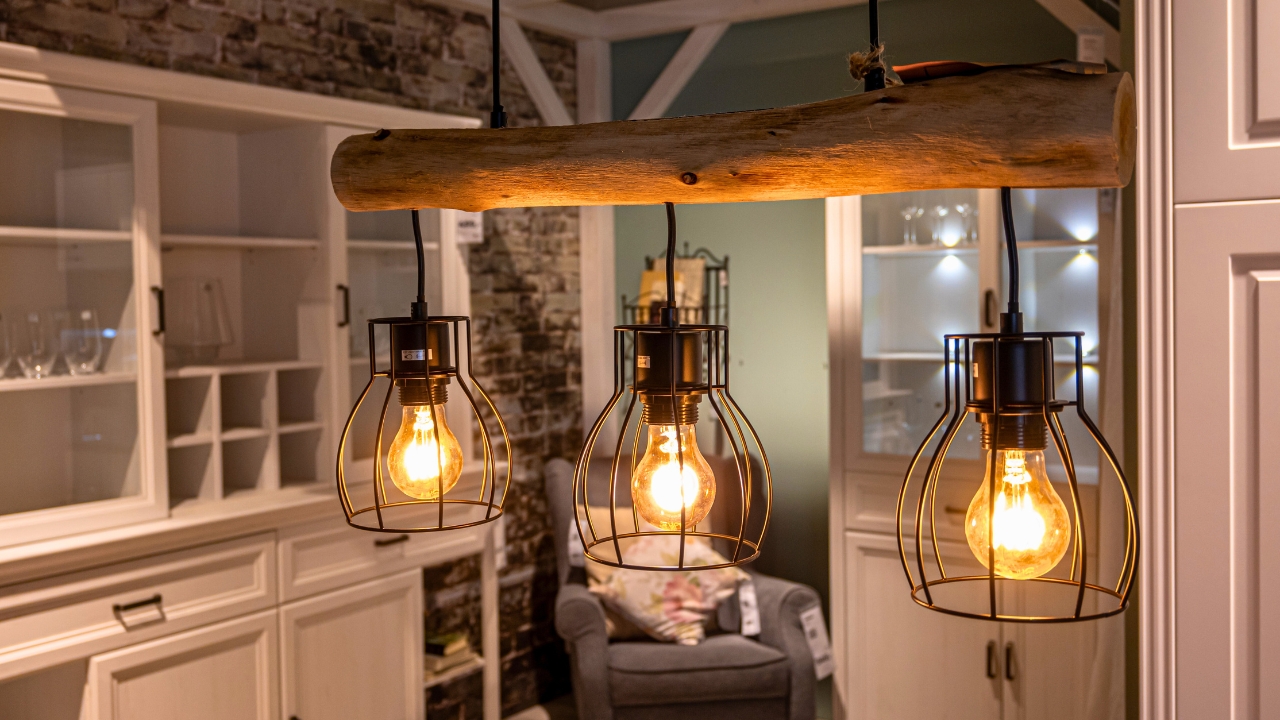
The moment the well pump kicks on, the fridge compressor starts, or the table saw spins up, you see lights dip and then recover. Some flicker is normal in older houses, but repeated, obvious dimming across multiple rooms points to demand spikes your service or panel is struggling to handle.
This one hits timing hard on homesteads because motor loads stack in busy seasons. Irrigation, fans in a barn, and a second freezer all starting around the same time can make the whole place feel “soft.” An electrician can check service size, panel condition, and whether big loads need their own circuits or a soft-start device.
3. Warm Panel Door Or Hot Breakers
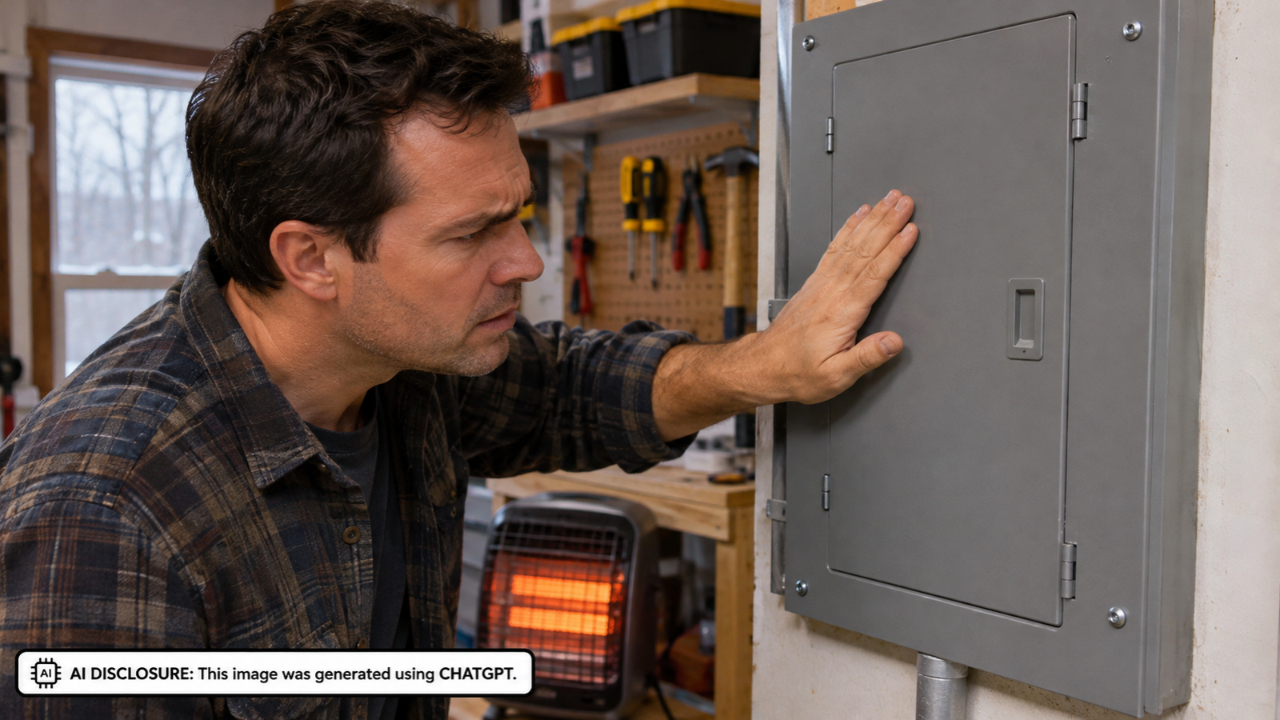
A breaker panel should not feel hot. Warm is a warning. Hot is a stop-what-you’re-doing problem, especially if a single breaker feels hotter than the others or you can’t keep your fingers on it.
Heat comes from resistance, overloaded conductors, loose connections, or a failing breaker. Don’t open the panel and start tightening things unless you’re trained and permitted to do that work. Call a licensed electrician, and in the meantime, back off big loads like space heaters, window AC units, and shop tools.
4. Buzzing, Crackling, Or Sizzling Sounds
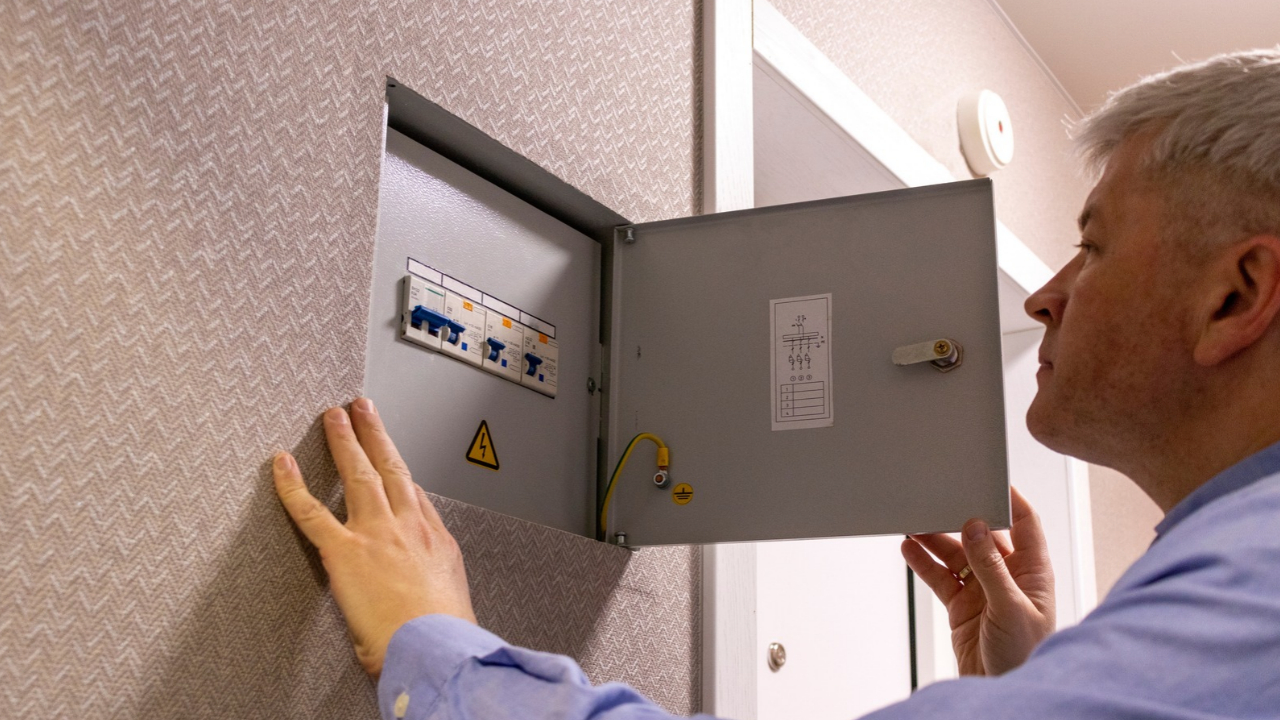
Electric panels are supposed to be boringly quiet. A steady buzz, a snap, or a faint sizzling can mean arcing, a loose breaker, or a bad connection that’s heating up under load. That’s not a “watch it for a while” situation.
Shut off and unplug what you can, and have a pro look at it soon. If you ever smell burning plastic or see any smoke, treat it like an emergency and contact your utility or emergency services as appropriate. Arcing damage gets expensive fast because it can ruin the bus bars, not just the breaker.
5. You Rely On Space Heaters Every Winter

Portable electric heaters are panel bullies. One decent-size space heater can take a big chunk of a circuit, and two of them running while you cook dinner can push a service over the edge, especially in older homes with smaller panels.
The cheap option is sometimes fine, one heater, on a heavy-duty cord only if the manufacturer allows it, plugged straight into a wall outlet, and only for short periods. The bad habit is treating space heaters as a permanent heat plan in multiple rooms. If that’s you, put money toward weather sealing, insulation, or a proper heating upgrade instead of feeding the panel more work.
6. Extension Cords Become Permanent Wiring
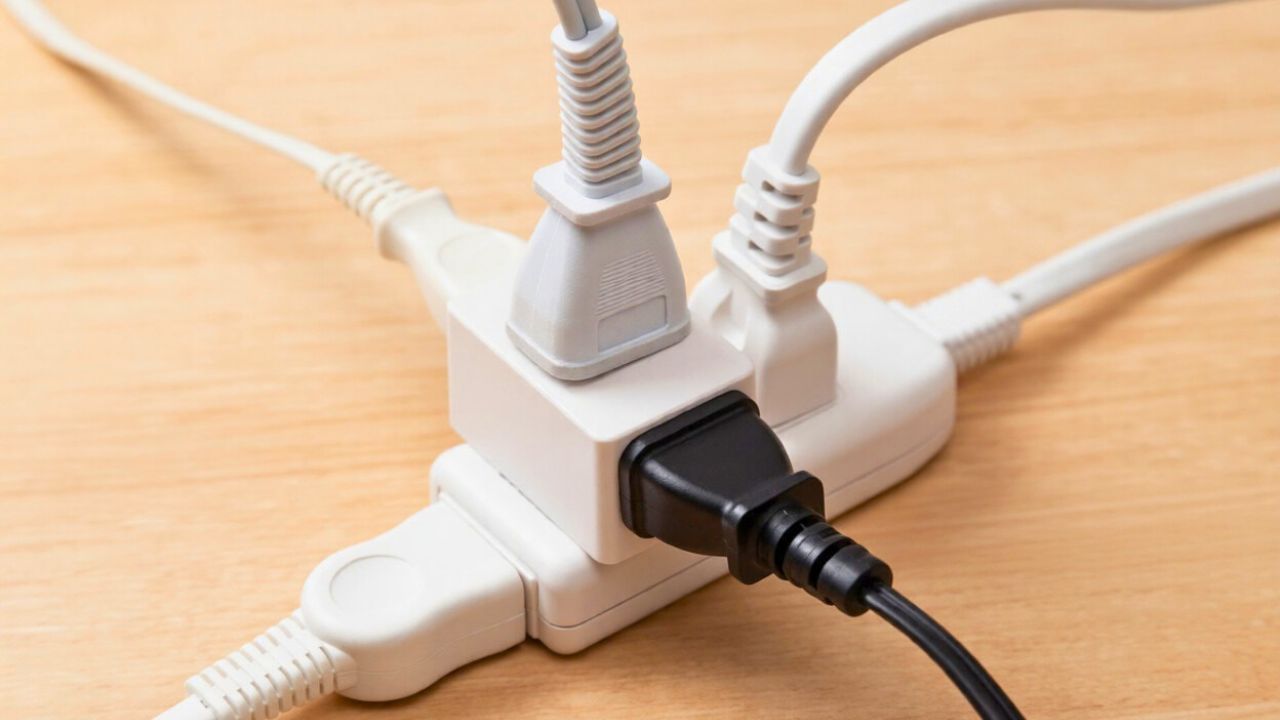
If you’ve got cords snaked to a freezer, a stock tank heater, or a workbench year-round, it usually means there aren’t enough outlets on the right circuits. People do this to “solve” nuisance trips, but it often just moves the load to a random receptacle that’s already busy.
Extension cords also hide problems. A warm cord end, a plug that feels loose, or a cord that’s been pinched under a door can add resistance and heat. Add outlets the right way, with permits where required, and get dedicated circuits for fixed loads like freezers, sump pumps, and shop compressors.
7. Breakers Trip After You Added One Big Appliance

Everything was fine until the new dryer, hot tub, EV charger, mini-split, or bigger range showed up. Then the panel started acting up. That’s a classic sign the panel was already near its limit and the new load pushed it over.
Don’t assume the appliance is defective. Check the nameplate amperage, then have an electrician do a load calculation for the whole service. This is where permits and inspections matter, especially for car chargers and hot tubs, because the wiring, breaker sizing, and GFCI rules are not guesswork jobs.
8. The Main Breaker Trips, Not Just One Circuit
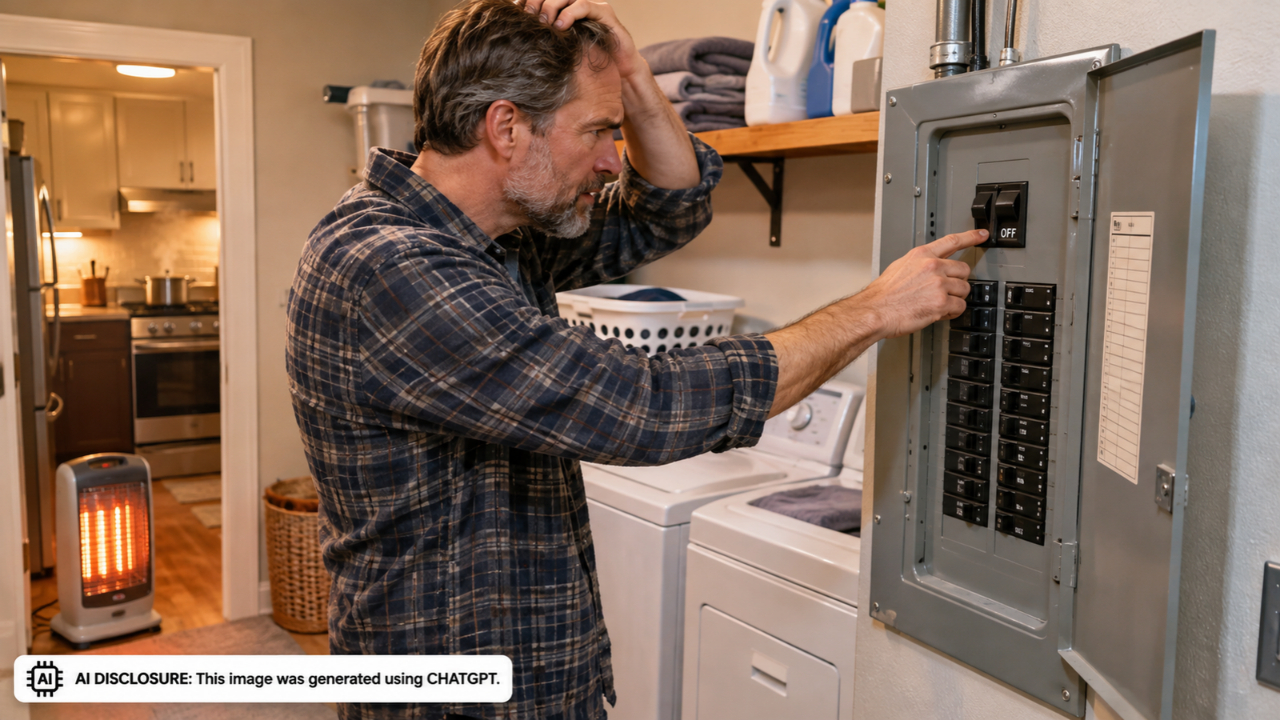
A single circuit breaker tripping is annoying. The main breaker tripping is a different story. It suggests the whole service is being asked to deliver more than it can, or the main breaker is failing.
This often shows up during “everything on” moments, holiday cooking with the oven and cooktop, laundry running, well pump cycling, and a couple space heaters going. You can stagger use as a short-term bandage, but the real fix is a service and panel evaluation by a licensed electrician.
9. You See Double-Tapped Or Crowded Breakers
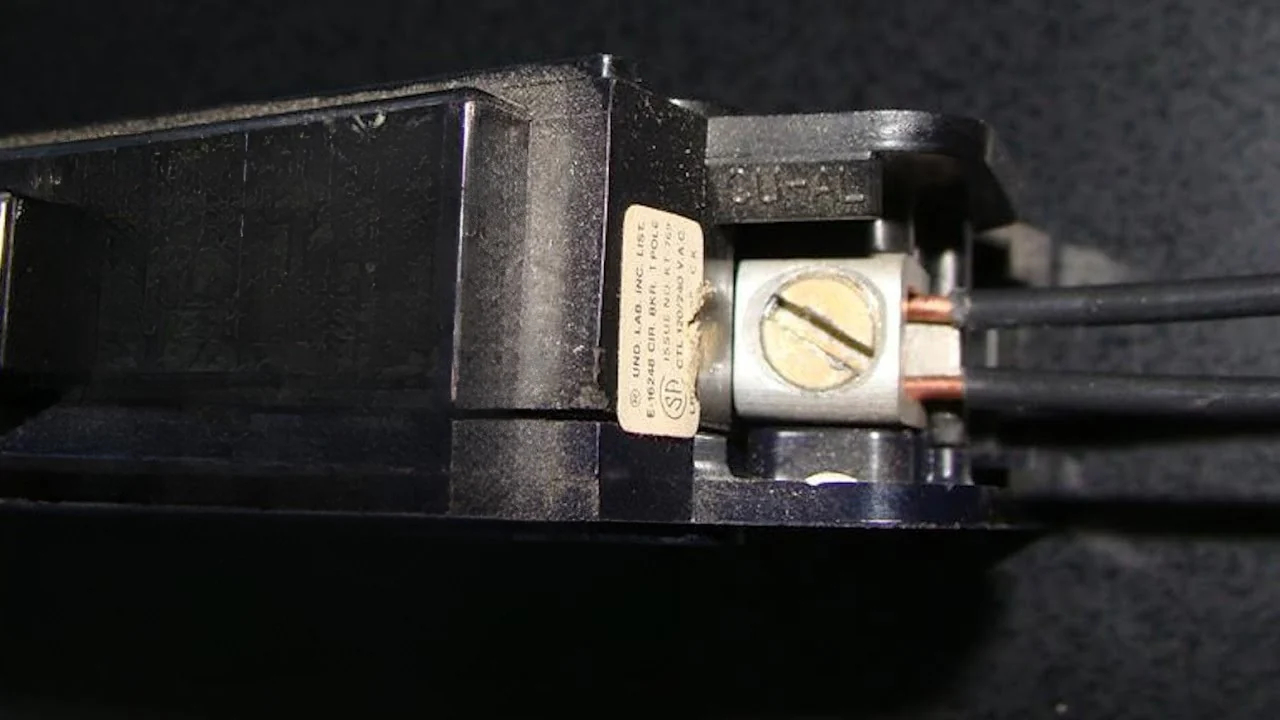
You don’t need to be an electrician to spot a panel that looks stuffed. If there are multiple wires under one breaker screw, a lot of skinny tandem breakers crammed in, or scribbled labels like “lights and stuff,” someone has been fighting for space.
There are a few breakers designed to accept two conductors, so the sight alone is not a conviction. Still, a crowded panel usually means too many circuits were added without expanding capacity, and that’s when mistakes happen. Have a pro inspect it and quote a subpanel, a panel upgrade, or circuit rework depending on what’s actually going on.
10. Frequent Dead Outlets Or Scorched Receptacles
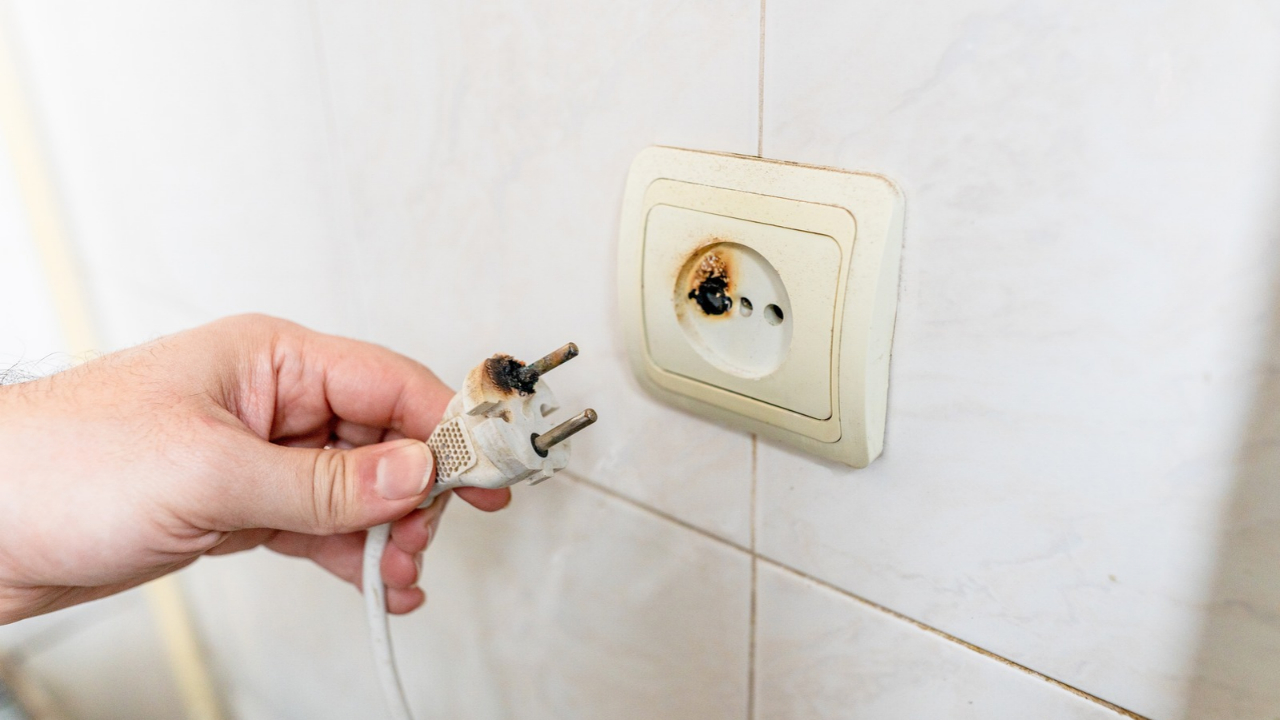
Outlets that stop working, feel loose, or show brown marks are telling you a circuit is getting stressed. Sometimes it’s a worn-out receptacle, but when it keeps happening in different spots, it can point back to overloaded circuits and heat at connections.
Swap a single worn receptacle if you know how to do it safely and can shut off power and verify it’s dead with a proper tester. If you find melted plastic, brittle insulation, or repeated failures, stop and call an electrician. This is where small repairs can turn into a panel and wiring fix, and that’s okay.
If your house is giving you two or three of these signs at once, stop adding gadgets and start planning the electrical work. A good electrician can tell you whether you need a few new dedicated circuits, a subpanel for the shop, or a full service upgrade. Either way, it’s money spent on fewer headaches and a safer place to live.
Like Fix It Homestead’s content? Be sure to follow us.