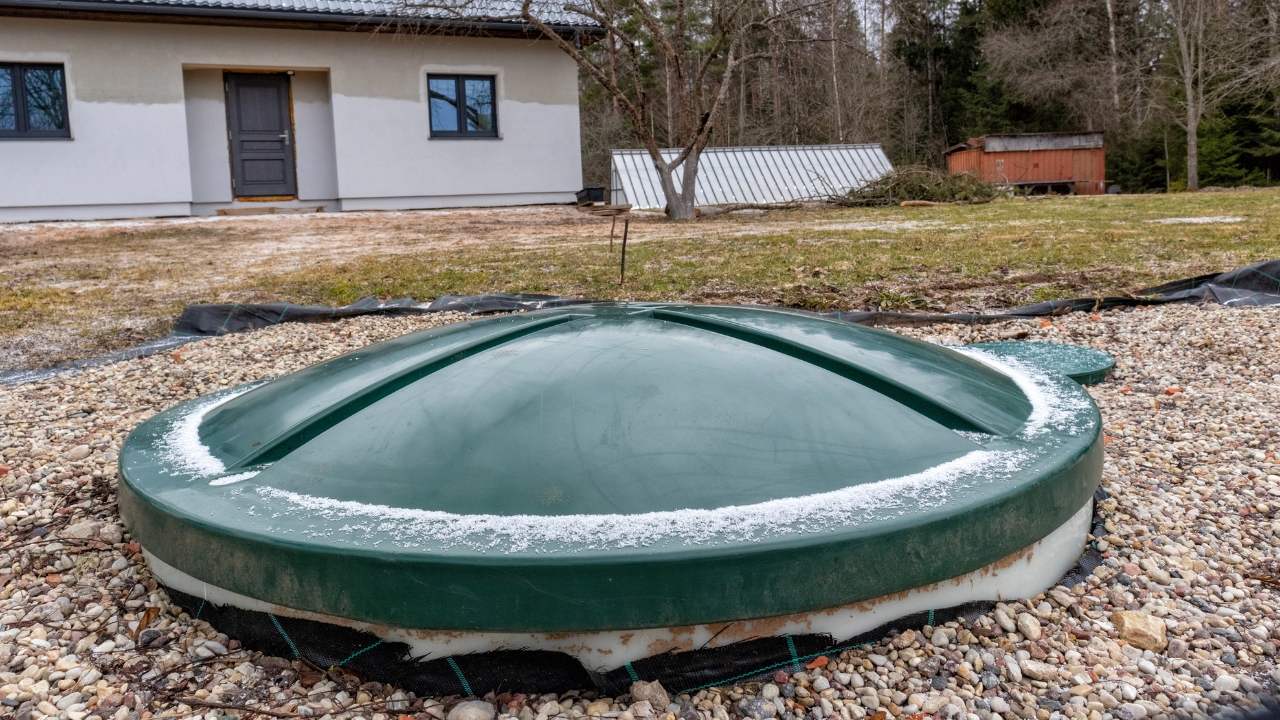
10 Household Habits That Ruin a Septic Tank
Photo credit: Jorens Seins/Shutterstock.com
A septic system is tough, but it’s not magic. Most tank failures don’t start with a dramatic clog, they start with small daily choices that slowly gum up the works. Fix the habits, and you usually avoid the big bills, the wet yard, and the “why does the bathroom smell like that” moment.
1. Treating the Toilet Like a Trash Can
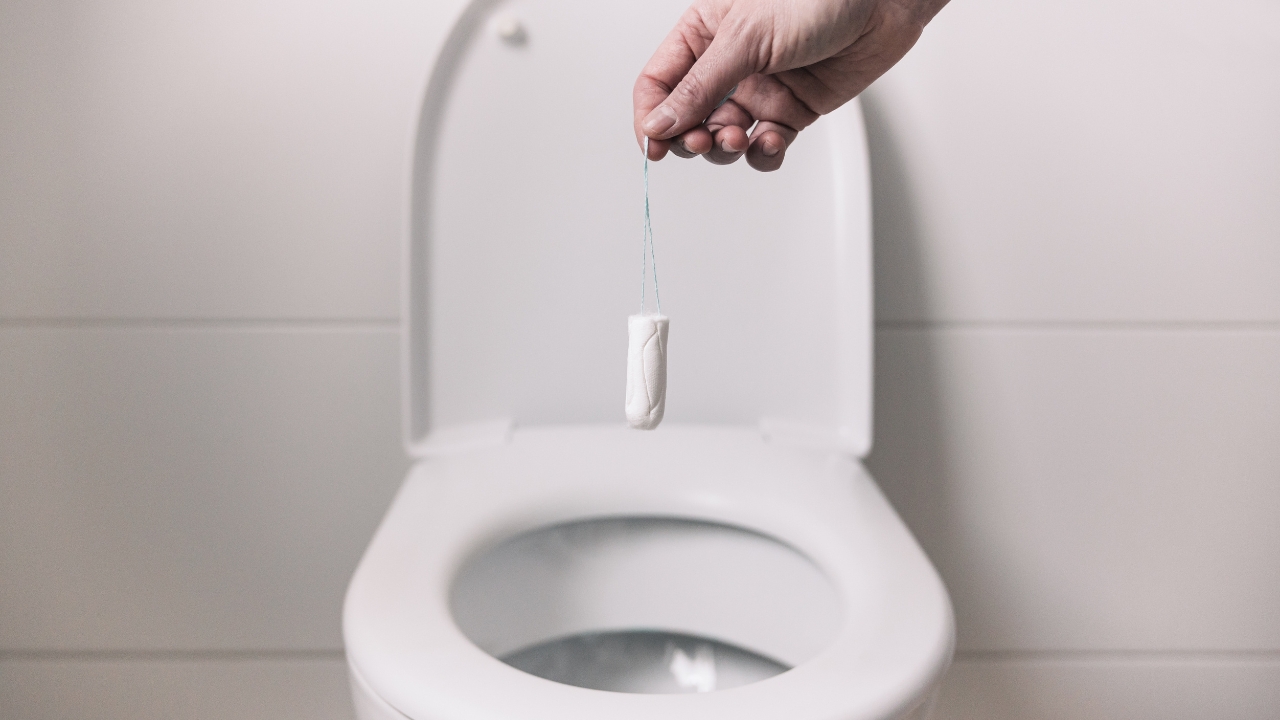
“Flushable” wipes are the repeat offender, but paper towels, feminine products, dental floss, and cotton swabs do damage too. They don’t break down like toilet paper, so they build mats in the tank and snag in the baffle. The first sign is often a toilet that gurgles or drains slow, then a backup that shows up at the worst time.
Put a small lidded trash can in every bathroom and stock it with liners. If guests are a factor, add a simple sign inside the cabinet door. If you already flushed a bunch of wipes, don’t keep trying to fix it with more water and more flushing, call a septic pro before it packs in tighter.
2. Pouring Grease And Oil Down Drains
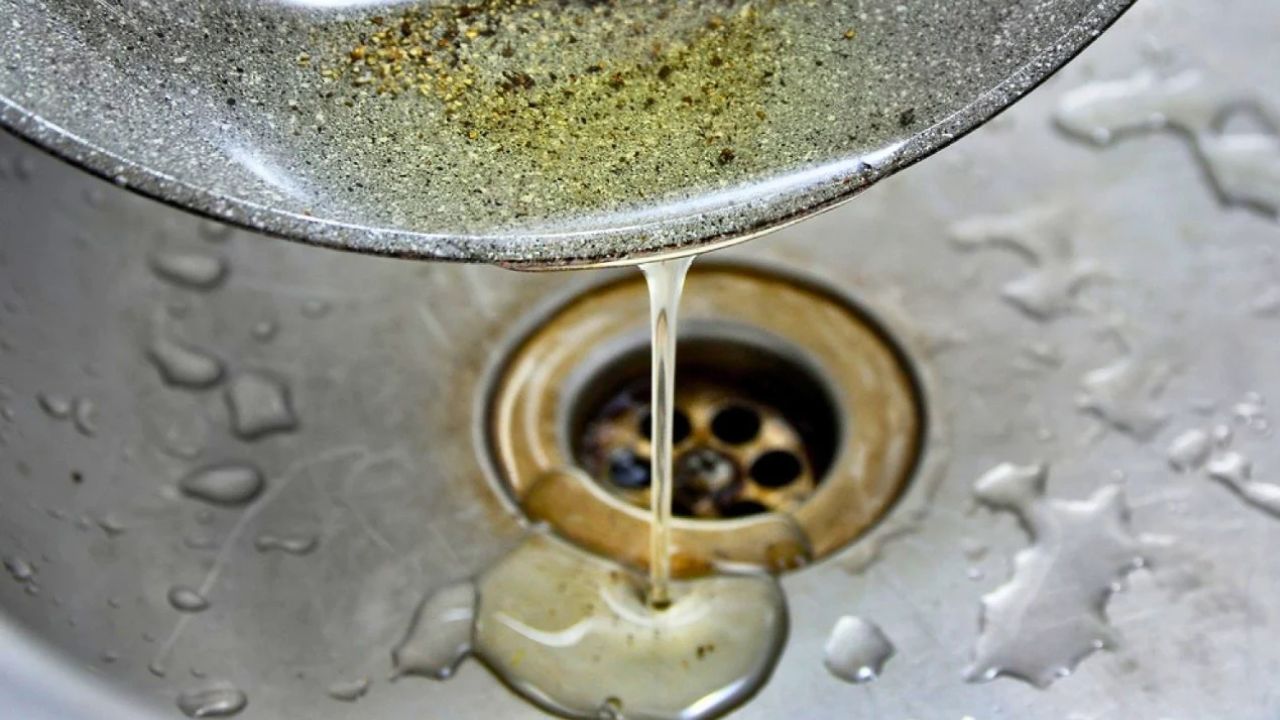
Bacon grease and cooking oil look harmless when they’re hot, then they cool and turn into a sticky raft that floats in the tank. That scum layer thickens, blocks flow, and can push grease out to the drain field where it coats soil and kills absorption. Once a field gets sealed up, you’re into serious money.
Let grease cool in a can, then toss it. Wipe pans with a paper towel before washing. If you’ve got a garbage disposal and you like cooking, this habit gets expensive fast.
3. Relying On A Garbage Disposal Daily
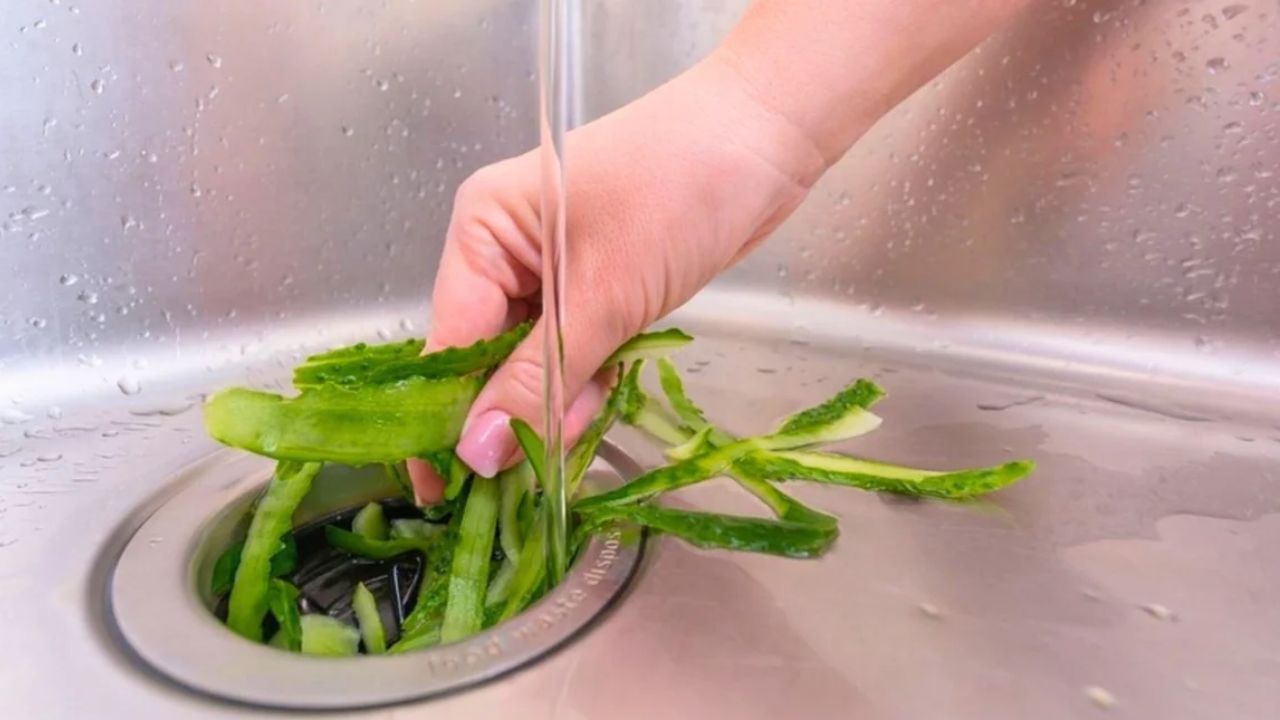
A disposal doesn’t make food disappear, it sends extra solids into the tank. More solids means the tank fills faster and needs pumping sooner, and it also means more floating scum and sludge that can escape to the field. You might not notice until you start needing pumps way more often.
Scrape plates into the trash or compost first, then rinse. If you only use the disposal once in a while for leftovers you missed, that’s usually fine. The daily “grind everything” routine is what pushes a system over the edge.
4. Skipping Regular Pump Outs Too Long
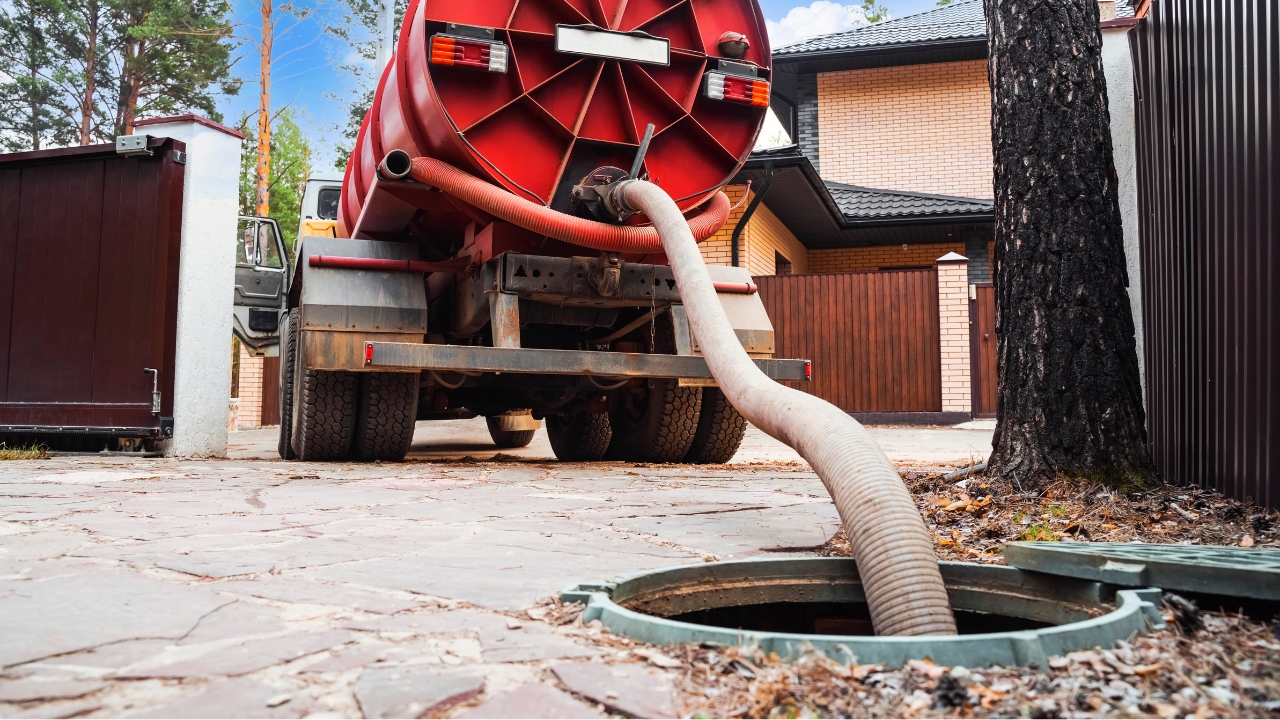
Pumping feels like paying for nothing, right up until it isn’t. When the sludge layer gets too high, solids get carried out to the drain field, and that damage doesn’t rinse away. A clogged field shows up as spongy grass, sewage smell, or slow drains all over the house.
Get on a schedule based on tank size and household use, and keep the receipt with your house papers. If you buy a place and don’t know the last pump date, assume it’s overdue and book it. This is one of the few septic costs that’s actually cheaper than gambling.
5. Washing Too Many Loads Back To Back

Laundry day can flood a tank with clean water faster than it can settle. The tank needs quiet time so solids sink and scum rises. When you slam it with five or six loads in a row, you stir the tank, push solids toward the outlet, and send extra flow to the drain field.
Spread loads out over the week, or at least over the day. If your washer has a high water setting you never need, stop using it. If you’re adding a second washer or upgrading to a big top loader, it’s worth asking a septic pro if your system can handle the peak flow.
6. Using Harsh Cleaners Like Weekly Medicine
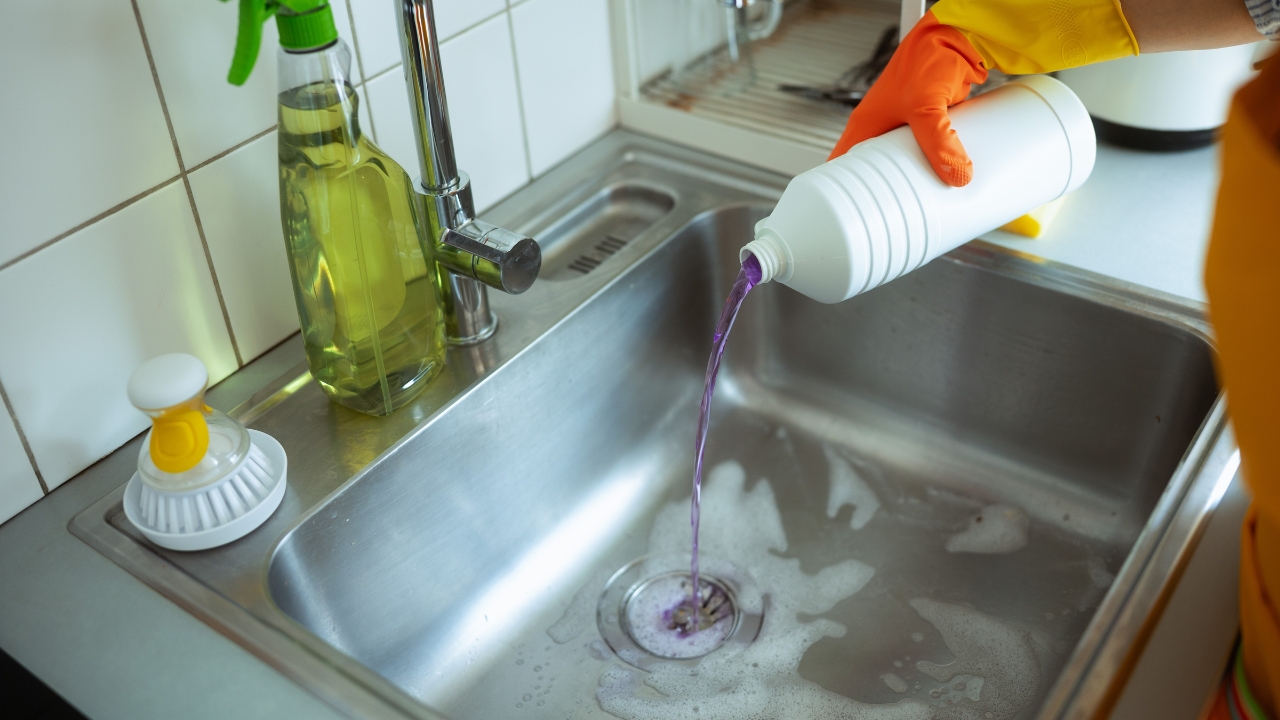
Bleach, antibacterial cleaners, and drain openers have a place, but not as a daily habit. A septic tank works because bacteria break down waste. Dumping strong chemicals all the time can knock that biology back and leave you with a tank full of stubborn solids.
Use normal household amounts and don’t panic about cleaning. For clogs, skip the “septic safe” miracle packets and skip the acid too. A plunger, a hand auger, or a plumber is a better answer than pouring chemicals into a system you can’t see.
7. Dumping Water Softener Backwash Wrong
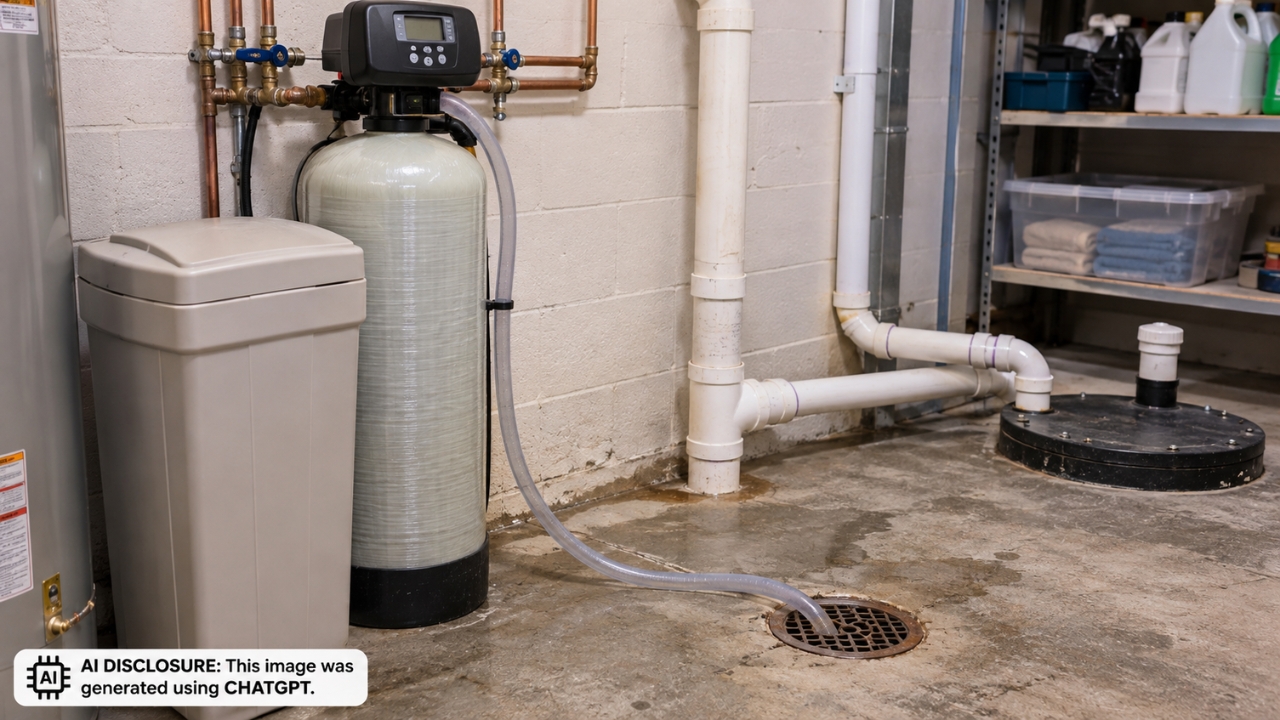
Water softeners discharge a salty backwash, and if it’s piped into the septic without thought, it can mess with settling and add a lot of extra water at once. In some soils and some systems, that salt can also be rough on the drain field over time. This is one of those problems that doesn’t show up immediately, it shows up as a system that gets touchier every year.
Check where your softener drains and what local code allows, some areas require a separate drywell or a different routing. This is not a DIY guesswork job, call your installer or a licensed septic pro and do it to code. The cheap fix is usually rerouting a line, the expensive fix is repairing a field.
8. Driving And Parking Over The Drain Field

The drain field isn’t just dirt, it’s a working filter bed with pipes that need air space and uncompacted soil. Driving a pickup, parking a trailer, or letting a concrete truck roll over it can crush pipes and pack the ground so tight water can’t soak in. The yard might look fine until the first wet season, then you get puddles that smell wrong.
Mark the field boundaries and treat it like “no vehicles.” If you need access for a project, plan another route or build a temporary construction road away from the field. If you don’t know where the field is, a septic company can locate it, and it’s worth the service call.
9. Planting Trees And Shrubs Too Close
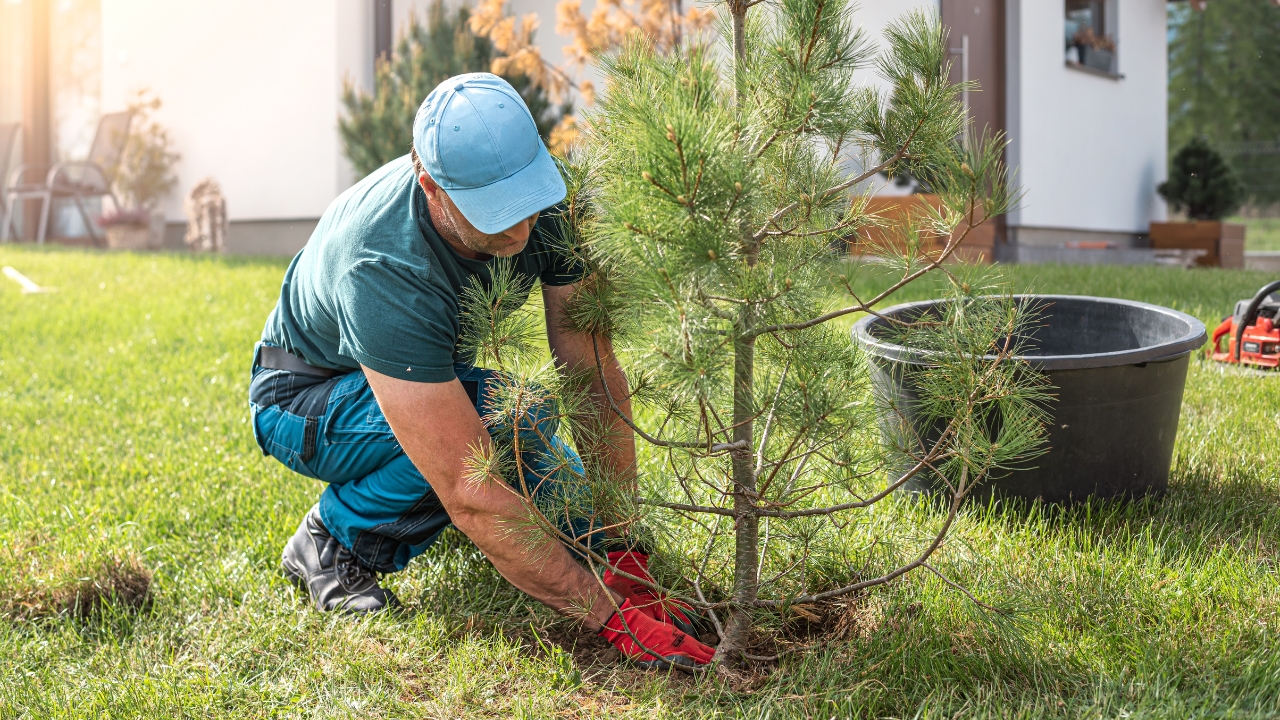
Roots chase moisture, and a drain line is a steady invitation. Willows and poplars are famous for it, but plenty of ornamentals will send roots into joints and perforations. Once roots get in, they trap solids and create recurring clogs that keep coming back after every snake.
Keep trees well away from the tank, lines, and field, and don’t plant “just a small one” thinking it’ll stay small. If you want something green over the field, stick with grass or shallow rooted groundcover. Cutting roots and using root killer is a bandage, a pro repair is often the real fix.
10. Chasing Problems With Additives And Yeast
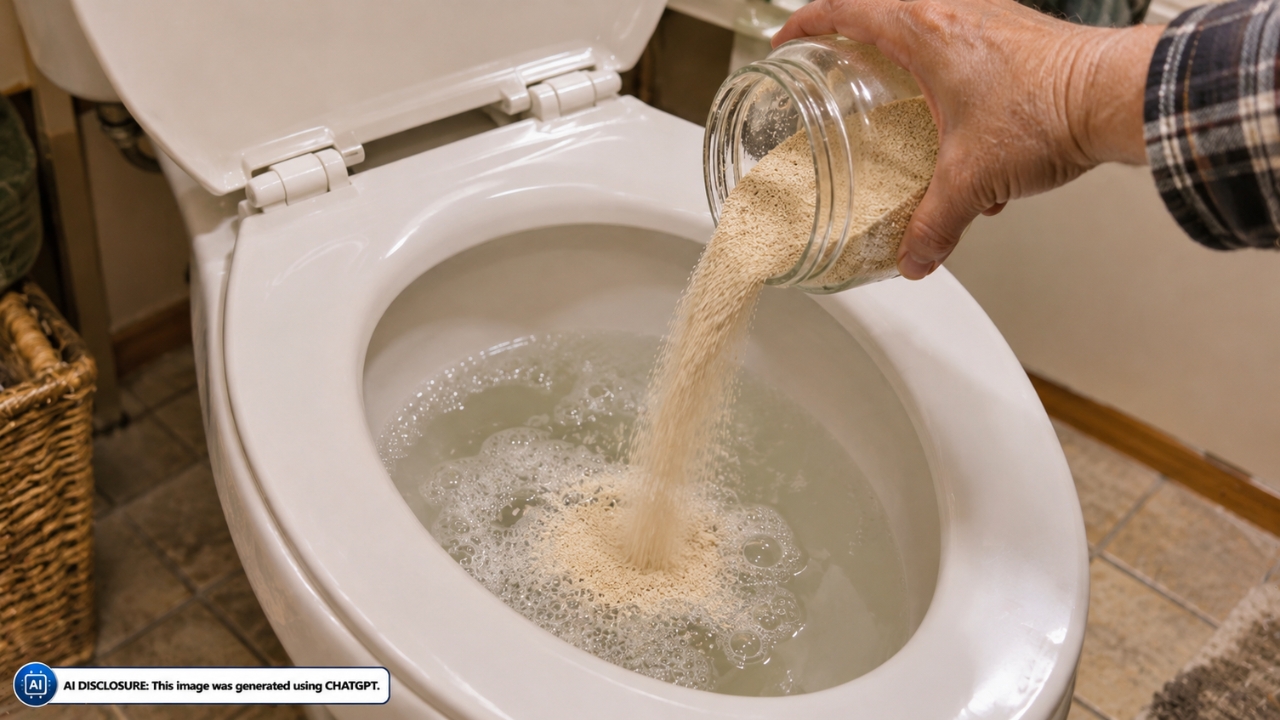
Packets of enzymes, jars of bacteria, and the old “dump yeast in the toilet” trick are mostly a waste of money. A healthy tank already has what it needs, what it lacks is time to settle and room before it overfills. Additives can also stir up a false sense of security that delays a pump out.
There’s one honest exception. After a major shock like a big chemical spill into the system or a long period of vacancy, a bacterial starter can help, but it’s not a substitute for pumping or repairing broken parts. If you’re reaching for additives because drains are slow, call a septic pro and find the real cause.
If you start hearing gurgling after a flush, smelling sewage outside, or seeing bright green wet patches over the field, stop “testing” it with extra water. Cut water use and get a licensed septic contractor out before a small issue turns into a yard full of mess.
Like Fix It Homestead’s content? Be sure to follow us.