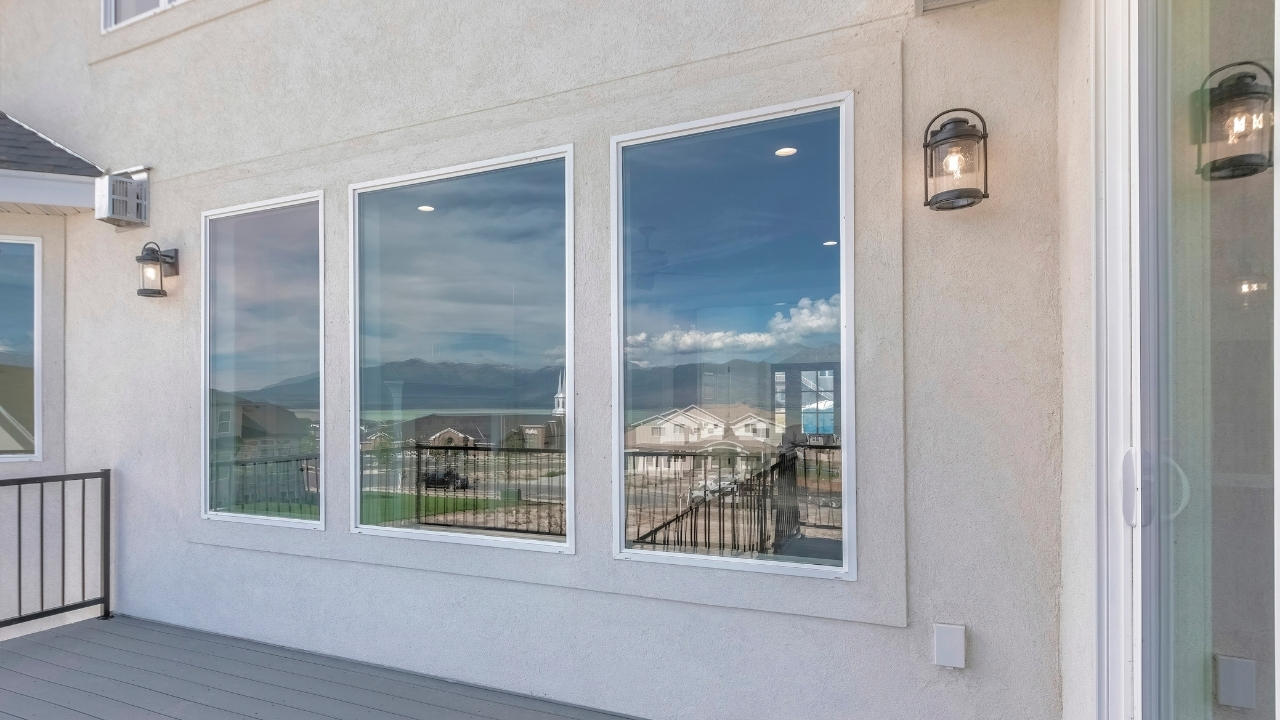
10 Doors and Windows That Leak the Most Heat
Photo credit: Jason Finn/Shutterstock.com
You can heat a house hard all winter and still feel a cold draft on your ankles. Most of the time, it’s not your furnace, it’s the holes you live with. Doors and windows are where warm air escapes and outdoor air sneaks in, and a few common styles are repeat offenders.
1. Sliding Patio Doors With Worn Tracks
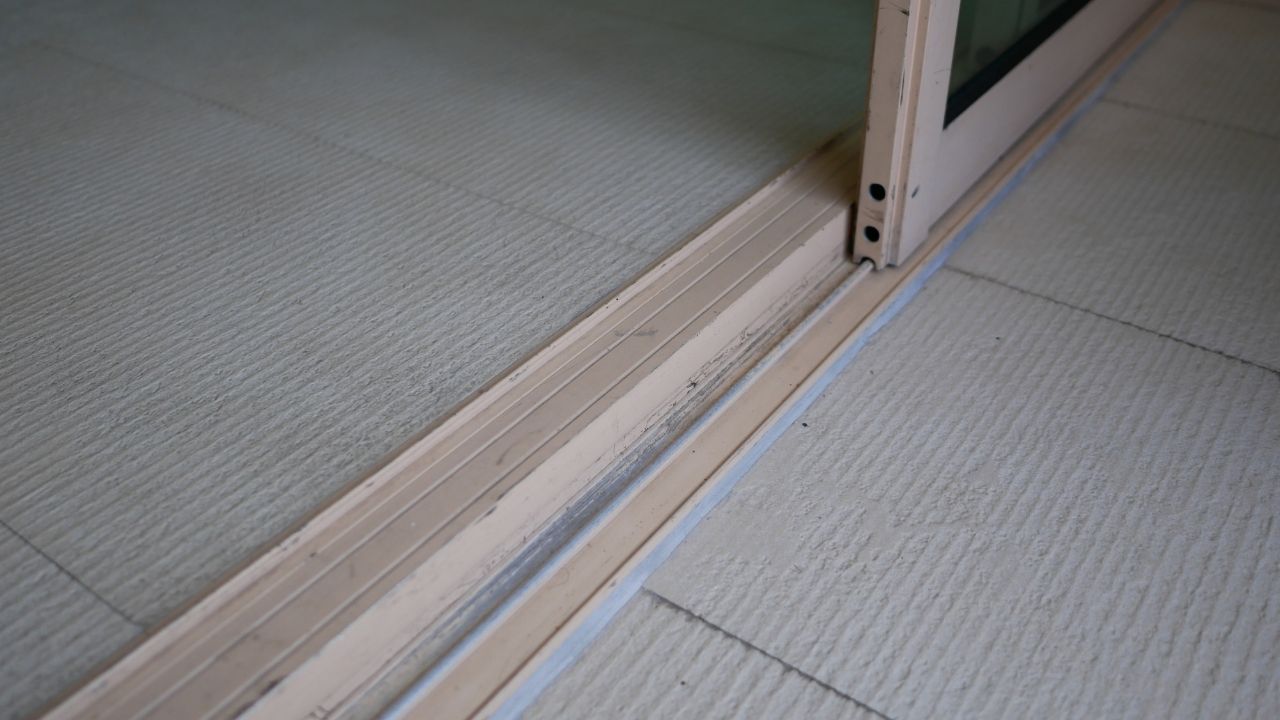
Sliding doors look tight until the rollers wear and the panel stops pulling snug to the frame. You’ll hear a faint rattle on windy nights, or see the curtains move even when everything is “closed.” The bottom track also collects grit that holds the door slightly open along the weatherstrip.
Start with the cheap fix, vacuum the track, scrub it with a stiff brush, then check the adjustment screws at the bottom edge of the slider. If the weatherstripping is flattened or torn, replace it, not just the fuzzy strip but the full perimeter seal made for your door model. If the frame is out of square or the rollers are shot, a door shop can swap rollers fast, and it often beats fighting it every season.
2. Old Double Hung Windows With Loose Sashes
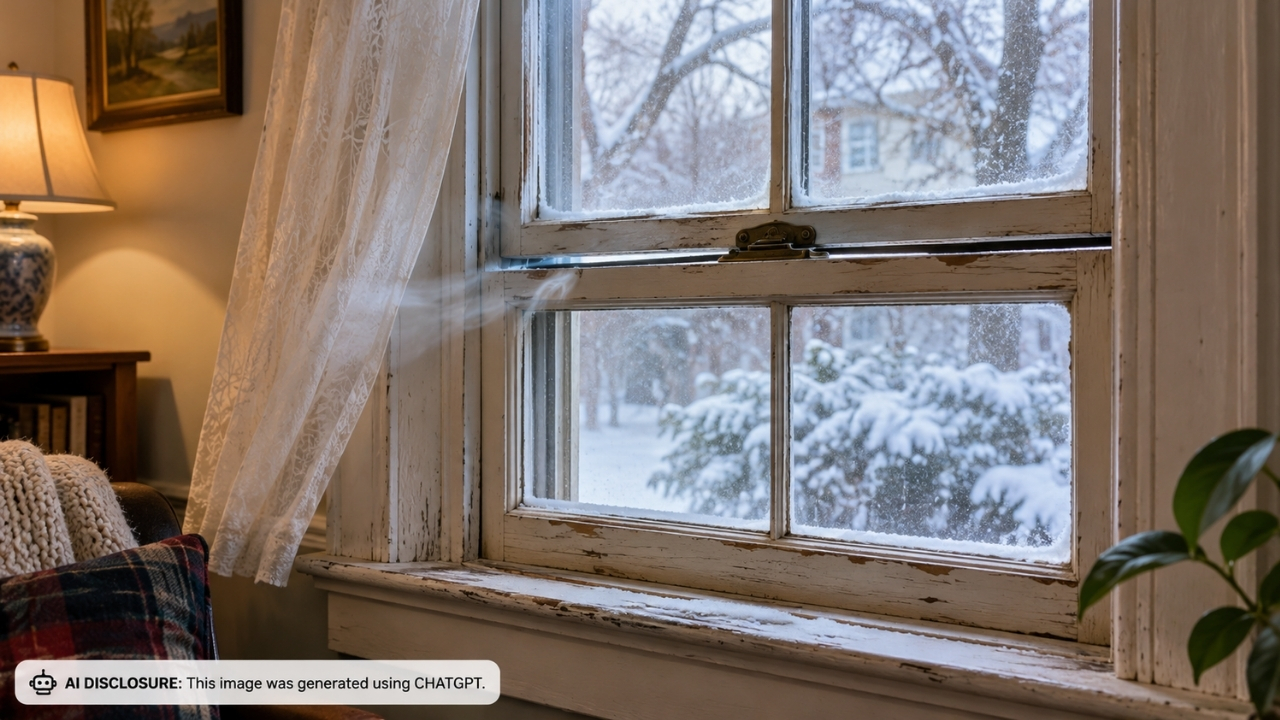
Double hungs are draft factories when the meeting rail doesn’t pull tight anymore. Old balances get weak, sash locks don’t clamp, and the top sash slips down a hair, leaving a gap you can’t see from across the room. If you can feel cold air with the back of your hand near the latch, it’s leaking.
Locking the window actually matters on these, the lock pulls the two sashes together. If the latch is bent or missing, replace it. For a fast winter patch, press in rope caulk or install interior shrink film, especially on the upper sash you never use. Long term, add spring bronze weatherstripping or have the sashes rebuilt if the frames are worth saving.
3. Steel Entry Doors With Flattened Gaskets
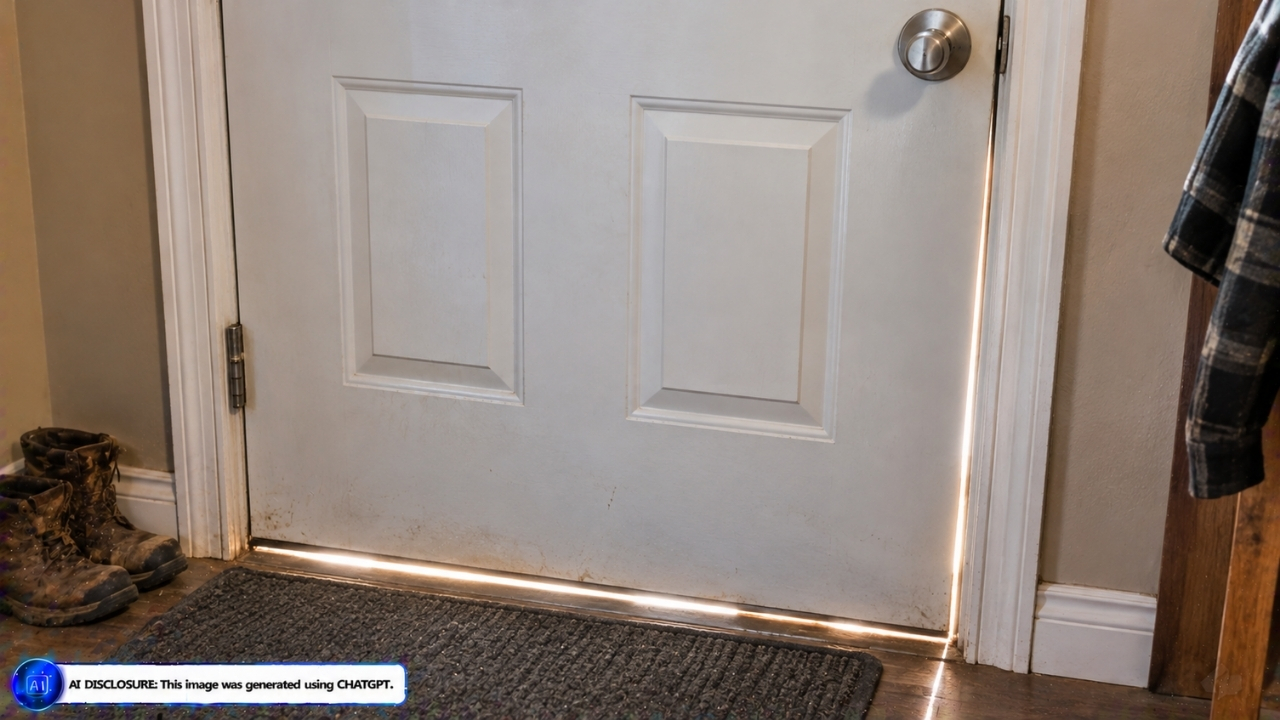
A steel door can be well insulated and still leak like a screen if the seals are worn. The usual clue is light you can see at the corners, or dust streaks at the latch side. Slamming the door doesn’t fix it, it just beats up the frame and hinges.
Replace the perimeter kerf-in weatherstrip and the door sweep, and don’t cheap out on the sweep. If the threshold is adjustable, raise it just enough to touch the sweep without dragging hard. If the door doesn’t latch cleanly, adjust the strike plate so the latch pulls the door tight. A screwdriver and 20 minutes beats paying to heat your mudroom all winter.
4. Storm Doors That Never Quite Close
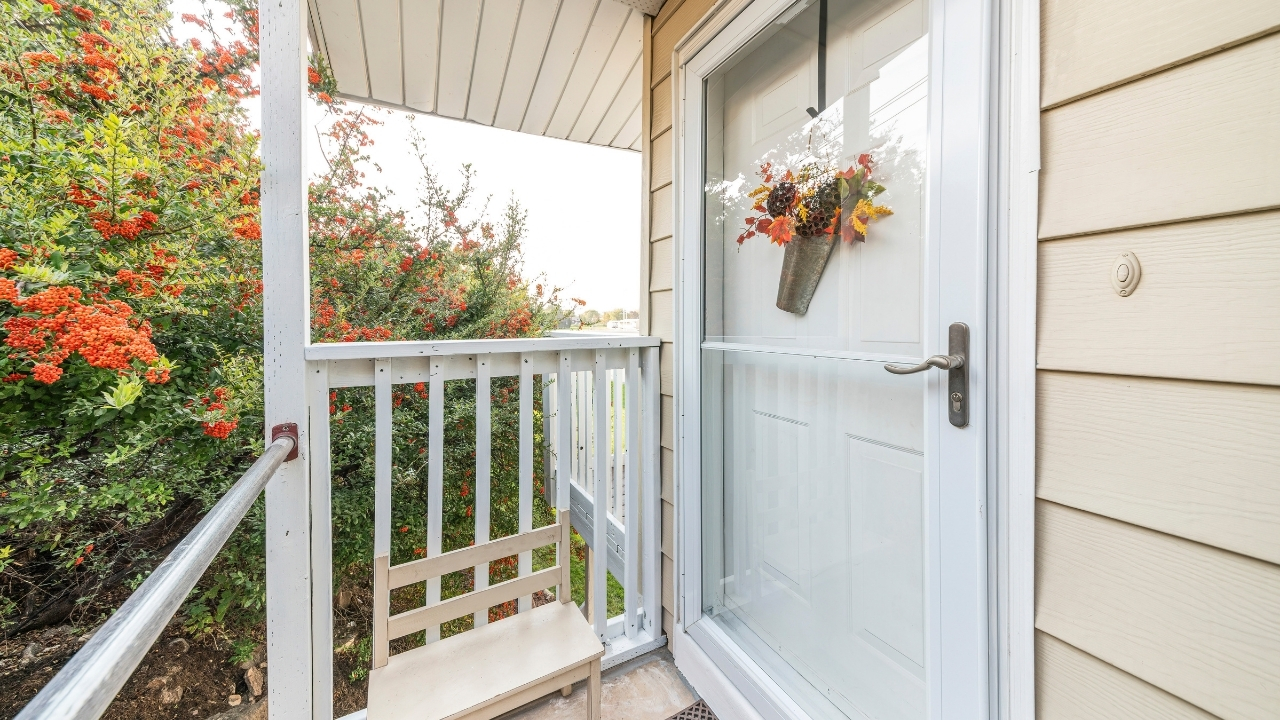
Storm doors are supposed to help, but a sagging one can hold your main door slightly open and create a steady leak. The closer gets weak, the latch doesn’t grab, and the whole setup chatters in the wind. You end up with two leaky doors instead of one decent door.
Tighten hinge screws and check the frame screws first. If screw holes are stripped, move to longer screws into solid framing. Adjust the closer so it shuts firmly but doesn’t slam, and replace torn sweep rubber. If the storm door is bent from years of use, pulling it off for winter can actually feel warmer than leaving a bad one on.
5. Bay And Bow Windows With Hidden Gaps
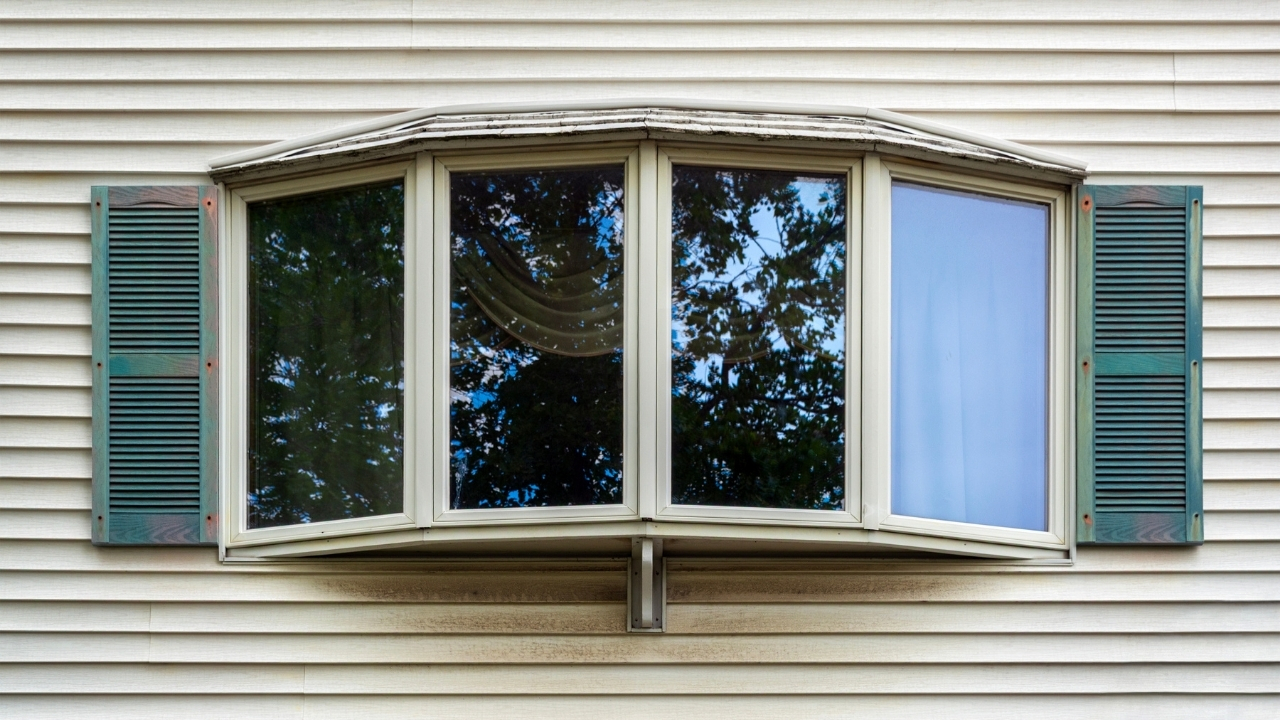
Those pretty bays and bows have more joints than a flat window, and every joint is a chance for air to move. The seat board can get cold, the side panels whistle, and the trim can hide gaps big enough to slide a putty knife into. You often notice it when the wind comes from one direction and the room suddenly feels different.
On the inside, remove a small piece of trim if you suspect the cavity was never properly sealed, then use low-expansion foam made for windows and doors. Outside, check the top flashing and caulk lines where the unit meets siding, because water intrusion will wreck the structure and the insulation. If the bay roof is soft or stained, stop and call a pro. Rot plus air leaks turn into a much bigger repair.
6. Basement Hopper Windows With Bad Latches
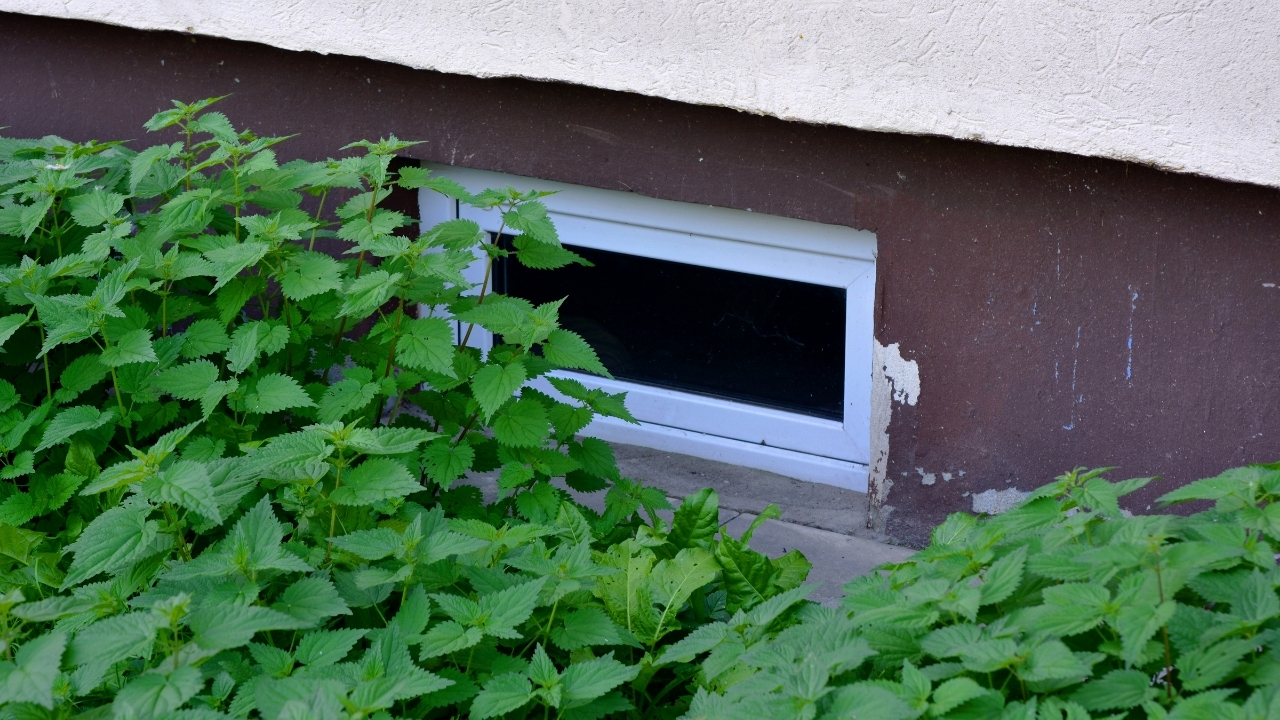
Basement hoppers and awning windows are small, but they dump heat because stack effect pulls warm air up and out, then cold air gets sucked in down low. A weak latch or warped frame leaves a gap along the bottom edge that you won’t notice until your floor stays icy.
First, clean the gasket surface and tighten or replace the latch so it pulls the sash tight. If the window is old metal set in concrete, air often sneaks around the frame too. Seal the perimeter with quality exterior-rated caulk on the outside, and inside use foam backer rod plus caulk where you see a crack. Don’t block an egress window in a sleeping area, codes are strict for a reason.
7. Garage Service Doors Left Unweatherstripped
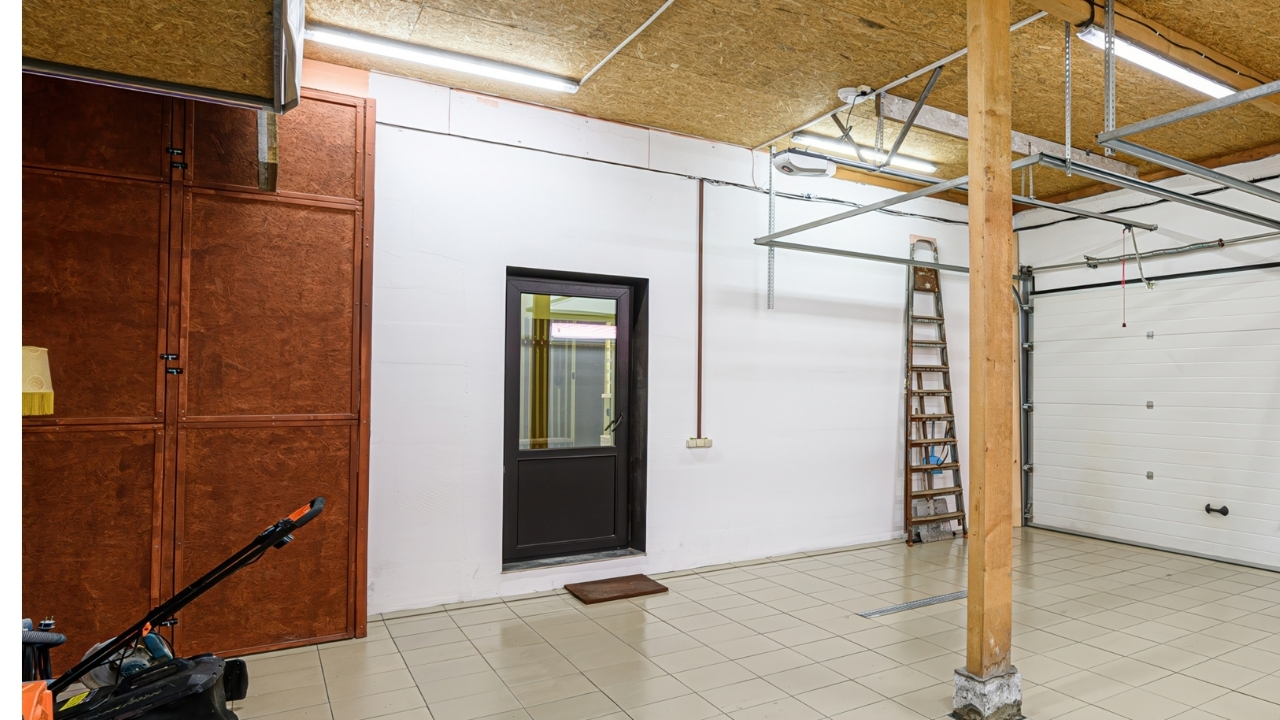
A door between the house and garage is a common leak point, especially when the garage is unheated. You get cold air pouring in around the jamb, plus fumes and dust you don’t want indoors. People focus on the big garage door and forget the man door entirely.
Add perimeter weatherstrip and a real door sweep, then check the threshold. If the door is hollow-core, replace it with an exterior-rated door, because hollow-core doors warp and crack fast in that space. Also seal any gaps around the door casing with caulk, and if you find a hole into the wall cavity, stuff it with mineral wool before you close it up.
8. Picture Windows With Failed Edge Seals
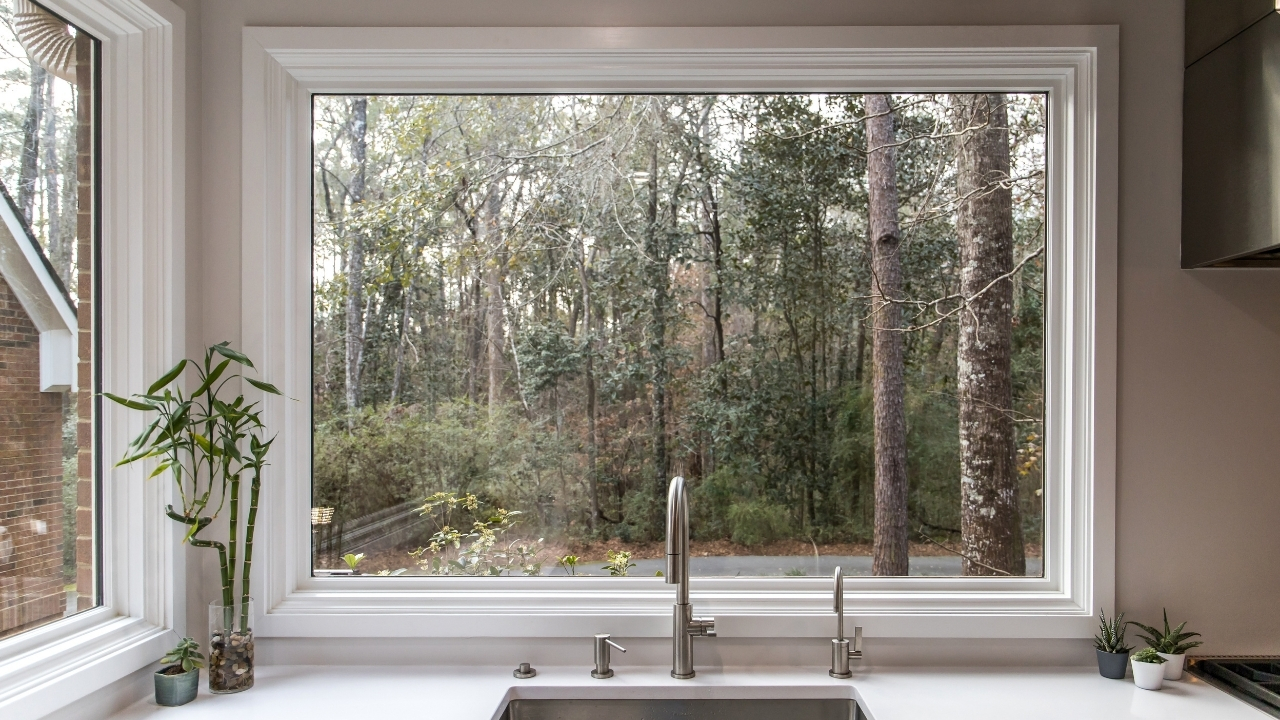
Big fixed glass looks tight because it doesn’t move, but the glazing seals and frame joints still age out. Sometimes you’ll see a haze or condensation between panes, which means the insulating unit has failed. Other times the glass is fine, but the frame-to-wall seal is cracked and you feel a draft at the stool or drywall edge.
Recaulking the exterior perimeter can help if the leak is at the trim, but it won’t fix a failed insulated glass unit. Replacing the glass pack is often possible without replacing the whole window, and a local glass shop can size it correctly. If you need a winter stopgap, interior window film is a perfectly fine cheap option on a picture window since you never open it anyway.
9. French Doors With Misaligned Astragals

French doors leak at the meeting point when the astragal and weatherstripping don’t line up. One door can sag a little and suddenly you’ve got a vertical gap that whistles. You’ll also feel it near the bottom where the two door sweeps don’t meet cleanly.
Check hinge screws first, and swap in longer screws into framing if the door has dropped. Adjust the strike plates so the active door pulls tight, then make sure the inactive door is fully seated into its top and bottom bolts. If the astragal is damaged, replace it with the right profile for your door set. This is fiddly work, but it’s mostly screwdriver and patience.
10. Skylights And Roof Windows In Windy Weather

Skylights aren’t always the worst for pure air leakage, but when they leak, you notice. Wind drives cold air across the glass and any small gap turns into a cold waterfall effect in the room below. Older acrylic dome skylights often have weep holes that can feel drafty by design.
Clean the interior trim and check for staining first, because water is a different problem than air. If the unit is leaking at the roof flashing, that’s roof work, and paying a qualified roofer is usually money well spent. An exception, acrylic domes with weep holes are not “broken” just because you feel some air movement. If the draft is annoying, focus on air sealing the interior shaft and adding a tight interior shade, not plugging weep holes that manage condensation.
Pick a windy day, light an incense stick, and walk the edges of your doors and windows to spot the worst leaks fast. Fixes like weatherstripping, latch adjustment, and careful caulk work cost a few bucks and an afternoon. If a unit is rotted, fogged, or out of square, stopping the heat loss is only part of the job, you’re also buying back comfort and preventing bigger damage.
Like Fix It Homestead’s content? Be sure to follow us.