10 Ways to Keep a Freezer Cold Without Power
Photo credit: AhmetCelik/Shutterstock.com
The power goes out and the clock starts. A full freezer buys you time, but only if you treat it right and move fast. Your goal is simple, keep the cold mass inside and slow down how quickly heat sneaks in.
1. Keep The Lid Shut, Period
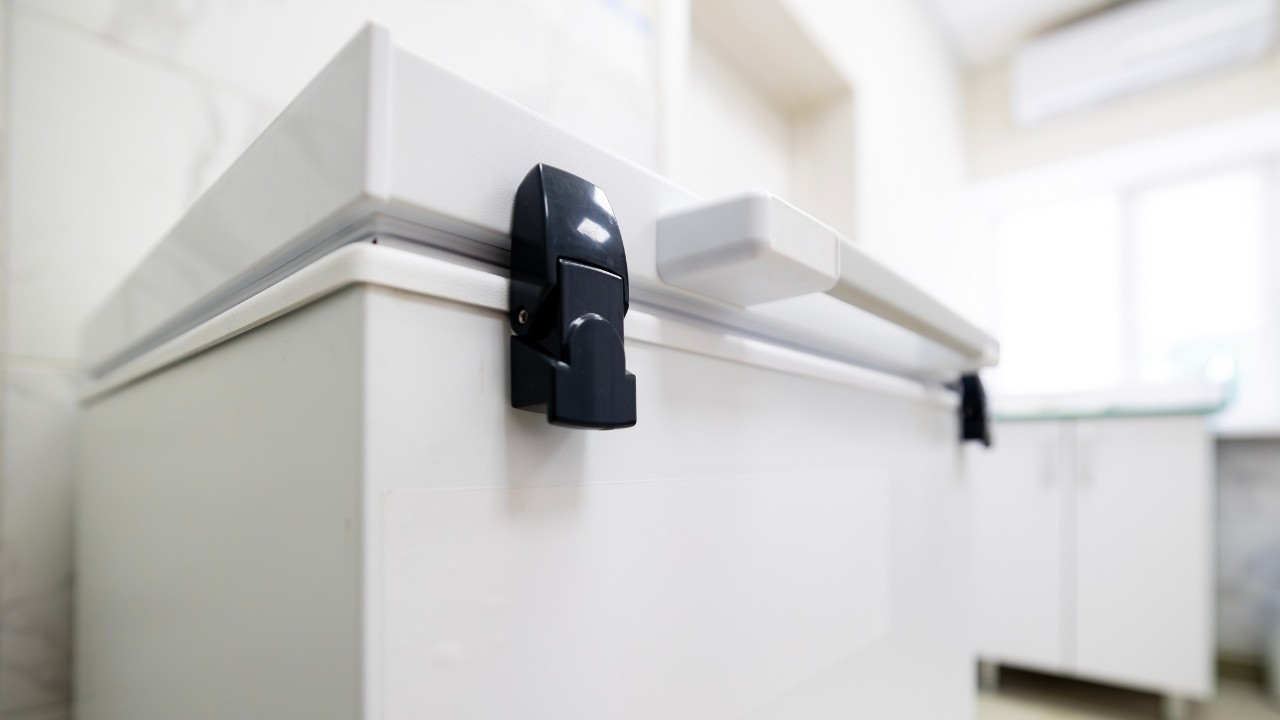
The fastest way to warm a freezer is peeking. Every time you lift the lid or open the door, heavy cold air spills out and warm, wet air rushes in to replace it. Then the freezer has to chill that new air, and you just spent stored cold you can’t easily get back.
Pick one person to be the “freezer boss” and stop casual opening. If you need something, do it in one trip, grab a flashlight, and get out. Tape a note on the handle that says “Do Not Open” so guests and kids don’t turn it into a snack drawer.
2. Pack Empty Space With Cold Mass
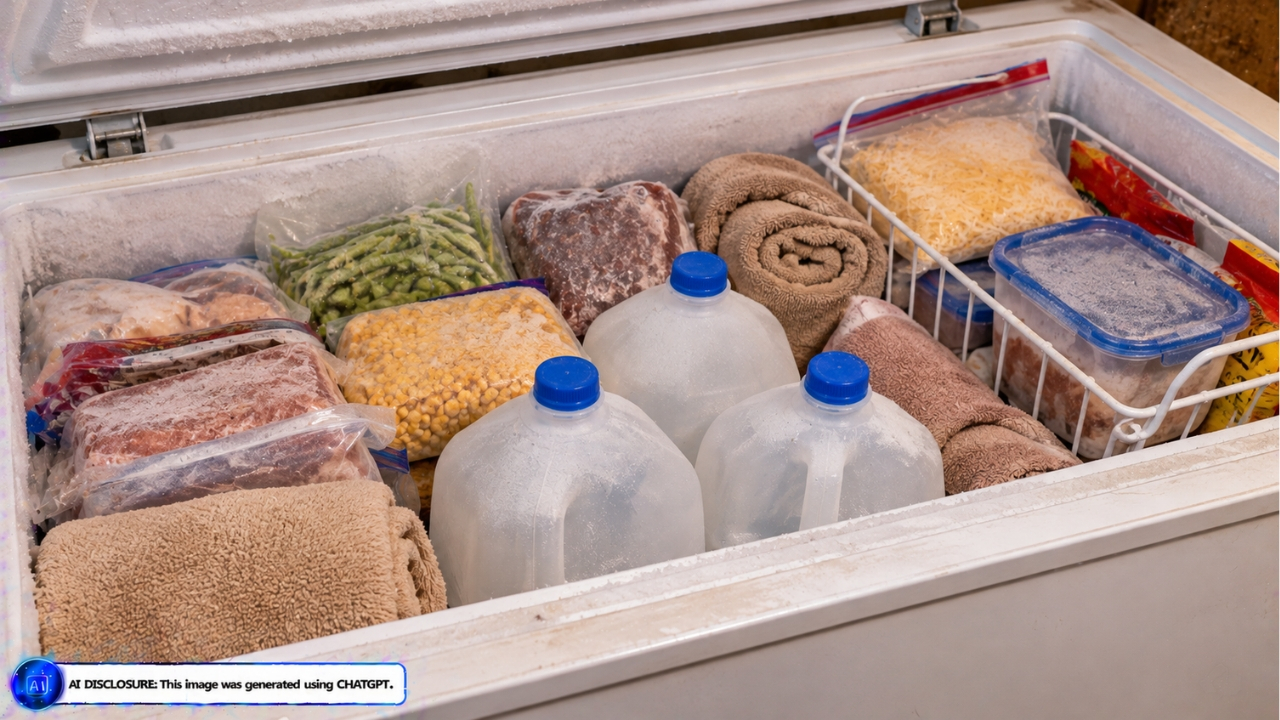
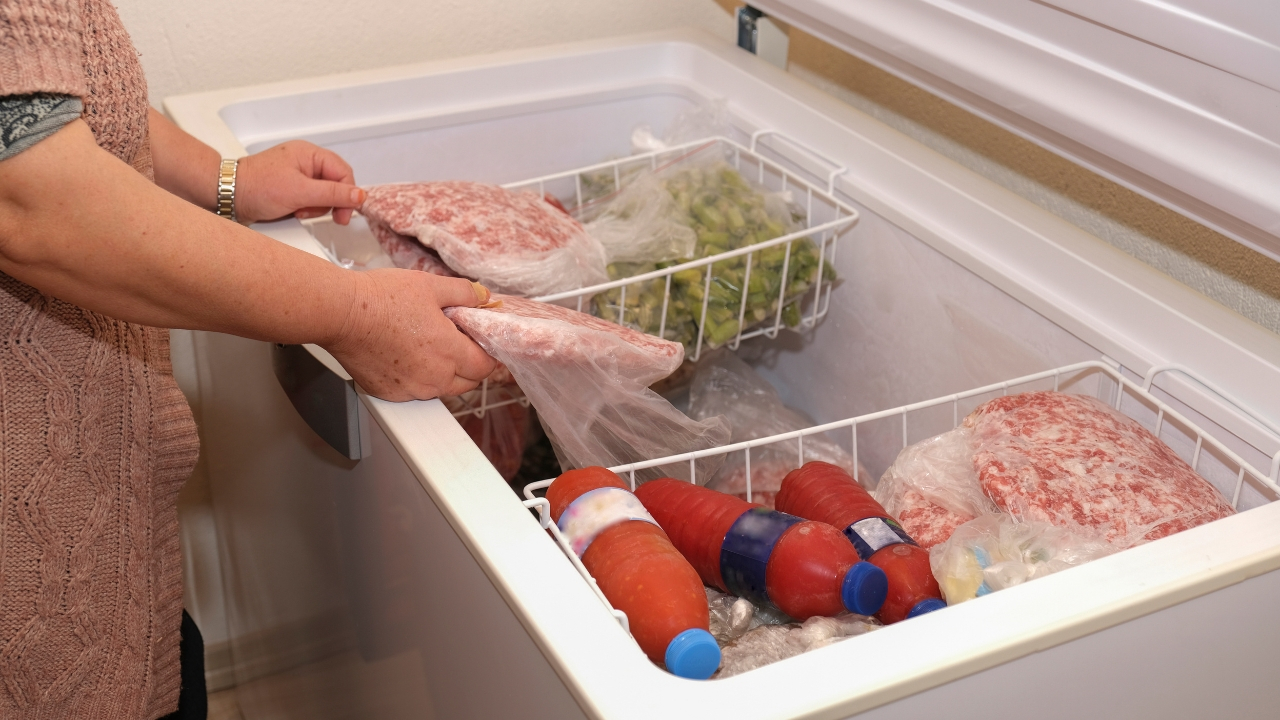
A half-empty freezer warms quicker because there’s more air inside, and air changes temperature fast. Frozen food, ice, and even jugs of frozen water act like a big thermal battery. The more solid mass you have, the longer the temperature stays low.
If you have warning ahead of a storm, freeze water in plastic bottles or milk jugs with some headspace so they don’t split. During an outage, shove towels or crumpled paper bags into odd gaps to cut down air pockets. Later, those frozen jugs can move into coolers for meat and dairy if things start going sideways.
3. Group Food Tight In The Center
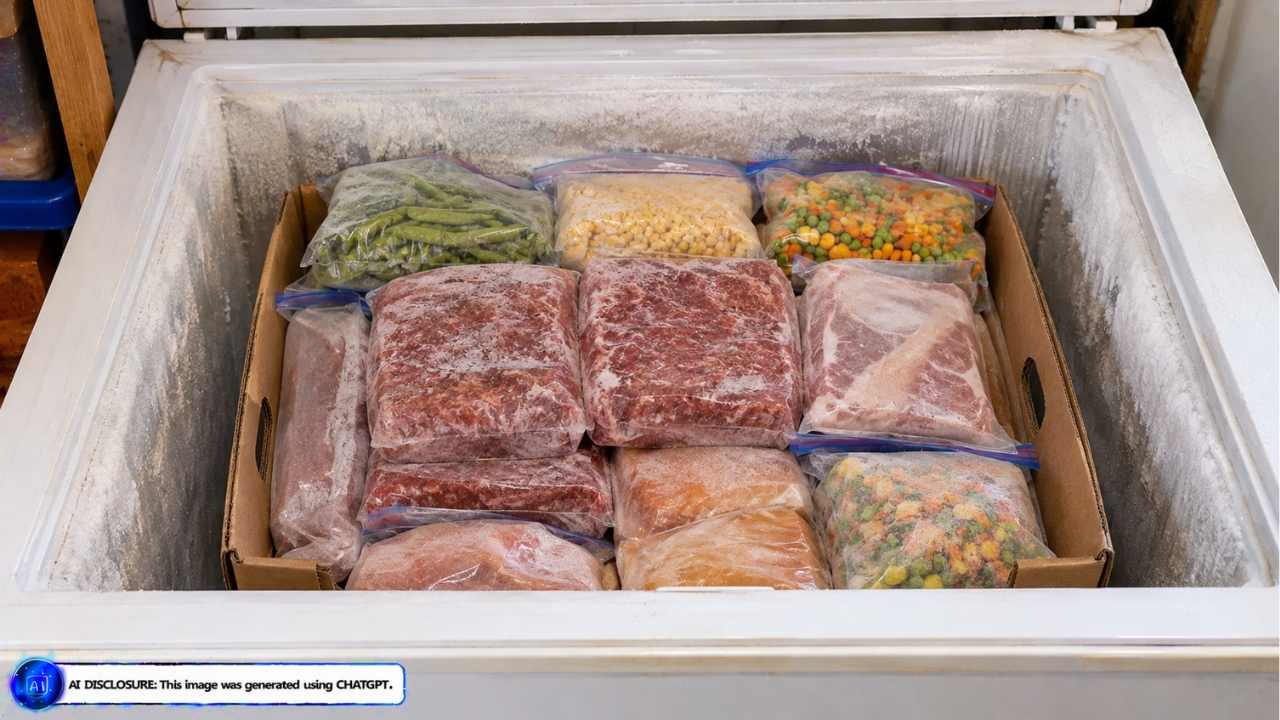
People spread food out because it feels organized, then wonder why thawing starts at the edges. Heat comes in through the walls and the lid, so anything touching the perimeter warms first. A tight “brick” of food stays colder because items insulate each other.
Pull items away from the door bins and side walls and stack them snug, especially meat, fish, and anything you don’t want refreezing after a partial thaw. Use empty cardboard boxes as dividers to keep stacks from slumping, then shut the door and leave it alone. For chest freezers, bury the most sensitive stuff at the bottom center.
4. Add External Insulation, The Right Way
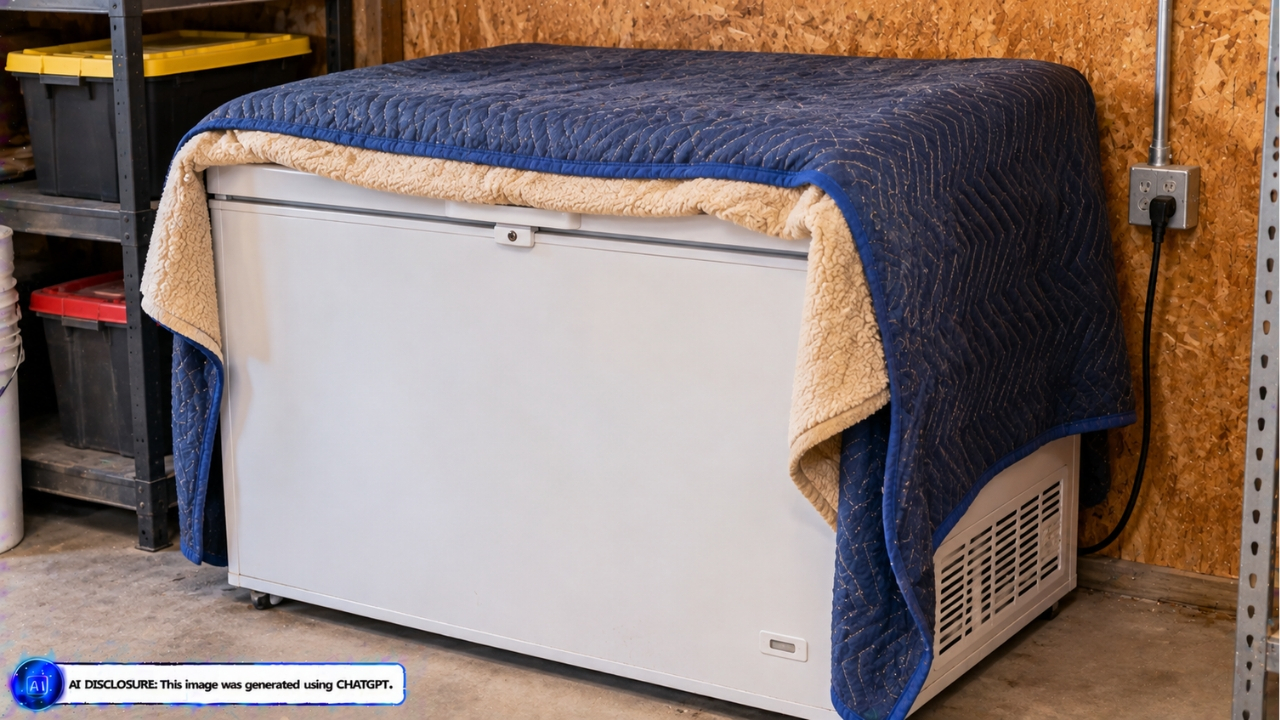
Throwing a blanket over a freezer is common advice, and it can work, with one catch. You can’t smother the compressor area or the vents, because once power returns the unit needs airflow to dump heat. Blocking vents can shorten the life of the freezer and trip protection shutoffs.
During the outage, drape quilts or sleeping bags over the lid and sides, but keep the back and any vent grilles clear. If the freezer is in a hot garage, hang a moving blanket a few inches away like a curtain to shade it from radiant heat. Skip plastic tarps tight to the cabinet, they trap moisture and can make rust and mildew worse.
5. Move It To The Coldest Spot Available
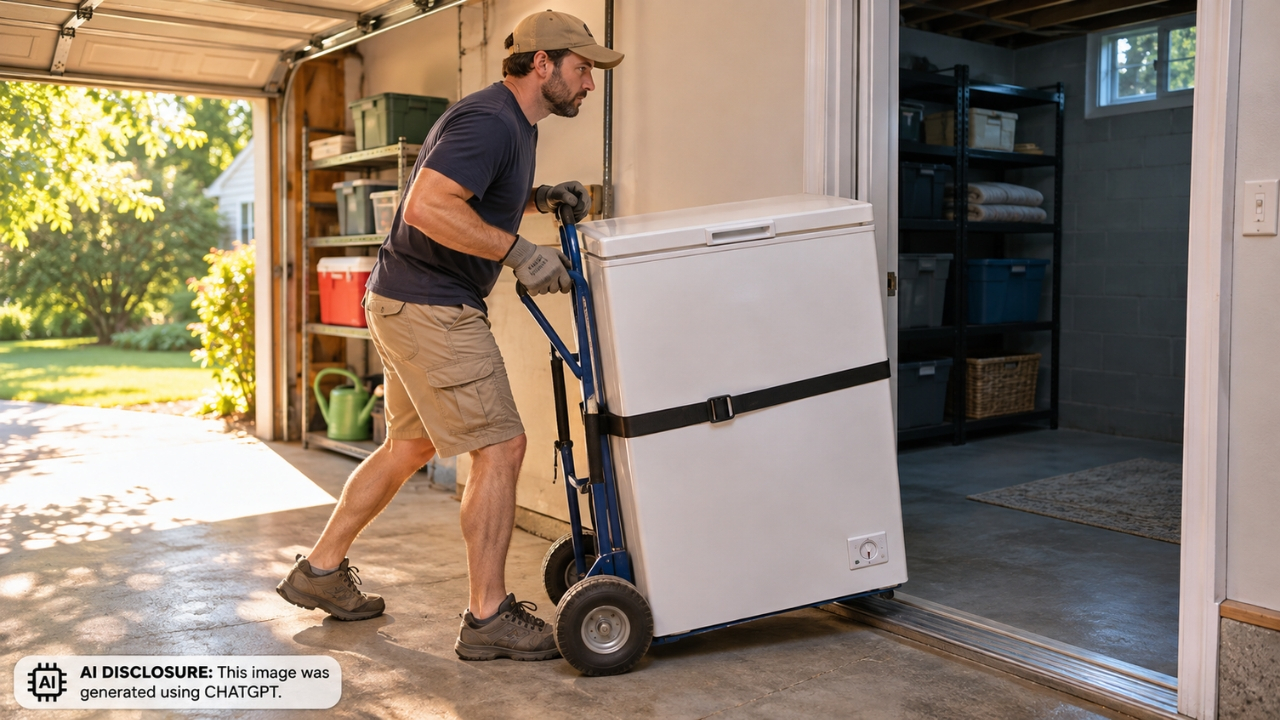
Summer outages are brutal in garages and sheds. A freezer sitting in a 95 degree space will lose its cold far faster than one in a 65 degree basement. You’re fighting the room, not just the appliance.
If the freezer is small and you can do it without tipping, move it indoors to a cooler room, or at least away from sunlit doors and windows. Get help, use an appliance dolly, and keep it upright so oil doesn’t run into the refrigerant lines. For big chest freezers that aren’t moving, focus on lowering the room heat, close the garage door, and add shade outside.
6. Use Dry Ice With Real Ventilation
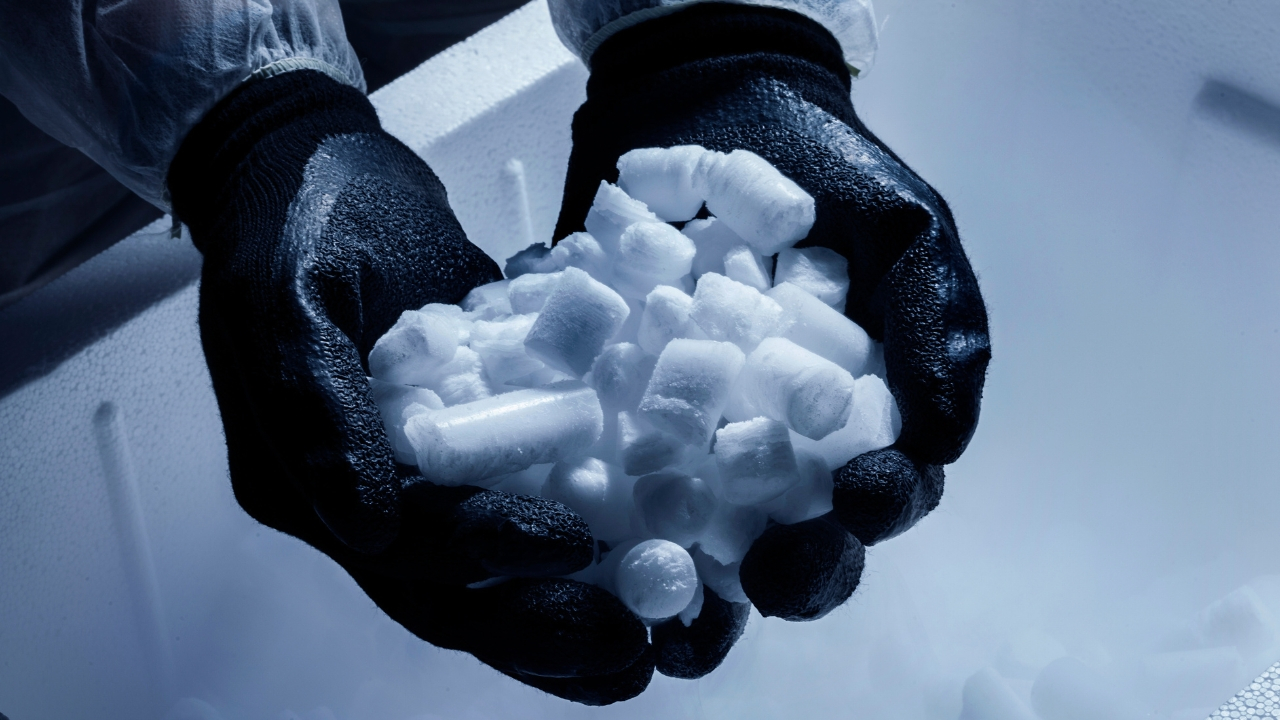
Dry ice buys a lot of time, and it’s often the best option when the outage is going to be more than a day. It’s also not a casual thing. It can burn skin on contact, and as it sublimates it releases carbon dioxide, which can build up in a tight room.
Handle it with thick gloves, don’t put it in a sealed container, and ventilate the room. Set slabs on a piece of cardboard or a towel on top of the food, because cold sinks. If you’ve got a chest freezer, dry ice near the top helps cool the warmest zone first, then it settles into the load as things stabilize.
7. Make And Stage Block Ice Ahead
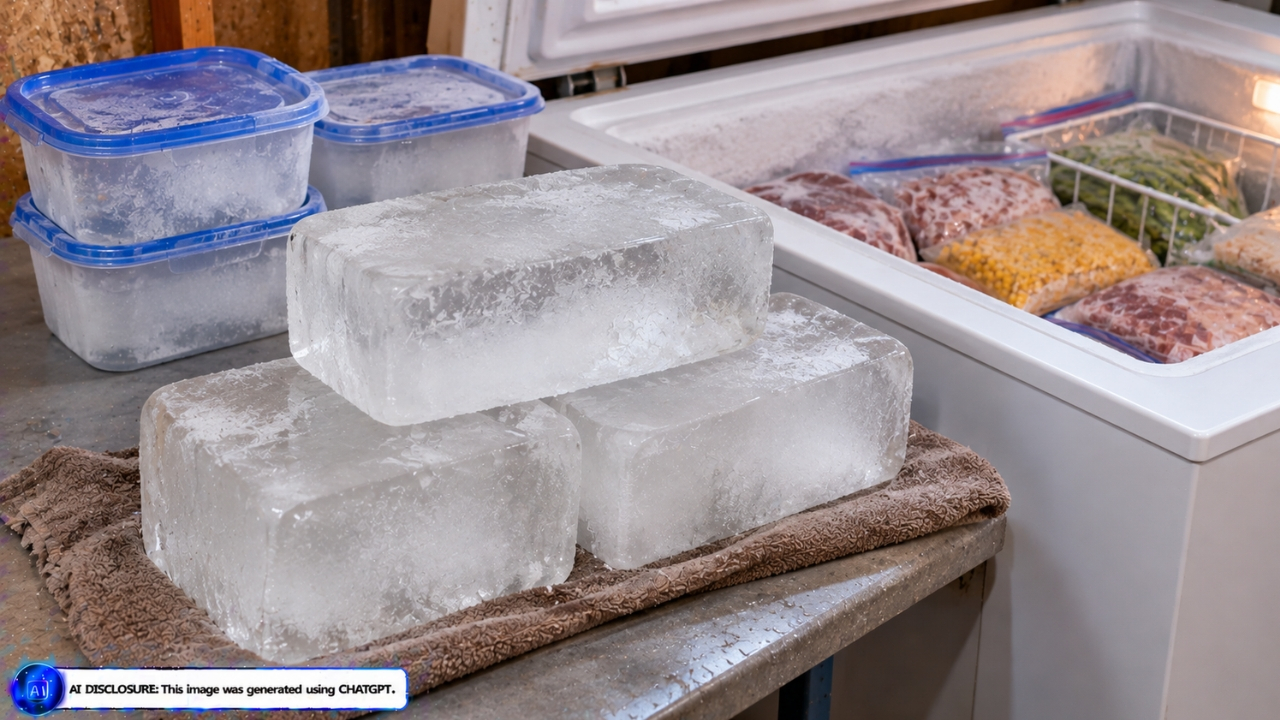
Bagged cubes disappear fast. Big blocks last, and they don’t melt into a sad slush in a few hours. This is a cheap prep that pays off every time the lights flicker.
Freeze water in clean food tubs, loaf pans, or plastic containers with lids, then pop the blocks out and store them in a trash bag inside the freezer. When power drops, place blocks on top and along the door side, the warmest spots in an upright freezer. The exception is if your freezer already stays packed full year-round, extra ice can crowd airflow and make it harder to stack safely, so keep just a couple blocks for emergencies.
8. Run A Generator Safely, In Short Cycles
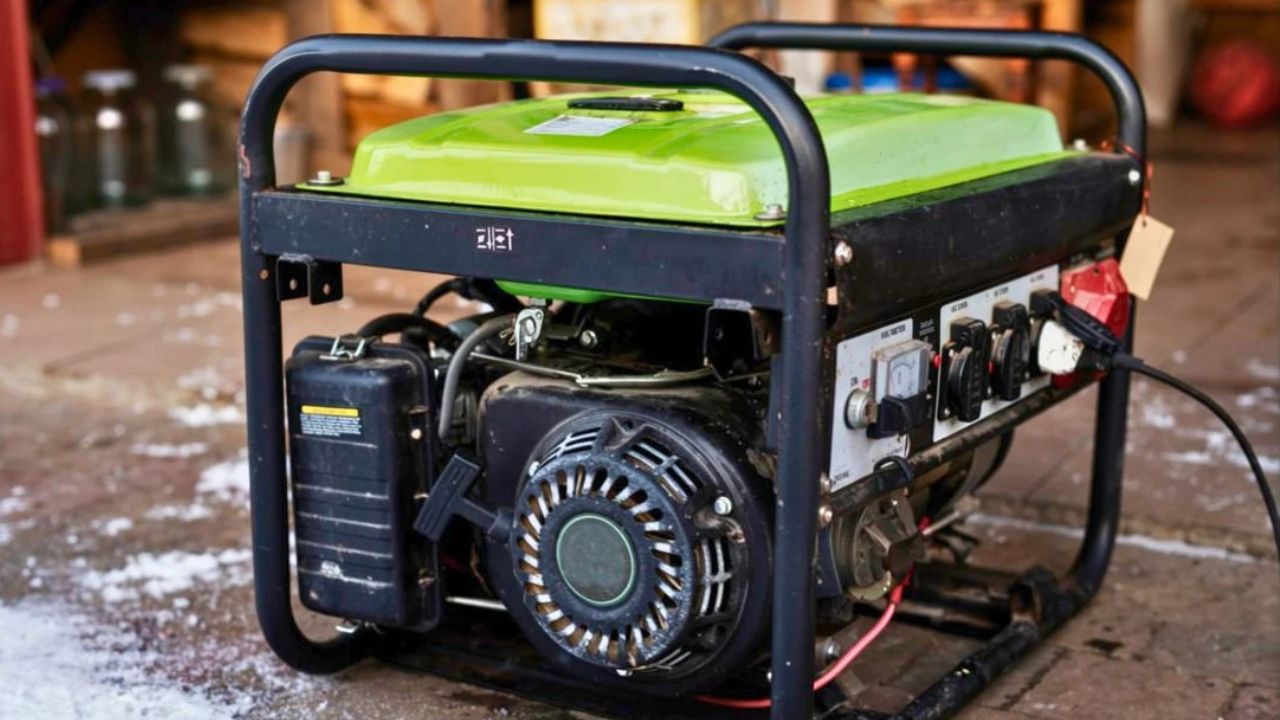
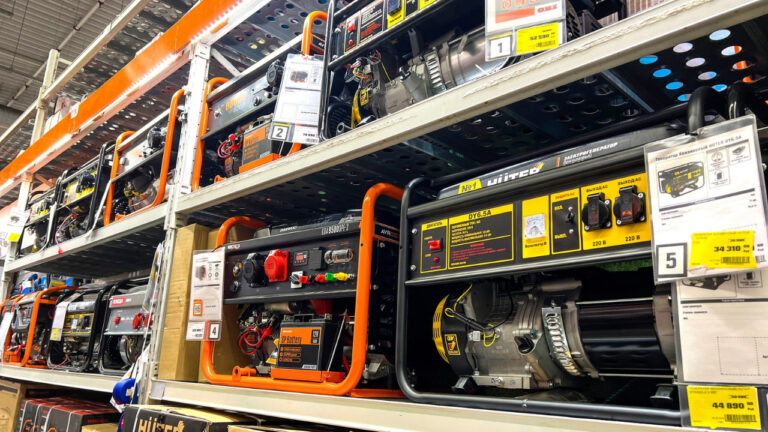
If you own a generator, don’t babysit it all day and burn fuel for nothing. A freezer doesn’t need constant power during an outage. It needs periodic pull-down time to get the core temperature back down.
Run it for a while, then let the freezer coast, especially if the lid stayed closed and it was full to start. Keep the generator outside, far from doors and windows, and use a heavy outdoor-rated cord sized for the load so it doesn’t heat up. If you want a proper transfer switch or an inlet tied into the house, that’s a job for a licensed electrician and sometimes a permit.
9. Use A Fridge Thermometer Alarm
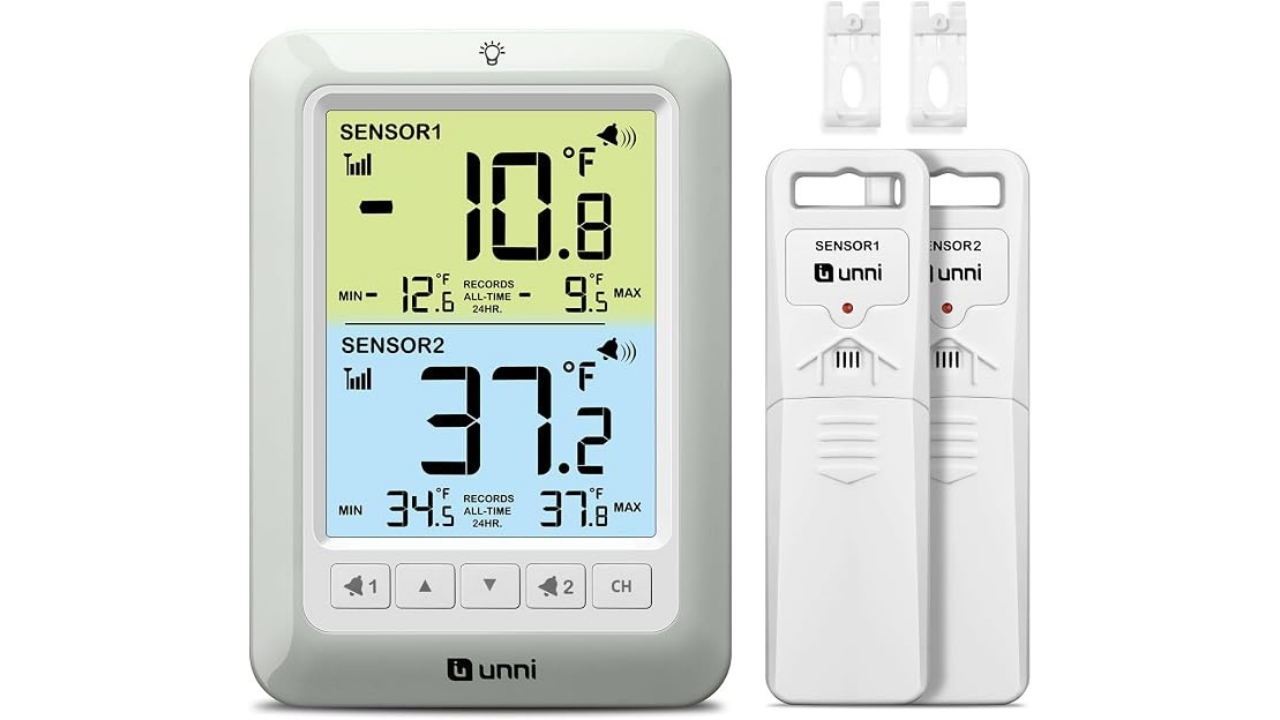
Guessing costs food. The outside of the freezer can feel cold while the center is creeping up into the danger zone. A simple thermometer, especially one with a probe and an alarm, tells you when you need to act.
Put the probe between packages near the top front area, where warming shows up early. If temps rise fast, you can shift the plan, add ice, source dry ice, or move the most expensive items to a friend’s powered freezer. This is one of the few tools that saves you from opening the door “just to check.”
10. Triage Early And Cook What Won’t Make It

Sometimes the best way to keep a freezer cold is to remove pressure from it. If you know the outage will be long, leaving everything inside until it all thaws is the worst outcome. You end up with a warm box of questionable food and a big cleanup.
Start with high-dollar proteins and anything that can’t be safely refrozen once it warms too much. Cook thawing meat on a grill, camp stove, or propane range and eat it, share it, or chill it in a cooler with ice if you can keep it cold. If you’re using any fuel-burning cooker indoors, follow the manual and ventilation rules, and if it smells off, don’t argue with it, toss it.
Power outages are mostly a timing problem. A full, closed freezer in a cool room can ride out a lot, but only if you stop feeding it warm air and start treating cold like a limited resource.
Like Fix It Homestead’s content? Be sure to follow us.