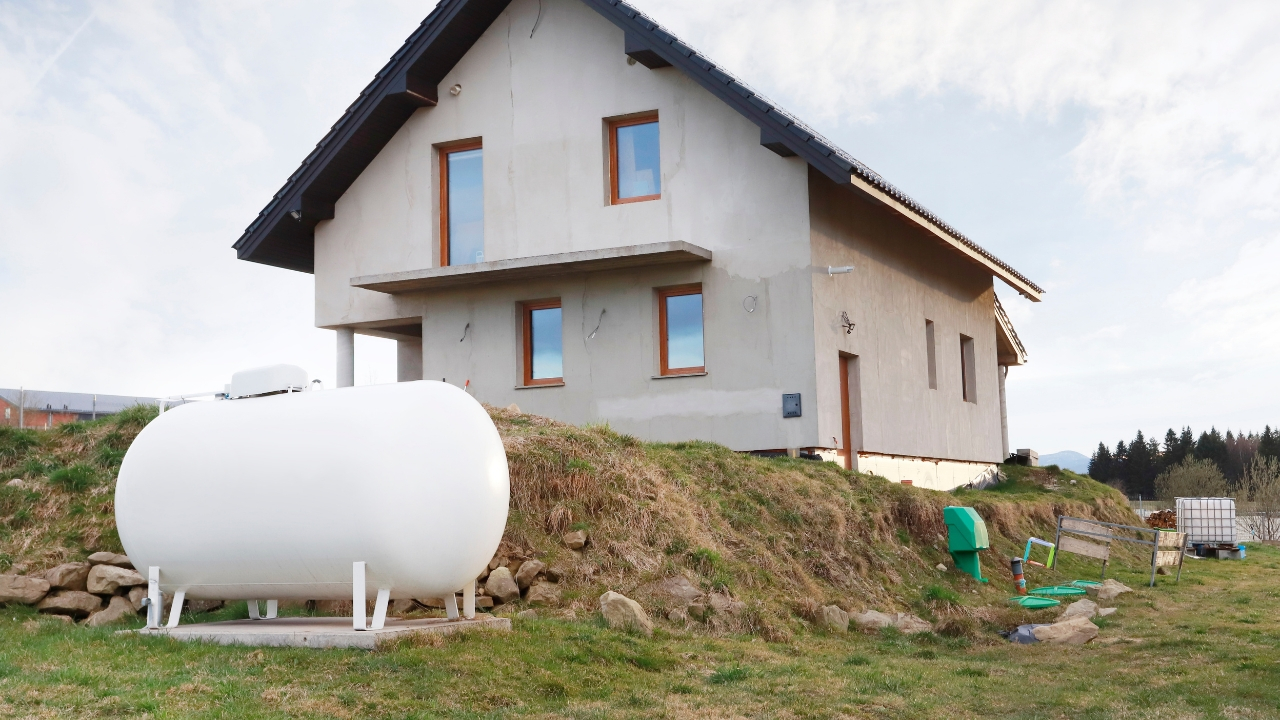
10 Things Home Inspectors Flag on Rural Properties
Photo credit: Agnes Kantaruk/Shutterstock.com
Out in the country, stuff works a little differently. You’ve got longer runs, more exposure to weather, and a lot more “owner-built” projects that grew over time. A home inspector isn’t judging your lifestyle, they’re looking for risk, damage, and expensive surprises.
1. DIY Wiring In Barns And Sheds

Inspectors flag a lot of outbuilding wiring because it’s often patched together over the years. Extension cords used as permanent wiring, open splices in a junction box, missing conduit, and loose outlets are common. You’ll also see “mystery breakers” where nothing is labeled, or a subpanel in a shed with no clear disconnect.
This is one of those spots where you don’t wing it. If it touches a panel, a feeder, or a buried line, get a licensed electrician and pull permits where required. For the DIY part, you can at least clean up what’s obvious: replace broken cover plates, add proper strain relief clamps where cords enter boxes, and stop running cords through doors and windows.
2. Old Fuse Boxes And Tired Panels
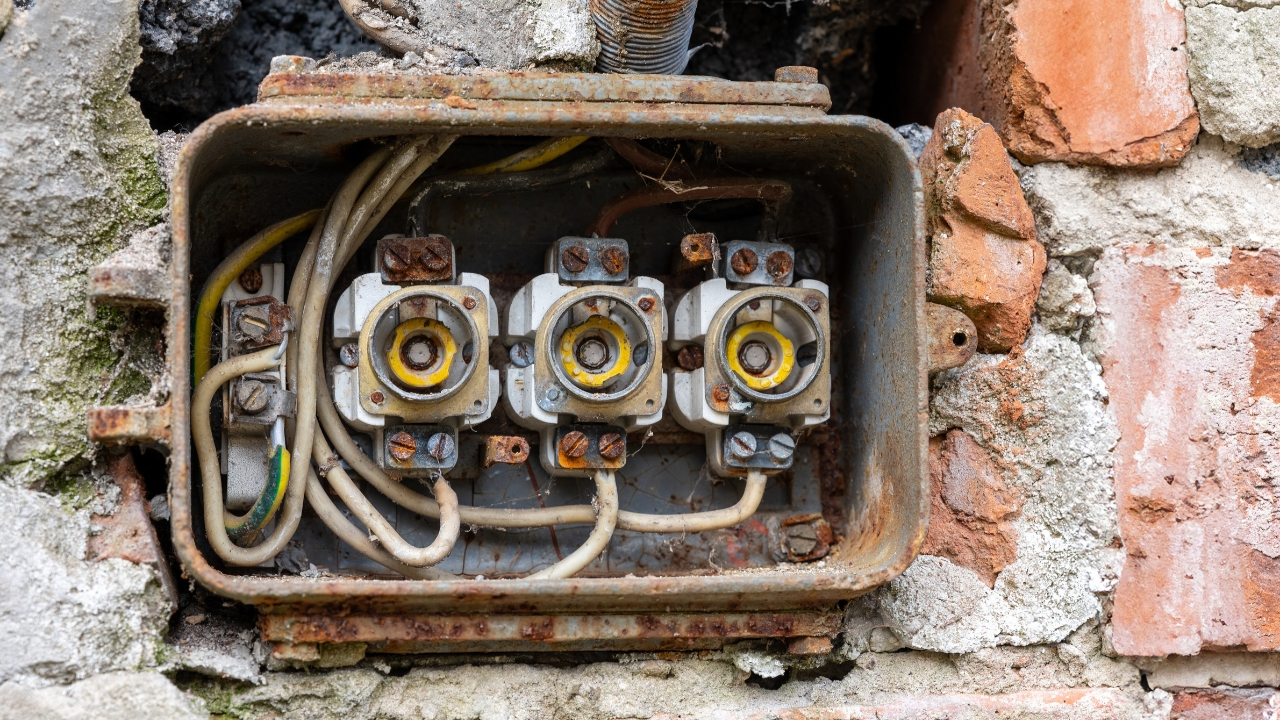
A rural place often comes with older service equipment that just kept getting added onto. Inspectors call out fuse panels, double-tapped breakers, rust inside the cabinet, scorching, and missing knockouts. A panel can “work” right up until it doesn’t, and the failure is ugly.
If you see heat marks, buzzing, or breakers that won’t reset, stop and call a pro. Even without drama, an electrical evaluation is worth paying for before you close or before you start adding big loads like a welder, hot tub, or heat pump. Labeling circuits and clearing storage around the panel is easy, but repairs inside the panel are not a weekend learning project.
3. Damaged Well Caps And Surface Runoff
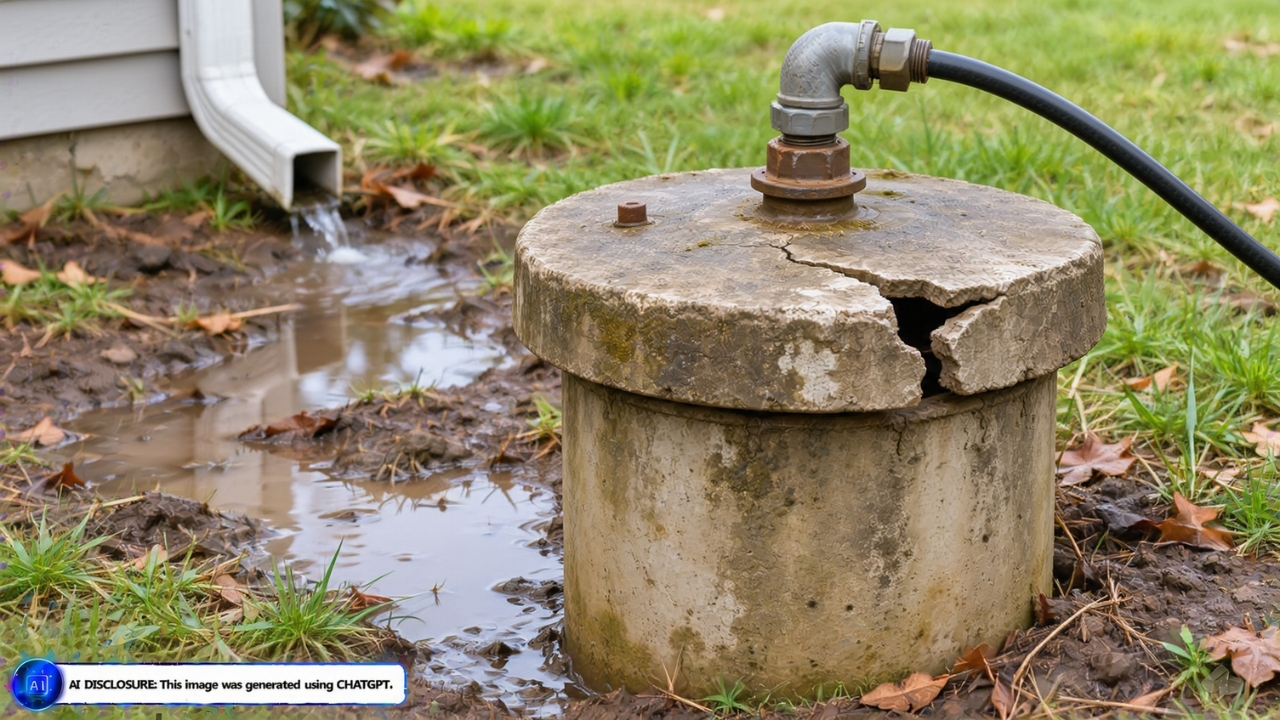
Well issues get flagged fast because contamination is expensive and hard to undo. Inspectors look for a cracked well cap, missing screen, exposed wiring at the well head, or the well sitting in a low spot where rain and snowmelt pool. If the casing is below grade or buried in landscaping, expect a comment.
Start by managing water. Regrade soil so runoff moves away, extend downspouts, and keep fertilizer, salt, and fuel far from the well area. If the cap is loose, broken, or unsealed, have a well contractor replace it and check the sanitary seal. A basic water test is money well spent, especially if the place sat vacant.
4. Septic Tank Access Buried Or Missing

Septic systems don’t fail on a schedule that’s convenient for you. Inspectors flag missing records, no visible access lids, sagging ground over the tank, and any sign of sewage odor near the house. A drainfield that’s soggy in a dry week is a big red flag.
Don’t guess where the tank is and start digging. Call for records, and use a septic pro to locate, inspect, and pump if needed. If you own the place already, adding risers to bring access lids to grade is a smart upgrade that saves future labor and keeps you from cracking a lid with a shovel.
5. Driveway Culverts That Don’t Drain
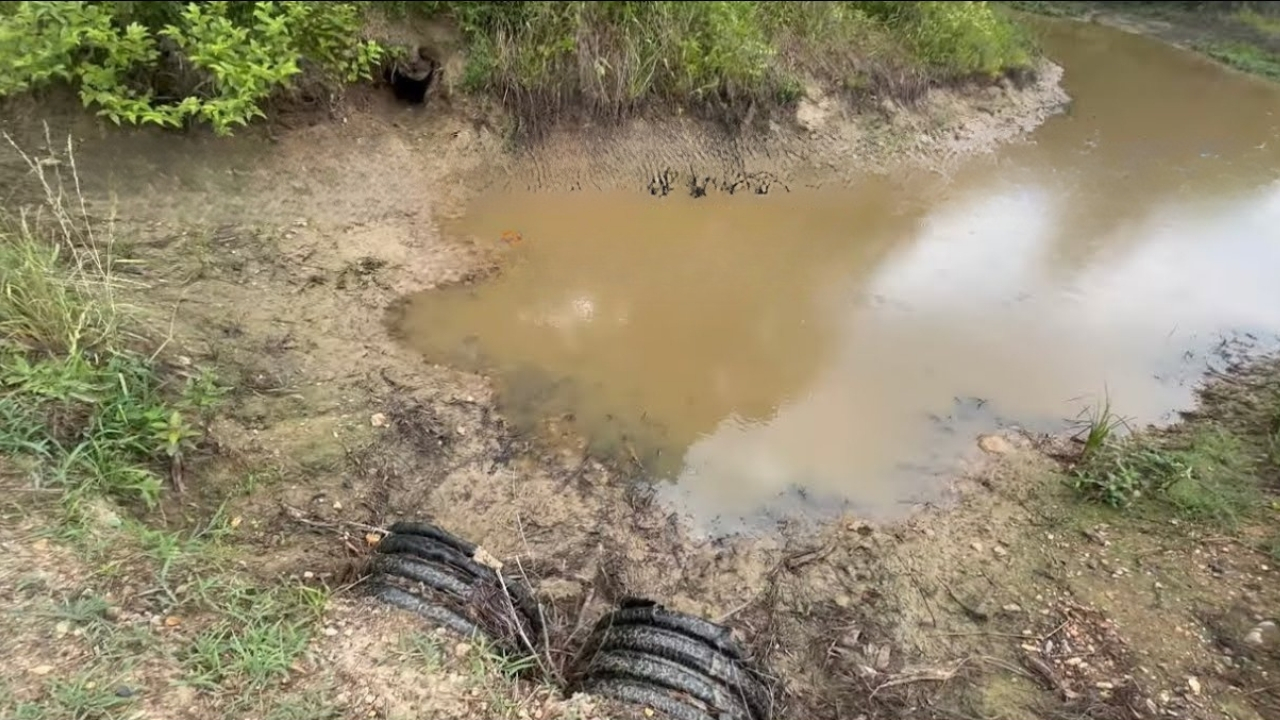
Everything looks fine until the spring thaw or a hard summer storm, then the driveway turns into a dam. Inspectors notice crushed culverts, ends buried in weeds, undersized pipe, and washouts where water cut a channel along the lane. This one matters because bad drainage keeps attacking the same spots, year after year.
Clean first, replace second. A rake, shovel, and a couple hours clearing debris and sediment from the inlet and outlet fixes a lot. If the culvert is too small or set at the wrong slope, that’s when you bring in a contractor, and call 811 before any digging. Adding a little gravel is fine, but it won’t solve a drainage problem by itself.
6. Missing Gutter Extensions And Bad Grading

Some rural houses skip gutters, or they have gutters that dump right at the foundation. Inspectors flag splashback stains, eroded soil, wet crawlspaces, and basement dampness that tracks to roof runoff. It shows up as musty air, peeling paint, and that one corner that never dries out.
The fix is usually cheap. Add downspout extensions to push water several feet away, and fill low spots so the ground slopes away from the house. The honest exception is a roofline where gutters constantly rip off from ice slides or heavy snow. In that case, you can go gutter-free, but you still have to manage water with grading and durable splash blocks or a gravel drip line.
7. Wood-to-Soil Contact Around The House
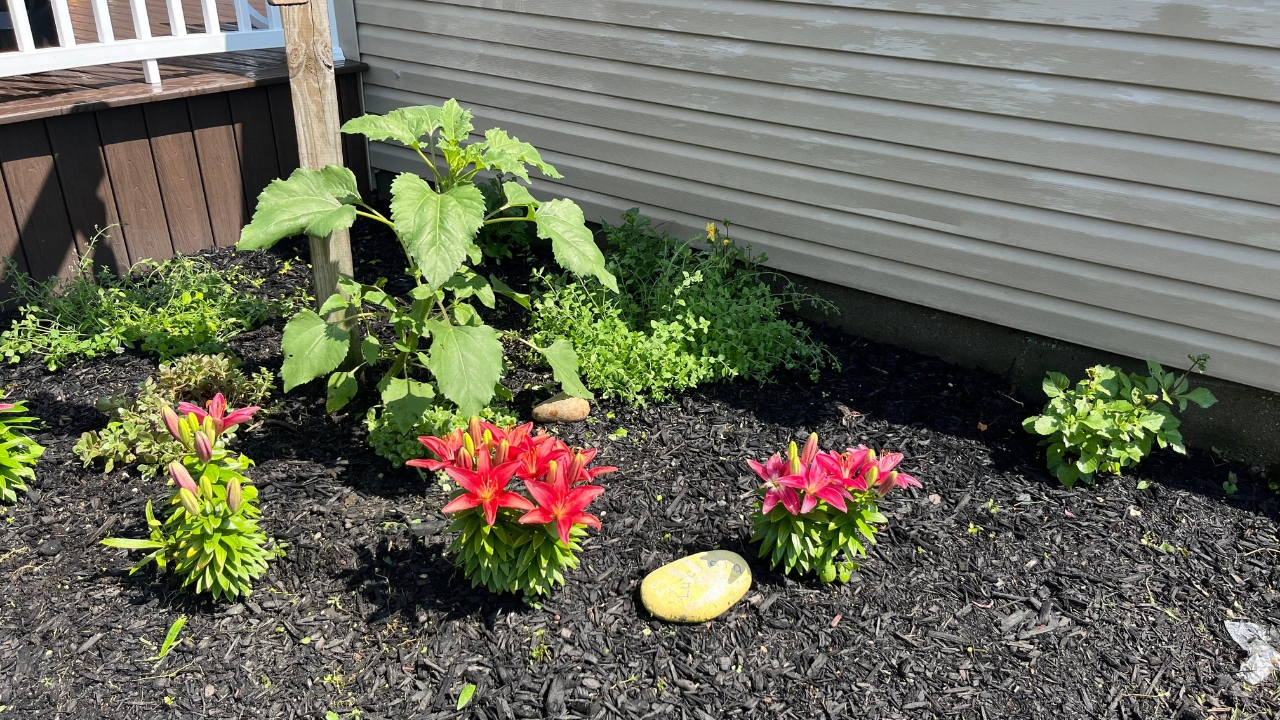
Rural yards invite “temporary” fixes that become permanent, like stacking firewood against the siding or building a garden bed up to the wall. Inspectors flag mulch piled high, deck posts sunk into dirt, siding touching grade, and steps that sit directly on soil. Bugs and rot love that setup.
Pull everything back so the siding and framing can dry. Aim for visible clearance between soil and wood, and don’t store firewood against the house. If you’ve got posts in the ground, plan on replacing them sooner than you want, and next time set posts on proper bases or concrete piers suited to your frost depth and local code.
8. Roof Wear You Can’t See From The Yard

From the driveway, the roof can look “pretty good.” Inspectors get up close and find nail pops, soft spots, missing flashing at chimneys, and moss holding moisture against shingles. Rural roofs also take more abuse from overhanging limbs and wind-driven grit.
Binoculars help, but a real roof inspection is worth it if the house is older or the attic shows staining. Keep branches trimmed back, and clean valleys where leaves pile up. If you’ve got multiple layers of shingles, widespread granule loss, or active leaks, that’s a reroof conversation, not a tube-of-caulk situation.
9. Attic Venting Blocked By Insulation
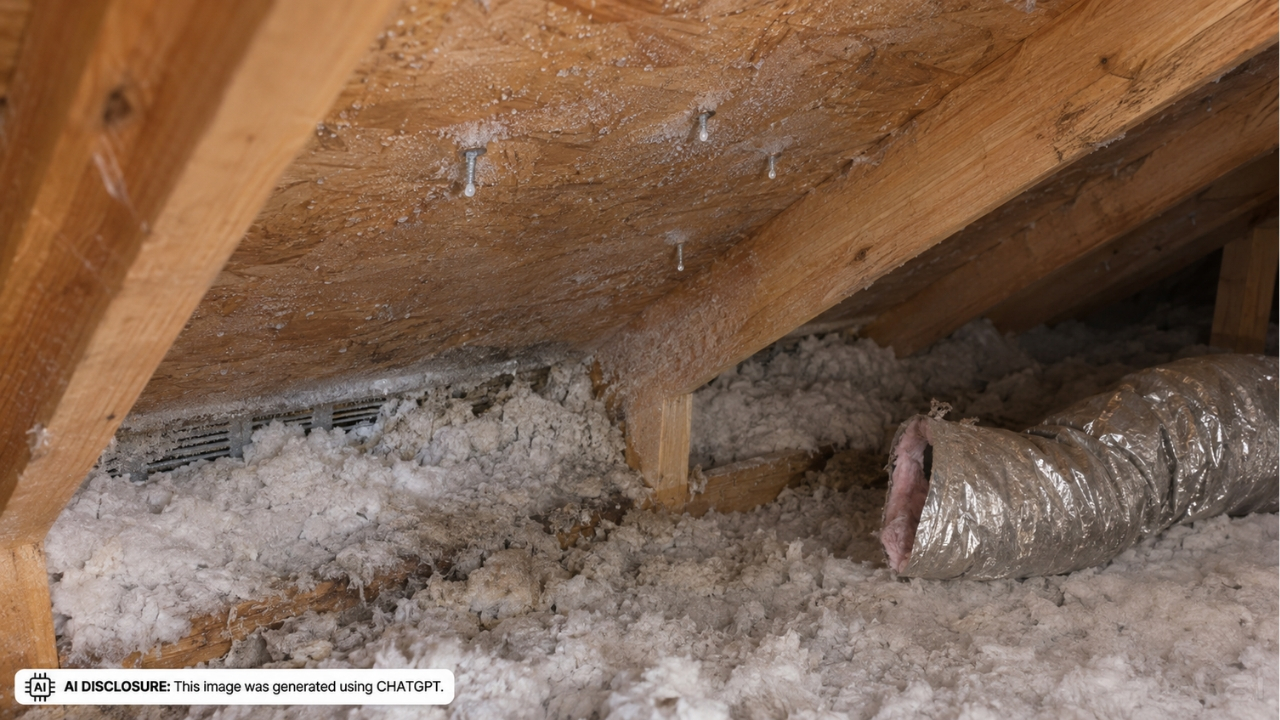
Cold snaps are when this problem shows itself. You get frost in the attic, damp insulation, or roof nails that look like they’re sweating. Inspectors often find soffit vents covered by blown-in insulation, no baffles, and bath fans dumping warm air into the attic instead of outdoors.
You can fix a lot of this with basic materials and patience. Add foam or cardboard baffles at the eaves to keep an air channel open, and pull insulation back from soffit intakes. If bath fans are venting into the attic, reroute them to proper roof or wall vents, and make sure the duct is insulated so moisture doesn’t condense inside.
10. Propane Tanks And Gas Appliances Set Up Wrong
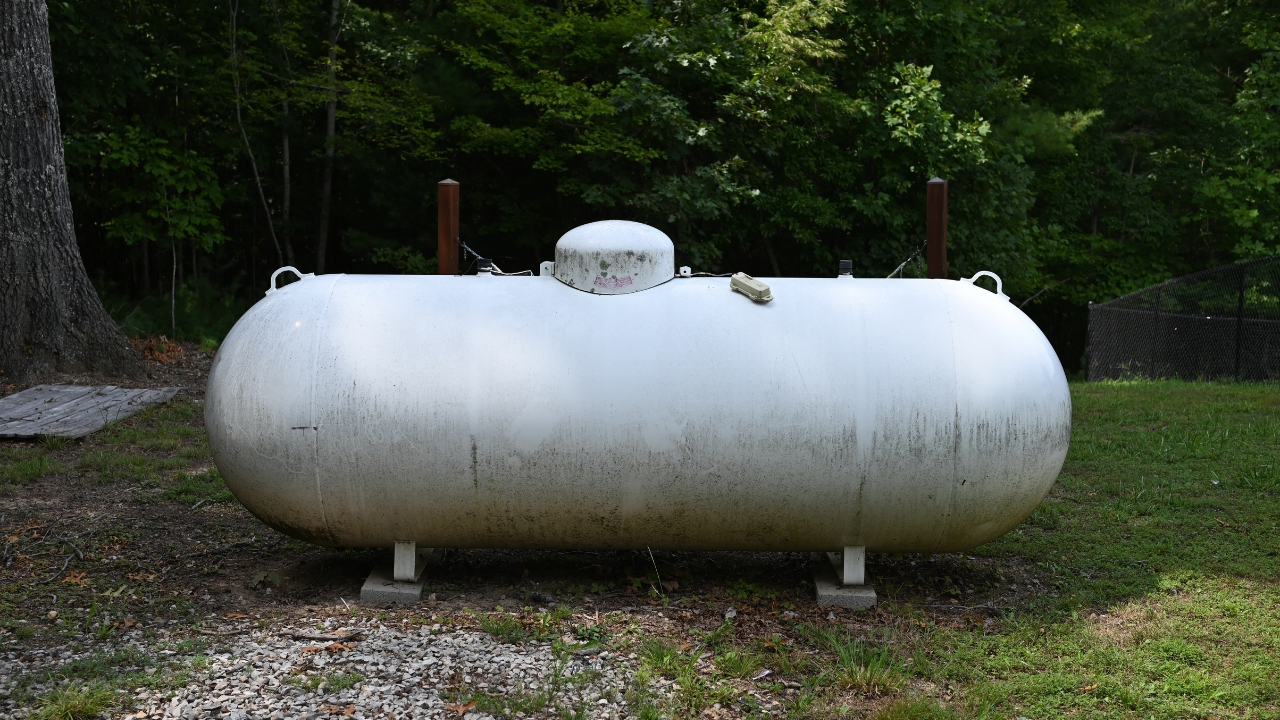
Outbuildings, generators, and old heaters bring inspectors straight to fuel supply and venting. They’ll flag tanks too close to structures, missing crash protection in drive areas, rusty regulators, and gas lines that aren’t properly supported. Inside, they look for water heaters and furnaces with poor venting, backdrafting signs, or no carbon monoxide alarms nearby.
Anything involving gas piping, regulators, or appliance venting is for a licensed propane tech or HVAC pro. Your part is housekeeping and basics: keep tanks accessible, keep weeds and debris cleared, and make sure appliances aren’t starved for combustion air because a utility room got sealed up. Put in fresh CO alarms in the right spots and replace them when they age out.
A rural place can be solid for decades, but small problems spread faster when the nearest help is 30 minutes away. If you tackle the easy drainage and clearance fixes now, you’ll have fewer surprises when a storm hits or when it’s time to sell. And for the big systems, pay for the right pro once, then keep good notes so the next inspection goes your way.
Like Fix It Homestead’s content? Be sure to follow us.