10 Things That Ruin a Pressure Washer Over the Winter
Photo credit: Hodoimg/Shutterstock.com
You park the pressure washer in the corner after the last fall cleanup and figure it will be fine until spring. Then the first warm weekend hits, you pull the cord, and it either won’t start or it runs rough and leaks. Winter damage is usually boring, preventable stuff, and it often costs more in time than in parts.
1. Leaving Water Trapped In The Pump

Any water left inside the pump or manifold expands when it freezes, and that’s how you end up with hairline cracks you don’t notice until spring. The washer might start, then you see water seeping from the pump housing or it pulses hard under load. Sometimes it’s a slow drip, sometimes it’s a sudden split that dumps water the second you hook up the hose.
Before storage, shut off the water supply, squeeze the trigger to relieve pressure, then disconnect hoses. Run the machine briefly only if your manual allows it, just long enough to push out remaining water, then stop. If you want extra insurance, pump saver or RV antifreeze pushed through the pump (per your manual) is cheap compared to a pump replacement.
2. Storing It With Old Gas In The Tank
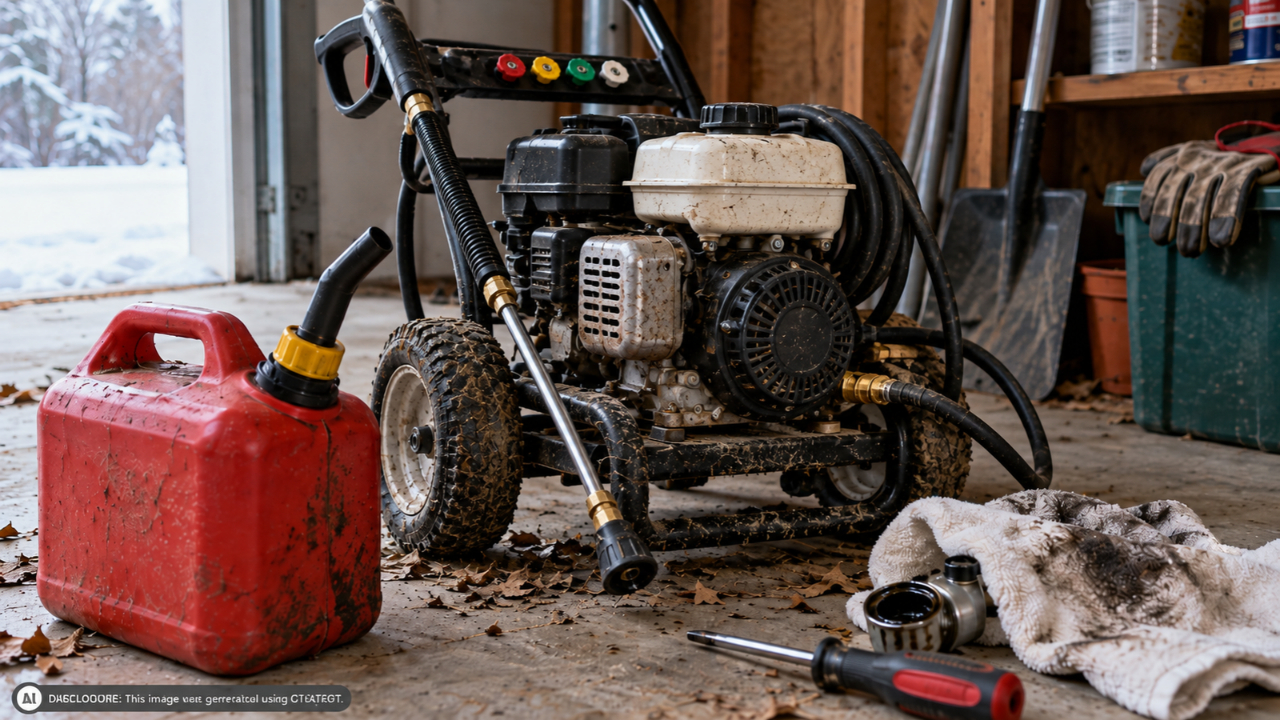
Stale fuel gums up tiny passages in the carburetor, and winter is long enough for that varnish to form. In spring it’ll crank and crank, then maybe sputter on choke and die as soon as you open it. You’ll hear it hunting and surging because it can’t get steady fuel.
Either run the tank dry and let it stall, or fill with fresh gas treated with fuel stabilizer and run it a few minutes to get treated fuel into the carb. If your machine has a fuel shutoff, close it and run the engine until it dies, then drain the bowl if you know how. If you don’t, a small engine shop can clean a carb fast, but it still wastes your Saturday.
3. Forgetting An Oil Change Before Storage
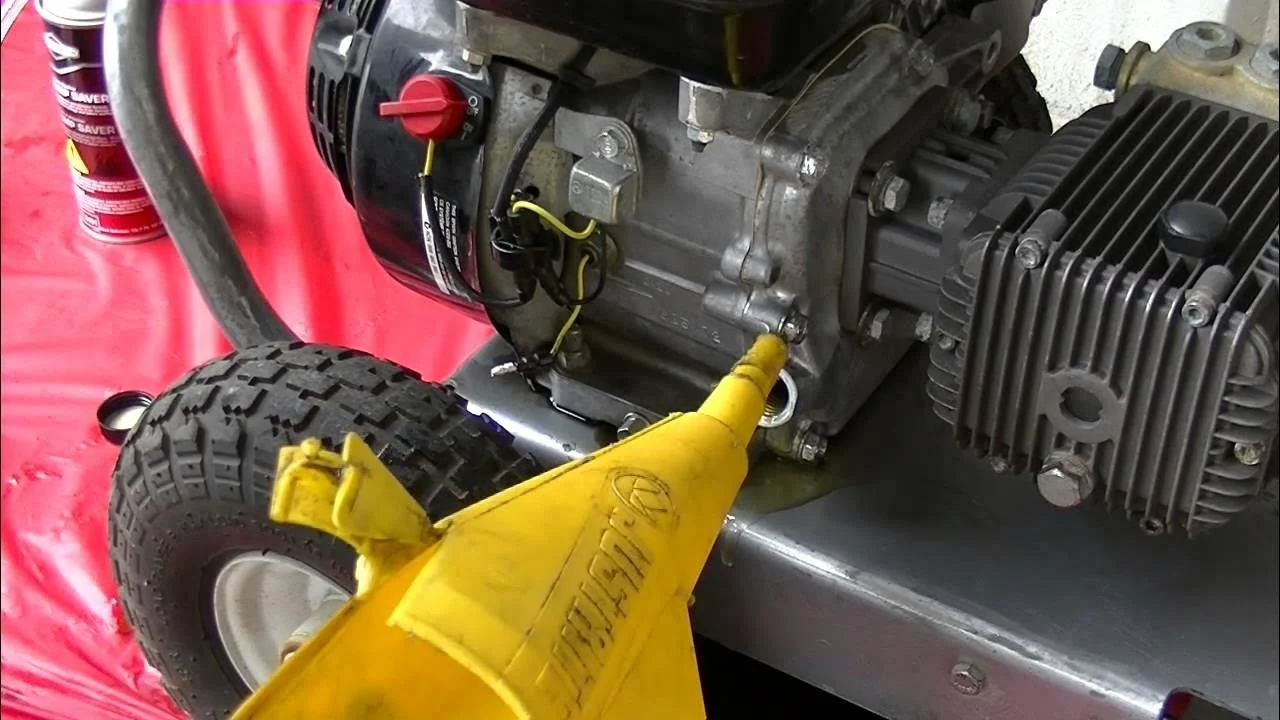
Dirty oil holds moisture and combustion acids, and they sit against internal engine parts all winter. You won’t hear anything wrong right away in spring, but wear adds up, and the engine that used to start on two pulls now takes ten. On units that already run hot, neglect shows up sooner.
Changing oil before storage is usually smarter than waiting, especially if the washer saw heavy use in fall. Warm the engine for a couple minutes so oil flows, shut it off, then drain and refill to the right level on flat ground. Use the grade listed on the engine, not whatever is on the shelf.
4. Coiling Hoses Tight In The Cold
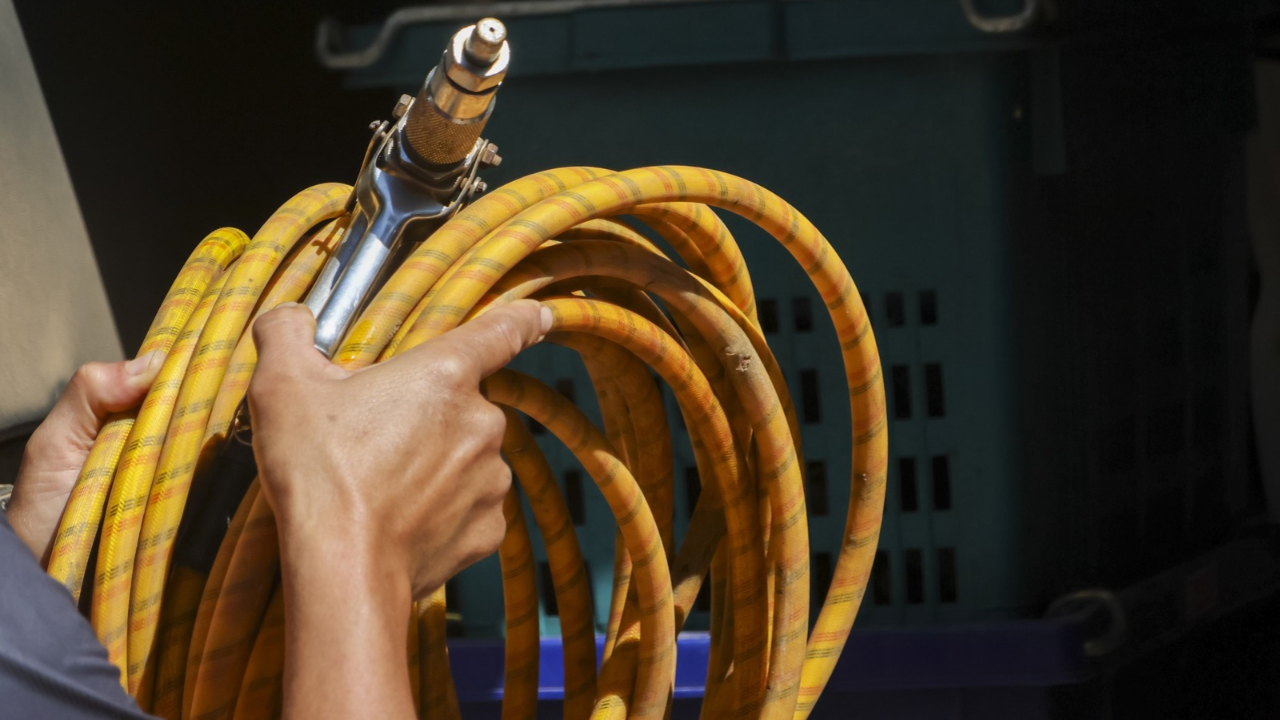
People wrap the high-pressure hose into a small, neat circle, then toss it in an unheated shed. Cold makes hose jackets stiff, and tight coils set kinks that never really come out. Next season you fight twists, you get weak spots, and eventually the hose bubbles or leaks at the bend.
Store hoses in big, lazy loops, and don’t crank them down with a bungee like you’re tying up a canoe. If you need to hang it, use a wide hook or a hose hanger so it’s not pinched. A hose is cheaper than a pump, but a blown hose can whip and ruin your day, so treat it like a wear part that deserves decent storage.
5. Letting Rodents Nest In The Shroud
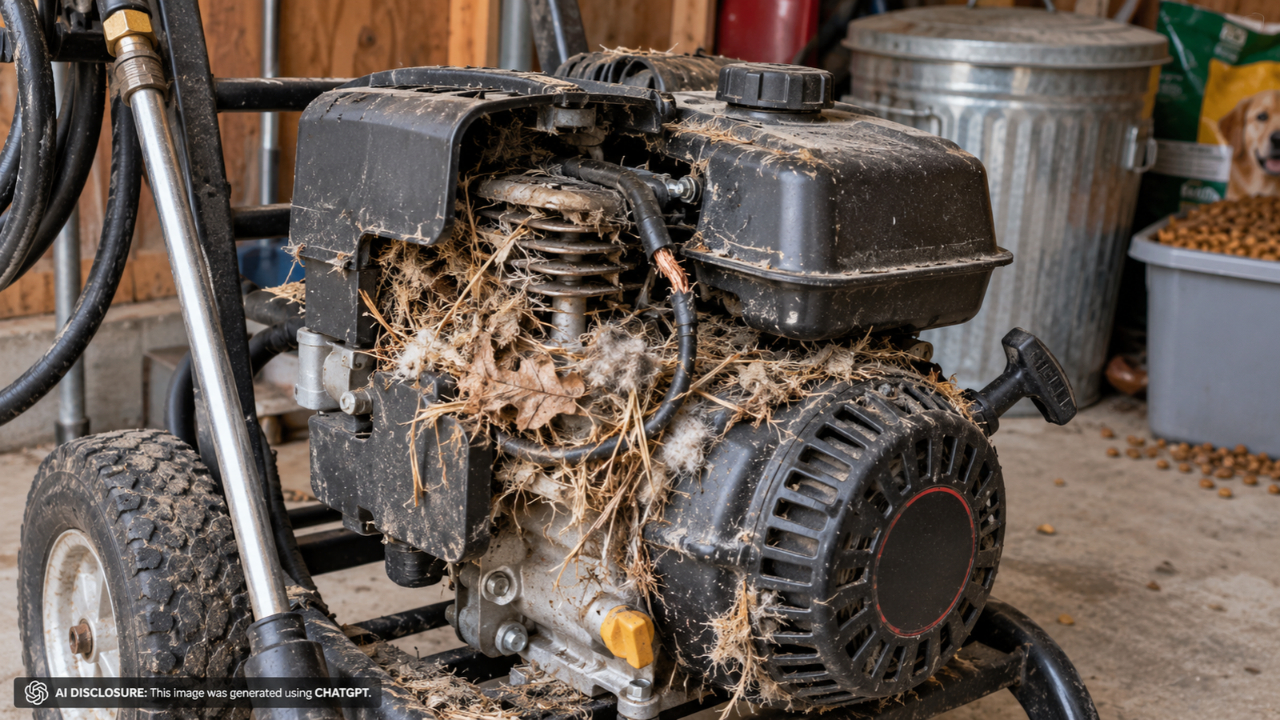
Mice love the warm pocket around the engine, especially if the washer is stored near seed, pet food, or bird feed. They pack in insulation, chew plug wires, and clog cooling fins with nesting junk. In spring you get overheating, a melted wire, or a washer that starts then dies when the ignition shorts.
Before storage, blow off the machine and check under the engine cover and around the recoil housing for grass and debris. Store it off the ground if you can, and don’t keep it next to feed bins. If you find chewed wiring, fix it right with proper connectors and heat shrink, not twisting wires together and hoping.
6. Parking It Outside Under A Tarp
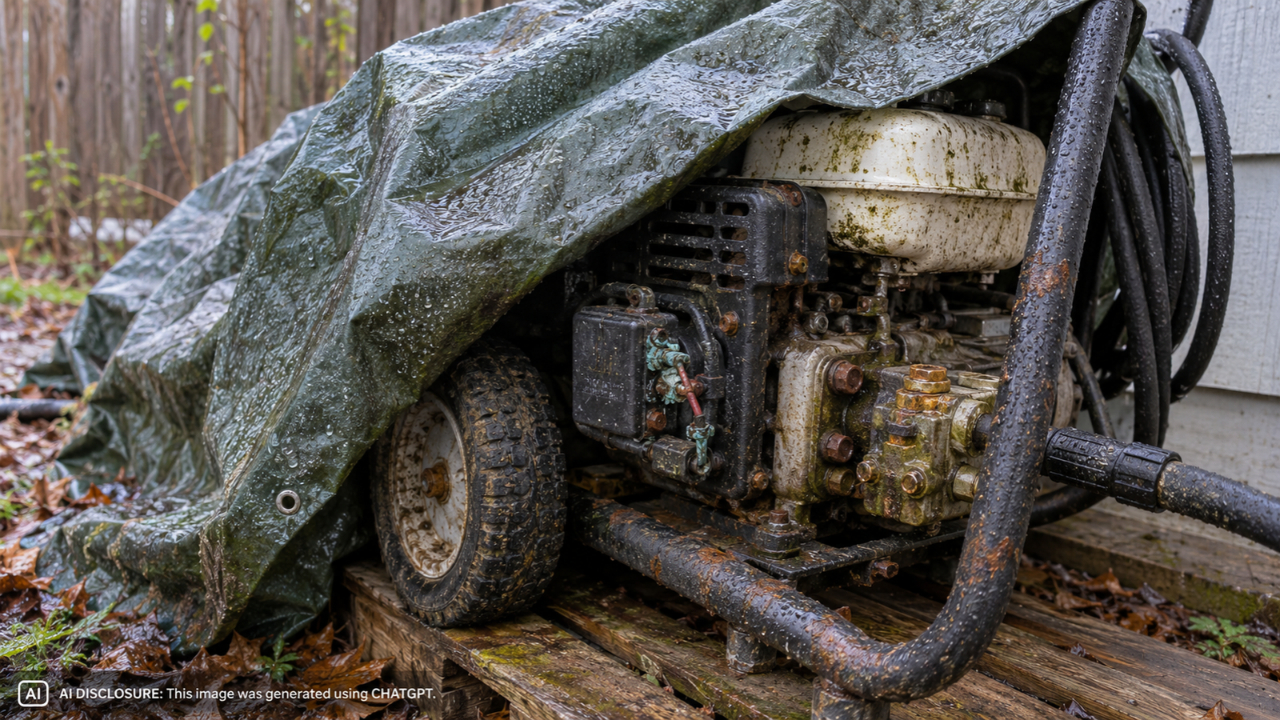
A tarp feels like protection, but it often traps moisture and turns into a condensation tent. That moisture creeps into switches, plug boots, and connectors, then corrosion sets in. You’ll see green crust on terminals, rusty fasteners, and a machine that acts haunted when it’s damp.
If the only option is outdoors, give it airflow and keep it off wet ground on a pallet. Use a fitted cover made for equipment, or rig a simple roof that blocks rain but breathes on the sides. A shed corner is better than a tarp burrito every time.
7. Ignoring The Unloader Valve And O-Rings
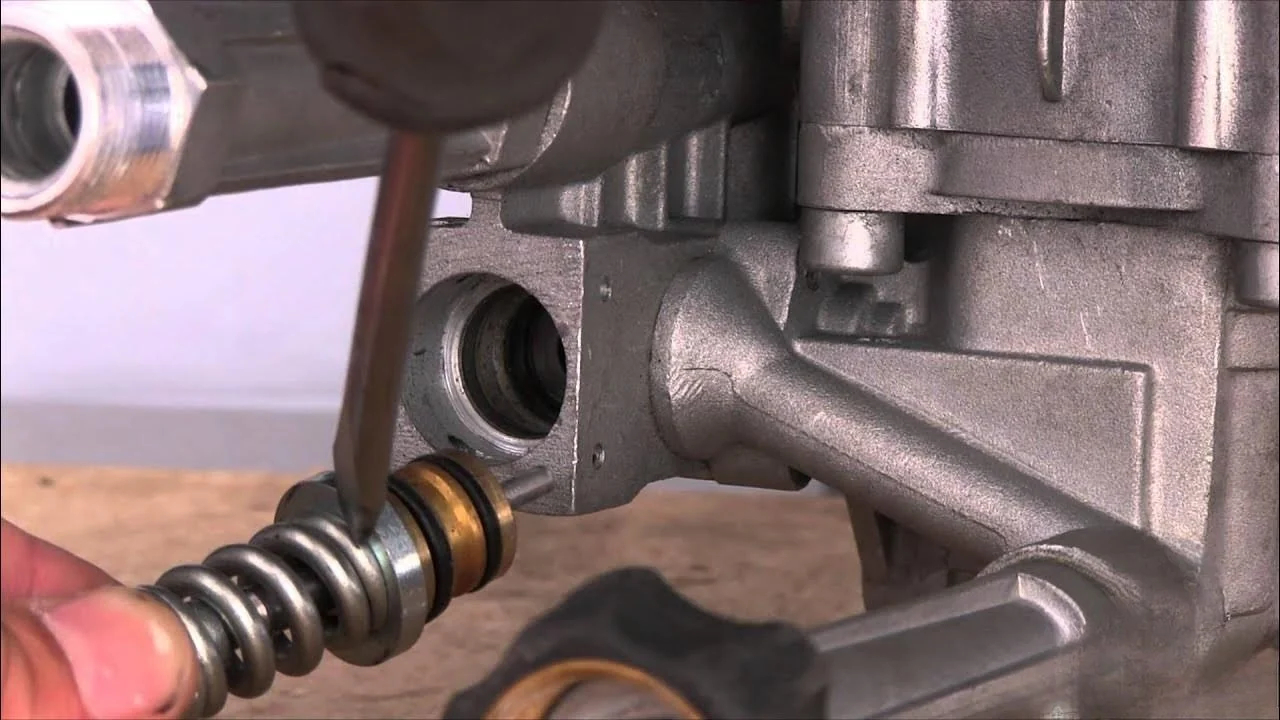
Spring startup problems aren’t always fuel. Unloader valves and small O-rings dry out over winter, then stick or leak when pressure hits. The washer will surge, scream, or pulse at the gun, and it won’t feel like steady power.
Before storage, flush clean water through the system to get soap out, then relieve pressure and disconnect. If your manual calls for pump conditioner, use it, it helps keep seals from drying out. If it’s already surging, don’t keep running it and hoping it “clears up,” you can cook the pump.
8. Leaving Detergent In The Chemical Line
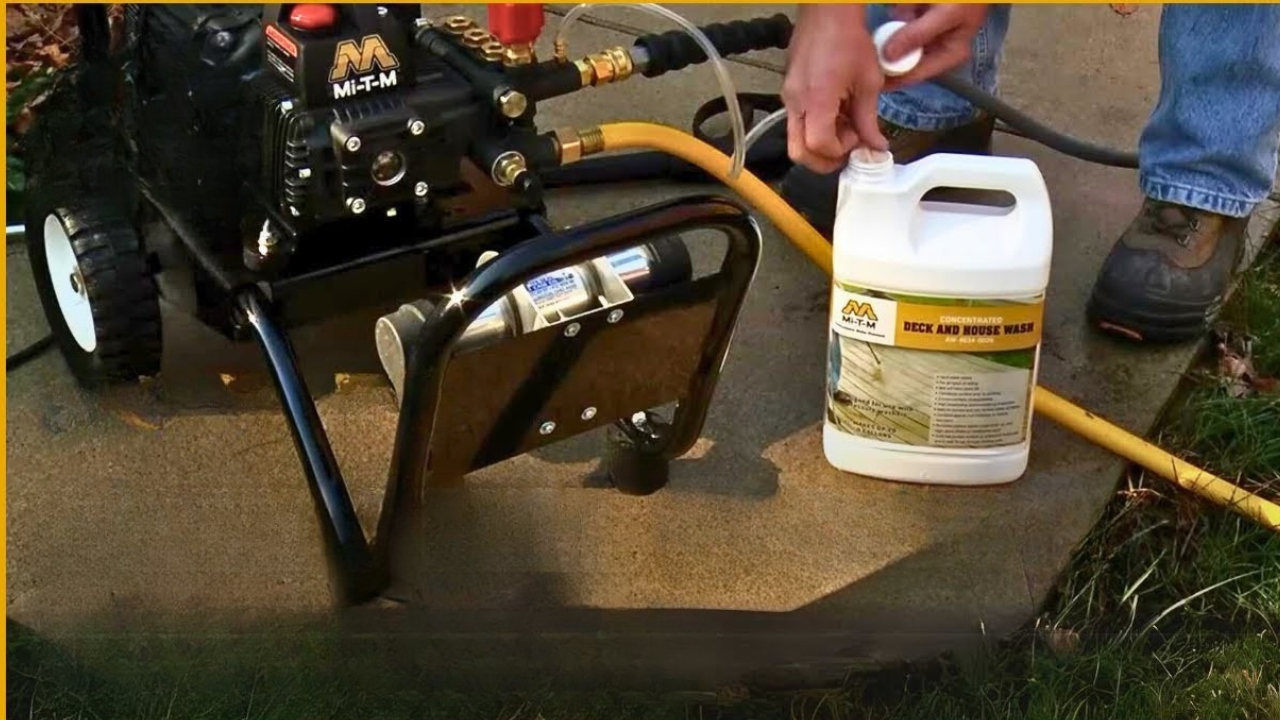
Soap left sitting in injectors and pickup lines can crystallize and clog the tiny passages. Then you fight the siphon in spring, poke at it with wire, and still can’t get detergent to draw. Sometimes it also eats at soft tubing if it sits for months.
After using detergent, drop the pickup tube in clean water and run low pressure until you’re pulling clear water again. Then drain the line and let it dry. This one takes two minutes and saves a lot of annoyance later.
9. Storing Battery Packs In Freezing Temps
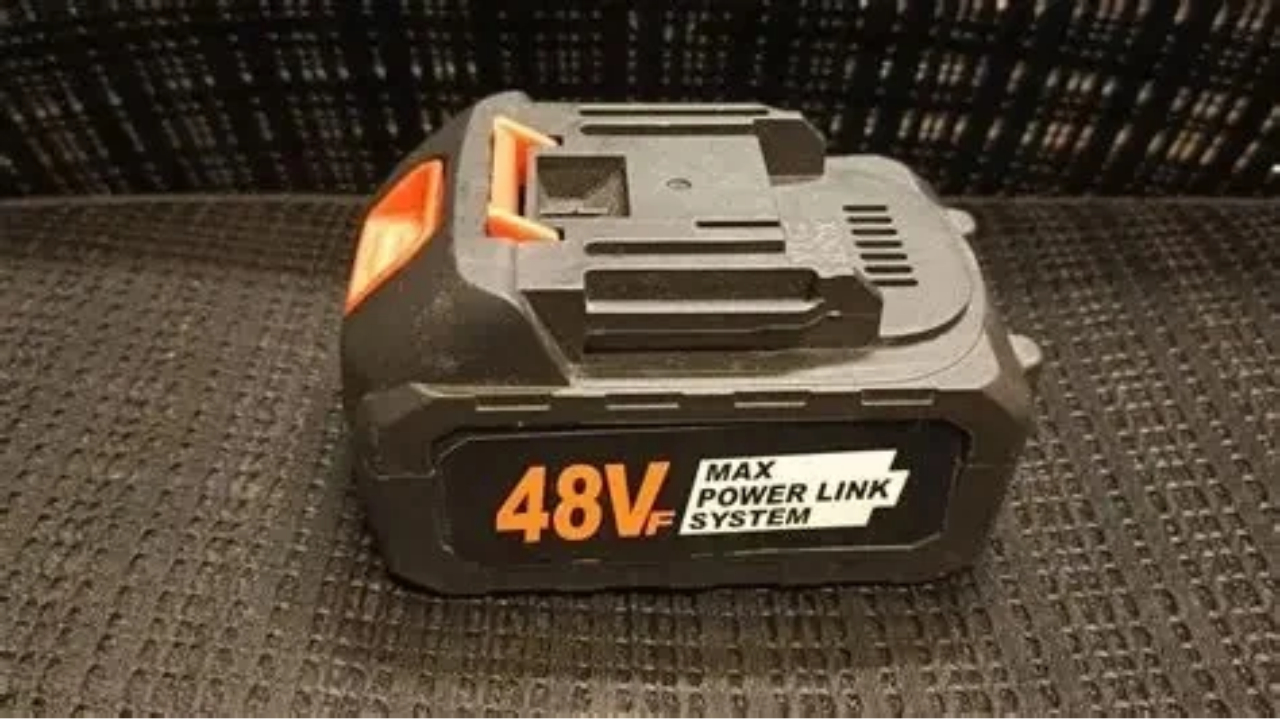
Cordless pressure washers and hybrid units are handy, but lithium batteries hate being stored dead cold for months. Capacity drops, charging gets weird, and some packs refuse to charge at all until they warm up. That’s a pricey mistake if the pack is proprietary.
Store batteries inside where it stays above freezing, ideally around half charge. Wipe the contacts and keep the pack out of direct sunlight on a windowsill. Exception: cheap lead-acid style batteries in some electric-start engines can be fine in an unheated garage if they’re kept on a proper maintainer, but they still last longer in a cool, dry place.
10. Skipping A Spring Leak Check Before Full Pressure
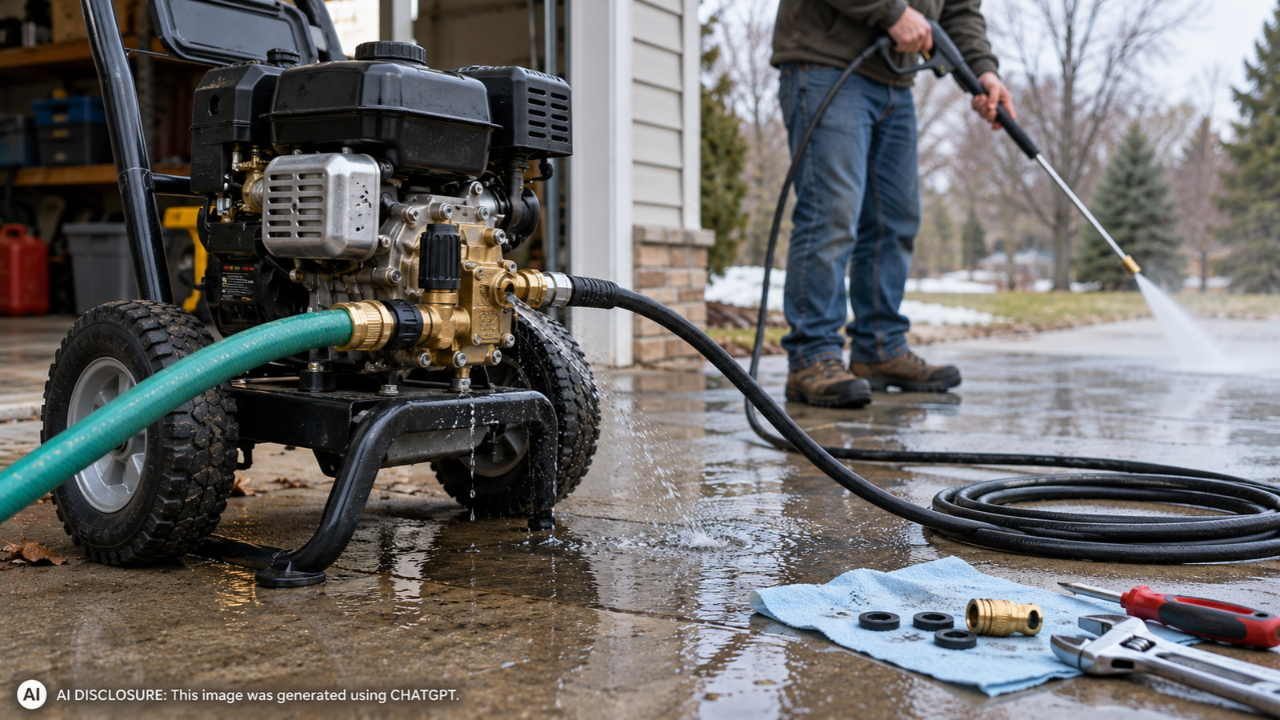
The damage often shows up the moment you hit full trigger. A frozen fitting, split hose washer, or cracked quick-connect might hold at low flow, then blow when pressure spikes. Best case, you just get soaked. Worst case, you get a whipping hose or water blasting into the engine.
First run of the season, hook up water and check for leaks with the engine off, then run at idle or low load for a minute before you start blasting. Replace flattened hose washers, they cost a few bucks and stop most drips. If you see water coming from the pump body itself, stop and price a pump or a rebuild kit before you burn up the rest of the unit.
A pressure washer doesn’t need babying, but it does need a clean, dry, unfrozen off-season. Spend a few minutes on shutdown chores when you’re already putting tools away, and spring starts feel a lot less like repairs.
Like Fix It Homestead’s content? Be sure to follow us.