
Best Battery Tools for Working in Cold Weather
Photo credit: Klymenko Mariia/Shutterstock.com
Cold makes battery tools act weird. A drill that feels strong in the shop suddenly stalls, and a saw that normally rips starts blinking lights and quitting. If you pick the right tool and treat the batteries right, you can keep working without burning through packs or snapping plastic.
1. Brushless Drill Driver With Metal Chuck
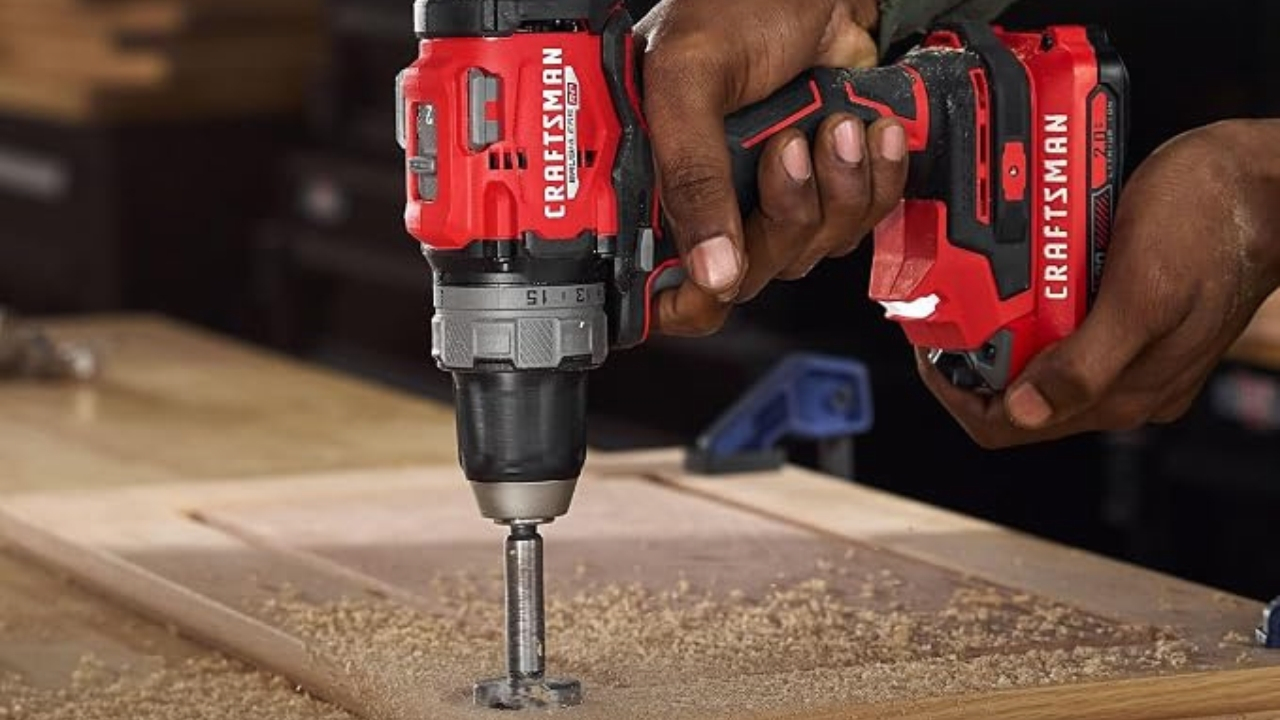
In freezing temps, brushed motors bog down faster and chew through runtime. A brushless drill driver stays steadier under load, and it wastes less power turning into heat. You also want a real metal ratcheting chuck, because cheap chucks slip more when grease thickens and your gloves reduce grip.
Look for a drill with a side handle option and a real low gear that crawls without stalling. When you’re driving structural screws into cold lumber or drilling hole saws through frozen sheathing, that control matters more than top speed. If the tool has an all-metal gear case, it usually tolerates winter abuse better than all-plastic noses.
2. Impact Driver That Still Hits In Gloves
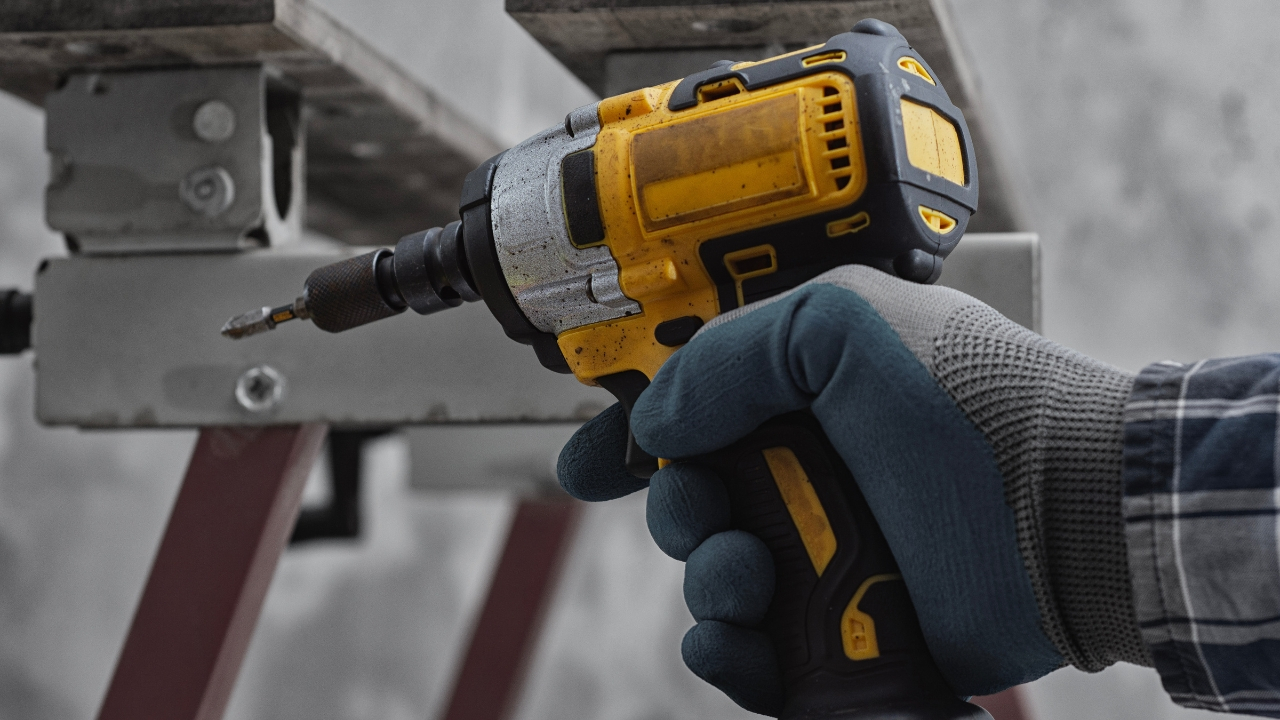
People grab a drill for everything, then wonder why it keeps camming out and killing bits in the cold. An impact driver is the better choice for long screws, ledger fasteners, and hardware when your hands are numb and you can’t keep perfect pressure on the head. The impacts do the work, so you aren’t leaning on the tool as hard.
Pick one with multiple speed modes, not just full send. Slow mode keeps you from snapping small screws in brittle, cold wood, and it helps when you’re setting Tapcons in cold masonry. A bright work light and a trigger you can feather with gloves are not fluff in January, they’re the difference between a clean job and a string of stripped heads.
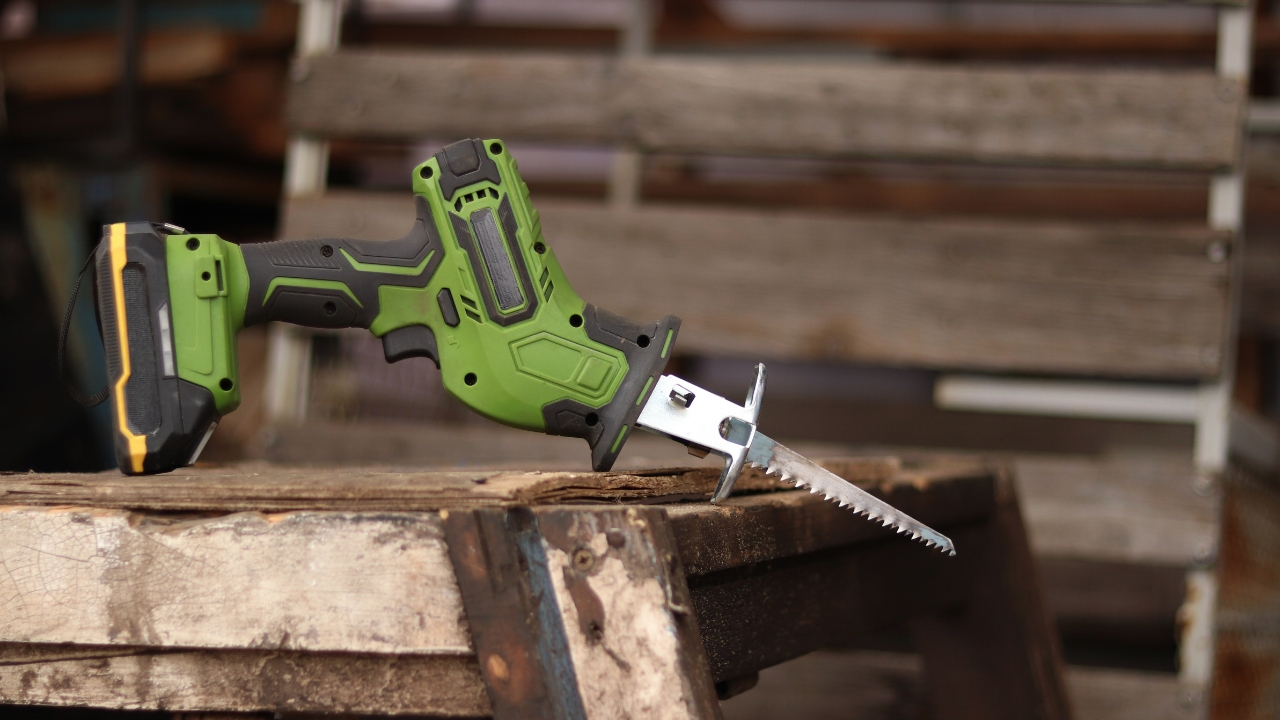
3. Compact Reciprocating Saw For Frozen Demo
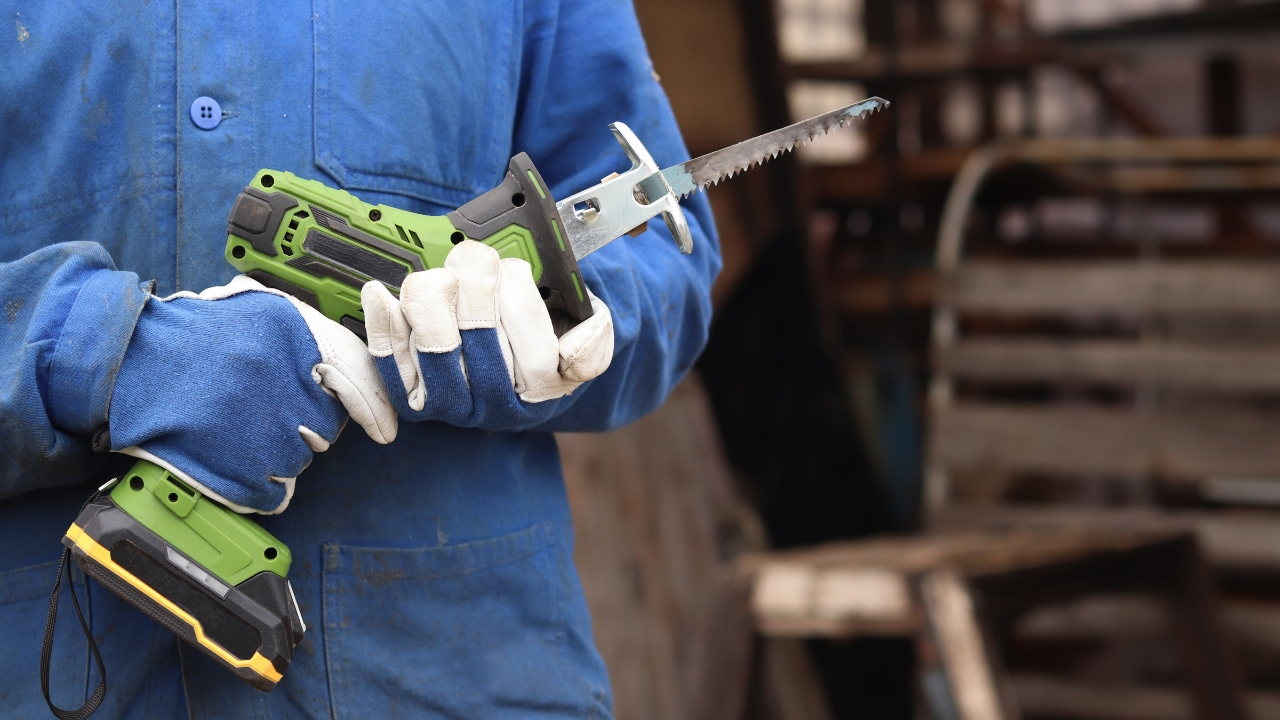
Winter is when “quick demo” turns into a fight. Nails feel like they’re welded, old boards shatter, and anything damp is heavier. A compact recip saw fits between studs, under porch steps, and behind pipes where you can’t swing a full-size sawzall, especially in a coat.
Don’t cheap out on blades. Use demolition blades for nail-embedded wood, and carry a metal-cutting blade for frozen chain link, screws, or old hangers. Keep the shoe tight to the work so the tool doesn’t chatter and beat up the front bushing. If you’re cutting near wiring or plumbing, slow down and expose the area first. Hidden lines are a year-round problem, just easier to forget when you’re rushing to get out of the wind.
4. 6-1/2 Inch Brushless Circular Saw
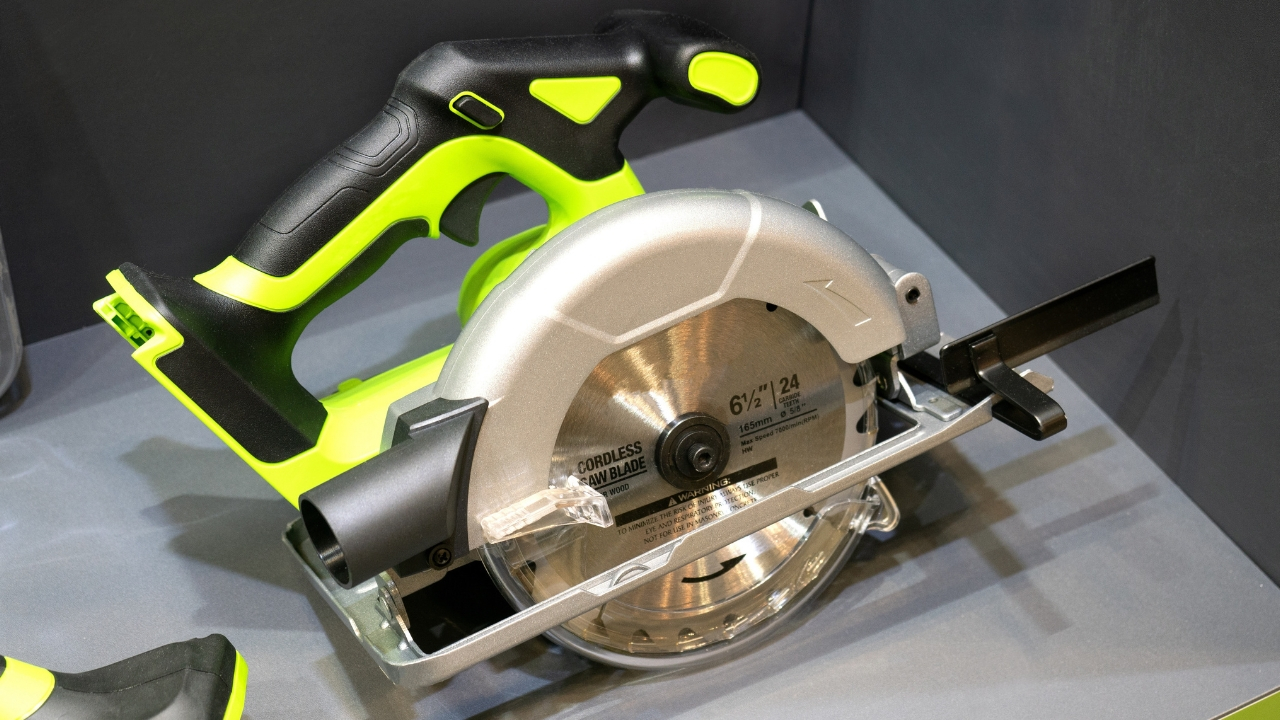
A big 7-1/4 inch cordless saw can be a battery hog in the cold, especially on thick or wet stock. A 6-1/2 inch brushless circular saw is lighter, starts easier, and still handles most homestead work like fence boards, sheathing patches, and trimming rafters. Less blade means less draw, which matters when your pack voltage sags in freezing air.
Use a sharp, thin kerf blade and let it cut at its own pace. Cold wood pinches more, and a dull blade turns into smoke fast. If you’re ripping lots of 2x in winter, this is one spot where corded still makes sense, because you can run all day without babysitting batteries.
5. SDS-Plus Rotary Hammer For Icy Masonry
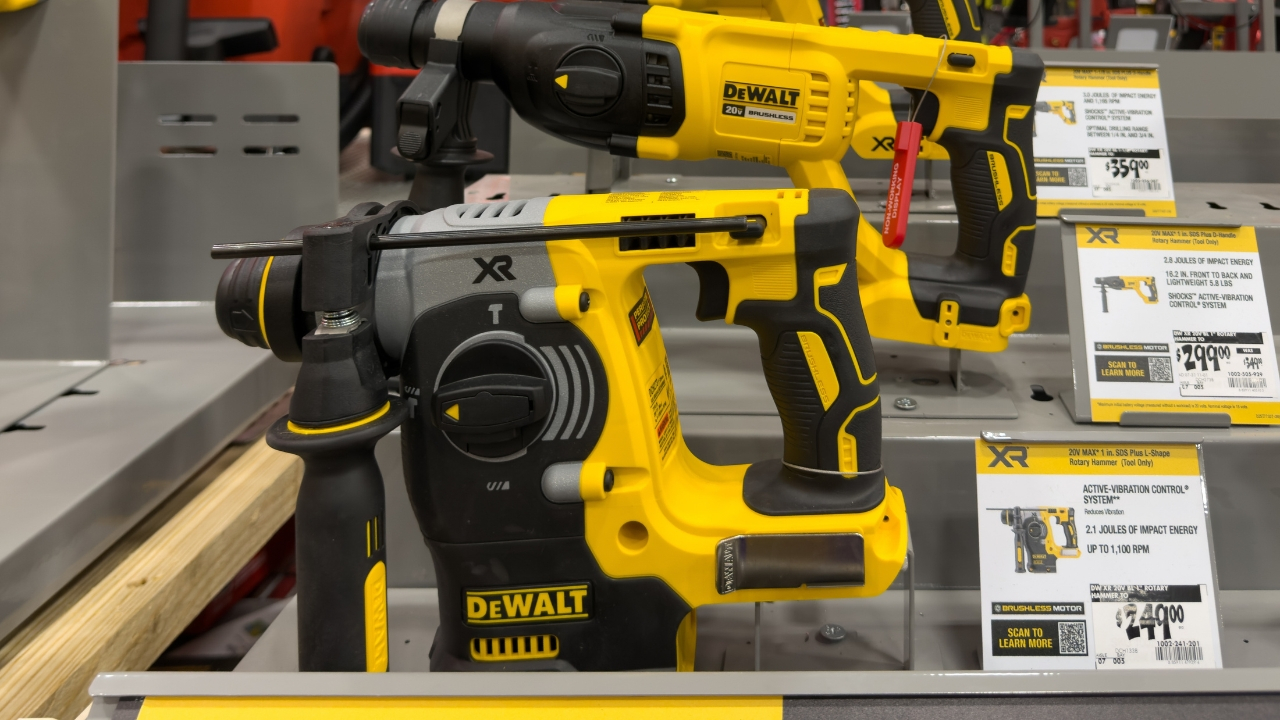
Trying to drill concrete with a standard hammer drill in the cold is a good way to waste an afternoon. When masonry is cold and hard, an SDS-Plus rotary hammer makes clean holes for anchors, tapcons, and wedge bolts without cooking your battery. It also beats your wrists up less, which matters when you’re stiff from the weather.
This tool earns its keep on barn thresholds, gate post brackets, generator pads, and fixing loose steps. Pair it with good bits and clear dust often so it doesn’t bind. If you’re drilling into a slab that might have radiant heat or lines, stop and verify first. If you don’t know what’s in that concrete, call a pro and don’t guess.
6. LED Work Light With Swappable Packs
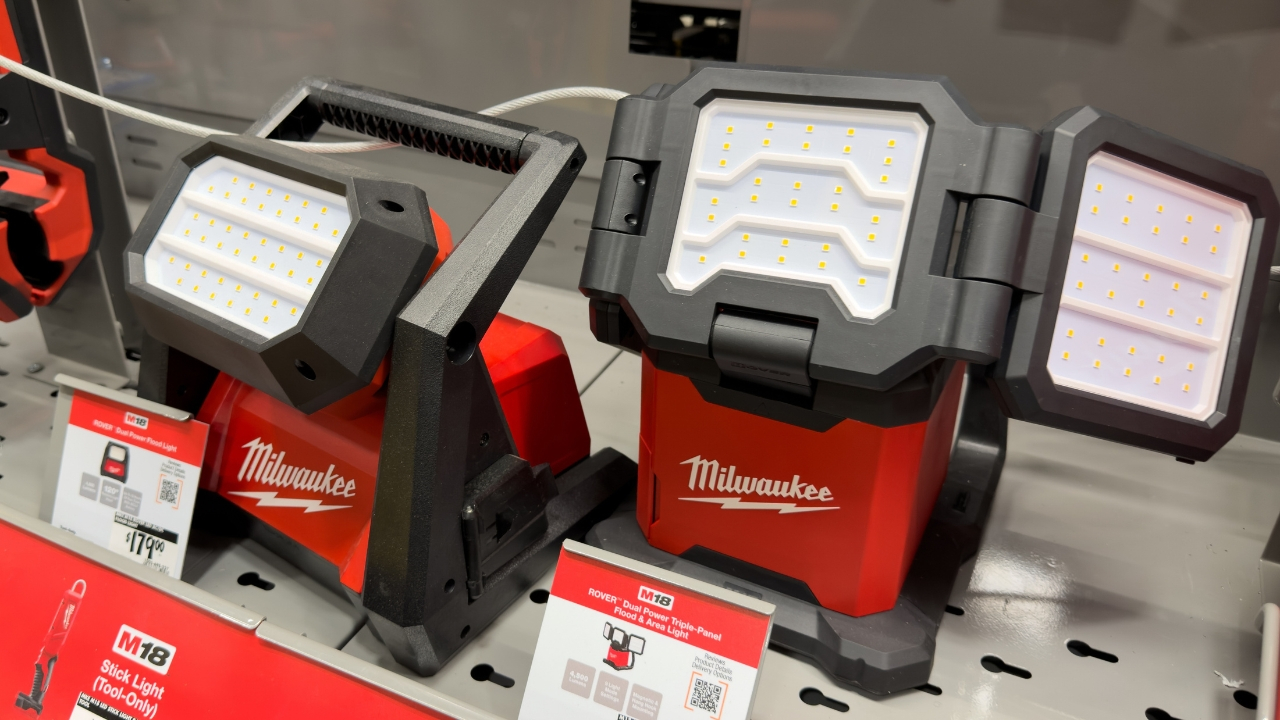
You lose daylight early, and cold makes you rush. A battery work light lets you actually see layout marks, screw heads, and blade lines, which prevents mistakes that cost wood and fingers. The best part is using the same packs as your tools so you aren’t hauling different chargers.
Choose a light that can hang, stand, and aim low for raking light. That low angle shows bumps in a patch job and gaps in a door install. Keep one pack inside your coat pocket and swap as needed. Warm batteries act like bigger batteries.
7. Heated Jacket Adapter For Battery Packs
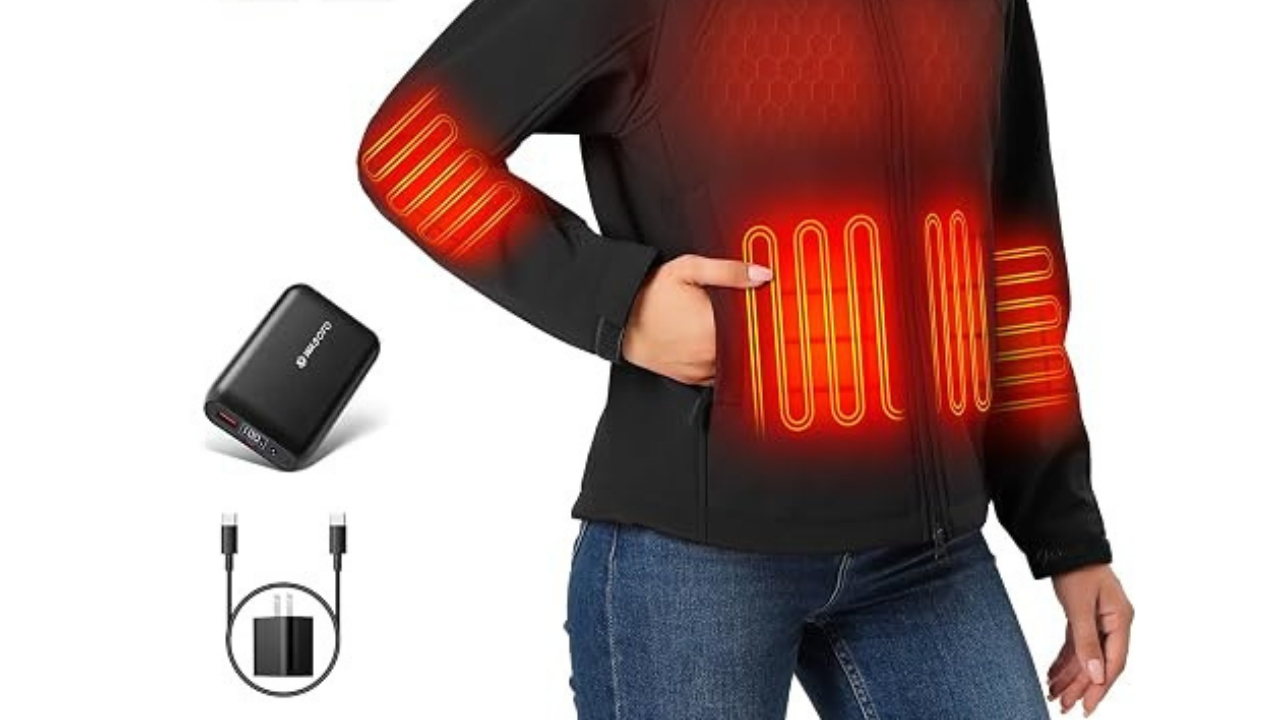
This one sounds like a gimmick until you do a long outdoor job. An adapter that powers a heated jacket or hoodie off your tool batteries can keep you working without cranking a propane heater next to sawdust. Warm you equals better decisions, and better grip.
The honest tradeoff is runtime. A heated layer will drain packs that you wanted for drills and saws, so this works best when you already own extra batteries or you’re using it while you do layout, hardware sorting, or cleanup. If you only have two packs total, skip this and put the batteries in an inside pocket instead.
8. Cold-Rated Lithium Packs, Not Old NiCad
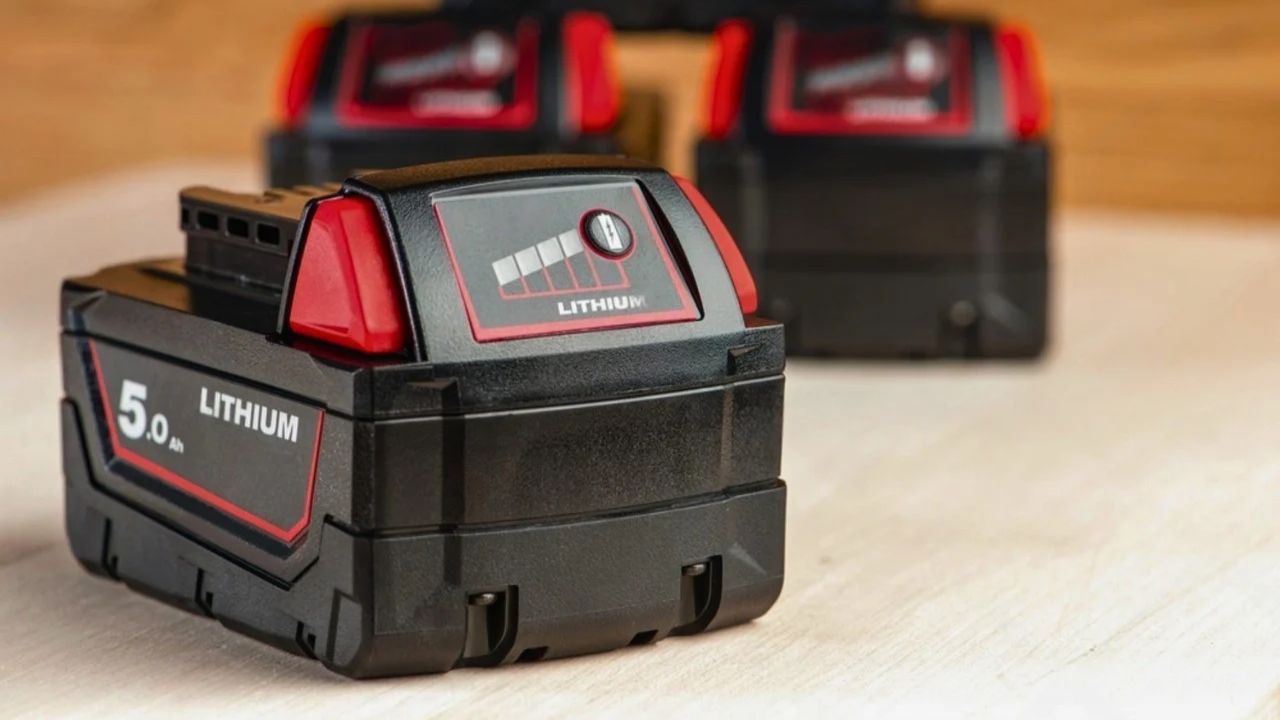
Old NiCad and bargain packs fall on their face in cold weather. Voltage drops, the tool thinks the battery is dead, and you end up cycling packs until none of them are useful. Modern lithium packs from the tool maker, the ones with decent cells and built-in protection, hold up better when the thermometer dives.
Higher amp-hour packs usually do better in the cold because the load is spread across more cells. They’re heavier, so they’re not ideal on a drill overhead all day, but they make a circular saw or blower behave. Store packs indoors and bring them out as you need them. Leaving a pack in the truck overnight is a fast way to shorten its life.
9. Rapid Charger With Fan Cooling
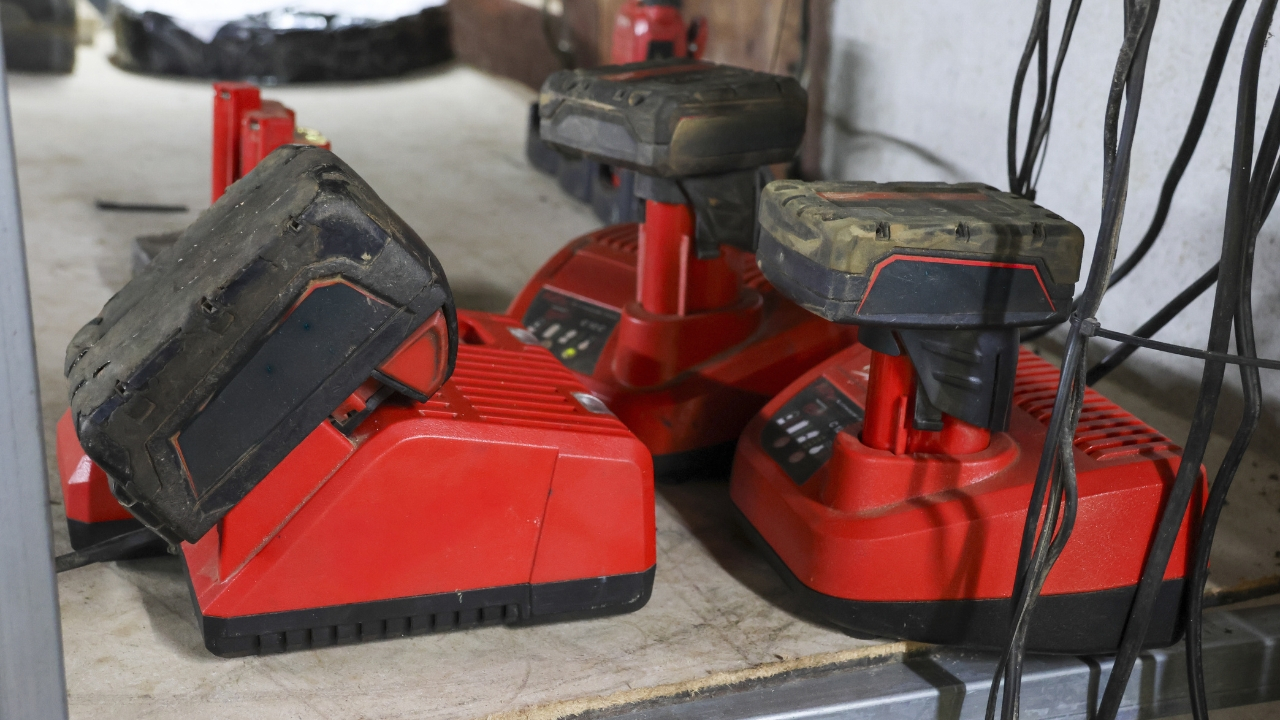
Cold batteries charge weird. You bring a pack in from outside, slap it on a basic charger, and it either refuses to charge or it takes forever. A better charger, often the “rapid” style with a fan and temperature sensing, gets you back to work without cooking the pack.
Let batteries warm up before charging if they’re below freezing. Charging a frozen lithium pack is a good way to ruin it, and the smarter chargers will block it for a reason. Set up a small charging station indoors, even on a shelf in a mudroom, and keep the cords off wet floors.
10. Rubber Overmold Tools For Drops

Cold plastic cracks. Tools get slick with gloves, you bump them off a ladder rung, and the housing that would have shrugged it off in July splits in February. A tool with thick rubber overmold and decent bumpers is simply more forgiving.
This matters most for impacts, oscillating tools, and anything you’re using on staging. If you’re rough on gear, pick the version that feels slightly bulky in the hand. That extra material is what saves it when it bounces on frozen gravel.
11. Cordless Chainsaw For Small Winter Cuts
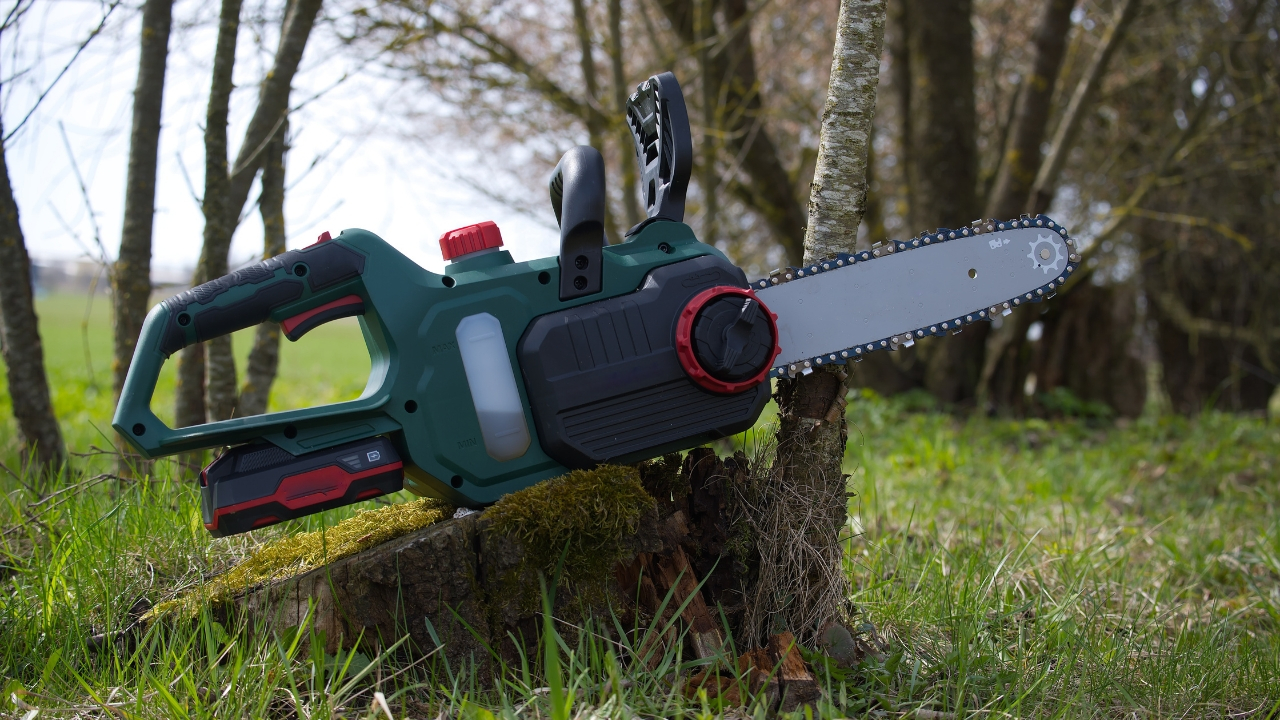
For storm cleanup and quick limb work, a cordless chainsaw is hard to beat. No carb trouble, no yanking a starter with cold fingers, and you can make a few precise cuts without firing up a loud gas saw. It’s also handy for cutting frozen firewood rounds down to stove length near the stack.
Keep expectations realistic. Battery saws are great for small to medium diameter work and short sessions, then they need a pack swap. If you’re bucking a full cord, or cutting all day in deep cold, a gas saw still wins and costs less per hour. Either way, wear chaps, eye protection, and hearing protection, and keep the chain sharp. A dull chain in frozen wood is a mess.
Winter work goes smoother when you plan around the battery, not just the task. Keep packs warm, charge them in a clean dry spot, and pick tools that don’t demand peak power every second. You’ll spend less time waiting on chargers and more time getting the job done before your fingers go numb.
Like Fix It Homestead’s content? Be sure to follow us.