10 Signs a Hawk Is Hunting Your Chickens
Photo credit: ranchorunner/Shutterstock.com
You can lose a bird fast and still not see the predator that did it. Hawks work in daylight, they learn your routine, and they’ll come back if the setup stays easy. If you catch the signs early, you can fix the weak spots with a few changes, not a whole new coop.
1. Sudden Midday Silence In The Run
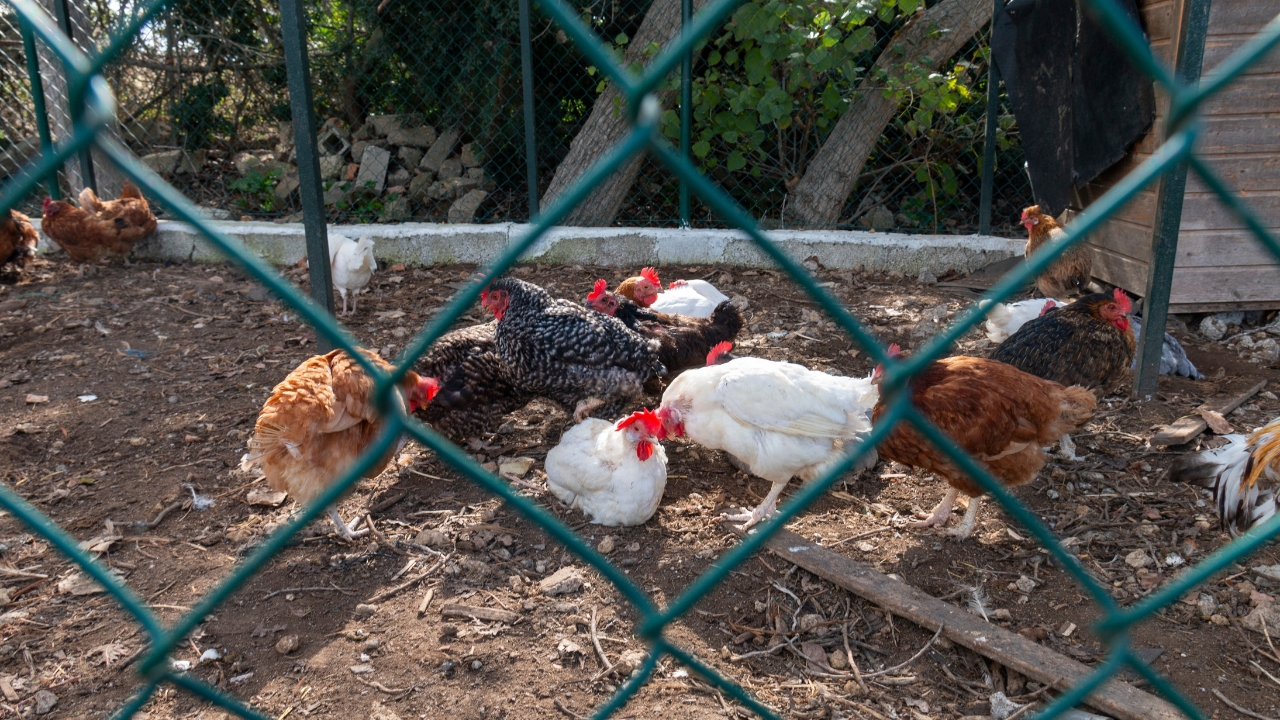
One of the first clues is how your flock sounds. If the yard goes quiet all at once around late morning or early afternoon, pay attention. Hens that normally chat, scratch, and bicker will freeze and tuck themselves tight, sometimes without making a peep.
Stand back and watch for five minutes instead of rushing in. A hawk often sits nearby and waits for movement, so commotion from you can trigger a strike. Add a few hiding spots inside the run, like a low pallet leaned against a wall, a couple sheets of plywood on blocks, or a small “table” roof made from scrap tin, so chickens can disappear fast.
2. Alarm Calls And Fast Cover Dashes
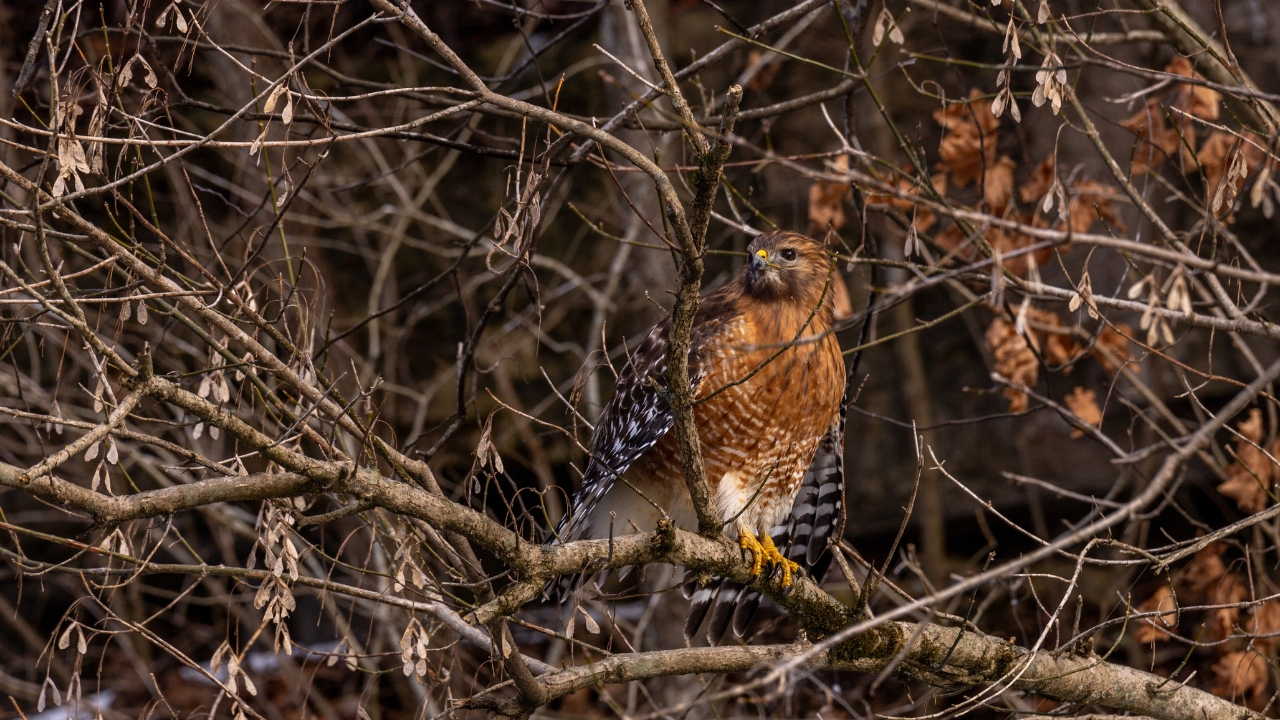
You’ll hear it before you see it, a sharp, repeated screech from the trees or a staccato cluck from the hens as they sprint under anything that casts a shadow. Some flocks have a “sentinel” hen that spots danger first and sets everybody off. That pattern, sudden panic then dead calm, is classic daytime aerial pressure.
Don’t train them to ignore that alarm by stepping outside and shooing them back into the open. Give them a reason to trust cover. A simple shade cloth stretched across part of the run works, and it doesn’t need to be fancy, just tight enough that it doesn’t flap like a flag in wind.
3. Feathers In A Clean Circle
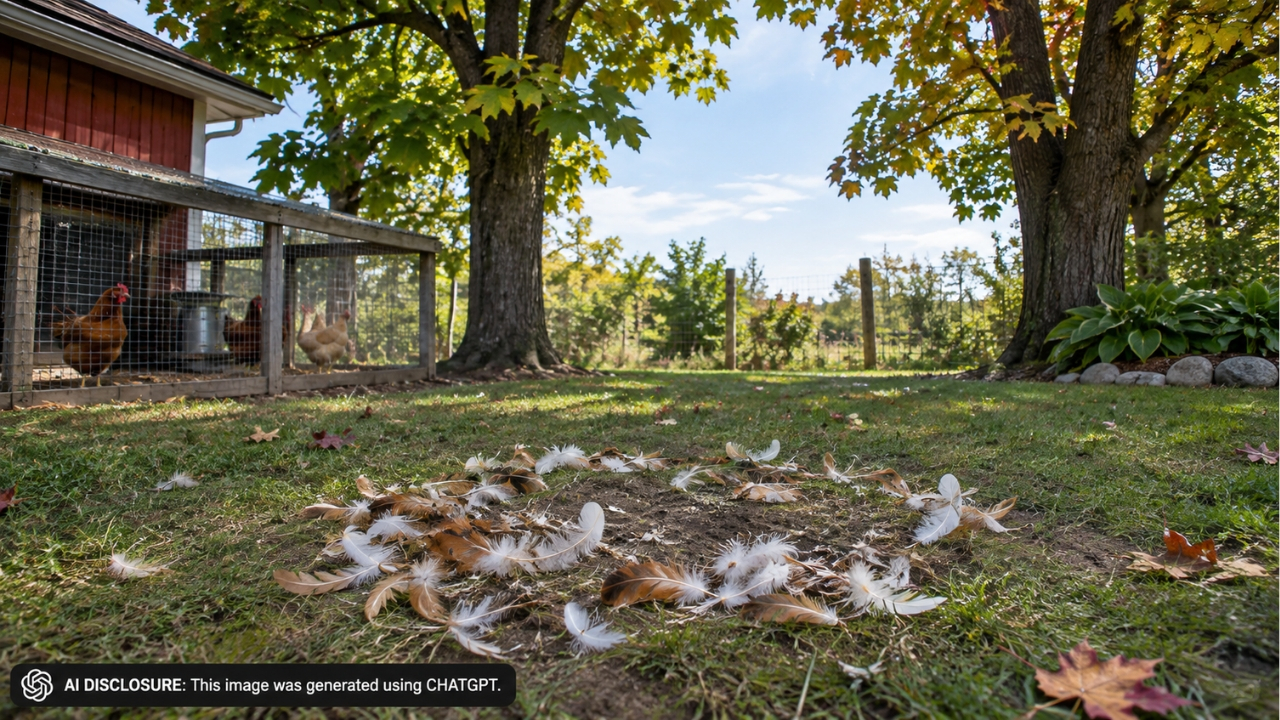
If you find a neat ring or patch of feathers, with no blood and no other mess, treat it like a crime scene. Hawks pluck. They’ll often pull feathers out in one spot before carrying prey off or starting to eat.
Mark where it happened and look up, not down. Is that spot under an open flight path, like between two maples or along the edge of a roofline? Shift your free-range area away from that lane, or block it with overhead line, netting, or a couple strands of high-visibility twine so a hawk doesn’t have a clean drop zone.
4. A Perch Tree Overlooking The Coop
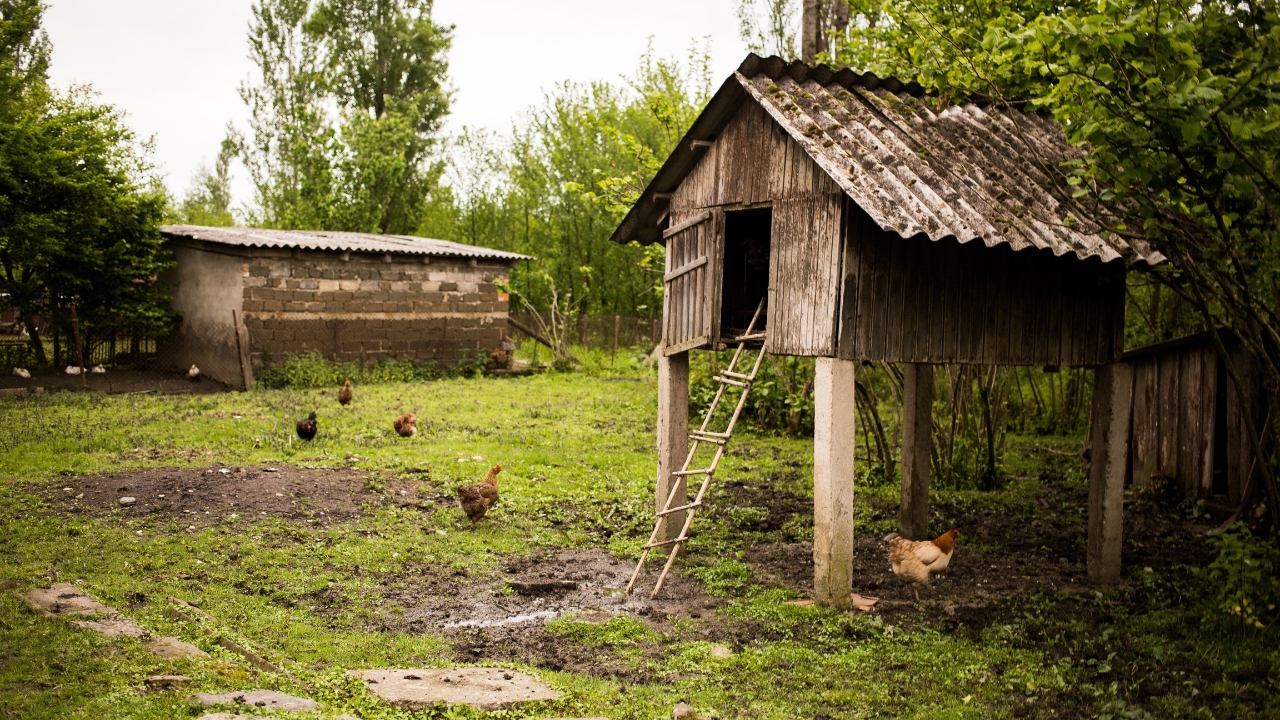
A hawk doesn’t need to be in your yard to hunt your birds. If there’s a dead limb, fence post, or barn peak with a clear view of your run, that’s a hunting stand. You’ll often see whitewash droppings on the ground or splattered on the post below it.
Trim what you can safely reach from the ground. Anything higher than that is worth a call to a tree service, because ladder work with a chainsaw goes bad in a hurry. If removing the perch isn’t realistic, block the sightline with a tarp panel, reed fence, or even stacked hay bales for the season.
5. Daytime Visits At The Same Hour
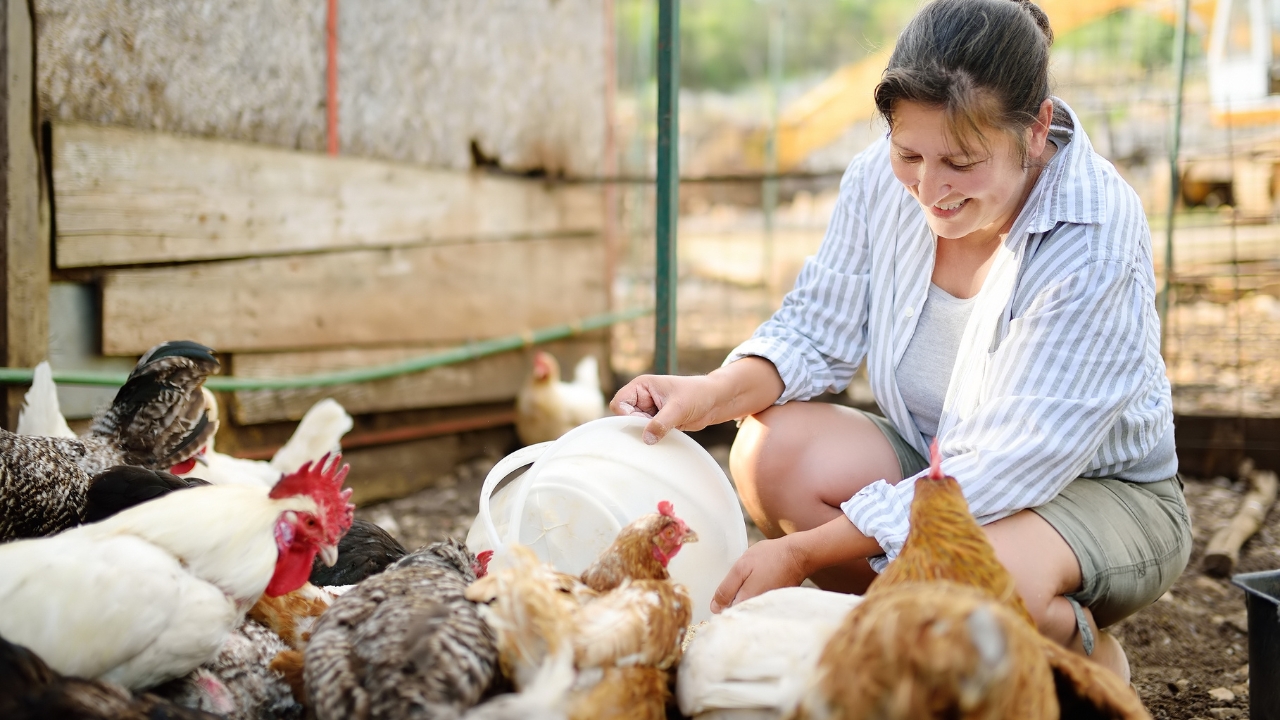
Patterned hits usually mean the hawk has learned your routine. If the flock goes out at 8, scratch gets tossed at 5, and nobody is outside from 11 to 3, a smart predator figures out when the yard is least supervised.
Break the schedule for a week. Let them out later, feed inside the run, and do the “fun stuff” like treats under cover instead of out in the open. Motion lights don’t do much in full sun, but a rotating sprinkler on a timer can discourage a low glide over the grass if you’re home and can monitor it.
6. Missing Birds With No Ground Clues
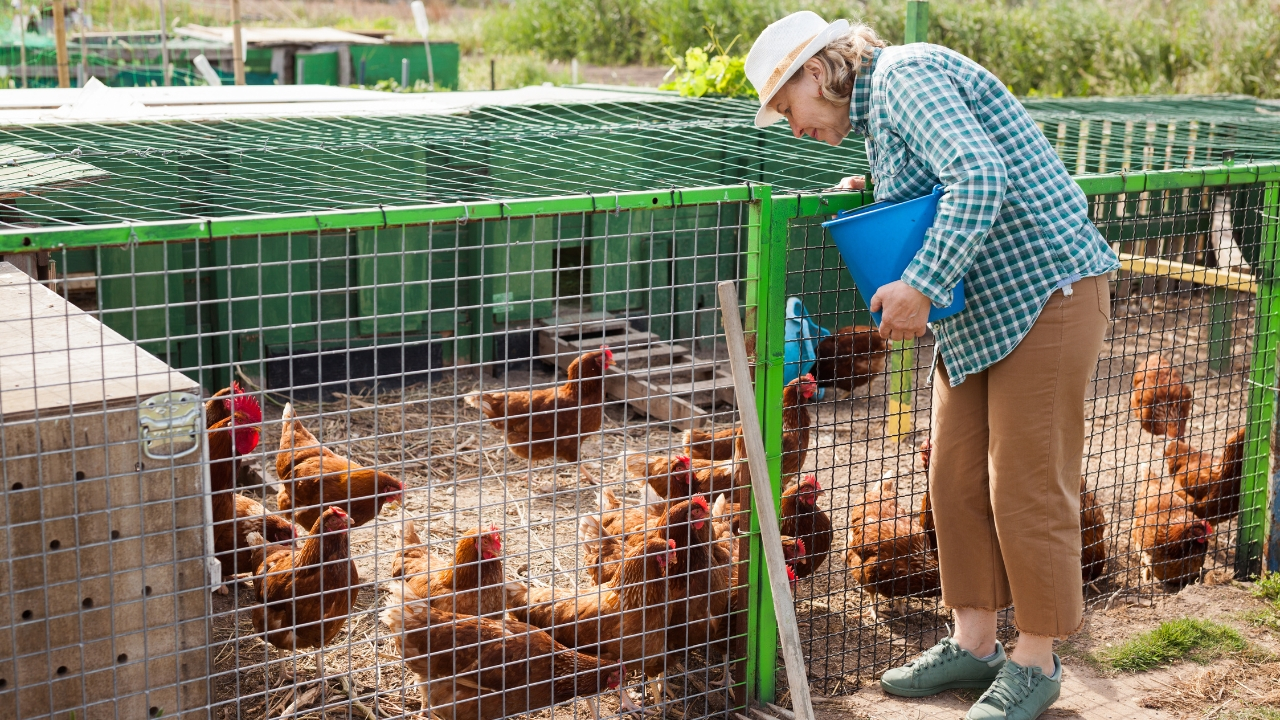
Raccoons and foxes leave obvious sign, torn wire, digging, tracks in mud, a mess near the coop. A hawk can take a smaller bird and leave you with almost nothing, especially if your yard backs to woods. You go out, count heads, and one is just gone.
Don’t assume it was stolen or that the bird “wandered off” if your fencing is solid. Tighten your management instead. Keep younger birds and bantams under a covered run until they’re bigger, and don’t let a flock free-range on days with strong wind, because gusts help raptors glide and surprise.
7. Birds Hiding Under Vehicles And Porches
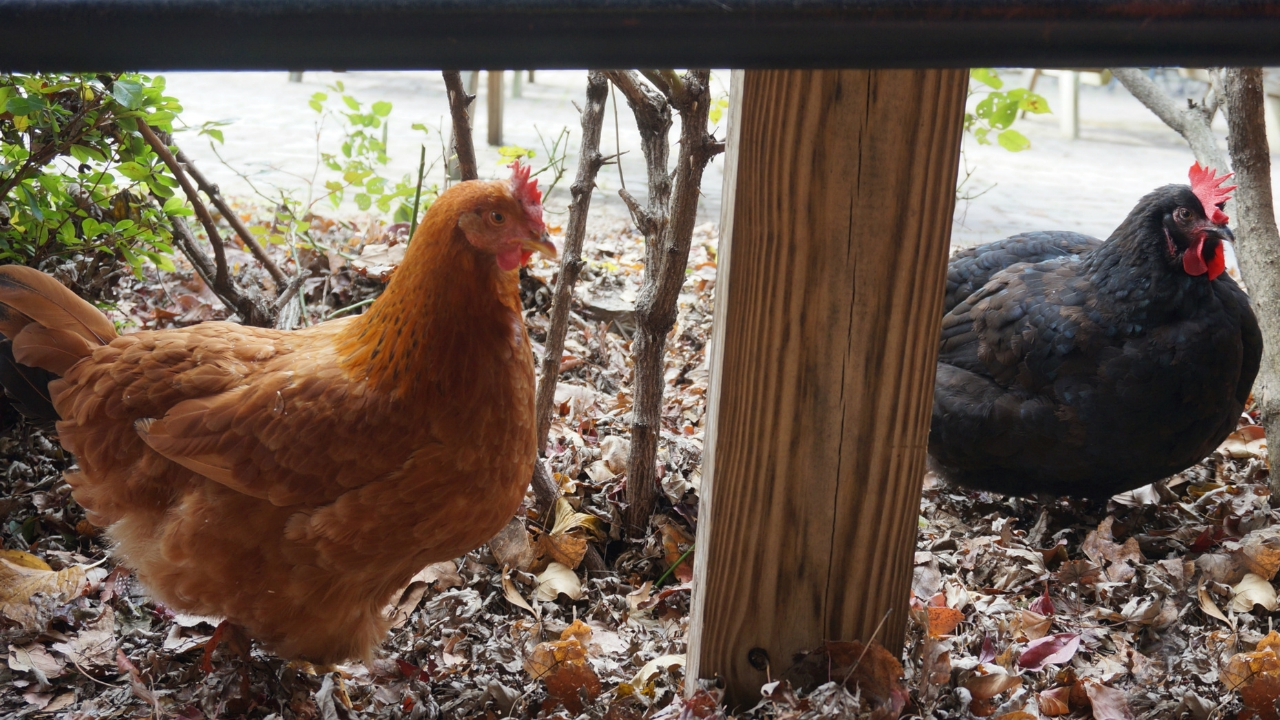
If chickens start living under the truck, the deck, or the porch steps, they’re telling you the open yard feels unsafe. They’ll pick ugly, dirty places if those spots have a roofline and a quick escape route. That habit also sets you up for crushed toes, oil drips, and a bird that won’t come when you need to lock up.
Give them better shelter where you want them. A cheap lean-to made from cattle panels and a tarp, staked tight, beats hiding under a car. Place it halfway between the coop and their favorite foraging area so they don’t have to cross a wide open stretch.
8. Straight-Line Shadows Across Open Ground
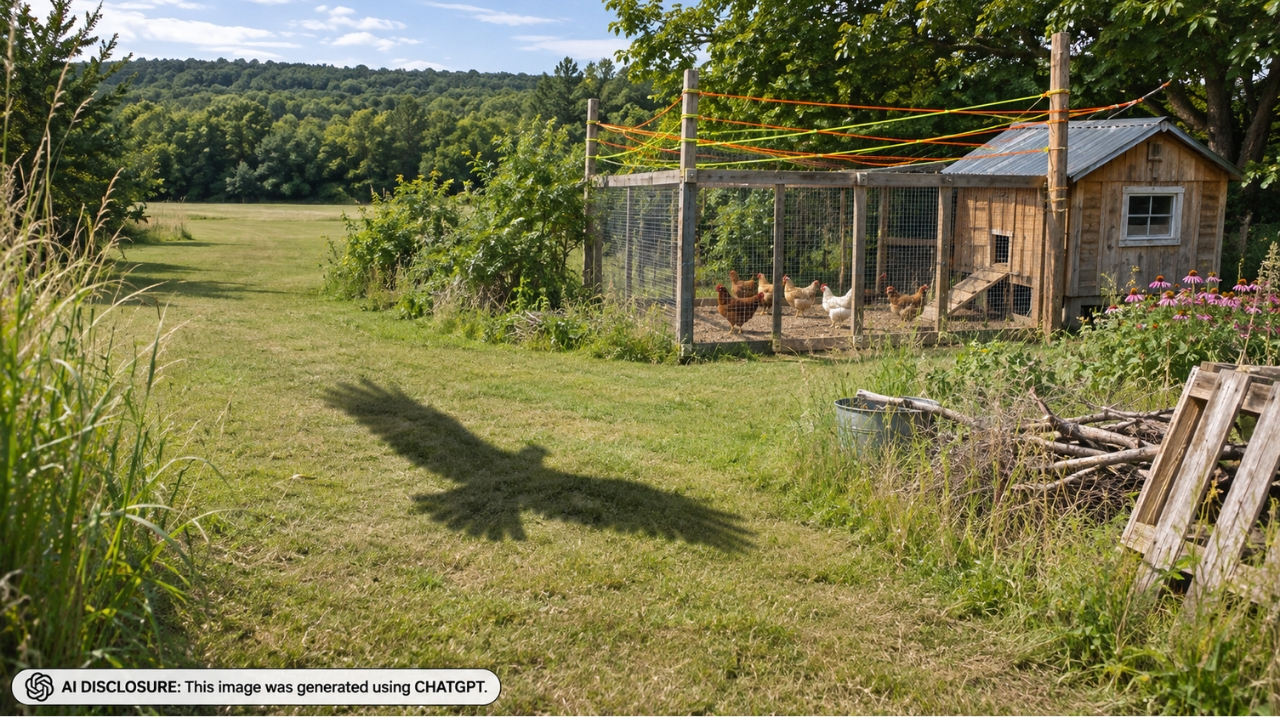
Do you have a big, clean runway from a tree line to the run, or from a ridge to your yard? Hawks like a straight approach, low and fast, with a last-second flare. Tall grass, brushy edges, and clutter interrupt that.
This is one of the rare times the cheap option is fine. A few strands of bright paracord or mason line crisscrossed overhead can make a hawk hesitate, and hesitation is often enough. It won’t stop a determined bird like netting will, but it’s a quick test before you spend more money.
9. Fresh Talon Marks On Feed Lids
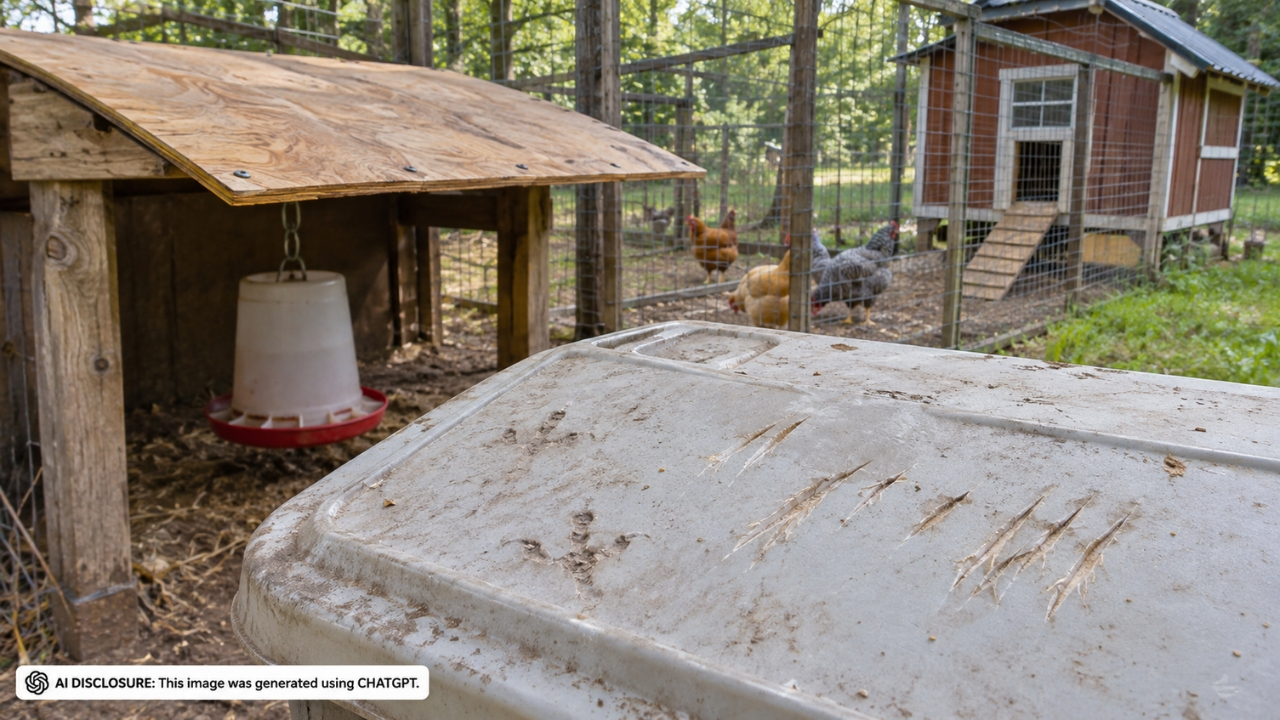
This one surprises people. Hawks sometimes land on the top of a feeder, a brooder pen, or a low coop roof to scope things out. If you see new scratches on plastic lids, shallow gouges in soft wood, or muddy toe marks on a flat surface near the run, you’re getting close-range visits.
Stop giving them landing pads. Angle the tops with scrap plywood so there’s no flat spot, or add a short row of screws from the underside so the points stick up just enough to discourage perching without creating a hazard for you. Put your feeder under cover too, because feed activity pulls birds into the open at the worst times.
10. Attacks During Molt Or After A Coop Move
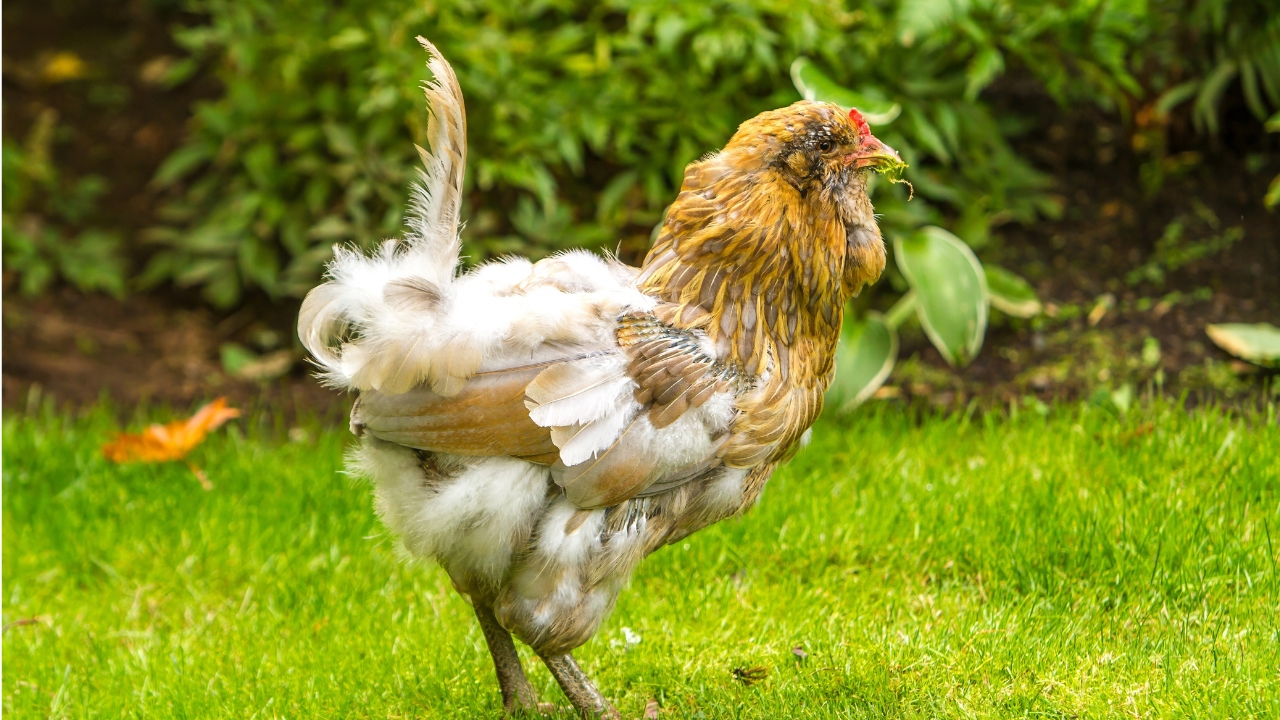
The worst timing is when your birds are already stressed. During molt, they’re slower and spend more time standing around, and bare patches make them look smaller from above. After you move a coop or change the run, chickens act lost for a few days and don’t use cover the way they should.
Plan for that vulnerable window. For a couple weeks, keep them in a covered run during peak daylight and hang a few extra visual breaks like old sheets, shade cloth strips, or broom heads tied to a line. If you’re already losing birds and you can’t build overhead protection quickly, it’s worth buying premade poultry netting and getting it up in an afternoon.
Once a hawk has a successful hunt, it’ll keep checking back, sometimes for weeks. The fixes that work best are the boring ones, overhead cover, broken sightlines, and fewer wide-open areas where a bird has nowhere to go. After you change the setup, keep watching at the same times of day, because the yard will get quiet again if the pressure returns.
Like Fix It Homestead’s content? Be sure to follow us.