Winterizing a Small Homestead: A Complete Checklist
Photo credit: Vyktoryia/Shutterstock.com
Winter on a homestead is mostly decided in October and November. If water keeps running, animals stay dry and out of the wind, and there’s seasoned wood stacked by the door, a cold snap is just a cold snap. Miss one of those, and it turns into a long night with a hair dryer in the pump house.
This checklist gets a small homestead ready for winter. It’s grouped by what matters most: water first, then animals, heat, equipment and the house. Each section links to a full guide when you need the details.
1. Water: keep it running
Water is the first thing that fails in a freeze and the last thing you can do without. Start here.
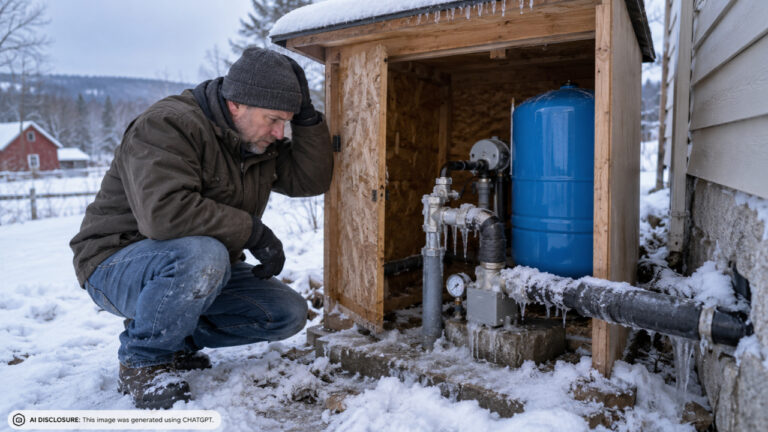
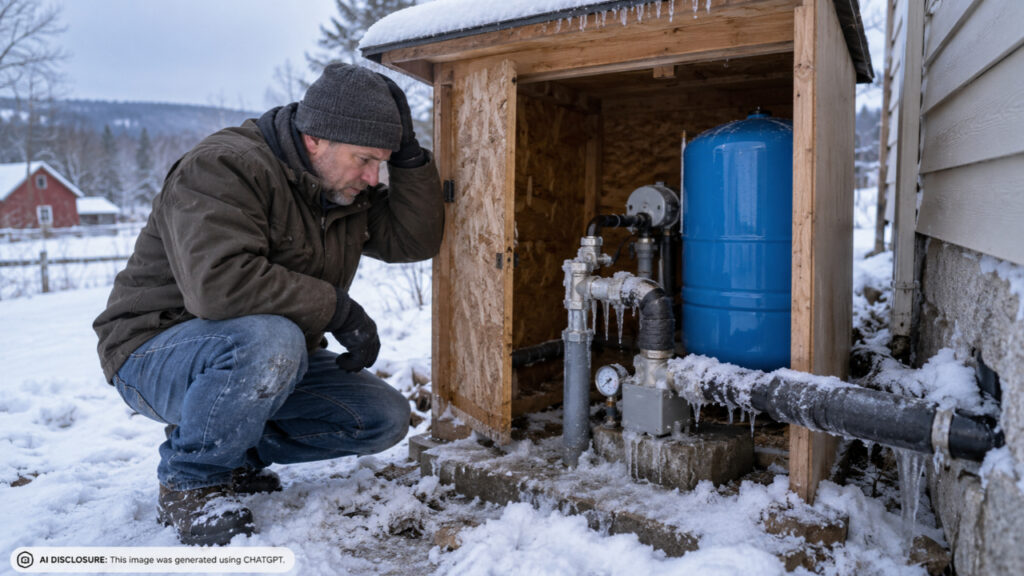
- Insulate the pump house, exposed pipes, pressure tank and pressure switch. Full guide: how to keep a well pump from freezing.
- Add a thermostat-controlled heater or self-regulating heat cable where the pump needs it. No heat lamps.
- Disconnect and drain garden hoses. Shut off and drain outdoor spigots that aren’t frost-free.
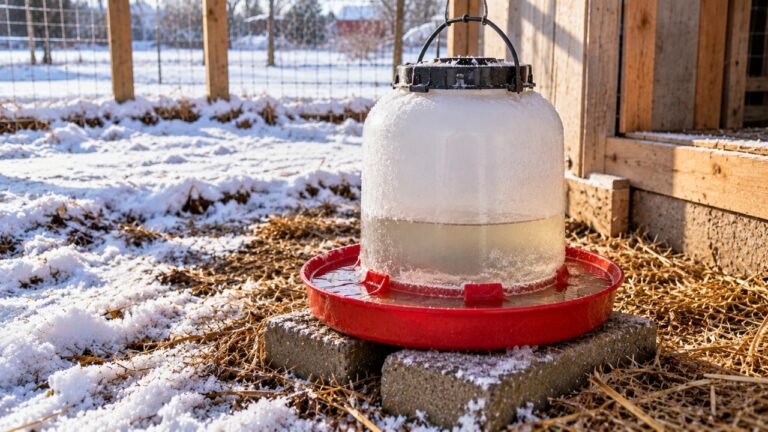
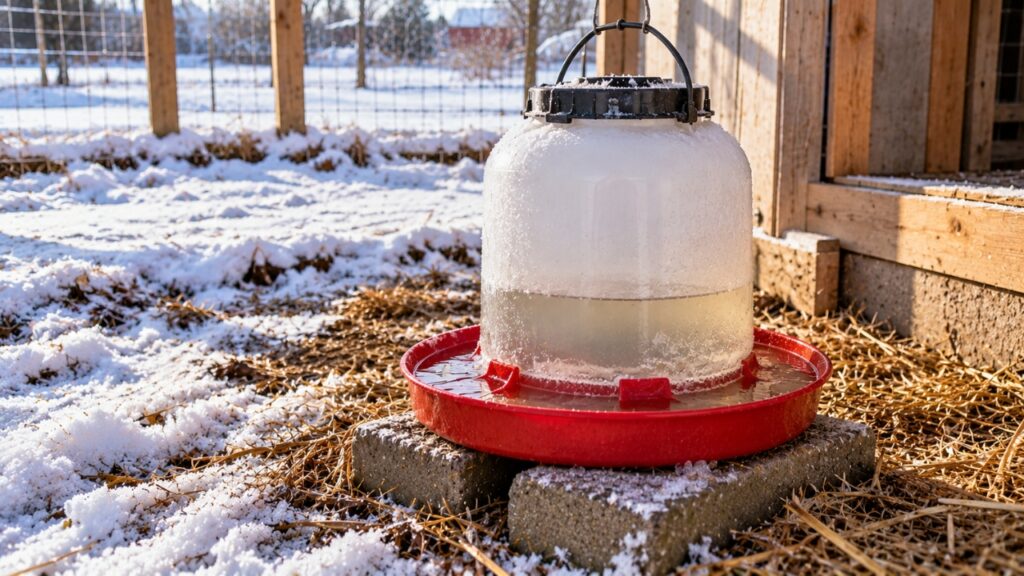
- Set up heated waterers for the chickens. Full guide: how to keep chicken water from freezing.
- Put tank heaters or de-icers in livestock troughs, rated for the tank you have.
- Store a few days of drinking and animal water in case the power goes out.
2. Animals: dry, out of the wind, and fed
Chickens
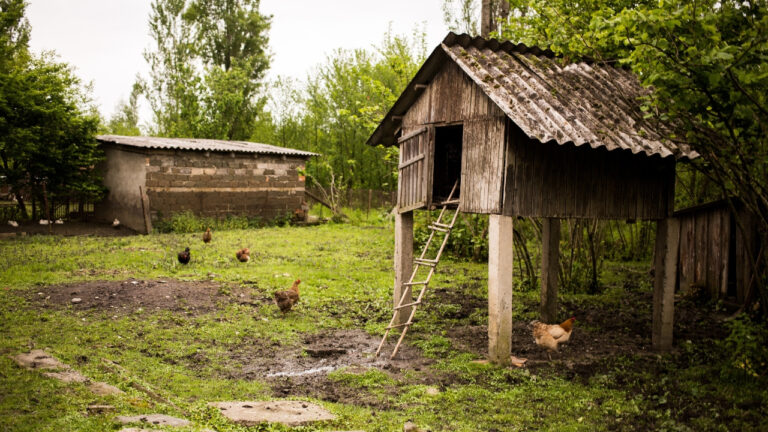
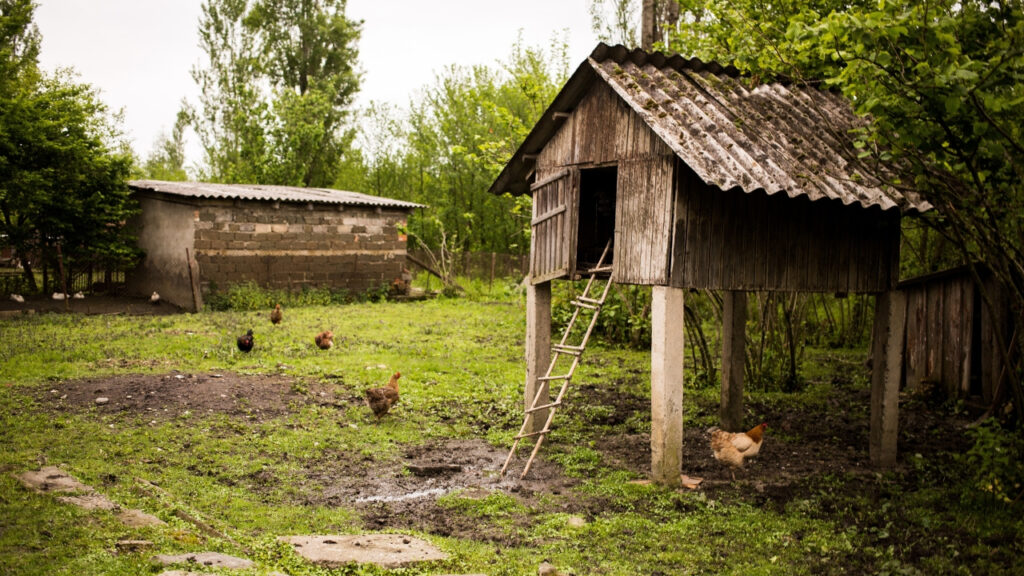
- Vents open up high, drafts sealed at roost level, dry bedding. Full guide: how to winterize a chicken coop.
- Predator-proof doors and windows. Winter predators are hungrier and bolder.
- Skip the heat lamp. Most cold-hardy breeds don’t need it, and it’s a fire risk.
Pigs and other livestock
- Pigs have little hair and feel the cold more than people expect. Give them a draft-free shelter and a deep bed of dry straw they can burrow into.
- Set up a windbreak on the side that takes the worst weather.
- Livestock eat more in cold weather to stay warm. Stock up on feed and hay before roads get bad.
- Check water at least twice a day when it’s below freezing.
Dogs and cats
- Outdoor animals need an insulated, raised shelter out of the wind with dry bedding.
- Use heated bowls or check water often.
- Keep antifreeze locked away and clean up spills right away. It’s sweet and deadly to pets.
3. Heat: wood, chimney and safety
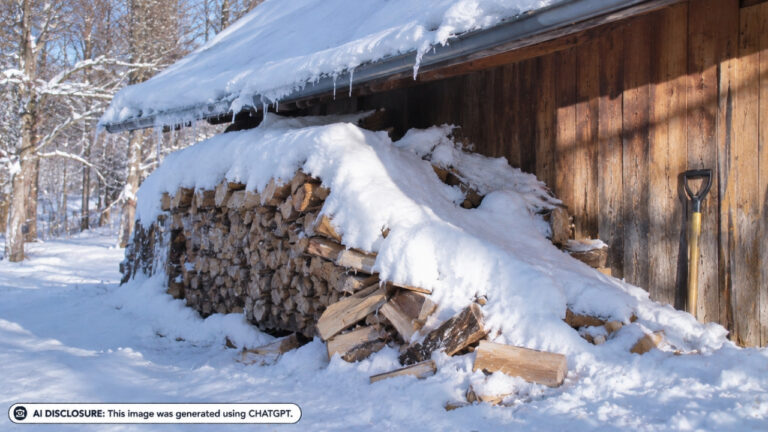
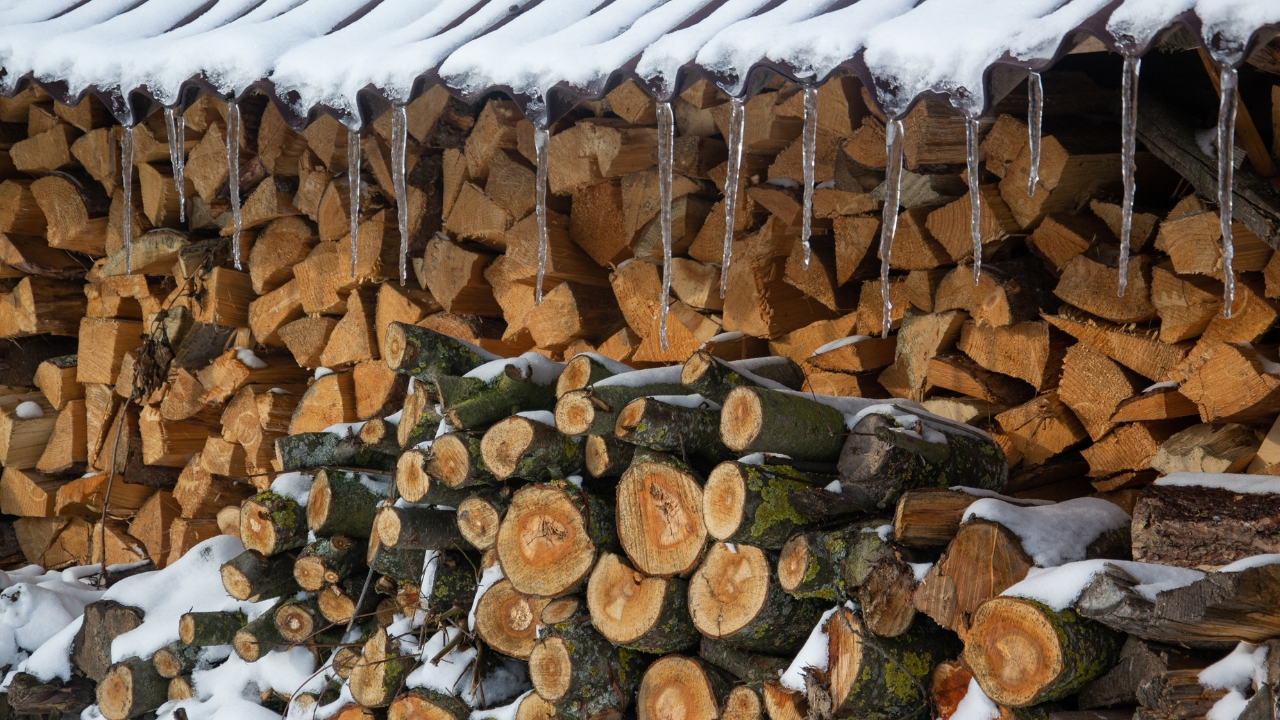
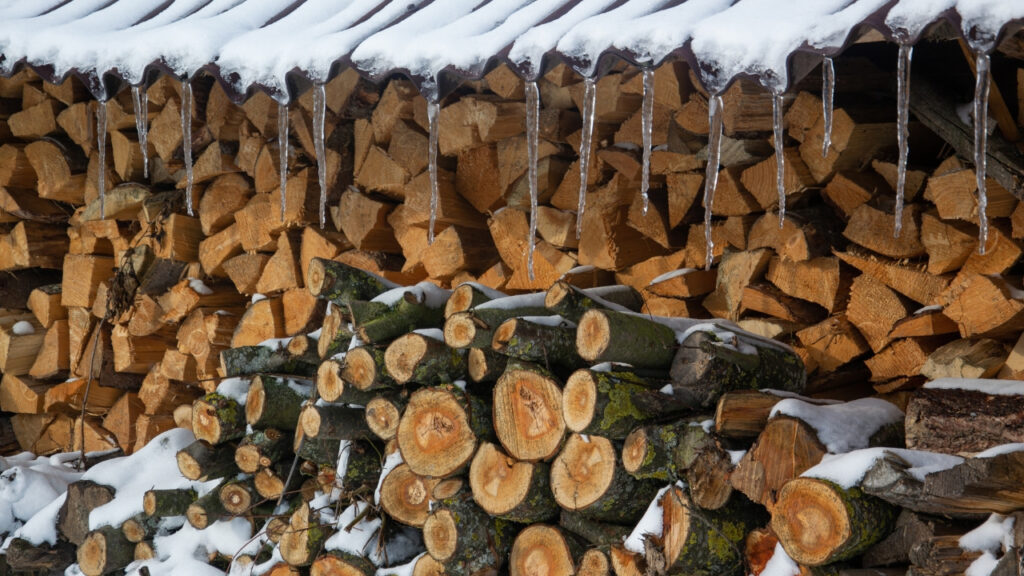
- Have enough seasoned firewood under cover for the whole winter, plus extra. Full guide: how to season firewood fast.
- Get the chimney inspected and swept before the first fire of the season.
- Test smoke detectors and carbon monoxide detectors, and replace batteries.
- Keep a fire extinguisher near the stove and know how to use it.
- Clear a path to the woodpile that you can shovel easily after a storm.
4. Equipment: mowers, tractor, generator
- Add fuel stabilizer to gas in mowers, trimmers and the log splitter, and run the engine a few minutes so it reaches the carburetor. Or run them dry if you won’t use them until spring.
- Change the oil and clean the deck on mowers before storing them.
- Put a battery tender on the tractor and any equipment you’ll start in the cold.
- Check the block heater and tire pressure on the tractor if you use it for snow.
- Test the generator under load. Check whether it can actually run your well pump.
- Stock up on oil, shear pins, and extra fuel in approved cans.
5. The house
- Seal drafts around doors and windows.
- Insulate pipes in crawl spaces and exterior walls.
- Clean gutters so melting snow drains away instead of forming ice dams.
- Know where your main water shutoff is, and make sure everyone in the house can find it.
6. When the power goes out
- Flashlights, headlamps and extra batteries where you can find them in the dark.
- A few days of food that doesn’t need cooking, plus a way to cook if it does.
- First-aid supplies, prescriptions and pet medications on hand.
- A plan for keeping animals watered without power.
Printable winter homestead checklist
- Pump house, pipes and pressure switch insulated
- Safe heat source in the pump house
- Hoses disconnected, spigots drained
- Heated waterers set up and tested
- Coop ventilated, drafts sealed, bedding dry
- Livestock shelter, straw and windbreak ready
- Feed and hay stocked
- Firewood seasoned and covered
- Chimney swept, detectors tested
- Small engines stabilized or emptied
- Generator tested
- Emergency water, food and lights ready
Work through it in October and you’ll spend winter fixing small things instead of big ones.