10 Reasons a Dog Will Not Stop Barking at Night
Photo credit: Tymoshenko Olga/Shutterstock.com
Night barking turns a normal house into a sleep deprivation project. You hear the first volley, then the pause, then the next one, and you start doing the 2 a.m. shuffle between windows and doors. The fix usually isn’t yelling, it’s finding the one thing setting your dog off and changing it.
1. Wildlife Working Your Yard After Dark
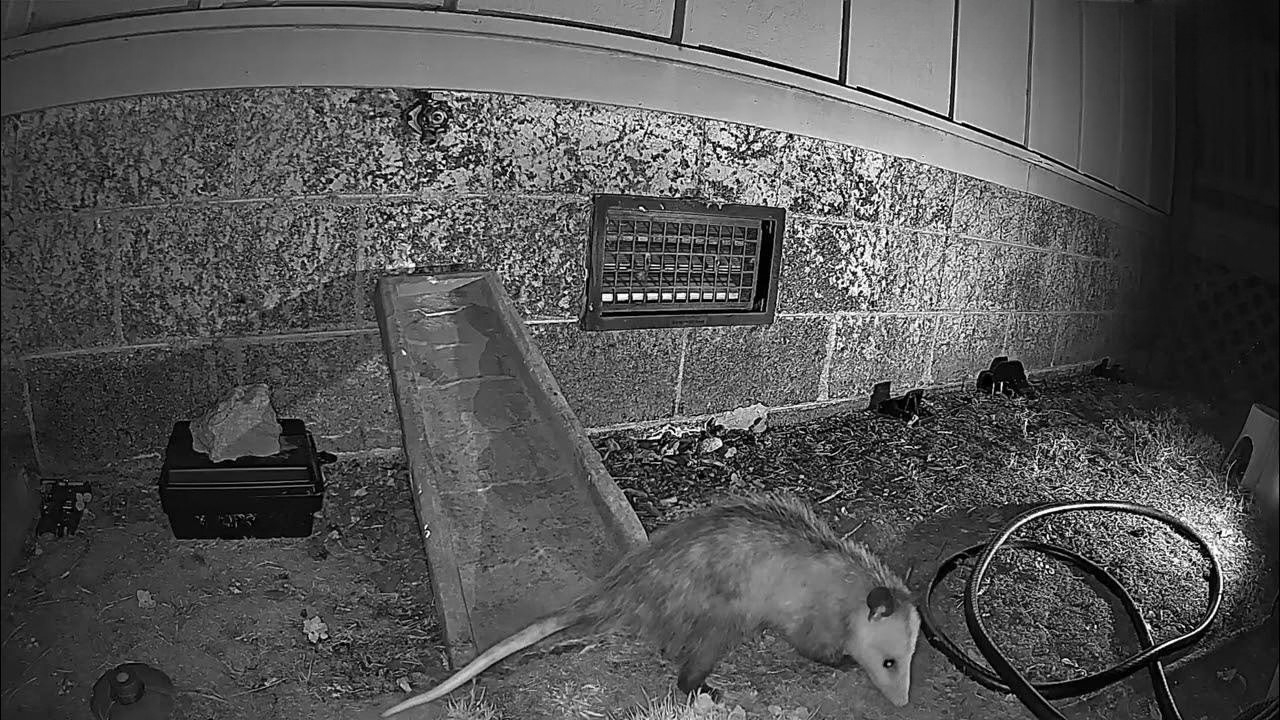
Raccoons, skunks, possums, and stray cats do most of their business at night, right when your dog’s hearing is tuned up and the neighborhood is quiet. If barking kicks off around the same time every night, check for fresh tracks by the trash cans, tipped planters, or a new hole under the fence. A motion light flipping on over and over is a clue too.
Start with the easy stuff that pays off fast. Lock down garbage in a latching can, feed pets indoors, and pick up fallen fruit under trees. Walk the fence line with a flashlight and staple hardware cloth over any dig spots, then bury it a few inches if you can. If the critters are getting under a shed or deck, blocking those gaps usually does more than any “repellent” spray.
2. The Dog Sleeps Too Close To Windows
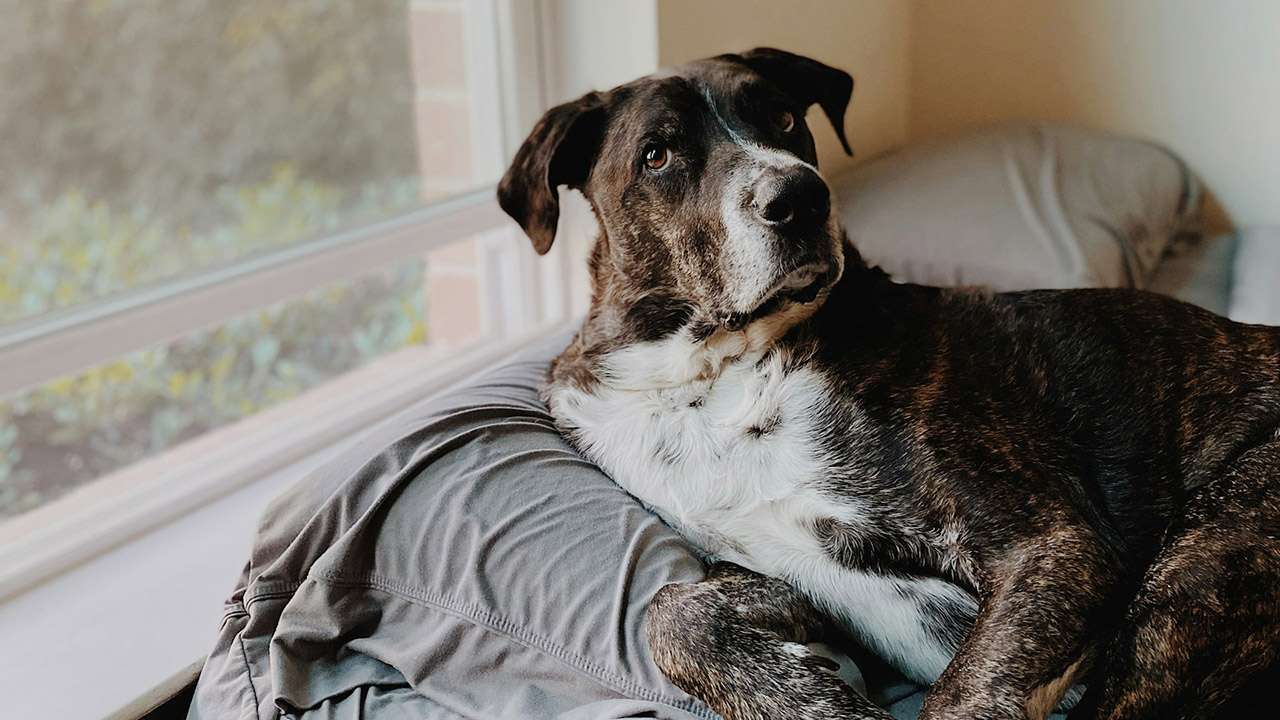
A couch or dog bed parked under a window is basically a lookout tower. Headlights sweep the room, porch lights click on, a neighbor walks by, and your dog launches. Some dogs will also react to reflections inside the glass, especially if you leave a TV on.
Move the sleeping spot to an interior wall for a week and see what changes. Close curtains, add a cheap blackout panel, or put frosted window film on the lower half where your dog stares out. If the barking stops, you found your trigger, and it cost you almost nothing to fix.
3. Bored Energy Left Over At Bedtime
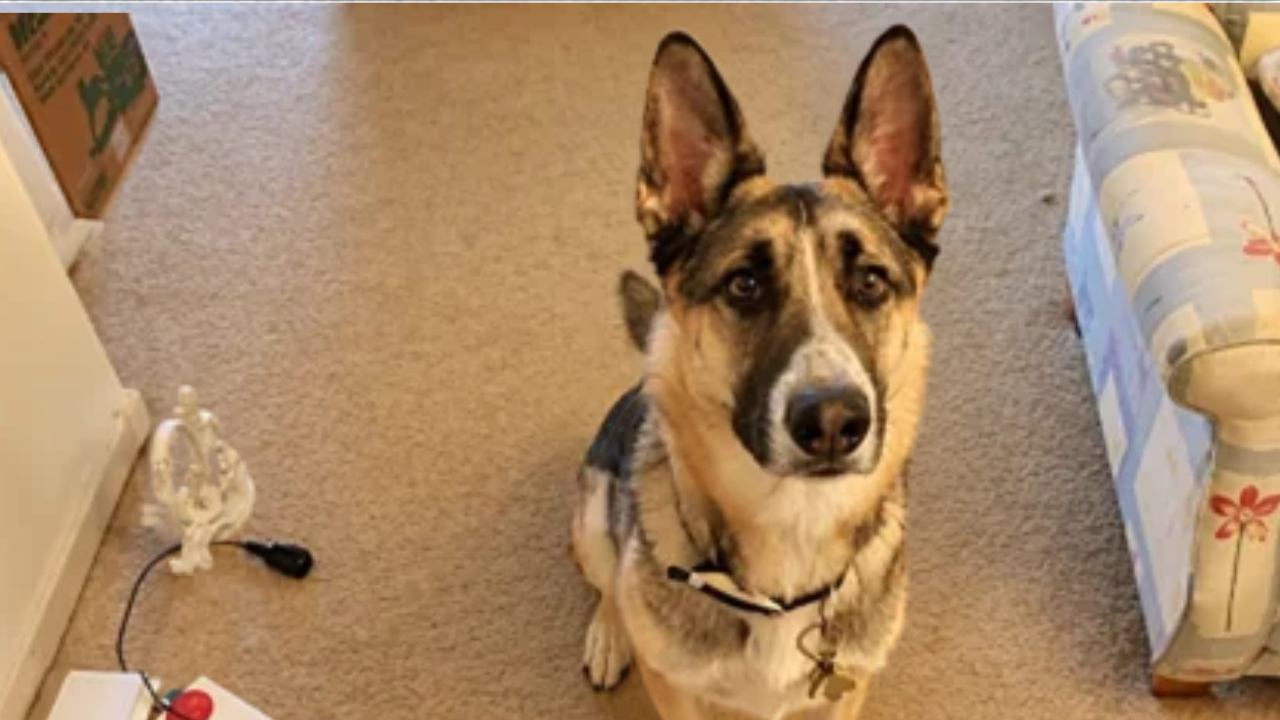
Plenty of dogs bark at night because they spent the day in low gear, then hit the evening wired. A quick potty trip isn’t exercise, and a couple tossed toys isn’t work. When the house gets quiet, that pent-up energy goes looking for a job, and barking is a job.
Give your dog a real “off switch” routine that burns brain and body. A long sniff-walk after dinner does more than a sprint around the yard, since sniffing tires dogs out. Add five minutes of simple training, sit, down, place, and reward calm, then end with a chew that’s meant for dogs, not your furniture. If your schedule is tight, this is one of the few areas where paying a dog walker a few days a week can be worth it.
4. Nighttime Potty Needs Or Thirst
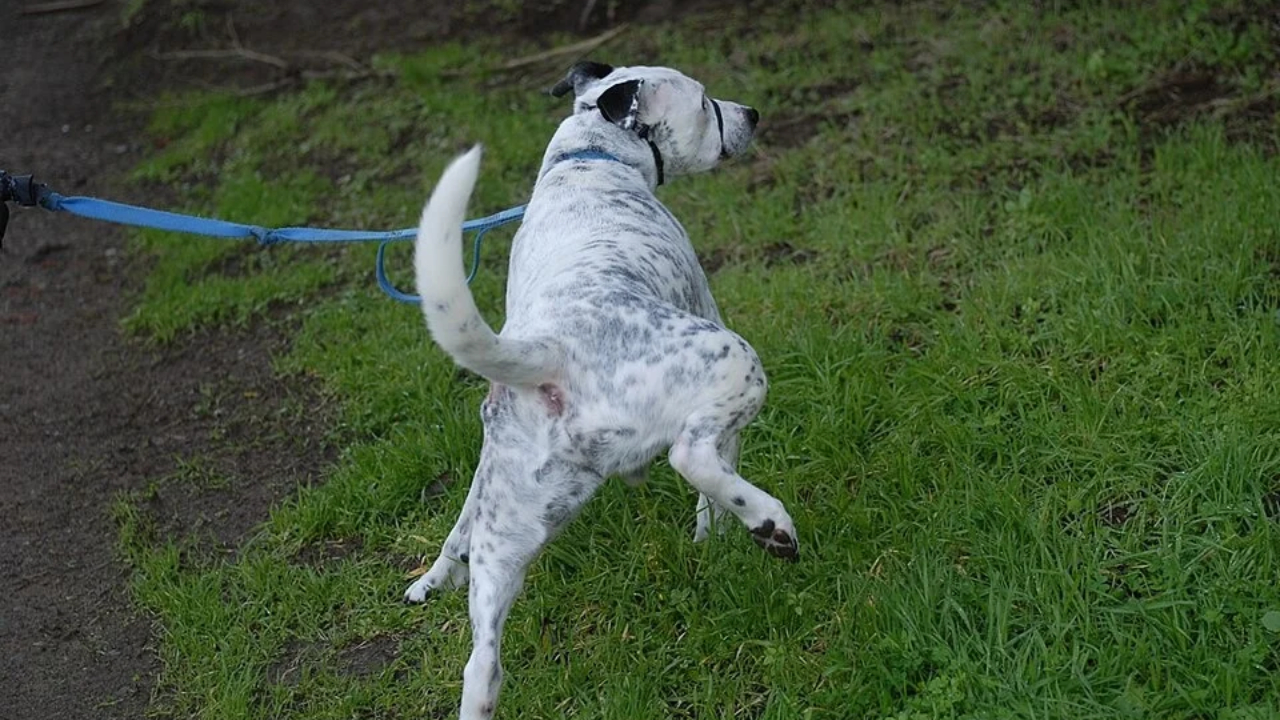
If the barking has a whine edge to it, or your dog heads straight for the door, don’t write it off as attitude. Puppies, seniors, and dogs on certain meds sometimes can’t hold it all night. A water bowl that runs dry, or a bowl placed where it gets knocked over, can trigger the same “hey, something’s wrong” noise.
Try a boring, on-leash potty break right before bed, same spot, no play. If your dog is waking up at a consistent hour, set an alarm 15 minutes earlier for a few nights and slowly push it later. Don’t restrict water all day, but you can pick the bowl up an hour or two before bed if your vet says it’s fine for your dog’s situation.
5. Drafty Dog Door Or Loose Flap Noise
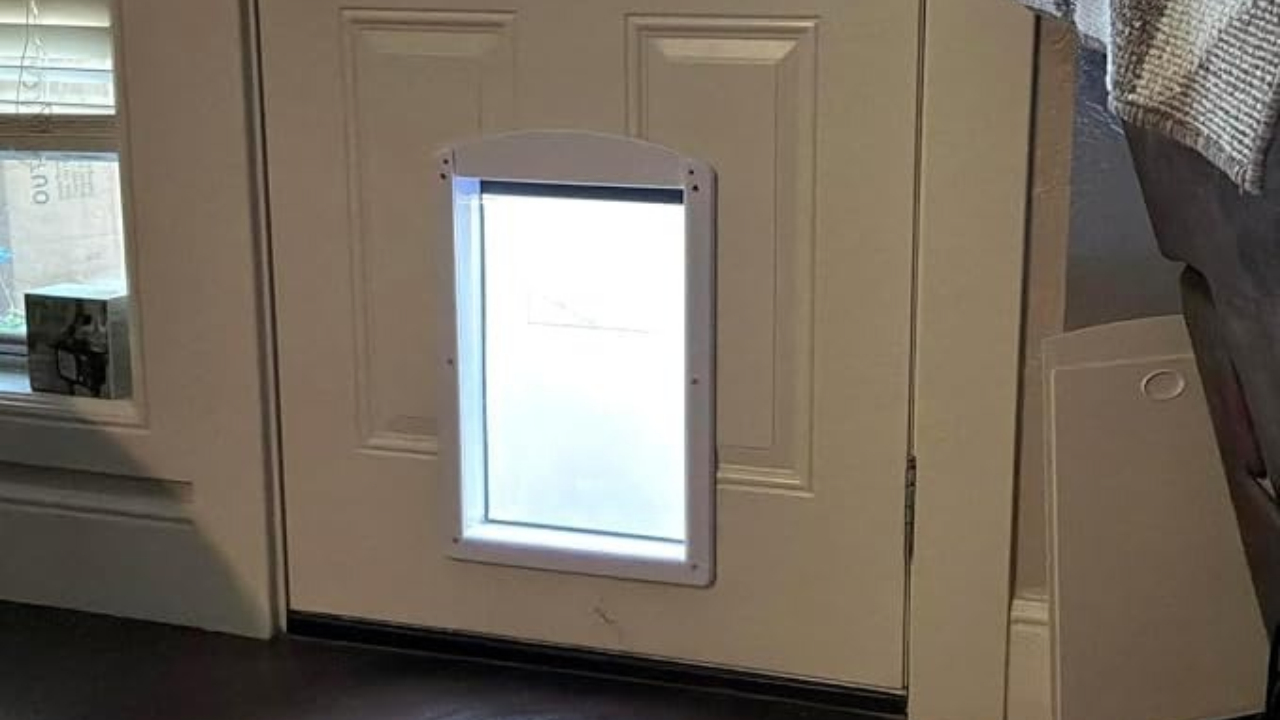
A dog door that slaps in the wind, rattles against the frame, or whistles can keep a dog on alert. On a cold night, that draft also turns the floor near the door into an uncomfortable spot, so your dog paces, listens, and barks when anything moves outside. This problem spikes in fall and winter when gusts pick up.
Check the flap and frame in daylight. Tighten the screws, replace worn magnets, and add thin weatherstripping where the frame meets the door. If you don’t need it overnight, lock the panel or use the cover that came with it. A little noise control here can make the whole house calmer.
6. Heat, Cold, Or Humidity In The Sleeping Area
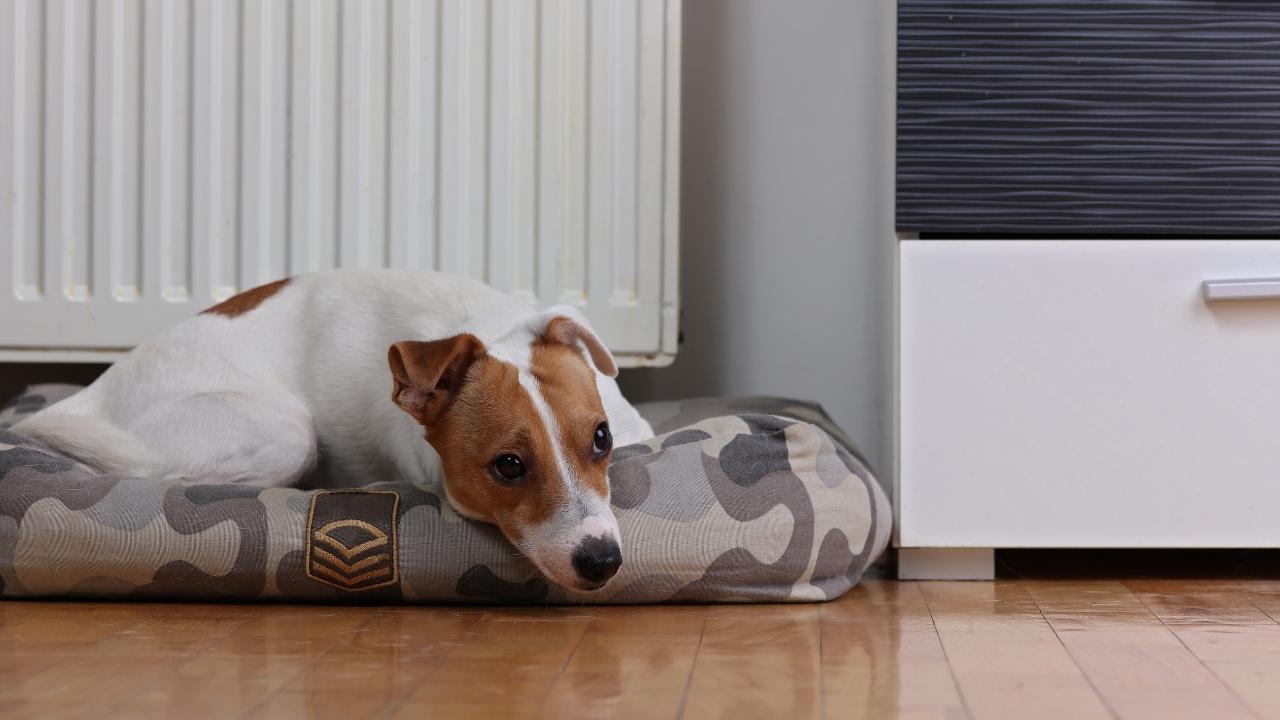
Some barking is just discomfort. A crate beside a baseboard heater, a bed on a cold concrete floor, or a stuffy back bedroom can make your dog restless, and restlessness turns into sound. You’ll see more of this during heat waves, cold snaps, and shoulder seasons when the HVAC runs unevenly.
Move the bed off concrete with a mat, and keep it out of direct heater blasts. In summer, a small fan aimed above the bed helps without blowing right in your dog’s face. If you use a space heater, keep it clear of bedding and follow the manual, and if the room can’t be kept safe and comfortable, pick a different sleeping spot.
7. People Reward The Barking By Accident
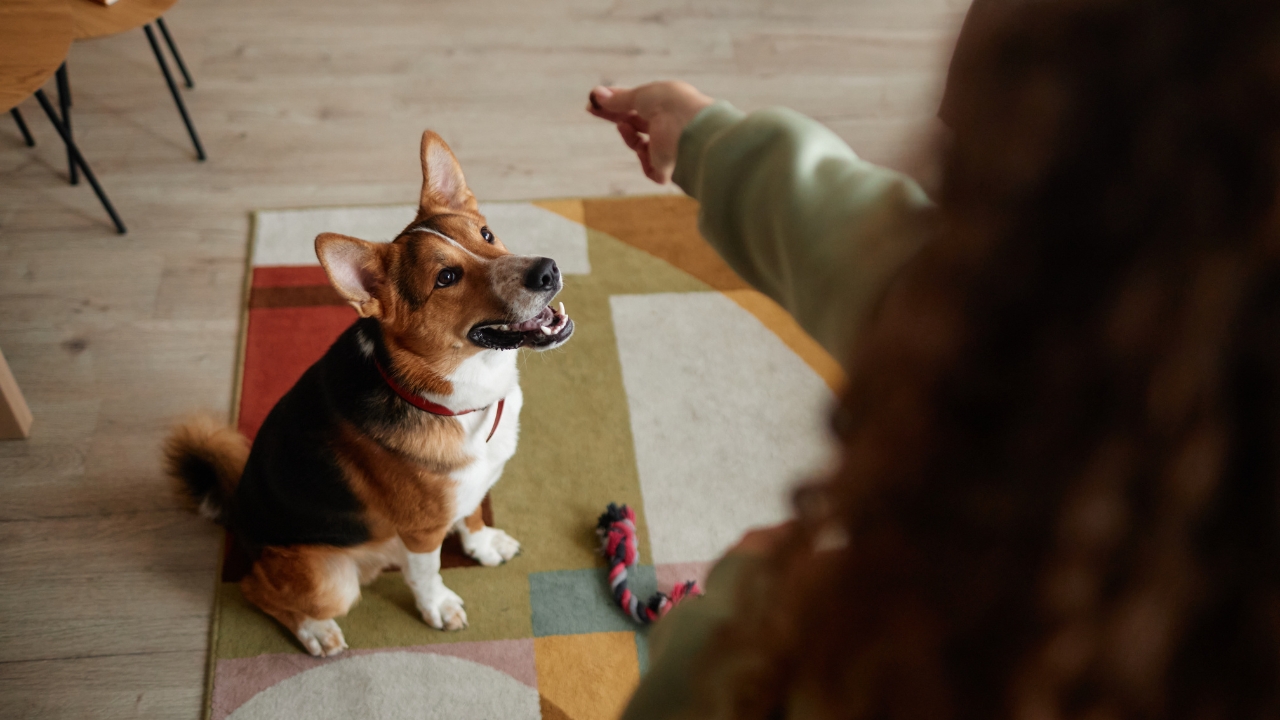
Running downstairs, talking sweetly, or handing out a treat to “calm them” teaches a simple lesson: barking brings service. Even scolding can count as attention for a dog that’s bored. If the barking starts the moment you get in bed, this is a common reason.
Pick one response and stick with it for at least a week. If your dog is safe and doesn’t need a potty break, keep it boring: no talking, no eye contact, and no snacks. Reward the quiet instead, even if it’s just a few seconds at first. This is where cheap tools are fine, a basic baby gate or crate divider can stop pacing and make calm easier to get.
8. New Sounds From Appliances Or Systems
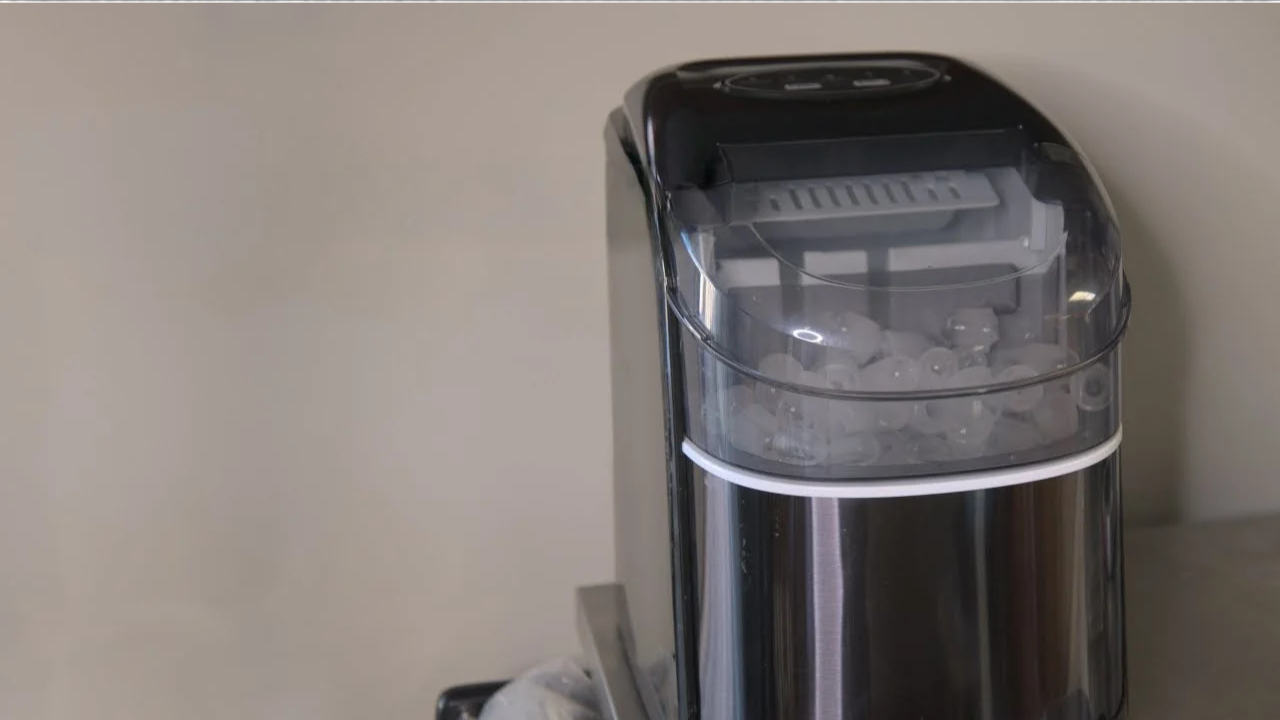
Sometimes it’s your house making the noise, not the neighbors. An ice maker dumping, a sump pump cycling, a furnace inducer starting up, or a loose dryer vent flap can set off a dog that hears higher pitches than you do. The barking pattern often matches a mechanical rhythm, on for a minute, off for ten.
Stand quietly where your dog sleeps and listen for clicks, thumps, or a buzzing hum. Secure vent flaps, add a foam pad under a rattling crate, and fix any loose return air grilles. If you suspect a furnace, boiler, or electrical issue, call a licensed pro instead of poking around, especially if you smell gas or hear arcing sounds.
9. Outside Lighting Or Shadows Triggering Guard Mode
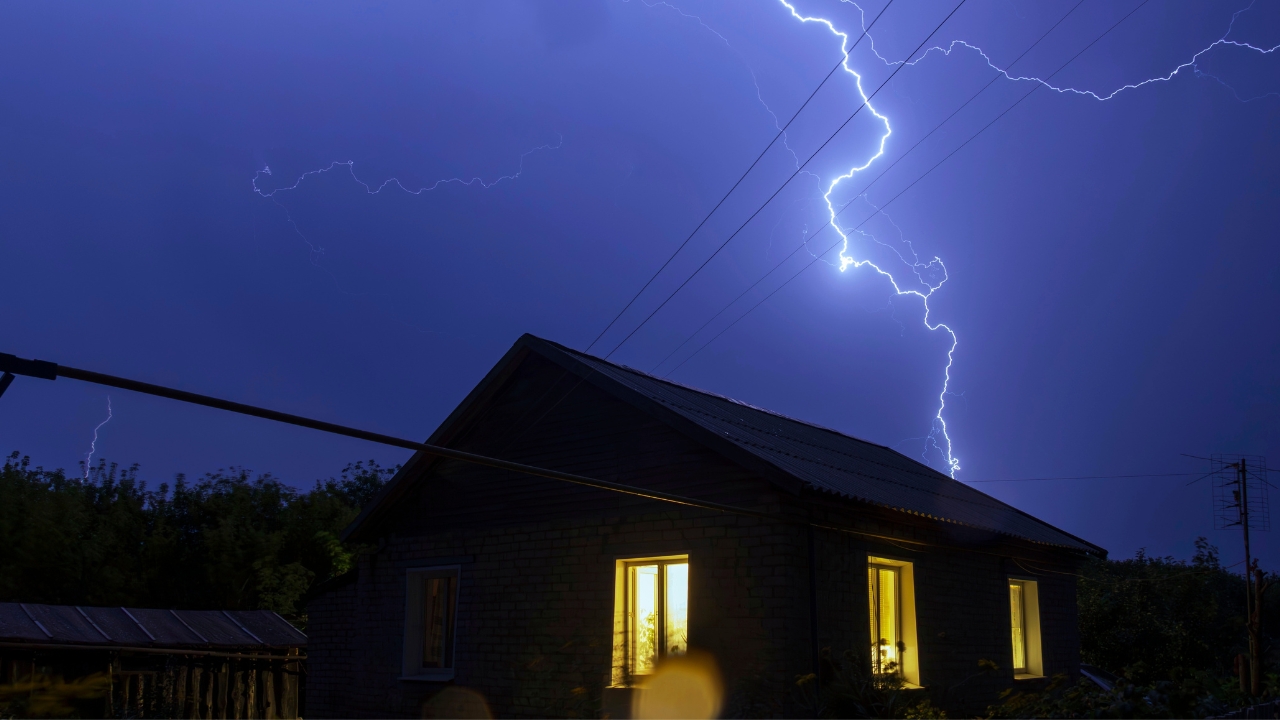
A bright motion light can turn every moth and blowing branch into “intruder alert.” Some dogs also bark at the moving shadows from a TV, a ceiling fan, or a streetlight hitting trees. This gets worse on windy nights, and it’s one of those reasons people miss because it’s hard to notice from bed.
Re-aim motion lights so they hit the walkway, not the windows, and adjust sensitivity so they don’t trip on every leaf. Indoors, shut off the TV at bedtime and try a steady, low night light instead of shifting light patterns. If your dog sleeps in a crate, draping a breathable cover over part of it can cut the visual noise.
10. Pain, Itch, Or Age-Related Confusion

If the barking is new, sharp, or comes with pacing and staring, don’t assume it’s a training problem. Dogs bark when they hurt, when they’re itchy, or when they’re disoriented, and night can make that worse because the house is dark and quiet. You’re not diagnosing anything at home, but you can notice patterns.
Look for signs you can actually act on, like a new limp, lots of licking, trouble settling, or accidents in the house. Call a vet if it’s sudden, if your dog can’t get comfortable, or if the barking is paired with other changes like appetite loss. This is one area where “ignore it” advice is flat-out wrong.
Once you find the trigger, you’ll usually fix the barking with one or two changes, not ten. Give each change a few nights, keep bedtime boring, and take notes on what time it starts and what was happening right before it. Quiet tends to come back in chunks, a better first hour, then a full night.
Like Fix It Homestead’s content? Be sure to follow us.