10 Jobs Worth Doing Before the First Real Snow
Photo credit: ungvar/Shutterstock.com
The first hard freeze has a way of turning small chores into expensive problems. Hoses split, doors stick, and the first wet snow finds every weak spot you ignored all fall. Knock out a few targeted jobs now, and you spend the first storm inside instead of cussing in the driveway.
1. Blow Out Hoses And Shut Off Spigots
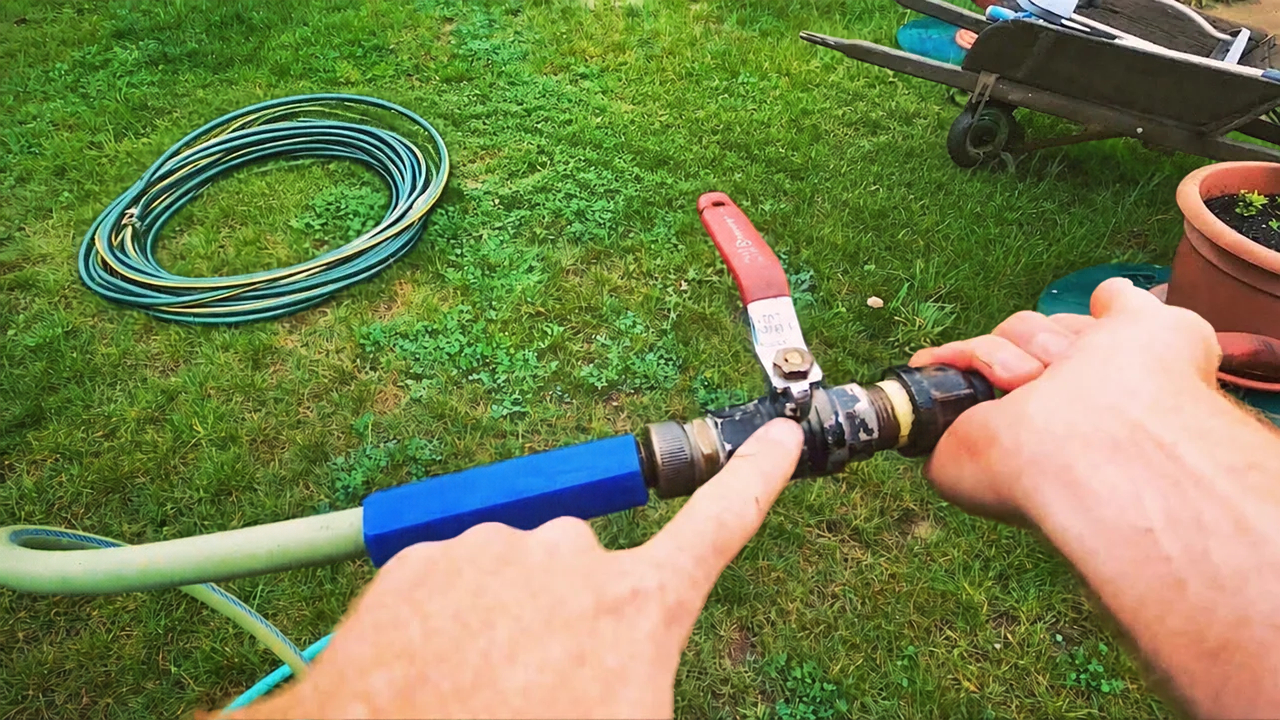
Leaving a garden hose hooked up is one of the fastest ways to crack a frost free sillcock. Water sits trapped in the valve body, freezes, and you find out later when the wall inside the house gets a slow leak. Take five minutes and save yourself a drywall repair.
Disconnect every hose, splitter, and quick connect. Shut off the inside valve if you have one, open the outdoor spigot to drain, then cap it if you use insulated covers. If your setup is complicated or tied into an irrigation system, use the proper shutoff and drain ports, and don’t guess. A basic air compressor blowout on irrigation lines is fine if you know the system, otherwise pay the sprinkler company and be done with it.
2. Clean Gutters And Set Downspouts
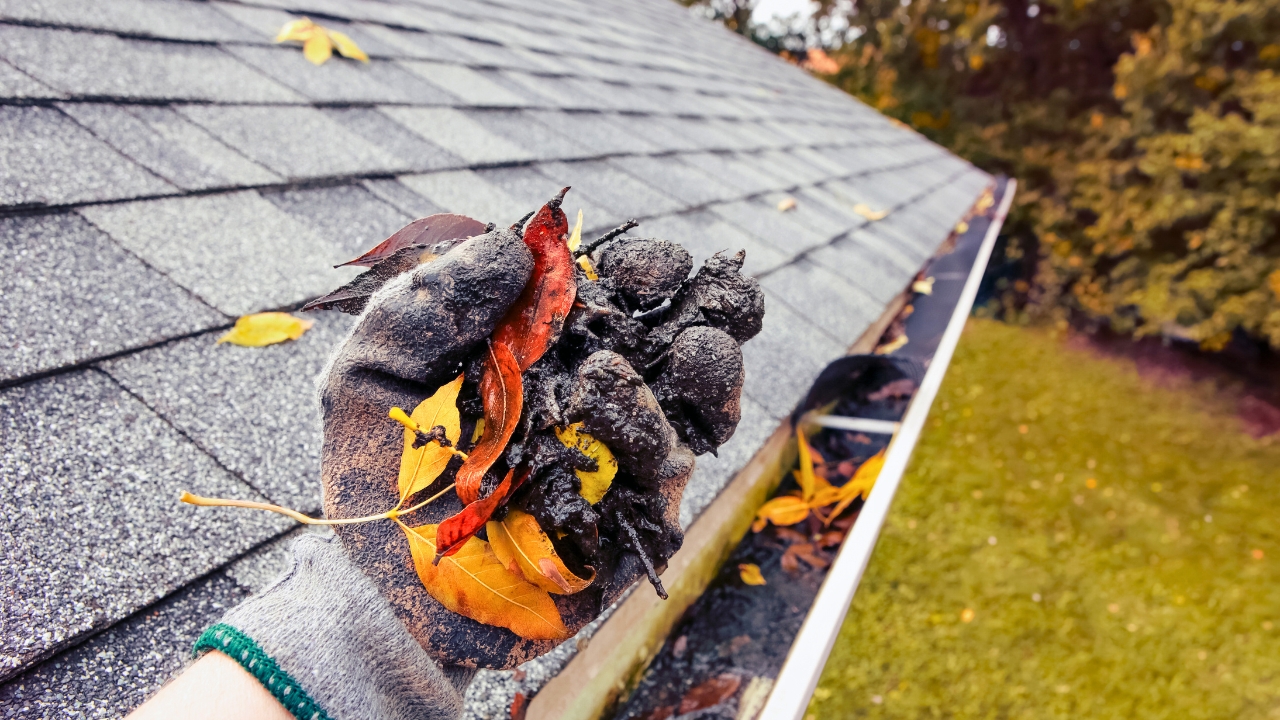
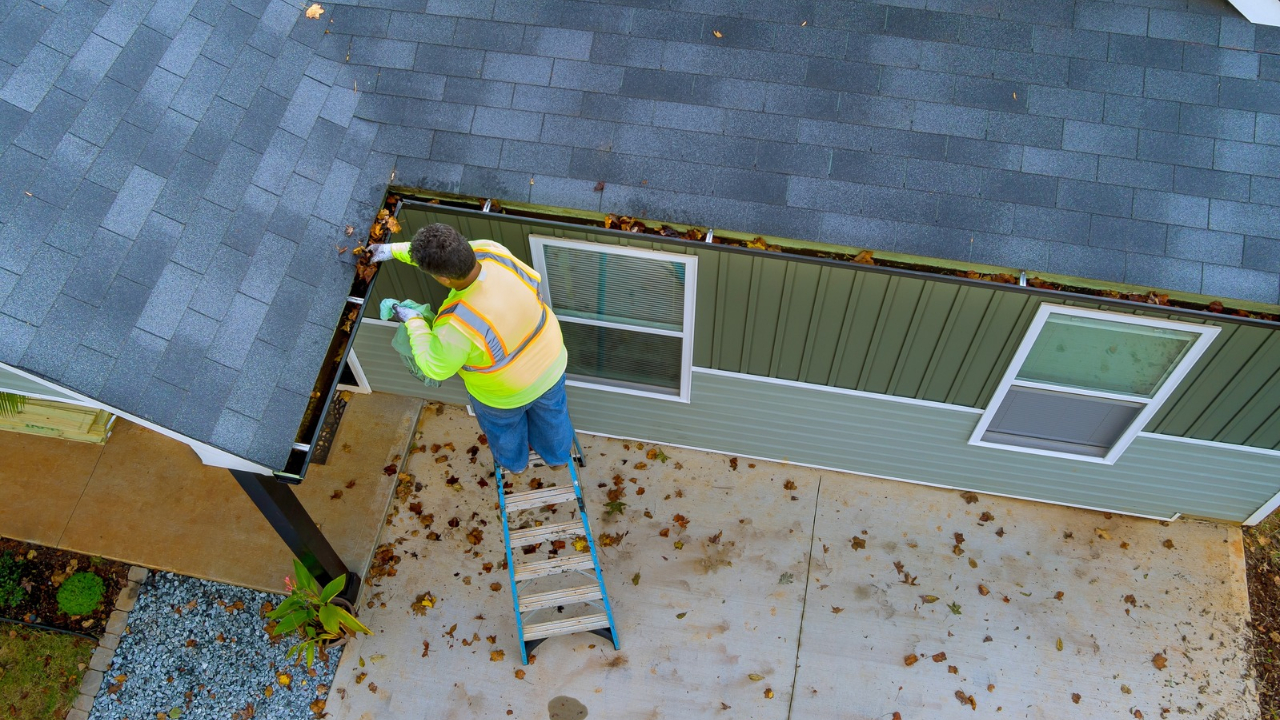
The mess starts with one clogged corner. Snow melts on a warmer roof, runs to the cold edge, then freezes into a dam that pushes water under shingles. You don’t need a disaster for damage, just a little backup and a cold night.
Scoop leaves, rinse the runs, and check that water actually exits where you think it does. Aim downspouts away from the foundation, and add an extension if the splash zone is right next to the house. Skip gutter guards unless you already know they work with your trees, plenty of them still clog and they make cleaning harder.
3. Seal Drafts At Doors And Windows

Most people crank the thermostat first, then wonder why the place still feels chilly. Cold air is sneaky, it comes in at your ankles and along the trim, and it makes the heat run longer than it should. The fix is cheap and it shows up right away in comfort.
Replace worn door sweeps, adjust the strike so the door actually pulls tight, and add adhesive weatherstrip where you feel a whistle. For windows, shrink film kits are a fine seasonal patch on old, leaky units, especially in rentals. If a window is rotted or won’t lock, that’s a repair job, not a “more caulk” job.
4. Service The Primary Heat Source
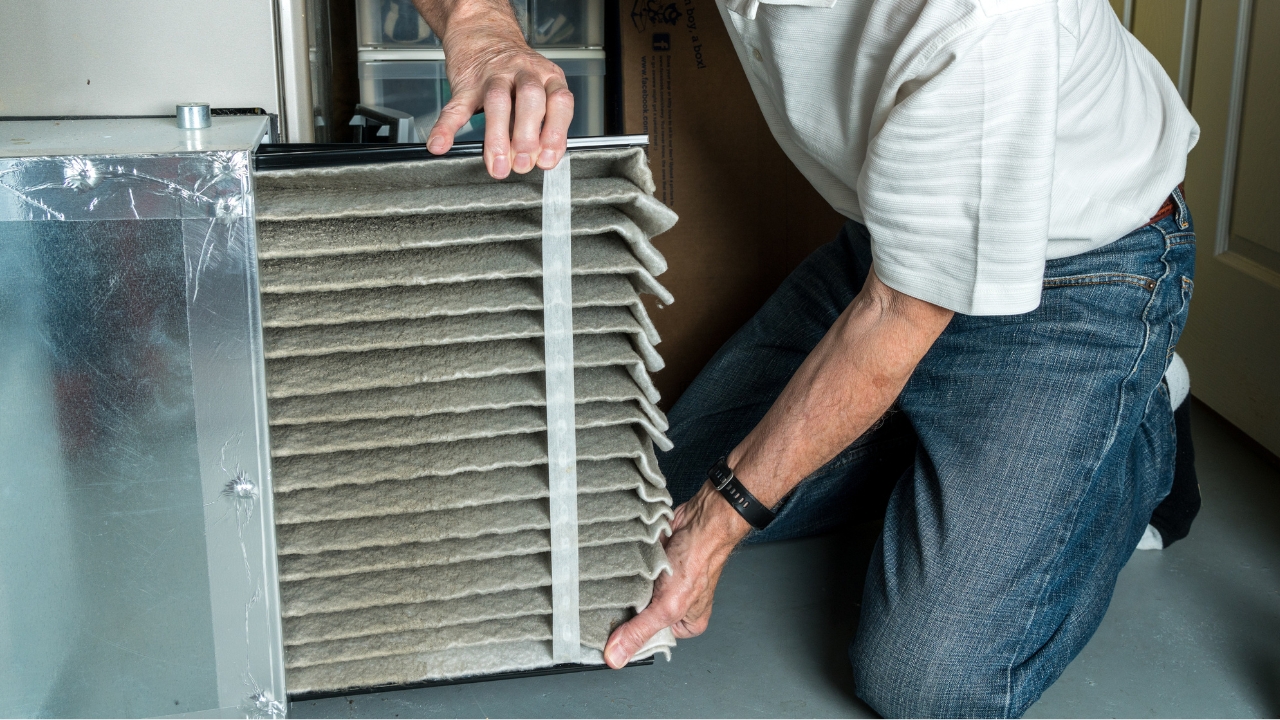
The worst time for a furnace or boiler to fail is the first cold snap, because everyone else is calling too. Filters get ignored, flame sensors get dirty, and a little problem becomes a no heat call at night. If you heat with a wood stove, the same timing applies, you don’t want to discover a draft issue during a storm.
Change filters, clear the area around equipment, and test it before you need it. For gas, oil, or anything involving combustion and venting, a licensed tech is worth paying for, especially if the unit hasn’t been serviced in a while. For wood heat, get the chimney inspected and swept if you burned a lot last season or you have any glazed creosote, that shiny stuff is trouble.
5. Swap Batteries In Detectors And Flashlights
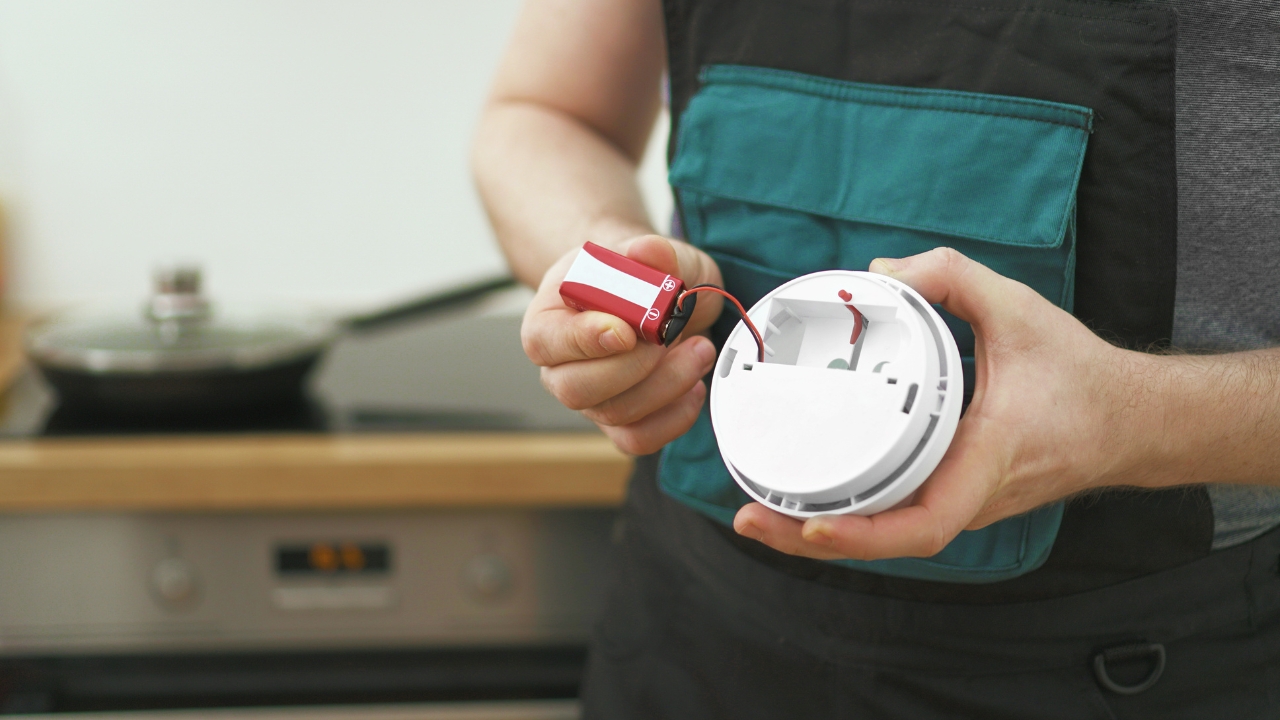
Chirping smoke alarms at 2 a.m. is annoying, but dead alarms are worse when you’re running heaters hard and closing the house up tight. Winter also means more candles, more cooking, and sometimes more generator use. This is a simple job you can finish before the coffee cools.
Replace batteries in smoke and carbon monoxide alarms, then test them. Check headlamps and flashlights, and stash a spare pack where you can reach it in the dark. Don’t store battery chargers in an unheated shed if it gets damp, keep them inside so they’re ready.
6. Winterize The Mower And Fuel Cans
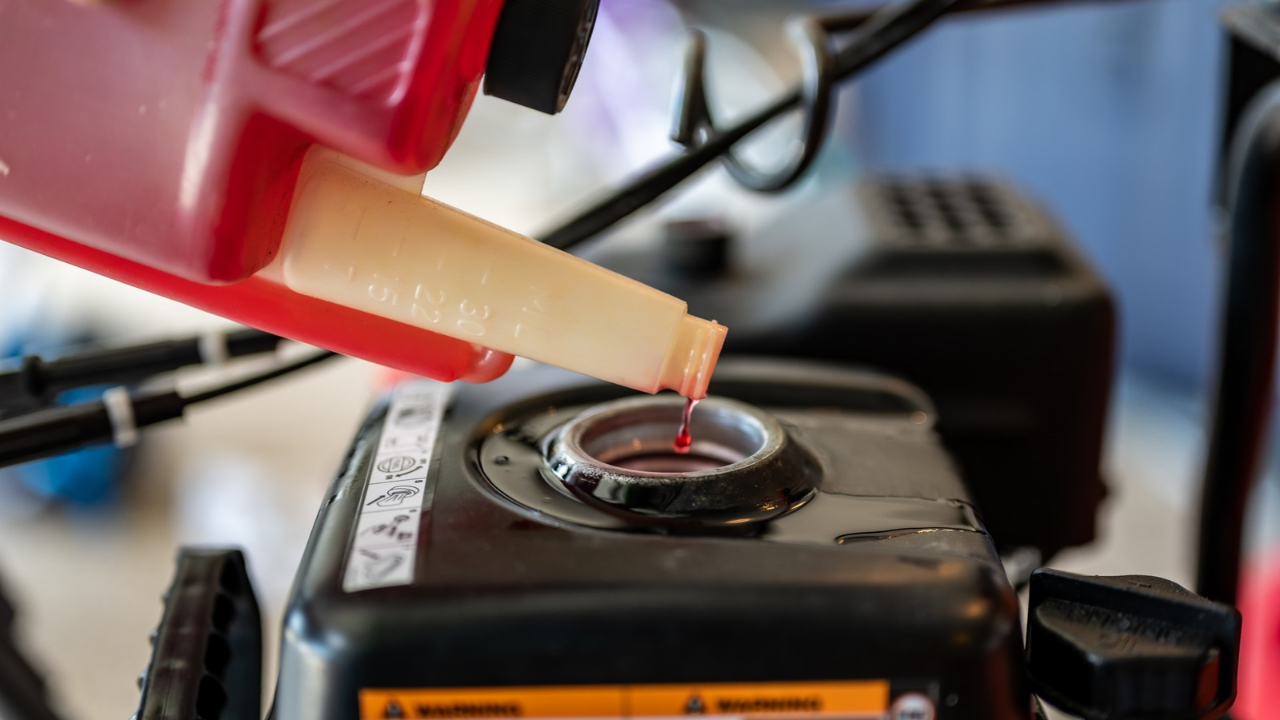
People park the mower after the last cut and walk away. Then spring shows up and the carburetor is gummy, the pull cord feels like it’s stuck in glue, and the first nice weekend gets wasted. Bad fuel storage also turns into a garage stink and a fire hazard.
Run the tank low, stabilize fuel if you store it, and follow your manual on whether to run the carb dry. Change the oil if it’s due, clean packed grass off the deck, and store the machine where mice won’t build a condo under the shroud. Gas cans should be sealed tight and kept away from ignition sources, and if a can smells all the time, the spout or gasket is done.
7. Move Firewood And Check For Pests
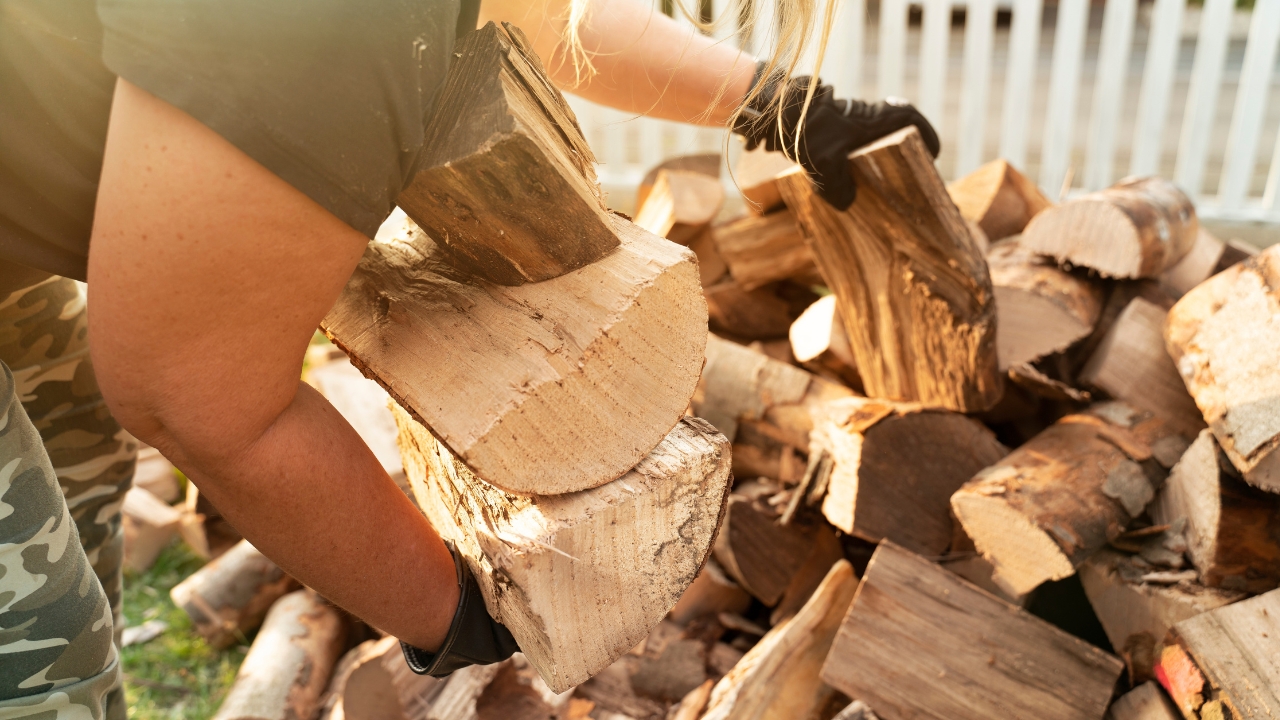
Stacking a pretty wall of firewood against the house looks tidy, right up until you invite ants and mice to move in behind it. Wood holds moisture, blocks airflow, and gives critters cover. It also makes siding and trim stay wet longer after snow.
Keep most wood piles off the ground and a short walk from the house, not touching it. Bring in only what you’ll burn in the next day or two, and knock loose bark and spider webs before it comes inside. If you see boring holes or piles of sawdust, keep that wood outside and burn it soon, don’t store it for months in a shed.
8. Mark Driveway Edges And Hazards
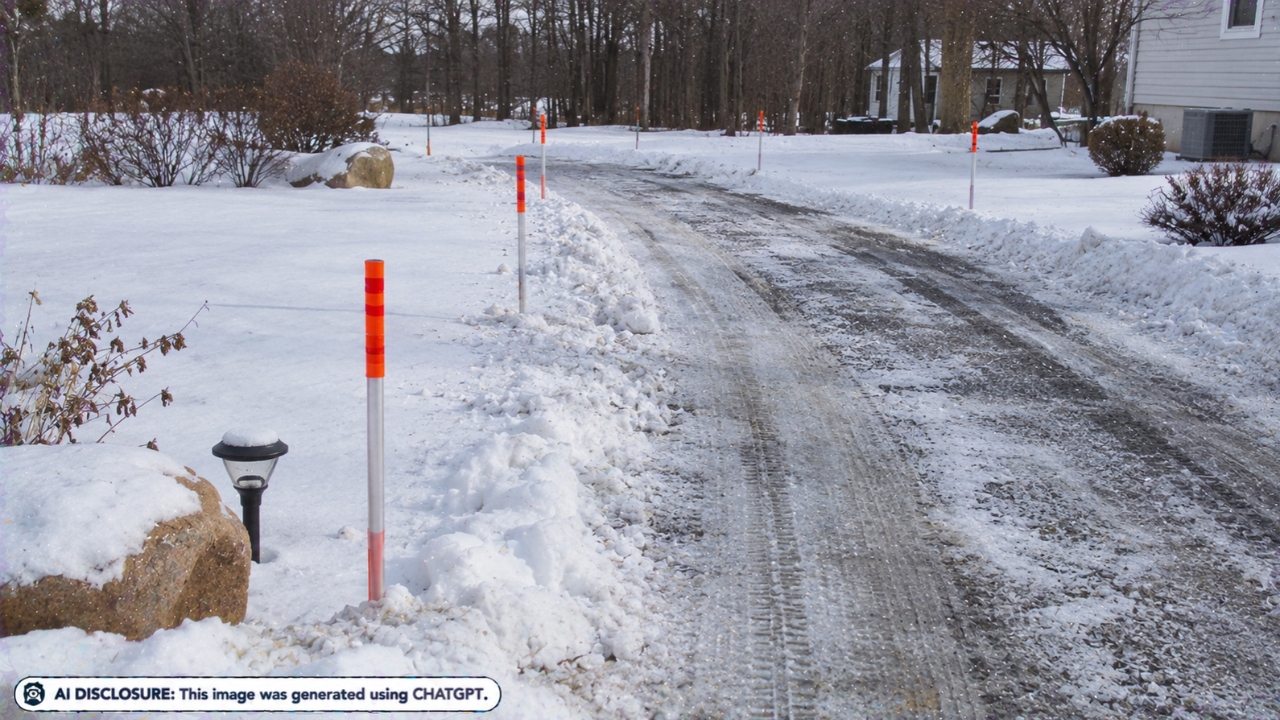
Once the ground is white, everything looks the same. The plow guy clips a stone wall, you bury a hydrant, or you shear off a drain cleanout with the snowblower. Those repairs aren’t hard, they’re just dumb to pay for.
Stick reflective markers along driveway edges, culvert ends, steps, low boulders, and anything you can’t afford to hit. If you’re installing posts, call 811 for utility locates before you pound or dig, even for “just a little stake.” A handful of markers saves a lot of guesswork in the dark.
9. Prep Snow Tools Before You Need Them
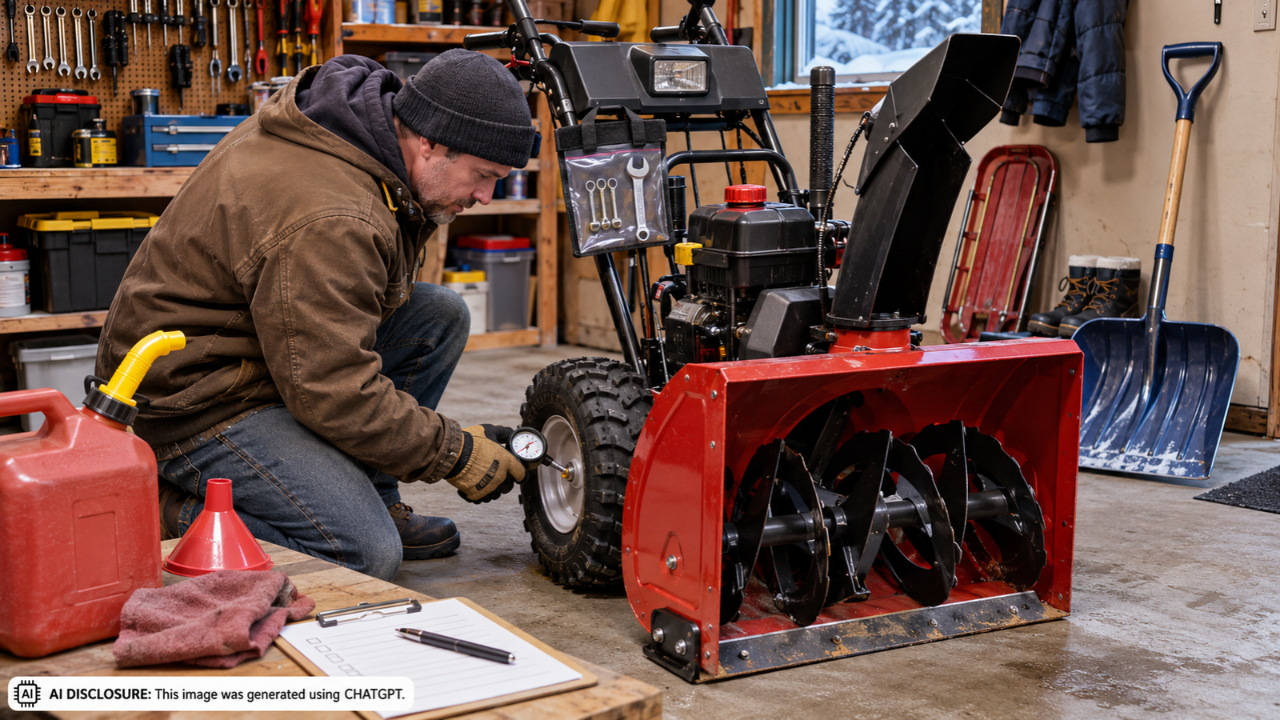
The first storm is not the time to find out your snowblower won’t start or your shovel handle is cracked. Wet snow is heavy, and fighting bad equipment is how people strain backs and burn out belts. Spend a little time while the garage is still warm.
For snowblowers, check shear pins, scraper bar wear, tire pressure, and the condition of belts if your model exposes them. Use fresh fuel, and keep a spare set of shear pins and the right wrench taped to the handle. For shovels, a plastic blade is fine for decks and lighter snow, but for end of driveway plow berms, a sturdy metal edge makes the work shorter.
10. Protect Outdoor Faucets, Pumps, And Hoses For Animals
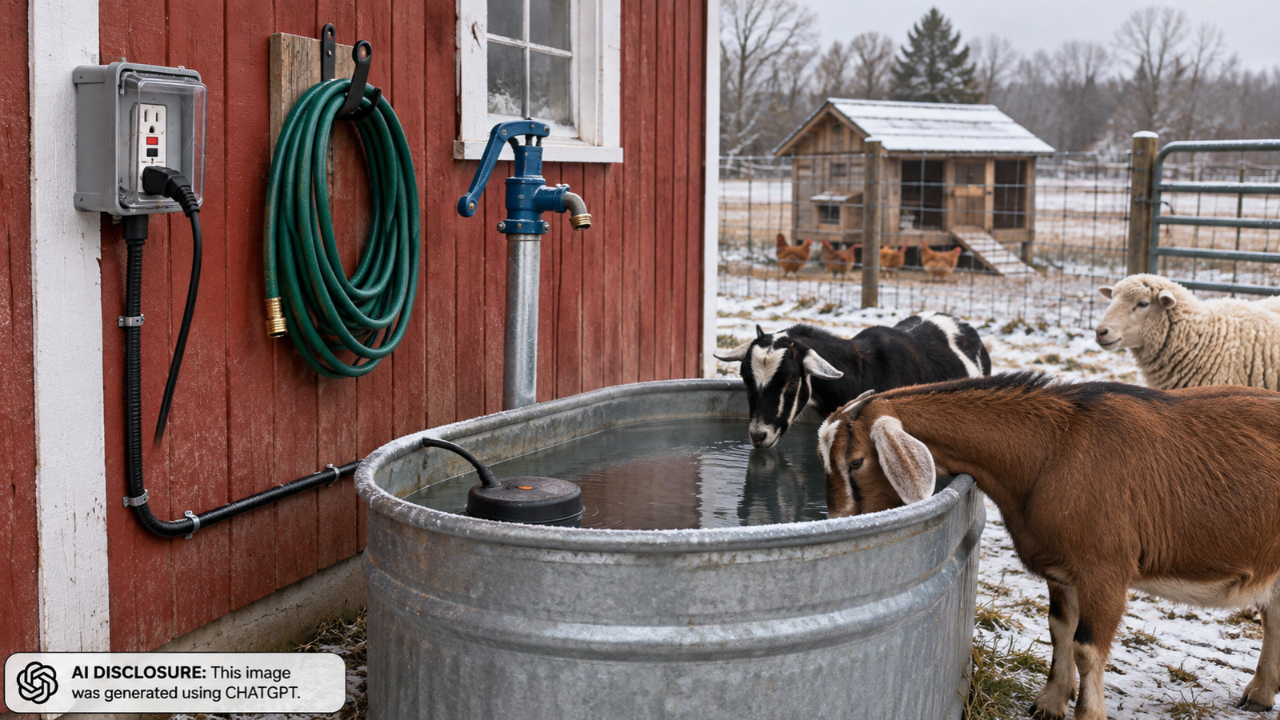
Stock tanks, hydrants, and little water lines to coops always get ignored until they’re frozen solid. Then you’re hauling buckets through snow, twice a day, with gloves that won’t stay dry. The fix is usually simple, but it has to happen before the deep freeze.
Drain and store hoses used for livestock, and insulate exposed runs where you can. For heated waterers or tank heaters, plug them into a GFCI protected outlet and check cords for cracks, water and electricity don’t forgive sloppy setups. If you’re adding new power outside, do it to code and hire an electrician if you’re not fully confident.
A calm afternoon in late fall is when you still get to choose your projects. Once the snow sticks, every skipped chore costs more time, more money, or more frustration than it should.
Like Fix It Homestead’s content? Be sure to follow us.