10 Signs Deer Will Wreck Your Trees This Winter
Photo credit: David Kay/Shutterstock.com
Winter is when deer stop being “cute” and start being expensive. Food gets scarce, snow changes their travel lanes, and a hungry herd will work over your yard like it’s a salad bar. If you catch the warning signs early, you can protect trunks and branches before the damage turns permanent.
1. Fresh Rubs On Smooth Bark
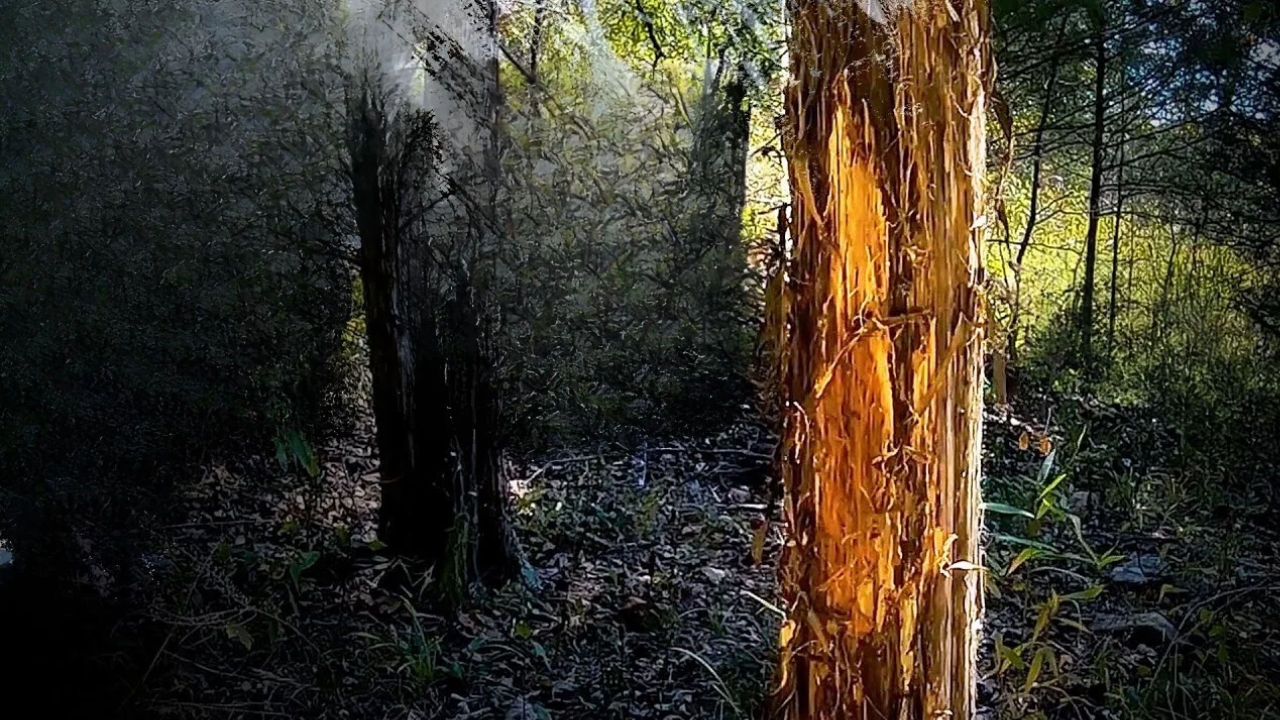
One morning you notice long, raw scrapes on young trees, usually on the side facing a deer trail. That’s a buck rubbing antlers to shed velvet or mark territory, and once a tree becomes a rubbing post it tends to stay on the menu. If the bark is peeled in a band, that spot can dry out and die back fast.
Wrap trunks before winter with hardware cloth or a rigid plastic tree guard and keep it off the bark a little so moisture doesn’t sit against the trunk. Go tall, about 4 feet is a good start, and stake it so it can’t get pushed down. Skip flimsy spiral wraps on high-pressure sites, they often get crushed and hold moisture.
2. Low Branches Cropped At Deer Height
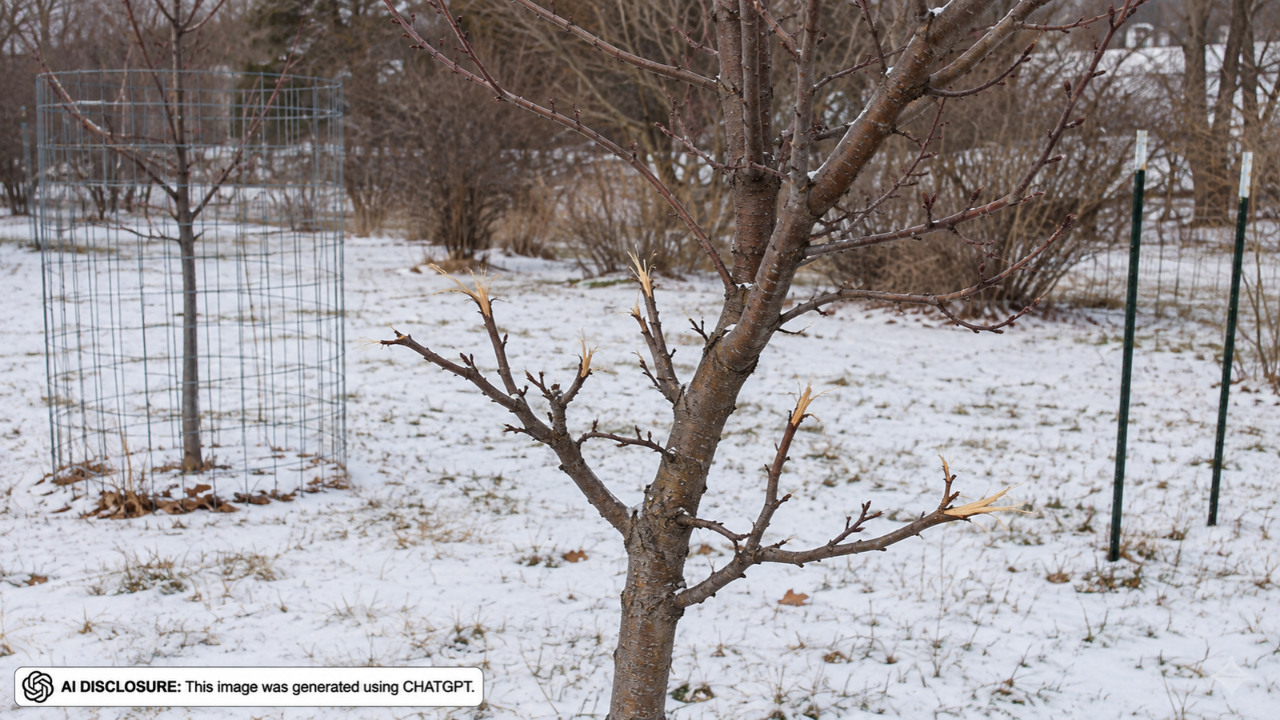
Clean-cut twig tips at about knee to waist height are a dead giveaway, especially on fruit trees, arborvitae, dogwoods, and young maples. Deer browsing looks like a ragged tear, not a neat pruner cut. When those buds get eaten, next spring’s growth gets set back and the tree’s shape turns lopsided.
Protect the whole tree, not just the trunk. A simple welded-wire circle cage with a couple of T-posts works better than most sprays once snow piles up. If you prune lower branches to “help,” do it lightly and at the right time, heavy pruning can push out tender regrowth that deer love even more.
3. Trails Packed Into Snow Around Trees
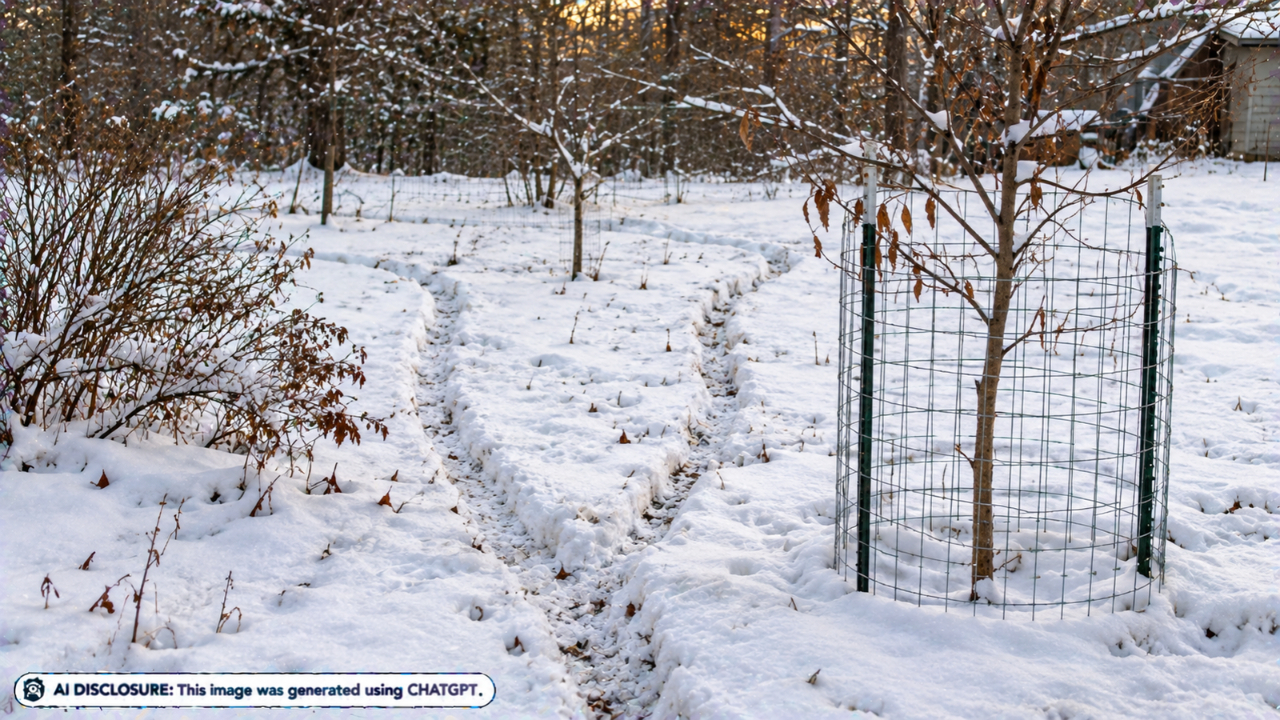
After the first lasting snow, deer traffic gets easy to read. If you see two or three tight paths funneling right past your saplings, they’re using your yard as a winter corridor. That turns occasional browsing into nightly browsing.
Block the lane, not just the tree. Snow fencing or a temporary panel fence set where the trail enters the yard can reroute them, especially if you start early before the path becomes a habit. If you need to set posts, call 811 for a utility locate before you dig, even on rural lots.
4. Bare Ground Under Evergreens In January
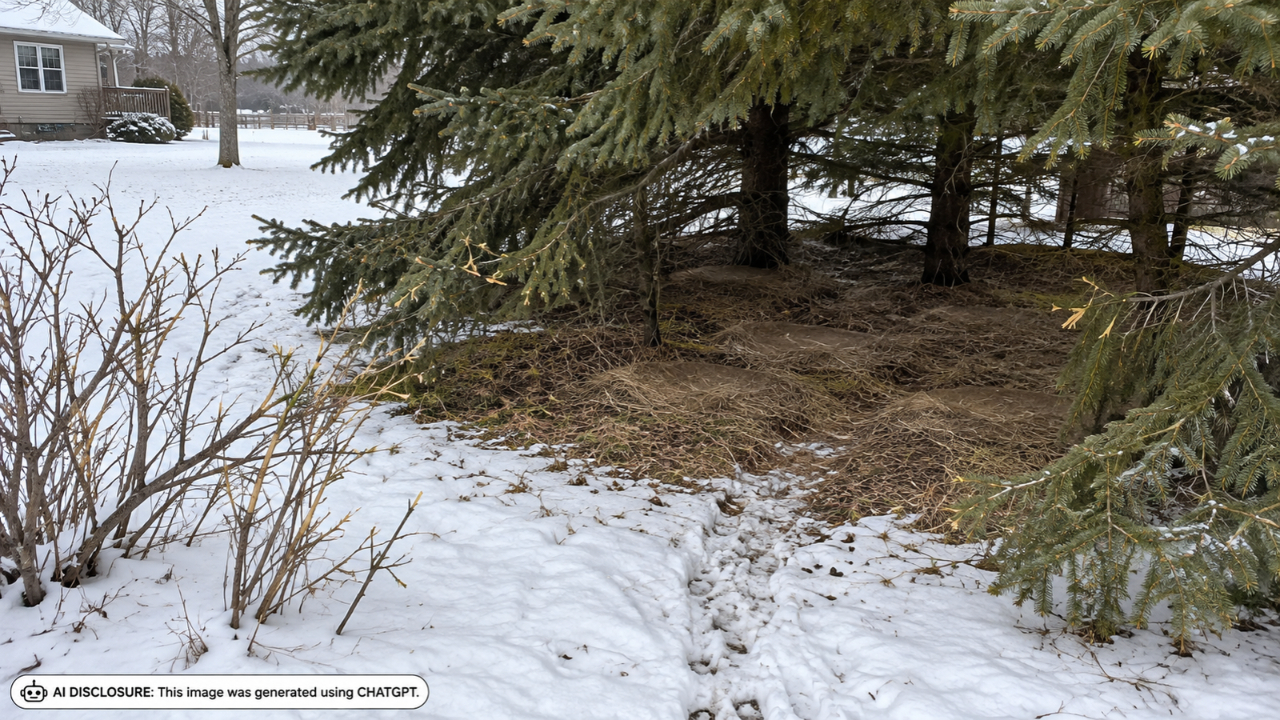
Evergreens catch snow, so the ground under them often stays more open than the rest of the yard. Deer learn that fast and bed down there when wind picks up. Once they’re bedding close, they’ll browse whatever is within a short walk, and that usually means your cedar hedge or the lowest limbs of spruce.
Push them out of that comfort zone. Clear brush piles that make nice windbreaks near valuable plantings, and consider temporary fencing around the evergreen cluster, not single trunks. Motion lights can help near the house, but out in the yard they just teach deer where the lights are.
5. Repeated Nibbles On One Favorite Species
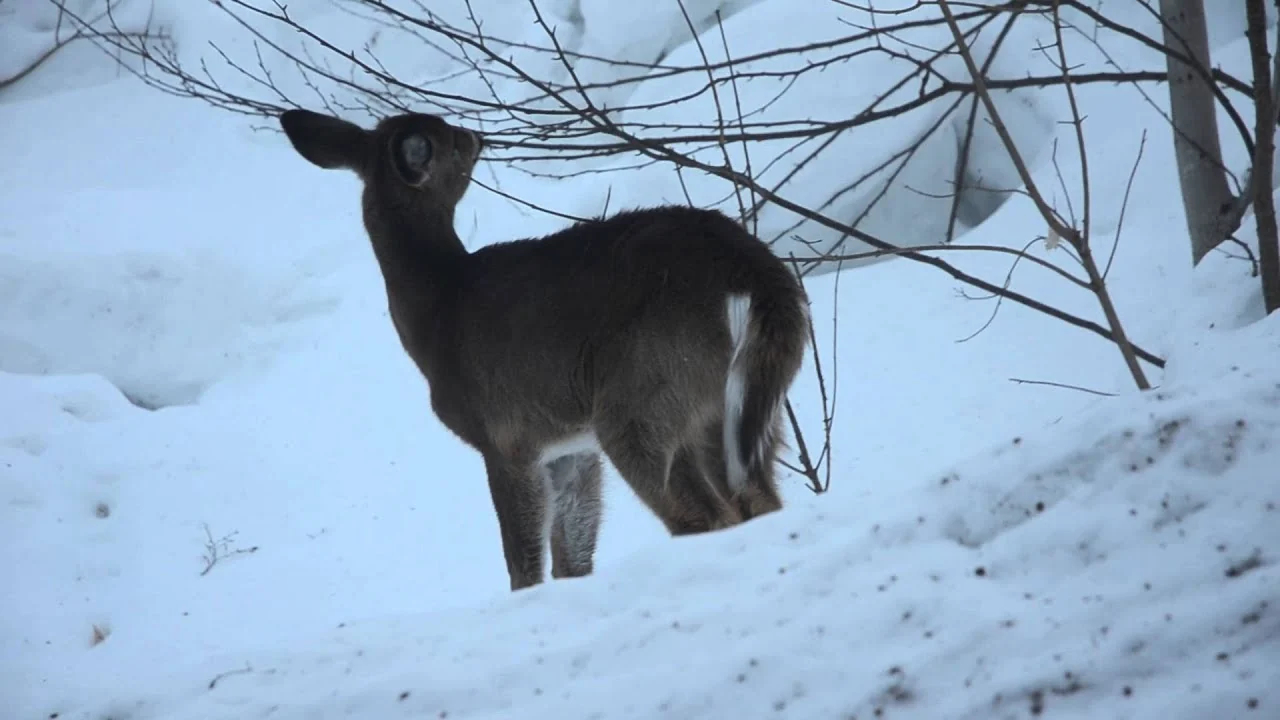
Some trees get hit first every year, and it’s rarely random. Young apple, crabapple, serviceberry, red maple, and many ornamentals are candy when everything else is brown. If you’re seeing bite marks on the same kind of tree now, winter pressure will get worse, not better.
Use that pattern to prioritize. Cage the favorites and let the deer-resistant stuff stand on its own, at least until the herd moves on. For new plantings, mix in less tasty species instead of lining up a row of deer snacks along the driveway.
6. Bark Chewed Near The Base
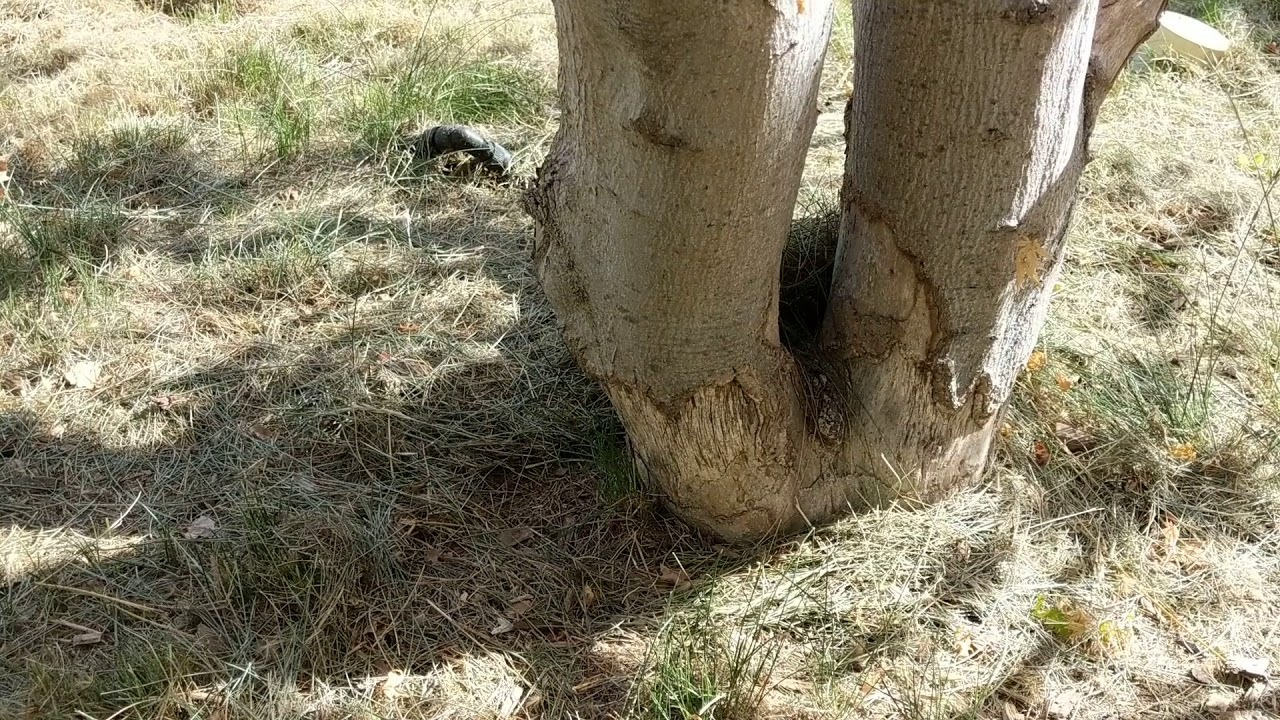
When you see gnaw marks low on the trunk, especially on smooth-barked young trees, you’re close to girdling damage. Deer do chew bark in hard winters, but rabbits and voles do it too, and snow hides the problem until spring. By then the cambium can be gone in a full ring and the tree is basically done.
Put on trunk protection that goes down to the ground and stays there all winter. Hardware cloth with a small gap from the bark works well, and it needs to be tall enough to stay above the snow line. Don’t pile mulch up the trunk thinking it helps, it just gives rodents cover.
7. Velvet On Saplings In Late Fall
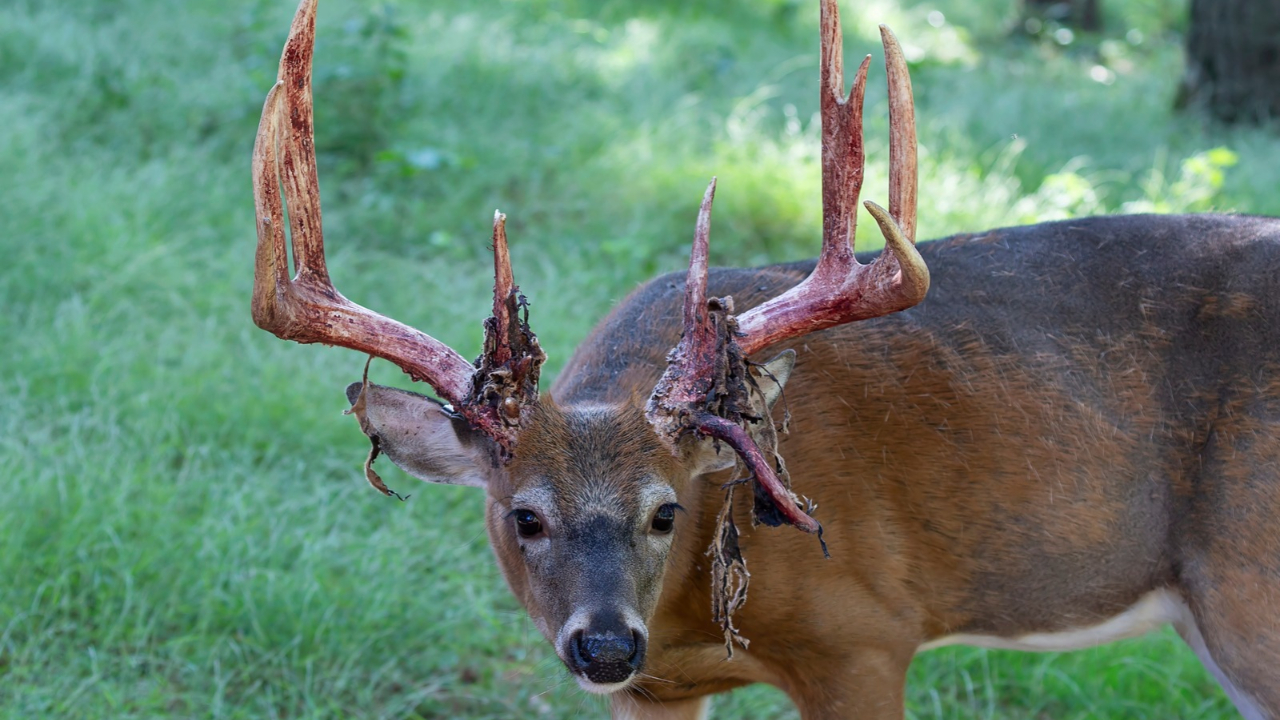
Velvet season is early fall in a lot of places, but if you’re still finding fuzzy antler velvet on branches late, bucks are working your area hard. That means rubbing and sparring nearby, and your smooth-barked trees are targets. Once rut ramps up, damage can happen fast, sometimes overnight.
Get guards on before the first hard frosts, not after you notice the first rub. If you’re choosing between one more garden cleanup day and tree protection, pick the trees. A couple hours with wire and stakes beats replacing a stunted fruit tree in spring.
8. Fences With Bent Wires And Tufts
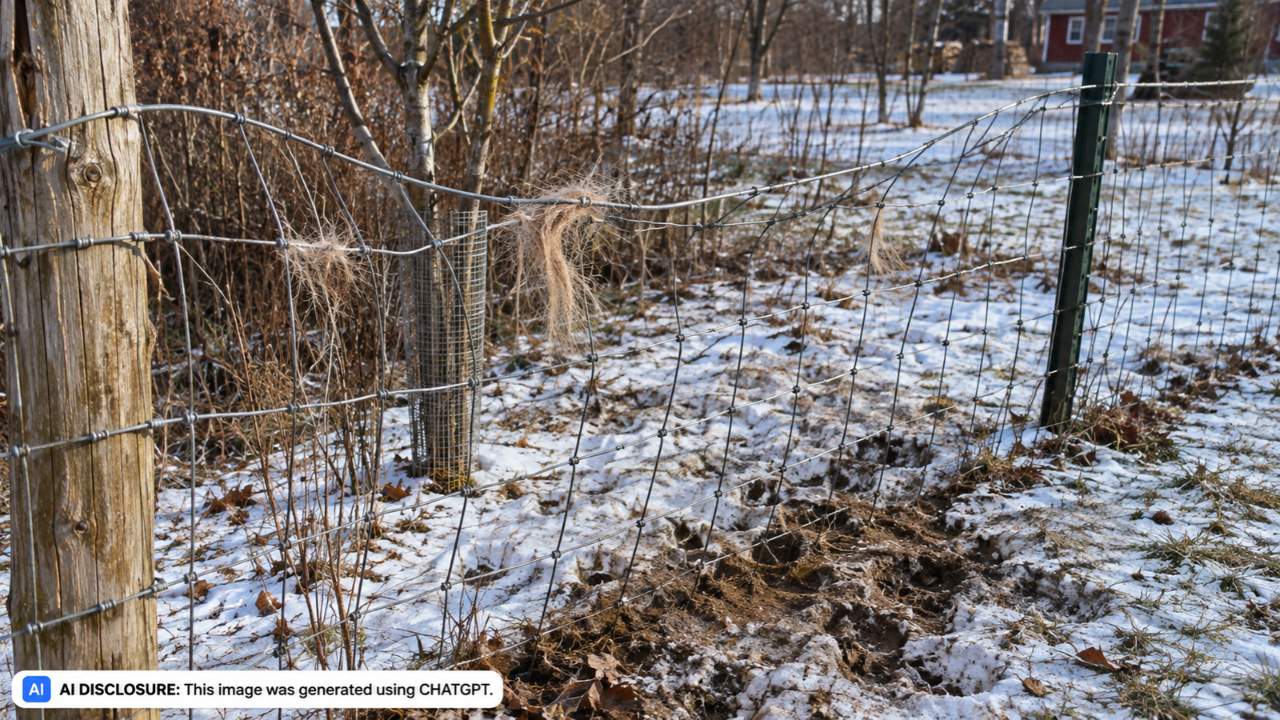
If your existing fence has bent top strands, muddy hair caught in the mesh, or hoof scuffs on the lower wires, deer are already testing it. In winter, hunger makes them bolder and snow drifts reduce fence height. What used to be “tall enough” becomes a speed bump.
Walk the fence line before the ground freezes solid. Tighten sagging sections, fix gates that don’t close flush, and knock down drift spots where snow piles up along the fence. For small areas, a shorter fence can work if it’s tight and paired with a second offset line, but floppy netting rarely holds up to repeated hits.
9. Windy Nights And A Quiet Yard
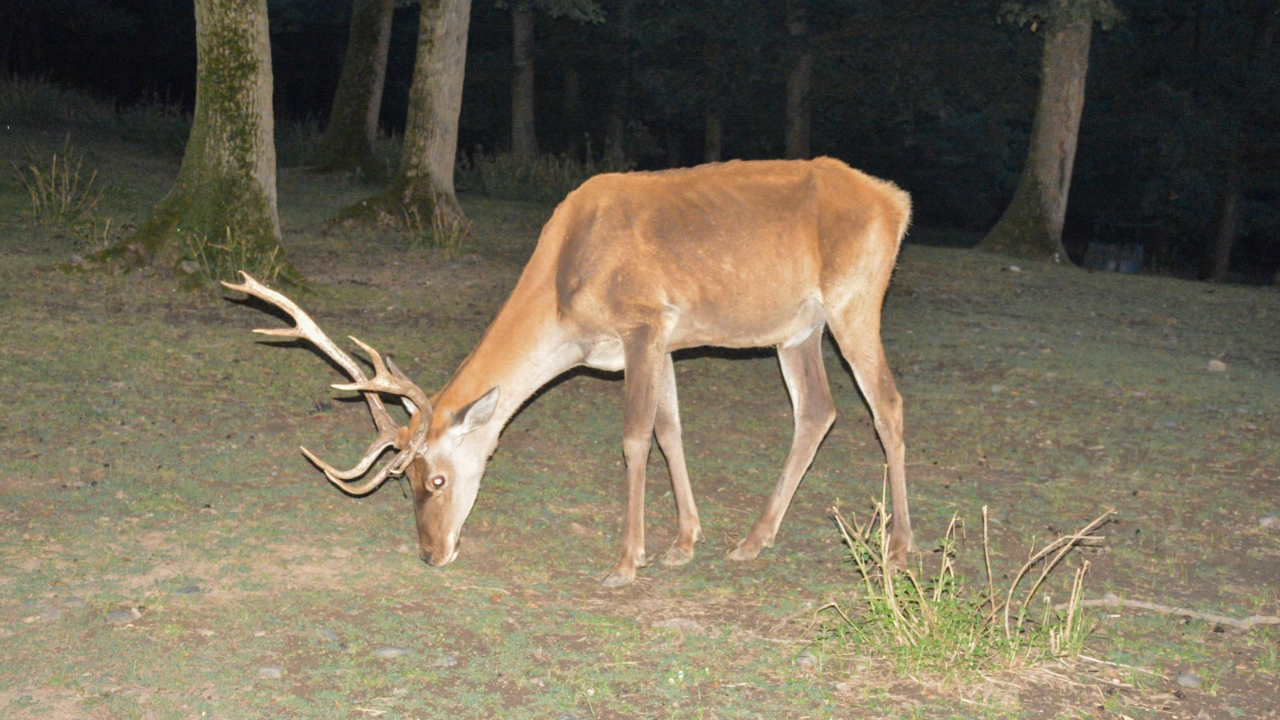
When the wind howls and nobody wants to be outside, deer move. Bad weather covers sound, and human activity drops, so they browse longer and push farther into open yards. If your trees sit near a sheltered corner, those are the nights they get worked over.
This is one place where the cheap option can be fine. A basic solar motion light near the trees sometimes buys you enough hesitation to reduce damage, especially close to the house. It won’t stop a determined herd, so don’t treat it like a fence, but it can help when combined with trunk guards and cages.
10. New Plantings Left Uncaged Until Snow
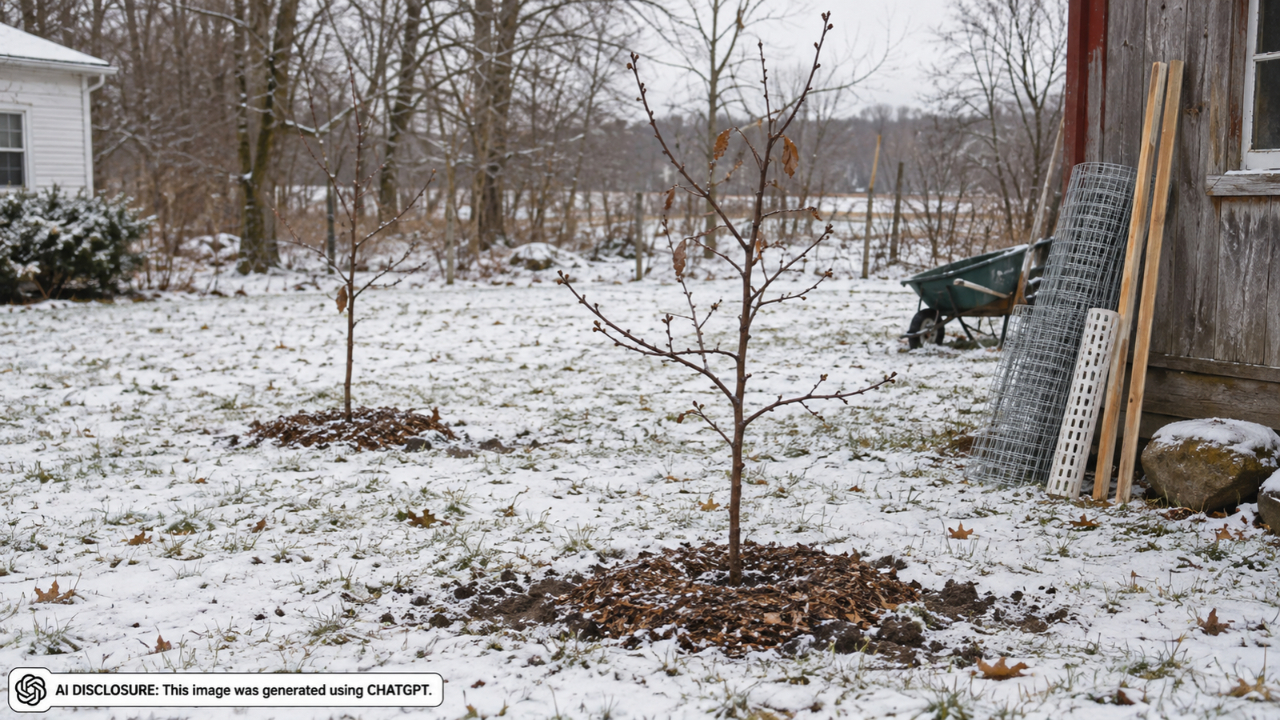
The most common mistake is planting in fall and planning to “deal with deer later.” Later turns into frozen ground, missing stakes, and a first snow that makes the saplings stand out like lollipops. Deer love fresh nursery stock because it’s tender, watered, and usually fertilized.
Protect trees the day they go in. Set cages or guards before you put tools away, and leave enough room for growth so the trunk doesn’t rub on the protection in wind. If you’re planting close to a road or property line and thinking about a permanent fence, check local rules first, and hire it out if you’re not ready to set deep corner posts right.
Deer pressure changes year to year, but tree damage adds up every winter you ignore it. Once you see the first sign, act like you’ve got a week, not a season. A roll of wire, a few stakes, and a quick walk of the yard after each snowfall can save you years of regrowth.
Like Fix It Homestead’s content? Be sure to follow us.