12 Dog Breeds That Were Bred to Work in Snow
Photo credit: Scalia Media/Shutterstock.com
Snow work isn’t cute, it’s chores. A dog that’s built for cold can pull, track, guard, and keep moving when your boots are soaked and your fingers are numb. If you live where drifts happen and winter lasts, it helps to know which breeds were made for that kind of day.
1. Siberian Husky Sled Teams
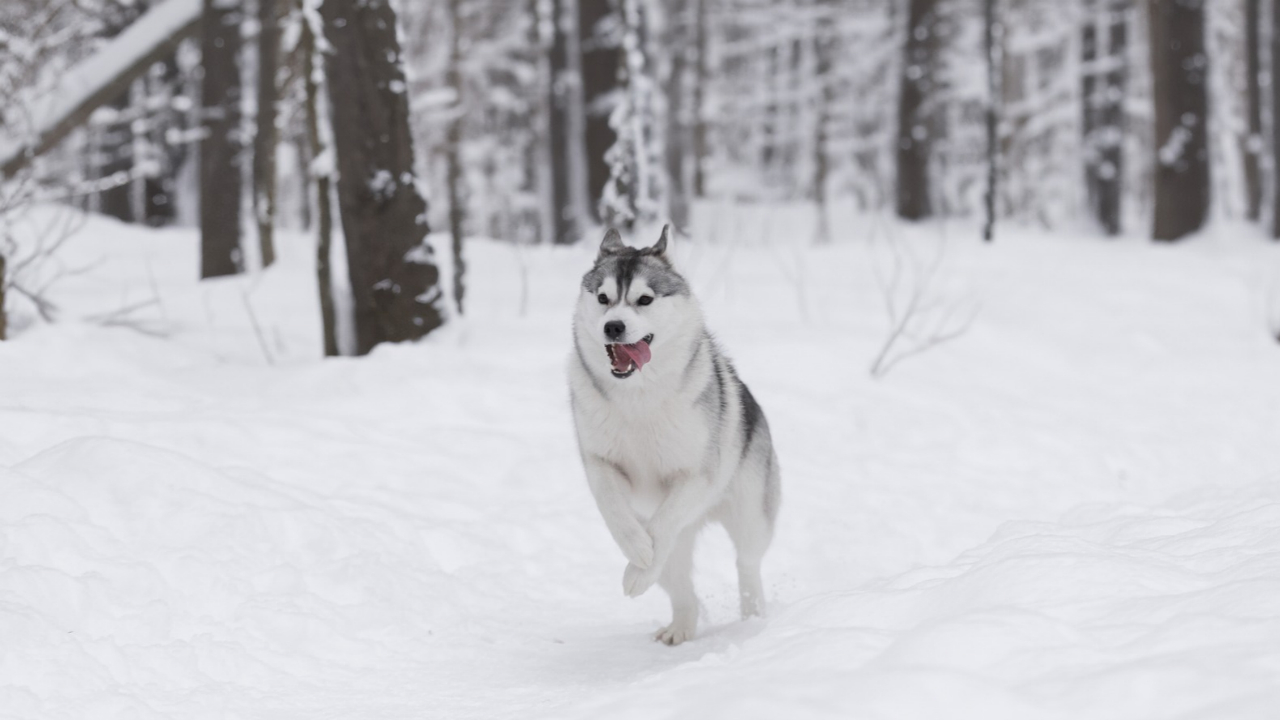
These dogs were built to cover miles on packed snow, day after day, without falling apart. A Husky’s job was pulling a load with a team, not sprinting once and calling it good. You see the difference when the weather is sharp and the trail is long, they keep a steady, efficient trot instead of wasting energy.
On a homestead, that work ethic shows up as stamina and a strong desire to move. If you don’t give that outlet, you’ll get fence running, digging, and creative escapes. Plan for a real winter routine, long walks, skijoring, or pulling a small sled, and use a harness made for pulling, not a collar.
2. Alaskan Malamute Freight Pullers
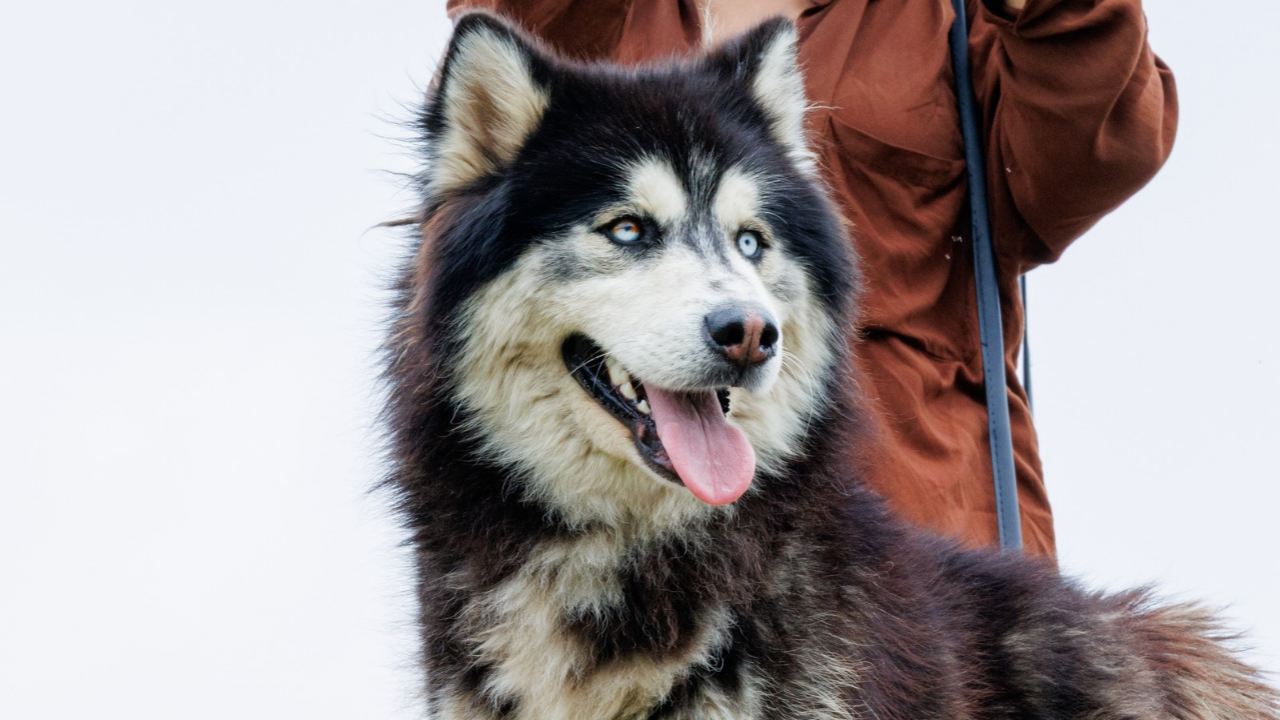
Malamutes weren’t designed for speed, they were designed for weight. Think freight, not racing. Their thick coat and big frame help them lean into a load in deep cold, and that same power can drag you across a slick driveway if you treat leash training like an optional hobby.
If you want a winter work partner for hauling firewood on a sled or helping around camp, this is the type. Start manners young, use a wide, comfortable harness, and don’t expect them to be eager to please in the same way as a herding breed. They’ll work, but they like to know why.
3. Samoyed Herding In Bitter Wind
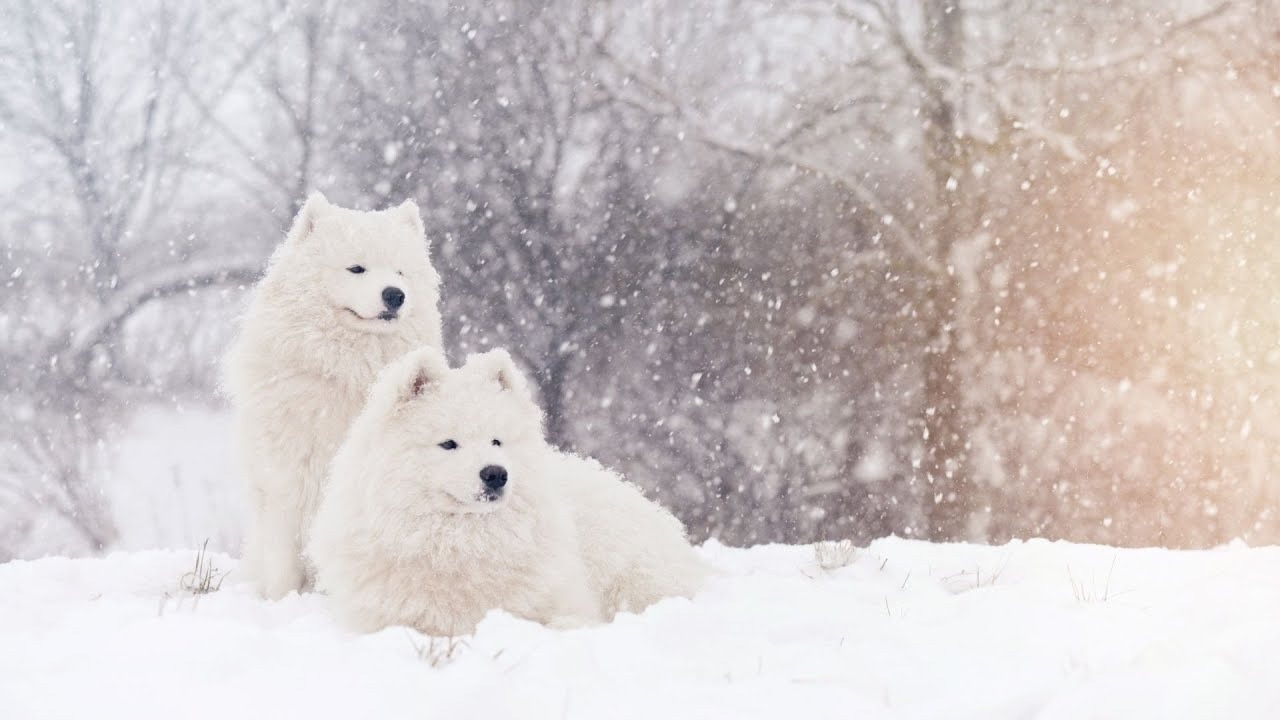
Samoyeds were used to herd reindeer and pull sleds in brutal conditions. That white coat isn’t just for looks, it’s insulation and weather shedding. When the wind is pushing snow sideways, these dogs can still see the job and stay upbeat about it.
They’re also social, which matters in winter when animals and people are cooped up. The tradeoff is grooming, that coat mats fast if you ignore it. Keep a slicker brush and a metal comb handy, and plan on extra time after snow days, because ice balls in the fur turn into tugging knots.
4. Greenland Dog Arctic Hauling Power
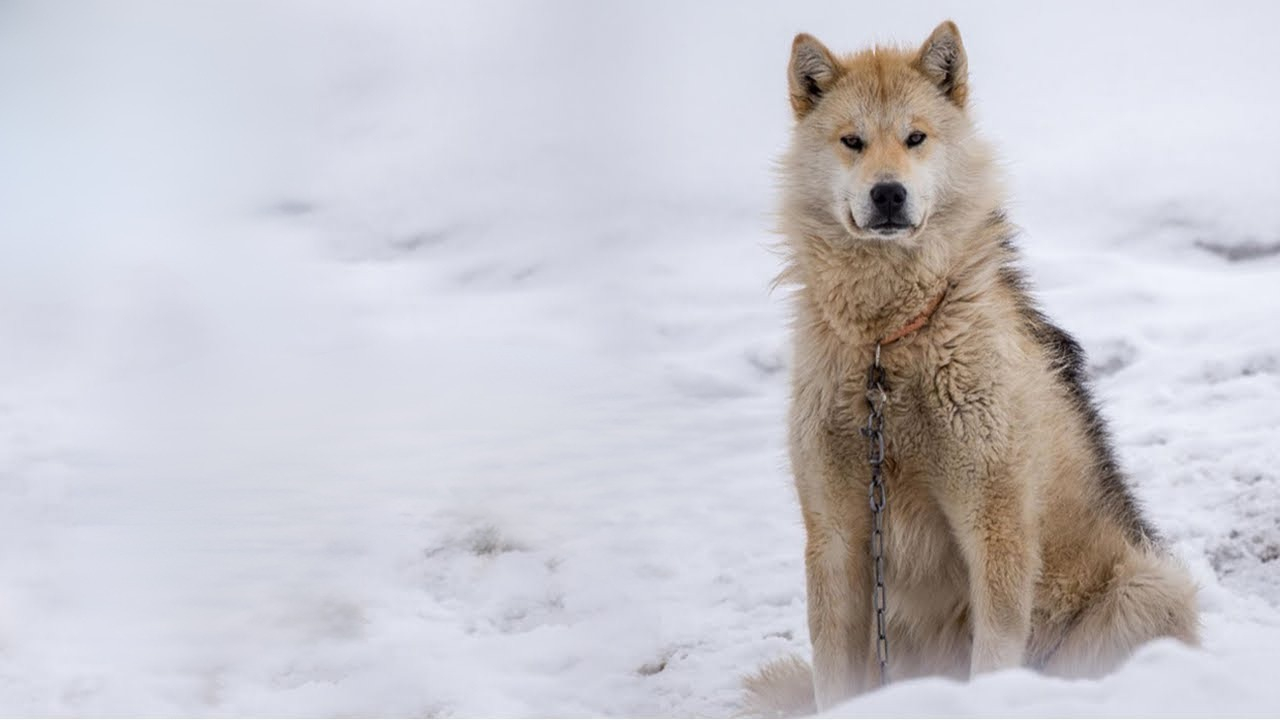
Greenland Dogs are old-school sled dogs, tough and direct. They were bred for real Arctic travel where quitting wasn’t an option. They’re not a “try it on weekends” kind of worker, and they tend to be more intense and more independent than many folks expect.
If you bring this kind of dog home, fencing has to be serious. Cheap wire and wishful thinking won’t hold a determined northern dog that sees something interesting past the property line. Give them heavy exercise, a job, and space, or they’ll invent their own plans.
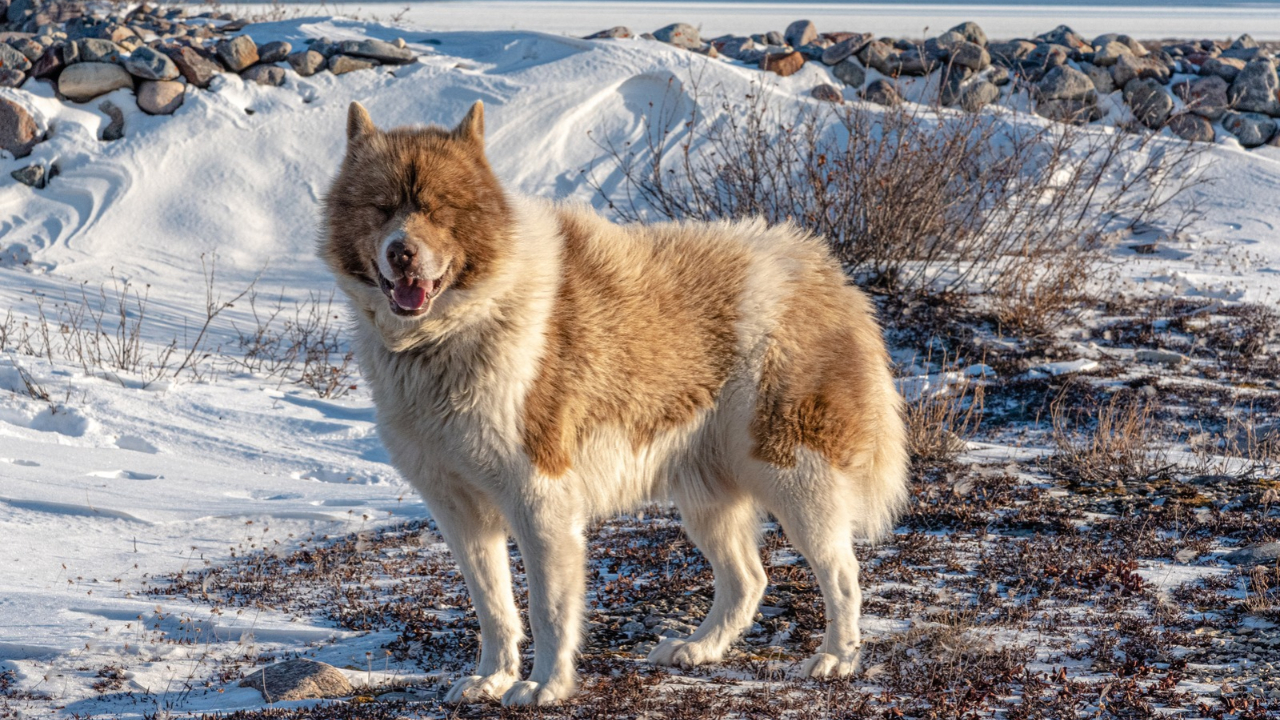
5. Canadian Eskimo Dog Survival Workers
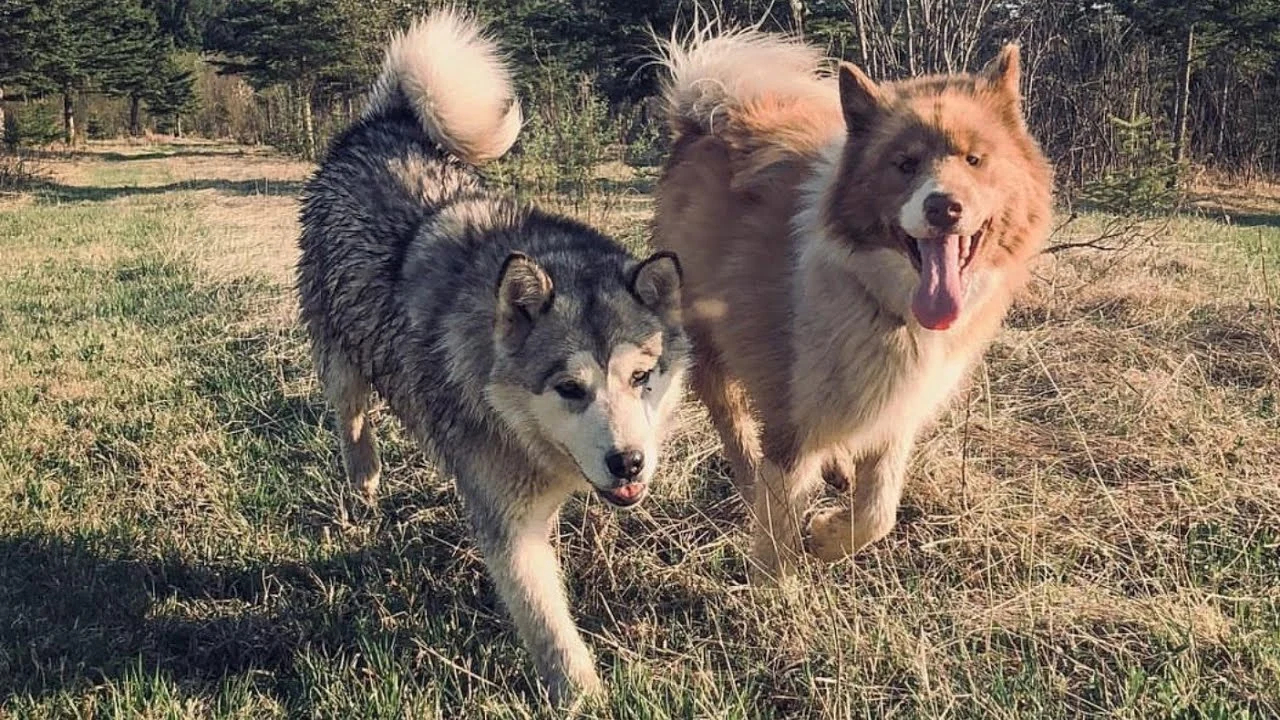
This breed’s history is tied to hauling and hunting support in extreme cold. They’re built to keep moving on low fuss and hard weather. In a snowbound place, that kind of toughness can be useful, but it also comes with a strong drive and a need for structure.
They’re not common everywhere, and that matters for practical reasons like finding an experienced groomer or trainer. If you’re set on one, talk through winter housing, exercise, and temperament with the breeder or rescue. A “snow dog” that’s bored is a demolition project with paws.
6. Saint Bernard Alpine Rescue Haulers
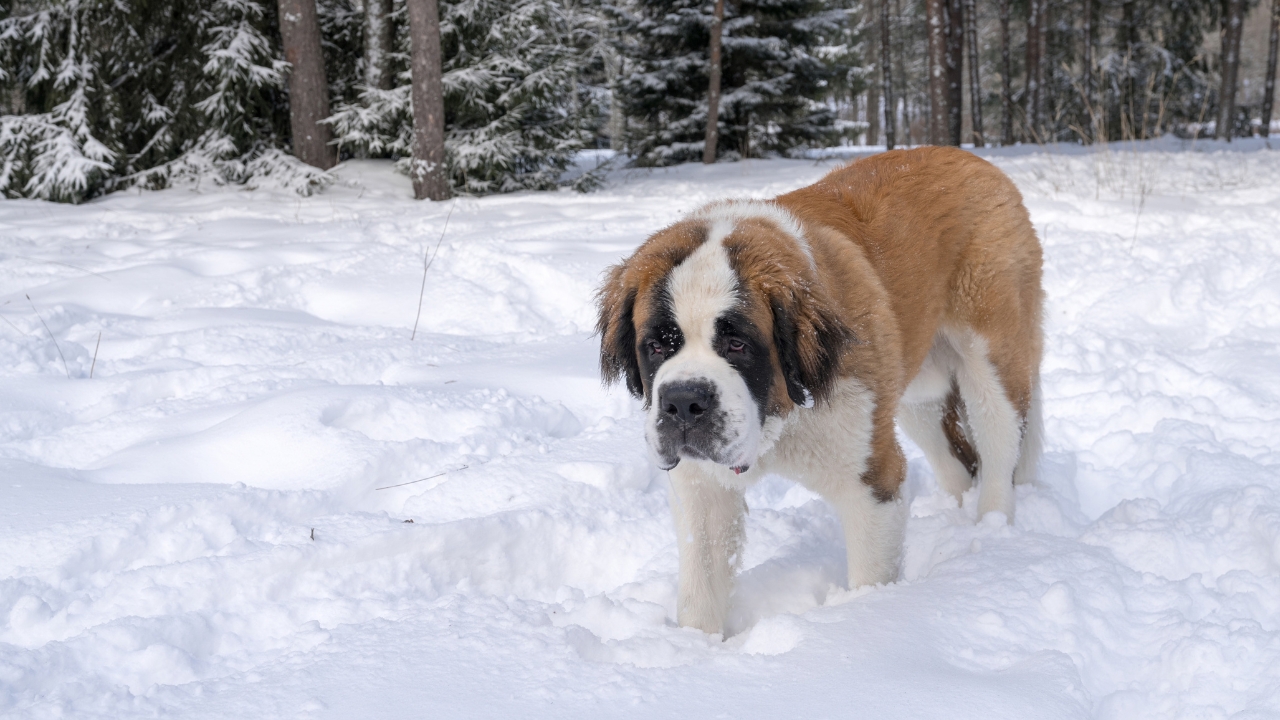
These big dogs are famous for mountain rescue, and the work was real. They could travel through snow, find people, and help get them back. Their size and calm presence make them seem like easy winter companions, until you’re trying to keep floors dry after they wade through slush.
They don’t need marathon runs, but they do need room, steady training, and good footing. On ice, a giant dog sliding into your knees can wreck a week. Keep nails trimmed for traction, use runners on slick indoor floors, and don’t ask a heavy dog to jump in and out of tall trucks all winter.
7. Newfoundland Cold Water Draft Work
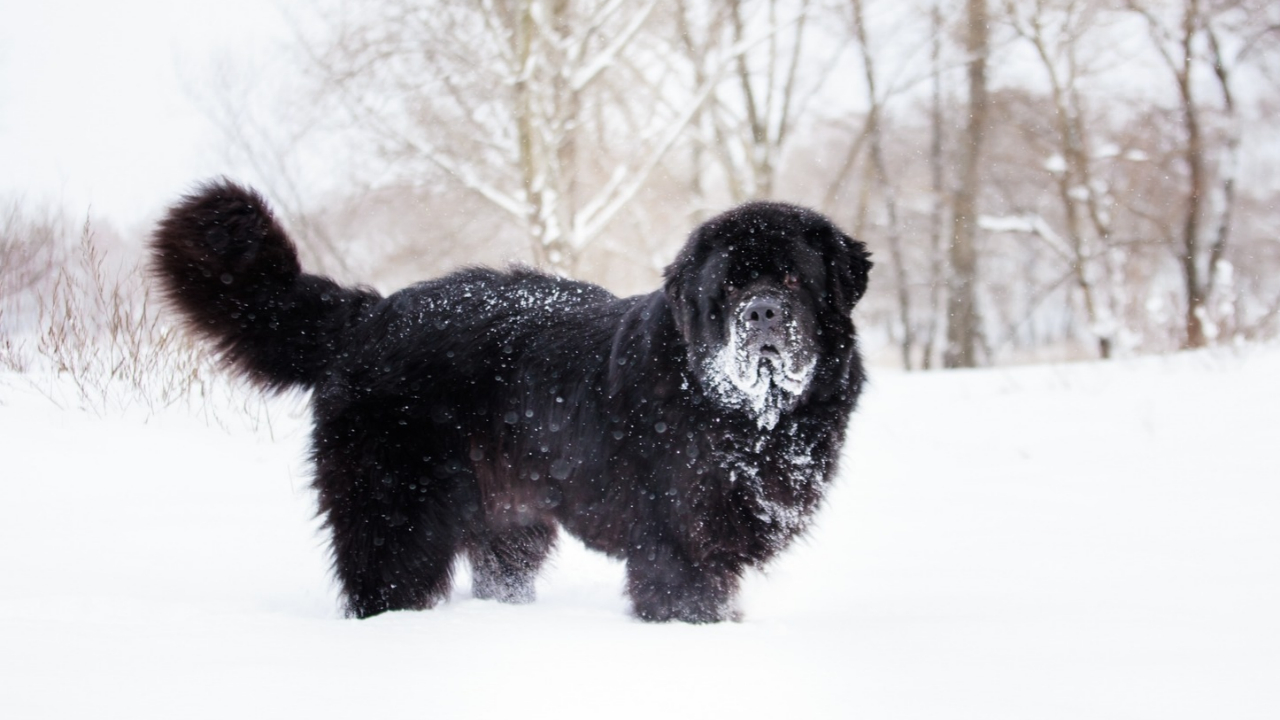
Newfoundlands are known for water rescue, but their job overlaps with cold weather work, hauling nets, pulling small carts, and handling icy shorelines. Their coat and body were made for frigid conditions, including wet snow that turns other dogs miserable fast.
You’ll pay for that coat in maintenance. Wet fur holds grit and road salt, and salt can crack pads. Rinse feet and belly after walks, towel dry well, and keep a simple paw balm on hand for rough weeks. If drool bothers you, winter makes it worse, cold air plus excitement equals strings on your jacket.
8. Akita Snow Country Guardians
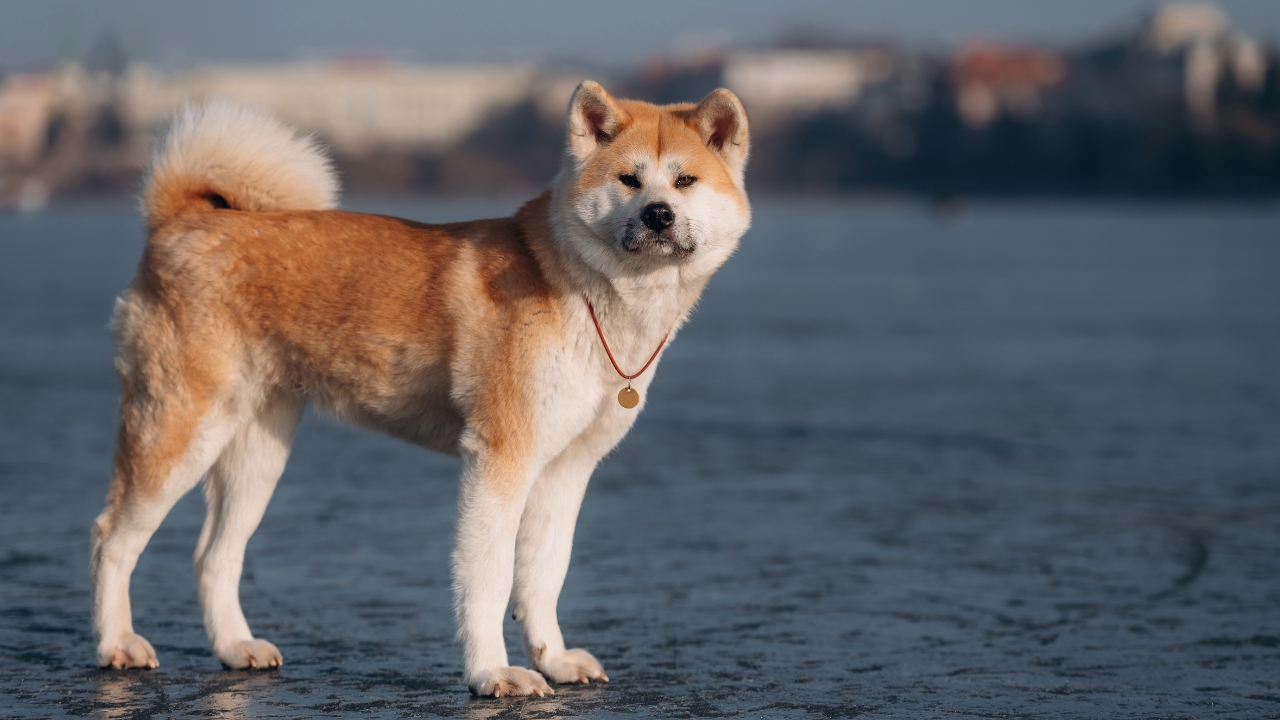
Akitas come from snowy regions of Japan and were used for guarding and hunting. They’re strong, alert, and not interested in being everybody’s buddy. In winter, that protective streak can be a plus on a rural place, but it means you don’t skip early social work.
Don’t set an Akita up as a “yard dog” and hope it sorts itself out. You want clear rules, controlled introductions, and a secure gate. If you need a dog that welcomes every delivery driver in a blizzard, pick a different breed.
9. Norwegian Elkhound Deep Snow Trackers
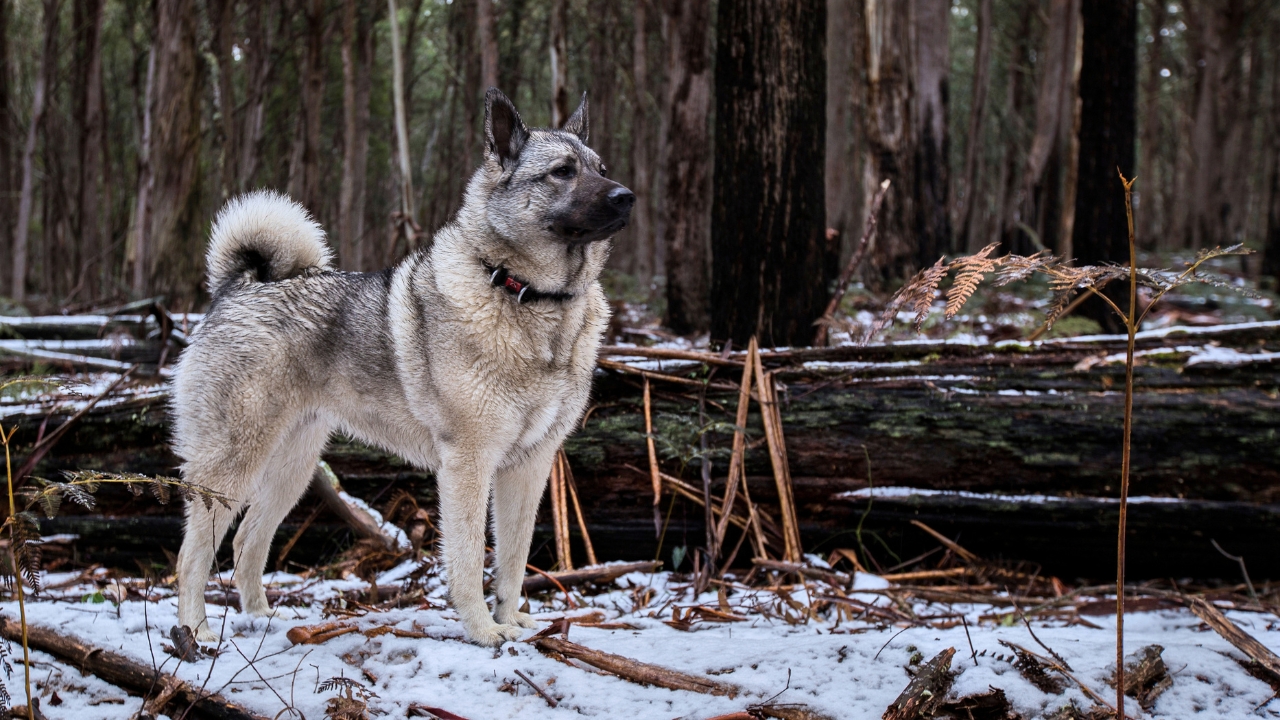
Elkhounds were bred to hunt and track in harsh Scandinavian winters. They can move through brush and snow, follow scent, and keep going when the temperature drops. On a property, that often turns into patrol laps and loud alerts when something doesn’t belong.
That bark can be useful or it can get you in trouble with neighbors. Train a quiet cue early and give them work that uses the nose, not just free time in the yard. A long line in winter is a smart tool for exercise without turning “tracking practice” into a missing-dog poster.
10. Keeshond Barge And Canal Watchdogs
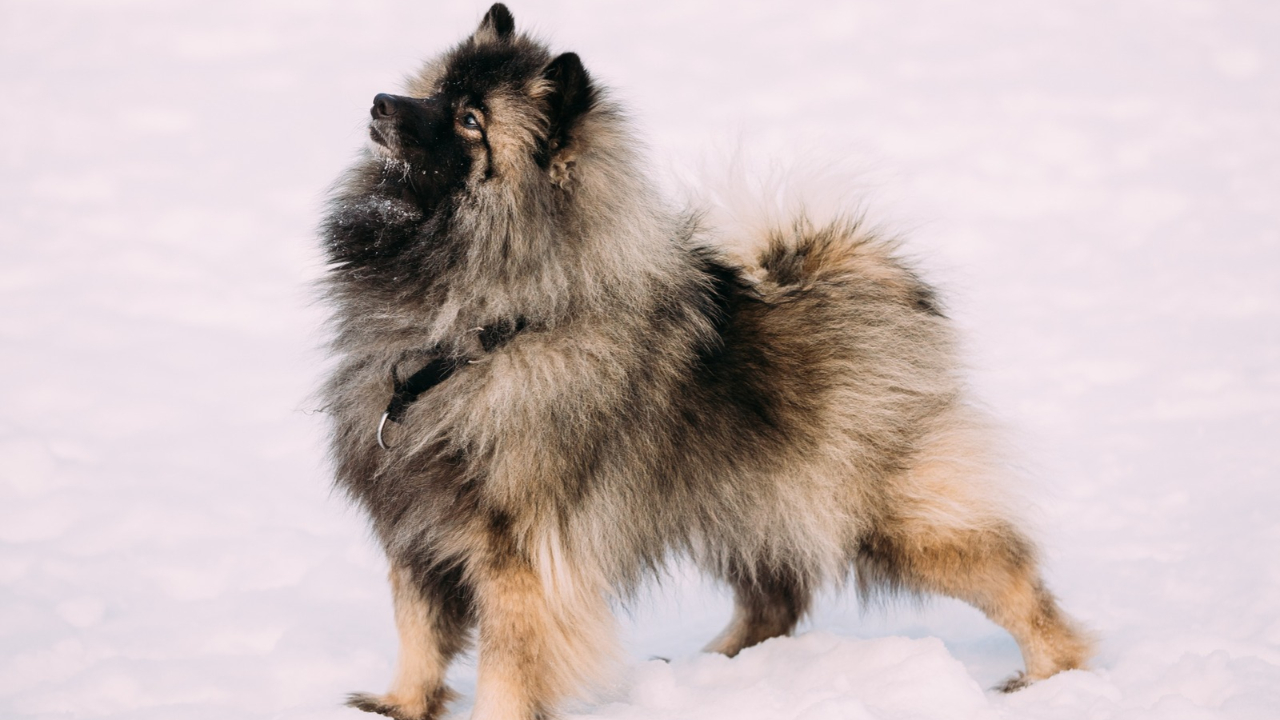
Keeshonden aren’t sled pullers, and that’s why people forget them. They were watchdogs on boats and along cold canals, built to live outside in damp, chilly weather and still sound the alarm. For a small acreage or a cold porch life, their coat and attitude fit.
They’re smaller and easier to handle than many snow-bred working dogs, but they still need grooming and training. The upside is they often fit better in a normal household routine. If you want cold tolerance without a 90-pound hauling machine, this is a practical lane.
11. Tibetan Mastiff High Plateau Night Guard
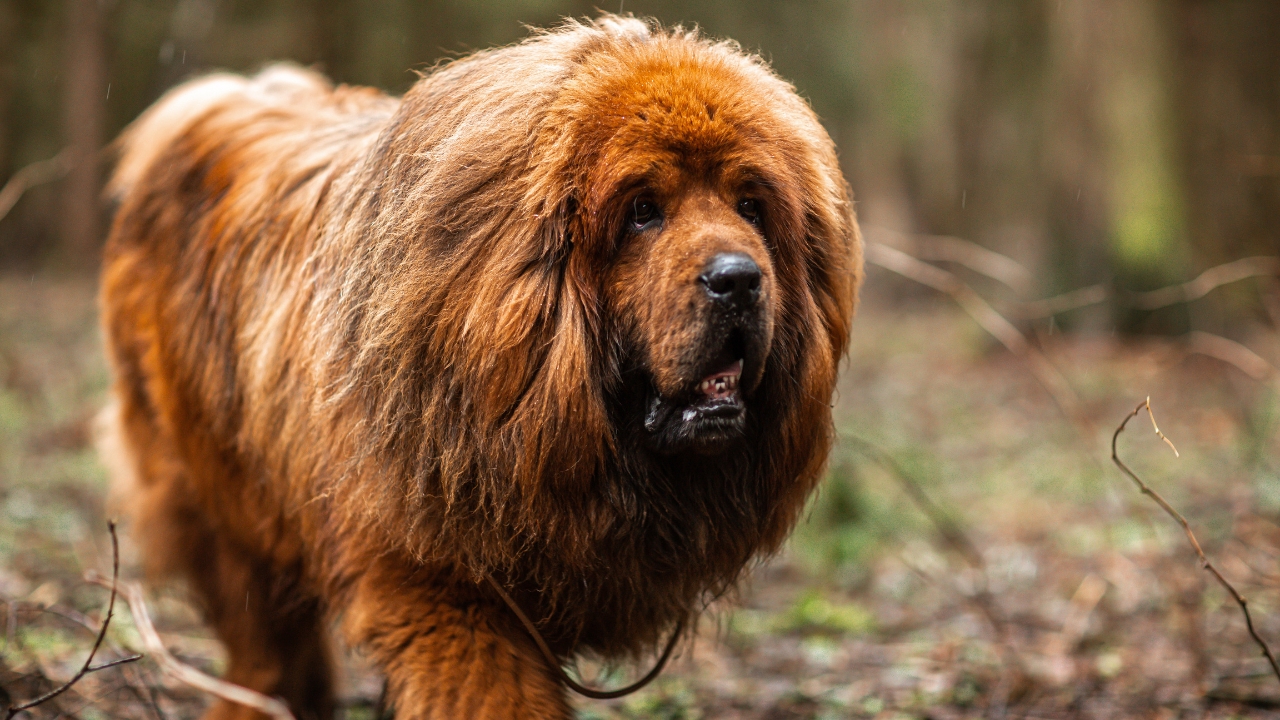
These dogs were bred to guard livestock and camps in cold, high places. They’re built for bitter nights and serious predator pressure, which means their default setting is watchful and independent. They don’t do well with casual fencing and casual boundaries.
This is one of those times where the common advice of “a big dog will protect the property” can be wrong. A Tibetan Mastiff can be too much dog for many setups, especially if guests come and go in winter. If you’re set on a guardian breed, talk to someone experienced with livestock guardians and plan the management before you bring the dog home.
12. Chinook New England Sled Workers
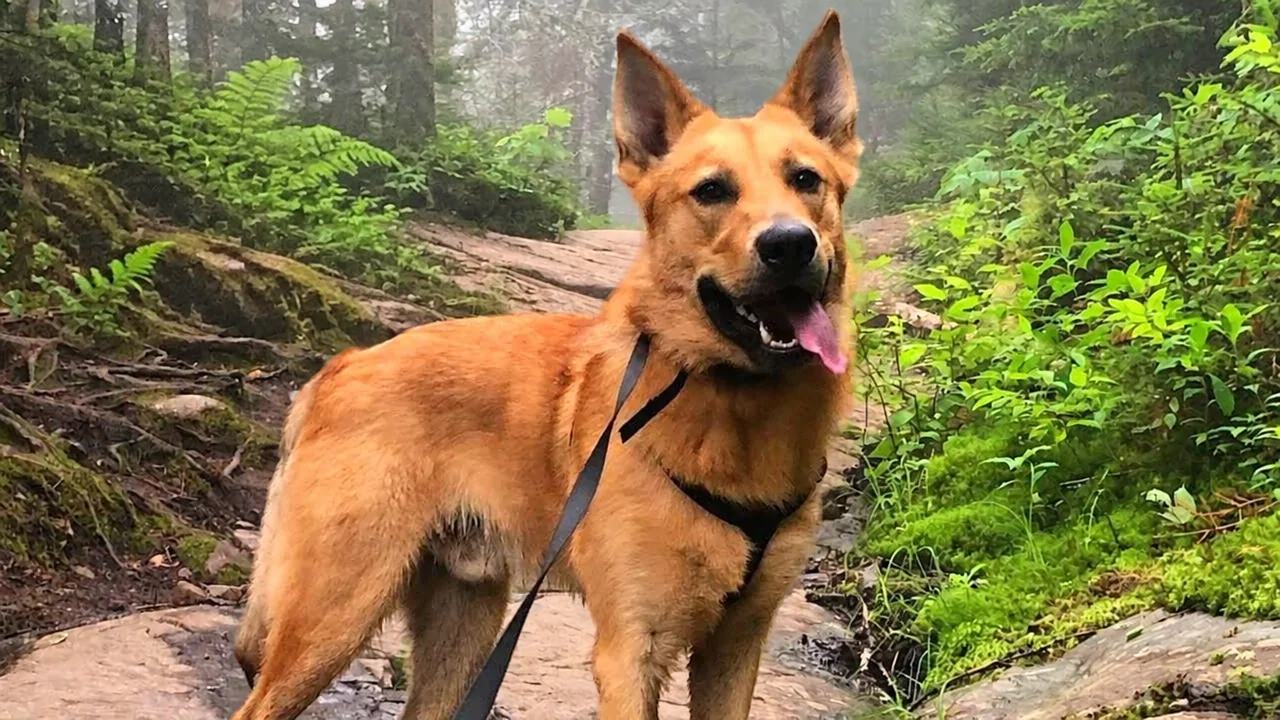
Chinooks were developed for sled work in cold conditions, and they tend to be steady pullers with a more people-focused temperament than some northern spitz types. They’re strong enough to work but often easier to live with day to day, which matters when winter keeps you inside more than you like.
They’re not common, so timing and travel can be part of the cost. The cheap option is not always bad here, a well-run rescue or breed-specific rescue can be a fine way to find a dog with the right coat and drive. What you don’t want is a random “snow dog” mix with unknown temperament and no plan for exercise once the novelty wears off.
Winter work gets better when the animal beside you is comfortable in the weather and clear on the job. Pick for your actual chores, your space, and your tolerance for hair, noise, and training time. The right cold-bred dog doesn’t make snow disappear, but it can make the long season feel a lot more doable.
Like Fix It Homestead’s content? Be sure to follow us.