10 Things That Make a Heat Pump Struggle in the Cold
Photo credit: Kenneth Bagge Jorgensen/Shutterstock.com
You notice it on the first real cold snap, the house feels drafty, the outdoor unit sounds different, and the electric bill starts creeping up. Heat pumps can heat well in winter, but they don’t forgive sloppy setup or ignored maintenance. A few small problems stack up fast when the air outside is bitter.
1. Outdoor Unit Choked By Snow And Ice
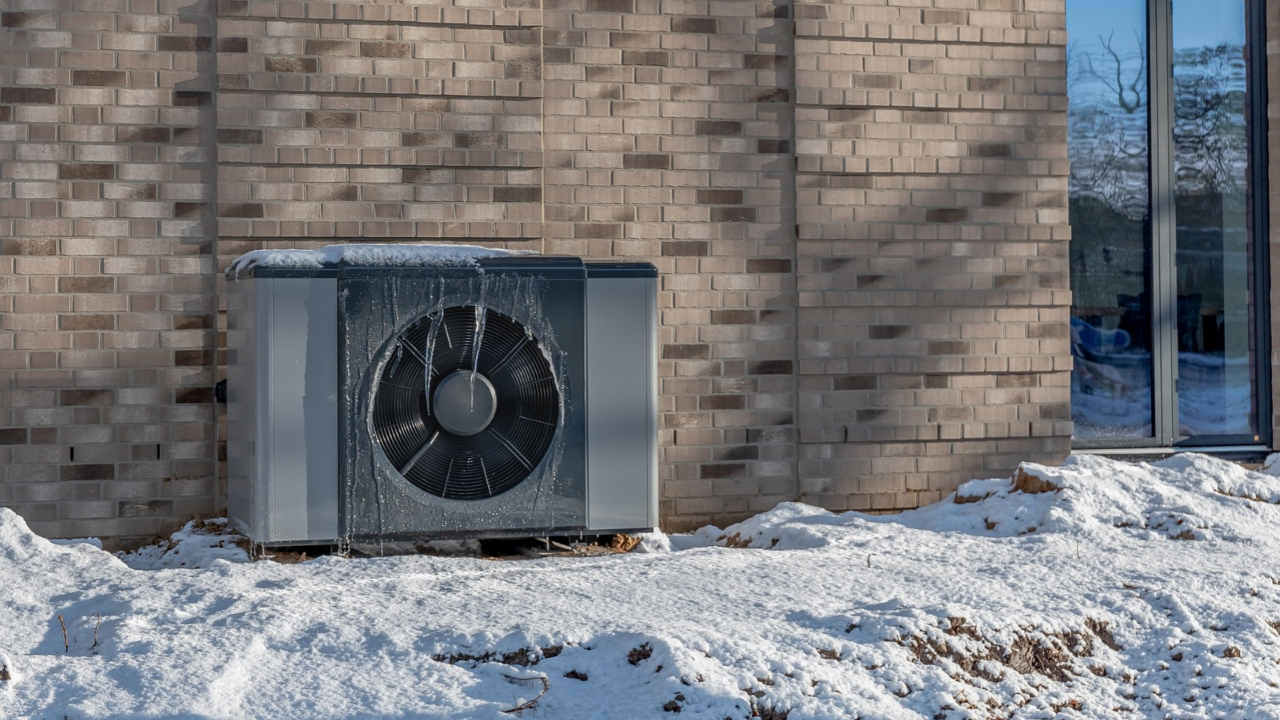
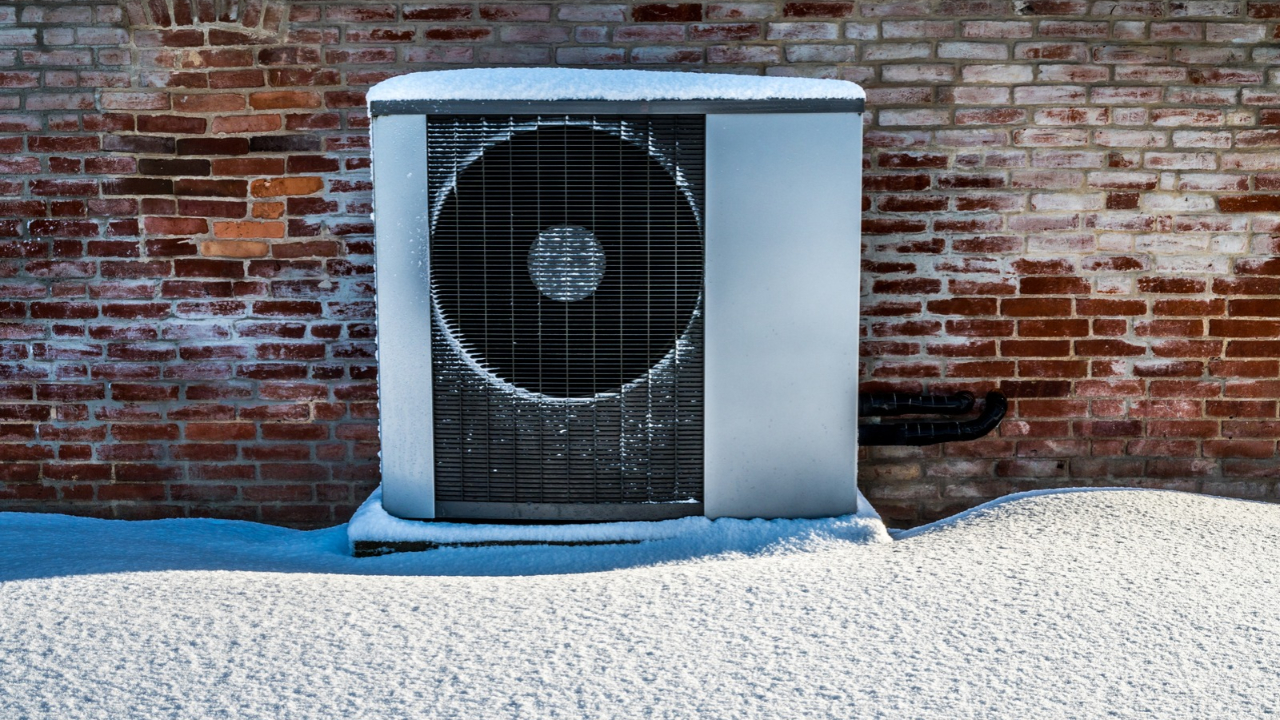
If the outdoor coil can’t breathe, the system can’t pull heat from the air. Snow drifts, wind-packed ice, or a plowed berm can block airflow and force long run times, followed by frequent defrost cycles. You’ll hear the fan labor, then a whoosh as it switches modes, and the air inside goes lukewarm for a bit.
Keep a clear, open lane around the unit, not just in front. Brush off snow after storms and chip away ice that’s bridging the base to the cabinet, but don’t go after the fins with a shovel. If you keep getting roof dumps or slide-offs onto the unit, add a simple awning or snow diverter above it, not a tight enclosure.
2. Leaves, Grass, And Cottonwood In The Coil
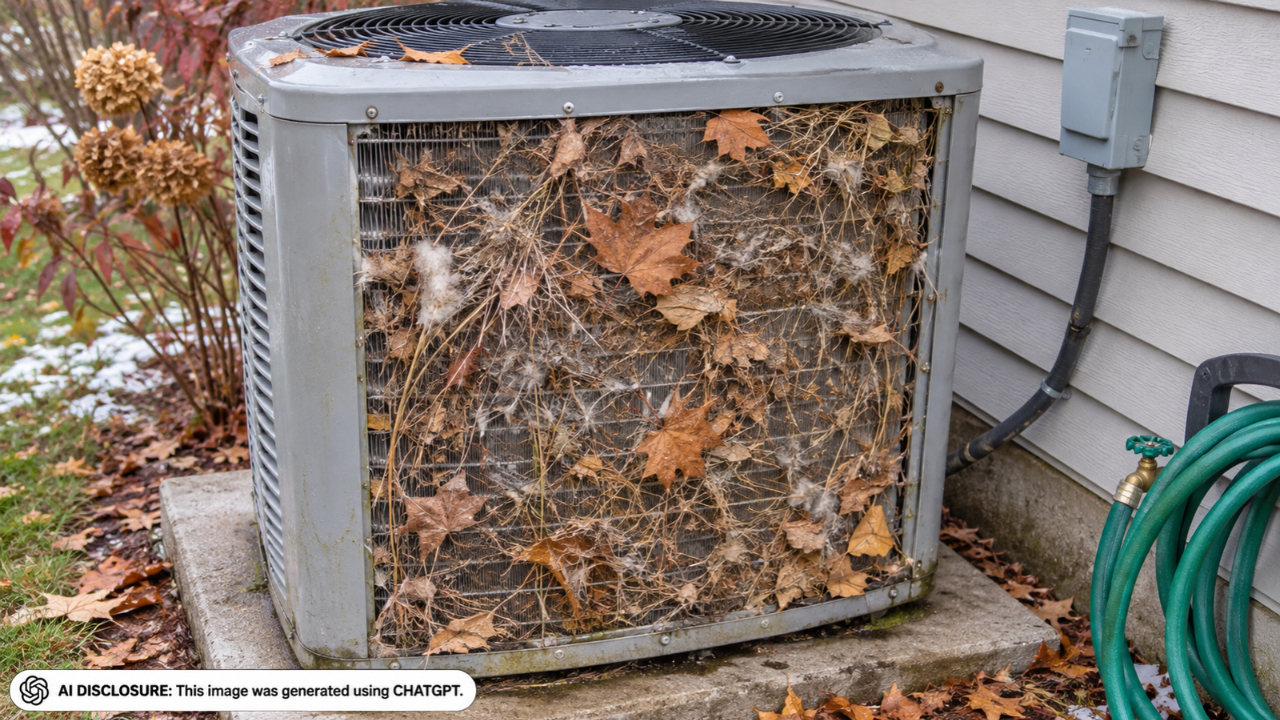
Fall mess doesn’t look like much until it’s plastered into the coil face. That mat of fluff and leaf bits acts like a blanket, and cold weather makes the system less tolerant of restricted airflow. The unit may still run, it just runs forever.
Kill power at the disconnect, then gently rinse the coil from the inside out with a garden hose. Skip the pressure washer, it folds fins and makes a bad day. If the coil is oily or packed tight, a proper coil cleaner helps, but read the label and protect nearby plants.
3. Indoor Filter Left Too Long
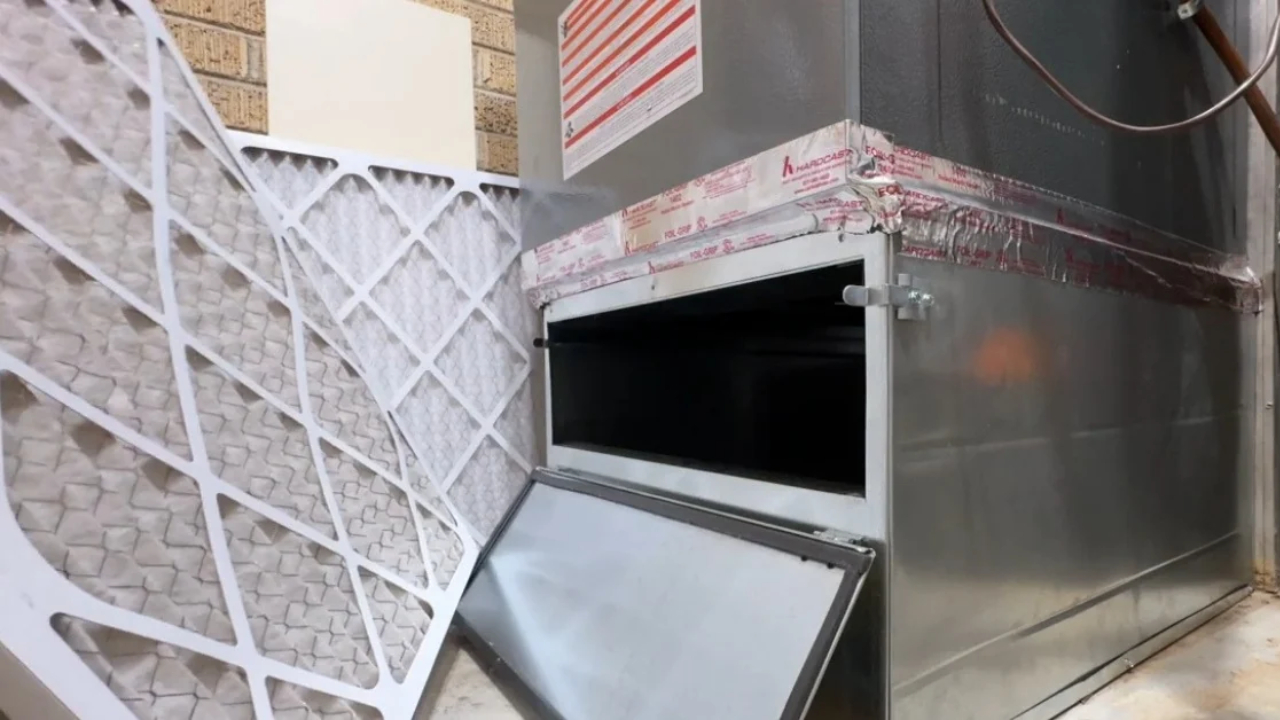
People swap filters on a schedule that worked in summer, then winter hits and the unit runs more hours. A loaded filter starves the indoor coil, indoor airflow drops, and the system can’t move the heat it managed to collect. Some setups start whistling at returns or you’ll feel weak airflow at the registers.
Check the filter monthly in heating season and hold it up to a light. If it’s gray and fuzzy, replace it. Cheap pleated filters are fine for most systems, and sometimes better than a high-MERV filter that your blower can’t handle without losing airflow.
4. Supply Registers Closed In Spare Rooms
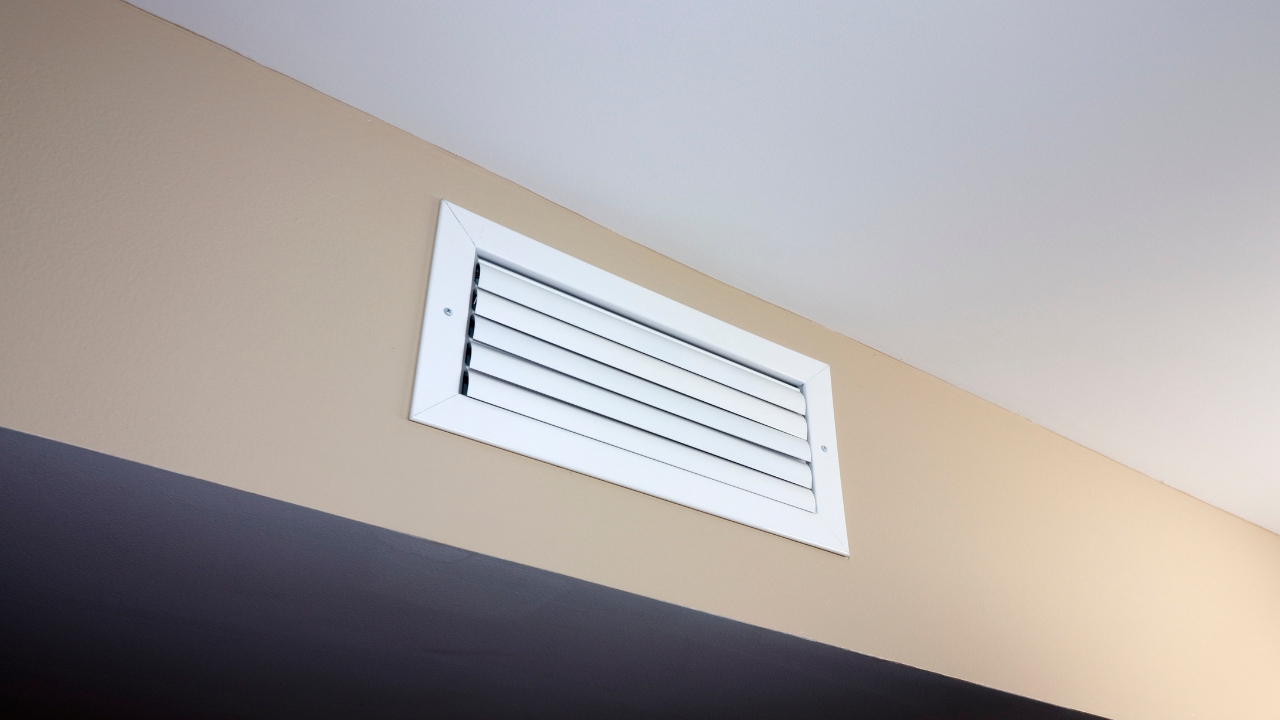
Closing vents feels thrifty, but many ducted heat pump systems don’t like it. You’re reducing airflow the blower was sized for, which can raise static pressure, add noise, and push the unit into longer, less comfortable cycles. Some homes end up with cold spots and a warmer hallway, which is backwards from what you wanted.
Leave most registers open and manage comfort with doors, curtains, and small air leaks you can actually seal, like around attic hatches. If one room always overheats, a pro can look at balancing dampers or duct sizing. Don’t go cranking on hidden dampers unless you know what you’re doing, it’s easy to make the whole system worse.
5. Thermostat Setbacks And Constant Tweaking
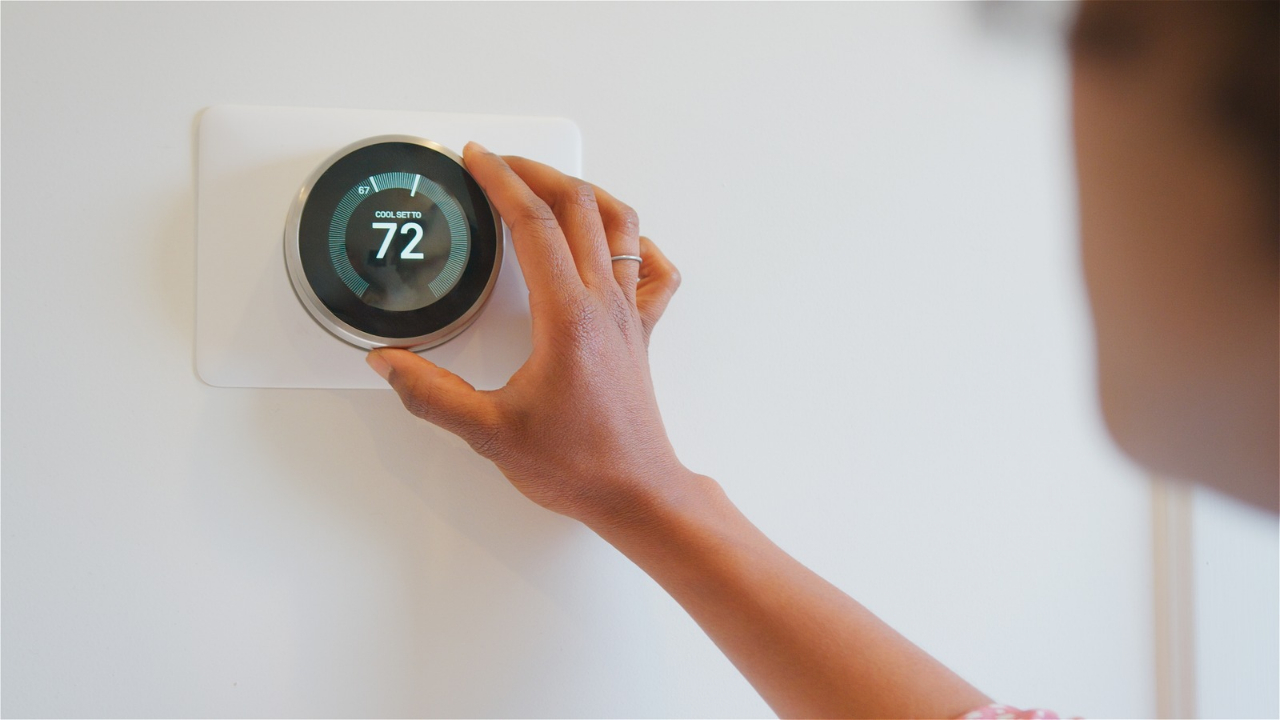
Cranking the thermostat up in the morning doesn’t make a heat pump “try harder” in a helpful way. On many systems, big setbacks trigger backup heat, and that’s when you feel the bill jump. The house warms fast, but you paid for it.
Run a smaller setback, or none at all, during the coldest weeks. If you have a thermostat with a heat pump setting, make sure it’s configured right so it stages heat properly. If you’re not sure what settings do what, this is one of those times it’s worth paying an HVAC tech for an hour to set it up correctly.
6. Backup Heat Running When It Shouldn’t

Sometimes the “struggle” is really the backup heat doing the heavy lifting because something else is wrong. A stuck heat strip relay, a miswired thermostat, or bad outdoor sensor can keep electric resistance heat on longer than needed. You’ll often notice very hot air at the vents, and the outdoor unit may not run as much as you’d expect.
Check the thermostat for messages like “AUX” or “EM Heat” and pay attention to when it comes on. If it runs constantly during mild cold, call a licensed HVAC pro. This involves controls and high-amperage circuits, not a DIY poke-around job.
7. Refrigerant Charge Off From A Slow Leak
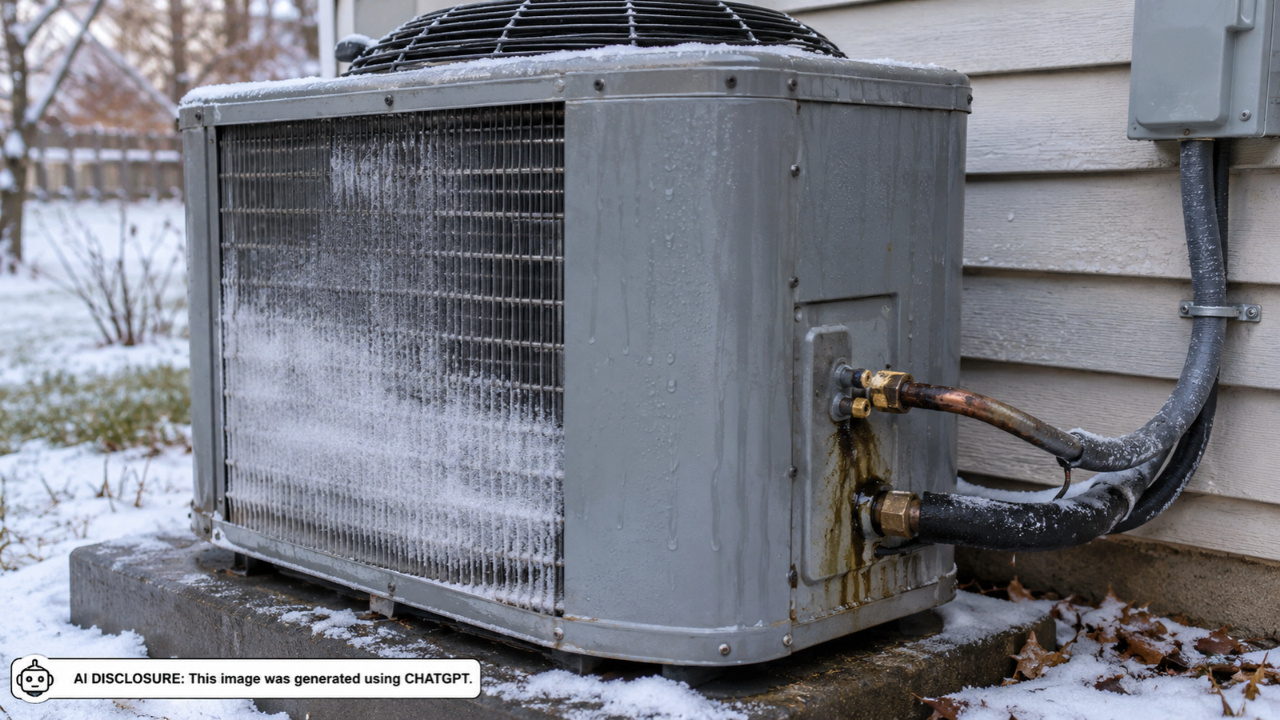
Low refrigerant doesn’t always scream in summer, but winter exposes it. The system gets noisier, capacity drops, and frost builds on the outdoor coil faster than normal. You can end up in a loop of defrosting and falling behind.
Refrigerant work is for a licensed pro with gauges, leak detection, and the right refrigerant handling. What you can do is look for oily residue on refrigerant lines or around service ports, and note any repeated icing. Don’t buy “top-off” kits, they rarely fix the actual leak and they can create bigger problems.
8. Long, Leaky Duct Runs In Cold Spaces

A heat pump can be doing fine, while your ductwork dumps the heat into an attic or crawlspace. You’ll feel it as rooms that never quite warm up, and a supply register that blows warm near the air handler but only lukewarm at the far end. Cold weather makes those losses more painful.
Seal duct joints with mastic, not duct tape, and insulate ducts in unconditioned spaces if they’re bare. Wear gloves, long sleeves, and a respirator in dusty attics and crawlspaces. If you find disconnected ducts, crushed flex, or moldy insulation, it’s often worth hiring a crew to redo that section cleanly.
9. Outdoor Unit Sitting Too Low
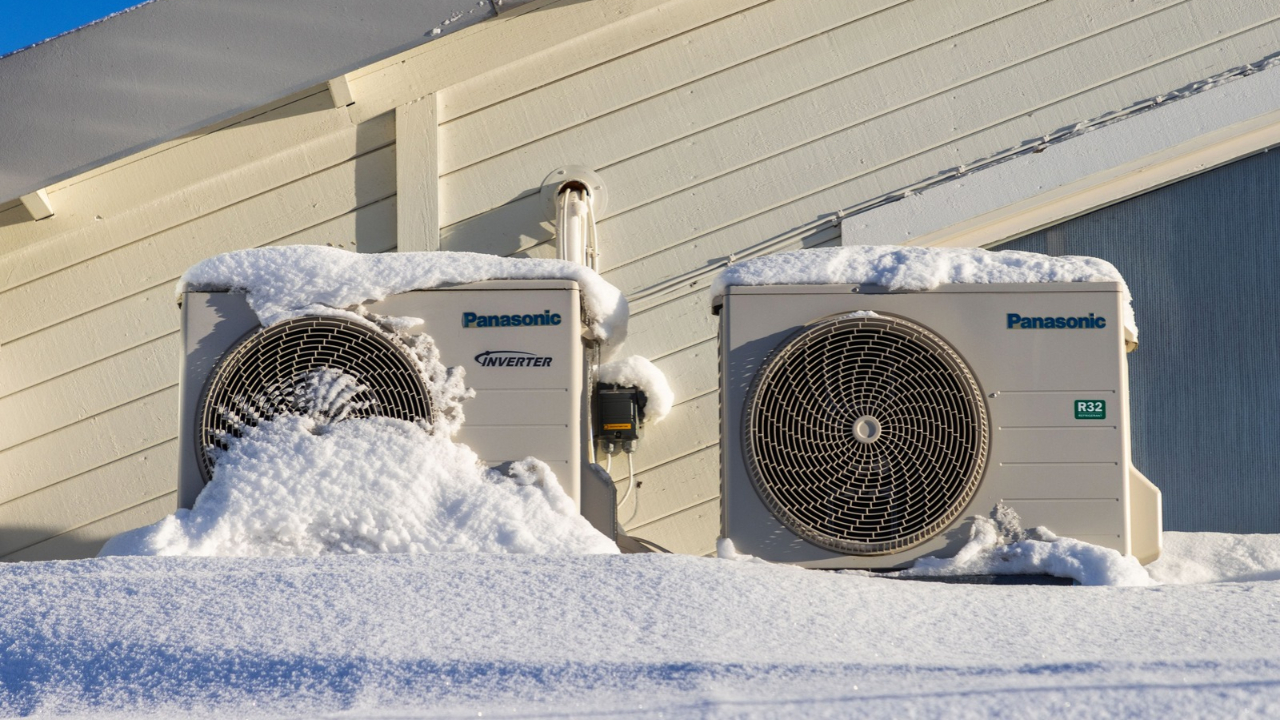
Some units are installed close to grade, and it’s fine until the first winter with drifting snow. Once the base is buried, meltwater refreezes, the coil turns into a block, and the fan can even clip ice. You might hear a ticking or a rough scraping sound, especially during defrost.
The fix is height and drainage. A proper stand or wall bracket keeps the unit above typical snow depth and away from splashback, and a bed of compacted gravel helps with meltwater. If this means reworking the pad, lineset, or electrical whip, bring in a pro so you don’t kink refrigerant lines or violate local codes.
10. Poor Air Sealing And Not Enough Insulation
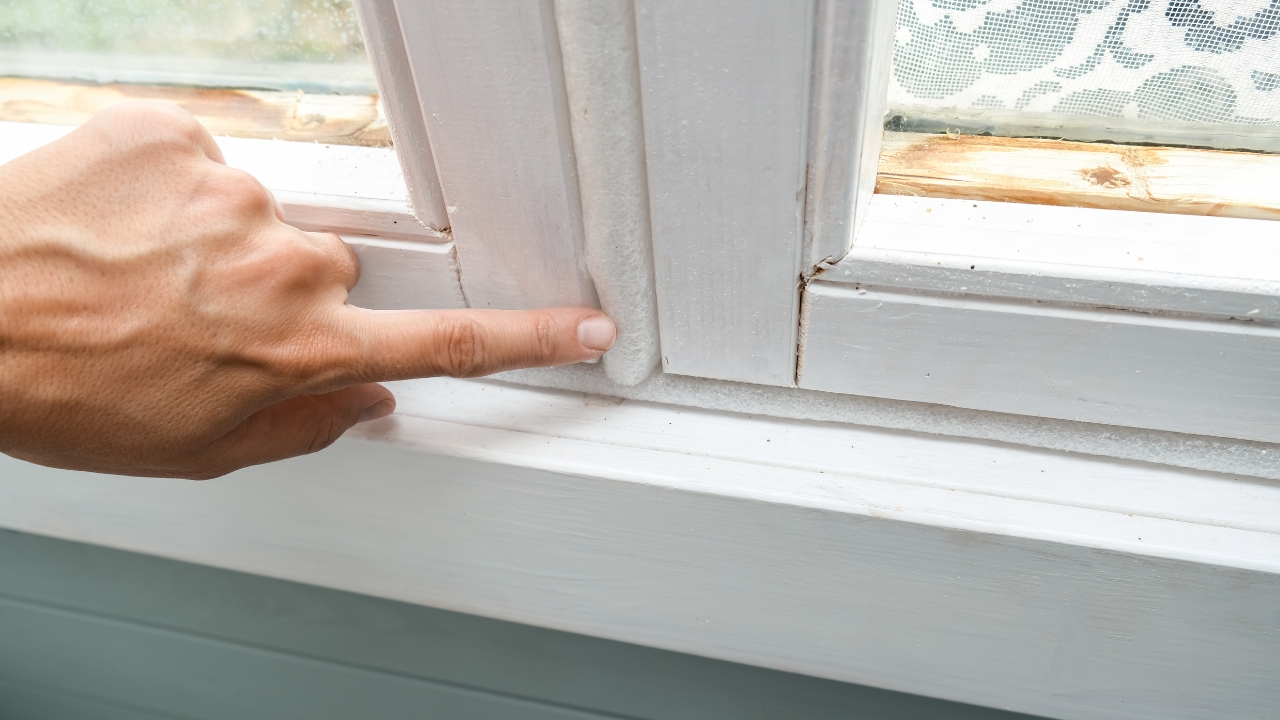
If the house leaks like a screen door, the heat pump never gets to rest. Windy nights make it obvious, floors feel cold, and the system runs almost nonstop trying to keep up. That’s not the unit failing, that’s the building bleeding heat.
Start with the cheap stuff: weatherstrip exterior doors, seal obvious gaps around plumbing and wiring penetrations, and add outlet gaskets on exterior walls. Then look at attic insulation and air sealing around can lights and the attic hatch, which often gives the best return for the effort. If you need more insulation but don’t know where the leaks are, an energy audit with a blower door test can stop a lot of wasted work.
When your setup is right, winter operation sounds boring and feels steady, even when it’s nasty outside. Treat airflow and drainage like a maintenance job, not an afterthought, and you’ll get more heat with less noise and fewer surprises. If you keep chasing the same issue every cold snap, stop guessing and pay for a diagnostic before you pay for another season of high bills.
Like Fix It Homestead’s content? Be sure to follow us.