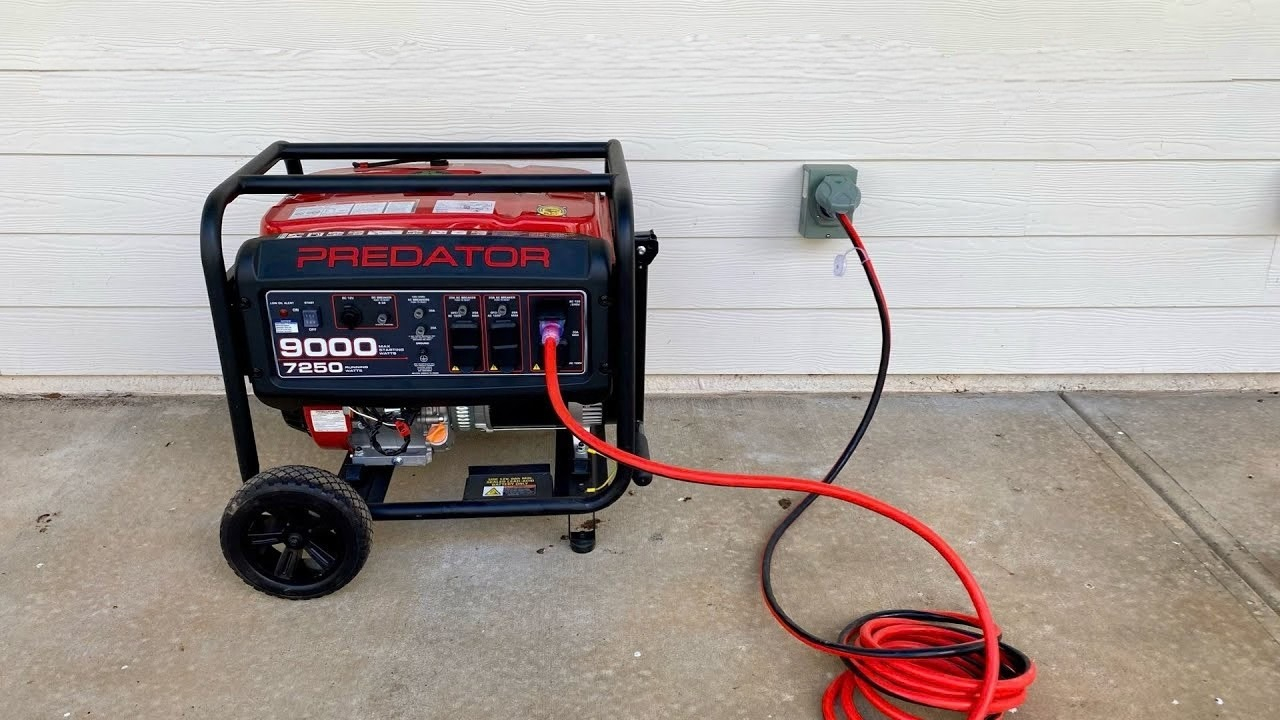
10 Things to Know Before Wiring a Generator Into a House
Photo credit: Brantley Blended/Youtube
The power goes out, the freezer starts warming up, and suddenly a generator sounds like the smartest thing you ever bought. Wiring one into a house can be clean and reliable, but it’s also a place where small mistakes turn into expensive smoke fast. Get the plan right before you touch a panel cover.
1. Backfeed Can Kill A Lineman
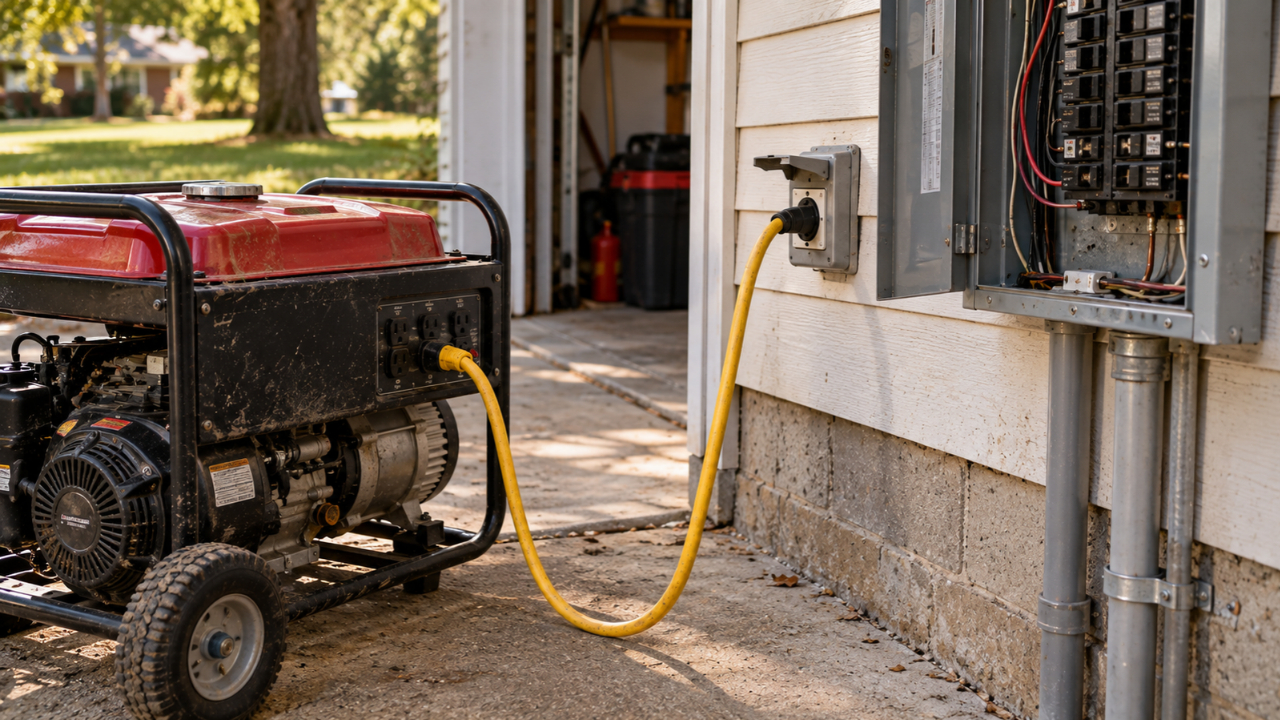
The sketchy shortcut is a “suicide cord” from the generator into a dryer outlet. It can energize the utility lines through your main panel, even if the neighborhood looks dark. That’s how people get hurt, and it’s also how houses burn down when breakers don’t trip the way you think they will.
The fix is simple but not optional, you need a transfer switch or an interlock kit that prevents the main breaker and generator breaker from being on at the same time. This is permit and inspection territory in many places, and a licensed electrician is worth the money if you’re not fully confident inside a panel.
2. Transfer Switch Versus Interlock Kit
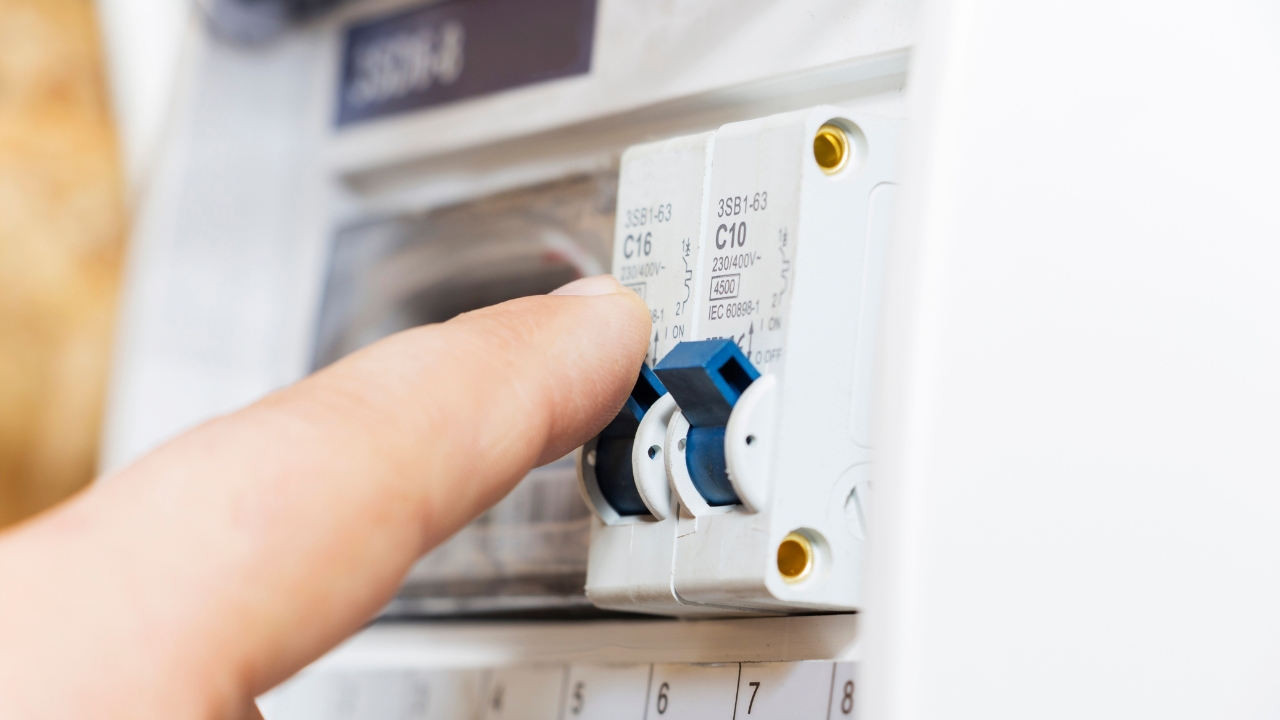
People get stuck here and overbuy. A whole-house automatic transfer switch is great, but it’s a big check and it can drag the project out if you need a service upgrade or long lead times. For a portable generator, a panel interlock kit paired with a proper inlet is often a clean, code-friendly setup.
There’s an honest exception though. If someone in the house relies on medical gear, sump pumps in a high water table, or you’re away a lot in winter, automatic standby starts to make sense. Paying more for hands-off reliability isn’t wasteful in that case.
3. You Can’t Run The Whole Panel
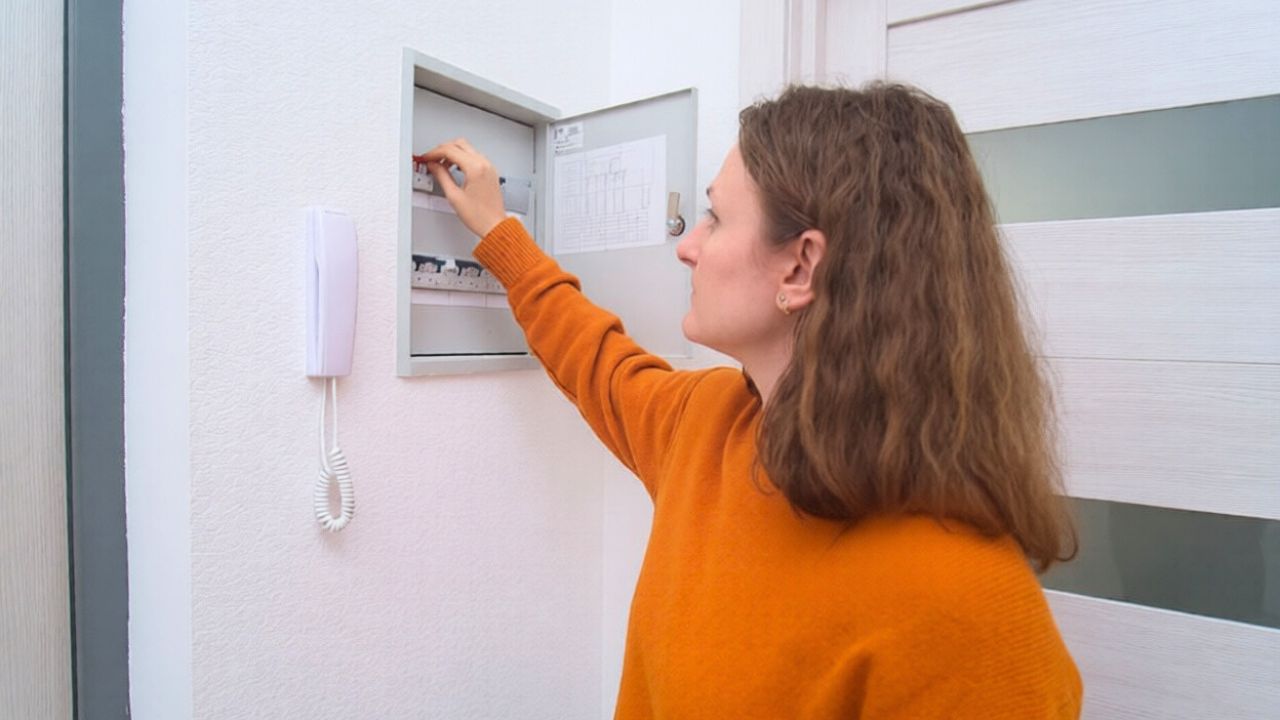
The first outage after a hookup is when reality hits. A 30 amp inlet does not power electric ranges, big central AC, heat strips, a well pump, and the whole kitchen all at once. When you overload, the generator bogs down, lights flicker, and breakers trip, or the generator just dies.
Do a load plan before you buy parts. Decide what matters, fridge, freezer, furnace blower, well pump, some lights, maybe a microwave, then figure out what needs to be off when something else starts. A manual transfer switch with labeled circuits makes this easier, but even with an interlock you can stick a simple “outage checklist” on the panel door.
4. Neutral And Ground Trips Get Weird
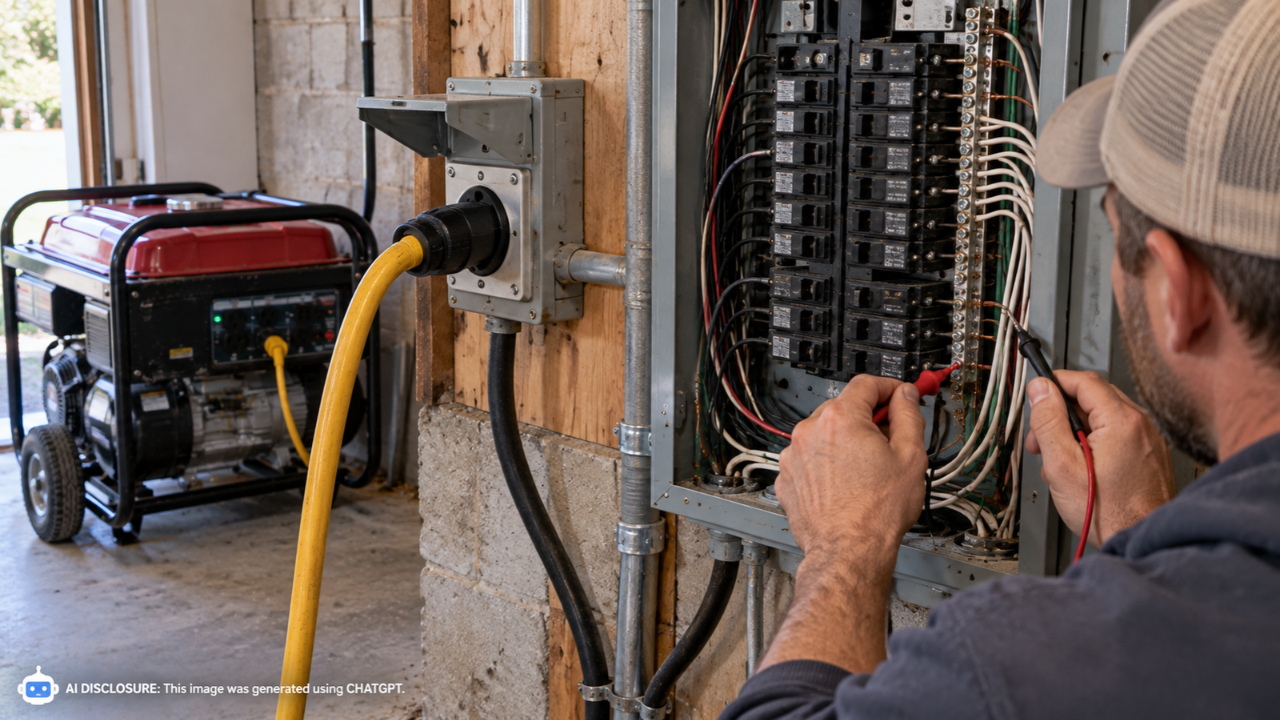
A lot of headaches come from neutral bonding and grounding, and the symptoms feel random. GFCI breakers nuisance-trip, a generator breaker won’t stay set, or you get a tingle on a metal sink when you touch it with wet hands. That’s your sign to stop guessing.
Some portable generators have a bonded neutral, some float it, and some inverter units behave differently again. Your transfer setup and local code decide what’s allowed. This is one of those spots where a pro earns the fee, because the wrong neutral path can make breakers act useless when you actually need them.
5. The Inlet Location Makes Or Breaks It
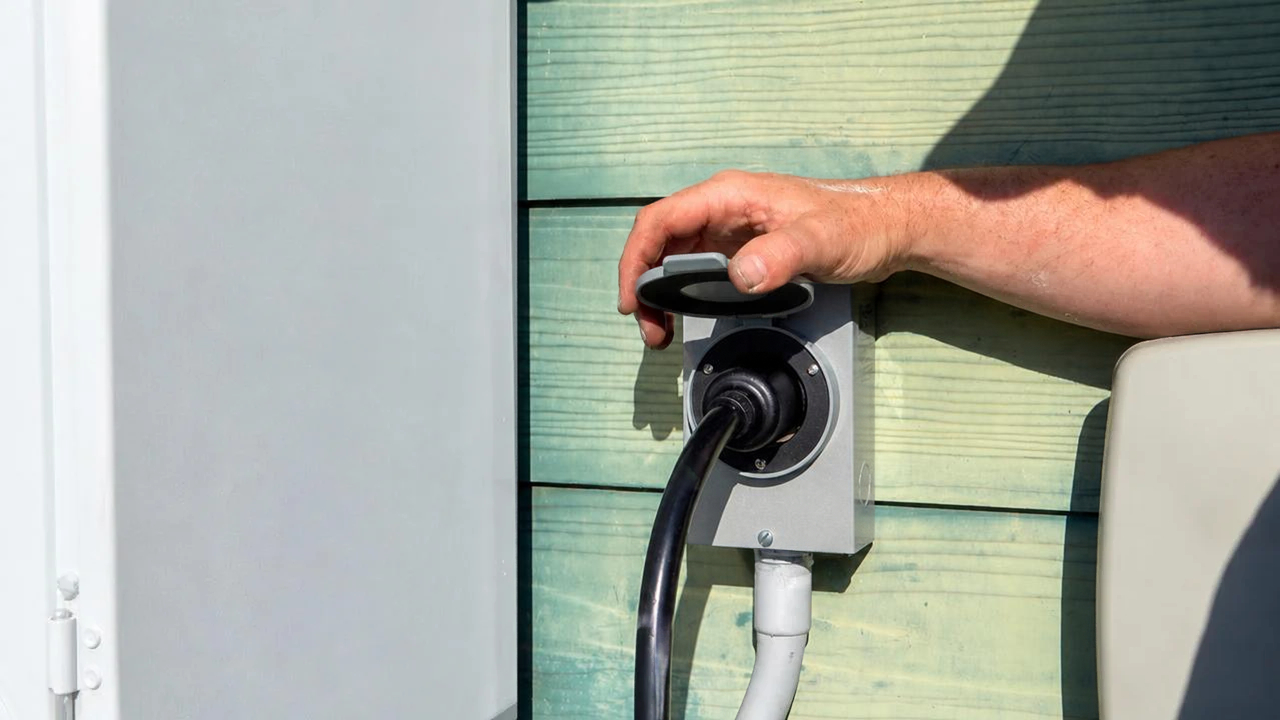
Mount the inlet in a dumb spot and you’ll regret it every storm. Too low and it gets buried in snow, too close to a gate and the cord gets crushed, too far from the driveway and you’re dragging a running generator across mud. You also don’t want the cord crossing a walkway where someone will trip at night.
Pick a place that stays accessible in bad weather, and where the generator can sit on firm ground with plenty of airflow. If you have to run conduit outside, you may be drilling through siding or masonry, so plan it like any other exterior penetration, flashed and sealed right so you don’t invite rot.
6. Undersized Wire And Long Runs Heat Up
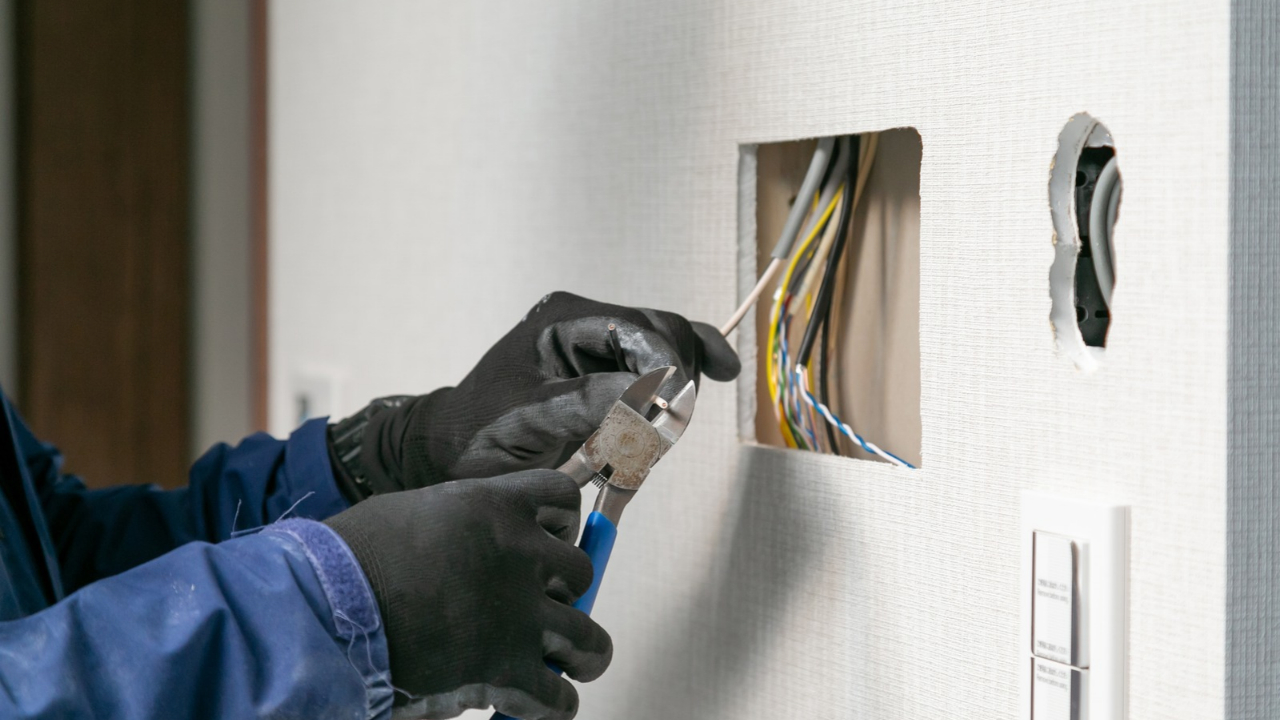
Voltage drop isn’t just a nerd topic. If the run is long or the wire is too small, motors pull harder to start, the generator labors, and you can cook a well pump or freezer compressor over a season of outages. You’ll notice dimming lights when the furnace blower kicks on, or a generator that sounds like it’s constantly straining.
Match the inlet, breaker, and wire size to the generator output and the distance, and don’t assume the cheapest cable is “close enough.” An electrician will size it fast, but if you’re planning and budgeting, know that heavier copper and shorter runs usually cost less than replacing a fried motor later.
7. Carbon Monoxide Finds Open Windows
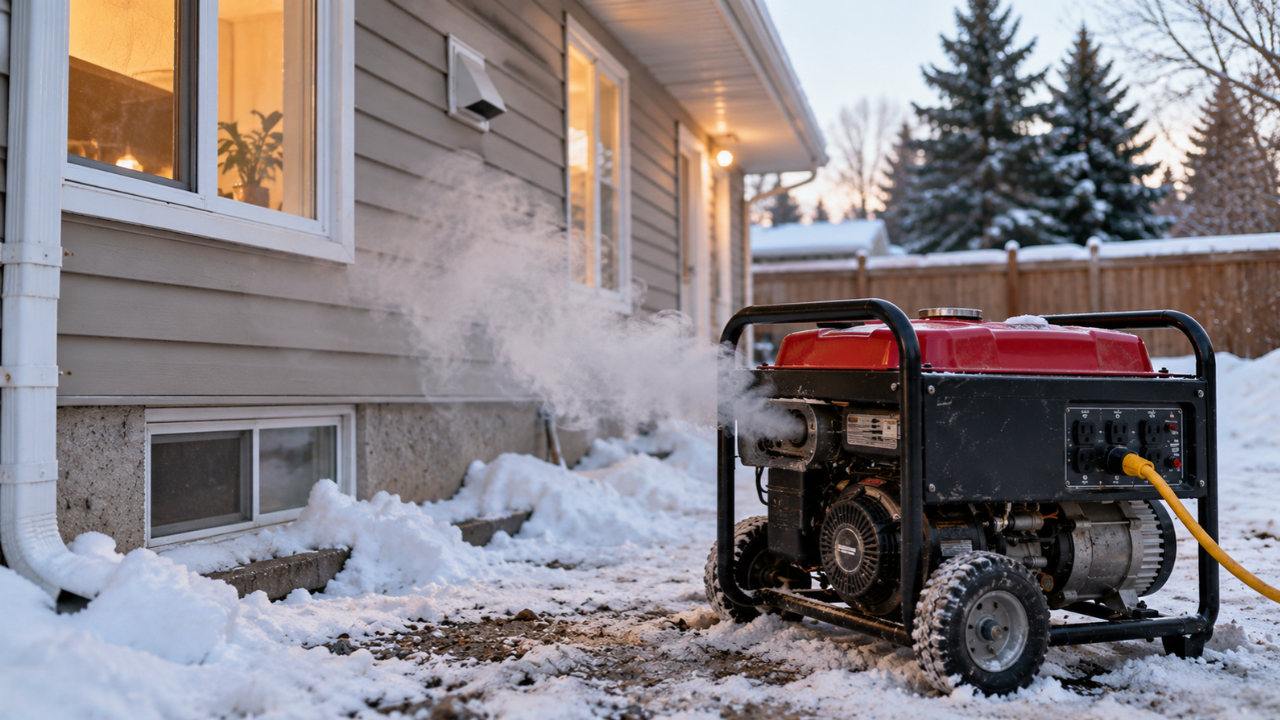
Dragging the generator into a garage “with the door cracked” is how people don’t wake up. Exhaust hugs the ground, rolls back under eaves, and gets pulled into the house through bath fans, attic vents, and open windows. Snowbanks and privacy fences can trap fumes too.
Run the generator outdoors, away from doors, windows, and soffit vents, and aim the exhaust away from the house. Put fresh batteries in CO alarms before storm season, and replace old units that have been chirping for months. This part matters more than the wiring.
8. You Still Need Overcurrent Protection
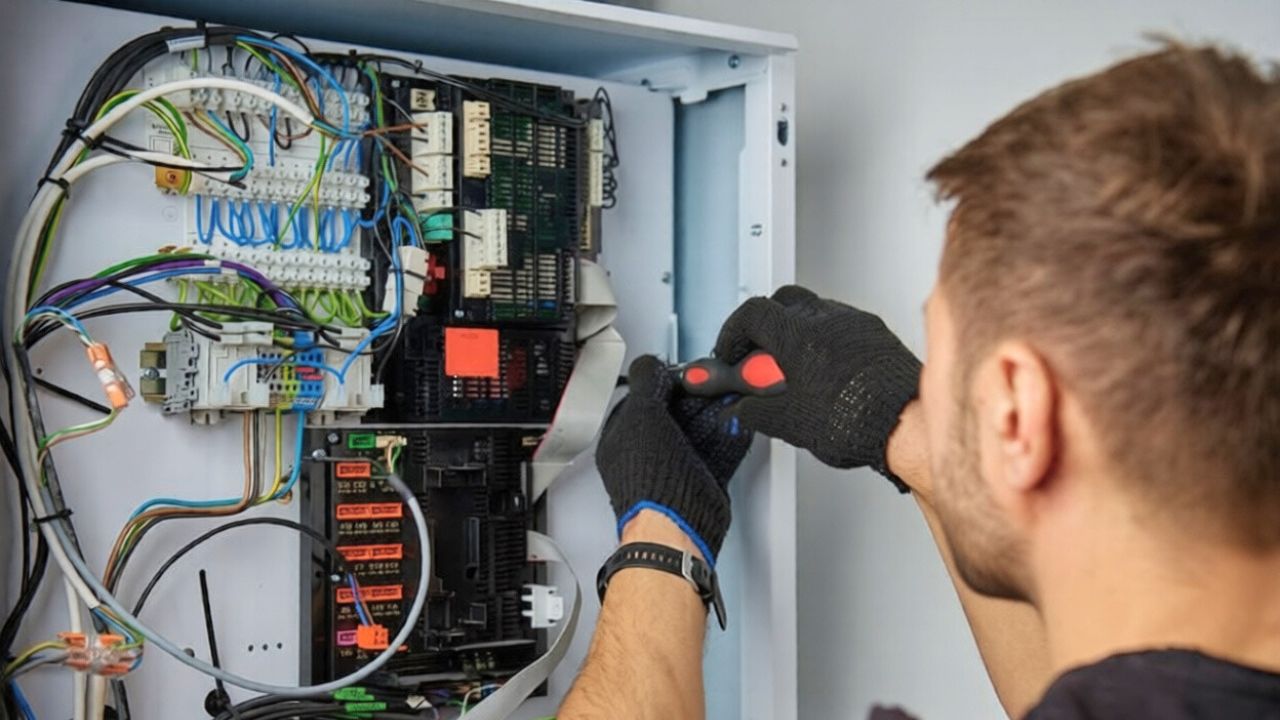
Some setups get cobbled together with a cord and an inlet and not much thought about protection. The generator has breakers, sure, but your house wiring needs the right breaker in the panel for the backfeed or inlet circuit, and the inlet needs to be rated for the amperage you’re using.
Don’t defeat breakers, don’t “upgrade” a breaker size to stop nuisance trips, and don’t assume a 50 amp inlet makes your 30 amp generator better. If the generator receptacle is 30 amp, build the system around 30 amp. The point is for something to trip before a wire becomes a heater.
9. Permits, Labels, And Resale Questions

Unpermitted generator wiring has a way of showing up at the worst time, like during a home sale, after a fire, or when an insurance adjuster is looking for reasons. Even if nobody asks, sloppy work inside a panel is obvious to anyone who knows what they’re looking at. It can also complicate future electrical upgrades.
Pull the permit if your area requires it, and get the inspection. Label the generator breaker, the interlock, and any managed circuits so a tired person can operate it at 2 a.m. without improvising. Keep paperwork in the panel area or with your house records.
10. Maintenance And Fuel Storage Decide Reliability
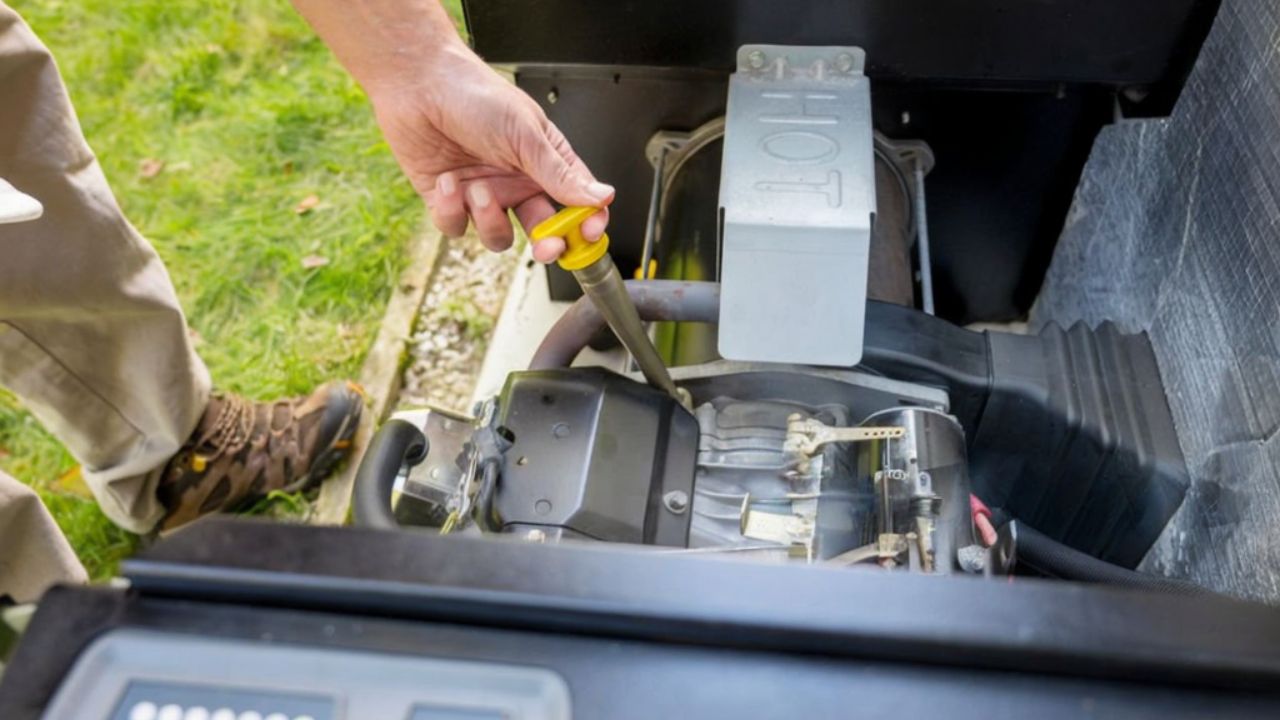
A wired inlet doesn’t help if the generator won’t start. Old fuel gums up carbs, propane tanks run empty, and batteries on electric-start units die right when the wind is howling. The first pull after months of sitting is when you learn what “stale gas” really means.
Run the generator under load a few times a year, not just for two minutes. Store fuel the safe way in approved cans, rotated, and away from ignition sources. If your outages are mostly winter, set a reminder in fall to check oil, cords, and the inlet cover gasket before the first freeze.
If you want the convenience of flipping a breaker and powering what matters, the clean path is a legal transfer method, a sane load plan, and gear sized for real conditions. Do it once, do it right, and the next outage is mostly just noise outside and lights inside.
Like Fix It Homestead’s content? Be sure to follow us.