10 Signs Mice Have Moved Into the Tractor or Mower
Photo credit: AlchemistLair/Youtube
You park the tractor or mower at the end of the season, and it sits quiet for weeks. Then the first warm weekend shows up, you turn the key, and something feels off. Rodents love machines that don’t move, especially when they smell grass, seed, oil, and insulation.
1. Shredded Insulation Under The Hood
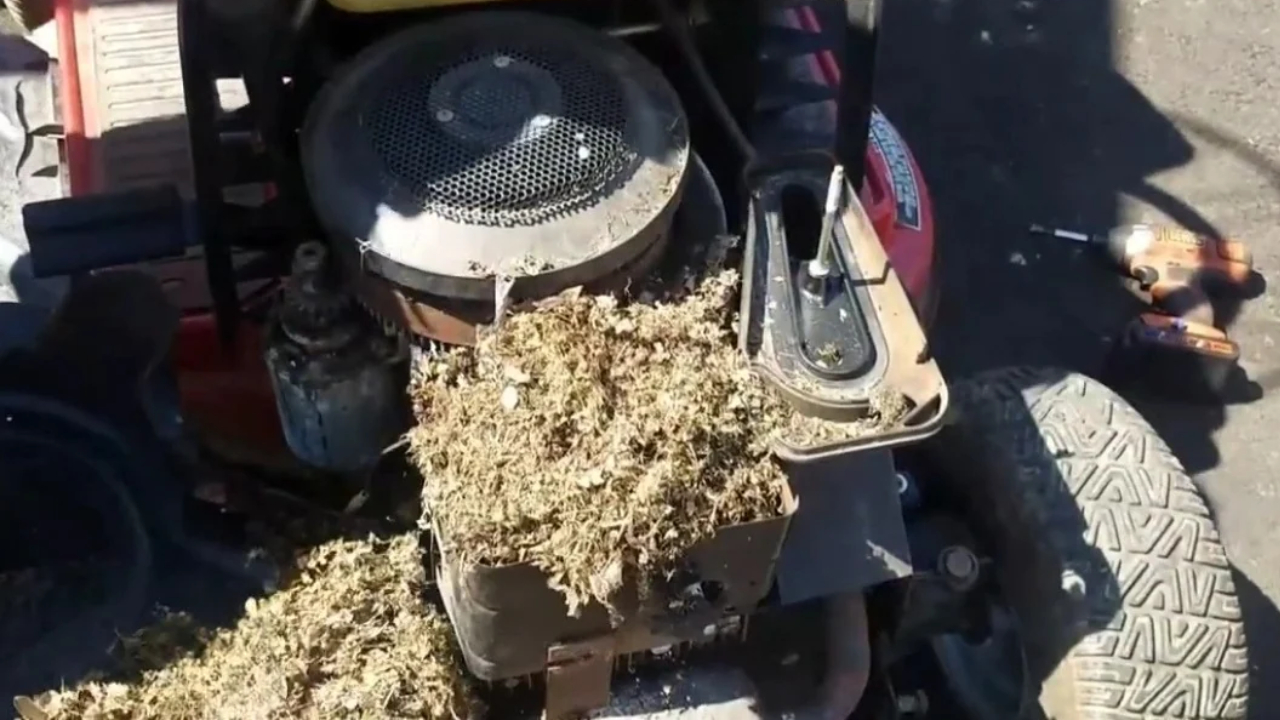
Open the hood and look for fuzzy, torn pieces of foam or fiberglass-looking padding. Mice pull hood liner and heat shielding to build nests, and they’ll pack it into corners you don’t notice until a belt starts rubbing or an air duct gets blocked.
Don’t just yank it out and call it good. Vacuum the area, wipe down with a mild cleaner, and check for chewed edges on hoses and wire looms nearby. If the insulation is loose and can touch a muffler or exhaust, replace or secure it before you run the engine.
2. Acorns Or Seeds In Odd Places
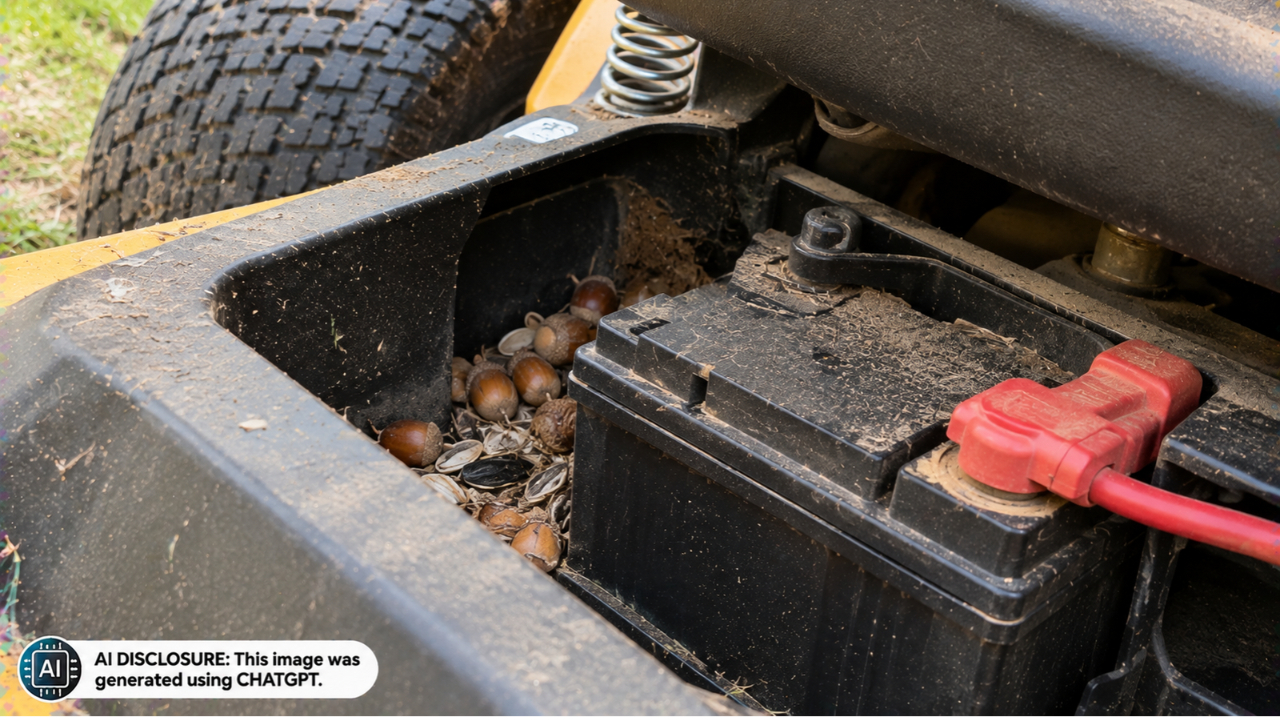
If you find a stash of acorns, dog food kibble, sunflower seeds, or corn tucked into a battery tray, under the seat, or inside the belt guard, that’s not “windblown.” That’s a pantry, and it means the machine has become part of their daily route.
Clean it out, then hunt for the access point. Look for gaps around steering columns, wiring pass-throughs, and the opening where the mower deck lift linkage disappears. On many machines, a simple piece of hardware cloth zip-tied as a barrier helps, as long as it can’t rub a belt or snag a control linkage.
3. Chewed Wires And Sticky Tape Repairs
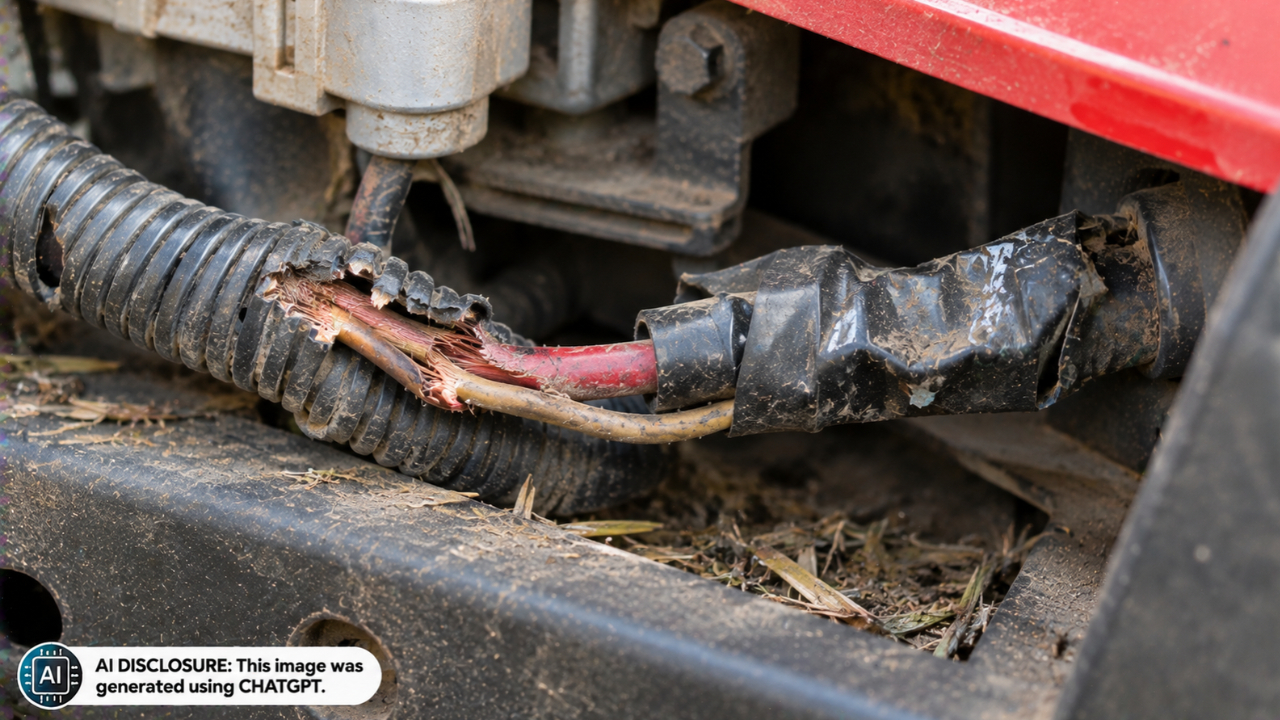
Sometimes the first sign is electrical weirdness, a dead dash, a click with no crank, blown fuses, or lights that come and go. Mice chew wire insulation, then your quick “wrap it with tape” fix turns into a repeat failure when vibration and heat work the tape loose.
Do the repair like it has to survive mud and shaking, because it does. Cut back to clean copper, use heat-shrink butt connectors or solder and heat shrink, then rewrap the harness with proper automotive harness tape or split loom. If you’re not comfortable tracing circuits and the damage is deep in the harness, pay a small-engine shop, electrical time adds up fast.
4. Nest Material In Blower Housing
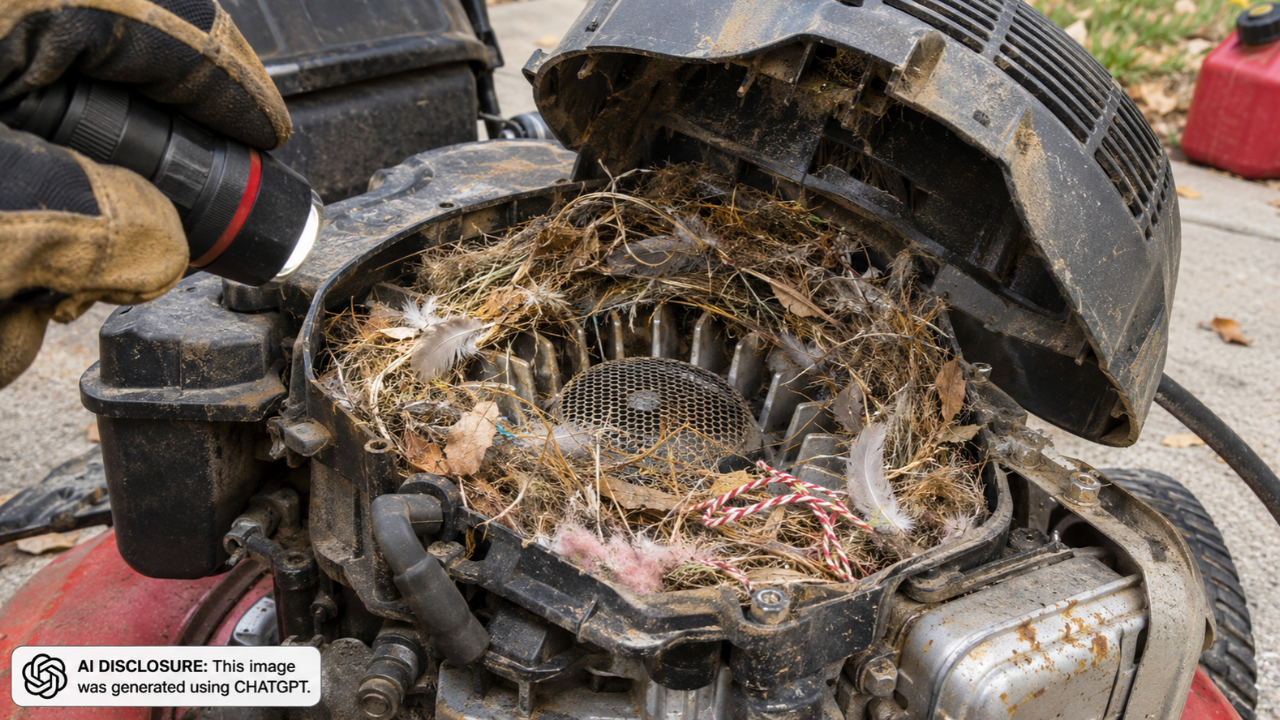
Pull the engine shroud or at least look through any cooling-air openings with a flashlight. Dry grass, string, feathers, and insulation packed around the flywheel screen or cylinder fins turns normal heat into overheating, and overheating kills small engines quietly.
This is one of those jobs where “good enough” is not good enough. Let the engine cool, disconnect the spark plug wire, and clean it all out with a shop vac and a stiff brush. If you see chewed wires near the flywheel or starter, stop and inspect before you put the shroud back on.
5. Strong Ammonia Smell Near The Seat
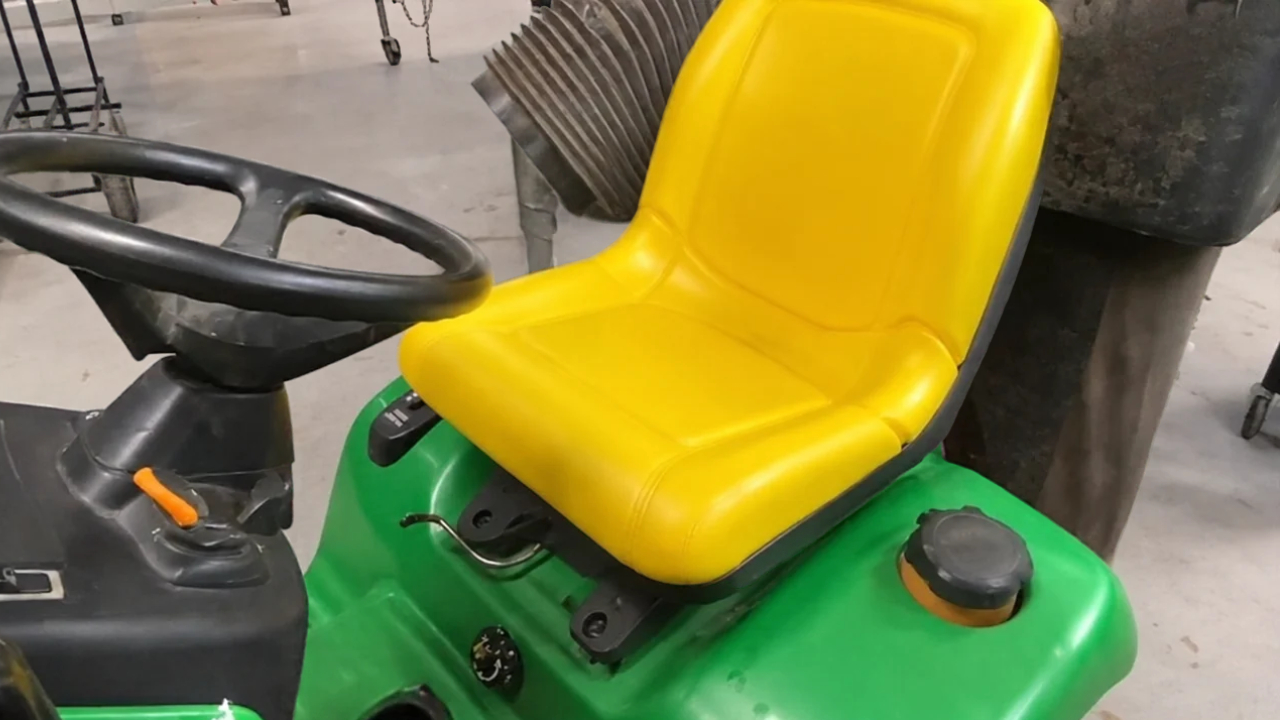
You climb on and get hit with a sharp, nose-burning smell, especially after the machine’s been closed up in a shed. Mouse urine soaks into seat foam, floor mats, and the felt-like sound deadener under some operator platforms.
Wear gloves and a mask, and clean with an enzyme cleaner meant for pet messes, not just bleach and water. If the seat is saturated, replacement is often cheaper than fighting the smell for another season, and it helps resale. After cleaning, leave the machine open to air out for a day if weather allows.
6. Muffler Or Air Intake Packed Tight
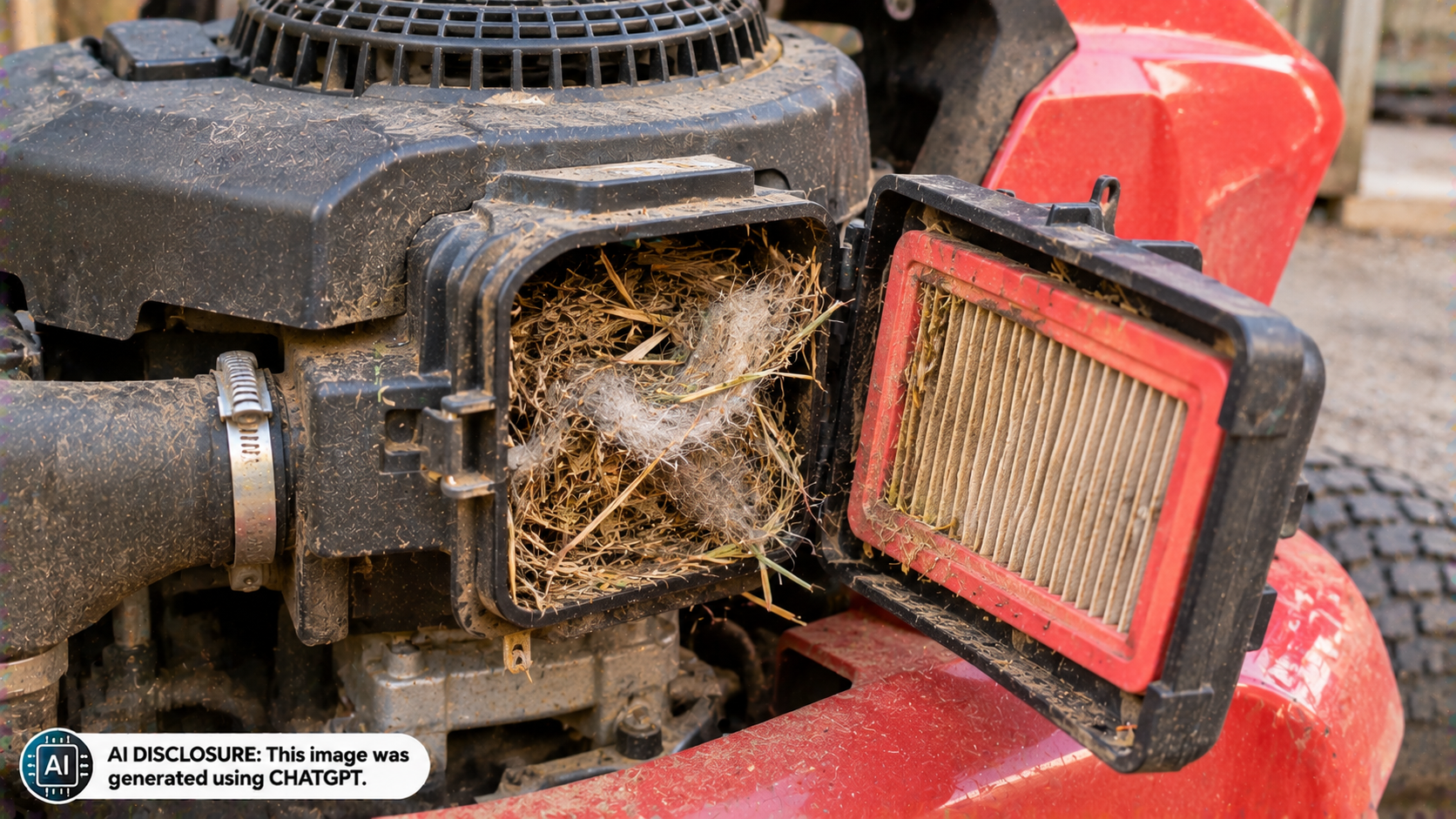
When a machine sits, the exhaust and intake look like ready-made tunnels. A mouse can fill a muffler area, air box, or intake snorkel with grass and fluff fast, and then you get hard starting, no start, or an engine that runs rough and smokes.
Check the air filter first. If it’s shredded or full of nesting material, replace it and inspect the air box for debris that can get sucked into the carburetor. On the exhaust side, clear the material and look for heat damage to nearby plastic, then make sure any heat shields go back the way they came off.
7. Belt Squeal That Wasn’t There Before
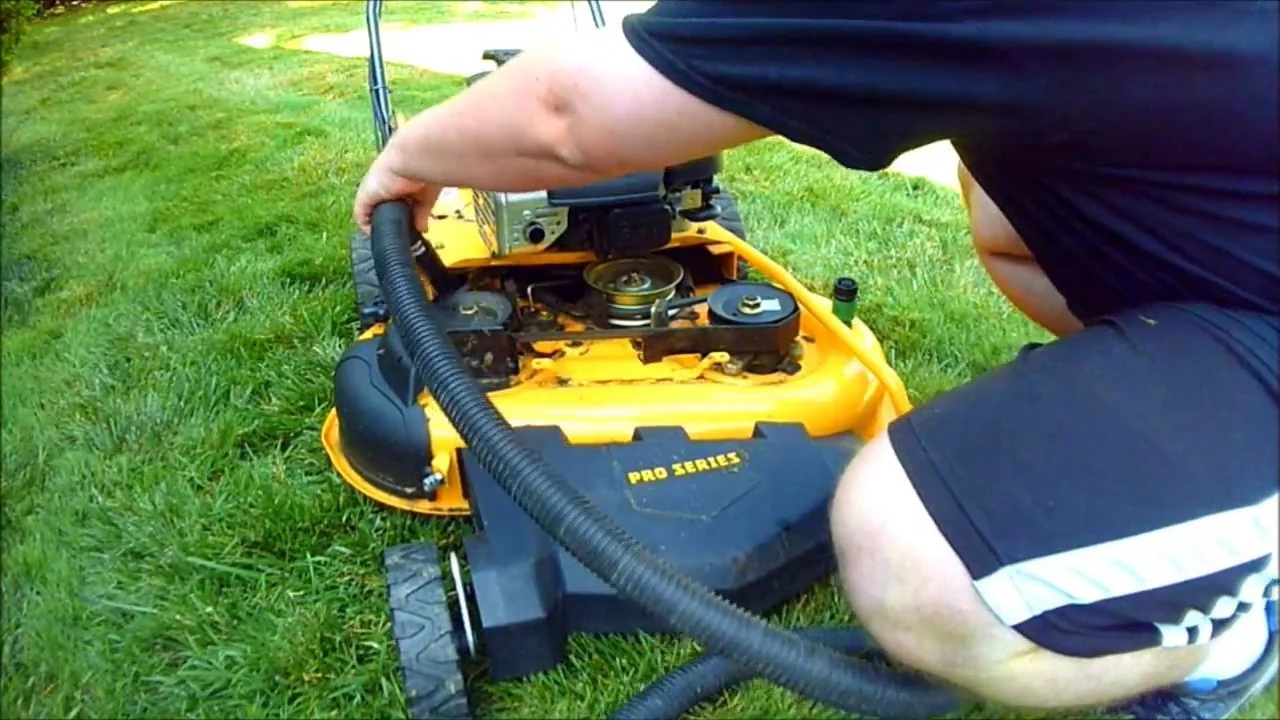
A belt that suddenly squeals on engagement after storage often points to debris, not belt age. Mice drag nesting material into belt covers and deck corners, and it ends up wrapped around spindles and idlers like twine.
Drop the deck if your setup allows, or at least pull the belt covers and scrape out packed grass and fluff. Spin each pulley by hand with the engine off and key out. If one feels gritty or tight, you may be buying a pulley or spindle anyway, so don’t keep running it “to see if it clears up.”
8. Fine Black Droppings On Flat Surfaces
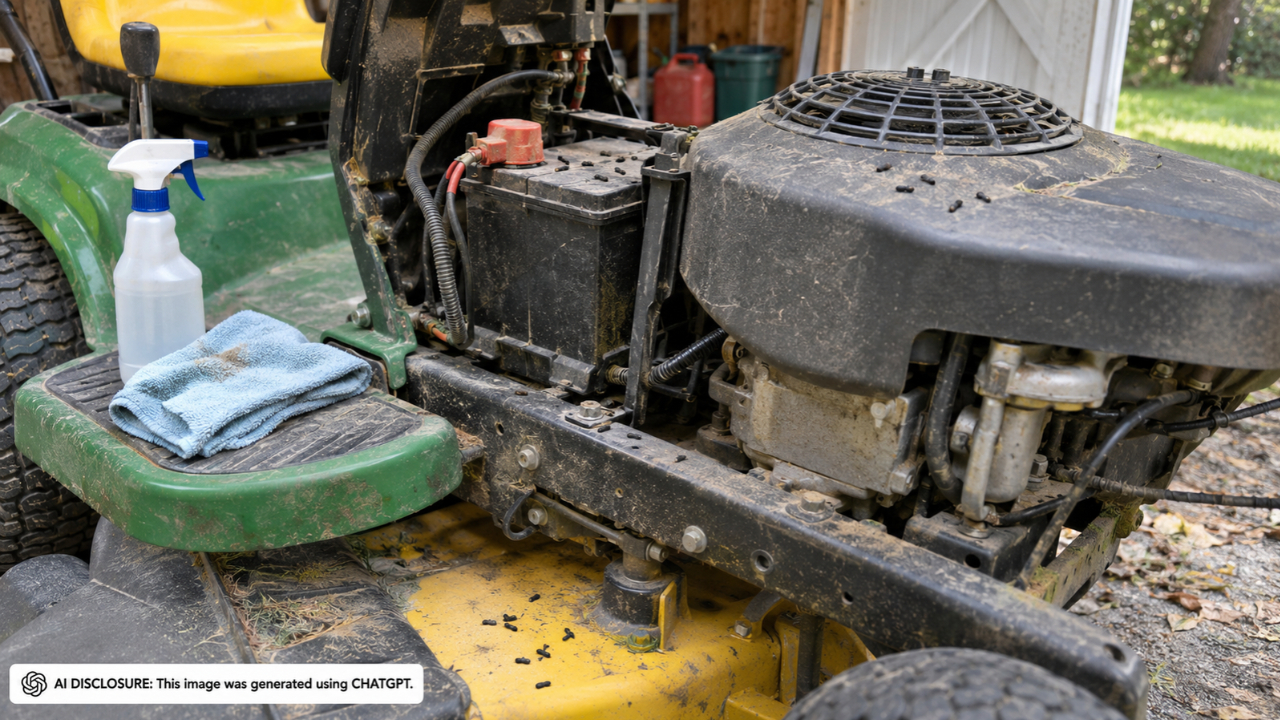
Droppings show up on top of the battery, on the engine shroud, along the frame rails, or on the mower deck where it sits under the tractor. They look like dark rice, and once you notice them, you usually find more nearby.
Dry sweeping kicks dust into the air, so don’t do that. Mist the area with a disinfectant, wait a few minutes, then wipe and bag it. After cleanup, set traps around the parking area, not on the machine where a trapped mouse can become a mess you don’t want to deal with.
9. Starter Or Flywheel Makes Scraping Noises
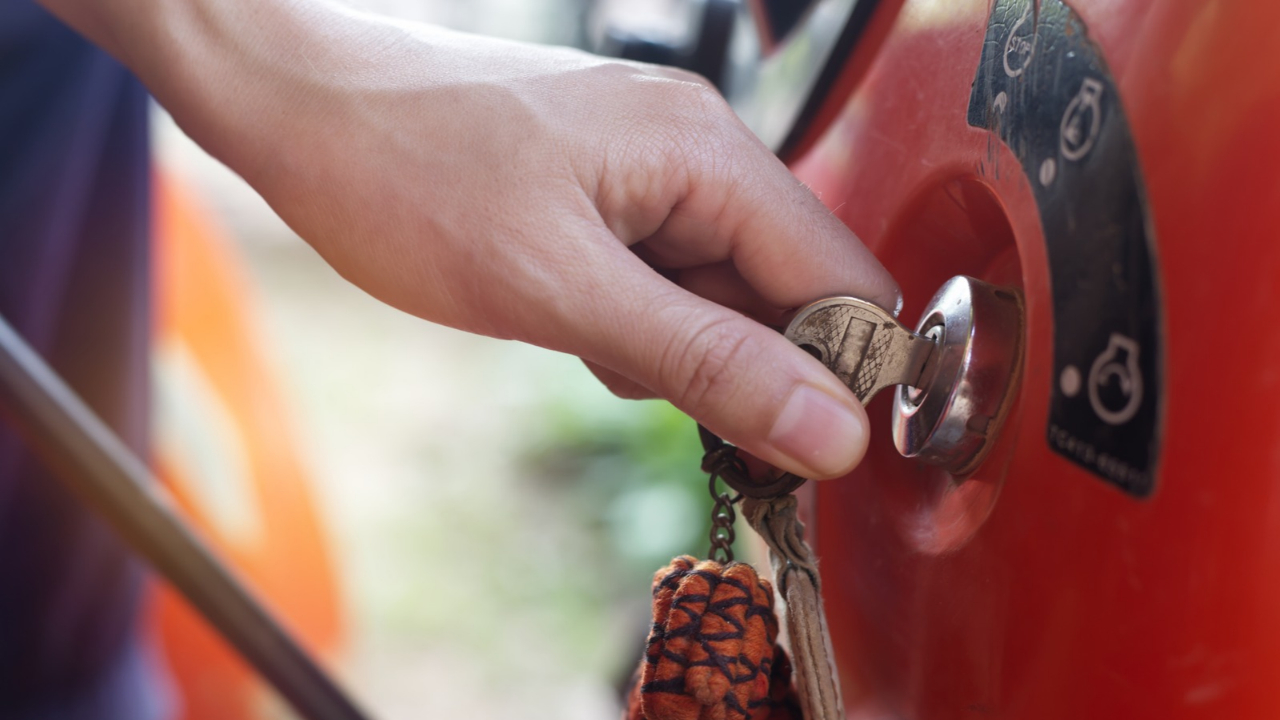
Turn the key and you hear scraping, grinding, or a starter that sounds like it’s struggling for no good reason. Nesting material can get pulled into the starter gear area, or chewed wiring can make the starter drag and heat up.
Stop cranking before you cook the starter or melt a cable. Check battery cables for chew marks and loose connections, then inspect around the starter and flywheel cover for debris. If you have to remove the starter on a tight machine, this is an okay time to call a shop, broken bolts and stripped threads can turn a small job into a long one.
10. Your Traps Stay Empty, Yet Damage Grows

Empty traps don’t always mean you’re in the clear. If the machine is parked near tall grass, stacked lumber, feed bins, or a warm wall, mice may only visit the tractor or mower for nesting material, not for bait.
Also, the common advice to scatter strong-smelling repellents around the machine is hit or miss. If the storage spot is clean, dry, and open, a simple snap trap plan around the perimeter and sealing obvious entry gaps often beats a pile of scented pouches. The cheap option of leaving the hood open can even help in some sheds because it removes the cozy, dark cave feel, just don’t do it where rain or blowing snow can get in.
Once you’ve cleaned out the mess, make storage boring for rodents. Park on a hard surface if you can, keep feed sealed, knock down weeds along the shed, and run the machine often enough that it stops feeling like a safe apartment. The earlier you catch it, the less likely you are to be tracing mystery shorts in the middle of mowing season.
Like Fix It Homestead’s content? Be sure to follow us.