Best Portable Power Stations for a Long Outage
Photo credit: Vladyslav Lehir/Shutterstock.com
A long outage turns your house into a daily math problem. You’re counting watt-hours, hunting for a way to keep food cold, and trying to charge phones without burning through a pile of little batteries. A portable power station can carry a lot of that load, but only if you buy one that fits the way you actually live during a blackout.
1. Buying Too Small For The Fridge
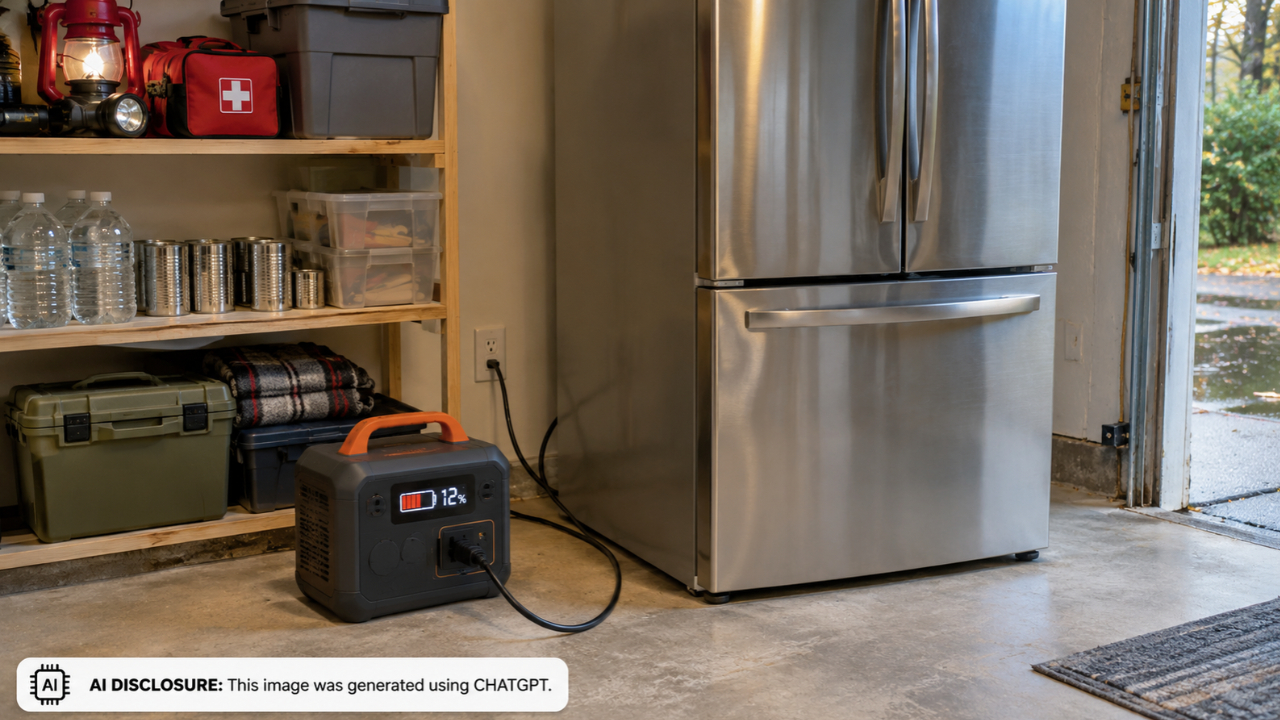
The most common regret is picking a unit that can’t handle refrigerator start-up surge. A fridge might sip power once it’s running, then grunt hard for a second when the compressor kicks on. If the station’s inverter is too weak, you’ll hear the fridge try, click off, then try again, and you’re one warm night away from tossing groceries.
Look at two numbers, not one: the inverter’s continuous watts and its surge rating. Then check your fridge’s label, or better, measure it with a plug-in watt meter on a normal day. If you can’t measure, plan on more headroom than you think, especially for older fridges or chest freezers in a hot garage.
2. Confusing Watt-Hours With Watts
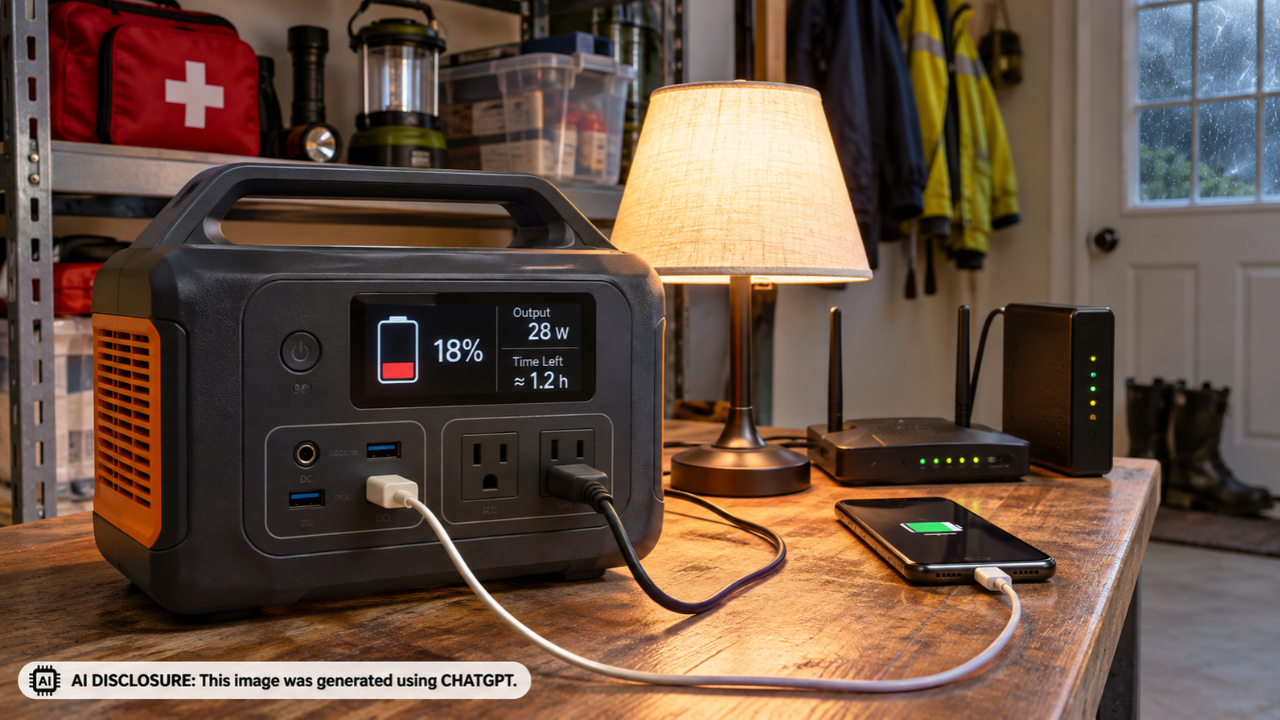
Watts are how hard you’re pushing right now. Watt-hours are how long the tank lasts. Plenty of stations brag about big “watts” because the inverter is beefy, but the battery inside is small, so your lights and router die before midnight.
For a long outage, battery capacity matters more than flashy peak output. Do rough math using watt-hours, not wishful thinking. If you need to run a 60 watt internet setup for 10 hours, that’s 600 watt-hours plus losses, and that “500Wh” box is going to feel small fast.
3. Overpaying For Sine Wave You Don’t Need
Pure sine wave output is the safe pick for sensitive gear, and most decent stations have it now. But paying extra for a premium inverter doesn’t help if you’re only charging phones, running LED lights, or powering a small fan. A lot of people spend big on “clean power” and still have a tiny battery.
Here’s the honest exception: if you’re using medical devices, certain CPAPs, or gear with finicky power supplies, stick with a reputable pure sine wave station. For basic outage chores, it’s often smarter to move the money toward capacity, solar input, or extra battery modules instead.
4. Ignoring Real Recharge Options
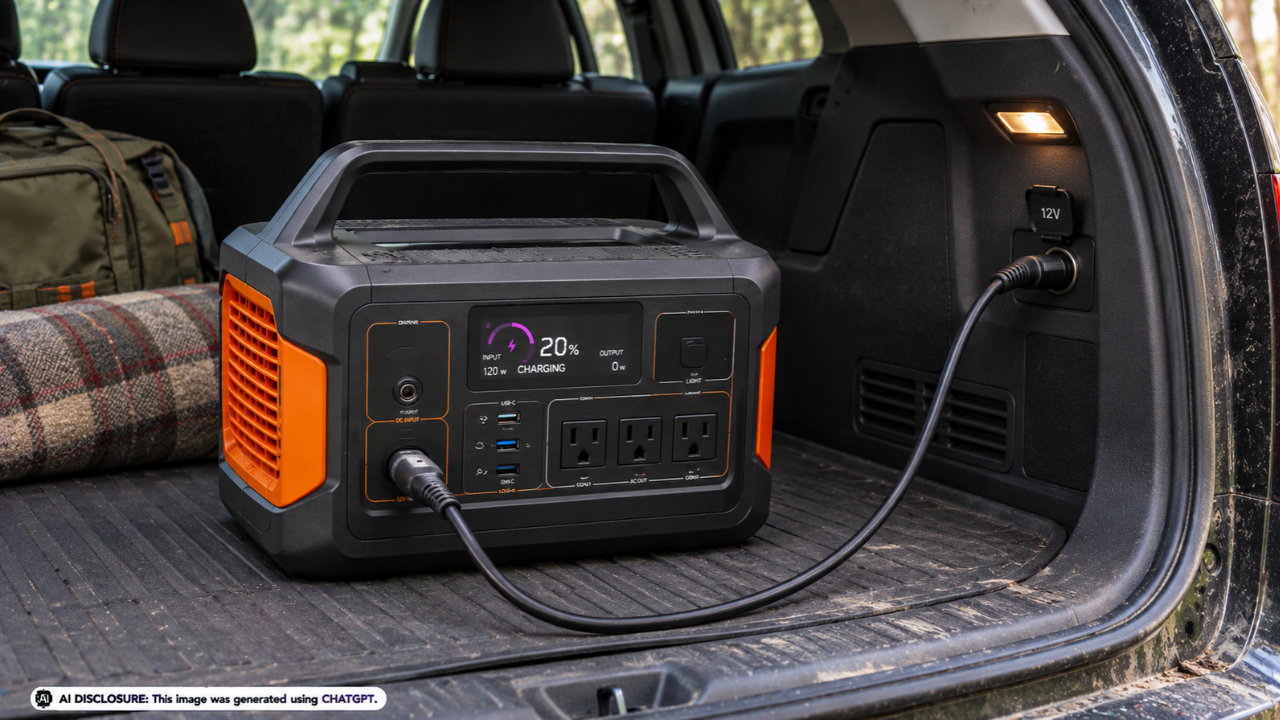
A power station is only as useful as your plan to refill it. During a multi-day outage, wall charging might be gone, and charging from the car can be slow enough to feel like a joke. You end up rationing power and staring at a 20 percent battery you can’t rebuild.
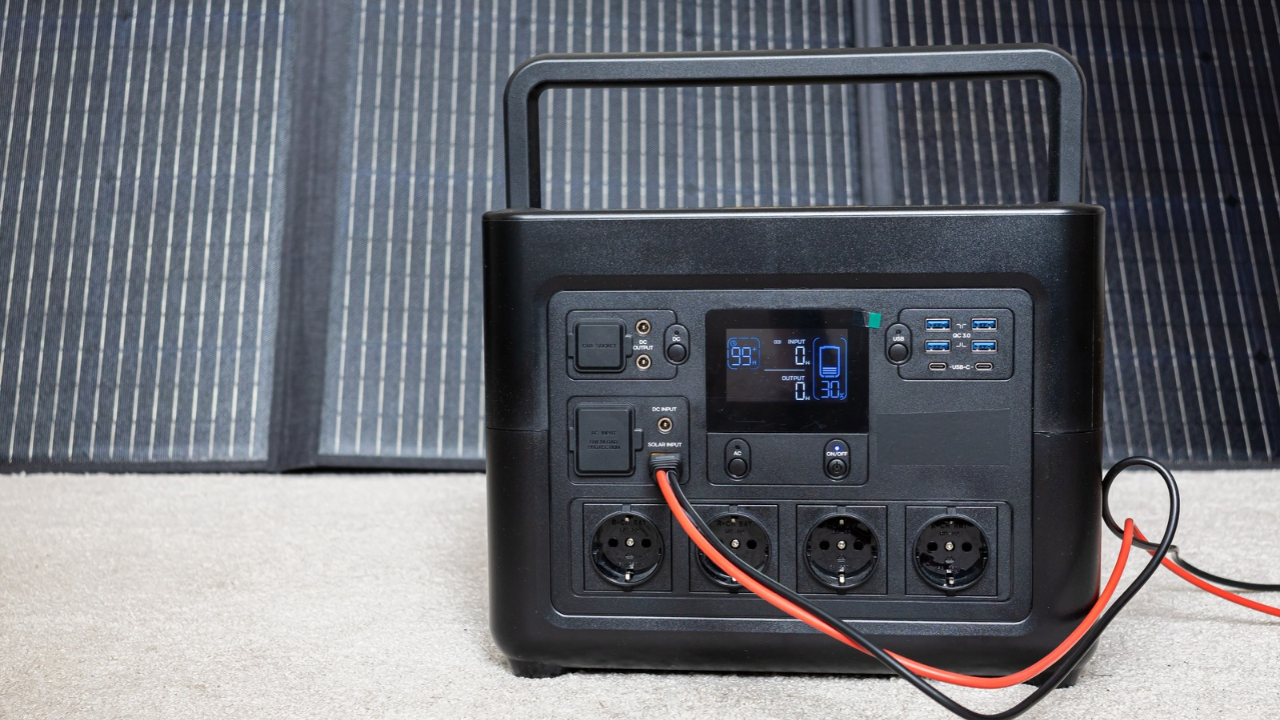
Before buying, check how it charges from AC, DC, and solar, and how long each method takes. If you want solar, confirm the station’s max solar input and connector type. Some take MC4 direct, others need adapters, and some cap input so low that extra panels don’t speed anything up.
5. Picking A Station With A Weak Solar Controller
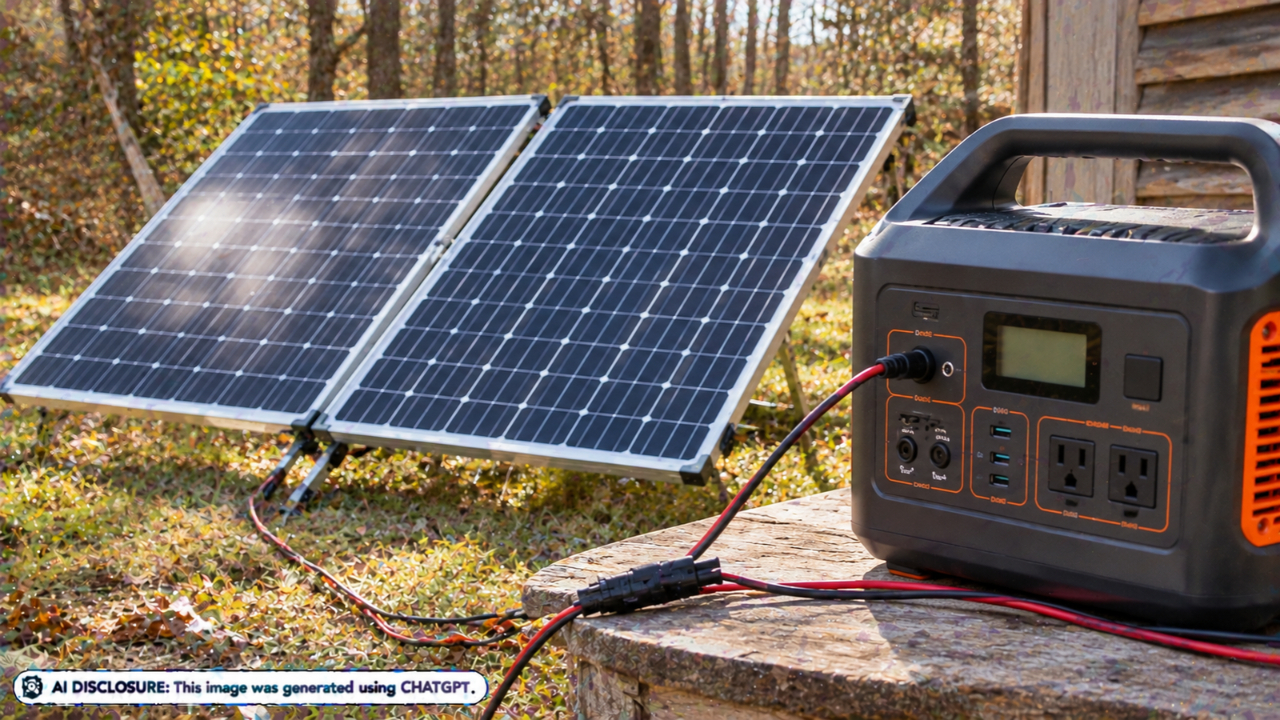
Two stations can both say “solar capable” and act totally different in the yard. One will sip power from panels and crawl upward all day. Another has an MPPT controller that actually tracks panel voltage well and pulls real charging current when clouds roll through.
MPPT is the feature that usually pays you back during a long outage, especially in winter light. You also want a wide voltage acceptance range so you can run panels in series or parallel without tripping limits. Read the input spec like it’s a tool label, because it is.
6. Assuming All Lithium Batteries Are Equal
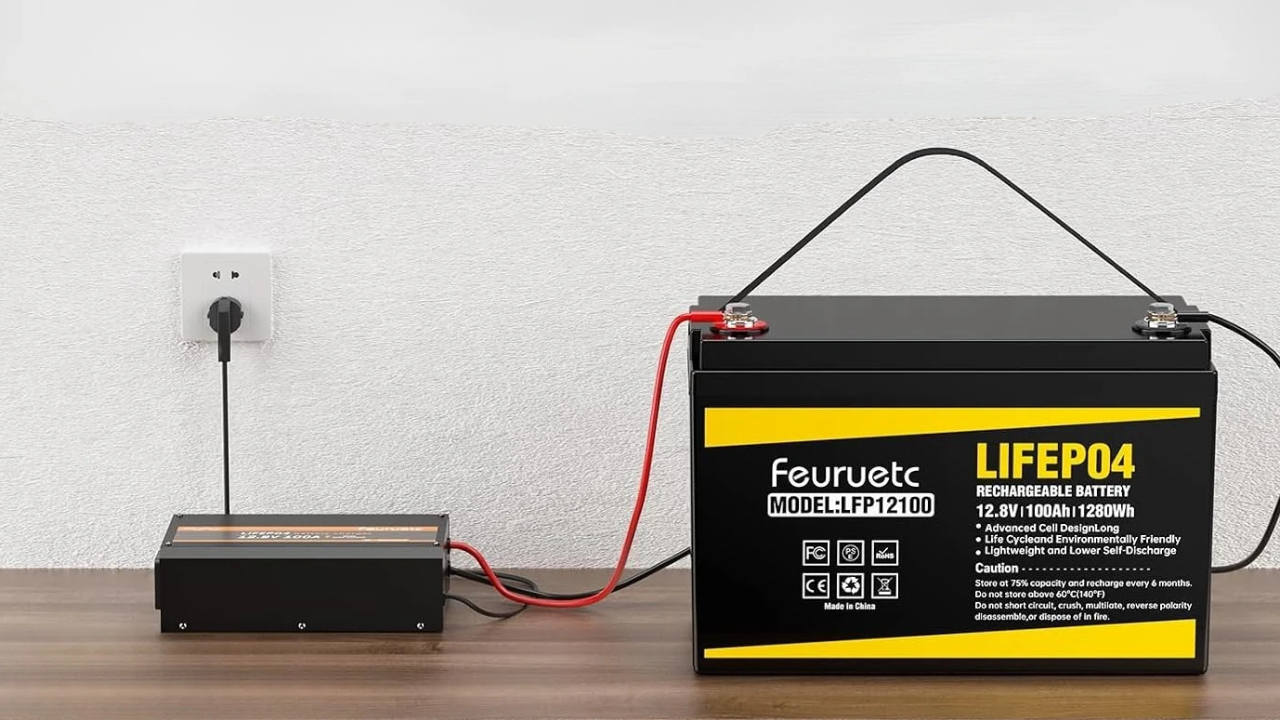
Lithium is a chemistry family, not a single thing. Many newer stations use LiFePO4, and that matters for a homestead style outage plan because it tends to handle more charge cycles and sits happier on the shelf. Other stations use NMC, which often packs more energy for weight, but can age faster if stored hot or kept at full charge all the time.
You don’t need to become a battery nerd. Just decide what you care about. If you want something you’ll keep ten years and cycle hard, LiFePO4 is hard to argue with. If you need lighter weight for hauling to a barn or jobsite, NMC can still make sense.
7. Trusting One Box To Do Everything
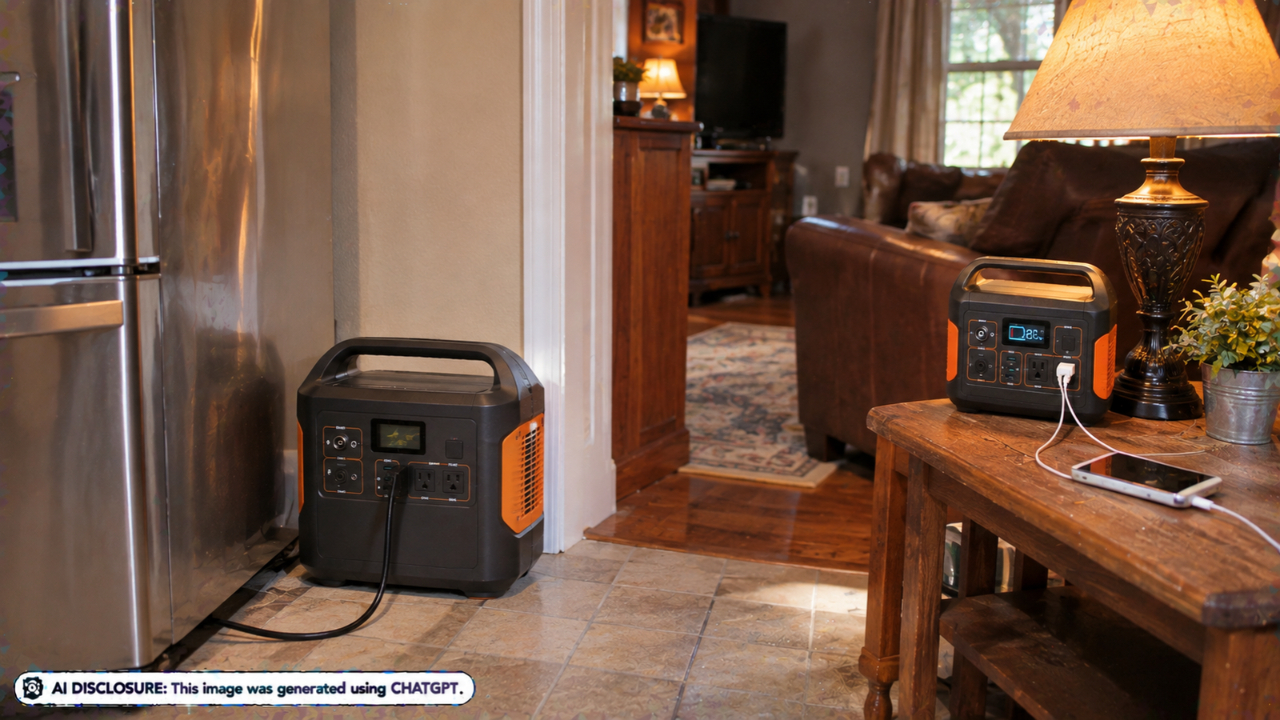
A single big unit feels tidy until it becomes a bottleneck. You can’t run the fridge and keep devices charged on the other side of the house unless you drag the whole station around, or snake cords through doorways. That’s when people start running unsafe extension cords under rugs.
For long outages, two smaller stations can be easier to live with. One can sit near the fridge and freezer, and the other can live in the living room for phones, a lamp, and the modem. It costs more, but it spreads risk too. If one fails, you aren’t dark everywhere.
8. Forgetting Cold Weather Derates Output
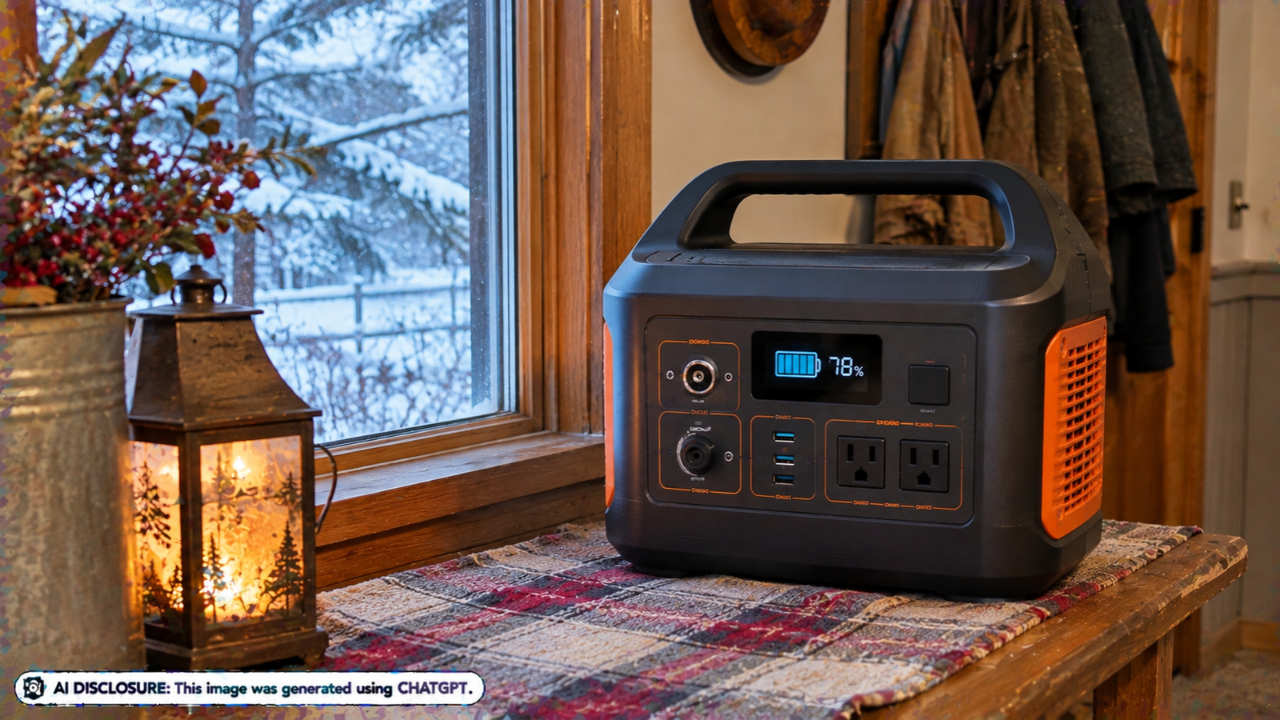
The outage you worry about most is usually winter, and batteries hate cold. Capacity drops, charging slows, and some lithium packs refuse to charge below freezing. You’ll think you bought plenty of watt-hours, then watch the percentage fall like a rock in an unheated porch.
Keep the station in conditioned space when you can, and run longer cords to the load instead of parking the battery in a freezing mudroom. If you’re set on charging from solar in the cold, look for a unit with low-temp charging protection and a battery warmer, or be ready to bring it inside to charge.
9. Choosing Ports That Don’t Match Your Life
People fixate on the AC outlets and ignore the rest, then they’re stuck using clunky bricks and adapters. During a long outage, USB-C ports with good wattage are gold for phones, tablets, battery tool chargers, and some laptops. A weak USB-C port turns a simple recharge into an all-day affair.
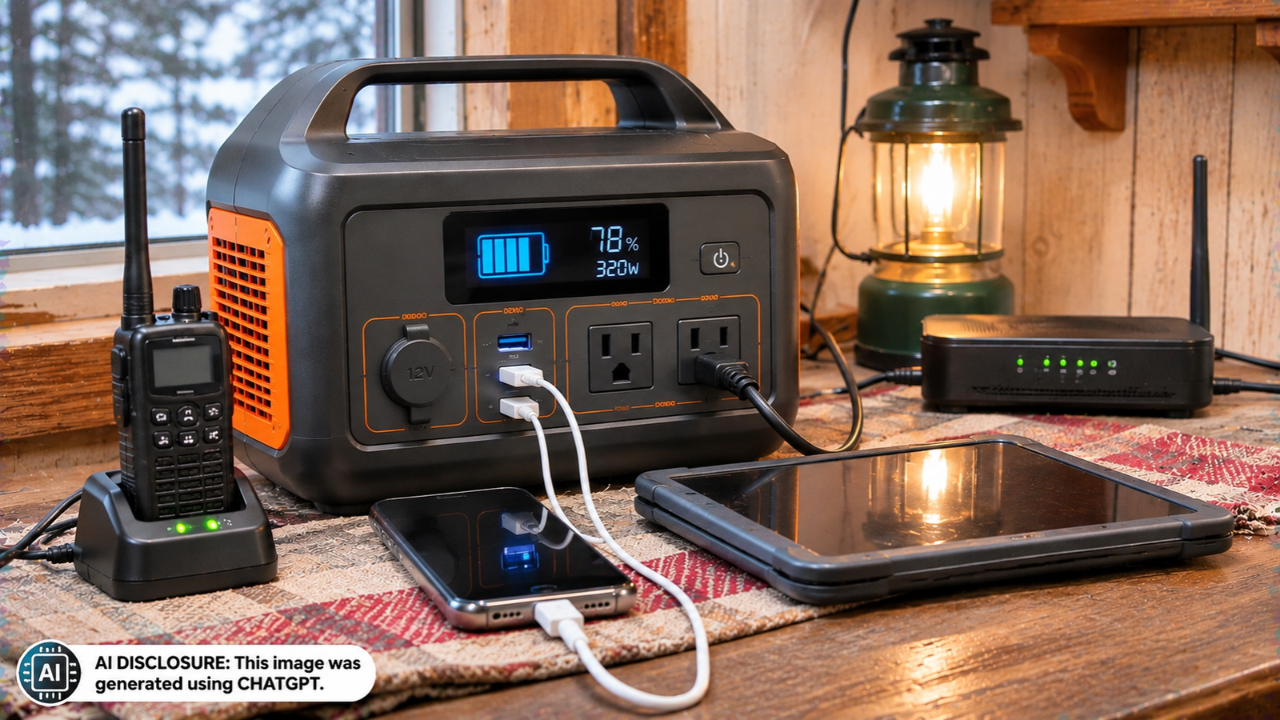
Count what you really plug in during a blackout. If you run a 12V fridge, a ham radio, or a diesel heater controller, a regulated 12V output matters. If you plan to power a modem and router, look for enough AC outlets or strong DC options so you aren’t wasting power through extra converters.
10. Skipping The Grounded Transfer Plan
It’s tempting to power house circuits by getting “creative” with cords. Don’t. Backfeeding through an outlet or doing anything in the panel without training can kill a lineworker or burn your place down. It’s also illegal in a lot of areas, and it can void insurance if something goes wrong.
If you want to run selected home circuits from a portable station, get a licensed electrician to install a proper transfer switch or an interlock kit where code allows. Then choose a power station that can work with that plan, often through a dedicated inlet and proper cord. It’s not the cheapest part, but it’s one of the few parts that is truly vital.
11. Falling For Inflated “Gas Generator Replacement” Claims
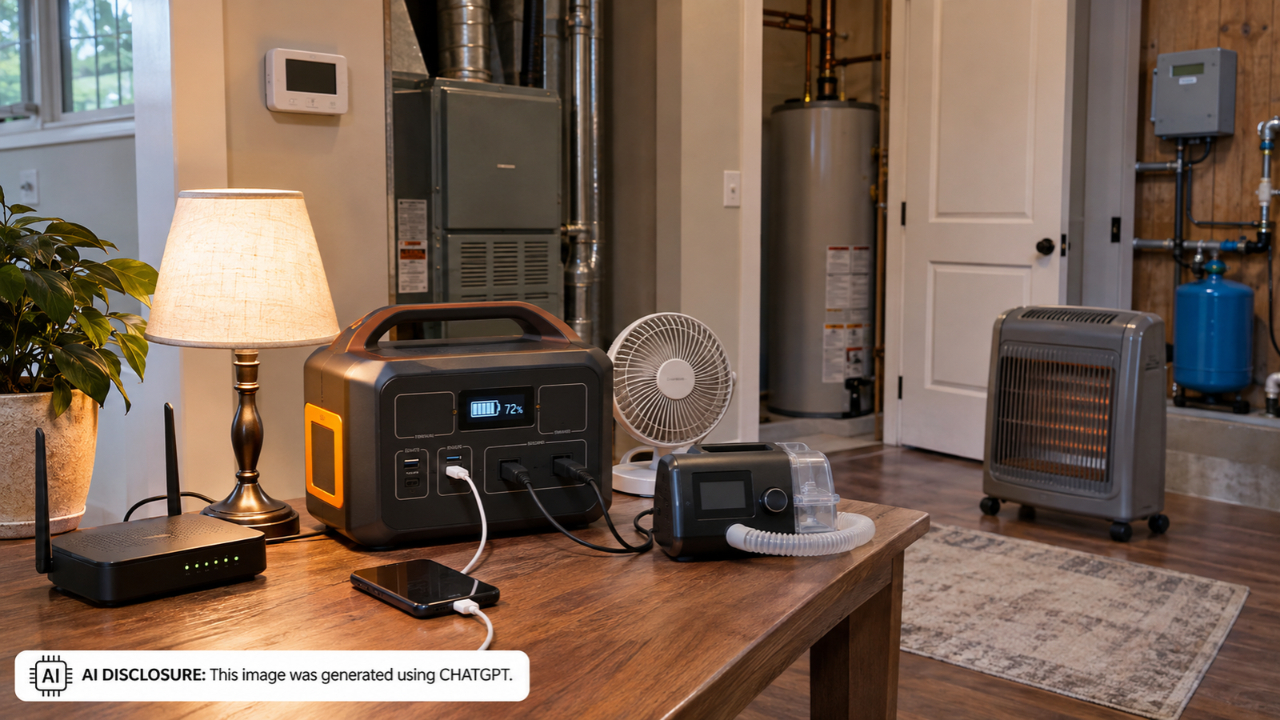
Portable power stations are great, but they aren’t magic. If you’re trying to run electric heat, a big well pump, a hot water heater, or a central AC, you’re going to be disappointed. You’ll drain a battery fast and start shopping again, right when everyone else is.
Be blunt about your loads. Stations shine on refrigeration, lights, communications, small cooking appliances used briefly, and medical gear. If your outage plan includes heavy loads, you may need a fuel generator, a wood stove, or a different home energy setup, and the station becomes the quiet, indoor piece of the puzzle.
12. Ignoring Noise And Light At Night
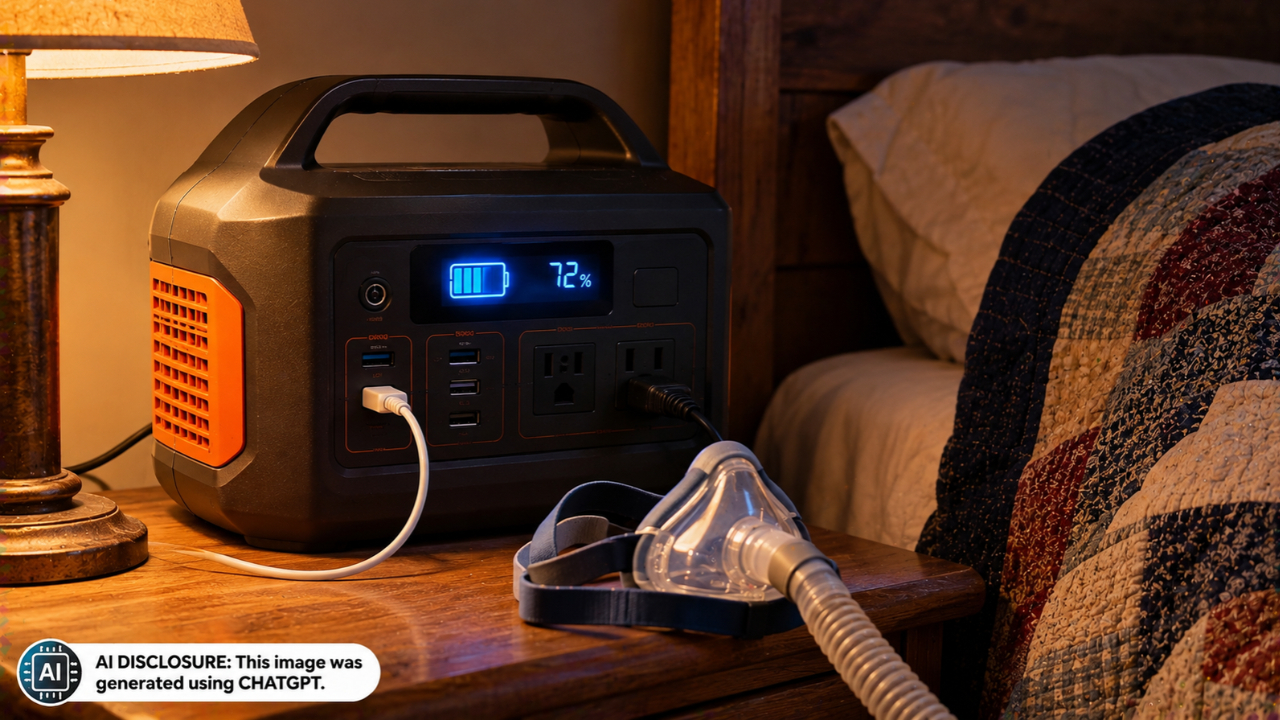
Some stations beep on every button press, and some have bright screens that glow like a nightlight you can’t shut off. That gets old on night three when you’re trying to sleep and the station is in the bedroom to run a fan or CPAP. It’s not a dealbreaker, but it can push you into bad habits like covering vents with a towel to block the light.
Look for a unit with a silent mode, dimmable display, or at least a way to turn the screen off. If you can’t, place it so airflow is clear and use a small piece of cardboard as a light shield without blocking the intake and exhaust.
13. Storing It At 100 Percent All Year
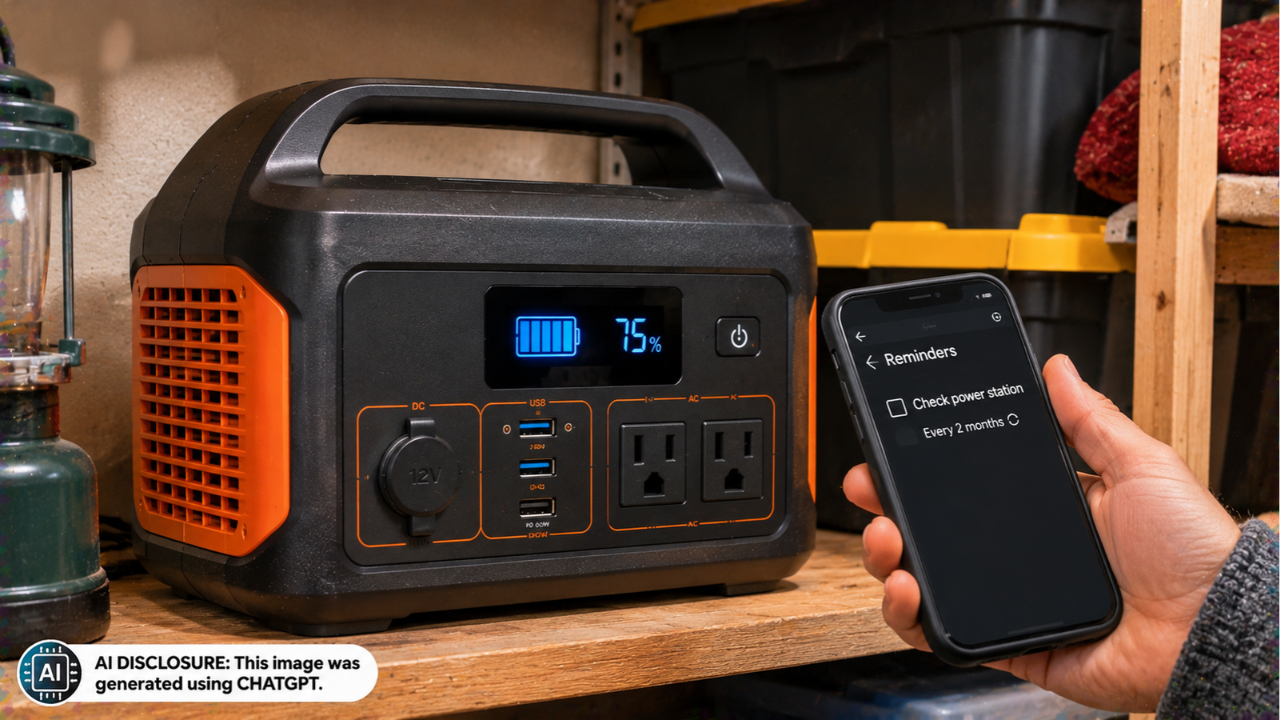
A lot of people charge the station to full, stick it in a closet, and forget it until the lights go out. Months later the battery gauge lies, the pack self-discharged, and you’re starting an outage with half a tank. Keeping lithium parked at full charge in warm storage also tends to age it faster.
For most units, storing around 50 to 80 percent and topping off on a schedule treats the battery better. Put a recurring reminder on your phone to check it every couple months, and do a quick functional test. Run a lamp for ten minutes, then recharge. It beats learning during a storm that one outlet is dead.
14. Relying On One Cheap Solar Panel
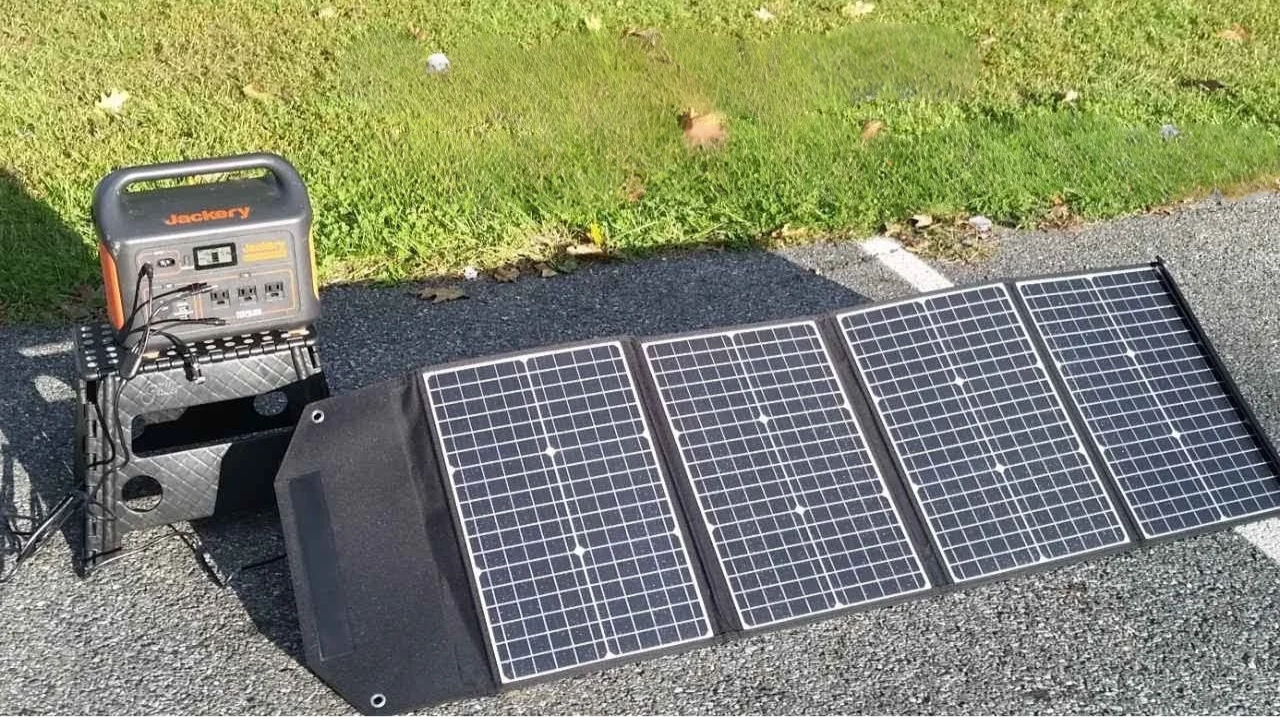
A single folding panel looks tidy on the product page, then real weather shows up. Wind flips it, shade crawls across it, or a thin cable gets yanked at the connector. Your charging drops to a trickle and you start parking the station in the sun where it overheats just to get more input.
If solar is part of your long outage plan, think in multiples and think about mounting. Two or three panels you can angle and secure with stakes or weights usually beat one fancy folding panel. Keep the station in the shade and run longer MC4 extensions if needed. Sun cooks batteries.
15. Forgetting Repairability And Resale Value
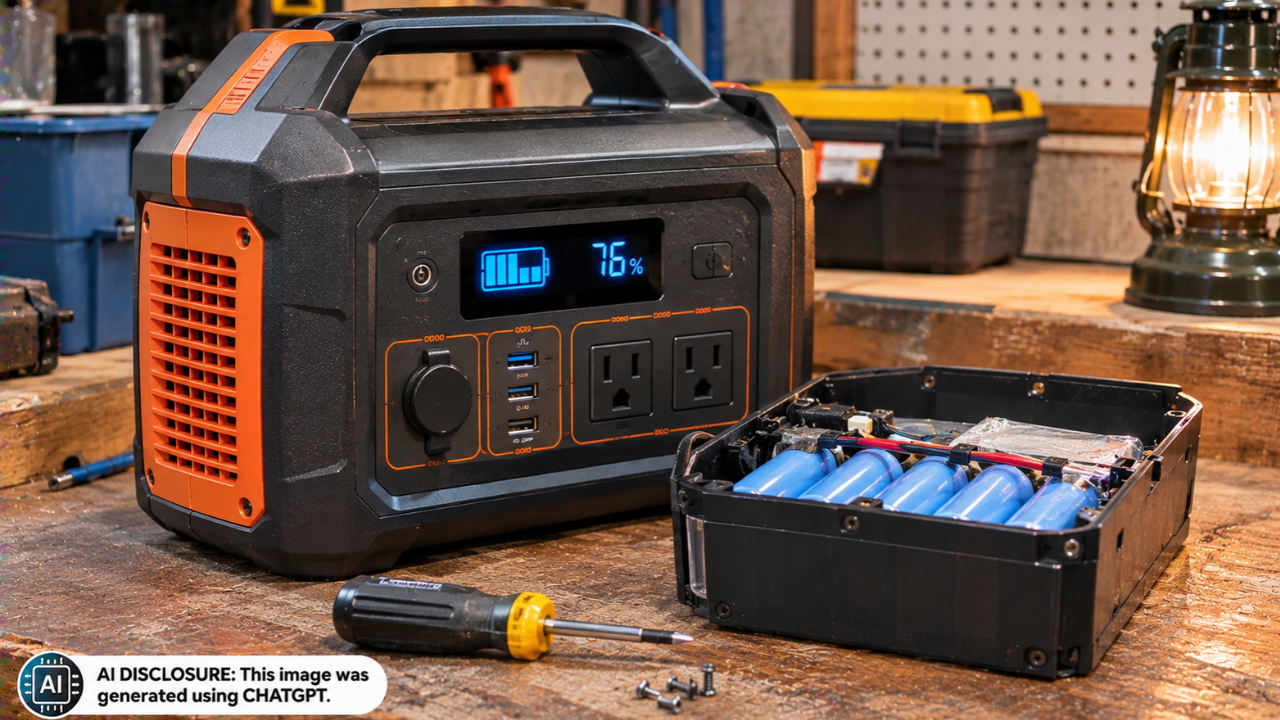
Power stations don’t last forever, and some are basically sealed gadgets. When the battery finally gets tired, you may have no practical repair path. In a few years, you could be stuck with a heavy box that still turns on but doesn’t hold enough power to matter.
Before buying, look for brands that sell expansion batteries, replacement parts, or at least have a track record of supporting older models. Units with modular battery packs and common connectors tend to hold value better. If you ever plan to upgrade, resale can pay for panels, cords, and a good watt meter.
If you buy with your loads, your recharge plan, and your season in mind, a portable station stops being a toy and starts being part of the household toolkit. The right one won’t run everything, but it will keep your food cold, your lights on, and your days calmer while the grid sorts itself out.
Like Fix It Homestead’s content? Be sure to follow us.