
10 Things Appraisers Look at That Owners Never Think About
Photo credit: LSOphoto/istock.com
You can paint, mow, and tidy like crazy and still get a value that feels low. Appraisers aren’t grading your decor, they’re looking for condition, lifespan, and risk. Small signs of neglect and hard-to-see defects change the story of a property fast. If you fix a few of these before an appraisal, you stop problems from speaking louder than your upgrades.
1. Water Stains Under Sinks And Toilets
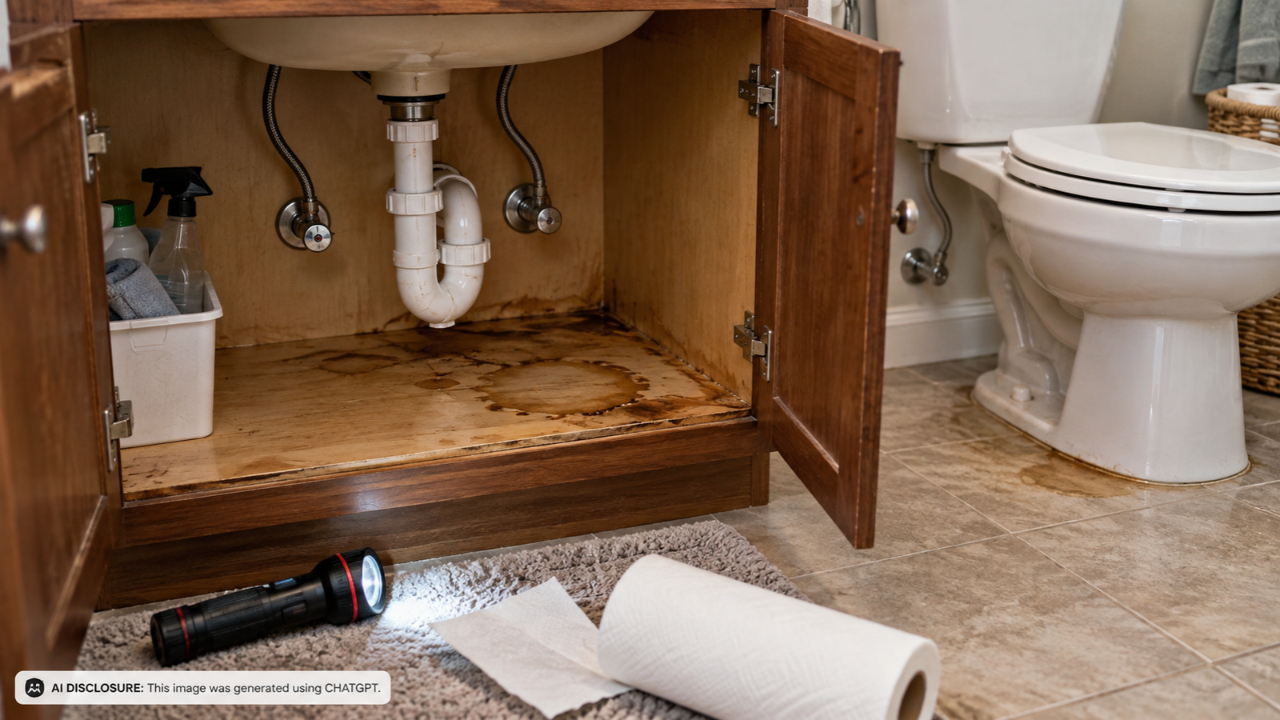
You get used to that little ring in the vanity cabinet or the soft spot by the toilet. An appraiser sees “active leak” or “past water damage,” and their brain goes to rot, mold, and subfloor repairs. Even if it’s old, stains suggest the problem wasn’t handled right.
Spend an hour with a flashlight and dry paper towels. Tighten the supply nut if it’s loose, replace a worn fill valve, and swap a cracked toilet wax ring if you see seepage at the base. If the cabinet bottom is swollen, cut out the soft particle board and patch it cleanly so it looks repaired, not hidden.
2. Missing Gutters And Bad Downspout Drainage

Water management is one of those boring things that quietly protects everything else. No gutters, dumping downspouts, and trenches along the foundation say “future basement leak.” You might never notice it in a dry week, but a wet spring tells the truth.
Make sure downspouts send water well away from the house, not into mulch or right beside the footing. Extensions and splash blocks are cheap. If you need to add a buried drain, call 811 before digging and slope it so it actually carries water away instead of becoming a clogged pipe full of mud.
3. Hairline Foundation Cracks With Fresh Paint
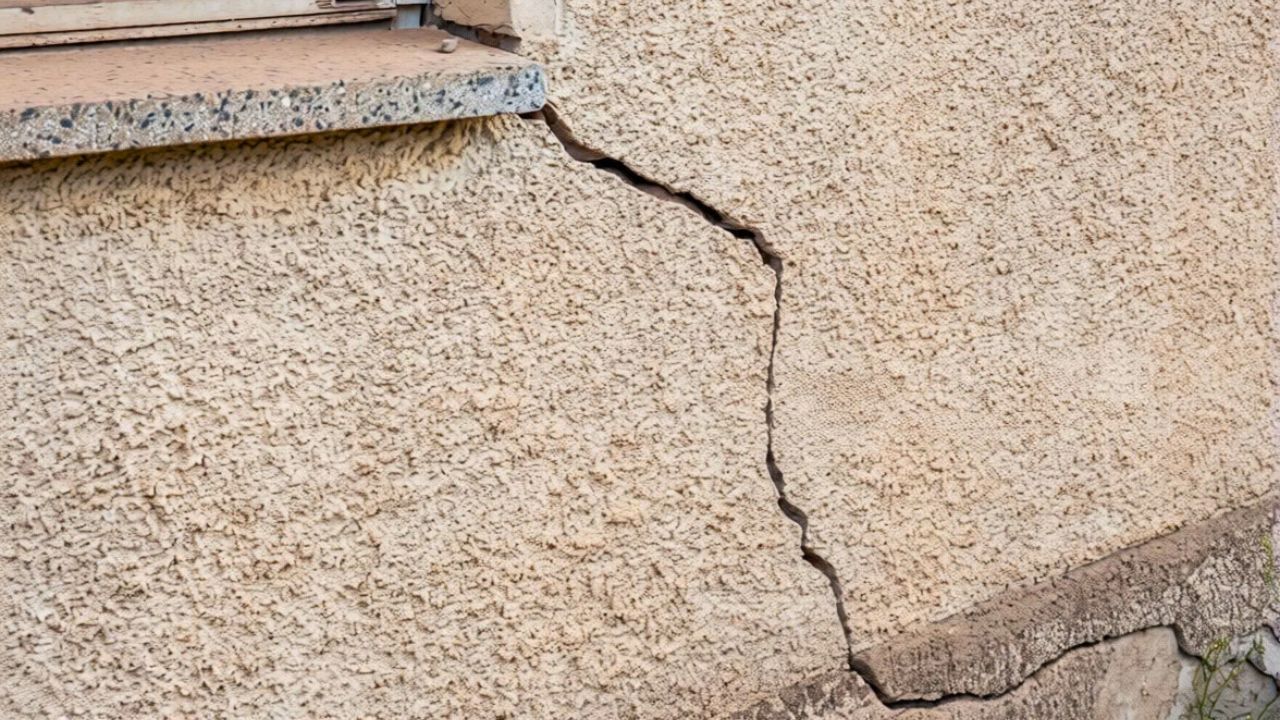
Painting over a crack looks like a quick win. It often backfires. Fresh paint or new parging in just one spot tells an appraiser you tried to hide movement instead of dealing with it.
Not every crack is a disaster. Thin, stable shrinkage cracks in concrete happen. What matters is change. If it’s widening, stair-stepping in block, or paired with sticking doors and sloped floors, get a foundation pro to document it. If it’s stable, clean it, fill it with the right concrete crack sealant, and don’t make it look like a patch job from last night.
4. DIY Electrical Work In The Wrong Places
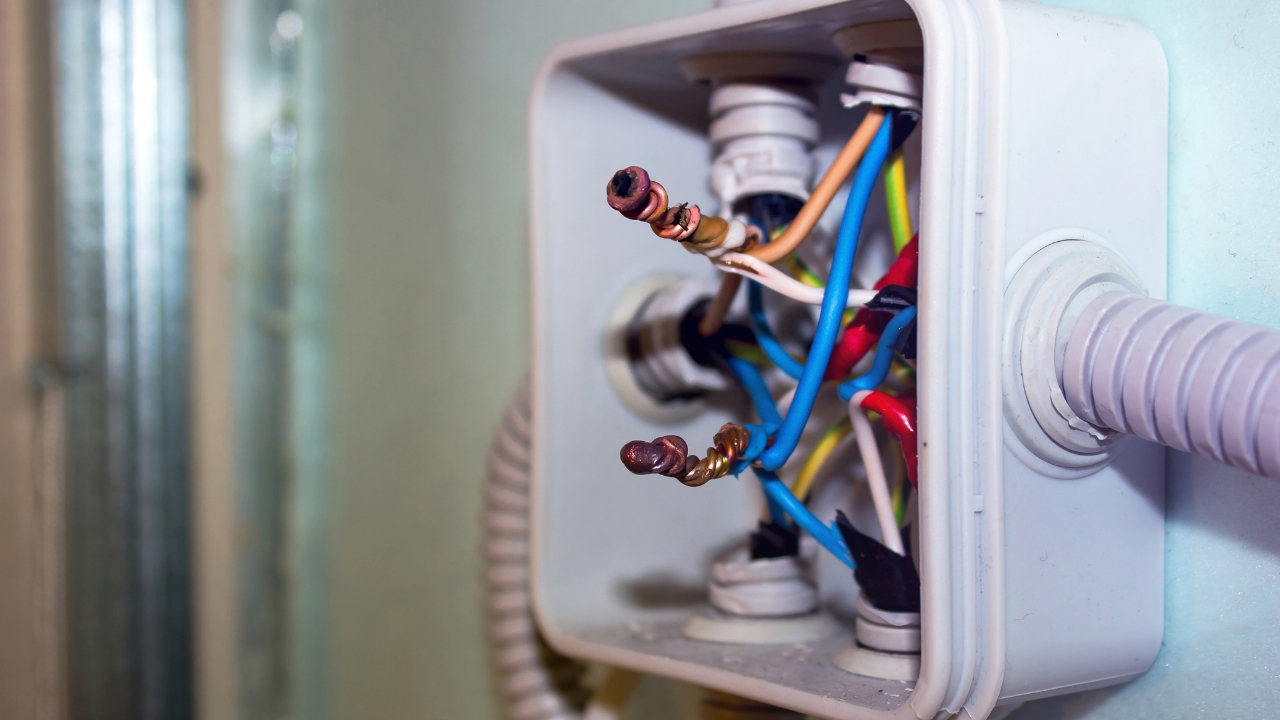
A brand-new light fixture can still be a red flag if the wiring looks like a weekend experiment. Loose outlets, missing cover plates, open junction boxes, and extension cords used as permanent wiring all read as safety risk. An appraiser can’t pass or fail code, but they can flag obvious hazards.
Replace cracked plates, secure loose receptacles, and put every splice in a proper box with a cover. If the work touches the service panel, aluminum wiring, knob-and-tube, or you see scorch marks, stop and call a licensed electrician. Permits and corrections cost money, but they cost less than a scary report.
5. The Smell From Hidden Moisture And Pets

Odor sounds subjective, but it changes how people judge a place. Musty basement air, cat urine in a back room, or a damp crawlspace smell points to moisture problems, not just “needs cleaning.” Appraisers are human. If it smells wet, they look for why.
Don’t try to mask it with candles or plug-ins. Find the source. Run a dehumidifier in humid seasons, fix grading and gutter issues, and clean hard surfaces with the right enzyme cleaner for pet smells. If the odor lives in carpet pad or subfloor, replacement is usually the honest fix.
6. Closet And Attic Access That Looks Unsafe
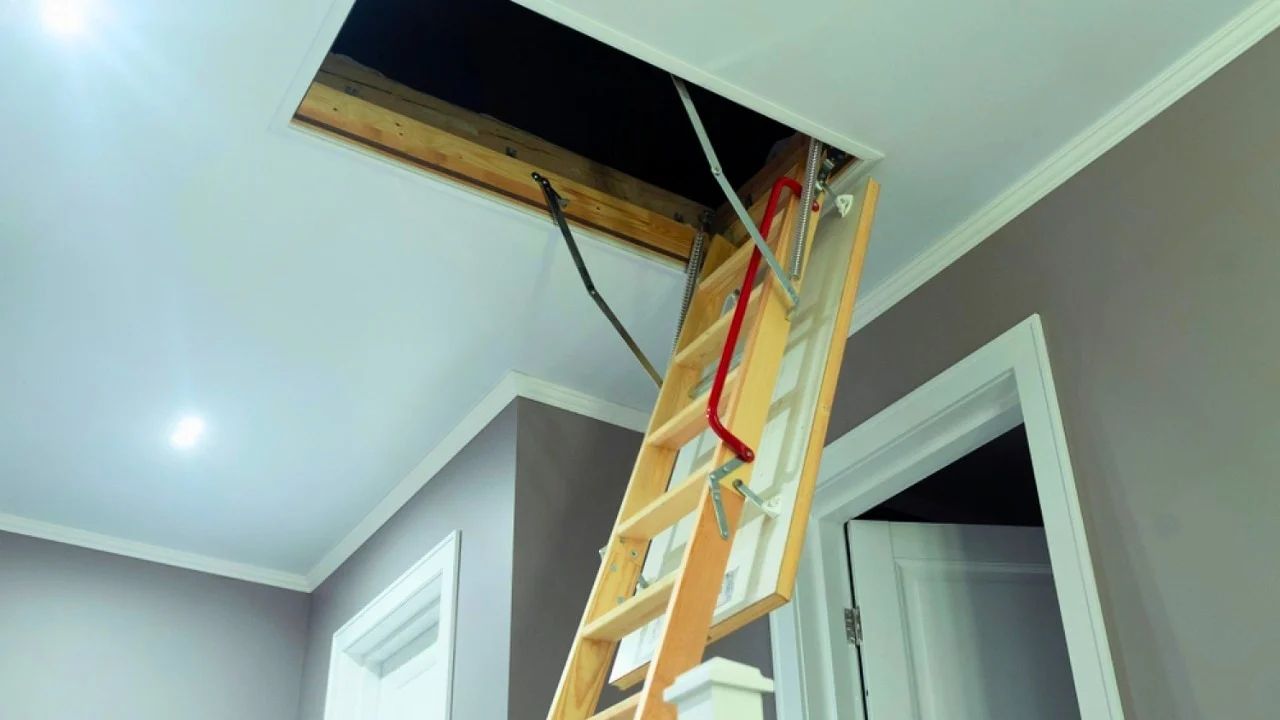
A scuttle hole behind a stacked shelf, a wobbly pull-down ladder, or an attic hatch that requires acrobatics makes the house feel unfinished. If an appraiser can’t safely access an area, they may note limited inspection or assume the worst. That hurts even if the space is fine.
Clear the path to the attic hatch and mechanical areas. Tighten the ladder hardware, add a simple handhold, and replace broken steps. In a closet, cut a clean access panel for plumbing shutoffs or tubs, then trim it so it looks planned.
7. Water Heater Age And Basic Setup
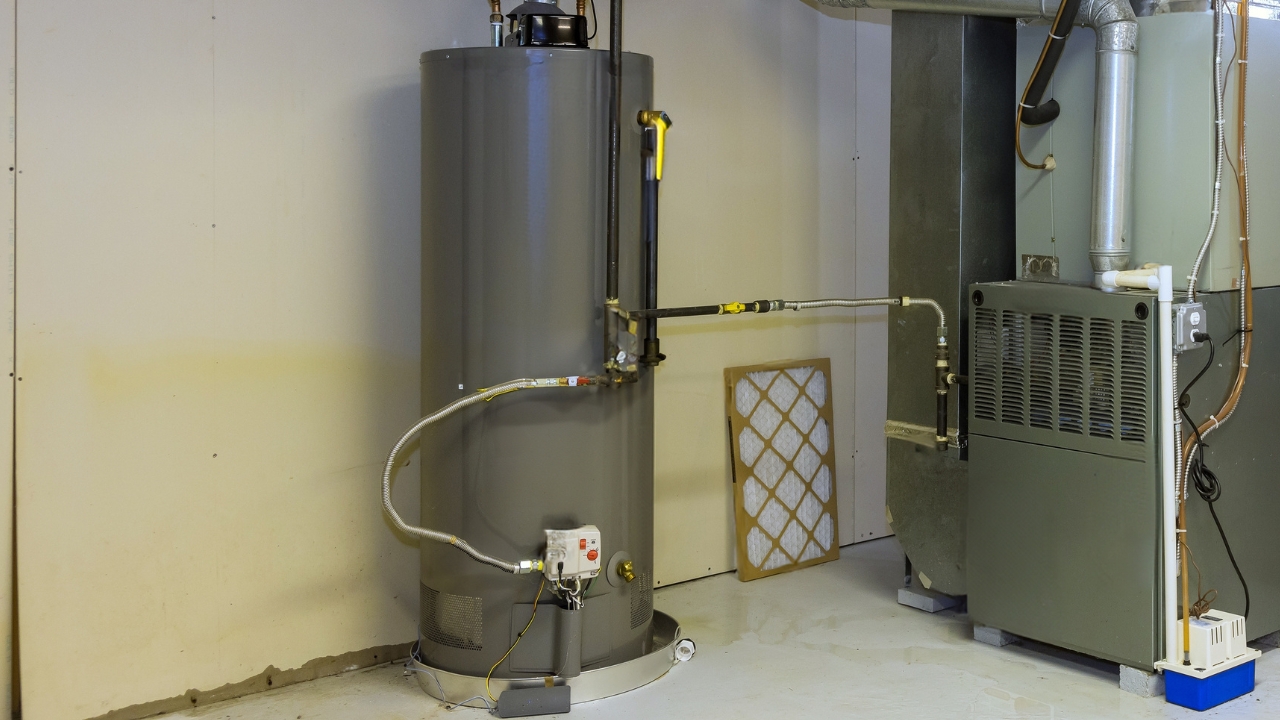
Owners ignore water heaters until there’s a cold shower. Appraisers notice age, rust at the base, and missing basics like a drain pan where one is expected. In some regions, an improperly installed temperature and pressure relief discharge is an instant “needs correction” note.
You don’t have to replace a perfectly good unit just because it’s older, that’s the exception where the cheap option can be fine. But you do need it to look maintained. Label the install date if you know it, strap it if your area requires seismic bracing, and make sure the relief valve discharge pipe is the right material and terminates correctly. If you smell gas near a gas unit, leave it alone and call a licensed pro.
8. Peeling Paint On Trim And Outbuildings

Peeling paint screams deferred maintenance, especially on exterior wood. It hints at rot underneath and invites moisture. A shed or barn that’s flaking and gray can drag down the whole property’s vibe even if the house is solid.
Scrape loose paint, spot-prime bare wood, and repaint just the failing areas. You don’t need a full color change. Do it on a dry stretch so it cures right. If you find punky wood, replace that piece instead of painting over soft rot.
9. Half-Finished Renovations And Missing Trim
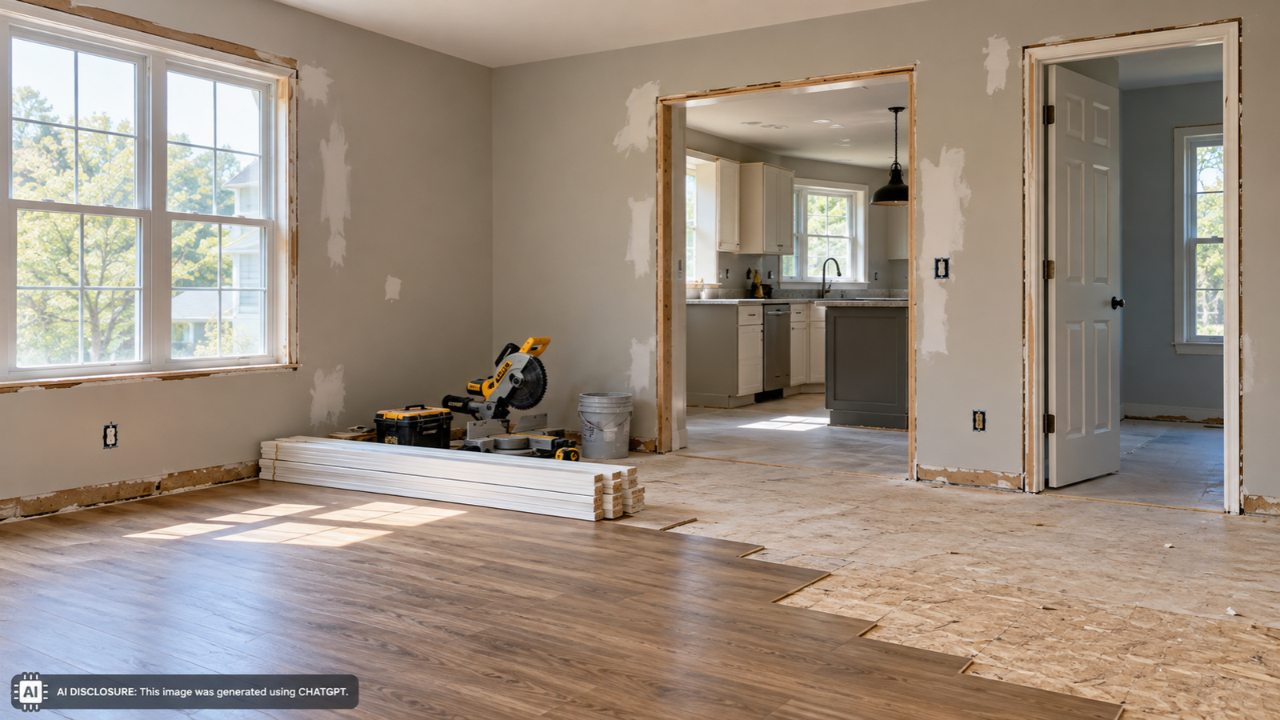
Uninstalled baseboards, door casings left off, and “almost done” flooring looks like a to-do list the next owner inherits. Even if the materials are sitting right there, unfinished work suggests shortcuts behind the walls. Appraisers often treat it as a condition issue because it affects marketability.
Pick one room and finish it all the way, then move to the next. Caulk gaps neatly, set nails, fill holes, and paint touch-ups so it reads as complete. If you can’t finish a big job before the appraisal, pause it cleanly instead of leaving exposed subfloor and dangling wires.
10. Driveway Edges, Drainage, And Trip Hazards
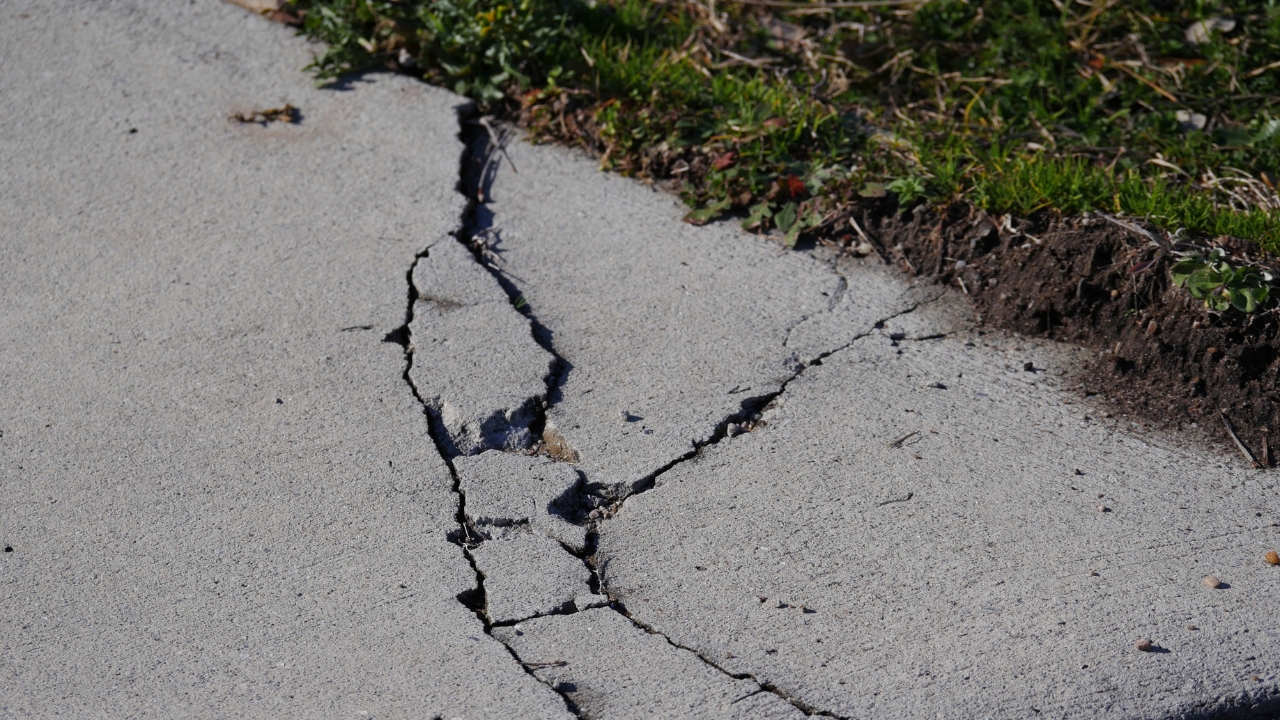
Crumbled driveway edges and a low spot that holds water aren’t just ugly. They’re wear, drainage, and liability in one place. The same goes for heaved sidewalk panels and loose porch steps that bounce when you walk on them.
Patch small asphalt failures before they become a full replacement, and regrade the shoulder so water doesn’t sit against the slab. Grind a raised sidewalk lip if it’s minor, or have a concrete pro address bigger movement. Handrails should be solid, and steps should feel like they’re part of the house, not a temporary add-on.
Do a slow walk around your place with a notepad, then do the same walk inside with a flashlight. Fix the small, unglamorous stuff first, because that’s what makes everything else look believable. If a problem is structural, electrical at the panel, or gas-related, spend the money on the right pro and keep the paperwork. Clean, safe, and maintained always reads better than fancy but questionable.
Like Fix It Homestead’s content? Be sure to follow us.