10 Reasons Animals Target a Crawl Space in Winter
Photo credit: Fix It Homestead
Cold snaps push animals to get practical fast. Your crawl space is dry, out of the wind, and usually full of little gaps that nobody notices in July. By the time you hear scratching or smell musk, they’ve already decided it’s a winter rental.
1. Warm Air Leaking From The House

The biggest “welcome” sign is heat loss. If your floor feels icy in bare feet or you notice one room that never warms up, warm air is likely bleeding into the crawl space. Animals can feel that temperature difference through vents, gaps, and thin spots, and they’ll follow it like a trail.
Start by air-sealing from inside, not just stuffing insulation under the floor. Use spray foam or caulk around plumbing penetrations, wiring holes, and the rim joist, then add insulation after the leaks are sealed. If you have ductwork down there, seal seams with mastic, not duct tape, and make sure any disconnected runs get fixed before you waste money on more insulation.
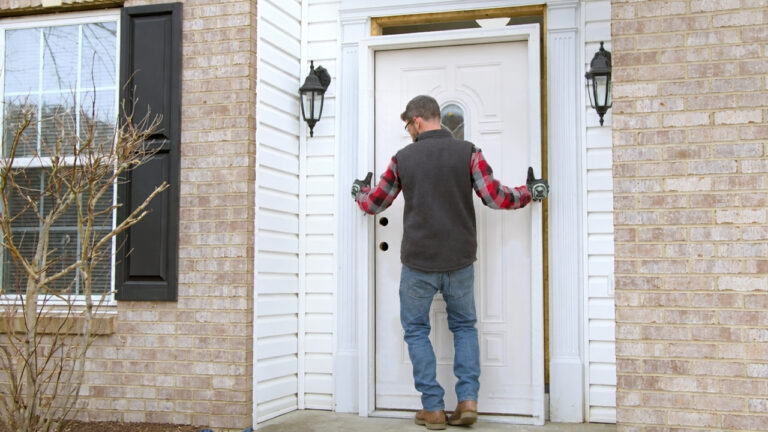
2. Loose Or Missing Crawl Space Door
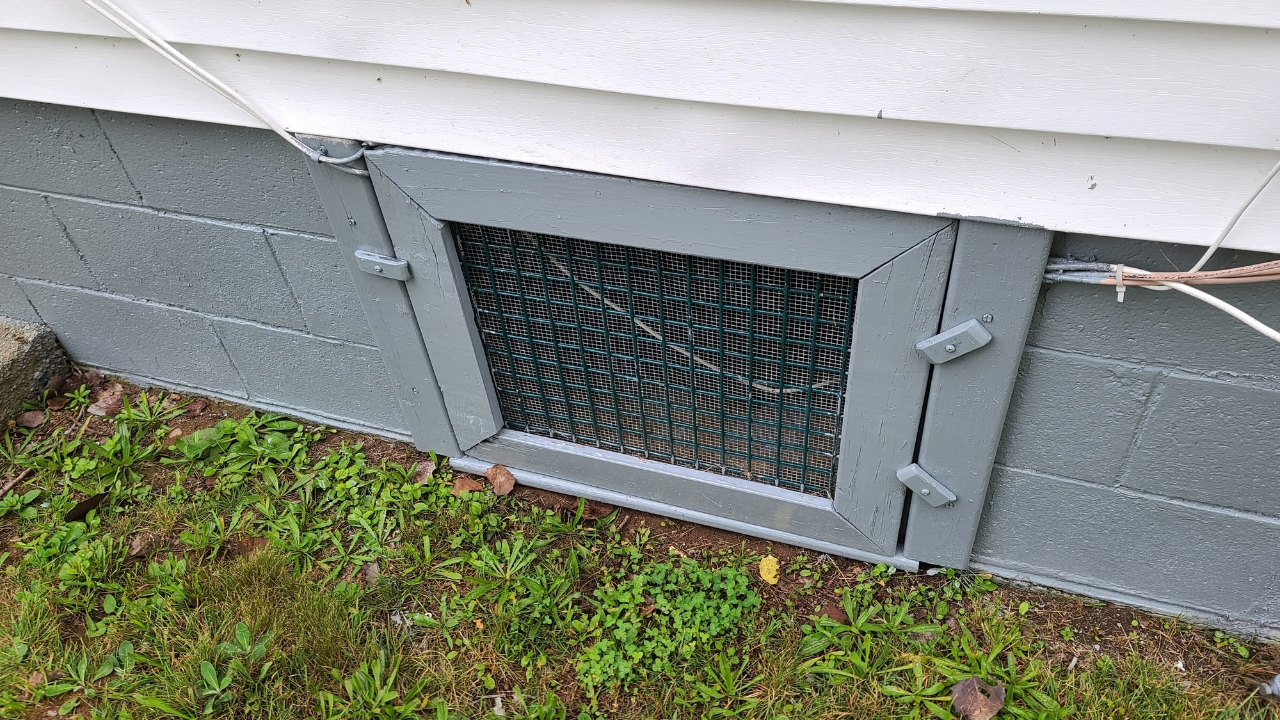
That little access door is a common failure point because it gets opened once a year, then ignored. A warped wood panel, a rusted latch, or a gap at the bottom is plenty of room for a rat, and not much more is needed for a raccoon.
Replace flimsy covers with a solid door that latches tight. Add weatherstripping, a threshold, and a hasp that pulls the door snug instead of just “closed.” If the opening itself is crumbling block or rotten framing, patch it properly before you hang a nicer door on bad edges.
3. Vents Left Open During Cold Spells
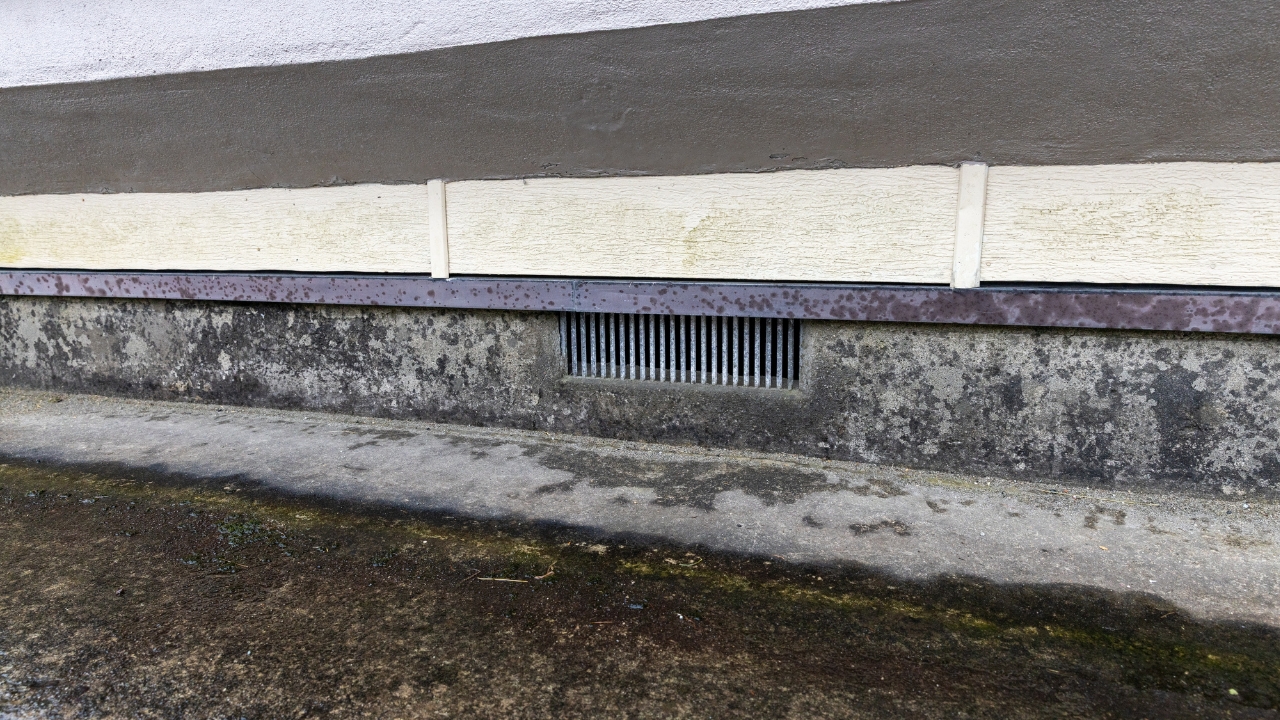
Open vents are basically an invitation, especially when snow piles up and makes a ramp. People leave them open because they heard crawl spaces “need to breathe,” and sometimes that advice is fine. If you have a traditional vented crawl in a dry climate, open vents can be the least-bad option for moisture control.
The catch is the screen. Old plastic mesh, torn aluminum, or a screen that’s barely stapled on won’t stop anything determined. Upgrade to 1/4 inch galvanized hardware cloth fastened with screws and washers, and check after the first windstorm. If your area stays damp in winter, talk to a local pro about a closed, conditioned crawl with a vapor barrier, it’s a bigger project, but it solves more than pests.
4. Food Smells From Pet Bowls Or Trash
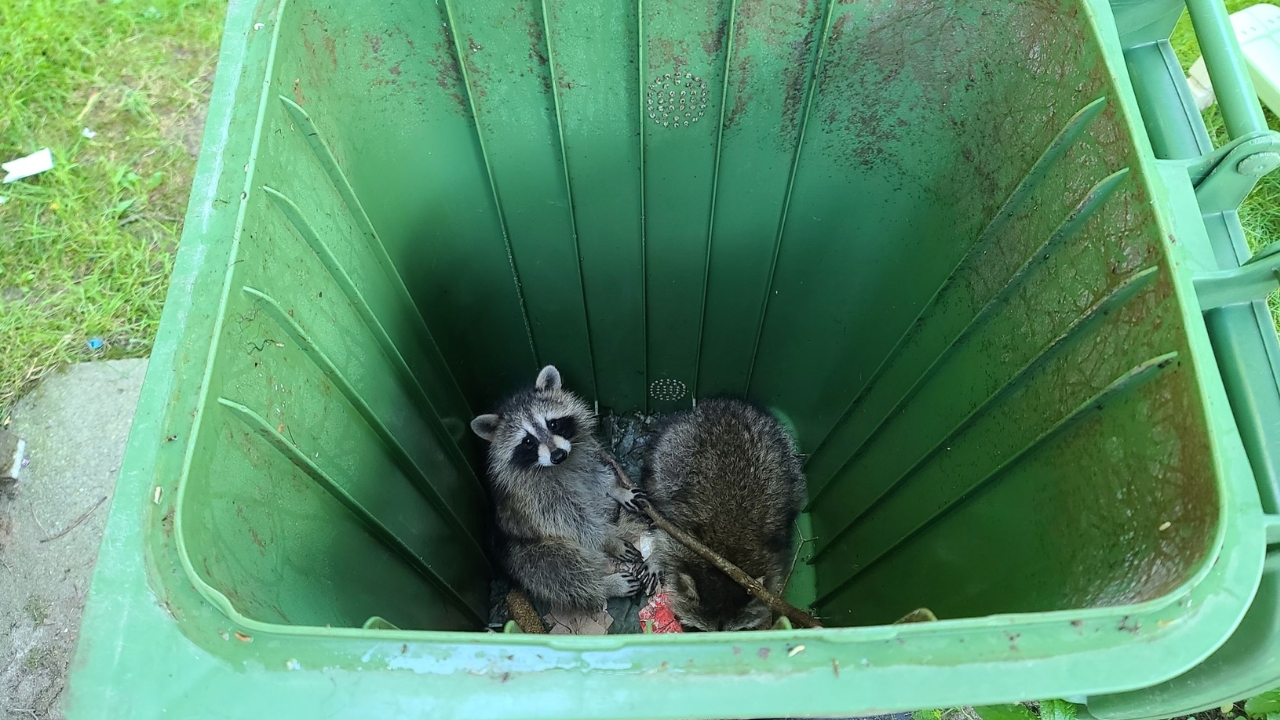
Animals don’t need a pantry, they just need a reason to keep checking your house. A bag of dog food on the porch, a leaky trash can near the foundation, or a compost bucket that gets tossed “later” can keep them circling until they find a way under.
Move feed into sealed bins with locking lids and keep trash tight, especially after dark. If you’ve got an outdoor freezer or extra fridge near a crawl access, clean up spilled meat juice and crumbs. Even if they never get the food, the smell alone can train them to treat your foundation like a vending machine.
5. Pipe And Wire Holes Left Unsealed
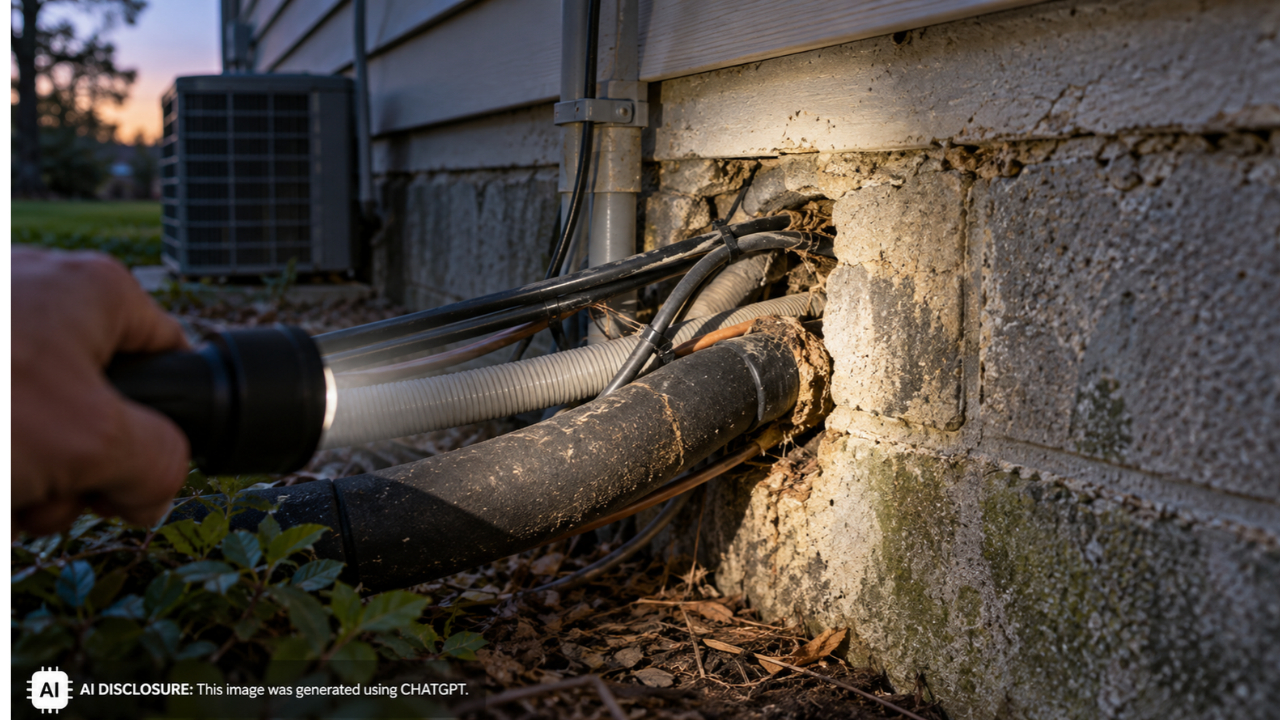
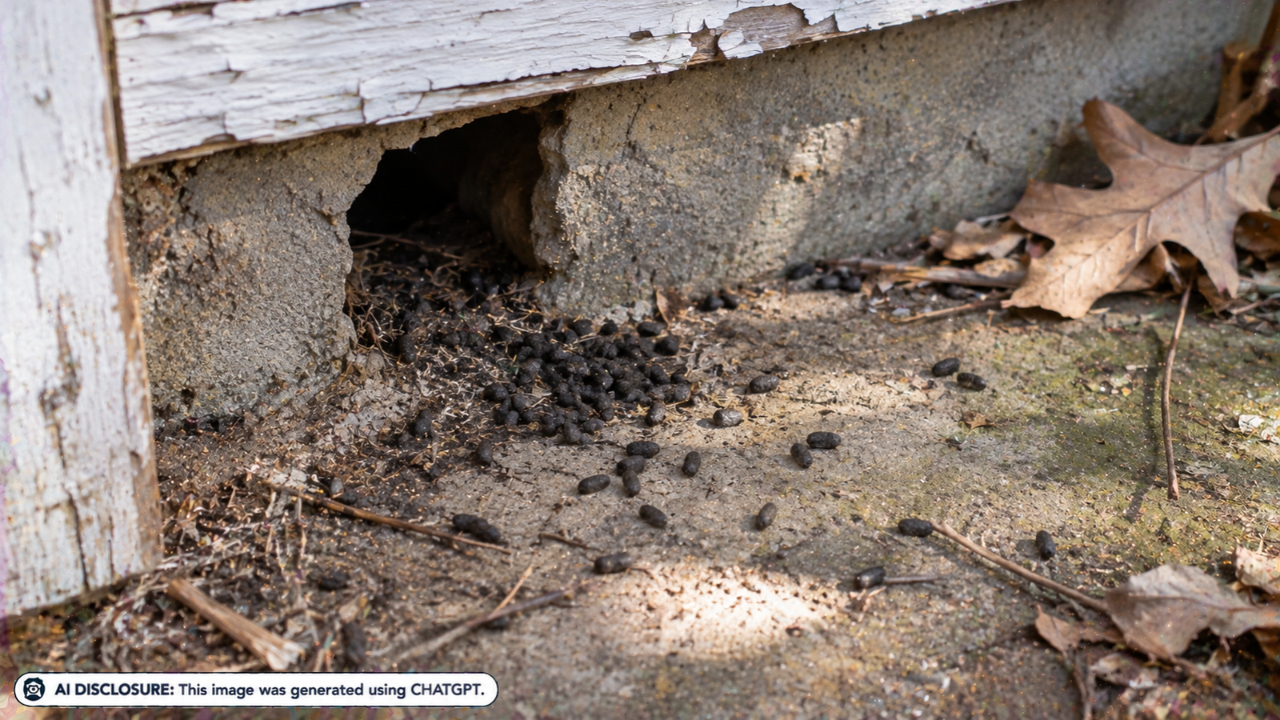
The small gaps are the ones that cost you. A half-inch space around a hose bib line, the AC lineset, or a bundle of wires is a freeway for mice, and once mice move in, bigger predators start showing up too.
Seal openings with the right material for the job. Copper mesh or steel wool jammed in the gap works well when you cap it with caulk or spray foam, the metal keeps rodents from chewing straight through. For larger holes, cut sheet metal patches or use mortar on masonry, then re-check after the first freeze-thaw cycle when gaps tend to open back up.
6. Damp Crawl Space With Standing Water
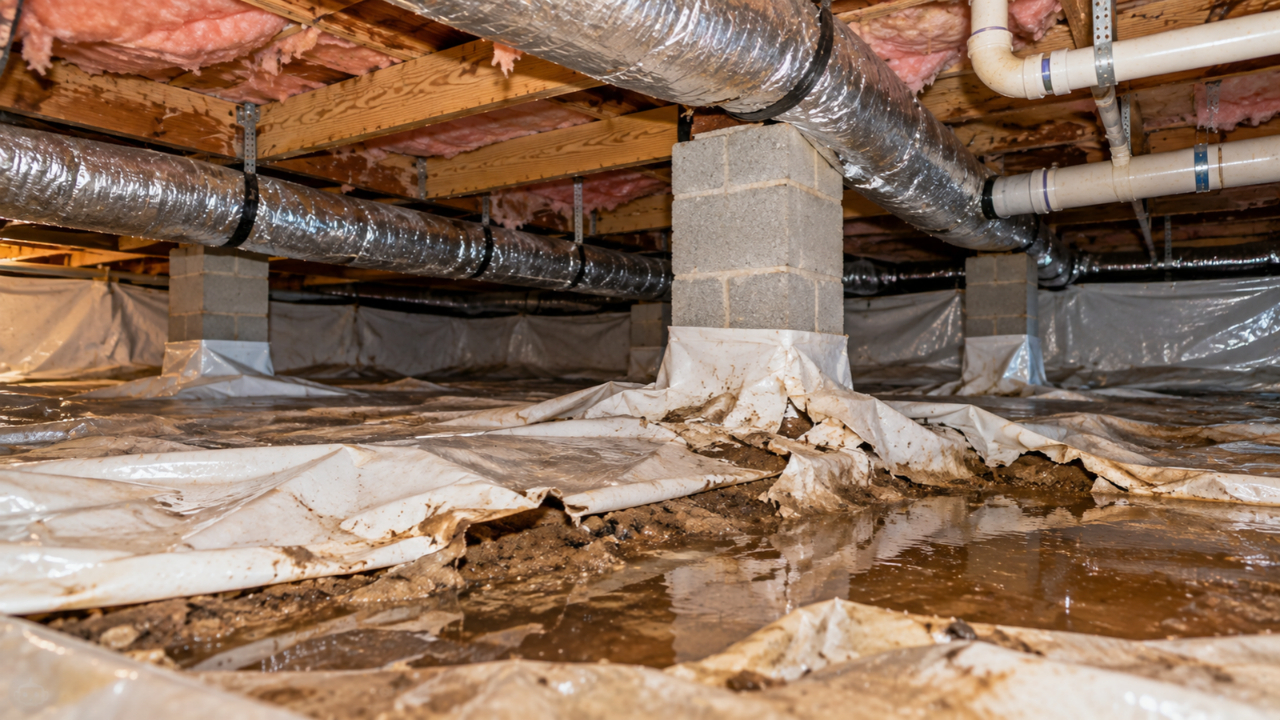
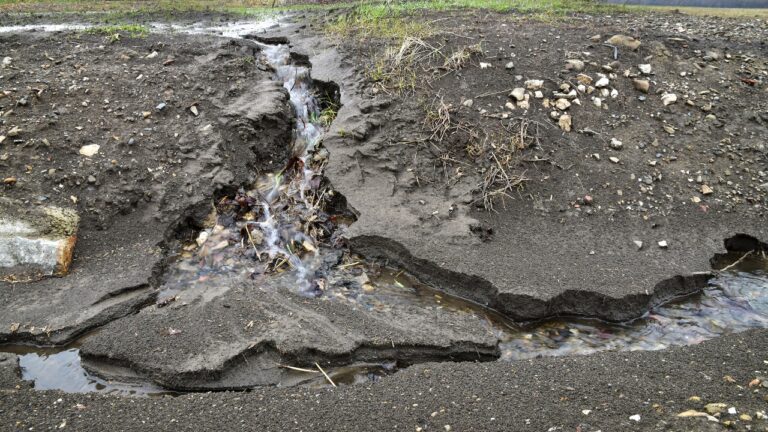
Some critters come for warmth, others come for water. If you’ve got puddles, muddy plastic, or that sour, earthy smell, the crawl space turns into a winter oasis when everything else is frozen.
Fix drainage outside first. Clean gutters, extend downspouts well away from the house, and slope soil so water runs off instead of in. If water still shows up, you may be looking at a sump system or perimeter drain, and that’s where it’s worth paying a licensed contractor who knows local rules and how not to undermine your footing.
7. Rodents Nesting In Sagging Insulation
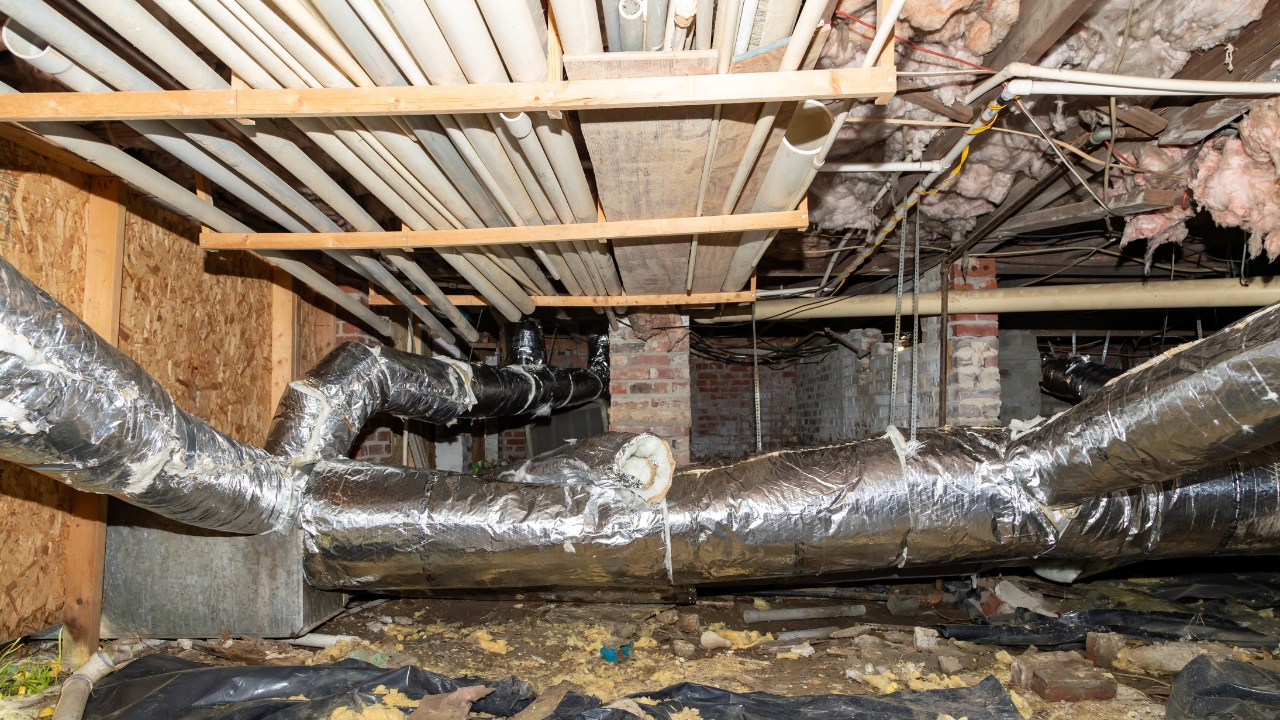
Hanging fiberglass batts are basically free bedding. Once insulation gets wet or falls down, it makes warm pockets and tunnels that mice love, and you’ll hear light scratching or a faint rustle at night.
Pull down ruined insulation and bag it up, wear gloves, long sleeves, eye protection, and a good respirator since droppings and fiberglass are a nasty mix. Before you install new batts, fix the reason they sagged, usually moisture, poor fasteners, or an air leak that was blasting warm air into the cavity. In some crawls, rigid foam board with sealed seams holds up better than batts, but it needs to be installed to code for fire protection.
8. Burrows Along The Foundation Edge
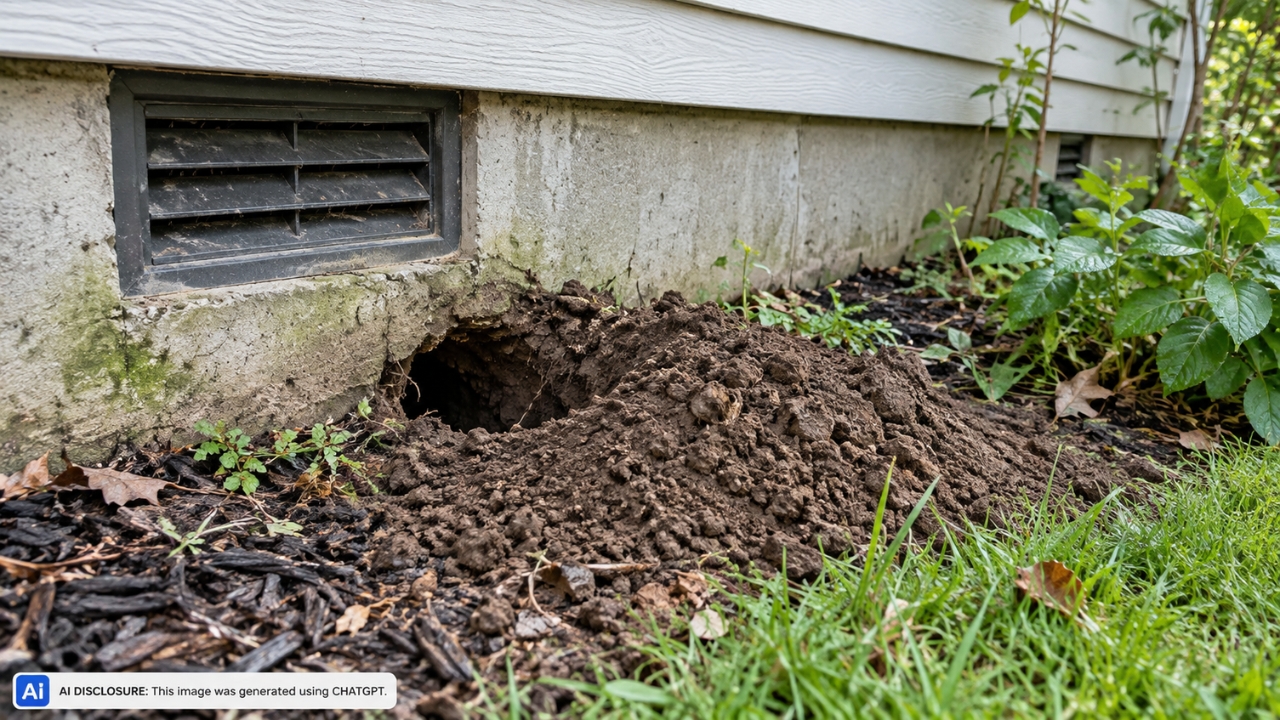
As the ground freezes, animals look for a place where digging stays easy. The soil right next to your foundation is often looser and warmer, especially where mulch is thick or plants are overwatered.
Walk the perimeter after the first hard frost and look for fresh dirt, holes, and tracks. Backfill and compact small burrows, then block repeat digging with hardware cloth “aprons” laid flat and buried a few inches, extending outward from the foundation. Call 811 before any serious digging, and if you see large openings or signs of aggressive animals, a wildlife control pro is money well spent.
9. Firewood And Clutter Stacked Nearby
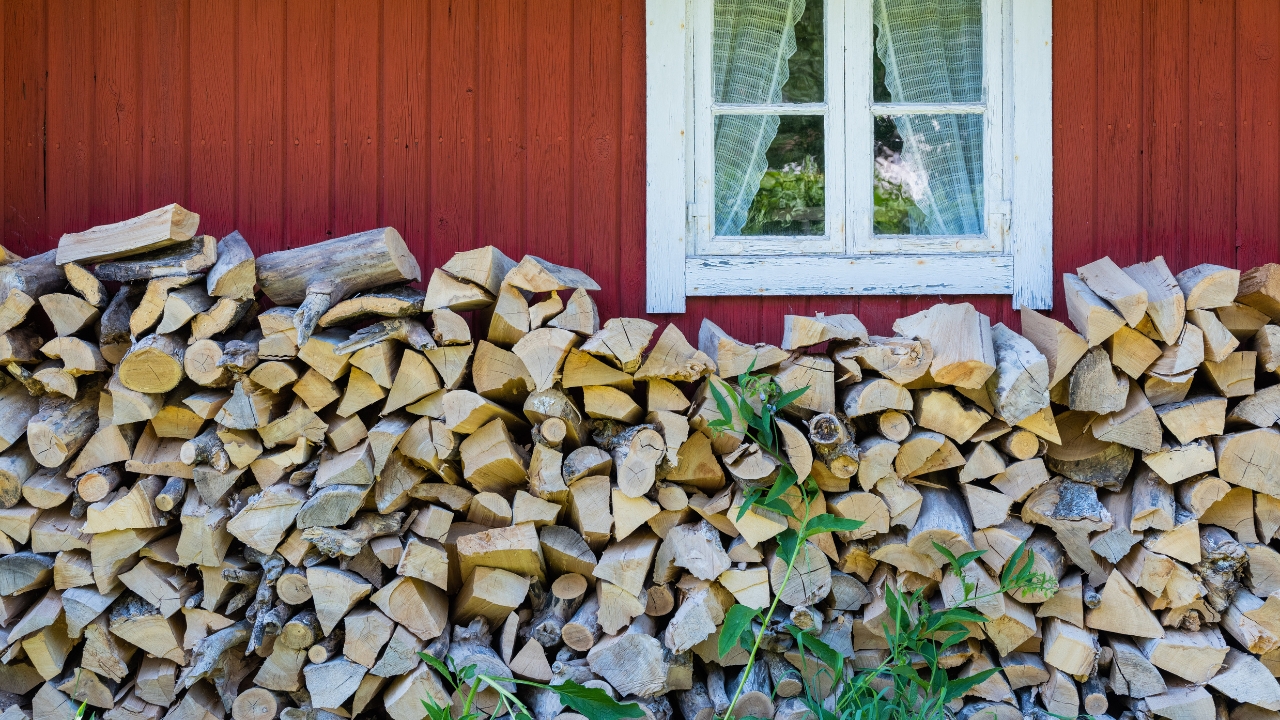
That neat stack of firewood against the house is shelter, not storage. Same with leaning lumber, old boards, or a pile of empty feed sacks near the crawl vent. Animals use it as cover while they work on an entry point.
Store firewood off the ground and away from the foundation, and keep the area around the crawl access clear so you can actually inspect it. You don’t need a spotless yard, just a bare strip where you can spot tracks, droppings, and new holes before they turn into a repair bill.
10. Repairs Delayed Until After You Hear Noise
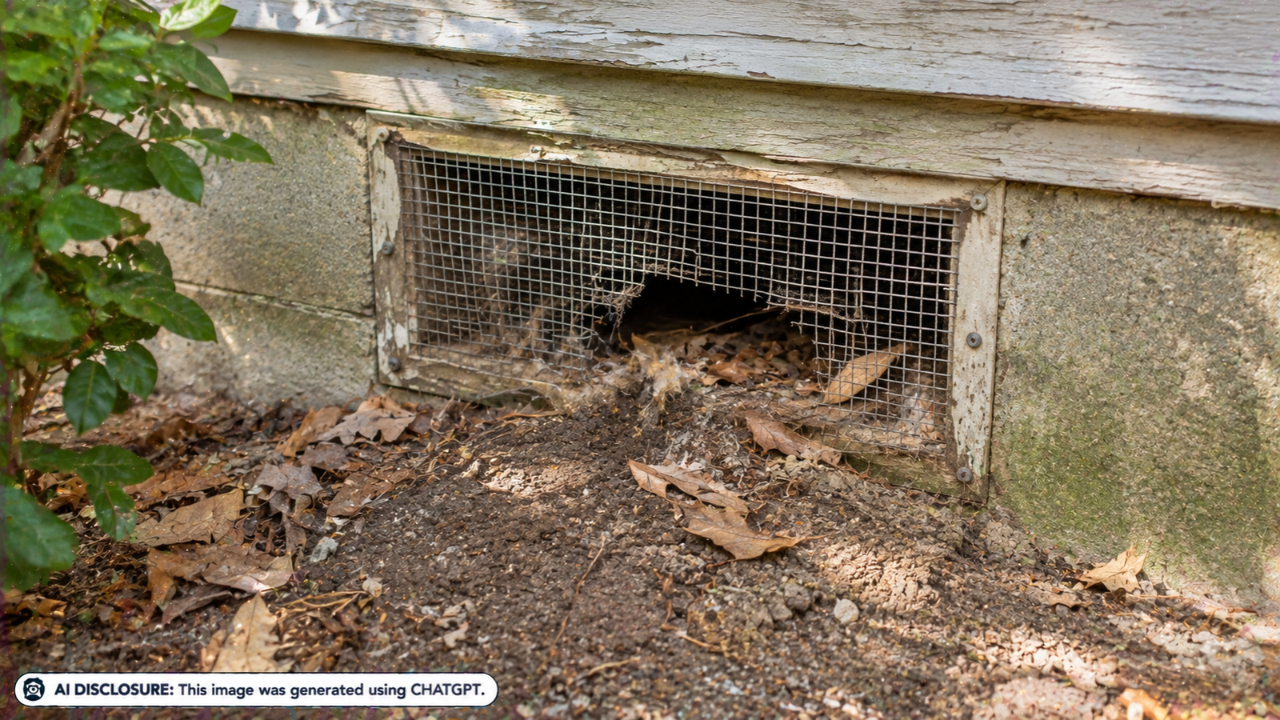
Waiting costs more because animals don’t rent quietly. They chew duct insulation, tear vapor barriers, and pack vents with nesting material. Some also bring fleas and ticks, and once they’ve established a route, they’ll use it again next winter.
Do a quick crawl check in late fall, even if it’s miserable down there. A bright headlamp, a knee pad, and a few minutes of looking for daylight leaks, droppings, and torn screens beats a weekend of cleanup in January. If you suspect a larger animal is already inside, don’t seal it in, get it removed first, then close up the entry points.
If you keep getting repeat visitors, take photos of every gap, hole, and vent before you patch anything. Patterns show up fast, especially where snow drifts, downspouts dump water, or the ground stays soft. Fix the outside conditions and the entry points together, and winter gets a lot quieter.
Like Fix It Homestead’s content? Be sure to follow us.